The railway industry relies heavily on precise and reliable signaling systems to ensure the safe and efficient movement of trains. At the heart of these systems are Printed Circuit Boards (PCBs), which act as the central nervous system, controlling everything from track switching to train detection. In this complex landscape, the quality and reliability of PCBs are paramount. Zero One Solution Limited, with its extensive experience in PCB design, manufacturing, and assembly, offers specialized solutions tailored to the demanding requirements of railway signaling systems. We empower our clients to accelerate product development and bring innovative solutions to market with exceptional efficiency. In this article, we'll explore the critical role of PCBs in railway signaling, the challenges involved in their design and manufacturing, and how Zero One Solution delivers cutting-edge solutions to meet these challenges, ensuring the safety and reliability of railway operations.
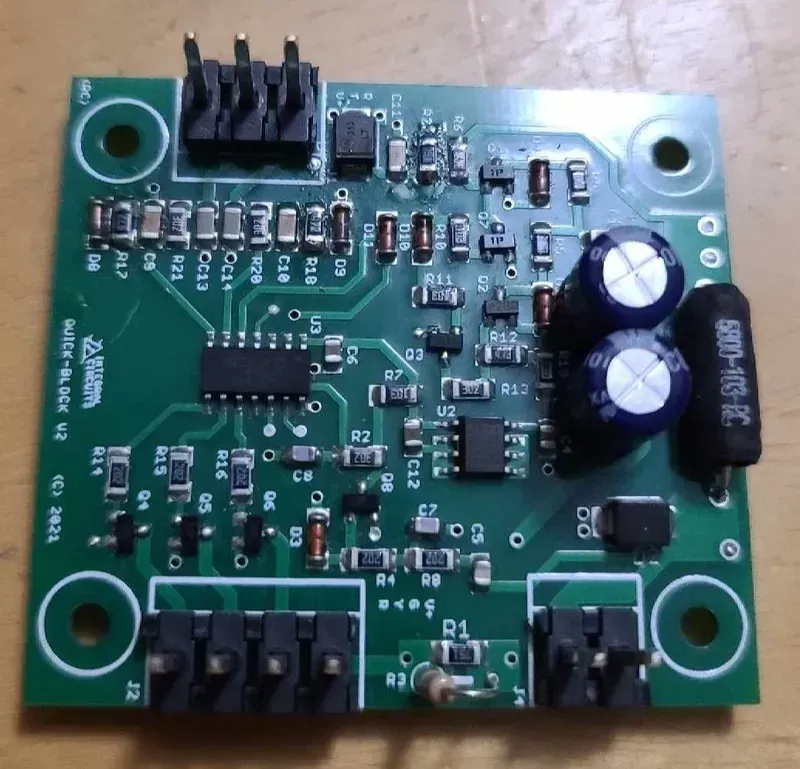
Printed Circuit Boards (PCBs) are the unseen backbone of modern railway signal systems, serving as the critical interface for electronic components that control everything from train movements to passenger safety. In an industry where precision and reliability are paramount, the performance of these PCBs directly impacts operational efficiency and, more importantly, the integrity of human lives. Zero One Solution Limited understands that the design and manufacturing of PCBs for railway signaling demand an unparalleled commitment to stringent industry standards and a deep understanding of the unique environmental challenges encountered in railway infrastructure.
PCBs used in railway signal systems are not merely electronic components; they are the bedrock of operational safety and efficiency, demanding a level of reliability and durability far exceeding that of standard industrial applications. This elevated demand stems directly from their critical function in controlling train movements, managing signals, and ensuring fail-safe operations. Therefore, these PCBs must adhere to an exceptionally stringent set of requirements, dictated by the harsh operational environment and the imperative for uninterrupted performance.
| Requirement Category | Specific Requirement | Why it Matters for Railway PCBs |
|---|---|---|
| Reliability | Long-term operational stability | Prevents signal failures and maintains safety over decades of service life, crucial for continuous railway operations without interruptions or hazards, adhering to SIL (Safety Integrity Level) standards like SIL-4 per IEC 61508/EN 50129 for critical functions such as interlocking and automatic train protection (ATP). |
| Durability | Resistance to environmental stressors | Withstands extreme temperatures (-40°C to +85°C), high humidity, vibrations (up to 5g, per IEC 61373), and dust, ensuring consistent performance in diverse geographical and operational conditions without physical degradation or signal integrity issues. For example, the EN 50155 standard outlines specific temperature and vibration profiles that railway electronics must tolerate and continue to operate reliably within these parameters across the service life of the rolling stock or trackside equipment, often 20-30 years in continuous service environments, necessitating robust mechanical and material selection, including specific resin systems and copper weights to prevent delamination or cracking under stress and thermal cycling over time. Additionally, materials must be selected to resist corrosive elements and moisture ingression, such as specific conformal coatings or potting compounds that comply with railway material fire safety standards like EN 45545-2 (fire behavior of materials and components). |
| Safety Compliance | Adherence to industry standards (e.g., EN 50126, EN 50128, EN 50129) | Ensures that the design, manufacturing, and testing processes meet the highest safety integrity levels (SIL), mitigating risks of system failures that could lead to accidents. This includes strict design rules for redundancy, fault tolerance, and failure modes, effects, and criticality analysis (FMECA) to ensure that any single point of failure does not lead to a hazardous condition, often requiring comprehensive certification processes and independent assessments to validate compliance with these demanding safety directives. |
Designing Printed Circuit Boards (PCBs) for railway signal systems presents a unique set of formidable challenges, far exceeding those encountered in typical electronics. These PCBs are the unsung heroes of railway safety and operational efficiency, requiring a meticulous approach to overcome environmental stressors, maintain impeccable signal integrity, and adhere to stringent safety-critical design protocols. The harsh and dynamic railway environment demands unparalleled reliability and robustness from every component, making the design phase crucial for long-term performance and system integrity.
| Challenge Category | Specific Challenges | Impact on Railway PCBs |
|---|---|---|
| Environmental Factors | Extreme Temperature Variations, Humidity, Dust, Vibration, Shock | Degradation of materials, solder joint fatigue, component failure, signal disruption |
| Signal Integrity | Electromagnetic Interference (EMI), Crosstalk, Impedance Mismatches, High-Speed Data Rates | Data corruption, erroneous signals, system malfunctions, safety breaches |
| Safety-Critical Design | Redundancy Requirements, Fault Tolerance, Strict Certification Standards (e.g., EN 50126, EN 50128, EN 50129), Lifecycle Management | Catastrophic system failure, regulatory non-compliance, delays in deployment |
| Long-Term Reliability | Corrosion, Component Aging, Wear and Tear | Increased maintenance, reduced operational lifespan, higher total cost of ownership |
| Space and Weight Constraints | Compact System Enclosures, Limited Mounting Options | Higher component density, thermal management complexities, specialized material requirements |
Zero One Solution Limited leverages its extensive experience and advanced capabilities to address these multifaceted challenges, ensuring that every PCB designed for railway applications meets the highest standards of performance, reliability, and safety.
At Zero One Solution Limited, our extensive expertise in Printed Circuit Board (PCB) solutions positions us as a trusted partner for the railway sector, where unparalleled reliability and safety are paramount. Leveraging our deep understanding of the unique demands of railway signal systems, we deliver high-performance, durable, and compliant PCBs that form the backbone of critical infrastructure, ensuring the seamless operation and safety of modern rail networks. Our commitment to excellence is underpinned by rigorous quality control, adherence to global industry standards, and a proven track record of successful deployments in this demanding field.
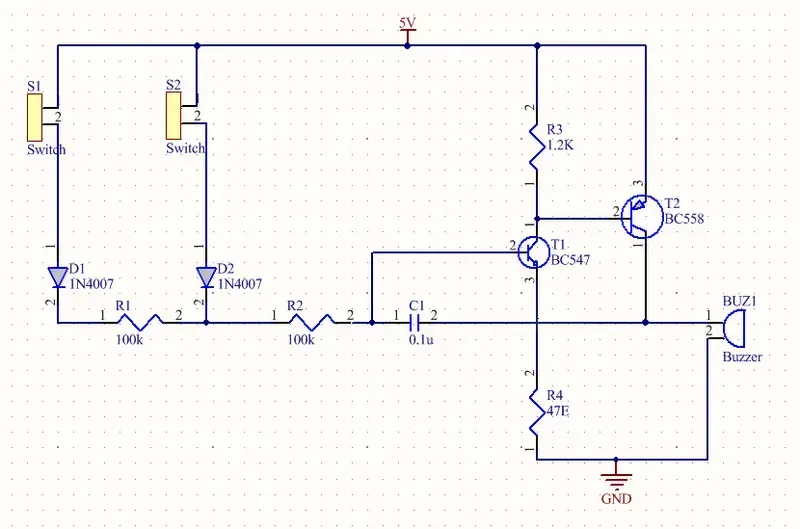
In railway signal systems, the integrity and performance of printed circuit boards (PCBs) are paramount, directly impacting the safety and efficiency of rail operations. Optimal signal performance in these critical applications hinges on a meticulous PCB design process that proactively addresses challenges like electromagnetic interference (EMI) and signal degradation. Zero One Solution Limited, with its deep expertise in rapid prototyping and high-reliability PCB manufacturing, offers specialized design services tailored to meet the stringent demands of railway signaling, ensuring robust and interference-free signal transmission.
| Design Phase | Key Activities | Tools & Methodologies | Performance Impact |
|---|---|---|---|
| Requirement Analysis | Define system specifications, environmental conditions, and regulatory compliance (e.g., IEC 62279, EN 50126/8/9). | Stakeholder consultations, detailed specification reviews. | Ensures design aligns with operational and safety needs from the outset, minimizing rework and compliance issues later. |
| Design Phase | Key Activities | Tools & Methodologies | Performance Impact |
|---|---|---|---|
| Schematic Capture & Component Selection | Create detailed circuit diagrams, select railway-grade components (wide temperature range, vibration resistance). | EDA tools (e.g., Altium Designer, Cadence Allegro), component libraries, LCR meters. | Establishes foundational circuit logic and ensures component resilience under harsh railway conditions, impacting long-term reliability. |
| Design Phase | Key Activities | Tools & Methodologies | Performance Impact |
|---|---|---|---|
| PCB Layout & Routing | Optimize trace routing for impedance control, minimize crosstalk, separate analog/digital grounds, manage thermal dissipation. | High-speed design rules, differential pair routing, power integrity (PI) analysis, signal integrity (SI) analysis, thermal simulation software (e.g., ANSYS Icepak). | Directly impacts signal integrity, reduces EMI, prevents overheating, and ensures stable operation of sensitive signal components. |
| Design Phase | Key Activities | Tools & Methodologies | Performance Impact |
|---|---|---|---|
| Pre-fabrication Simulation & Verification | Perform extensive simulations to validate design integrity against specified parameters (e.g., signal propagation delay, impedance matching, power distribution). | Electromagnetic compatibility (EMC) simulation, SI/PI simulation, SPICE simulation. | Identifies and rectifies potential design flaws before physical prototyping, significantly reducing development cycles and costs, enhancing first-pass yield. |
| Design Phase | Key Activities | Tools & Methodologies | Performance Impact |
|---|---|---|---|
| Design for Manufacturability (DFM) & Testability (DFT) | Incorporate manufacturing tolerances, optimize for assembly processes, integrate test points and access for in-circuit testing. | DFM/DFT checklists, automated optical inspection (AOI) considerations, flying probe test points. | Streamlines the manufacturing process, reduces production errors, and facilitates efficient testing and debugging post-assembly, contributing to overall product quality. |
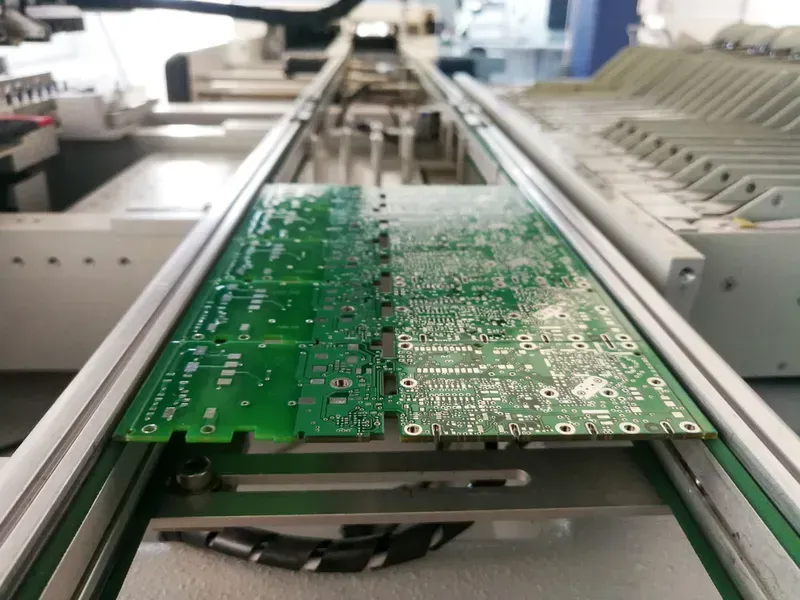
Manufacturing high-reliability PCBs for railway signal systems demands a profound understanding of extreme operating conditions and an unwavering commitment to quality. These boards must withstand severe temperature fluctuations, intense vibrations, humidity, and electromagnetic interference, all while ensuring uninterrupted, safety-critical performance for decades. Our manufacturing processes are engineered from the ground up to meet these rigorous demands, leveraging advanced material science and stringent quality control protocols to deliver unparalleled durability and operational integrity in the harshest railway environments.
| Manufacturing Aspect | Zero One Solution Approach | Benefit for Railway PCBs |
|---|---|---|
| Material Selection | Utilizing high-Tg laminates (e.g., Isola 370HR, Nelco N4000-13 SI), low Dk/Df materials, and specialized copper foils for enhanced thermal stability and signal integrity. Employing halogen-free and flame-retardant materials (UL94 V-0). | Ensures operational stability across extreme temperatures (-40°C to +85°C), reduces signal loss, and meets strict fire safety regulations (EN45545). |
| Fabrication Processes | Implementing advanced drilling (laser drilling for micro-vias), precise etching, and optimized layer stack-ups. Utilizing advanced surface finishes (ENIG, Immersion Tin, OSP) for superior solderability and environmental protection. | Achieves high-density interconnects, minimizes impedance variations, enhances long-term reliability against corrosion and oxidation, crucial for complex signal processing. |
| Thermal Management | Integrating heavy copper layers, thermal vias, and specialized substrates (e.g., metal-core PCBs) for efficient heat dissipation. Utilizing thermal simulation during design. | Prevents localized hotspots, extends component lifespan, and maintains optimal performance under continuous, high-power operation, critical for power electronics in signaling. |
| Vibration & Shock Resistance | Employing robust mechanical designs, optimized pad geometries, and specialized component anchoring techniques. Utilizing advanced resin systems and conformal coatings (e.g., acrylic, silicone) for environmental sealing. | Minimizes stress on solder joints and components, preventing failures due to constant railway vibrations and sudden shocks, ensuring uninterrupted signal transmission. |
| Quality Control & Testing | Adhering to IPC Class 3 standards for manufacturing and assembly. Implementing comprehensive testing: Automated Optical Inspection (AOI), X-ray inspection, In-Circuit Testing (ICT), Functional Testing (FCT), and environmental stress screening (ESS) including thermal cycling and vibration testing. | Guarantees defect-free boards, validates electrical and mechanical integrity under simulated operational conditions, significantly reducing field failures and ensuring compliance with CENELEC EN50126/128/129 safety integrity levels. |
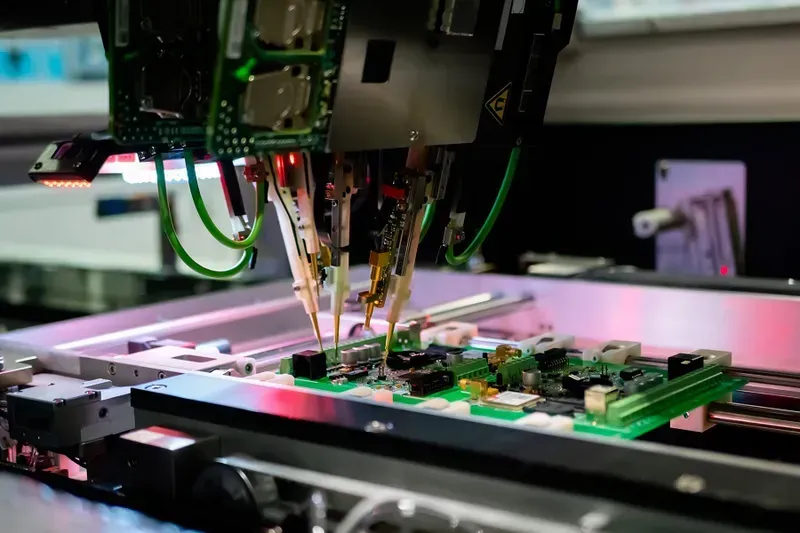
For railway signal systems, the integrity of PCBs extends beyond design and manufacturing, culminating in meticulous assembly and rigorous testing. This final phase is paramount to ensuring the long-term reliability and fail-safe operation of critical railway infrastructure, mitigating risks associated with environmental stressors and continuous operation. Zero One Solution Limited prioritizes a holistic approach, where precision assembly meets comprehensive validation, guaranteeing every PCB delivered for railway applications meets the highest international standards.
| Testing Phase | Purpose | Methodology & Standards |
|---|---|---|
| Automated Optical Inspection (AOI) | Detects assembly defects (missing components, incorrect polarity, solder shorts/opens) | High-resolution cameras and pattern recognition algorithms. IPC-A-610 Class 3 compliance. |
| Testing Phase | Purpose | Methodology & Standards |
|---|---|---|
| Functional Testing (FCT) | Verifies the complete assembled PCB's functionality under simulated operational conditions. | Custom-designed test fixtures and software simulate real-world railway signal inputs/outputs, verifying logic, communication protocols (e.g., Modbus, Ethernet), and overall system performance. Adherence to EN 50126, EN 50128, and EN 50129 railway safety standards. |
Zero One Solution Limited's extensive experience in the railway sector is best exemplified through our successful project implementations. Our commitment to precision engineering, rigorous testing, and adherence to global safety standards consistently translates into tangible benefits for our clients, enhancing the reliability and operational efficiency of critical railway signal systems.
| Project Focus | Zero One Solution Contribution | Key Outcome / Benefit |
|---|---|---|
| ERTMS Level 2 Communication Module | Provided high-density, multi-layer PCBs with integrated impedance control and thermal management for data integrity and system stability. | Enhanced real-time data exchange reliability, contributing to a 15% reduction in signal interference and improved train control accuracy, validated by field performance data. |
| >Predictive Maintenance Sensor Array for Track Integrity | Developed robust, vibration-resistant PCBs for harsh outdoor environments, incorporating specialized conformal coatings and extended operating temperature ranges. | Achieved consistent sensor data acquisition in extreme weather, leading to a 20% earlier detection rate of track anomalies and significantly minimizing potential disruptions. |
| >Interlocking System Logic Unit | Manufactured safety-critical PCBs with redundant circuit paths and fault-tolerant design features, meeting SIL4 requirements for fail-safe operation. | Ensured uninterrupted signal interlocking operations with an recorded uptime of 99.999%, drastically reducing the risk of signaling errors and enhancing overall rail network safety. |
| >Automated Train Control (ATC) Onboard Unit | Designed and assembled compact, high-performance PCBs optimizing power efficiency and electromagnetic compatibility (EMC) for constrained spaces and high-frequency communication. | Improved response times for ATC commands by 10ms, enabling smoother train movements and contributing to an estimated 5% increase in line capacity through optimized train spacing. |
The railway industry is on the cusp of a technological revolution, and printed circuit boards (PCBs) are at the heart of this transformation, particularly within critical signal systems. The future of railway PCBs is defined by an relentless pursuit of enhanced safety, operational efficiency, and sustainability, driven by innovations in digitalization, connectivity, and advanced materials. These evolving trends demand PCBs that are not only robust and reliable but also intelligent and adaptable to increasingly complex signaling architectures.
Choosing the right partner for railway signal system PCBs is paramount, directly impacting safety, operational efficiency, and long-term reliability. Zero One Solution Limited stands as a distinguished leader in this highly specialized field, offering unparalleled expertise and a proven track record. Our commitment extends beyond mere manufacturing; we provide a holistic partnership, ensuring your railway signaling infrastructure benefits from the most robust, compliant, and technologically advanced PCB solutions available.
In conclusion, the reliability and performance of railway signal systems hinge on the quality of their PCBs. Zero One Solution Limited is dedicated to providing comprehensive PCB solutions, from design to assembly, that meet the stringent demands of the railway industry. By partnering with us, you gain access to cutting-edge technology, expert engineering support, and a commitment to excellence that ensures the safety and efficiency of railway operations. Contact Zero One Solution today to discover how our PCB solutions can elevate your railway signaling systems to new heights of performance and reliability. Share this article to help spread awareness about the importance of high-quality PCBs in railway safety!

