In the rapidly evolving automotive industry, safety and advanced driver-assistance systems (ADAS) are paramount. Among these, the reversing radar sensor plays a critical role, providing drivers with essential proximity information to prevent accidents. But what powers these sophisticated sensors? At their heart lies a meticulously engineered Printed Circuit Board (PCB). Zero One Solution Limited, a leader in rapid-response R&D prototype manufacturing and one-stop PCB solutions, understands the intricate demands of these vital components. We invite you to explore how our expertise in PCB design, manufacturing, and assembly empowers the next generation of reversing radar technology.
The Integral Role of Reversing Radar Sensors in Enhancing Vehicle Safety and Driver Experience
Reversing radar sensors have become indispensable in modern vehicles, fundamentally transforming driving safety and convenience. These sensors, a critical component of advanced driver-assistance systems (ADAS), utilize ultrasonic or electromagnetic waves to detect obstacles behind a vehicle, providing drivers with crucial real-time information. This technology is instrumental in preventing collisions, particularly in confined spaces, and significantly enhances the overall driving experience, marking a pivotal advancement in automotive safety.
The integration of reversing radar sensors into standard automotive features and ADAS underscores their growing importance. According to a report by the National Highway Traffic Safety Administration (NHTSA), reversing radar systems significantly reduce backing-related crashes. Their inclusion in various vehicle models, from economy cars to luxury vehicles, demonstrates their widespread adoption and the industry's commitment to enhancing road safety. Furthermore, these sensors contribute to a more relaxed and confident driving experience, reducing stress and improving maneuverability, particularly when parking or navigating congested areas.
The proliferation of reversing radar sensors is not merely a trend; it is a necessity driven by increased urbanization and vehicle density. The need for accurate and reliable object detection is paramount in environments where space is limited and visibility can be compromised. As a result, the demand for sophisticated PCB solutions for these sensors continues to rise, highlighting the critical role of specialized providers like Zero One Solution Limited in meeting the evolving needs of the automotive industry.
Dissecting the Reversing Radar Sensor PCB: Essential Components and Design Specifics
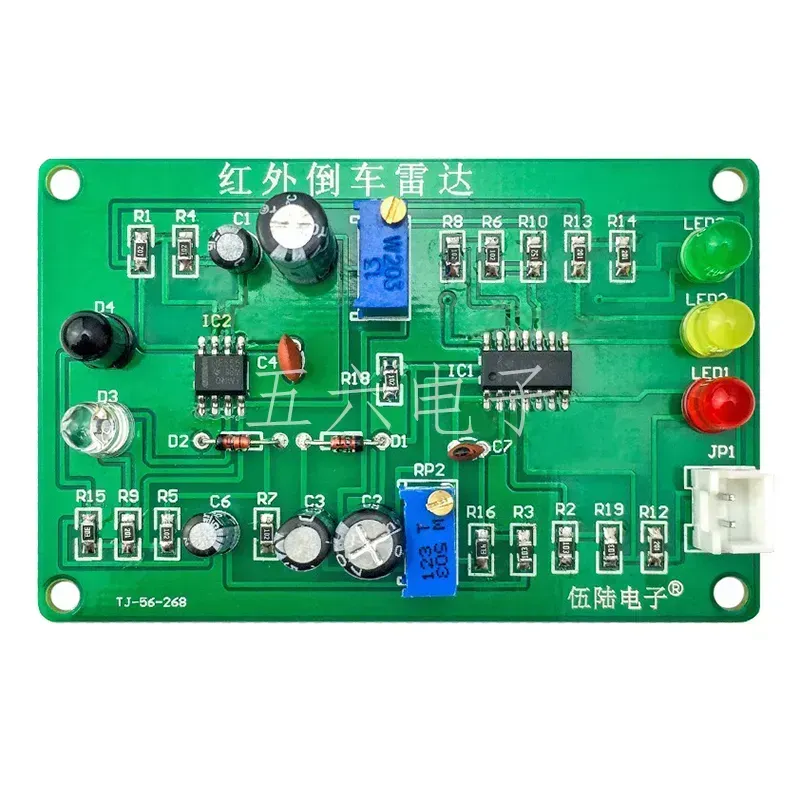
Reversing Radar Sensor PCB
At the heart of every reversing radar system lies a meticulously designed printed circuit board (PCB), acting as the central nervous system for this crucial safety feature. Understanding the intricacies of a Reversing Radar Sensor PCB is key to appreciating its functionality. This section dives into the critical electronic components and specialized design considerations that define these sophisticated PCBs, ensuring optimal performance, reliability, and safety in automotive applications.
Ultrasonic Transducers: These are the 'eyes and ears' of the reversing radar, emitting and receiving ultrasonic waves. The PCB must be designed to accommodate these transducers, including appropriate impedance matching circuits for efficient signal transmission and reception. Proper placement and shielding are crucial to minimize noise and interference, ensuring accurate distance measurements.
Signal Processing Unit: The signal processing unit, often a dedicated IC or part of the microcontroller, analyzes the received ultrasonic signals. The PCB design must facilitate high-speed data processing and filtering to eliminate noise and identify potential obstacles. Considerations include component selection, signal integrity, and layout to maintain signal clarity and prevent data corruption.
Microcontroller: The microcontroller is the 'brain' of the system, managing all functions and processing data from the signal processing unit. The PCB must provide the necessary power and communication interfaces (e.g., CAN, LIN) to integrate with the vehicle's systems. The layout should be optimized to minimize electromagnetic interference (EMI) to ensure reliable communication.
Communication Interfaces: These interfaces (CAN, LIN) are essential for transmitting data to the vehicle's central control unit and receiving commands. The PCB design must adhere to automotive industry standards for signal integrity, voltage protection, and connector placement. Careful consideration is needed to prevent data corruption and ensure robust communication in harsh automotive environments.
Power Management: Efficient power management is crucial for stable operation. The PCB design must incorporate voltage regulators, protection circuits, and filtering components to ensure a clean and reliable power supply to all components. The design should also consider the thermal characteristics of the components to prevent overheating and ensure long-term reliability.
The PCB layout must be optimized for the harsh automotive environment. This involves selecting appropriate materials, such as high-Tg FR-4 or other specialized laminates, and employing techniques like impedance control, controlled layer stacking, and effective grounding. The manufacturing process also must meet the automotive industry standards. Zero One Solution Limited excels in delivering robust and reliable reversing radar PCB solutions, perfectly aligned with these critical design requirements.
Overcoming Design Hurdles: Engineering Challenges in Reversing Radar PCB Development
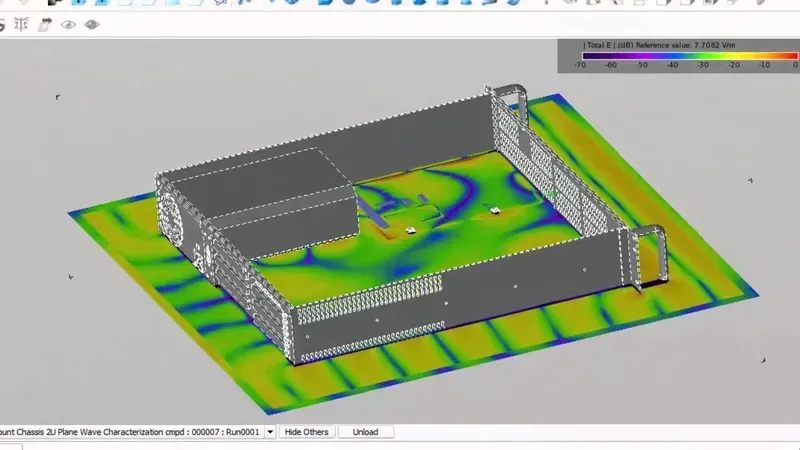
PCB EMC Testing
Designing and manufacturing Reversing Radar Sensor PCBs presents a unique set of engineering challenges that demand specialized expertise. These challenges stem from the demanding operating environment of automotive applications, where performance and reliability are paramount. Addressing these issues effectively is crucial for ensuring the proper function of the reversing radar system and, consequently, the safety of vehicle operation.
Electromagnetic Compatibility (EMC) Reversing radar PCBs must withstand electromagnetic interference (EMI) from other electronic components within the vehicle and also minimize their own emissions to prevent interference with other systems. Robust EMC design involves careful component selection, PCB layout optimization, and shielding techniques to meet stringent automotive EMC standards such as CISPR 25.
Thermal Management Operating in extreme temperatures can degrade the performance and lifespan of electronic components. Effective thermal management solutions are vital. These include the use of thermal vias, heat spreaders, and careful consideration of component placement to dissipate heat efficiently, ensuring the reversing radar system functions reliably in diverse environmental conditions.
Vibration Resistance Vehicles experience significant vibration during operation, which can lead to component failure or compromised connections on the PCB. Designing for vibration resistance requires selecting ruggedized components, employing appropriate mounting techniques, and conducting thorough vibration testing to ensure the PCB assembly can withstand the rigors of daily use.
Moisture Protection Exposure to moisture and humidity can cause corrosion and short circuits, impairing the reversing radar’s functionality. PCBAs must incorporate conformal coatings, sealed enclosures, or other moisture protection measures to safeguard against environmental damage and guarantee long-term reliability.
Compact Form Factor Space constraints within a vehicle often require reversing radar PCBs to be compact and lightweight. This necessitates advanced PCB design techniques, such as HDI (High-Density Interconnect) technology and the use of smaller components, to maximize functionality within a limited footprint while maintaining performance.
These challenges highlight the need for specialized expertise in 'reversing radar PCB' design and manufacturing. Zero One Solution Limited possesses the capabilities and experience to overcome these hurdles, ensuring high-quality, reliable, and compliant PCB solutions for the automotive industry.
Zero One Solution Limited: Your Partner in Reversing Radar Sensor PCB Solutions
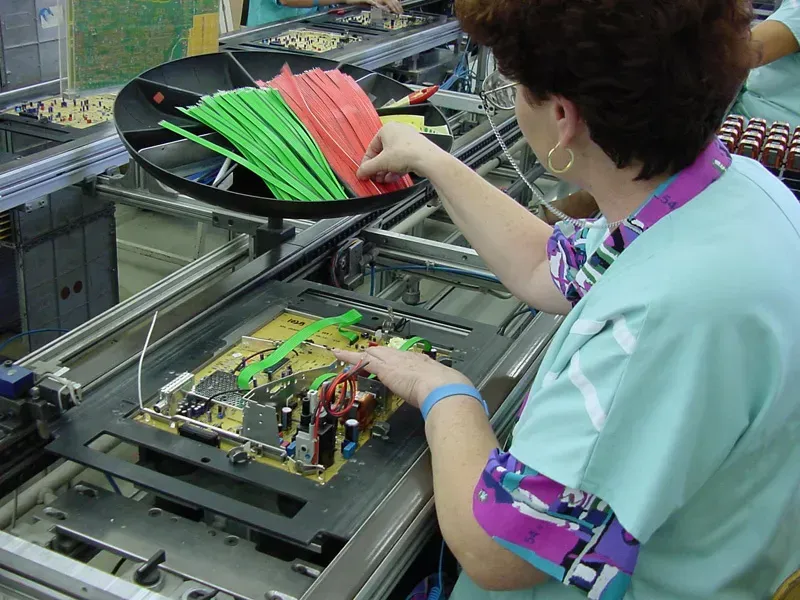
PCB Manufacturing Assembly
At Zero One Solution Limited, we are at the forefront of providing comprehensive PCB solutions tailored for reversing radar sensors. With two decades of experience in the Silicon Valley and a strategic base in Shenzhen, China, we have established ourselves as a trusted partner for automotive electronics manufacturers worldwide. Our expertise encompasses the entire product lifecycle, from initial design and rapid prototyping to manufacturing and assembly, ensuring exceptional quality and efficiency in every project.
Our 'one-stop PCB services' are designed to streamline your product development process, offering significant advantages in time-to-market and cost-effectiveness. We specialize in the critical aspects of automotive sensor PCB production, offering specialized support for ultrasonic sensor PCB solutions. Our comprehensive services include:
PCB Design and Engineering Leveraging advanced CAD software and a team of experienced engineers to create robust and optimized PCB designs, tailored to the specific requirements of reversing radar sensors, considering factors like component placement, signal integrity, and thermal management.
Rapid Prototyping Offering quick-turnaround prototyping services to accelerate R&D cycles. Our facilities are equipped to handle complex designs, enabling fast iteration and validation of designs before mass production. This is critical for 'ADAS PCB manufacturing'.
Manufacturing Utilizing state-of-the-art manufacturing equipment and processes to ensure high-quality PCB fabrication. This includes automated assembly, AOI (Automated Optical Inspection), and functional testing to meet stringent automotive industry standards.
Assembly Providing complete PCB assembly services, including component procurement, surface mount technology (SMT), and through-hole technology (THT), with a focus on precision and reliability.
Quality Assurance Implementing rigorous quality control measures throughout the manufacturing process. Our quality assurance system adheres to IPC standards and automotive-specific requirements, guaranteeing the reliability and performance of our products.
Our Shenzhen and Dubai locations provide strategic advantages in accessing global supply chains and providing seamless customer support. We are committed to helping our clients bring innovative solutions to market with speed and efficiency.
Advantages of Partnering with Zero One Solution Limited for Reversing Radar Sensor PCB Solutions
Choosing Zero One Solution Limited for your Reversing Radar Sensor PCB needs means more than just selecting a manufacturer; it's about gaining a strategic partner committed to accelerating your product development and ensuring the highest standards of quality and efficiency. Our comprehensive approach, from design to assembly, offers significant advantages that streamline your processes and enhance your market competitiveness.
Rapid R&D Prototype Turnaround We understand the critical importance of speed in the rapidly evolving automotive industry. Our rapid prototyping services drastically reduce lead times, allowing for faster iteration and validation of your designs. This agility is crucial for staying ahead of market trends and competitive pressures in the 'ADAS PCB manufacturing' space.
High-Quality Manufacturing Standards We adhere to stringent quality control measures throughout our manufacturing process, ensuring the reliability and performance of every PCB. Our commitment to excellence is reflected in our adherence to industry standards, guaranteeing that your 'ultrasonic sensor PCB solutions' meet the demanding requirements of automotive applications.
Cost-Effectiveness and Competitive Pricing We provide cost-effective solutions without compromising on quality. Our optimized manufacturing processes and global supply chain leverage the benefits of Shenzhen's electronics manufacturing hub and our Dubai branch, offering competitive pricing that enhances your overall project profitability.
Global Supply Chain Advantages Our strategic presence in Shenzhen and Dubai gives us a significant advantage in the global PCBA supply chain. This network ensures seamless access to components, materials, and support, mitigating supply chain risks and ensuring timely delivery of your 'reversing radar sensor PCB solutions'.
Dedicated Technical Support Our team of experienced engineers and technical experts provides comprehensive support throughout your project lifecycle. From design consultation to post-manufacturing support, we are committed to helping you overcome challenges and achieve your project goals effectively.
Precision and Reliability: Zero One Solution Limited's Advanced Manufacturing and Quality Assurance for Reversing Radar PCBs
Automotive Electronics Quality Control
At Zero One Solution Limited, the creation of reliable and high-performing Reversing Radar Sensor PCBs is not just about assembly; it's a commitment to precision, reliability, and adherence to the highest industry standards. Our state-of-the-art manufacturing processes and rigorous quality assurance protocols are designed to ensure that every PCB we produce meets and exceeds the demanding requirements of the automotive industry. This dedication guarantees the consistent performance of your reversing radar systems, enhancing vehicle safety and driver confidence.
Our manufacturing processes are centered around advanced techniques and cutting-edge equipment, including:
Automated SMT Assembly Employing Surface Mount Technology (SMT) with high-speed pick-and-place machines ensures precise component placement and minimizes the risk of human error. This automated process is crucial for handling the intricate layouts and miniaturized components of reversing radar PCBs.
AOI and X-ray Inspection Automated Optical Inspection (AOI) and X-ray inspection systems are integrated throughout the manufacturing process to detect defects early on. AOI systems visually inspect solder joints, component placement, and other critical aspects, while X-ray inspection is used to examine hidden solder joints and component connections, ensuring comprehensive quality control.
Conformal Coating Application of conformal coatings protects the PCB from environmental factors such as moisture, dust, and chemicals, ensuring long-term reliability in harsh automotive environments. This is a critical step for extending the lifespan and maintaining the performance of the reversing radar system.
Functional Testing Each PCB undergoes rigorous functional testing to verify its performance under simulated operating conditions. This includes testing for signal integrity, sensor functionality, and communication protocols to guarantee the system's operational readiness.
Our commitment to quality is further reinforced by our adherence to industry standards and certifications. We maintain strict compliance with automotive industry standards like IATF 16949, ensuring that our processes meet the highest standards for quality management systems. We also comply with IPC standards for PCB manufacturing and assembly, which are internationally recognized for their rigor and relevance. These certifications and compliance measures underscore our dedication to providing reliable, high-quality reversing radar sensor PCB solutions.
The reversing radar sensor is more than just a convenience; it's a critical safety component driven by cutting-edge PCB technology. Zero One Solution Limited stands at the forefront of this innovation, offering unparalleled expertise in PCB solutions tailored for the automotive sector. Our commitment to rapid prototyping, quality, and comprehensive one-stop services ensures that your vision for safer, smarter vehicles can become a reality, quickly and efficiently. Partner with us to leverage our deep engineering knowledge and global supply chain network, transforming your concepts into reliable, high-performance products. Contact Zero One Solution Limited today to discuss your next project and accelerate your path to market success.