In today's fast-paced retail landscape, efficiency and customer satisfaction are paramount. Traditional vending machines, while convenient, often fall short in real-time inventory management, data insights, and seamless user experiences. At Zero One Solution Limited, a leader in rapid prototyping and PCB solutions since 2011, we understand these challenges. Our RFID Smart Vending Machine Solution is engineered to address these very issues, leveraging cutting-edge technology to transform the vending experience. How can a vending machine become a smart, data-driven retail powerhouse? Let's explore how our integrated PCB design, manufacturing, and assembly expertise brings this vision to life.
The Evolution of Vending: Why Smart is Essential
Traditional vending machines, fixtures in retail and public spaces for decades, are increasingly showing their limitations in today's fast-paced, data-driven world. Their static nature, inability to provide real-time inventory updates, lack of detailed sales analytics, and often cumbersome maintenance processes create significant inefficiencies for operators and a less than ideal experience for consumers. The modern market demands more than just a passive dispensing unit; it requires intelligent, connected solutions that offer dynamic inventory management, personalized interactions, and actionable insights. This pressing need for greater efficiency, reduced operational costs, and an enhanced customer journey is the primary driver behind the rapid shift towards smart vending technology. As consumer expectations evolve and the retail landscape becomes more competitive, adopting smart vending is no longer a luxury but an essential step for businesses to remain relevant and profitable.
Inventory Blind Spots Traditional machines offer no visibility into stock levels until manually checked, leading to missed sales opportunities and stockouts.
Operational Inefficiencies Manual tracking and replenishment are labor-intensive and prone to errors, driving up operating costs.
Limited Customer Interaction Lack of connectivity prevents personalized offers, loyalty programs, or real-time customer support.
Absence of Data Analytics Operators lack crucial data on sales trends, peak hours, and popular items, hindering informed decision-making.
What is an RFID Smart Vending Machine Solution?
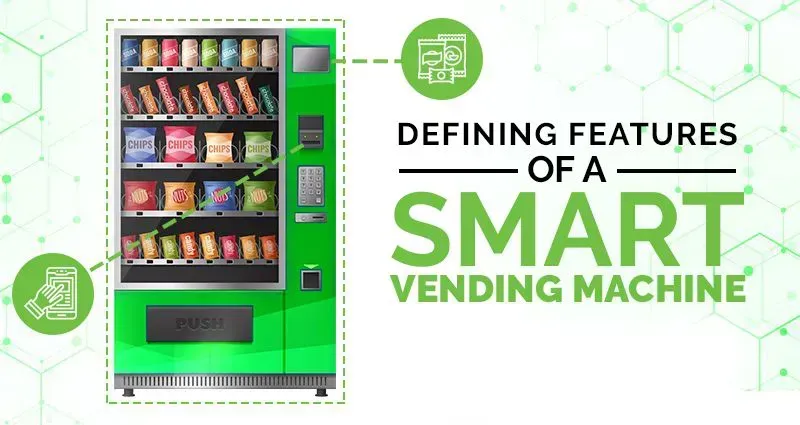
RFID Smart Vending Machine
An RFID Smart Vending Machine Solution represents a significant leap beyond traditional vending, integrating Radio-Frequency Identification (RFID) technology to create an intelligent, automated retail experience. At its core, it's a self-service kiosk equipped with RFID readers and antennas capable of identifying, tracking, and managing inventory tagged with RFID labels. Unlike conventional machines that rely on weight sensors or mechanical dispensing mechanisms, RFID smart vending verifies purchases and manages stock based on unique RFID tags. This fundamental difference enables enhanced inventory accuracy, reduces the potential for errors or theft, and provides a seamless, contactless transaction for the customer.
Component
Function
RFID Integration
RFID Reader
Emits radio waves to activate and read data from RFID tags.
Core element for identifying items and confirming transactions.
RFID Antenna
Transmits and receives radio signals to and from tags within a specific read zone.
Defines the area where items can be identified and tracked.
Control Board/System
Manages machine operations, processes data from the RFID reader, and interacts with payment systems.
Processes tag data to verify inventory, authorize sales, and update stock levels.
Payment System
Handles various payment methods (card, mobile wallet).
Integrated with the control system to finalize transactions based on RFID-identified items.
RFID Tag/Label
Small device attached to each product, containing a unique identification code.
Provides the unique identifier for each item, enabling individual tracking and management.
Connectivity Module
Enables communication with cloud platforms for data reporting and remote management.
Transmits RFID scan data and inventory updates to central systems.
The operational principle is straightforward yet powerful: customers interact with the machine, often selecting items by simply opening a door (in some models). The RFID reader within the machine continuously scans the tags on the items inside. When the door is closed, the system identifies which items have been removed by comparing the initial scan with the final scan. The difference in identified tags determines the items taken, which are then charged to the customer's payment method. This process provides real-time inventory visibility and significantly streamlines the purchasing journey. The underlying intelligence relies heavily on robust software that manages the data flow from the RFID system, integrates with payment gateways, and communicates with backend inventory management platforms.
Key Benefits of Implementing RFID Smart Vending
Implementing an RFID Smart Vending Machine Solution delivers significant tangible benefits over traditional vending, fundamentally transforming operations and enhancing profitability. These advantages span inventory management, loss prevention, operational streamlining, and the all-important customer experience. By leveraging real-time data captured through RFID technology, businesses gain unprecedented visibility and control over their vending operations, leading to more informed decisions and improved efficiency.
Enhanced Inventory Accuracy RFID technology enables rapid, accurate, and automated tracking of each item within the vending machine. Unlike barcode scanning or manual checks, RFID readers can quickly scan multiple tags simultaneously, providing real-time inventory levels with near-perfect accuracy. This minimizes discrepancies, reduces stockouts, and prevents overstocking, leading to optimized inventory holding costs. Studies have shown that businesses implementing RFID can achieve inventory accuracy rates exceeding 95%.
Reduced Shrinkage and Theft By uniquely tagging and tracking each item, RFID significantly reduces shrinkage caused by theft or errors. The system can log when each item is removed from the machine and verify the transaction against payment. Any unauthorized removal can be immediately flagged, providing a strong deterrent and enabling swift investigation. This granular level of tracking is impossible with traditional vending methods.
Real-time Data Analytics and Insights RFID smart vending machines generate a wealth of data, including sales patterns, inventory levels, customer interactions, and machine performance. This data is transmitted in real-time to a central platform for analysis. Businesses can gain deep insights into product popularity, peak sales times, and geographic demand, enabling data-driven decisions for product stocking, pricing strategies, and machine placement. This level of insight allows for proactive adjustments rather than reactive responses.
Improved Operational Efficiency The automation provided by RFID streamlines numerous operational tasks. Inventory audits that once took hours can be completed in minutes. Replenishment routes can be optimized based on real-time stock levels, reducing unnecessary trips. Maintenance can be scheduled proactively based on machine performance data. This overall increase in efficiency lowers labor costs and improves the productivity of vending operations.
Superior Customer Experience RFID enables a seamless, contactless interaction for customers. Depending on the setup, customers can simply select items and have them automatically charged via an associated account or payment method, bypassing traditional payment interfaces for speed and convenience. The assurance of accurate inventory also means customers are less likely to encounter out-of-stock frustrations, leading to a more positive purchasing experience.
The Role of Advanced PCB Solutions in RFID Vending
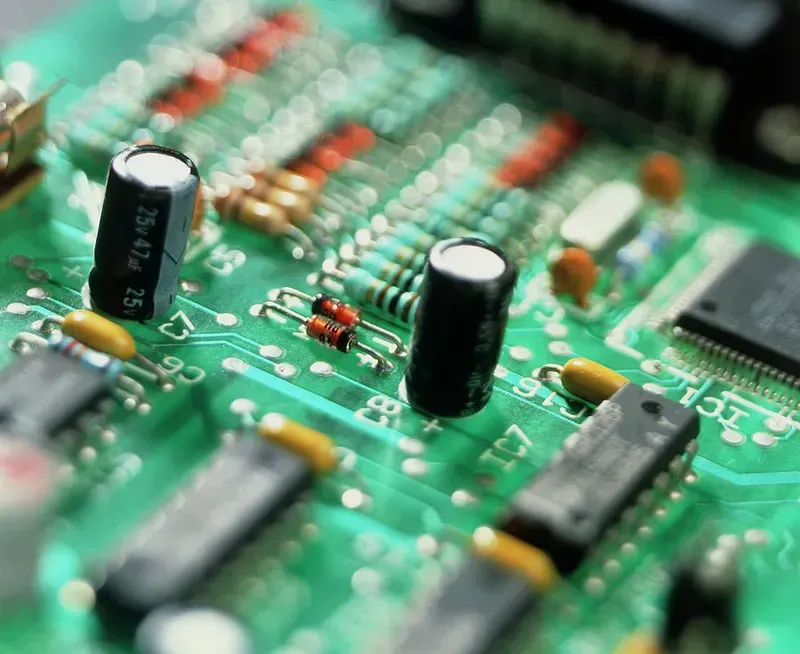
PCB Circuit Board
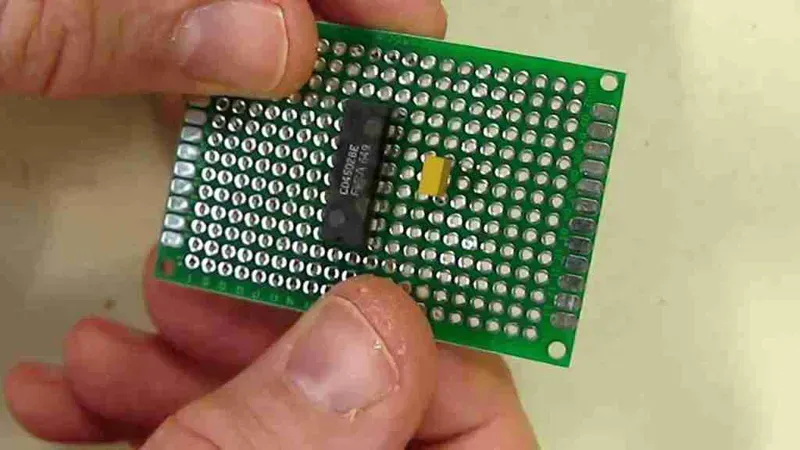
At the heart of any reliable and high-performing RFID smart vending machine lies sophisticated Printed Circuit Board (PCB) technology. These compact, integrated circuits are the nerve center, enabling everything from power distribution and communication to processing RFID tag data and controlling dispensing mechanisms. For RFID smart vending solutions to function seamlessly, handling real-time inventory updates and secure transactions, the underlying PCB architecture must be robust, precise, and optimized for the specific demands of the application. This is where specialized expertise in PCB design, rapid prototyping, and manufacturing becomes not just beneficial, but absolutely critical.
The complexity of RFID smart vending machines necessitates specialized PCBs for various subsystems. These include:
RFID Reader PCBs These boards are designed to handle high-frequency signals for reading RFID tags accurately and quickly. They require careful layout to minimize interference and ensure signal integrity in potentially noisy vending environments.
Communication Module PCBs Enabling connectivity via Wi-Fi, cellular, or Ethernet, these boards facilitate the transmission of inventory data, sales information, and machine status to cloud platforms. Reliable data transfer is paramount for real-time monitoring and management.
Control System PCBs Acting as the central processing unit, these boards integrate data from the RFID reader, payment system, sensors, and user interface. They manage dispensing actions, track inventory levels, and execute machine logic. High processing power and robust I/O capabilities are essential.
Power Management PCBs Efficiently distributing and managing power throughout the machine, these boards ensure stable operation and protect sensitive components from voltage fluctuations.
The rapid pace of innovation in the vending industry demands a partner capable of delivering high-quality, customized PCB solutions with speed. Rapid prototyping is vital for quickly testing and iterating on designs to optimize performance and reduce time-to-market. Furthermore, reliable manufacturing and assembly processes are essential to ensure the longevity and consistent operation of vending machines deployed in diverse settings. Zero One Solution Limited's expertise in these areas directly addresses these needs, providing the foundational electronic hardware required for advanced RFID smart vending systems.
Technical Architecture and Components
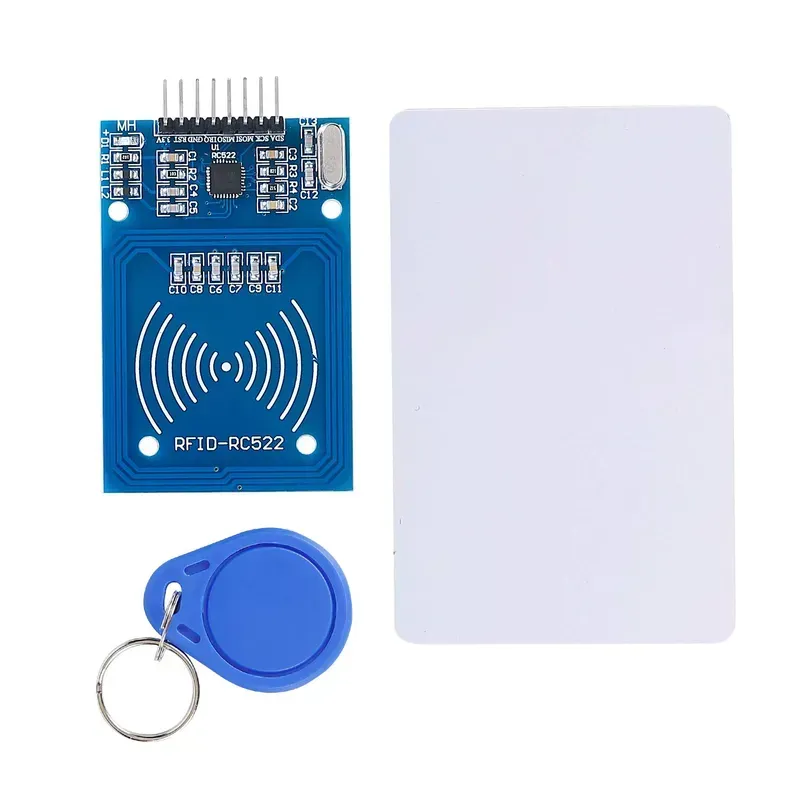
RFID Reader Module
The efficacy and reliability of an RFID Smart Vending Machine Solution are fundamentally rooted in its sophisticated technical architecture, a complex interplay of hardware and software components designed for seamless operation and data management. This architecture facilitates precise inventory tracking, secure transactions, and real-time operational insights, moving beyond the limitations of traditional vending by integrating advanced sensing and communication technologies. Understanding these core elements is crucial to appreciating the capabilities and potential of smart vending systems.
RFID Readers These are the cornerstone of the system, responsible for emitting radio waves and receiving signals from RFID tags attached to products. High-performance readers ensure accurate and rapid identification of items within the machine, minimizing errors and facilitating real-time inventory updates. Different types of readers (fixed, mobile) and frequencies (HF, UHF) are chosen based on the application and environment.
RFID Antennas Paired with the readers, antennas are designed to create the electromagnetic field necessary to energize passive RFID tags and capture the returned signal. The design and placement of antennas within the vending machine are critical to ensure comprehensive coverage and avoid "dead spots" where tags cannot be read, directly impacting inventory accuracy.
Control Boards (PCBAs) These are the central processing units of the vending machine, integrating data from the RFID reader, payment system, and other sensors. Advanced PCBAs manage dispensing mechanisms, control displays, facilitate communication, and execute the vending logic. Their design requires careful consideration of processing power, connectivity options, and power management for reliable operation in various environments.
Payment Systems Modern smart vending integrates diverse payment options, including cashless methods like credit/debit cards, mobile wallets (e.g., Apple Pay, Google Pay), and potentially cryptocurrency. These systems interface securely with the control board to process transactions and ensure a smooth customer experience. PCI compliance and robust encryption are essential for data security.
Cloud Connectivity and Data Analytics Platforms Enabling remote management and data insights, cloud connectivity allows the vending machine to communicate inventory levels, sales data, and operational status in real-time. Coupled with data analytics platforms, this data can be used for demand forecasting, route optimization, predictive maintenance, and personalized promotions, significantly improving operational efficiency and profitability.
User Interface (UI) Typically a touchscreen display, the UI provides the customer with product information, allows selection, and guides them through the payment process. An intuitive and responsive interface is crucial for a positive customer experience and encouraging repeat business.
Sensors and Actuators Beyond RFID, various sensors (e.g., proximity sensors, weight sensors) can be integrated to confirm product dispensing, detect stock levels, or monitor environmental conditions. Actuators control mechanisms like dispensing arms, doors, and lighting.
This layered architecture, with robust hardware components and intelligent software integration, forms the backbone of a successful RFID Smart Vending Machine Solution, enabling capabilities far beyond traditional vending and paving the way for more efficient and data-driven retail.
Use Cases and Applications Across Industries
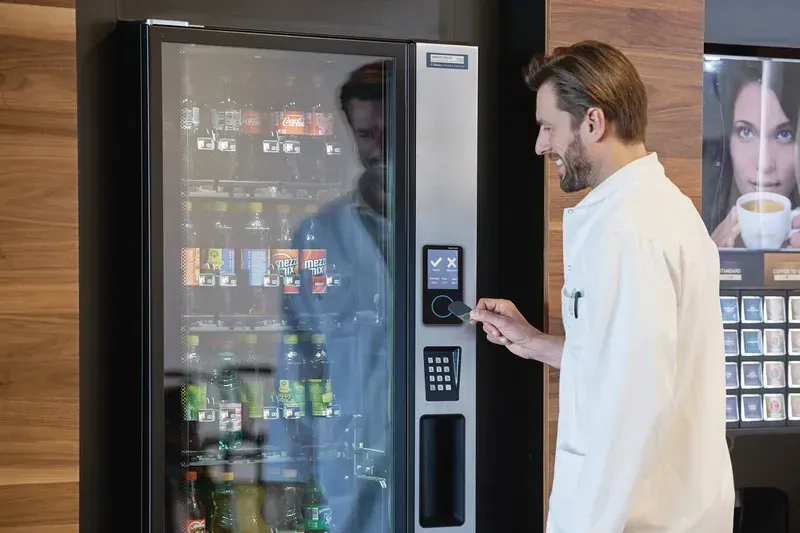
Smart Vending Machine in Use
RFID smart vending machine solutions offer unparalleled versatility, extending their utility far beyond traditional retail. Their ability to track inventory accurately, facilitate rapid transactions, and provide real-time data makes them ideal for a wide array of applications across diverse sectors, optimizing operations and enhancing user experience.
Retail Smart vending machines are revolutionizing retail by providing convenient access to high-value goods like electronics, cosmetics, or accessories in non-traditional locations such as airports, malls, and hotels. RFID enables precise inventory management, reducing stockouts and preventing theft, while offering a seamless grab-and-go experience for customers.
Corporate Environments In office settings, RFID vending machines can manage the distribution of IT equipment, office supplies, or even personal protective equipment (PPE). This ensures controlled access, streamlines asset tracking, and provides detailed usage data for inventory replenishment and cost allocation.
Healthcare Hospitals and clinics can utilize RFID smart vending for dispensing medications, medical supplies, or clean linens. This enhances inventory control, reduces waste, and ensures that critical supplies are readily available to authorized personnel, improving efficiency and patient care.
Industrial Settings Manufacturing plants and warehouses can deploy RFID vending machines for distributing tools, safety equipment, or maintenance parts. This helps track item usage, manage stock levels in real-time, and reduce downtime by ensuring necessary items are accessible at the point of need.
Education Universities and schools can use smart vending for textbooks, stationery, or even IT peripherals, offering students convenient access to essential items on campus while simplifying inventory management for administrators.
Hospitality and Leisure Hotels, gyms, and entertainment venues can provide guests with immediate access to toiletries, snacks, or merchandise, enhancing the guest experience and creating new revenue streams with automated, always-available retail options.
Implementing Your RFID Smart Vending Machine Solution with Zero One Solution Limited
PCB Prototype Sample
Deploying a sophisticated RFID smart vending machine solution requires a strategic partner with deep technical expertise and a streamlined manufacturing process. Zero One Solution Limited offers a comprehensive, one-stop service that takes your concept from initial design through rapid prototyping and into efficient mass production. Our integrated approach minimizes complexities and accelerates your time to market, ensuring your smart vending system is robust, reliable, and ready to meet demand.
Conceptualization and Design Assistance Our experienced engineers collaborate closely with you to refine your RFID smart vending machine concept, providing valuable input on system architecture, component selection, and user interaction flows. We translate your vision into detailed technical specifications.
Expert PCB Design and Layout Leveraging our extensive experience in complex PCB design, we create optimized layouts for the critical components of your smart vending system, including RFID readers, control boards, communication modules, and power management. Our designs prioritize signal integrity, power efficiency, and spatial constraints.
Rapid Prototyping and Validation At the heart of our service is rapid prototyping. We quickly fabricate high-quality prototype PCBs and assemble functional modules, allowing for rigorous testing and validation of your RFID vending machine's core functionality and performance. This iterative process ensures that design flaws are identified and corrected early.
Efficient Manufacturing and Assembly With our advanced manufacturing facilities and skilled assembly teams, we handle the production of your PCBs and the full assembly of your smart vending machine components. Our processes adhere to strict quality control standards, ensuring consistent performance and reliability across every unit.
Supply Chain Management Our strategic location in Shenzhen and our global network enable us to manage the entire component supply chain efficiently, sourcing high-quality parts at competitive prices. This reduces procurement headaches and ensures timely delivery of necessary components.
Testing and Quality Assurance Before deployment, every RFID smart vending machine system undergoes comprehensive testing, including functional testing, performance testing, and environmental stress testing, to guarantee it meets your specifications and industry standards.
Future Trends in Smart Vending and RFID Integration
The landscape of retail is in constant flux, and smart vending, particularly with integrated RFID technology, is poised for significant evolution. The future promises vending machines that are not just automated dispensing points, but highly intelligent, personalized, and seamlessly connected retail hubs. Staying ahead in this dynamic market requires understanding these emerging trends and how they will shape the next generation of smart vending solutions, ensuring your investment remains cutting-edge and future-proof.
Artificial Intelligence (AI) and Machine Learning (ML) Integration Future smart vending machines will leverage AI and ML for predictive inventory management, dynamic pricing based on real-time demand, personalized product recommendations based on customer purchase history and demographics, and optimized routing for restocking and maintenance.
Enhanced Personalization and Customer Experience Beyond basic recommendations, expect deeper personalization through facial recognition (with user consent), loyalty program integration, and tailored promotions. RFID will enable faster, more accurate checkout processes and potential
Advanced Sensor Technology and IoT Connectivity Integration with a wider range of sensors (beyond RFID) will provide richer data on environmental conditions, machine health, and customer interactions. Enhanced IoT connectivity will ensure real-time data streaming and remote management capabilities.
Greater Integration with E-commerce and Omnichannel Retail Smart vending will become a crucial touchpoint in an omnichannel strategy, acting as click-and-collect points or providing immediate access to online inventory. RFID will facilitate seamless inventory reconciliation between physical vending and online platforms.
Sustainability and Energy Efficiency Future designs will prioritize energy-efficient components and sustainable materials. Smart power management systems, potentially informed by AI, will further reduce operational costs and environmental impact.
Robotics and Automated Fulfillment While still nascent, the integration of robotics for in-machine product handling and even automated delivery from nearby micro-fulfillment centers could revolutionize the types of products and services offered.
Frequently Asked Questions about RFID Smart Vending Machine Solutions
What is the typical cost range for implementing an RFID smart vending machine solution? The cost of implementing an RFID smart vending machine solution varies significantly based on factors such as the complexity of the machine, the number of machines deployed, the type of RFID readers and tags used, software integration requirements, and customization needs. Initial costs include hardware (machine, readers, antennas, control boards), software (management platform, analytics), installation, and potentially infrastructure upgrades. Operational costs involve connectivity, maintenance, and ongoing software licensing. A basic system for a few machines might range from a few thousand dollars per unit, while a large-scale, complex deployment with advanced features could be substantially higher. A detailed feasibility study and consultation are essential to determine specific cost projections.
What are the primary implementation challenges when adopting RFID smart vending? Key implementation challenges include selecting the appropriate RFID technology (frequency, tag type) for the specific products being vended, ensuring robust antenna placement for reliable reading accuracy, integrating the RFID system with existing inventory management and payment systems, establishing secure and stable network connectivity, training personnel, and managing initial data migration. Environmental factors, such as metal or liquids in products, can also impact RFID performance and require careful planning and testing. Partnering with an experienced provider can help navigate these complexities.
How does RFID technology enhance the security of vending machine operations? RFID technology significantly enhances vending machine security through accurate, real-time inventory tracking, which minimizes shrinkage and product loss. Each tagged item is uniquely identifiable, allowing for precise monitoring of stock levels and movement. This visibility helps deter theft and provides a clear audit trail for every transaction. Additionally, access control can be integrated with RFID systems, allowing only authorized personnel access to replenish or maintain machines, further bolstering physical security.
Is an RFID smart vending machine solution scalable for growing businesses? Yes, RFID smart vending machine solutions are inherently scalable. The architecture is typically designed to accommodate the addition of more machines to the network without requiring significant overhauls of the core system. Cloud-based management platforms allow for centralized monitoring and control of a distributed network of machines. As your business grows, you can deploy additional machines, expand inventory, and scale the software infrastructure to handle increased data volume and transaction load seamlessly. Scalability is a core advantage over traditional, disconnected vending systems.
What types of products are best suited for RFID smart vending? RFID smart vending is particularly well-suited for high-value items, controlled inventory, products requiring strict tracking (like medical supplies, tools, or electronics), and scenarios where rapid, accurate inventory counts are critical. It is also effective for dispensing frequently used items in corporate or industrial settings. While RFID works well with most product types, considerations are needed for items containing significant metal or liquid, which can affect RFID signal performance. Pilot programs are often conducted to ensure compatibility.
How does RFID compare to other inventory tracking methods in vending? Compared to traditional methods like manual counting or weight-based systems, RFID offers superior accuracy, speed, and granularity. Manual counting is prone to human error and time-consuming. Weight-based systems can struggle with products of varying densities or packaging. Barcode scanning requires line of sight and individual item interaction, which is less efficient for high-volume transactions or rapid inventory checks. RFID allows for simultaneous scanning of multiple items, providing real-time, item-level visibility without opening the machine, leading to significant improvements in efficiency and data accuracy.
The RFID Smart Vending Machine Solution from Zero One Solution Limited represents a significant leap forward in automated retail. By combining the power of RFID technology with our robust PCB solutions, we deliver a system that is not only efficient and reliable but also future-proof. This innovative approach optimizes inventory, enhances customer interaction, and provides invaluable data for strategic decision-making, ultimately driving profitability and operational excellence. As a company rooted in Shenzhen's electronic manufacturing hub with a global reach through our Dubai office, Zero One Solution Limited is uniquely positioned to empower your business with these transformative capabilities. Ready to revolutionize your vending operations and embrace the future of retail? Contact Zero One Solution Limited today to discuss how our RFID Smart Vending Machine Solution can be tailored to your specific needs.