In today’s fast-paced electronics industry, ordering printed circuit boards (PCBs) online has become a vital part of product development and manufacturing. Whether you're an engineer designing the next groundbreaking gadget, or a hobbyist working on a DIY project, the ability to quickly and easily order PCBs online is essential. This article explores the landscape of online PCB ordering, providing you with a comprehensive guide to navigate the process and ensure you get the best quality for your printed circuit board order online.
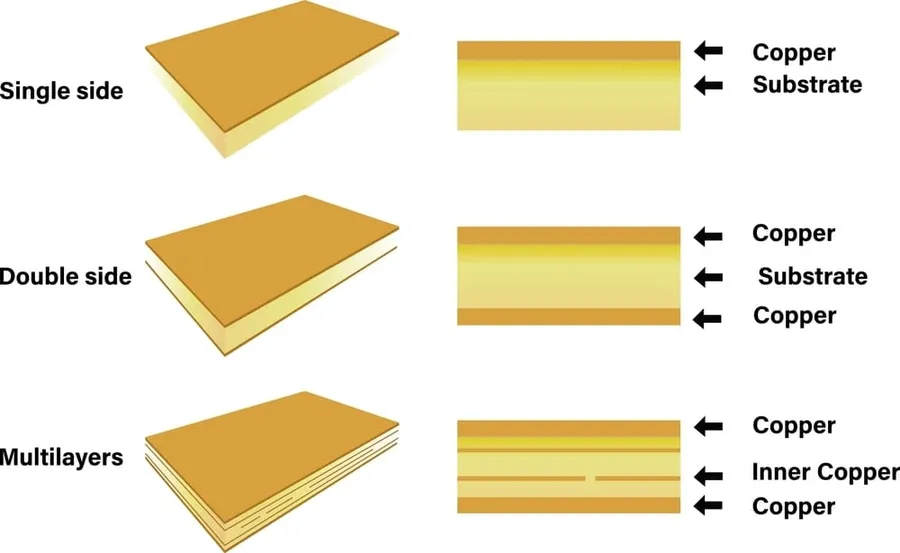
Before initiating a printed circuit board order online, a thorough understanding of your specific requirements is paramount; this directly influences cost, lead time, and the suitability of the final product. Key considerations involve the PCB type (single-layer, multi-layer, flexible), material selection, physical dimensions, board thickness, and the required production quantity.
| Consideration | Description | Impact |
|---|---|---|
| PCB Type | Single-layer, multi-layer, flexible, rigid-flex, etc. | Complexity, cost, application suitability |
| Material | FR-4, aluminum, polyimide, etc. | Performance (e.g., thermal, electrical), cost |
| Size | Length, width, area | Cost, panelization, manufacturing process |
| Thickness | Standard (1.6mm) or custom | Impedance control, mechanical stability, application |
| Quantity | Number of boards | Unit price, production efficiency |
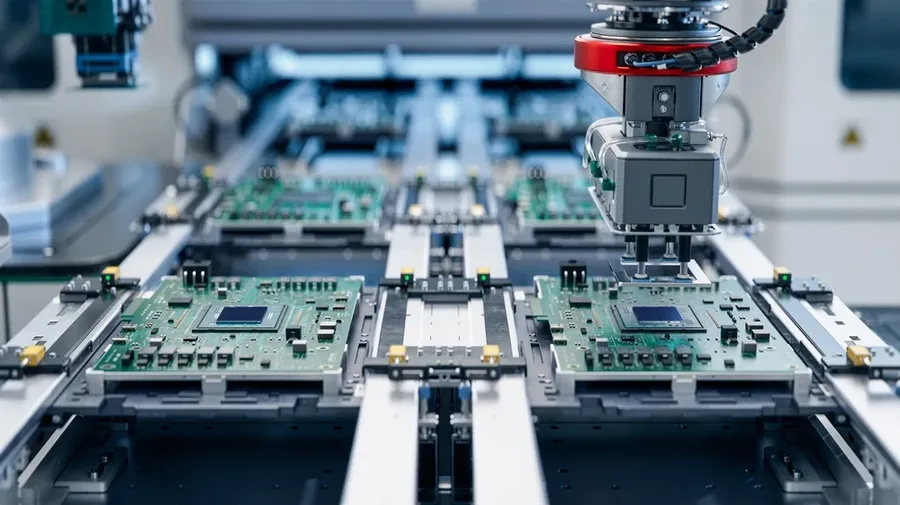
Selecting the appropriate PCB manufacturer is crucial for ensuring the success of your project. The online landscape offers numerous options, each with varying capabilities, pricing structures, lead times, and customer feedback. A thorough evaluation process is essential to secure a manufacturer that meets your specific requirements and delivers high-quality printed circuit boards.
The process of choosing the right manufacturer for your printed circuit board order online involves several key considerations. By focusing on a manufacturer's specific capabilities, cost-effectiveness, production timelines, user experience, and quality control measures, you can mitigate risks and create a more streamlined manufacturing process.
| Factor | Description | Considerations |
|---|---|---|
| Capabilities | Technical expertise and manufacturing capabilities | Review the specific board requirements (single-layer, multi-layer, impedance control, etc.), material capabilities (FR-4, Aluminum, etc.), and tolerances. |
| Pricing | Cost of PCB production and any additional charges | Compare quotes from multiple suppliers and assess the price relative to quality. Pay attention to tooling costs, expedite fees and quantity discounts. Be wary of unusually low prices, which can indicate lower quality. |
| Lead Time | Time required to manufacture and deliver the PCBs | Align the manufacturer's lead time with your project timeline. Check for expedited production options if faster turnaround is needed. |
| User Experience | Ease of use of the manufacturer's online platform | The platform should allow easy uploading of Gerber files, provide accurate and clear specifications selection, instant quoting, and secure checkout. |
| Customer Reviews | Feedback from previous customers regarding their experience with the manufacturer | Look for unbiased reviews on third-party sites. Check for consistent positive comments and ratings in areas like quality, communication, and reliability. |
| Quality Control | The processes that the manufacturer follows to ensure quality and standards | Look for a manufacturer with well documented quality control processes, including testing procedures such as electrical testing, visual inspections, and impedance measurements. |
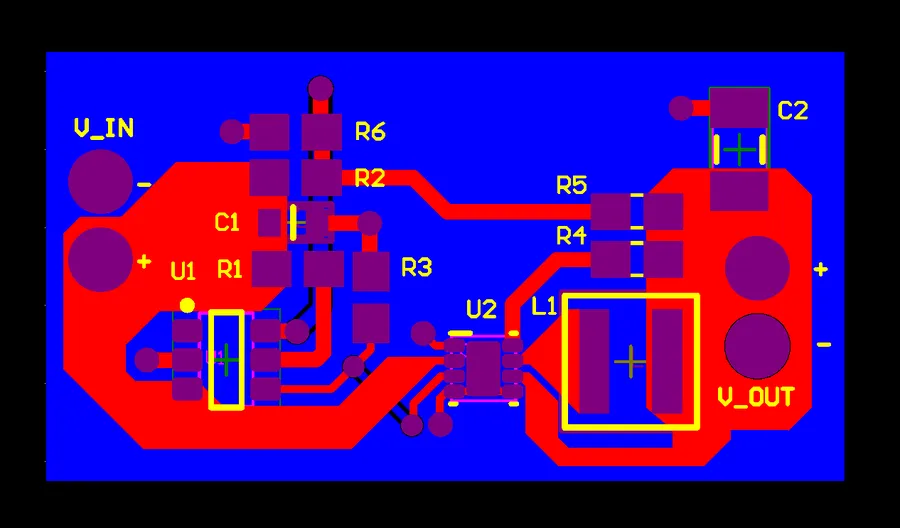
Gerber files are the industry-standard format for communicating PCB design data to manufacturers. These files are essential for accurate fabrication, encompassing all necessary information for each layer of your board, including copper traces, solder mask, silkscreen, drill locations, and board outlines. Generating and verifying the accuracy of these files is a critical step in ensuring a smooth and successful printed circuit board order online.
| Gerber File Type | Description | File Extension |
|---|---|---|
| Copper Layer | Defines the conductive traces and pads on each layer of the board. | *.GTL (Top), *.GBL (Bottom), *.G1, *.G2, etc. (Internal layers) |
| Solder Mask Layer | Defines the areas where solder mask is applied, preventing solder bridging. | *.GTS (Top), *.GBS (Bottom) |
| Silkscreen Layer | Defines the text and component outlines printed on the board. | *.GTO (Top), *.GBO (Bottom) |
| Drill File | Defines the locations and sizes of all drilled holes. | *.DRL, *.TXT |
| Board Outline | Defines the physical shape and dimensions of the board. | *.GKO or sometimes included in a copper layer file |
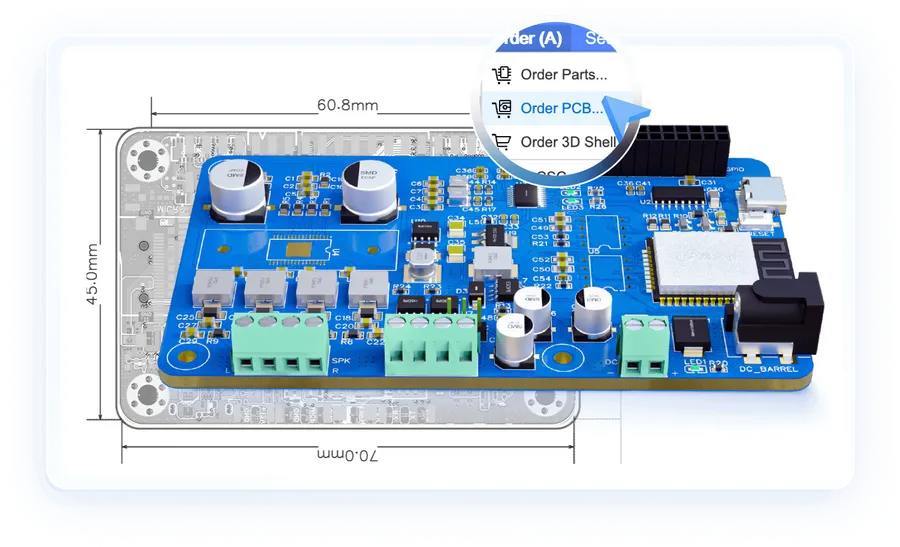
Successfully navigating online PCB ordering platforms is crucial for a smooth and efficient manufacturing process. These platforms are designed to streamline the process of converting your design files into physical printed circuit boards. The core interaction involves uploading your Gerber files, specifying your required board parameters, and finalizing your order with appropriate shipping and payment selections. Many platforms offer instant quoting features, enabling real-time price comparisons and adjustments to specifications to meet both budget and design needs. Additionally, ensuring secure transactions during payment is a critical step in the online ordering process.
| Feature | Description |
|---|---|
| File Upload | Uploading Gerber files (RS-274X format) for manufacturing. |
| Specification Selection | Selecting materials, dimensions, layers, thickness, and finishes. |
| Instant Quote | Real-time price calculation based on specs. |
| Secure Checkout | Safe and protected payment processing. |
| Order Tracking | Monitoring the production and delivery status. |
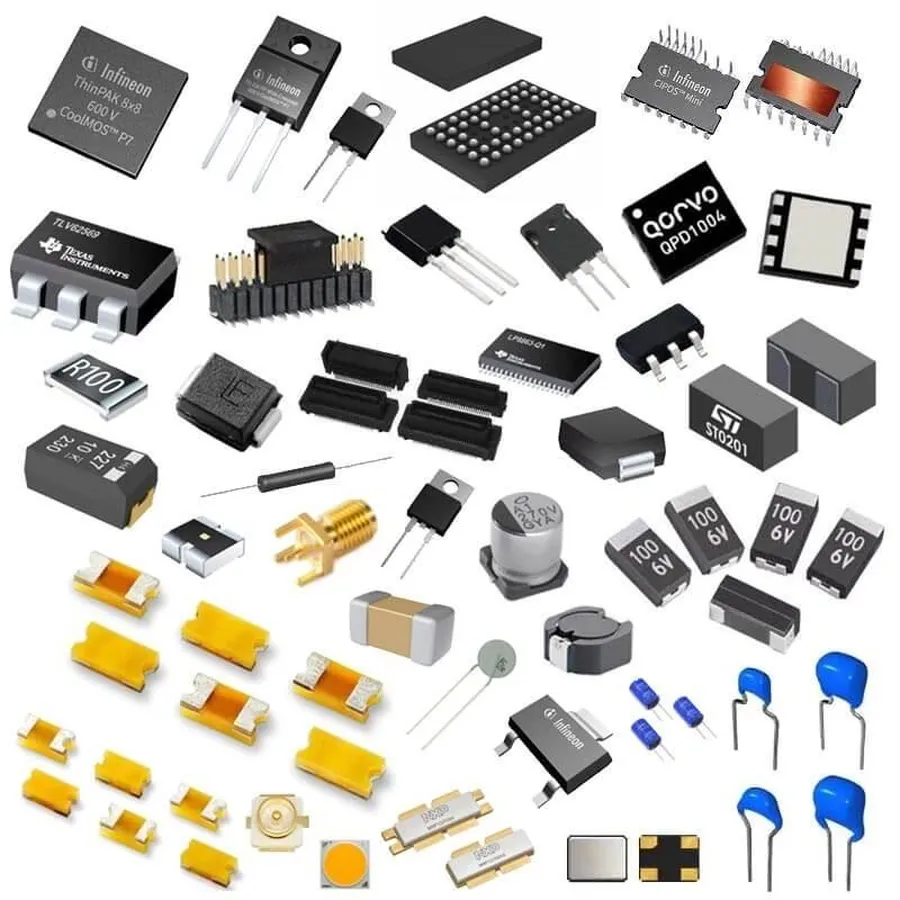
The cost of a printed circuit board order online is a multifaceted issue, influenced by a range of variables. Understanding these factors is crucial for budgeting and making informed decisions. Primary drivers include the physical dimensions of the board, its design complexity, the volume of boards required, the materials used, and the turnaround time requested.
| Cost Factor | Description | Impact on Price |
|---|---|---|
| Board Size | The physical dimensions of the PCB. | Larger boards generally cost more due to increased material usage. |
| Complexity | The number of layers, trace density, and intricate design elements. | More complex designs, particularly multi-layer boards, increase manufacturing costs. |
| Quantity | The number of PCBs in the order. | Larger quantities often benefit from economies of scale, reducing the cost per unit. |
| Materials | The specific materials used in PCB construction, such as FR-4, aluminum, or flexible substrates. | Specialized materials may significantly increase costs. |
| Turnaround Time | The time required to manufacture and deliver the boards. | Faster turnaround times (expedited service) come at a premium. |
| Surface Finish | The type of surface finish applied (e.g., HASL, ENIG). | Some finishes like ENIG are more expensive due to their enhanced performance and durability. |
| Copper Thickness | The thickness of the copper layers. | Thicker copper can increase the cost but may be required for high-current applications. |
| Solder Mask and Silkscreen Colors | The colors of the solder mask and silkscreen. | Non-standard or multiple colors may result in additional charges. |
When comparing pricing across different manufacturers, it’s important to be cautious of extremely low quotes. These may suggest compromises in material quality, production processes, or testing procedures. A balance must be found between cost and reliability, as the long-term performance and durability of the boards directly affect the final product’s quality and lifespan.
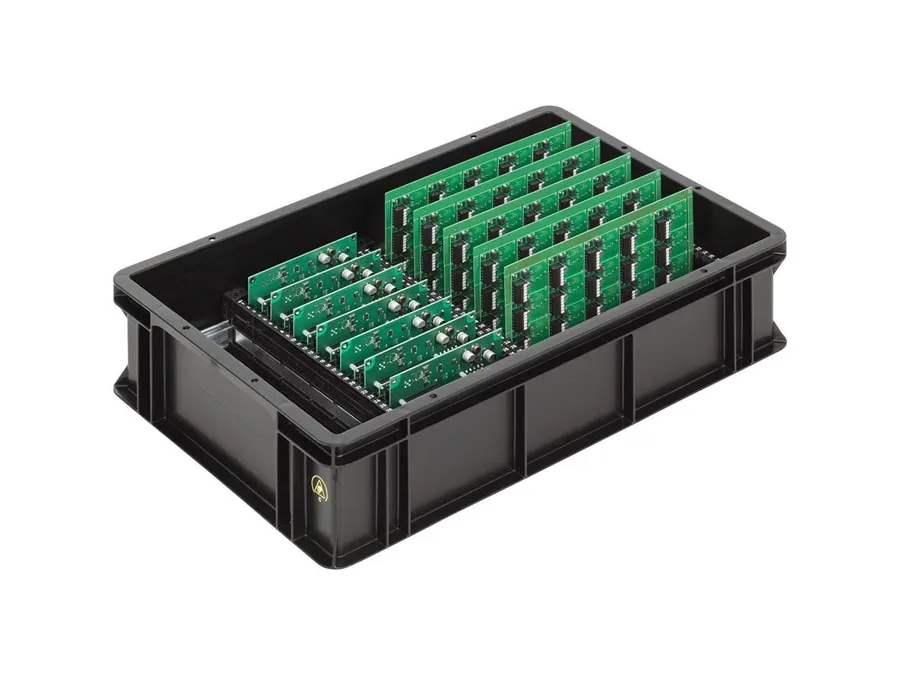
The lead time for printed circuit board (PCB) fabrication is a critical factor that directly influences project timelines. Turnaround times can significantly vary, ranging from a few hours to several weeks, depending on a combination of factors including the manufacturer's operational capacity, the complexity of the PCB design, and the type of service chosen (standard or expedited).
It's imperative to carefully assess your project's timeline and align it with the anticipated lead time to prevent any scheduling conflicts. A thorough examination of the delivery and shipping options offered is also necessary before finalizing your printed circuit board order online.
| Factor | Impact on Turnaround Time | Considerations |
|---|---|---|
| Manufacturer's Processes | Varies widely depending on production capacity and efficiency. | Research manufacturer's typical lead times and production schedules. |
| PCB Complexity | More complex designs (multi-layer, high density) require longer fabrication times. | Factor in additional time for intricate designs and special features. |
| Service Type | Expedited services prioritize production, reducing lead times at a higher cost. | Weigh the cost of expedited service against project timeline constraints. |
| Order Quantity | Larger orders may require more time to produce | Consider how volume affects lead time in your project |
| Shipping Options | Different shipping methods have varying delivery speeds. | Select a shipping method that fits your timeframe |
Ensuring the quality of printed circuit boards (PCBs) is paramount, especially when ordering online. Reputable manufacturers implement rigorous testing and inspection processes to guarantee that the final products meet stringent industry standards and the customer's specific requirements. These processes are crucial in avoiding costly issues and project delays down the line.
Ordering printed circuit boards online often raises several questions. This section addresses the most common inquiries to ensure a smooth and informed ordering process.
Ensuring a seamless online PCB ordering experience involves meticulous preparation, clear communication, and strategic decision-making. By focusing on key areas, from file verification to manufacturer selection, you can significantly reduce the likelihood of errors and delays, leading to a more efficient and cost-effective process.
Ordering PCBs online offers immense convenience and efficiency for designers and engineers. By thoroughly understanding your requirements, carefully selecting the right manufacturer, and adhering to the best practices outlined in this article, you can ensure that you get high-quality boards that meet your specifications. Remember to compare pricing, lead times, and customer reviews to make an informed decision when it comes to your printed circuit board order online. With the right approach, the process can be a seamless and crucial part of your electronic projects' success.

