In today's rapidly evolving urban landscape, the concept of personal vehicle ownership is undergoing a transformative shift. Congestion, parking woes, and environmental concerns are compelling cities and individuals alike to seek innovative transportation alternatives. This article delves into the comprehensive realm of the Shared Car Solution, a pivotal innovation at the heart of modern smart mobility. We will explore how these solutions are reshaping urban transit, enhancing efficiency, and contributing to a more sustainable future, underpinned by sophisticated technological advancements.
The shared car solution paradigm represents a transformative shift in personal mobility, offering on-demand access to vehicles as an alternative to private ownership. Unlike traditional car rentals, which often involve fixed locations, longer rental periods, and more complex processes, shared car services are designed for short-term use, typically by the minute or hour, through intuitive mobile applications. This model is gaining significant traction in urban planning due to its potential to alleviate congestion, reduce parking demand, and promote sustainable transportation. At its core, the shared car solution is a service platform enabled by advanced technology, connecting users to a distributed fleet of vehicles seamlessly and efficiently.
| Feature | Shared Car Solution | Traditional Car Rental |
|---|---|---|
| Usage Duration | Short-term (minutes/hours) | Long-term (days/weeks) |
| Access Model | On-demand via app | Pre-booking/Counter service |
| Vehicle Location | Distributed fleet (free-floating, station-based) | Fixed branch locations |
| Purpose | Convenient short trips, errands | Travel, longer journeys |
| Billing | Per minute/hour, distance | Per day/week |
| Flexibility | High | Lower |
The rise of shared car solutions is not merely a technological trend; it's a fundamental shift in urban mobility driven by pressing societal and environmental challenges. As cities become denser and the impacts of climate change more apparent, traditional car ownership models are increasingly unsustainable. Shared mobility offers a compelling alternative, addressing issues ranging from traffic congestion and parking scarcity to air quality and the economic burden of vehicle ownership. This evolution reflects a growing understanding that efficient, sustainable, and accessible transportation is crucial for the vitality and livability of modern urban environments.
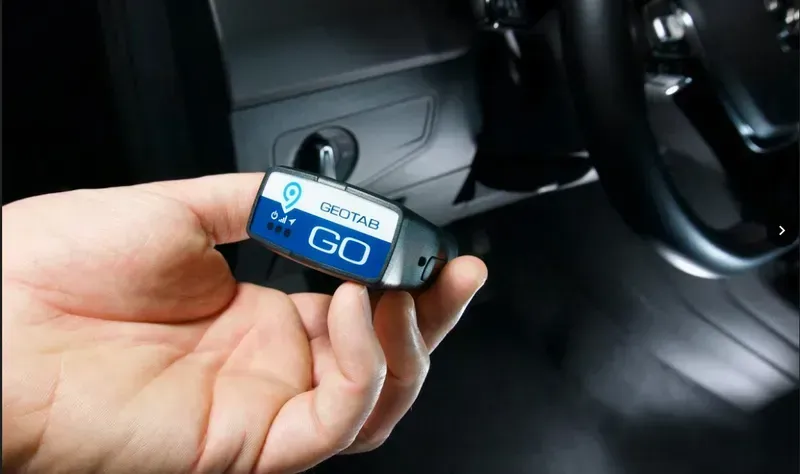
The seamless operation of shared car solutions relies on a complex interplay of advanced technologies. Beyond simply booking a vehicle, these systems require robust infrastructure to manage location, access, usage, and billing in real-time. At the core are integrated electronic systems that facilitate communication between the vehicle, the user, and the service provider. These technological underpinnings are critical for delivering the convenience, efficiency, and security that users expect from modern shared mobility platforms.
| Technology | Function in Shared Car Solutions | Core Electronic Component |
|---|---|---|
| GPS Tracking | Real-time vehicle location and fleet management | GPS Receiver Module |
| Telematics | Data collection on vehicle performance, usage, and diagnostics | Telematics Control Unit (TCU) |
| Mobile Applications | User interface for booking, unlocking, payment, and support | Smartphone Hardware (external to the vehicle) |
| Secure Payment Systems | Processing transactions securely and efficiently | Secure Element or Payment Processor on vehicle/backend |
| Vehicle Access Control | Keyless entry and ignition systems | Electronic Control Unit (ECU) and RFID/Bluetooth Modules |
| Connectivity Modules | Enabling communication between vehicle, network, and cloud | Cellular, Wi-Fi, or Bluetooth Module |
Each of these technologies is underpinned by sophisticated electronic hardware. The development and manufacturing of reliable Printed Circuit Boards (PCBs) for these components are fundamental. For instance, a Telematics Control Unit (TCU) must be robust enough to withstand automotive environments while processing and transmitting complex data streams. Similarly, secure payment systems require highly reliable hardware to protect sensitive financial information. Rapid prototyping and rigorous testing of these electronic systems are essential to ensure the stability and security of the entire shared car infrastructure.
Shared car solutions offer a compelling value proposition, delivering significant benefits to both the end-users and the urban environments they operate within. For individuals, the advantages often center around reduced transportation costs, increased flexibility, and access to vehicles without the burdens of ownership. For cities, these solutions contribute to critical urban goals like mitigating traffic congestion, improving air quality, and optimizing the use of limited parking space. This symbiotic relationship underscores the transformative potential of shared mobility in creating more livable and sustainable urban landscapes.
The success and viability of any shared car solution hinge significantly on the operational model adopted. This strategic choice dictates everything from user accessibility and infrastructure requirements to the complexity of fleet management and profitability. Understanding the nuances between prevalent models—station-based, free-floating, and peer-to-peer—is crucial for effective implementation and scalability in diverse urban environments, each presenting distinct challenges and opportunities for leveraging technology and optimizing resources.
| Model | Vehicle Placement | User Flexibility | Infrastructure Needs | Operational Complexity | Typical Use Case |
|---|---|---|---|---|---|
| Station-Based | Fixed designated parking spots (stations) | Low (pick-up/drop-off only at stations) | High (requires dedicated parking spaces/stations) | Moderate (fleet management simplified by fixed locations) | Planned trips, commuting, integration with public transport |
| Free-Floating | Anywhere within a defined service area (on-street parking) | High (pick-up/drop-off anywhere legally permissible) | Low (utilizes existing public parking) | High (requires complex vehicle redistribution, maintenance logistics) | One-way trips, spontaneous travel, urban exploration |
| Peer-to-Peer | Vehicle owner's location (private homes, parking) | Variable (depends on owner availability and location) | Very Low (leverages existing private vehicle ownership) | Moderate (platform management, user coordination, trust/insurance issues) | Infrequent use, specific vehicle needs (e.g., larger vehicle), cost savings |
Implementing these models successfully requires robust underlying technology infrastructure, including precise GPS tracking, real-time communication modules, secure user authentication via mobile apps, and efficient payment gateways. Challenges often include ensuring equitable vehicle distribution (especially in free-floating models), managing maintenance and cleaning across a distributed fleet, mitigating damage or misuse, and navigating complex urban parking regulations. Success factors commonly involve data-driven optimization of operations, effective marketing to build user adoption, fostering strong partnerships with municipalities, and ensuring the reliability of the electronic control units and connectivity hardware critical to vehicle access and data transmission—an area where high-quality PCB design and rapid prototyping, like that offered by Zero One Solution Limited, become foundational.

At the core of every seamless shared mobility experience lies a sophisticated network of advanced electronics. From the moment a user locates a vehicle via a mobile app to the final secure payment, electronic systems are constantly collecting data, communicating, and controlling critical vehicle functions. The reliability and performance of these electronic components, particularly the printed circuit boards (PCBs) and embedded systems, are paramount to the operational efficiency, safety, and overall success of shared car solutions.
The complexity and demand for miniaturization and reliability in these electronic systems necessitate expert PCB design and rapid prototyping capabilities. Companies like Zero One Solution Limited specialize in providing the high-quality, rapidly prototyped PCB solutions essential for the fast-paced development cycles of shared mobility technology. The ability to quickly iterate on electronic designs and ensure robust manufacturing is a competitive advantage in this dynamic sector.
Reliable manufacturing processes are equally critical. Given the harsh operating environments vehicles can experience, the electronic components must withstand vibration, temperature extremes, and humidity. Ensuring adherence to automotive-grade standards and rigorous testing protocols is fundamental to preventing system failures that could disrupt service or, more importantly, compromise safety.
In essence, the future and scalability of shared car solutions are inextricably linked to advancements in automotive electronics. High-performance PCB design, efficient prototyping, and reliable manufacturing of ECUs, communication modules, and IoT devices are not just components; they are the foundational pillars enabling the next generation of smart, connected, and sustainable urban mobility.
The shared car solution landscape is on the cusp of significant transformation, driven by advancements in technology and evolving urban dynamics. The next generation of shared mobility will move beyond simple car sharing to embrace a more integrated and intelligent ecosystem, fundamentally reshaping how we navigate our cities.
These future trends highlight a move towards more intelligent, integrated, and sustainable urban transportation. The underlying technology, including robust electronic systems and seamless connectivity, will be paramount in enabling these advancements and delivering the next wave of shared mobility solutions.
Shared Car Solutions are more than just a trend; they are a fundamental shift in how we approach urban mobility, offering unparalleled flexibility, cost-efficiency, and environmental benefits. As we've explored, the success and scalability of these systems hinge critically on robust, reliable, and high-performance electronic components. Zero One Solution Limited, with our expertise in rapid prototyping, PCB design, manufacturing, and assembly, is uniquely positioned to be the backbone of this revolution. We empower innovators to develop the advanced automotive electronics, telematics, and communication systems essential for seamless shared car operations. By partnering with Zero One Solution Limited, companies can accelerate their product development cycles, ensuring their shared car solutions are at the forefront of this dynamic industry. Contact us today to discuss how our one-stop PCB solutions can drive your next smart mobility breakthrough.

