The rapid proliferation of electric vehicles (EVs) has brought about a critical challenge: the need for a robust and accessible charging infrastructure. Traditional charging methods often fall short in meeting the demands of urban density and user convenience. This is where the Shared Charging Pile Solution emerges as a game-changer. At Zero One Solution Limited, a leader in PCB rapid prototyping and assembly since 2011, we understand the intricate electronics at the heart of these innovations. How can we leverage cutting-edge technology to build a truly smart, efficient, and widely available charging ecosystem? This article delves into the transformative potential of shared charging piles, highlighting the crucial role of advanced PCB solutions in making this vision a reality.
Understanding the Evolution of EV Charging Infrastructure
The evolution of electric vehicle (EV) charging infrastructure is a journey from rudimentary beginnings to the sophisticated, networked systems we see today. Initially, EV charging was limited to private residential setups, posing challenges for widespread EV adoption. Recognizing these limitations, the industry has shifted towards more accessible and efficient shared charging solutions to meet the escalating demands of a growing EV user base. This section explores the historical progression and current landscape of EV charging, highlighting the critical need for shared charging infrastructure to overcome the constraints of traditional, private charging models.
What were the primary limitations of early private EV charging stations? Early private EV charging stations suffered from limited accessibility, requiring EV owners to charge primarily at home. This setup lacked the convenience needed for long trips or for drivers without dedicated parking spaces. Additionally, the slow charging speeds of early stations and the absence of smart grid integration posed significant challenges for efficient energy management.
How has the demand for public EV charging accessibility evolved? The demand for public EV charging has grown exponentially with the increase in EV adoption. Early adopters were willing to manage the inconveniences of private charging, but the mass market requires widespread, reliable, and convenient public charging options. This demand has driven the development of extensive public charging networks and innovative solutions like shared charging piles.
What are the key benefits of shifting towards shared charging solutions? Shared charging solutions offer numerous advantages, including optimized utilization of charging infrastructure, reduced costs for individual users, and increased accessibility for EV drivers. By allowing multiple users to access the same charging resources, shared systems enhance the economic viability of EV charging and support broader EV adoption.
How do shared charging piles address the challenges of traditional charging stations? Shared charging piles overcome the limitations of traditional stations by providing a flexible, multi-user charging environment. They maximize the use of available charging points, reduce the need for extensive individual installations, and offer convenient charging options in various public and private settings. This model supports a more sustainable and user-friendly EV ecosystem.
What role does smart technology play in enhancing shared charging efficiency? Smart technologies, such as smart metering, IoT connectivity, and cloud-based management systems, are crucial for optimizing the efficiency of shared charging piles. These technologies enable real-time monitoring of energy usage, dynamic pricing, and efficient allocation of charging resources. They also provide data-driven insights for better management and expansion of charging infrastructure.
What are the environmental benefits of adopting shared charging infrastructure? Shared charging infrastructure contributes to environmental sustainability by promoting the adoption of electric vehicles, which produce fewer emissions than gasoline-powered cars. By making EV charging more accessible and convenient, shared charging systems encourage more drivers to switch to EVs, reducing the overall carbon footprint and improving air quality in urban areas.
What is a Shared Charging Pile Solution?
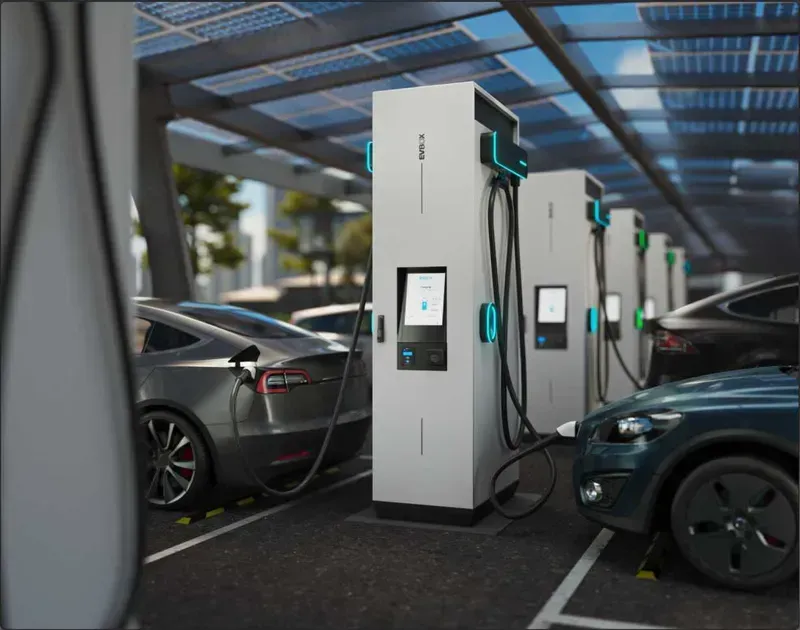
Electric Vehicle Shared Charging
A shared charging pile solution is a system designed to maximize the utilization of electric vehicle (EV) charging infrastructure by allowing multiple users to access the same charging facilities. This approach addresses the limitations of dedicated, single-user charging stations by enabling shared access in various settings, including residential complexes, commercial areas, and public spaces. The core concept revolves around optimizing resource allocation, reducing infrastructure costs, and enhancing the convenience of EV charging for a broader user base.
What are the primary operational models for shared charging pile solutions? Shared charging pile solutions typically operate under several models: subscription-based access (users pay a recurring fee for access), pay-per-use (users are charged based on the amount of electricity consumed or the duration of charging), and community-based access (charging is offered as a shared amenity within a residential or commercial community). Each model is managed via a central management system that handles user authentication, billing, and load balancing to ensure fair access and efficient energy distribution.
What are the key benefits of implementing a shared charging pile solution? The key benefits include reduced infrastructure costs (by maximizing the use of each charging point), increased convenience for EV owners (through broader availability of charging options), and environmental advantages (by supporting the adoption of EVs and reducing carbon emissions). Shared charging solutions can also generate revenue for property owners or operators, making them an economically viable investment.
Where are shared charging pile solutions most commonly deployed? These solutions are commonly deployed in residential complexes (apartments and condominiums), commercial areas (office buildings, shopping centers), public spaces (parking garages, parks), and workplaces. These locations benefit significantly from shared charging as they serve multiple EV drivers with varying charging needs, optimizing the use of the available infrastructure.
How does a shared charging pile solution optimize energy distribution? Shared charging pile solutions optimize energy distribution through smart load balancing and scheduling algorithms. These systems monitor the demand on the electrical grid and distribute power dynamically among the connected EVs, ensuring that the grid is not overloaded and that each vehicle receives the necessary charge efficiently. Advanced systems also allow for prioritized charging based on user needs or time-of-use rates.
What technologies are essential for operating a shared charging pile system? Essential technologies include smart metering (to accurately measure energy consumption), IoT connectivity (for remote monitoring and control), cloud-based management systems (for user authentication, billing, and reporting), and secure payment gateways (for processing transactions). Additionally, robust power electronics and reliable PCB design are crucial for ensuring the safety and efficiency of the charging infrastructure.
How do shared charging pile solutions contribute to environmental sustainability? By promoting the use of electric vehicles, shared charging pile solutions help reduce dependence on fossil fuels and lower greenhouse gas emissions. The increased accessibility of charging infrastructure encourages more people to switch to EVs, further decreasing the carbon footprint associated with transportation. Moreover, when integrated with renewable energy sources, these solutions can provide even cleaner and more sustainable transportation options.
Key Technologies Powering Shared Charging Piles
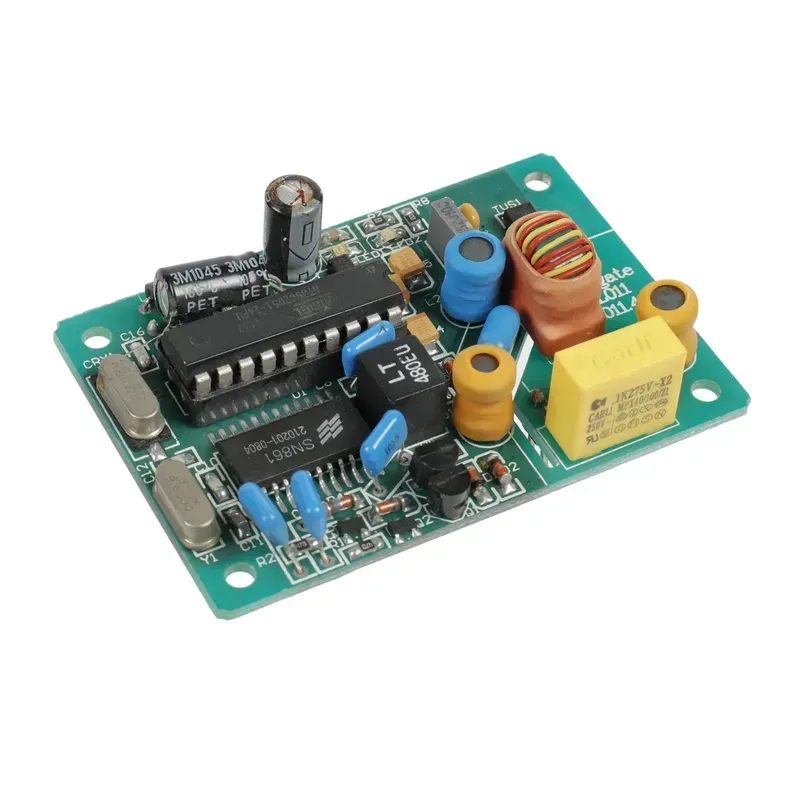
Charging Pile Circuitry
Shared charging piles rely on a suite of sophisticated technologies to ensure efficient, reliable, and user-friendly operation. These technologies not only facilitate the basic function of charging electric vehicles but also enable advanced features such as smart billing, remote monitoring, and grid integration. Understanding these core components is crucial for appreciating the complexity and potential of shared charging infrastructure.
Smart Metering Smart meters accurately measure electricity consumption, enabling precise billing for each user. They provide real-time data on energy usage, which is essential for managing load balancing and optimizing energy distribution across the charging network. Advanced smart meters can also detect anomalies and prevent energy theft.
IoT Connectivity The Internet of Things (IoT) connects charging piles to a central management system, allowing for remote monitoring, diagnostics, and control. IoT sensors collect data on charger status, usage patterns, and environmental conditions, which is then transmitted to the cloud for analysis and action. This connectivity enables proactive maintenance and ensures optimal performance.
Cloud-Based Management Systems A cloud platform acts as the brain of the shared charging network, providing a centralized interface for managing users, tariffs, and charging schedules. It also facilitates data analytics, generating insights that can be used to improve efficiency and user experience. Cloud systems ensure scalability and flexibility, accommodating the growing demands of expanding EV adoption.
Payment Gateways Secure and versatile payment gateways are critical for monetizing shared charging services. These systems support various payment methods, including mobile payments, RFID cards, and credit cards, offering users convenient options for settling their charging fees. Robust payment gateways ensure secure transactions and protect user data.
Advanced Power Electronics Efficient power conversion is at the heart of every charging pile. Advanced power electronics, including high-frequency inverters and PFC (Power Factor Correction) circuits, minimize energy losses during the charging process. These components enable fast charging capabilities while maintaining grid stability.
Robust PCB Design The Printed Circuit Board (PCB) is the backbone of the charging pile, integrating all electronic components and ensuring reliable operation. A well-designed PCB manages power distribution, signal processing, and communication protocols. Given the harsh operating conditions (temperature variations, voltage spikes), a robust PCB design is crucial for longevity and safety. Zero One Solution Limited specializes in providing rapid prototyping and manufacturing of complex PCBs tailored for smart charging infrastructure, ensuring optimal performance and reliability.
Safety and Protection Mechanisms Shared charging piles incorporate multiple layers of safety features to protect users and the grid. These include overcurrent protection, overvoltage protection, ground fault detection, and surge suppression. These mechanisms prevent electrical hazards and ensure safe operation under various conditions.
The Role of Advanced PCB Solutions in Shared Charging Systems
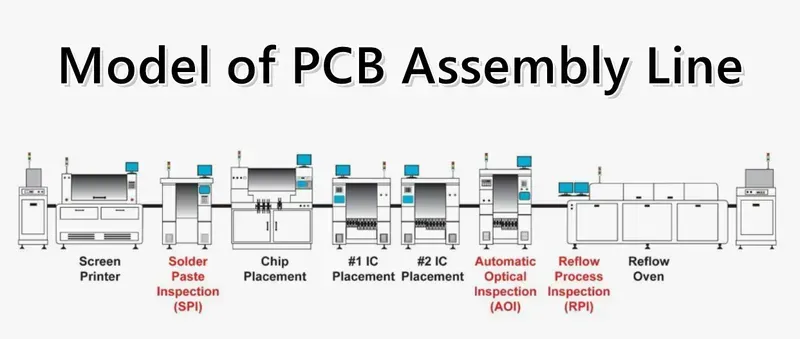
PCB Manufacturing Process
High-quality Printed Circuit Board (PCB) solutions are the backbone of reliable and efficient shared charging pile systems. Custom PCB design and manufacturing play a pivotal role in ensuring seamless power management, robust communication protocols, and effective overall system integration. The intricate network of components on a PCB manages power distribution, signal transmission, and control functions, making it indispensable for the operation of smart charging infrastructure. Without advanced PCB solutions, the functionality and reliability of shared charging systems would be severely compromised.
At Zero One Solution Limited, we specialize in providing rapid prototyping and manufacturing of complex PCBs tailored for the unique demands of smart charging infrastructure. Our expertise ensures that your shared charging systems benefit from:
Optimized Power Management Our PCB designs ensure efficient power conversion and distribution, minimizing energy loss and maximizing the charging efficiency of each charging pile.
Reliable Communication Protocols We implement robust communication pathways on the PCB to facilitate seamless data exchange between the charging pile, the central management system, and the electric vehicle.
Enhanced System Integration Our custom PCB solutions are designed for seamless integration with other system components, ensuring smooth and reliable operation of the entire shared charging infrastructure.
Rapid Prototyping We accelerate your product development cycle with our rapid prototyping services, enabling quick validation of designs and faster time-to-market.
High-Quality Manufacturing Our state-of-the-art manufacturing facilities and stringent quality control processes ensure that every PCB meets the highest standards of performance and reliability.
By partnering with Zero One Solution Limited, you gain access to cutting-edge PCB solutions that are vital for the reliability and performance of your smart charging infrastructure. We are committed to supporting the advancement of sustainable transportation through our innovative PCB designs and manufacturing expertise.
FAQ: What PCB design considerations are most important for shared EV charging piles? Key considerations include thermal management due to high power throughput, signal integrity for reliable communication, isolation to ensure safety, and component selection to withstand harsh environmental conditions. Our designs prioritize these aspects to maximize the lifespan and efficiency of the charging system.
FAQ: How does Zero One Solution Limited ensure the reliability of PCBs for EV charging? We implement rigorous testing protocols, including automated optical inspection (AOI), in-circuit testing (ICT), and functional testing, to identify and rectify any defects before deployment. This comprehensive approach ensures that our PCBs meet stringent quality and performance standards.
FAQ: Can Zero One Solution Limited customize PCB designs for specific shared charging pile applications? Yes, we specialize in custom PCB design and manufacturing. Our team works closely with clients to understand their unique requirements and develop tailored solutions that meet their exact specifications. We consider factors like charging capacity, communication protocols, and environmental conditions to optimize the PCB design.
FAQ: What types of PCBs are suitable for shared charging piles? Multi-layer PCBs are often preferred due to their ability to handle complex routing and high-power applications. High TG (glass transition temperature) materials are also recommended to withstand the thermal stresses associated with charging operations. Additionally, heavy copper PCBs can enhance current carrying capacity and improve heat dissipation.
FAQ: What role do PCB components play in the overall efficiency of shared charging systems? PCB components such as power MOSFETs, capacitors, and inductors significantly impact the efficiency of power conversion and regulation. Selecting high-quality, low-loss components can minimize energy waste and improve the overall efficiency of the charging system. Careful component placement and routing on the PCB can also reduce electromagnetic interference (EMI) and improve system performance.
FAQ: How do PCB solutions address the cybersecurity challenges in shared charging systems? While cybersecurity is primarily a software and network concern, PCB design can contribute to security by isolating sensitive components and implementing secure communication protocols. Utilizing tamper-resistant hardware and secure memory storage on the PCB can also enhance the overall security posture of the charging system.
Benefits of Implementing Shared Charging Pile Solutions
Implementing shared charging pile solutions offers a multitude of benefits that span environmental, economic, and convenience factors, impacting a wide array of stakeholders from EV owners to urban planners and businesses. These solutions address critical needs in the rapidly evolving electric vehicle landscape, fostering greater EV adoption and supporting sustainable urban development.
Environmental Benefits: Reducing Carbon Footprint Shared charging infrastructure supports a greener environment by promoting EV usage, decreasing reliance on fossil fuels, and cutting down on greenhouse gas emissions. This collective approach to charging facilitates a larger transition to electric mobility, significantly contributing to cleaner air and reduced pollution levels in urban environments. For example, studies have shown that cities with robust shared charging networks experience a measurable decrease in their carbon footprint compared to those relying solely on private charging solutions.
Economic Advantages: Lower Infrastructure Costs and Potential Revenue Generation Shared charging piles reduce the financial burden on individual EV owners and communities by maximizing the utilization of charging infrastructure. Instead of each household or business investing in separate charging stations, shared facilities offer a cost-effective alternative. Moreover, these charging points can generate revenue through user fees, creating a sustainable business model for operators and attracting further investment in expanding the charging network. This dual benefit of cost reduction and revenue potential makes shared charging solutions economically attractive to both public and private sectors.
Convenience for EV Owners: Increased Accessibility and Reduced Range Anxiety One of the most significant advantages for EV owners is the increased accessibility to charging points, particularly in dense urban areas where private charging may not be feasible. Shared charging piles strategically located in residential complexes, commercial centers, and public spaces alleviate range anxiety, making EV ownership more practical and appealing. The convenience of easily accessible charging encourages more people to switch to electric vehicles, further accelerating the transition to sustainable transportation.
Optimized Land Use and Reduced Clutter Shared charging solutions optimize land use in densely populated areas by minimizing the need for numerous individual charging stations. This consolidation reduces physical clutter and enhances urban aesthetics, making cities more livable and visually appealing. Strategic placement of shared charging hubs ensures that charging infrastructure integrates seamlessly into the urban environment without compromising space or visual harmony.
Support for Sustainable Urban Development Shared charging infrastructure is integral to sustainable urban planning, aligning with goals to create eco-friendly and efficient cities. By supporting the widespread adoption of electric vehicles, these solutions help municipalities meet environmental targets and enhance the quality of life for their citizens. Furthermore, shared charging initiatives can be integrated with smart city technologies to optimize energy distribution, reduce grid strain, and promote overall urban resilience.
Enhanced Property Value for Residential and Commercial Buildings The availability of shared charging facilities can significantly increase the value of residential and commercial properties. Potential buyers and tenants are increasingly prioritizing access to EV charging, making properties with shared charging stations more attractive and competitive in the market. This added value not only benefits property owners but also encourages the development of more EV-friendly communities.
Challenges and Future Outlook for Shared Charging Infrastructure
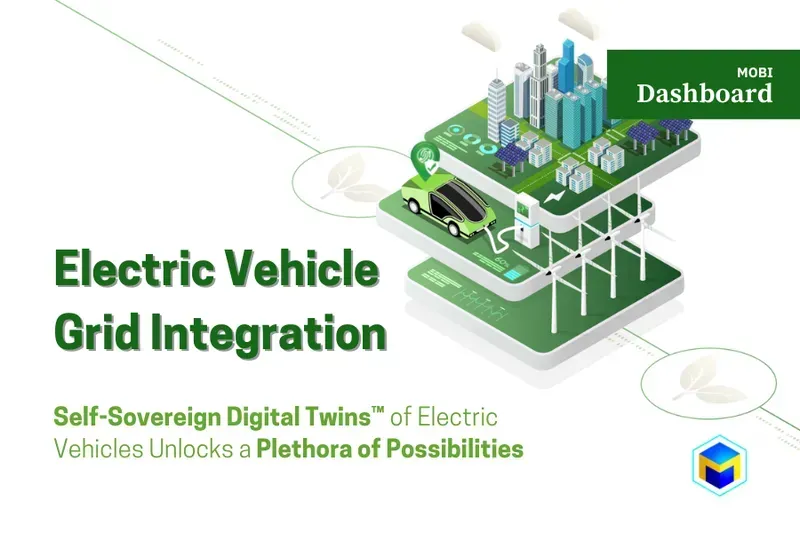
EV Smart Grid Integration
While shared charging infrastructure presents a promising avenue for advancing EV adoption, it's crucial to acknowledge the hurdles that currently impede widespread deployment and consider the innovations that will shape its future. Addressing challenges like standardization, cybersecurity, and maintenance, while embracing advancements such as vehicle-to-grid (V2G) technology, renewable energy integration, and smart grid evolution, will be key to unlocking the full potential of shared charging solutions.
Standardization and Interoperability Challenges Lack of unified standards across different charging networks and equipment manufacturers leads to interoperability issues. This can frustrate EV users who may find certain charging stations incompatible with their vehicles or payment systems. Addressing this requires industry-wide collaboration to establish and enforce common standards for charging protocols, connector types, and communication interfaces.
Cybersecurity Risks in Connected Charging Systems Shared charging piles, being connected devices within a network, are vulnerable to cyberattacks. These attacks could compromise user data, disrupt charging services, or even manipulate the power grid. Robust cybersecurity measures, including encryption, authentication protocols, and regular security audits, are essential to protect shared charging infrastructure from potential threats.
Maintenance and Reliability Concerns Ensuring the long-term reliability and availability of shared charging piles requires proactive maintenance and timely repairs. Factors like weather exposure, vandalism, and component failures can lead to downtime and user dissatisfaction. Implementing remote monitoring systems, predictive maintenance strategies, and readily available support services are crucial for minimizing disruptions and maximizing uptime.
Vehicle-to-Grid (V2G) Integration V2G technology allows EVs to not only draw power from the grid but also discharge power back into it. Integrating V2G capabilities into shared charging infrastructure can provide grid stabilization services, reduce peak demand, and enable new revenue streams for EV owners. However, realizing the full potential of V2G requires advancements in battery technology, bidirectional charging equipment, and grid management systems.
Renewable Energy Integration for Sustainable Charging Integrating renewable energy sources, such as solar and wind power, into shared charging infrastructure can significantly reduce the carbon footprint of EV charging. This can be achieved through on-site renewable energy generation, purchasing renewable energy credits, or participating in green energy programs. Combining renewable energy with energy storage solutions can further enhance the reliability and sustainability of shared charging systems.
Smart Grid Technologies and Advanced PCB Solutions The evolution of smart grid technologies plays a vital role in optimizing the performance and efficiency of shared charging infrastructure. Smart grids enable real-time monitoring, dynamic pricing, and intelligent load balancing, allowing charging stations to respond to grid conditions and user demand. Advanced PCB solutions, like those offered by Zero One Solution Limited, are crucial for enabling the complex power management, communication, and control systems required for smart charging applications. These solutions facilitate efficient energy conversion, reliable data transmission, and robust system integration, ensuring the seamless operation of shared charging piles within the smart grid ecosystem.
The Shared Charging Pile Solution represents a pivotal step towards a sustainable and interconnected urban future, addressing the growing demands of electric vehicle adoption. By optimizing resource utilization and enhancing accessibility, these solutions are essential for the continued growth of EV ecosystems. Zero One Solution Limited stands at the forefront of this revolution, providing the foundational PCB expertise that powers these intelligent charging infrastructures. Our commitment to rapid-response R&D prototype manufacturing and one-stop PCB services ensures that your innovative charging concepts move from design to deployment with unparalleled efficiency. Partner with us to accelerate your next-generation shared charging pile projects and drive the future of sustainable mobility. Contact Zero One Solution Limited today to discuss how our bespoke PCB solutions can empower your vision.