Shared Children's Toys and Fun Picture Book Solution
2025.06.22
In an era where sustainability meets digital innovation, the concept of shared resources has transformed various industries, none more charmingly than in early childhood education and entertainment. Imagine a world where every child has access to a diverse library of engaging toys and captivating picture books without the burden of constant new purchases or environmental impact. This isn't a distant dream; it's a rapidly evolving reality powered by cutting-edge technology. Zero One Solution Limited, a leader in rapid prototyping and one-stop PCB solutions, understands the intricate electronic demands of such innovative platforms. We're here to explore how sophisticated PCB design, manufacturing, and assembly are the silent enablers behind the delightful world of shared children's toys and fun picture book solutions.
The Rise of the Sharing Economy in Children's Products
The sharing economy is experiencing a significant surge in various sectors, and children's products are no exception. This global trend emphasizes shared access over individual ownership, particularly regarding toys and books. This shift is largely fueled by a growing awareness of sustainability, coupled with the economic advantages it offers to families. The concept promotes efficient resource utilization, reduces environmental impact, and provides children with diverse learning and play opportunities.
Several factors contribute to the increasing popularity of sharing platforms for children's products:
Sustainability Concerns: Parents are increasingly conscious of the environmental impact of constantly purchasing new toys and books. Sharing reduces waste and promotes a circular economy.
Economic Benefits: Sharing platforms offer a cost-effective alternative to buying, especially for items children quickly outgrow or lose interest in.
Access to Variety: Children gain exposure to a wider range of toys and books than would be feasible through individual purchases, fostering diverse learning experiences.
Reduced Clutter: Sharing helps declutter homes by eliminating the need to store large quantities of toys and books.
The rise of this sharing economy necessitates robust technological solutions to ensure seamless operation and user trust. These solutions encompass inventory management, tracking, and hygiene protocols, all of which rely on advanced electronic components and sophisticated PCB designs.
Benefits of Shared Children's Toys and Picture Books
The sharing economy applied to children's toys and picture books unlocks a multitude of benefits that extend to parents, children, and the environment. By embracing shared resources, families can access a broader range of products, reduce clutter, and instill values of sustainability in their children. This model fosters a more economical, educational, and eco-friendly approach to raising children.
Cost Savings for Parents One of the most significant advantages of shared children's toys and picture books is the substantial cost savings for parents. Purchasing new toys and books can quickly become expensive, especially considering children's rapidly changing interests. Sharing platforms allow parents to access a diverse selection of items without the full purchase price, making high-quality educational resources more accessible.
Reduced Clutter Children's toys and books tend to accumulate quickly, leading to cluttered homes and storage challenges. Sharing systems alleviate this issue by providing temporary access to items, eliminating the need to store them indefinitely. This creates a more organized and spacious living environment.
Variety and Exposure to New Concepts for Children Shared platforms expose children to a wider variety of toys and books than a single family could typically afford. This diverse selection stimulates curiosity, encourages exploration, and broadens children's understanding of different concepts and subjects. Regular access to new and engaging materials can enhance cognitive development and learning outcomes.
Environmental Sustainability The sharing economy inherently promotes sustainability by reducing the demand for new products and minimizing waste. Shared toy and book systems contribute to a circular economy, extending the lifespan of items and diverting them from landfills. This eco-conscious approach fosters environmental responsibility and reduces the carbon footprint associated with manufacturing and disposal.
Access to Specialized and Expensive Items Sharing platforms often provide access to specialized or expensive items that families might not otherwise purchase, such as STEM-focused toys or high-quality educational books. This democratizes access to valuable resources, ensuring that more children can benefit from enriching learning experiences.
Technological Underpinnings of Sharing Platforms
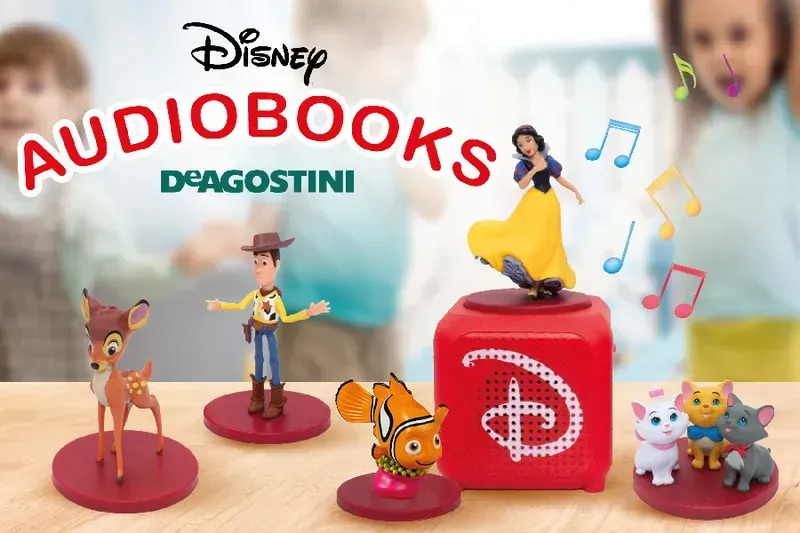
Children's Toy RFID Tag
The seamless operation of shared children's toy and picture book platforms hinges on a sophisticated technological infrastructure. This infrastructure integrates IoT devices for real-time tracking, RFID technology for efficient inventory management, and robust data management systems to handle user data and borrowing history. The reliability and efficiency of these electronics are paramount to ensuring a positive user experience and the overall success of the sharing model.
Below are some of the key technologies that enable these platforms:
Internet of Things (IoT) IoT devices embedded in toys or attached to books allow for real-time tracking of location and usage. This data is crucial for inventory management and ensuring items are returned on time. They also support geofencing capabilities, triggering alerts if an item leaves a designated area.
Radio-Frequency Identification (RFID) RFID tags provide a unique identifier for each item, enabling quick and accurate inventory checks. RFID systems can automate the check-in and check-out process, reducing manual labor and minimizing errors. This technology facilitates efficient tracking of items as they move between users and ensures accountability.
Data Management Systems Robust databases are essential for managing user information, borrowing history, and inventory levels. These systems track item availability, monitor borrowing patterns, and generate reports to optimize inventory and identify popular items. Data analytics can further improve platform efficiency.
Mobile Applications User-friendly mobile apps provide a convenient interface for browsing available items, making reservations, and managing accounts. Apps can also provide information on the item's usage guidelines, age appropriateness, and safety instructions. Push notifications can remind users of return deadlines and other important updates.
Secure Payment Gateways Secure and reliable payment gateways are necessary for processing subscription fees, late return charges, and other transactions. These gateways ensure the financial security of both the platform and its users. Integrating various payment methods, including credit cards, mobile wallets, and online payment platforms, can enhance user convenience.
The Critical Role of PCB Solutions in Smart Toy & Book Systems
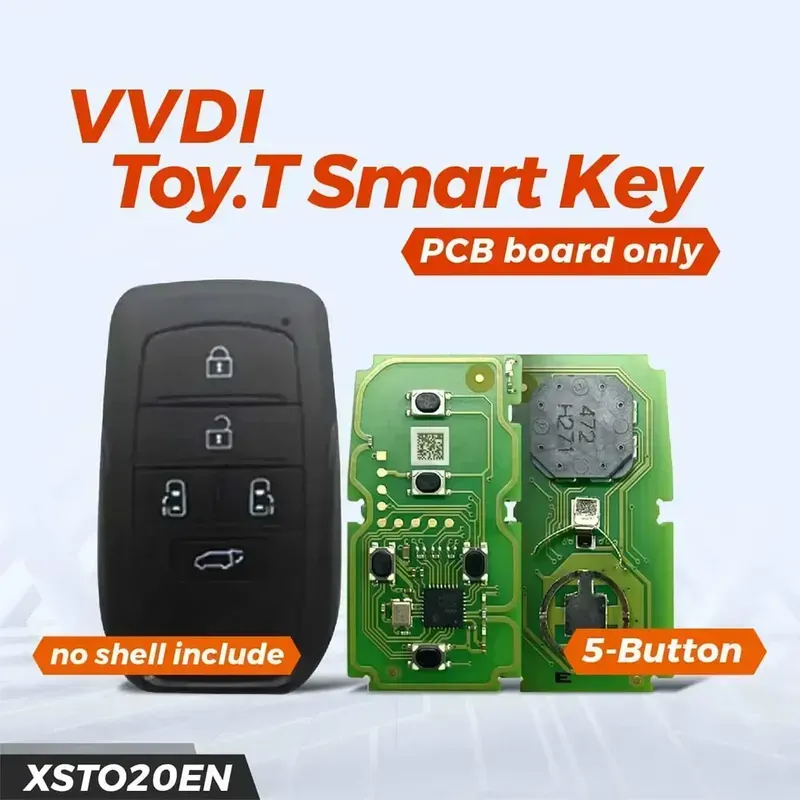
Smart Toy PCB Board
Printed Circuit Boards (PCBs) are the central nervous system of smart toys, book tracking devices, and automated dispensing systems. These aren't your average circuit boards; they're meticulously designed to optimize performance and seamless integration within these innovative systems. Custom PCB design is paramount to ensuring that these shared systems function reliably and efficiently.
Here's a breakdown of how PCB solutions are crucial:
Smart Toys In smart toys, PCBs enable interactive features like sound, light, and motion. They connect microcontrollers, sensors, and actuators, bringing toys to life with engaging and educational capabilities. Custom PCB layouts are critical for fitting complex functionality into compact toy designs.
Book Tracking Devices For shared book systems, PCBs power the tracking devices that monitor book location and usage. These devices utilize RFID or other tracking technologies, transmitting data to a central system. Efficient power management and reliable data transmission are key considerations in their PCB design.
Automated Dispensing/Return Systems Automated kiosks rely on PCBs to control dispensing mechanisms, manage user interfaces, and process transactions. High-reliability PCBs are essential to ensure these systems operate smoothly and minimize downtime.
Custom PCB design provides several advantages in these applications:
Optimized Performance Custom designs can be tailored to the specific power requirements and signal characteristics of the components, maximizing efficiency and minimizing noise.
Size and Integration Custom PCBs allow for creative layouts that fit within the often-constrained spaces of toys and tracking devices, enabling more features in smaller packages.
Reliability Careful component selection and layout techniques enhance the durability and lifespan of the PCBs, crucial for shared items that experience frequent use.
Zero One Solution Limited: Powering Innovation in Shared Solutions
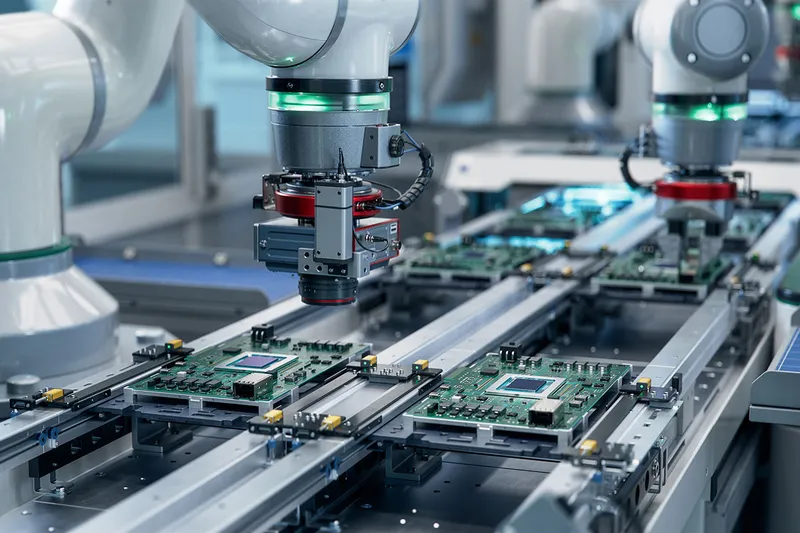
PCB Manufacturing Factory Line
Zero One Solution Limited stands at the forefront of enabling innovative shared solutions for children's toys and picture books. With our comprehensive suite of services, ranging from rapid prototyping to full-scale PCB design, manufacturing, and assembly, we empower businesses to create reliable and scalable platforms that redefine how children engage with learning and play. Our expertise is pivotal in transforming ideas into tangible, market-ready products, ensuring seamless integration and optimal performance.
Our key services include:
Rapid Prototyping Accelerate your product development cycle with our rapid prototyping services. We provide quick-turn prototypes that allow you to test and refine your designs efficiently, minimizing time-to-market.
PCB Design Leverage our expertise in custom PCB design to optimize the performance and functionality of your smart toys and book systems. Our designs ensure seamless integration of all components, enhancing reliability and efficiency.
Manufacturing Benefit from our state-of-the-art manufacturing facilities, equipped to handle both small-batch and large-scale production runs. We adhere to strict quality control standards to ensure consistent product quality.
Assembly Our comprehensive assembly services cover everything from component placement to final product assembly. We ensure precise and reliable assembly, guaranteeing the highest levels of performance and durability.
By choosing Zero One Solution Limited, you gain a partner committed to powering your innovation in the shared solutions market. Our strategic location in Shenzhen, China, and our branch office in Dubai, enable us to offer unparalleled access to a global supply chain, ensuring cost-effective and timely solutions.
Ensuring Safety and Hygiene in Shared Systems
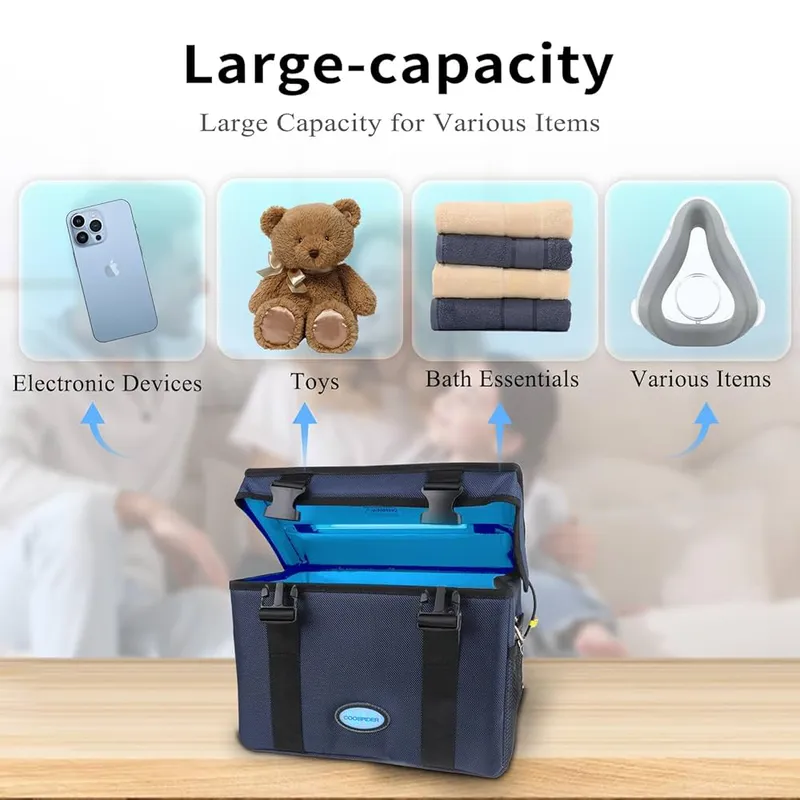
Toy Sterilization Machine
In shared children's toy and picture book systems, ensuring safety and hygiene is paramount. Technological solutions, frequently driven by sophisticated PCB designs, play a crucial role in facilitating effective sterilization and maintaining rigorous quality control. These measures safeguard children's health and build trust in the sharing model.
What sterilization methods are effective for shared toys and books? Effective methods include UV-C light sterilization, which deactivates pathogens without harsh chemicals; ozone sterilization, suitable for porous materials; and automated washing systems for durable toys. The choice depends on the material and complexity of the item, with PCB-controlled systems ensuring consistent and thorough application.
How can technology help track the cleaning and maintenance schedules of shared items? IoT-enabled tracking systems, often incorporating RFID tags and PCB-based sensors, monitor usage frequency and automatically schedule cleaning cycles. Data is logged and analyzed to ensure timely maintenance, reducing the risk of contamination and prolonging the lifespan of the shared items.
What role do PCBs play in maintaining hygiene standards in shared systems? PCBs are integral to developing smart sanitization devices and monitoring systems. They control UV-C light intensity, regulate washing cycles, and interface with sensors that detect cleanliness levels. Custom PCB designs optimize these processes, ensuring efficient and reliable hygiene maintenance.
How are materials chosen to minimize the risk of contamination in shared toys and books? Materials are selected for their ease of cleaning and resistance to microbial growth. Non-porous plastics, sealed wood, and antimicrobial coatings are preferred. Material choices are validated through rigorous testing, and compliance with safety standards is continuously monitored.
What quality control measures are in place to ensure the safety of shared items? Quality control involves regular inspections, microbiological testing, and adherence to safety standards such as EN 71 and ASTM F963. These measures verify that shared items are free from harmful substances and potential hazards, ensuring they meet stringent safety requirements before being circulated.
How can parents be assured that shared toys and books are safe for their children? Transparency is key. Sharing platforms provide detailed information about cleaning protocols, material safety, and quality control procedures. Some platforms offer certificates of cleanliness or allow parents to track the sanitization history of individual items, building trust and confidence in the safety of shared resources.
Future Trends in Shared Learning Resources
Children AR VR Glasses
The future of shared learning resources, particularly for children's toys and picture books, is poised for significant innovation. These advancements will be driven by emerging technologies like Artificial Intelligence (AI), Augmented Reality (AR), and Virtual Reality (VR), all underpinned by sophisticated electronic components and robust PCB solutions. The sharing model itself is expected to expand, offering more personalized and immersive learning experiences.
AI-Driven Personalization AI algorithms will analyze children's learning patterns and preferences to recommend toys and books that are precisely tailored to their developmental needs and interests. This will enhance engagement and maximize the educational impact of shared resources.
Integrated AR/VR Experiences Imagine picture books that come to life with AR overlays or VR environments that allow children to immerse themselves in the stories they're reading. These technologies will transform passive reading into interactive adventures, making learning more captivating and effective.
Expansion of the Sharing Model The sharing economy for children's products is likely to extend beyond toys and books to include educational games, science kits, and even musical instruments. This broader scope will provide families with access to a wider range of resources, promoting diverse learning experiences.
Smart Inventory Management Advanced sensor technologies and data analytics will optimize inventory management for shared resource platforms. This includes real-time tracking of item availability, automated restocking, and predictive maintenance to ensure that resources are always accessible and in optimal condition.
Gamification of Learning Shared learning resources can be integrated with gamified elements to motivate children and track their progress. Points, badges, and leaderboards can be used to reward engagement and encourage continued learning, making the sharing experience more fun and rewarding.
Sustainable Materials and Design Future shared resources will prioritize sustainability, using eco-friendly materials and designs that minimize environmental impact. This aligns with the core values of the sharing economy and promotes responsible consumption habits among children.
Frequently Asked Questions about Shared Toy & Book Solutions
Navigating the world of shared toy and book solutions can bring up many questions. This section addresses common concerns regarding the safety, hygiene, cost-effectiveness, and technological needs of these platforms, offering clear insights for potential users and developers alike.
Are shared toys and books safe for my child? Safety is paramount. Reputable sharing platforms implement rigorous cleaning and sanitization processes, often leveraging technology like UV sterilization and material tracking via PCBs to ensure items are safe for use. Look for services that adhere to strict hygiene standards and provide transparent information about their cleaning protocols.
How is hygiene maintained in shared toy and book systems? Hygiene is maintained through a multi-faceted approach. This includes regular cleaning with child-safe disinfectants, UV sterilization processes, and sometimes even quarantine periods for returned items. Some advanced systems use sensors and tracking (enabled by PCB technology) to monitor item usage and trigger cleaning cycles automatically.
Is sharing toys and books actually cost-effective? Yes, sharing can significantly reduce costs. Instead of buying new items that children quickly outgrow, you pay a fraction of the price for temporary access. This is especially beneficial for expensive toys or books that have a limited period of interest for a child.
What kind of technology is involved in managing shared toy and book platforms? A variety of technologies are crucial. These include inventory management systems, online platforms for browsing and borrowing, tracking systems (often using RFID tags and PCB-based readers), and automated dispensing/return kiosks. Robust data management ensures efficient operation and helps personalize recommendations.
How do shared toy and book platforms handle damaged or lost items? Most platforms have clear policies regarding damaged or lost items. Typically, users are responsible for reporting any damage and may be charged a fee to cover repair or replacement costs. It's important to review these policies before using a sharing service.
Can shared learning resources be tailored to my child's interests and developmental stage? Many platforms offer personalized recommendations based on your child's age, interests, and learning goals. Some advanced systems even use AI to suggest items that align with your child's developmental milestones, enhancing the learning experience.
What is the environmental impact of sharing toys and books? Sharing promotes sustainability by reducing the demand for new products, minimizing waste, and conserving resources. By extending the lifespan of toys and books, sharing helps to create a more circular economy and lessen the environmental footprint associated with manufacturing and disposal.
The shared children's toys and fun picture book solution is more than just a service; it's a paradigm shift towards sustainable, accessible, and enriched early childhood development. This innovative model, underpinned by robust technological infrastructure, offers unparalleled benefits to families, educators, and the environment. At Zero One Solution Limited, we are proud to be at the forefront of enabling such groundbreaking initiatives. Our expertise in rapid prototyping, precise PCB design, and efficient manufacturing ensures that the electronic heart of these solutions beats reliably and powerfully. If you're envisioning the next big innovation in shared resources, education, or smart technology, our team is ready to transform your concept into a tangible, high-performance reality. Contact Zero One Solution Limited today to discuss how our bespoke PCB solutions can empower your vision and bring your revolutionary ideas to life.