In the fast-paced world of healthcare, efficient management of critical resources is paramount. Oxygen cylinders, vital for patient care, often present logistical challenges from tracking to replenishment. Zero One Solution Limited, a leader in rapid-response PCB assembly solutions, is proud to introduce a revolutionary 'Shared Convenient RFID Oxygen Cylinder Solution.' This innovative system leverages advanced RFID technology to transform how medical facilities manage, track, and share oxygen cylinders, ultimately enhancing patient safety and operational efficiency. How can a smart, connected system alleviate the burdens of traditional cylinder management and ensure seamless access to this life-sustaining resource?
The Critical Need for Efficient Oxygen Cylinder Management
Effective management of oxygen cylinders is not merely a logistical concern in healthcare; it is a critical element directly impacting patient care quality and operational efficiency. Without a robust, shared, and convenient RFID oxygen cylinder solution, healthcare facilities face significant challenges. These include the costly issue of cylinder loss and misplacement, inefficient manual tracking processes that consume valuable staff time, and complex logistics involving supply, demand, and distribution across multiple locations. These inefficiencies can lead to delays in accessing vital oxygen, impacting patient outcomes and placing undue strain on resources.
The current landscape often involves manual record-keeping or outdated barcode systems, which are prone to human error and lack real-time visibility. This can result in overstocking or critical shortages, both of which carry financial and operational burdens. Furthermore, ensuring compliance with regulatory standards for medical gas handling and storage becomes significantly more challenging without an automated, accurate tracking system. The absence of a streamlined, shared platform for managing these essential medical assets directly hinders healthcare providers' ability to deliver timely and effective treatment, underscoring the critical need for a more advanced solution.
High Rate of Cylinder Loss and Misplacement Traditional methods often lack precise tracking, leading to cylinders being lost between departments, facilities, or during transportation, resulting in significant replacement costs and operational disruption.
Inefficient Manual Tracking Processes Relying on manual logs or basic barcode scanning is time-consuming, labor-intensive, and susceptible to errors, diverting healthcare professionals from patient care duties.
Logistical Complexities Managing inventory levels, predicting demand, and coordinating deliveries and pickups across diverse locations presents significant logistical hurdles without real-time data visibility.
Impact on Patient Care Delays in locating or accessing oxygen cylinders in critical situations can compromise patient safety and lead to suboptimal treatment outcomes.
Regulatory Compliance Challenges Maintaining accurate records and ensuring compliance with stringent medical gas regulations is difficult with fragmented or unreliable tracking systems.
Introducing the Shared Convenient RFID Oxygen Cylinder Solution
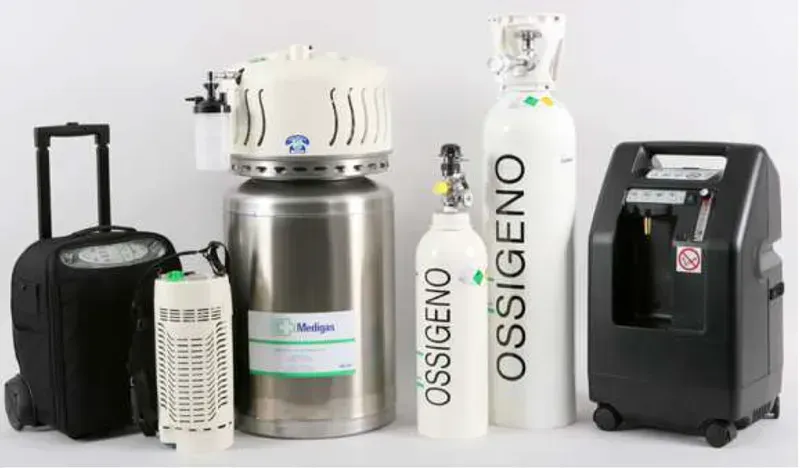
RFID Oxygen Cylinder
Moving beyond the constraints of manual tracking and fragmented inventory systems, Zero One Solution Limited introduces the Shared Convenient RFID Oxygen Cylinder Solution – a transformative approach designed to bring unparalleled efficiency and transparency to oxygen supply management. Leveraging cutting-edge Radio-Frequency Identification (RFID) technology, this system provides a robust framework for real-time tracking, ensuring cylinders are located quickly, inventory is accurate, and logistical workflows are streamlined. It represents a significant leap forward for healthcare providers, offering a shared platform that simplifies access to vital oxygen resources while dramatically reducing the risks associated with traditional methods.
RFID Tags on Cylinders Each oxygen cylinder is equipped with a durable RFID tag containing a unique identifier. This tag acts as the digital fingerprint of the cylinder, enabling automated identification and data capture without the need for line-of-sight scanning.
Fixed and Mobile RFID Readers Strategically placed fixed readers at key points (storage areas, loading docks) and mobile readers (handheld scanners) capture the RFID tag data as cylinders move. This infrastructure ensures comprehensive coverage across the facility or supply chain.
Centralized Software Platform All data collected by the readers is transmitted to a secure, centralized software platform. This platform processes and stores information, providing a real-time dashboard of cylinder locations, inventory levels, movement history, and status (e.g., full, empty, due for maintenance).
Connectivity and Integration The system is designed for seamless integration with existing hospital or logistics management systems. Data can be shared securely, enabling a unified view of resources and facilitating automated processes like reordering and allocation.
Together, these core components form an intelligent network that replaces manual logging and guesswork with precise, automated tracking. The shared nature of the platform means that authorized personnel across different departments or even interconnected facilities can access crucial information, fostering better coordination and resource utilization. This integrated approach directly addresses the inefficiencies and potential for error inherent in manual systems, providing a foundation for significantly improved operational efficiency and patient care.
Key Features and Benefits of RFID Integration for a Shared Convenient RFID Oxygen Cylinder Solution
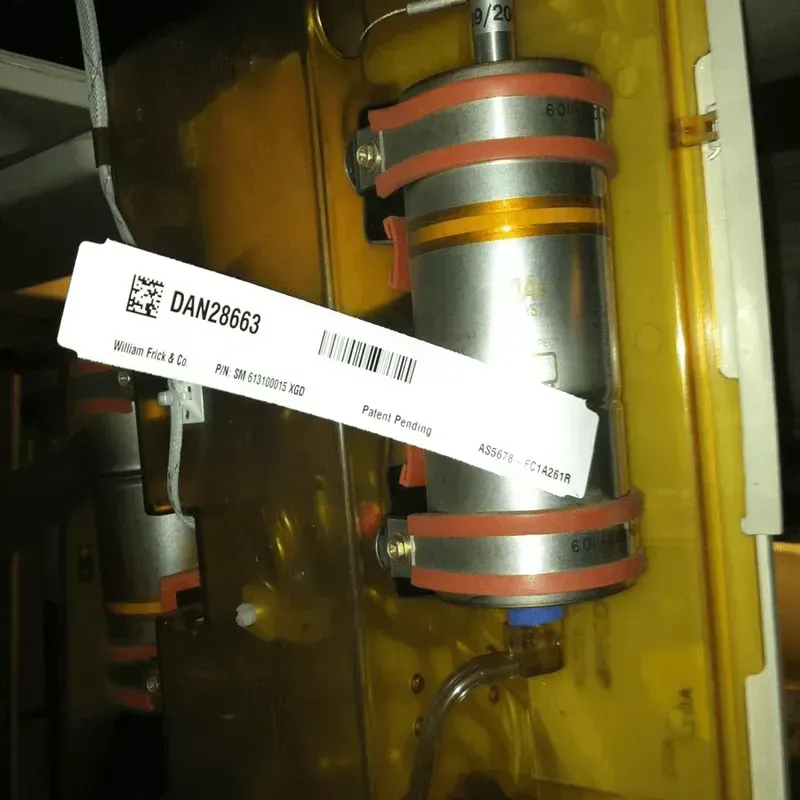
RFID Tag on Oxygen Cylinder
Integrating Radio-Frequency Identification (RFID) technology into oxygen cylinder management revolutionizes traditional tracking methods, offering a truly shared and convenient RFID oxygen cylinder solution. At its core, RFID enables automated, real-time data capture without line-of-sight, drastically improving accuracy and efficiency compared to manual or barcode systems. This inherent capability translates into a wealth of tangible benefits for healthcare providers, from optimizing inventory levels to enhancing patient safety by ensuring cylinders are available where and when needed.
Real-time Location and Tracking RFID tags attached to each cylinder allow for continuous monitoring of their location within a facility or across a distributed network. This eliminates the time-consuming process of manually searching for cylinders, reducing delays in patient care and improving workflow efficiency. The system provides instant visibility into the whereabouts of every asset.
Automated Inventory Management Manual inventory counts are prone to error and are labor-intensive. RFID automation provides accurate, up-to-date inventory data with minimal human intervention. This allows healthcare facilities to maintain optimal stock levels, prevent shortages or overstocking, and reduce administrative overhead associated with inventory tracking.
Enhanced Security and Loss Prevention The unique identification provided by each RFID tag makes it significantly harder for cylinders to be misplaced or stolen. The system can alert staff to unauthorized movements or when a cylinder leaves a designated area, significantly improving security and reducing the financial impact of lost or missing assets.
Improved Data Accuracy and Reporting RFID systems capture data automatically and accurately, minimizing human error in data entry. This leads to more reliable reporting on cylinder usage, turnover rates, and distribution patterns, providing valuable insights for operational planning and resource allocation.
Streamlined Logistics and Supply Chain For a shared convenient RFID oxygen cylinder solution, RFID facilitates smoother transitions between suppliers, facilities, and even patient homes. Tracking cylinders through their lifecycle simplifies returns, refills, and redistribution, optimizing the entire supply chain for greater responsiveness and cost-effectiveness.
How the Solution Enhances Operational Efficiency and Safety
Hospital Oxygen Cylinder Management
The Shared Convenient RFID Oxygen Cylinder Solution from Zero One Solution Limited revolutionizes oxygen cylinder management within healthcare facilities by directly addressing critical inefficiencies and safety concerns. By implementing real-time tracking and automated processes, this solution dramatically reduces manual labor associated with inventory checks and tracking, freeing up valuable staff time. Crucially, it minimizes the risk of loss or misplacement, a significant drain on resources and a potential threat to patient care. Furthermore, the system enhances compliance with regulatory requirements through accurate record-keeping and simplifies audits. Ultimately, it ensures faster, more reliable access to vital oxygen supplies, directly impacting patient outcomes and improving overall operational safety.
Reduced Manual Labor Traditional oxygen cylinder management often involves manual counting and record-keeping, which is time-consuming and prone to human error. The RFID solution automates these processes, allowing staff to focus on patient care.
Minimized Loss and Misplacement Real-time location tracking provided by RFID significantly reduces the incidence of lost or misplaced cylinders, saving facilities money and ensuring that cylinders are available when and where they are needed.
Improved Compliance and Auditing Accurate, automated data collection simplifies compliance with medical gas regulations and makes audits faster and less disruptive.
Faster Access to Oxygen Supplies Knowing the exact location and status of every cylinder allows for rapid deployment of oxygen when emergencies arise, ensuring timely and critical patient support.
Enhanced Safety Protocols By ensuring cylinders are tracked and readily available, the system supports robust safety protocols and reduces the risk associated with oxygen shortages.
Zero One Solution Limited's Role in Delivering this Innovation
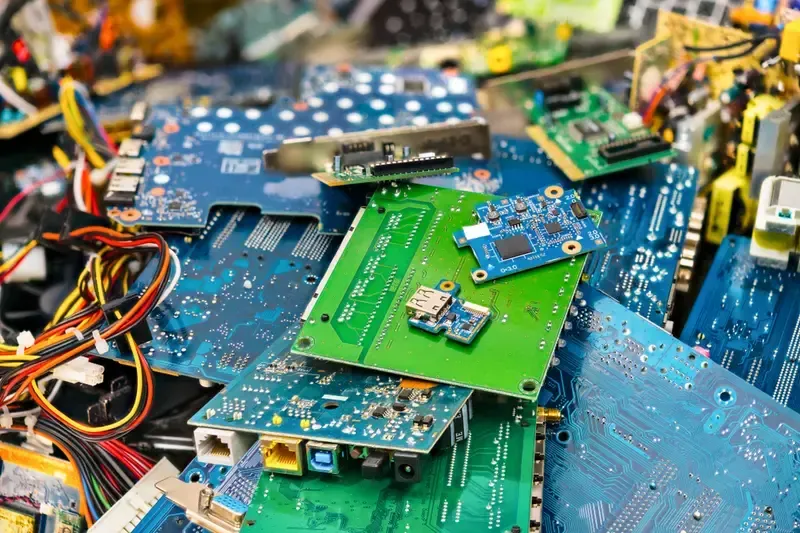
PCB Circuit Board
At the heart of the Shared Convenient RFID Oxygen Cylinder Solution lies the deep technical expertise and rapid innovation capabilities of Zero One Solution Limited. Our role extends beyond simply providing a system; we are the foundational strength that ensures its reliability, performance, and seamless integration into critical healthcare environments. Leveraging our decade-long experience in PCB design, rapid prototyping, and high-quality manufacturing, we have engineered the core components that make this RFID solution robust and effective.
Our proficiency in printed circuit board (PCB) design is paramount to the success of the RFID readers, tags, and associated network infrastructure. We design compact, durable, and highly efficient PCBs that can withstand the demanding conditions often found in healthcare settings, from busy hospital corridors to emergency response vehicles. This meticulous design process ensures optimal signal integrity for reliable RFID data capture and communication.
Rapid prototyping is another critical area where Zero One Solution Limited excels. The ability to quickly develop and test iterations of the RFID hardware, particularly the tags and reader modules, allowed us to refine the design for maximum accuracy and ease of deployment. This agile approach significantly accelerated the development cycle, enabling us to bring this innovative solution to market faster and respond effectively to specific client needs and feedback.
Furthermore, our established manufacturing processes, headquartered in Shenzhen with a global network, guarantee the production of high-quality, consistent components. This ensures that every RFID tag and reader delivered is built to stringent standards, capable of enduring continuous use and providing reliable performance for tracking valuable oxygen cylinder assets. This end-to-end capability – from design and rapid prototyping to manufacturing – is what truly distinguishes Zero One Solution Limited and underpins the effectiveness of our Shared Convenient RFID Oxygen Cylinder Solution.
Implementation and Scalability for Diverse Healthcare Settings
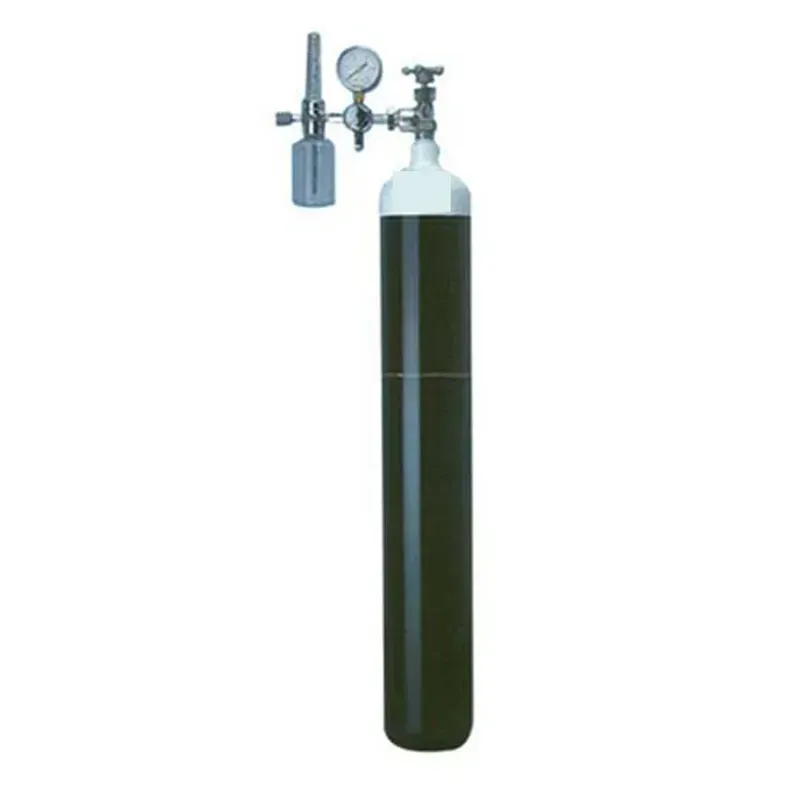
Hospital Oxygen Cylinders
Implementing a new technology solution within a healthcare environment can seem daunting, but a key advantage of a shared convenient RFID oxygen cylinder solution is its inherent flexibility and ease of integration. The system is designed for minimal disruption, allowing healthcare facilities of varying sizes and complexities – from large hospitals to smaller clinics and mobile emergency units – to quickly adopt and benefit from enhanced oxygen cylinder management. Its modular nature ensures scalability, adapting seamlessly as operational needs grow or change, making it a truly future-proof investment.
Tailored Implementation Zero One Solution Limited understands that each healthcare setting has unique workflows and infrastructure. The implementation process for the shared convenient RFID oxygen cylinder solution is therefore customized, beginning with a thorough assessment of existing systems and logistical processes. This ensures a smooth transition and integration with current hospital information systems (HIS) or enterprise resource planning (ERP) platforms, maximizing compatibility and data flow.
Scalability for Growth Whether managing a few dozen cylinders in a small clinic or thousands across a multi-campus hospital network, the RFID solution scales effectively. Additional RFID tags, readers, and software licenses can be easily added as the facility expands or its oxygen cylinder inventory increases. This inherent scalability protects the initial investment and ensures the system remains a valuable asset over the long term.
Adaptability for Diverse Settings The solution is not confined to traditional hospital walls. Its components are robust and adaptable, making it suitable for mobile clinics, ambulances, and remote healthcare facilities where efficient and accurate oxygen cylinder tracking is equally critical. Portable RFID readers and cloud-based data access ensure that cylinder information is available wherever and whenever it's needed.
Streamlined Training and Support Ease of use is paramount in busy healthcare environments. The shared convenient RFID oxygen cylinder solution features intuitive software interfaces and requires minimal user training. Zero One Solution Limited provides comprehensive support during and after implementation, ensuring staff are comfortable and proficient with the system, minimizing downtime and maximizing the benefits of the technology.
The Future of Medical Resource Management with RFID
The implementation of a shared convenient RFID oxygen cylinder solution is merely the beginning of a transformative shift in medical resource management. RFID technology is poised to redefine how healthcare facilities track, manage, and utilize critical assets, extending far beyond oxygen cylinders to encompass a wide array of medical equipment, pharmaceuticals, and even patient flow. This evolution is driven by the inherent capabilities of RFID to provide real-time visibility, automate processes, and integrate disparate systems, paving the way for smarter, more efficient, and ultimately safer healthcare environments.
Looking ahead, we can anticipate several key advancements enabled by RFID in medical resource management:
Expansion of Smart Inventory Systems Beyond oxygen cylinders, RFID will enable comprehensive smart inventory systems for virtually all medical supplies and equipment. This will provide healthcare providers with granular, real-time data on stock levels, expiration dates, and usage patterns, significantly reducing waste, preventing shortages, and optimizing procurement processes. The integration of AI and machine learning with this data will allow for predictive inventory management, anticipating needs based on historical data and external factors.
Enhanced Asset Utilization and Tracking Expensive and critical medical equipment, such as infusion pumps, ventilators, and diagnostic tools, will be easily trackable via RFID. This not only helps in locating equipment quickly but also provides data on utilization rates, maintenance schedules, and potential bottlenecks in equipment availability. This leads to better resource allocation and reduces the time spent searching for misplaced items.
Improved Patient Safety and Workflow RFID can be integrated with patient identification systems and electronic health records to improve patient safety. By tagging medications, medical devices, and even patient wristbands, healthcare providers can ensure the right patient receives the right treatment with the right equipment. This minimizes the risk of errors and streamlines clinical workflows, allowing staff to focus more on patient care.
Development of Interconnected Medical Devices The future will see a greater degree of connectivity between medical devices, with RFID serving as a key enabler. Tagged equipment can automatically report its status, location, and usage data to central systems, facilitating remote monitoring, predictive maintenance, and integrated data analysis. This interconnected ecosystem will lead to more proactive and efficient healthcare delivery.
Greater Supply Chain Visibility and Resilience Extending RFID tracking throughout the entire medical supply chain, from manufacturers to hospitals, will create unprecedented visibility. This will allow for more robust and resilient supply chains, enabling rapid responses to disruptions, reducing counterfeit products, and ensuring the timely delivery of critical resources.
Zero One Solution Limited, with its expertise in rapid prototyping and high-quality PCB manufacturing, is at the forefront of developing the foundational technology for these future RFID applications in healthcare. Our ability to quickly design and produce reliable RFID components is crucial for bringing these innovations from concept to reality, ensuring that the shared convenient RFID oxygen cylinder solution is just the first step in a journey towards truly smart and efficient medical resource management.
Frequently Asked Questions (FAQs) About the Shared Convenient RFID Oxygen Cylinder Solution
How cost-effective is the Shared Convenient RFID Oxygen Cylinder Solution? The cost-effectiveness of the Shared Convenient RFID Oxygen Cylinder Solution stems from significant reductions in operational overhead. By minimizing cylinder loss and optimizing inventory levels, healthcare facilities can achieve substantial savings on replacement costs and demurrage fees. Automated tracking reduces the need for manual audits, freeing up staff time for more critical tasks. While there is an initial investment in RFID tags, readers, and software, the long-term benefits in terms of efficiency, reduced waste, and improved patient care often outweigh these upfront costs, leading to a rapid return on investment.
What measures are in place to ensure data security with the Shared Convenient RFID Oxygen Cylinder Solution? Data security is paramount for the Shared Convenient RFID Oxygen Cylinder Solution. The system employs robust encryption protocols for data transmission and storage, ensuring sensitive information remains protected. Access to the tracking data is controlled through secure user authentication and authorization mechanisms, limiting access to authorized personnel only. Regular security audits and compliance with relevant healthcare data regulations (such as HIPAA in the US, where applicable) are integral to the solution's design and operation, providing a secure environment for managing cylinder data.
What is the typical maintenance required for the RFID Oxygen Cylinder Solution components? Maintenance for the Shared Convenient RFID Oxygen Cylinder Solution is generally minimal. The RFID tags themselves are passive and require no power, designed for durability and longevity. RFID readers and antennas require periodic checks to ensure proper functionality and calibration. The software platform typically receives regular updates for performance enhancements and security patches. Routine system monitoring helps identify any potential issues proactively, and Zero One Solution Limited provides comprehensive support and maintenance services to ensure continuous operation and optimal performance.
Is the Shared Convenient RFID Oxygen Cylinder Solution compatible with existing healthcare management systems? Yes, the Shared Convenient RFID Oxygen Cylinder Solution is designed with interoperability in mind. The system can be integrated with existing healthcare management systems, such as Electronic Health Records (EHR) or Enterprise Resource Planning (ERP) systems, through standard APIs and data exchange protocols. This allows for seamless data flow and avoids the need for complete system overhauls. Zero One Solution Limited works closely with healthcare facilities to ensure smooth integration and data synchronization, maximizing the utility of existing infrastructure.
How does RFID technology improve the accuracy of oxygen cylinder inventory? RFID technology dramatically improves inventory accuracy by providing automated, real-time tracking. Unlike manual methods prone to human error, RFID readers can quickly and accurately scan multiple cylinders simultaneously, even in challenging environments. This eliminates discrepancies and provides an up-to-the-minute view of inventory levels, location, and status (e.g., full, empty, in use), leading to a verifiable improvement in inventory data reliability.
Can the Shared Convenient RFID Oxygen Cylinder Solution track cylinder usage per patient or department? Yes, the Shared Convenient RFID Oxygen Cylinder Solution can be configured to track cylinder usage at granular levels, including per patient or department. By associating a cylinder's RFID tag with patient or location data within the software platform, healthcare providers can gain insights into usage patterns, optimize allocation, and ensure timely replenishment based on actual demand. This level of tracking supports more efficient resource management and cost allocation.
The Shared Convenient RFID Oxygen Cylinder Solution from Zero One Solution Limited represents a significant leap forward in medical gas management. By integrating our expertise in PCB design and manufacturing with cutting-edge RFID technology, we offer a system that prioritizes efficiency, safety, and convenience. This solution not only optimizes inventory and reduces costs but also ensures that critical oxygen resources are always available where and when they are needed most. We invite healthcare providers, logistics managers, and procurement professionals to explore how this innovative solution can revolutionize their operations. Contact Zero One Solution Limited today to discover how our PCB-powered solutions can empower your healthcare mission.