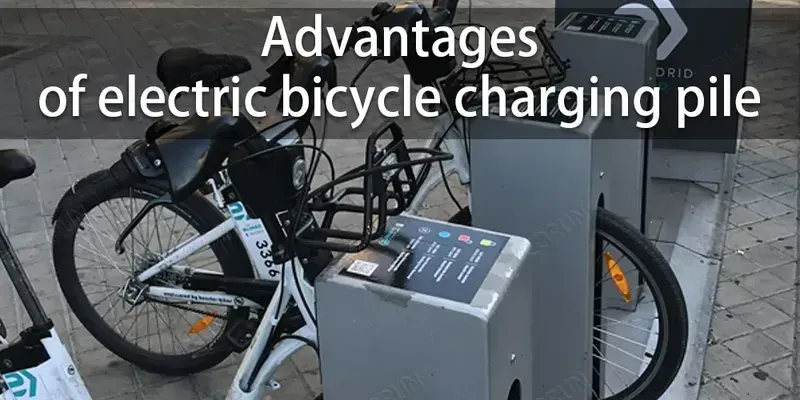
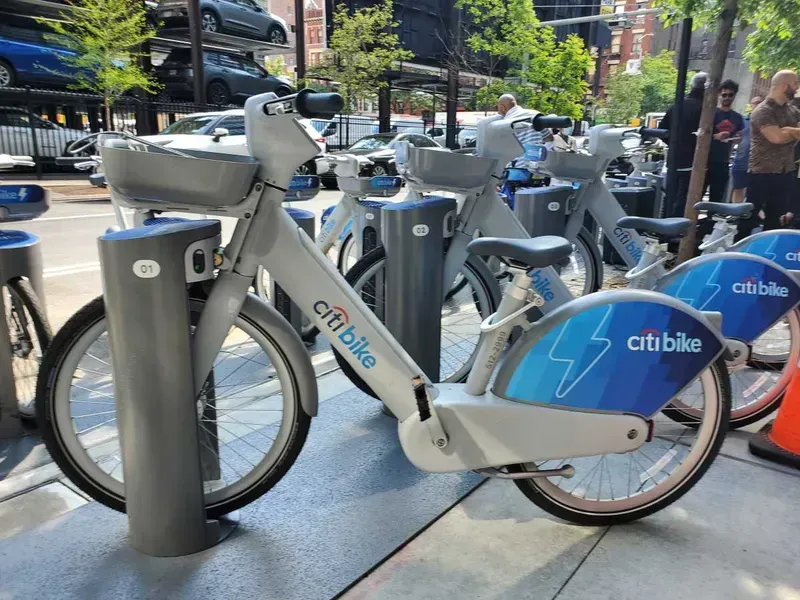
The rapid surge in shared electric bicycles has revolutionized urban mobility, but it has also brought forth a significant challenge: efficient and scalable charging infrastructure. As cities embrace sustainable transportation, the demand for reliable, accessible, and intelligent charging solutions for e-bikes is at an all-time high. Zero One Solution Limited, a leader in rapid-response PCB assembly solutions, understands this critical need. This article delves into a comprehensive Shared Electric Bicycle Charging Pile Solution, highlighting how our expertise in PCB design, manufacturing, and assembly provides the technological backbone for this evolving urban landscape. We aim to explore the intricacies of building a robust charging ecosystem that supports the growth of shared e-mobility while ensuring operational efficiency and user satisfaction.
Understanding the Landscape of Shared Electric Bicycle Charging
The shared electric bicycle (e-bike) market is experiencing rapid growth, presenting both significant opportunities and considerable challenges. At the heart of this evolving landscape is the critical need for efficient, reliable, and accessible charging infrastructure. The success of shared e-bike programs hinges on addressing operational complexities and meeting ever-increasing user expectations for convenient and readily available charging solutions. This section explores these dynamics, setting the stage for understanding how advanced PCB solutions play a pivotal role in creating effective charging pile systems.
Several factors contribute to the unique challenges and opportunities within the shared e-bike charging sector:
Growing Demand: The increasing popularity of shared e-bikes translates directly into a higher demand for charging stations. Cities and operators need to scale their charging infrastructure to keep pace with user adoption.
Operational Efficiency: Efficient charging is crucial for maximizing e-bike availability and minimizing downtime. Slow or unreliable charging can lead to user frustration and reduced utilization rates.
User Convenience: Users expect charging stations to be easily accessible, simple to use, and located in convenient locations. A seamless charging experience is essential for attracting and retaining users.
Infrastructure Costs: Deploying and maintaining a network of charging stations can be expensive. Operators need cost-effective solutions that balance performance with affordability.
Technological Advancements: Innovation in battery technology, charging protocols, and smart grid integration offers opportunities to improve charging efficiency and reduce energy consumption.
Sustainability: Environmentally conscious consumers are increasingly drawn to e-bikes as a sustainable transportation alternative. Efficient and eco-friendly charging solutions further enhance the sustainability of shared e-bike programs.
Key Components of an Effective Charging Pile Solution
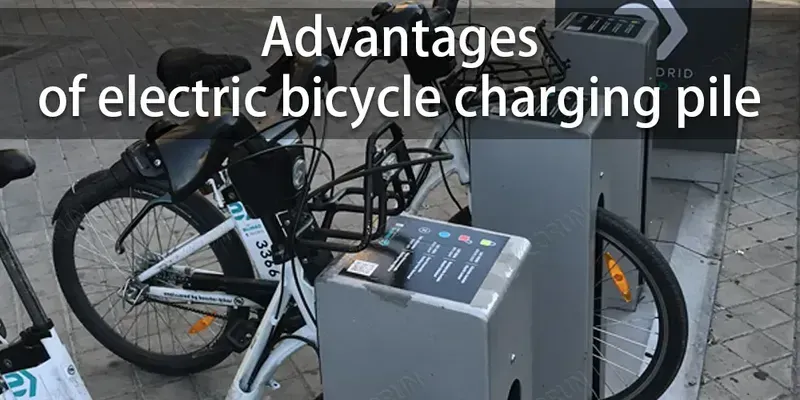
Electric Bicycle Charging Pile Components
At the heart of a reliable shared electric bicycle charging pile lies a synergy of essential hardware and software components, each playing a crucial role in ensuring efficient and safe charging operations. These components encompass power management systems, communication modules for seamless data transfer, and robust safety features designed to protect both users and equipment. Understanding these elements is crucial for designing and deploying effective charging solutions.
Power Management System The power management system is the cornerstone of any charging pile, responsible for efficiently converting and delivering power to the e-bike batteries. It regulates voltage and current, optimizing the charging process while preventing overcharging or damage. Advanced systems incorporate features like dynamic load balancing to maximize charging efficiency across multiple bikes simultaneously. High-quality components and intelligent control algorithms are essential for achieving optimal performance and longevity.
Communication Modules Seamless communication is vital for monitoring, managing, and securing charging infrastructure. Communication modules facilitate data transfer between the charging pile, the central management system, and users' mobile devices. These modules support various communication protocols, such as Wi-Fi, cellular (4G/5G), and Bluetooth, enabling remote monitoring, fault detection, and user authentication. Robust communication ensures real-time data insights and efficient management of charging resources.
Safety Features Safety is paramount in any charging application, especially in public environments. Charging piles must incorporate multiple layers of protection to prevent electrical hazards and ensure user safety. These features include overcurrent protection, overvoltage protection, short-circuit protection, and surge protection. Additionally, thermal management systems prevent overheating, while physical security measures deter vandalism and theft. Compliance with industry safety standards is non-negotiable for reliable and safe operation.
User Interface (UI) The user interface provides a means for users to interact with the charging pile. This can range from a simple LED indicator displaying charging status to a more sophisticated touchscreen interface offering various functionalities. A well-designed UI ensures ease of use, providing clear instructions, real-time feedback, and options for user authentication and payment. The UI should be intuitive and accessible, enhancing the overall user experience.
Enclosure and Environmental Protection The charging pile enclosure protects internal components from environmental factors such as weather, dust, and physical impact. The enclosure must be robust and durable, capable of withstanding exposure to sunlight, rain, and temperature fluctuations. Ingress Protection (IP) ratings indicate the level of protection against solid objects and liquids, ensuring reliable operation in diverse outdoor conditions. The enclosure also serves as a deterrent against vandalism and theft.
The Role of Advanced PCB Solutions in Charging Piles
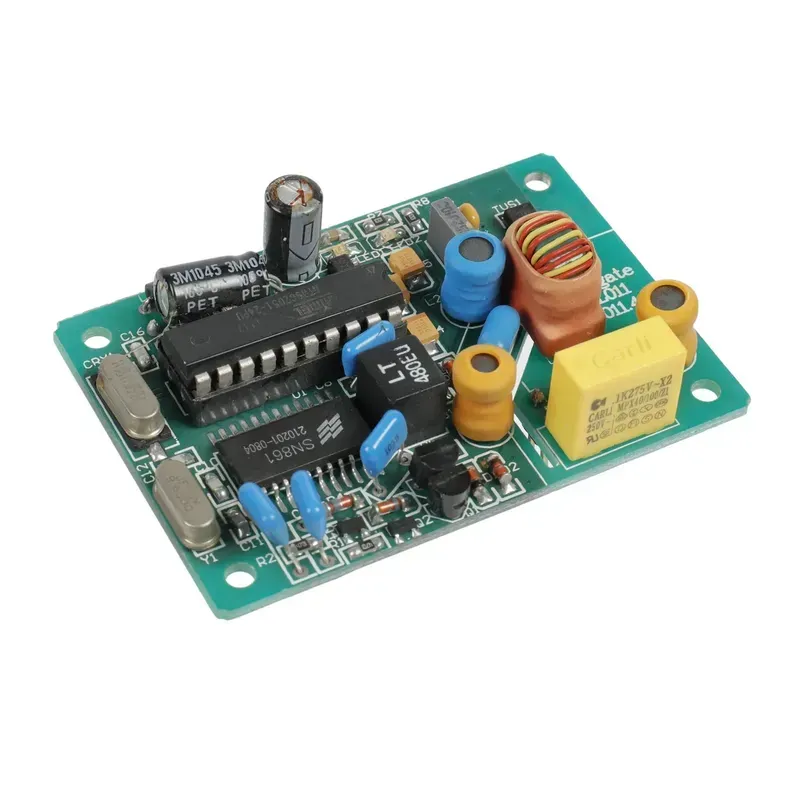
Charging Pile Internal PCB Board
At the heart of every smart and reliable shared electric bicycle charging pile lies the Printed Circuit Board (PCB). PCBs are not merely components; they are the foundational platform upon which all charging functionality is built. High-quality PCB design is crucial for ensuring power efficiency, maintaining data integrity, and achieving overall system reliability in these charging stations. The performance and longevity of shared e-bike charging systems are directly correlated with the sophistication and robustness of their PCB solutions.
Here's a breakdown of why advanced PCB solutions are indispensable for charging piles:
Power Efficiency: Advanced PCB designs optimize power distribution, minimizing energy loss during the charging process. This is achieved through careful trace routing, component placement, and the use of high-quality materials that reduce resistance and improve thermal management. Efficient power usage translates to lower operational costs and a smaller environmental footprint for shared e-bike operators.
Data Integrity: Smart charging piles rely on robust data communication to manage charging cycles, monitor battery health, and authenticate users. PCBs must ensure signal integrity to prevent data corruption and maintain reliable communication between the charging station, the e-bike, and the central management system. This requires controlled impedance routing, shielding techniques, and careful consideration of signal layers.
System Reliability: Shared electric bicycle charging piles are often deployed in harsh outdoor environments, exposed to weather extremes, vandalism, and constant use. PCBs must be designed to withstand these conditions, utilizing durable materials, conformal coatings, and robust assembly techniques. Reliable PCB performance minimizes downtime, reduces maintenance costs, and ensures continuous availability of charging services for users.
Thermal Management: Charging processes generate heat, which can degrade the performance and lifespan of electronic components. Advanced PCB designs incorporate thermal management strategies such as heat sinks, thermal vias, and optimized component placement to dissipate heat effectively. Proper thermal management prevents overheating, ensures stable operation, and prolongs the life of the charging pile.
Compact Design: Space is often limited in urban environments where shared e-bike charging piles are deployed. Advanced PCB design techniques, such as multi-layer PCBs and surface mount technology (SMT), enable designers to create compact and efficient charging solutions that maximize functionality within a small footprint. This allows for easier installation and integration into existing infrastructure.
By focusing on advanced PCB solutions, manufacturers of shared electric bicycle charging piles can deliver superior performance, reliability, and longevity. This not only benefits operators through reduced costs and increased uptime but also enhances the user experience by providing seamless and dependable charging services.
Zero One Solution Limited's Expertise in PCB Manufacturing and Assembly
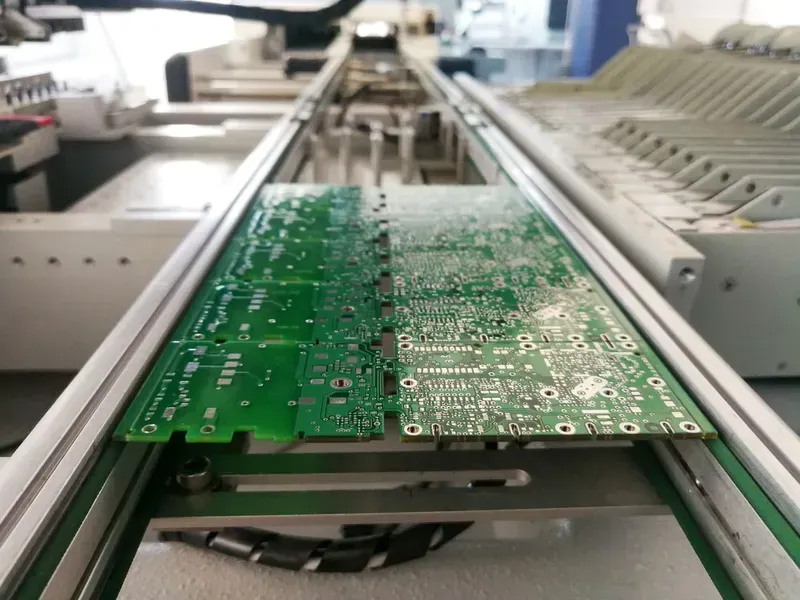
PCB Manufacturing Production Line
At Zero One Solution Limited, we understand that the reliability and efficiency of shared electric bicycle charging piles hinge on the quality of their PCBs. That's why we offer comprehensive PCB services, from initial design and rapid prototyping to high-volume manufacturing and assembly, enabling charging pile developers to accelerate their product development cycles and bring innovative solutions to market faster.
Our expertise spans the entire PCB lifecycle, ensuring seamless integration and optimal performance. Here’s a closer look at our key capabilities:
Rapid Prototyping: We specialize in quick-turn PCB prototyping, allowing clients to test and refine their designs rapidly. This fast feedback loop is crucial for iterative development and ensures that the final product meets the required specifications.
One-Stop Service: From PCB design and fabrication to component sourcing and assembly, we provide a complete solution under one roof. This streamlines the process, reduces complexity, and ensures consistent quality throughout.
Advanced Manufacturing Capabilities: Our state-of-the-art facilities are equipped to handle complex PCB designs, including multi-layer boards, high-density interconnects (HDI), and flexible PCBs. We utilize advanced manufacturing techniques to meet the demanding requirements of charging pile applications.
Quality Assurance: We adhere to stringent quality control standards throughout the manufacturing process. Our PCBs undergo rigorous testing and inspection to ensure reliability, durability, and compliance with industry standards.
Global Supply Chain Network: Headquartered in Shenzhen, China, and with a branch office in Dubai, we operate within a global PCBA supply chain network. This allows us to access a wide range of resources and provide cost-effective solutions to our clients.
By partnering with Zero One Solution Limited, charging pile developers gain access to a wealth of expertise and resources, ensuring that their products are built on a foundation of quality, reliability, and innovation. We are committed to empowering our clients to lead the way in the shared electric bicycle revolution.
Smart Features and Technologies Integrated into Charging Pile Solutions
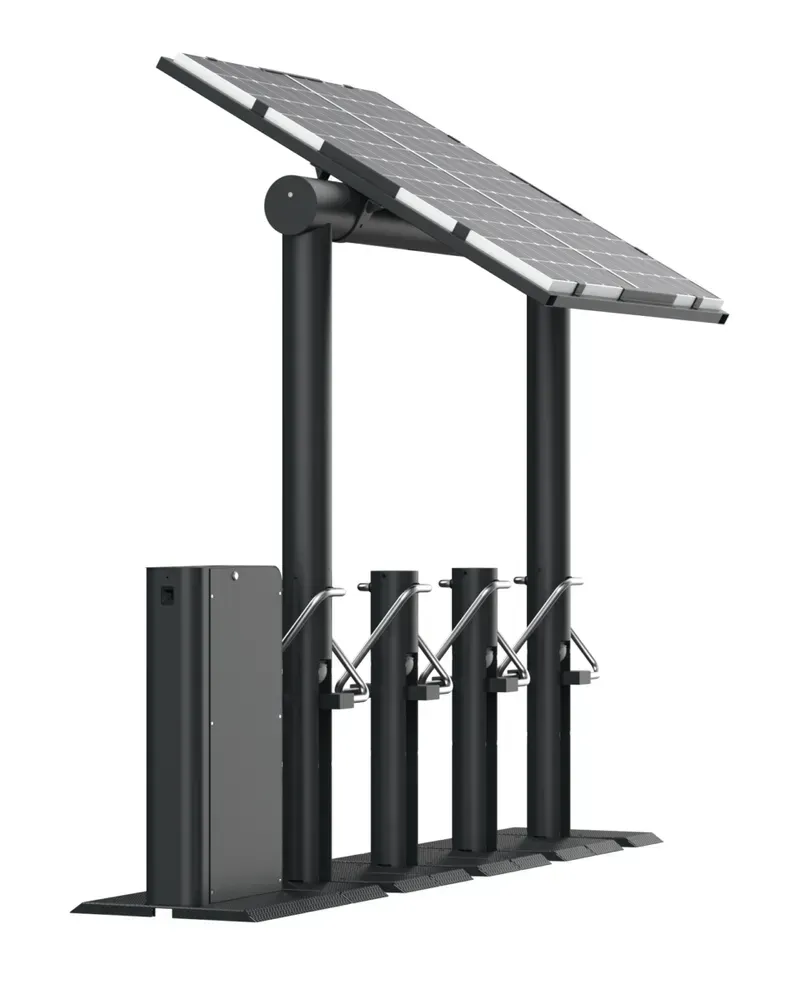
Smart Electric Bicycle Charging Station
Shared electric bicycle charging pile solutions are evolving beyond simple power replenishment, integrating smart features and advanced technologies to enhance user experience and operational efficiency. These innovations are crucial for optimizing battery health, preventing unauthorized use, and streamlining management for operators. By incorporating these features, charging piles become more than just a utility; they transform into a smart infrastructure component within the shared mobility ecosystem.
Intelligent Battery Management Systems (BMS) Advanced BMS optimize charging cycles to extend battery lifespan and maintain optimal performance. By monitoring voltage, current, and temperature, the BMS prevents overcharging and deep discharge, enhancing battery longevity and safety.
Remote Monitoring and Management Operators can remotely monitor charging pile status, energy consumption, and potential faults through a centralized management platform. This enables proactive maintenance and efficient resource allocation, minimizing downtime and operational costs.
Fault Detection and Diagnostics Real-time fault detection systems identify and diagnose issues such as power surges, cable damage, or connectivity problems. Automated alerts notify operators, enabling rapid response and preventing further damage or safety hazards.
User Authentication and Access Control Secure user authentication methods, such as RFID cards, mobile apps, or PIN codes, prevent unauthorized access and ensure that only registered users can utilize the charging services. This enhances security and reduces the risk of theft or vandalism.
Smart Grid Integration Charging piles can be integrated with smart grids to optimize energy distribution and reduce peak demand. This integration enables demand response capabilities, allowing operators to adjust charging schedules based on grid conditions and energy prices, promoting sustainability and cost savings.
Data Analytics and Reporting Charging pile solutions generate valuable data on usage patterns, charging durations, and energy consumption. These insights can be used to optimize charging pile placement, improve service offerings, and refine business strategies.
Ensuring Safety and Durability in Outdoor Charging Environments
Outdoor Electric Bicycle Charging Pile
Designing shared electric bicycle charging piles for outdoor environments demands a robust approach to safety and durability. These charging stations are exposed to a variety of environmental stressors, including weather extremes, potential vandalism, and the constant wear and tear of public use. Prioritizing these factors ensures the longevity of the charging infrastructure, protects users, and minimizes operational disruptions. Robust PCB solutions are foundational in achieving this resilience, ensuring reliable performance under challenging conditions.
Weather Resistance Charging piles must withstand rain, snow, extreme temperatures, and UV exposure. This requires enclosures made from weather-resistant materials, sealed components to prevent water ingress, and PCBs designed with protective coatings to guard against moisture and corrosion. Compliance with IP ratings (Ingress Protection) is essential to guarantee the level of protection against environmental factors.
Anti-Theft Measures Protecting charging piles from theft and vandalism is crucial. This can involve robust physical enclosures, secure mounting systems, and tamper-evident designs. Electronic security measures, such as alarm systems and remote monitoring, can also deter theft and provide alerts in case of unauthorized access. The use of GPS tracking can aid in the recovery of stolen units.
Electrical Safety Standards Adhering to stringent electrical safety standards is paramount to prevent electrical hazards and ensure user safety. This includes proper grounding, overcurrent protection, surge protection, and insulation. PCBs should be designed to meet relevant safety certifications, such as UL, CE, or IEC, to demonstrate compliance with industry best practices. Regular inspections and maintenance are necessary to maintain electrical safety over time.
Robust PCB Design The PCB is the heart of the charging pile, and its design is critical for reliability. High-quality materials, proper component selection, and adherence to design rules are essential. Conformal coatings can protect the PCB from moisture and contaminants. Thermal management is also important to prevent overheating and ensure optimal performance in varying temperatures. Rigorous testing and validation are necessary to ensure the PCB meets performance and safety requirements.
Durability and Longevity Charging piles should be designed for long-term use in demanding environments. This requires careful selection of components, robust construction, and regular maintenance. PCBs should be designed for extended lifespan, with considerations for component aging and environmental factors. Modular designs can facilitate repairs and upgrades, extending the overall lifespan of the charging pile.
User Safety User safety is a top priority. Charging piles should be designed with safety features such as emergency shut-off switches, clear labeling, and protection against electrical shock. Regular inspections and maintenance are essential to identify and address potential safety hazards. User education and training can also help promote safe usage practices.
Scalability and Future-Proofing for Growing Shared E-Bike Fleets
Electric Bicycle Fleet Charging
To effectively meet the escalating demands of expanding shared e-bike fleets, developing charging solutions with inherent scalability and future-proofing is paramount. This involves employing strategies such as modular design, adaptable technology, and robust PCB solutions to ensure that charging infrastructure can evolve in tandem with advancements in e-bike technology and increasing user demand, thereby maximizing long-term investment and minimizing the need for premature infrastructure overhauls.
Key considerations for designing scalable and future-proof charging solutions include:
Modular Design: Implementing a modular architecture allows for easy expansion and upgrades. Individual charging units can be added or replaced without disrupting the entire system. This approach supports incremental growth and accommodates varying deployment scenarios, from small-scale installations to large urban networks.
Adaptable Technology: Using PCBs and components that support multiple communication protocols (e.g., OCPP, Modbus) ensures compatibility with different e-bike models and management systems. Over-the-air (OTA) update capabilities for firmware enable remote upgrades and the addition of new features without physical intervention.
Robust PCB Solutions: High-quality PCBs designed for durability and performance are crucial for handling increased power demands and supporting advanced functionalities. Features like multi-layer designs, efficient heat dissipation, and surge protection ensure long-term reliability and safety.
Smart Power Management: Implementing intelligent power distribution systems that can dynamically allocate power based on demand optimizes energy usage and prevents overloading. This also allows for the integration of renewable energy sources and energy storage solutions to reduce grid dependency and lower operational costs.
Data Analytics and Monitoring: Integrating comprehensive data analytics and monitoring capabilities allows operators to track charging patterns, identify potential issues, and optimize system performance. This data-driven approach supports proactive maintenance and informed decision-making regarding infrastructure expansion and resource allocation.
FAQs: Shared Electric Bicycle Charging Pile Solutions
This section addresses frequently asked questions regarding shared electric bicycle charging pile solutions. It aims to clarify technical aspects, implementation processes, and the various benefits for both operators and end-users, providing comprehensive insights into this rapidly evolving technology.
What are the key benefits of implementing shared electric bicycle charging piles? Implementing shared e-bike charging piles offers numerous benefits, including increased convenience for users, promotion of e-bike adoption by alleviating range anxiety, revenue generation for operators through charging fees, reduced carbon footprint by encouraging electric mobility, and enhanced urban infrastructure supporting sustainable transportation.
How do shared electric bicycle charging piles enhance urban sustainability? Shared e-bike charging piles significantly enhance urban sustainability by supporting the use of electric bicycles, which produce zero emissions during operation. This reduces air pollution in urban areas, decreases reliance on fossil fuels, and promotes a cleaner, greener transportation ecosystem, contributing to overall environmental health.
What safety measures are incorporated into shared electric bicycle charging piles? Safety is paramount in the design of shared e-bike charging piles. Measures include overcurrent protection, surge protection, and thermal management to prevent electrical hazards. Additionally, robust physical designs protect against vandalism and environmental factors, while compliance with safety standards ensures user and equipment safety.
Can existing bicycle parking areas be retrofitted with charging piles? Yes, many existing bicycle parking areas can be retrofitted with charging piles, offering a cost-effective solution for expanding charging infrastructure. Retrofitting typically involves assessing the electrical capacity of the site, installing charging units, and implementing necessary safety features, making it a practical approach for cities and businesses looking to support e-bike usage.
What are the main challenges in deploying shared electric bicycle charging infrastructure? Deploying shared e-bike charging infrastructure faces several challenges, including securing funding and permits, addressing land use and zoning regulations, ensuring grid stability with increased electricity demand, and managing maintenance and operational costs. Overcoming these hurdles requires strategic planning, public-private partnerships, and technological innovation.
How does Zero One Solution Limited contribute to the reliability of charging piles? Zero One Solution Limited ensures the reliability of charging piles by providing high-quality PCB manufacturing and assembly services. Our expertise in rapid prototyping and rigorous testing ensures that the PCBs used in charging piles meet stringent performance and safety standards. This contributes to the overall durability and efficiency of the charging infrastructure.
What smart technologies are integrated into modern shared e-bike charging piles? Modern shared e-bike charging piles integrate various smart technologies such as remote monitoring, user authentication, and intelligent battery management systems. These features enhance operational efficiency by enabling real-time monitoring of charging status, preventing unauthorized use, and optimizing charging cycles to prolong battery life, ultimately improving the user experience and reducing operational costs.
The successful implementation of shared electric bicycle charging pile solutions hinges on robust, reliable, and intelligent electronic systems. Zero One Solution Limited stands at the forefront, offering unparalleled expertise in PCB design, rapid prototyping, manufacturing, and assembly to power these critical infrastructures. Our commitment to innovation and quality ensures that shared e-bike operators can deploy highly efficient, durable, and scalable charging networks, driving the future of urban mobility. By partnering with Zero One Solution Limited, you gain access to a one-stop solution provider dedicated to accelerating your product development and ensuring the longevity and performance of your charging stations. Contact us today to discuss how our bespoke PCB solutions can empower your next-generation shared electric bicycle charging project and contribute to a greener, more connected urban environment.