In the rapidly evolving landscape of electronic entertainment, shared game console solutions are emerging as a pivotal innovation, redefining how we interact with digital gaming. From arcade centers to modern entertainment venues, the demand for robust, reliable, and high-performance shared gaming hardware continues to surge. At Zero One Solution Limited, a leader in PCB assembly solutions since 2011, we understand the intricate demands of this market. We are poised to empower your next-generation shared game console projects with our unparalleled expertise in rapid-response R&D prototype manufacturing and one-stop PCB services. This article will delve into the critical aspects of designing and implementing a successful shared game console, highlighting how our integrated solutions can accelerate your product development and ensure market success.
Understanding the Shared Game Console Market and Its Demands
The shared game console market, encompassing everything from traditional arcade machines to interactive installations in public spaces, is experiencing dynamic growth fueled by a desire for engaging communal entertainment experiences. Unlike home consoles, shared systems face unique and demanding operational environments. Success in this sector hinges on a deep understanding of current trends, key growth drivers, and, critically, the specific technical requirements that ensure reliable, high-performance, and secure hardware. This includes addressing the need for exceptional durability to withstand continuous use, optimizing performance for seamless gameplay in diverse settings, and implementing robust security measures to protect both hardware and user data.
Growth Drivers Expansion of e-sports and competitive gaming venues, increasing demand for location-based entertainment, and the integration of gaming experiences into retail and hospitality sectors.
Technical Requirements High-speed data processing, efficient thermal management for prolonged operation, robust power delivery systems, enhanced durability against physical stress, and integrated security features.
Market Trends Shift towards immersive VR/AR experiences, integration with cloud gaming platforms, emphasis on modular and easily maintainable designs, and the incorporation of cashless payment systems.
The Core of Innovation: PCB Design for Shared Gaming
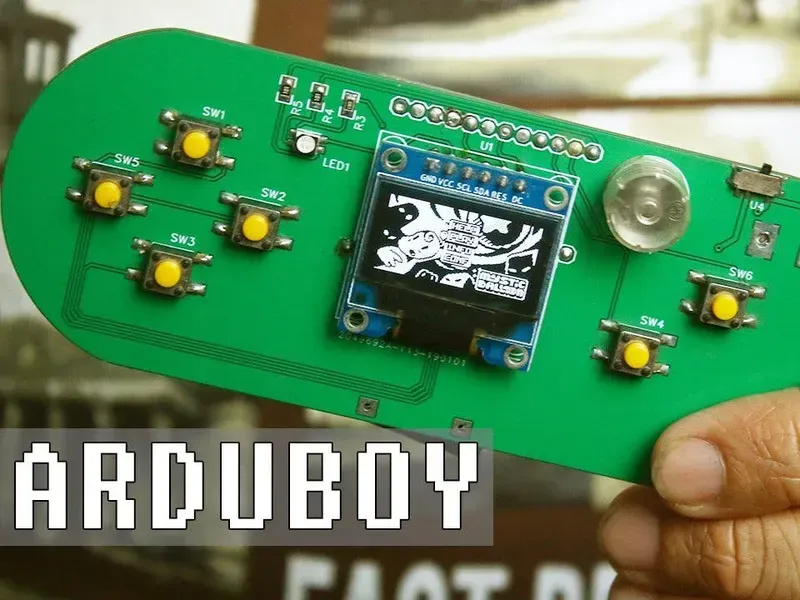
Game Console PCB Board
At the heart of every high-performance shared game console lies a meticulously designed Printed Circuit Board (PCB). Unlike consumer-grade electronics, shared gaming environments, from bustling arcades to public entertainment venues, demand PCBs engineered for relentless, continuous use and exposure to varied conditions. This requires a specialized approach to design, focusing on robustness, thermal resilience, and unwavering signal integrity to ensure a consistent and reliable gaming experience for countless users.
Effective PCB design for shared game consoles necessitates careful consideration of several critical factors to withstand the rigors of high-traffic public use. Key design elements include:
Component Selection Choosing industrial-grade components with extended lifespans and higher temperature tolerances is paramount. Consider components rated for thousands or even millions of cycles to prevent premature wear and tear in shared environments.
Thermal Management High-performance processors and graphics chips generate significant heat. Effective thermal management through optimized layer stack-ups, strategically placed vias, and integration with heat sinks or active cooling solutions is vital to prevent overheating and ensure long-term reliability.
Signal Integrity Maintaining clear and stable data signals is crucial for smooth gameplay. Proper impedance matching, trace routing, and grounding techniques minimize signal degradation and interference, especially in designs with high-speed data transfer.
Power Delivery Reliable and consistent power delivery is essential for stable operation. Robust power planes, appropriate trace widths, and decoupling capacitor placement ensure that components receive the necessary power without fluctuations or noise.
Durability and Reliability Designs must prioritize physical robustness. Utilizing thicker PCB substrates, enhanced copper weights, and protective coatings like conformal coating can increase resistance to physical stress, dust, and humidity often encountered in public settings.
Rapid Prototyping: Accelerating Shared Game Console Development
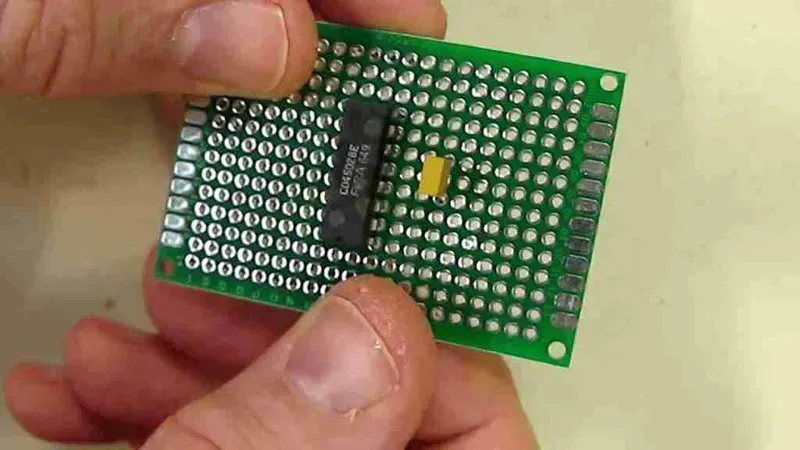
PCB Prototype Sample
In the fiercely competitive shared game console market, speed to market is paramount. Rapid PCB prototyping is not merely an advantage, but a necessity for iterating designs quickly and efficiently. This iterative process allows developers to test and validate hardware concepts for shared game console solutions at an accelerated pace, ensuring that robust and reliable systems can be brought to market faster. Zero One Solution Limited understands this critical need and offers capabilities specifically tailored for rapid prototyping of shared game console PCBs.
Accelerating shared game console development through rapid prototyping offers significant benefits. It enables faster identification and resolution of design flaws, optimizes performance characteristics under real-world simulated shared use conditions, and allows for quicker integration of evolving technologies or user feedback. This agility is crucial for staying ahead in a market driven by continuous innovation and demanding user experiences.
Iterative Design and Validation Rapid prototyping allows for multiple design cycles in a short period, facilitating quick validation of each iteration under simulated high-usage scenarios typical of shared game consoles.
Performance Optimization By quickly producing functional prototypes, engineers can test and fine-tune critical performance parameters like thermal management, power delivery, and signal integrity, ensuring stability and reliability during continuous operation.
Risk Reduction Identifying potential issues early in the development cycle through prototyping minimizes the risk of costly design changes or failures later in the manufacturing process.
Faster Market Entry Reduced development time through efficient prototyping directly translates to a shorter time-to-market, providing a crucial competitive edge in the rapidly evolving shared game console industry.
Zero One Solution Limited's rapid prototyping services for shared game console PCBs are designed to meet the demanding requirements of this market. We leverage advanced manufacturing techniques and streamlined processes to deliver high-quality prototypes with expedited turnaround times, empowering our clients to innovate faster and achieve their development goals efficiently.
Precision Manufacturing and Assembly for Robust Shared Gaming Hardware
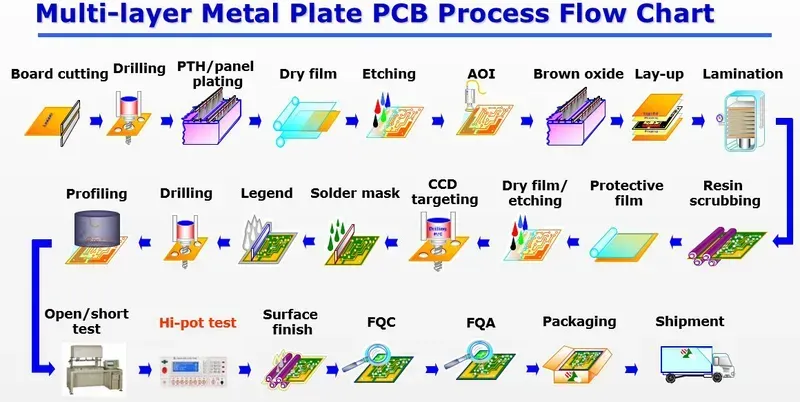
PCB Manufacturing Process
The demanding environment of shared game consoles necessitates a level of hardware reliability far exceeding that of consumer electronics. Precision manufacturing and assembly of the Printed Circuit Boards (PCBs) at the core of these systems are paramount to ensuring their longevity, stability, and performance under constant, high-traffic usage. Zero One Solution Limited understands this critical need, employing advanced processes and stringent quality control measures specifically tailored for the unique challenges of shared game console solutions. This meticulous approach guarantees that the hardware can withstand the rigors of public use, minimizing downtime and maximizing return on investment for operators.
Advanced Manufacturing Techniques We utilize state-of-the-art manufacturing techniques, including high-precision drilling, multi-layer stacking, and advanced surface finishes (like ENIG or Immersion Silver), to create PCBs capable of handling high-speed signals and demanding power loads without degradation.
Automated Optical Inspection (AOI) and X-ray Inspection Every PCB undergoes rigorous automated optical inspection (AOI) and, where necessary, X-ray inspection to identify even the most minute defects in soldering, component placement, and trace integrity, ensuring flawless assembly.
Environmental Testing We conduct comprehensive environmental testing, including thermal cycling and humidity testing, to simulate real-world operating conditions and verify the PCB's resilience and performance over time in varying environments.
Component Traceability and Quality Control A robust component traceability system and incoming quality control process ensure that only genuine, high-quality components are used in the assembly, mitigating risks associated with counterfeit or substandard parts.
IPC Standards Compliance Our manufacturing and assembly processes strictly adhere to IPC standards, the globally recognized benchmarks for electronics manufacturing, guaranteeing consistent quality and reliability.
Functional Testing Before shipment, functional testing is performed on assembled boards to confirm that all circuits and components are operating as designed, validating the complete system's readiness for integration into shared game consoles.
Integrated Solutions: From Concept to Production with Zero One Solution Limited
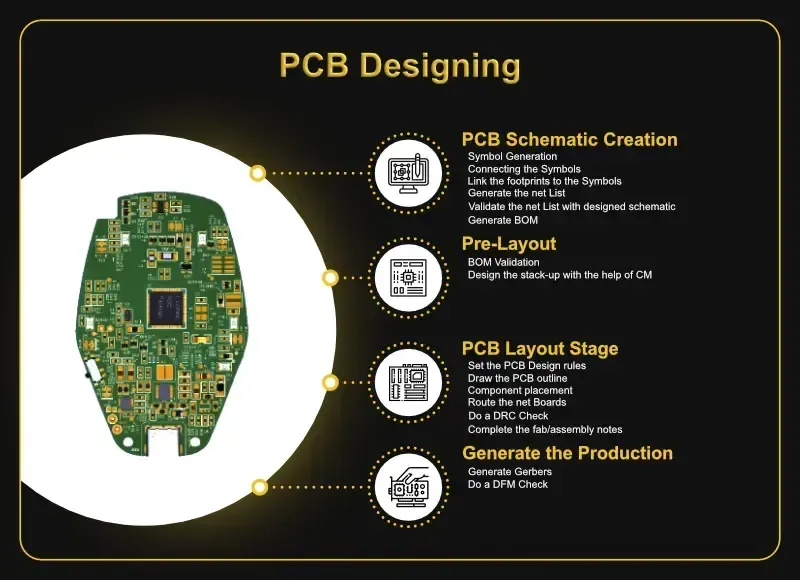
PCB Design Consultation
Realizing a robust and high-performance shared game console solution requires a streamlined development process that encompasses every stage, from initial conceptualization to final mass production. Zero One Solution Limited offers a comprehensive, one-stop service specifically designed to simplify this complex journey for shared game console manufacturers. Our integrated approach ensures seamless transitions between design, prototyping, manufacturing, and assembly, providing a single point of contact and responsibility throughout the entire product lifecycle. This not only accelerates time-to-market but also minimizes potential issues that can arise when dealing with multiple vendors, ultimately delivering a reliable and market-ready shared game console solution.
Initial Design Consultation Our expert engineers collaborate with you from the outset, translating your shared game console concept into a viable PCB design. We consider critical factors such as performance requirements, durability for shared environments, cost constraints, and manufacturability.
Rapid Prototyping Leveraging our advanced rapid prototyping capabilities, we quickly produce functional prototypes of your shared game console PCBs. This allows for agile testing and validation of the design, enabling swift iterations based on real-world performance data.
Precision Manufacturing With state-of-the-art manufacturing facilities, we ensure that your shared game console PCBs are produced to the highest quality standards. We utilize stringent quality control measures and advanced processes to guarantee the reliability and longevity required for shared gaming applications.
Advanced Assembly Our skilled assembly teams handle both SMT and THT assembly with precision. We are equipped to manage complex assemblies with high component density, ensuring the seamless integration of all components for optimal shared game console performance.
Quality Assurance and Testing Throughout the process, rigorous quality assurance and testing protocols are implemented. This includes in-circuit testing, functional testing, and other validation procedures to ensure that every shared game console PCB meets your specifications and industry standards.
Supply Chain Management Our integrated approach extends to component sourcing and supply chain management. We leverage our global network to procure high-quality components efficiently, mitigating delays and ensuring cost-effectiveness for your shared game console solution.
Mass Production Once the prototype is validated and approved, we seamlessly transition to mass production. Our scalable manufacturing capabilities ensure that we can meet the volume demands of the shared game console market without compromising on quality or delivery timelines.
Global Reach, Local Expertise: Zero One Solution Limited's Advantage in Shared Game Console Solutions
PCBA Supply Chain Network
In the dynamic world of shared game consoles, success hinges not only on cutting-edge design but also on a robust and agile supply chain. Zero One Solution Limited stands out by strategically leveraging its presence in two key global hubs: Shenzhen, China, and Dubai, UAE. This dual-location approach provides a significant advantage for shared game console manufacturers, ensuring both access to the world's leading electronic manufacturing ecosystem and a gateway to emerging markets, facilitating efficient global distribution and localized support.
Our headquarters in Shenzhen positions us at the epicenter of global electronics manufacturing. This grants unparalleled access to a vast network of component suppliers, cutting-edge manufacturing facilities, and skilled labor, essential for producing high-quality, cost-effective PCBs for shared game consoles. The concentration of resources in Shenzhen allows for rapid sourcing, efficient production cycles, and the ability to scale quickly to meet the demands of the shared gaming market. This proximity to the manufacturing core directly translates into faster turnaround times and reduced costs for our clients.
Complementing our Shenzhen operations, the branch office in Dubai serves as a strategic bridge between East and West. Dubai's position as a global logistics and trade hub provides excellent connectivity to markets across the Middle East, Africa, and Europe. This facilitates streamlined logistics, faster delivery times, and localized support for clients operating in these regions. The Dubai office enables us to better understand and respond to the specific market nuances and regulatory requirements of diverse locations, offering tailored solutions for shared game console deployment worldwide.
This global-local model ensures that shared game console manufacturers partnering with Zero One Solution Limited benefit from the best of both worlds: the cost efficiencies and manufacturing prowess of Shenzhen combined with the logistical advantages and market insights provided by our Dubai presence. This integrated approach minimizes logistical complexities, accelerates time to market, and provides a competitive edge in the rapidly expanding shared game console industry. We are equipped to handle the complexities of international supply chains, allowing our clients to focus on innovation and market penetration.
FAQs about Shared Game Console PCB Solutions
Navigating the complexities of developing robust and reliable hardware for shared gaming environments often leads to specific technical questions, particularly concerning the foundational PCB solutions. This section addresses common inquiries regarding PCB design, manufacturing, and assembly for shared game consoles, providing clear, expert answers to help developers and manufacturers make informed decisions and leverage advanced PCBA services like those offered by Zero One Solution Limited.
What are the key PCB design considerations for ensuring durability in shared game consoles? Durability is paramount in shared game consoles due to high usage and potential environmental stresses. Key design considerations include selecting robust components with appropriate temperature ratings and lifecycle specifications, utilizing thicker copper layers and wider traces for enhanced mechanical strength and thermal dissipation, implementing effective thermal management solutions like vias and heatsinks to prevent component degradation from heat build-up, and applying conformal coatings to protect against moisture, dust, and potential physical damage.
How can rapid PCB prototyping benefit the development cycle of a shared game console solution? Rapid PCB prototyping significantly accelerates the development cycle by enabling quick iteration and testing of hardware designs. It allows engineers to validate concepts, test component compatibility, assess signal integrity, and refine thermal performance early and frequently. This iterative process reduces the time and cost associated with discovering and rectifying design flaws late in development, ultimately speeding up the time-to-market for competitive shared game console products.
What manufacturing standards are critical for shared game console PCBs? Critical manufacturing standards for shared game console PCBs typically include IPC-A-600 (Acceptability of Printed Boards) and IPC-A-610 (Acceptability of Electronic Assemblies), often to Class 2 or 3 depending on the application's reliability requirements. Adherence to ISO 9001 for quality management is also essential. These standards ensure consistent quality, reliability, and performance necessary for the demanding, continuous operation of shared gaming hardware.
How does thermal management on the PCB impact shared game console performance and lifespan? Effective thermal management is crucial. High-performance processors and graphics chips in game consoles generate significant heat. Without proper thermal dissipation at the PCB level (e.g., using thermal vias, appropriate copper weight, strategic component placement, and pairing with external cooling solutions), components can overheat. This leads to performance throttling, reduced lifespan, and potential hardware failure, directly impacting the user experience and the console's operational longevity.
Can Zero One Solution Limited assist with optimizing existing shared game console PCB designs? Absolutely. Zero One Solution Limited provides expert consultation services for optimizing existing PCB designs for shared game consoles. Our engineers can review current layouts to suggest improvements in areas such as signal integrity, power delivery efficiency, thermal management, component selection for enhanced durability, and cost optimization without sacrificing performance or reliability. This optimization can extend product life, improve performance, and reduce manufacturing costs.
What are the considerations for power delivery in a shared game console PCB design? Power delivery in shared game console PCBs must be robust to handle dynamic power demands from high-performance components. Considerations include proper trace width and routing for high current paths, strategic placement and selection of decoupling capacitors to minimize noise and ensure stable voltage supply, efficient voltage regulation module (VRM) design, and consideration of power plane design to distribute power effectively and minimize impedance, ensuring consistent and reliable performance during intense gaming sessions.
How does Zero One Solution Limited ensure quality in shared game console PCB assembly? Zero One Solution Limited employs stringent quality control measures throughout the assembly process, specifically tailored for shared game console PCBs. This includes automated optical inspection (AOI), X-ray inspection for complex components like BGAs, in-circuit testing (ICT), and functional testing (FCT) as required by the client. Our processes adhere to high IPC standards (e.g., IPC-A-610 Class 2 or 3) and are backed by our ISO 9001 certification, ensuring high reliability and yield rates for demanding applications.
The shared game console market is ripe with opportunity for innovation and expansion. By partnering with Zero One Solution Limited, you gain access to a world-class PCB solution provider dedicated to accelerating your product development cycle. Our commitment to rapid prototyping, precision manufacturing, and comprehensive assembly services ensures that your shared game console concept transitions from design to market with unparalleled efficiency and quality. Leveraging our strategic global supply chain and deep engineering expertise, we are not just a supplier, but a true partner in your success. Contact Zero One Solution Limited today to discuss how our tailored PCB solutions can bring your shared game console vision to life, faster and more reliably than ever before.