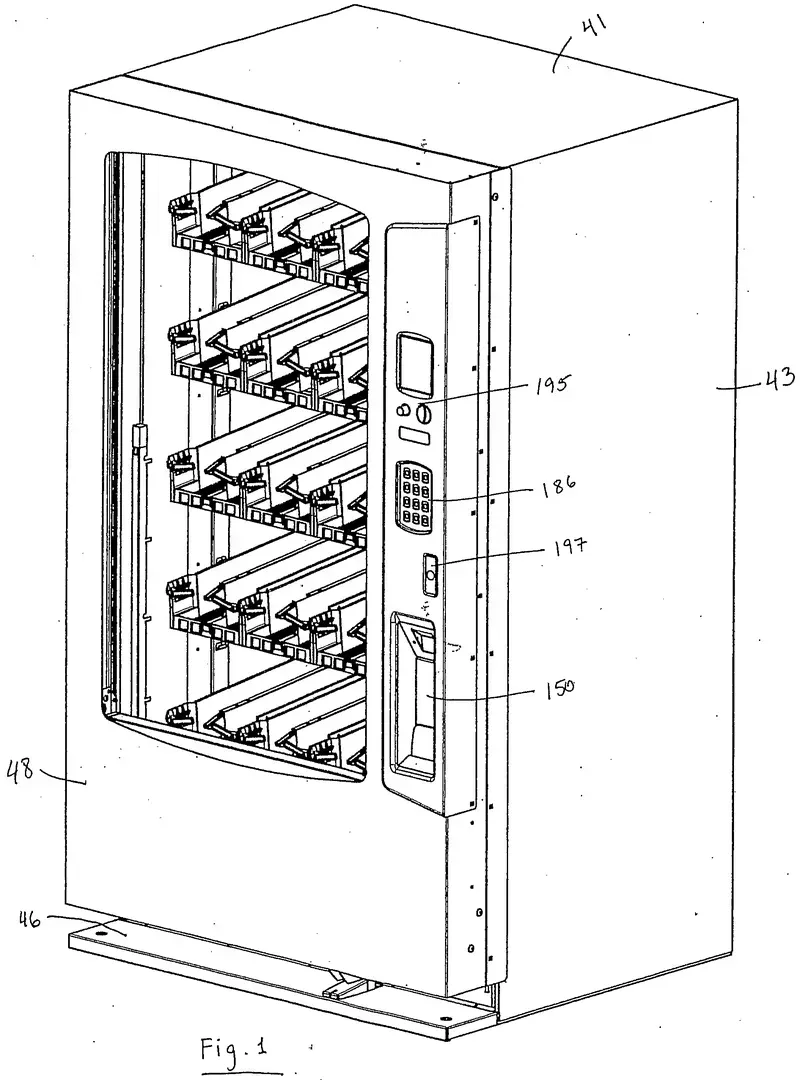
In an era where technology constantly reshapes our daily lives, the retail sector is undergoing a profound transformation. Just as smart homes and autonomous vehicles redefine convenience, vending machines are evolving beyond simple dispensers into intelligent retail hubs. Zero One Solution Limited, a leader in rapid prototyping and PCB solutions since 2011, is at the forefront of this revolution. We're excited to introduce our Shared Gravity Sensor Vending Machine Solution, a cutting-edge answer to the perennial challenges of inventory management, operational efficiency, and customer satisfaction in automated retail. This article will delve into how this innovative solution, powered by advanced PCB technology, is set to redefine the future of unattended retail.
The Evolution of Vending: From Basic Dispensers to Smart Retail Hubs
From their humble beginnings as simple dispensers of gum and candy, vending machines have undergone a remarkable transformation, evolving into sophisticated, data-driven retail hubs. This evolution reflects changing consumer demands and technological advancements, pushing the boundaries of what a vending machine can offer beyond mere convenience.
The journey of vending machines can be broadly categorized into the following stages:
Early Mechanical Dispensers The earliest vending machines were purely mechanical, dispensing products upon insertion of a coin. These machines had limited capabilities and offered a narrow range of products.
Electromechanical Vending Machines The introduction of electromechanical components allowed for greater product variety and more complex dispensing mechanisms. These machines could handle different coin denominations and offer more reliable operation.
Electronic Vending Machines The advent of microprocessors and electronic controls revolutionized the vending industry. Electronic vending machines offered features such as digital displays, cashless payment options, and remote monitoring capabilities.
Smart Vending Machines Today's smart vending machines are equipped with advanced technologies such as touchscreens, internet connectivity, and sophisticated sensors. These machines offer a wide range of functionalities, including personalized recommendations, real-time inventory management, and remote diagnostics.
The demand for more intelligent, data-driven retail solutions is being fueled by several factors:
Changing Consumer Expectations Consumers expect personalized experiences, seamless transactions, and a wide variety of product options.
The Need for Operational Efficiency Businesses are looking for ways to optimize inventory management, reduce costs, and improve overall efficiency.
The Rise of IoT and Data Analytics The proliferation of IoT devices and data analytics tools enables businesses to gain valuable insights into consumer behavior and optimize their vending operations.
Understanding the Shared Gravity Sensor Vending Machine Solution
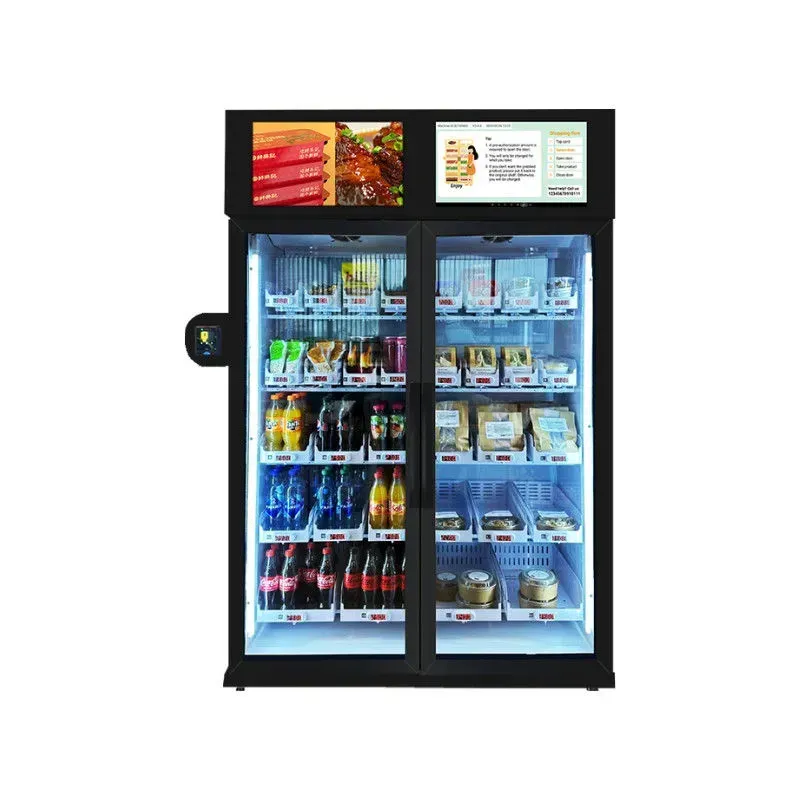
Gravity Sensor Vending Machine Interior
A shared gravity sensor vending machine represents a significant leap forward in automated retail, moving beyond traditional mechanical dispensing to a system that leverages gravity and precise sensors for inventory management and sales tracking. At its core, this solution integrates advanced sensing technology with a user-friendly interface to offer a seamless and reliable vending experience.
The fundamental operation of a shared gravity sensor vending machine hinges on accurately detecting the removal of products. When a customer makes a purchase, the item is dispensed, and the gravity sensor immediately registers the change in weight. This data is then transmitted to the central control unit, updating the inventory count in real-time and triggering the payment process. This precise monitoring not only ensures accurate sales tracking but also significantly reduces the potential for discrepancies and shrinkage.
Core Components of a Shared Gravity Sensor Vending Machine Gravity Sensors: High-precision sensors are strategically placed within the machine to detect subtle changes in weight as products are dispensed. These sensors are the foundation of the system's real-time inventory management capabilities.
Central Control Unit: This unit serves as the brain of the vending machine, processing data from the gravity sensors, managing payment transactions, and controlling the user interface. It ensures seamless communication between all components.
User Interface: A user-friendly interface, often a touchscreen display, allows customers to browse products, make selections, and complete transactions. It provides a convenient and intuitive shopping experience.
Dispensing Mechanism: A reliable dispensing system ensures that products are smoothly and accurately delivered to the customer after a purchase. This mechanism is designed to handle various product sizes and shapes.
Connectivity Module: Enables remote monitoring and management of the vending machine. It allows operators to track inventory levels, sales data, and machine status in real-time, facilitating efficient replenishment and maintenance.
Operational Flow Product Selection: The customer selects a product via the user interface.
Weight Detection: As the product is dispensed, the gravity sensor detects the change in weight.
Data Processing: The central control unit processes the data, updating inventory and initiating the payment process.
Payment and Dispensing: The customer completes the payment, and the dispensing mechanism delivers the product.
Real-time Monitoring: The system continuously monitors inventory levels and machine status, providing valuable insights for operators.
Key Benefits of Gravity Sensor Technology in Vending
Gravity sensor technology in vending machines offers a transformative array of benefits, addressing critical challenges in traditional vending operations. By providing real-time inventory data, minimizing losses due to theft or miscounts, enhancing user experience, and streamlining restocking processes, gravity sensors are revolutionizing the vending industry. These advantages collectively contribute to increased profitability, operational efficiency, and customer satisfaction.
Real-time Inventory Accuracy Gravity sensors provide precise, up-to-the-minute data on product levels within the vending machine. This eliminates the guesswork associated with traditional visual checks or sales-based estimations, ensuring accurate stock management and minimizing stockouts. This accuracy allows for data-driven decisions, optimizing product mix and placement based on actual consumer demand.
Reduced Shrinkage and Loss Prevention By constantly monitoring product levels, gravity sensors can detect discrepancies caused by theft, miscounts, or mechanical issues. Immediate alerts can be sent to operators, enabling swift intervention and minimizing financial losses. This enhanced security provides a significant advantage over conventional vending machines that are vulnerable to various forms of shrinkage.
Enhanced Customer Experience Accurate inventory data translates directly to a better customer experience. Customers are less likely to encounter empty slots or incorrect product dispensing. Furthermore, integrated systems can provide real-time product availability information through mobile apps or on-screen displays, enhancing convenience and satisfaction.
Optimized Replenishment Cycles With precise inventory data, operators can optimize restocking schedules based on actual consumption patterns rather than fixed intervals. This reduces unnecessary trips to refill machines, saving time, labor costs, and fuel expenses. Optimized replenishment also minimizes the risk of overstocking or stockouts, ensuring product freshness and availability.
Data-Driven Insights and Analytics The data collected by gravity sensors provides valuable insights into consumer preferences, peak demand times, and product performance. This information can be used to optimize product selection, pricing strategies, and marketing campaigns, maximizing revenue and profitability. Detailed sales reports and trend analysis enable informed decision-making and continuous improvement.
Remote Monitoring and Management Gravity sensor data can be accessed remotely through a centralized management platform. This allows operators to monitor the status of multiple vending machines from a single location, streamlining operations and improving response times. Remote diagnostics and troubleshooting capabilities further enhance efficiency and reduce downtime.
The Role of Advanced PCB Solutions in Smart Vending Machines
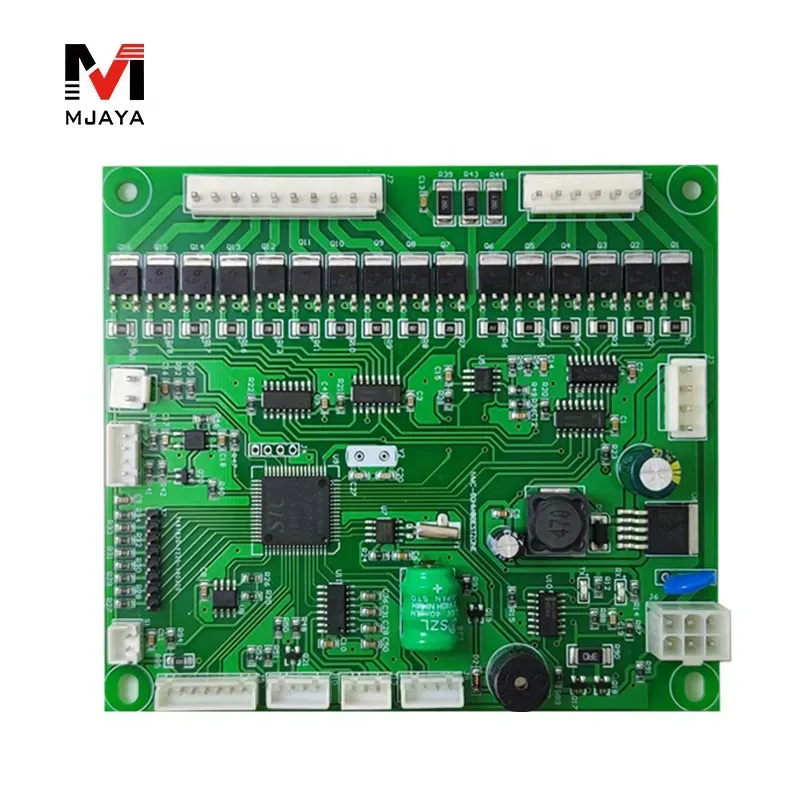
Smart Vending Machine PCB
In the realm of smart vending machines equipped with gravity sensor technology, the importance of advanced PCB (Printed Circuit Board) solutions cannot be overstated. Zero One Solution Limited excels in providing comprehensive PCB services—encompassing design, rapid prototyping, manufacturing, and assembly—that are pivotal for ensuring the precision, reliability, and overall intelligence of these sophisticated systems. Our expertise directly translates into enhanced functionality and performance of gravity-sensing vending machines, making us a key enabler in this innovative sector.
Here's a detailed look at how our PCB solutions contribute to the success of smart vending machines:
Precision in Gravity Sensing Gravity sensors require highly accurate and reliable PCBs to function correctly. Zero One Solution Limited ensures that each PCB is designed to meet the specific requirements of these sensors, providing precise data acquisition for inventory management. By using advanced materials and manufacturing techniques, we minimize signal noise and ensure consistent sensor performance, which is critical for accurate product dispensing and tracking.
Rapid Prototyping for Innovation The development of smart vending machines often involves iterative design improvements. Our rapid prototyping services allow manufacturers to quickly test and refine their designs, accelerating the innovation cycle. We provide fast turnaround times for PCB prototypes, enabling clients to experiment with different sensor configurations and control system layouts without significant delays. This agility is crucial for staying competitive in the rapidly evolving vending machine market.
Manufacturing Excellence for Reliability Zero One Solution Limited's state-of-the-art manufacturing facilities ensure that PCBs are produced to the highest quality standards. We employ rigorous quality control processes to detect and eliminate defects, ensuring that each PCB performs reliably over its lifespan. Our manufacturing capabilities include advanced surface mount technology (SMT) and through-hole technology, allowing us to handle complex circuit designs and high-density component placements, essential for the compact and efficient design of smart vending machines.
Seamless Assembly for Integrated Systems The assembly of PCBs into the vending machine's overall system requires precision and expertise. Our assembly services include component placement, soldering, and testing, ensuring that all components are correctly integrated and function seamlessly. We offer both manual and automated assembly options, depending on the complexity and volume of the project. This integrated approach minimizes the risk of assembly errors and ensures that the final product meets the required performance specifications.
Customization and Flexibility We understand that each smart vending machine project has unique requirements. Zero One Solution Limited offers customized PCB solutions tailored to the specific needs of each client. Whether it's a unique board shape, special material requirements, or specific component placements, we work closely with our clients to deliver solutions that meet their exact specifications. This flexibility allows manufacturers to optimize their vending machine designs for maximum efficiency and functionality.
Technical Deep Dive: How Gravity Sensors Ensure Accuracy and Efficiency
Gravity Sensor Close-up
At the heart of shared gravity sensor vending machine solutions lies a sophisticated interplay of sensor technology, data processing, and control system integration. Gravity sensors precisely measure the weight of products dispensed, ensuring accurate inventory tracking and efficient operation. This section explores the underlying technology, data handling, and maintenance aspects that contribute to the overall accuracy and efficiency of these smart vending machines.
The process can be broken down into the following stages:
Data Acquisition High-precision load cells or weight sensors are strategically positioned within the vending machine to measure the gravitational force exerted by each product. These sensors convert the force into an electrical signal, which is then amplified and conditioned for processing.
Signal Processing The electrical signal from the gravity sensor is fed into a microcontroller or dedicated processing unit. Here, the raw data is filtered to remove noise and calibrated to ensure accuracy. Advanced algorithms may be employed to compensate for temperature variations or mechanical vibrations that could affect sensor readings.
Central Control Unit Integration The processed weight data is transmitted to the vending machine's central control unit (CCU). The CCU compares the measured weight against a pre-programmed weight profile for each product. If the weight matches the expected value, the product is considered successfully dispensed. The CCU then updates the inventory count accordingly.
Calibration To maintain accuracy, gravity sensors require regular calibration. This involves using known weights to establish a baseline and adjusting the sensor's output to match the expected values. Calibration procedures can be performed manually or automated using built-in routines within the CCU.
Maintenance Preventive maintenance is crucial for ensuring the long-term reliability of the gravity sensing system. This includes periodic cleaning of the sensors to remove dust or debris, as well as inspecting wiring and connections for any signs of damage. Regular calibration checks should also be performed to identify and correct any drift in sensor performance.
Proper implementation and maintenance of these steps ensure the gravity sensors maintain a high degree of accuracy and efficiency, minimizing errors in inventory management and improving overall vending machine operations.
Applications Across Various Industries: Beyond Traditional Retail
Smart Vending Machine in Office
The Shared Gravity Sensor Vending Machine Solution transcends the limitations of traditional retail, offering a versatile solution adaptable to diverse sectors. Its ability to ensure accurate inventory, reduce losses, and enhance user experience makes it valuable across a wide spectrum of environments, from corporate settings to healthcare facilities and transportation hubs.
Corporate Offices In corporate environments, these vending machines offer convenience and efficiency, providing employees with easy access to snacks, beverages, and office supplies. Gravity sensors ensure accurate tracking of consumption, enabling data-driven decisions on inventory management and product selection to cater to employee preferences.
Hospitals Within hospitals, the solution offers a reliable means of providing refreshments and personal care items to staff, patients, and visitors. The real-time inventory monitoring capabilities are crucial in ensuring that essential items are always available, especially during peak hours or emergencies. This reduces the workload on hospital staff.
Airports Airports benefit from the solution's ability to provide a diverse range of products to travelers, from travel essentials to snacks and beverages. The machines can operate 24/7, ensuring that passengers have access to necessary items regardless of the time. The gravity sensor technology ensures that items are accurately dispensed and that inventory is tracked in real-time, minimizing stockouts and maximizing revenue.
Educational Institutions Universities and schools can deploy these vending machines to provide students and faculty with convenient access to academic supplies, snacks, and beverages. The data collected by the gravity sensors helps institutions understand consumption patterns and optimize product offerings to meet the needs of the campus community.
Gyms and Fitness Centers Fitness centers can offer health-conscious individuals access to protein supplements, energy bars, and hydration products through these vending machines. The technology ensures accurate dispensing and inventory management, catering to the specific needs of gym-goers and fitness enthusiasts.
Manufacturing Plants In manufacturing environments, these vending machines can dispense personal protective equipment (PPE), tools, and other essential items required for daily operations. The real-time inventory tracking capabilities ensure that workers have access to necessary equipment, reducing downtime and improving safety.
Future Prospects and Scalability of Smart Vending Solutions
The future of smart vending solutions, particularly those leveraging shared gravity sensor technology, is exceptionally promising. The trajectory points towards deeper integration with IoT platforms, unlocking AI-driven insights, and enhanced scalability to adapt to evolving market demands. These advancements will not only optimize vending operations but also transform them into proactive, customer-centric retail experiences.
Here's a look at the exciting possibilities on the horizon:
Enhanced IoT Integration Imagine vending machines seamlessly communicating with a broader network of devices and systems. This includes real-time data sharing with inventory management systems, predictive maintenance alerts, and integration with smart building platforms for optimized energy consumption. Future vending machines could even adjust product offerings based on real-time environmental data, like stocking more cold beverages on a hot day.
AI-Driven Insights and Personalization Artificial intelligence will play a crucial role in analyzing sales data, customer preferences, and usage patterns. This enables personalized recommendations, targeted promotions, and dynamic pricing strategies. For example, a vending machine might suggest a specific snack based on a customer's past purchases or offer a discount on a frequently bought item.
Scalability and Adaptability The modular design of shared gravity sensor systems allows for easy scaling and adaptation to different vending machine sizes and configurations. This flexibility makes it possible to deploy smart vending solutions in a wide range of environments, from small offices to large public spaces. Furthermore, the technology can be adapted to dispense a variety of products, including snacks, beverages, electronics, and even medications.
Predictive Maintenance By continuously monitoring sensor data and machine performance, AI algorithms can predict potential maintenance issues before they occur. This allows for proactive maintenance, minimizing downtime and reducing the risk of costly repairs. Imagine a vending machine automatically scheduling a service call when a sensor detects a potential problem with the cooling system.
Sustainable Practices Smart vending solutions can contribute to sustainability efforts by optimizing energy consumption, reducing waste, and promoting eco-friendly products. For example, vending machines can be equipped with energy-efficient cooling systems and automated shut-off features. They can also be used to dispense reusable containers or offer discounts on products with sustainable packaging.
FAQs about Shared Gravity Sensor Vending Machines
Navigating the adoption of a Shared Gravity Sensor Vending Machine Solution involves several key considerations. This section addresses frequently asked questions to provide clarity on implementation, security, maintenance, and the potential return on investment, enabling businesses to make informed decisions about integrating this innovative vending technology.
How does a shared gravity sensor vending machine enhance inventory management? Shared gravity sensor vending machines use precise weight measurements to track product levels in real-time. This data is transmitted to a central system, providing accurate inventory information, reducing stockouts, and optimizing restocking schedules, which significantly improves overall inventory management efficiency.
What security measures are in place to prevent theft and tampering? These vending machines are equipped with multiple security features, including weight sensors that detect unauthorized removal of products, surveillance cameras, and secure locking mechanisms. Any detected anomaly triggers immediate alerts, ensuring the security and integrity of the vending operation.
How often does a shared gravity sensor vending machine require maintenance? Maintenance requirements are minimal due to the robust design and non-contact nature of gravity sensors. Regular checks for cleanliness and occasional calibration are typically sufficient. The system's remote monitoring capabilities also allow for proactive maintenance, addressing potential issues before they impact performance.
What is the expected return on investment (ROI) for implementing a shared gravity sensor vending machine solution? The ROI is multifaceted, including increased sales from fewer stockouts, reduced shrinkage due to theft prevention, optimized inventory management, and decreased labor costs for restocking and monitoring. Businesses can expect a significant return on investment through improved operational efficiency and enhanced customer satisfaction.
Can the system integrate with existing retail management software? Yes, the vending machine system can seamlessly integrate with various retail management software platforms through APIs. This integration allows for unified data analysis, streamlined reporting, and comprehensive oversight of vending operations alongside other retail activities.
What types of products are suitable for a shared gravity sensor vending machine? These vending machines can accommodate a wide variety of products, including packaged foods, beverages, electronics, and personal care items. The flexibility of the gravity sensor technology allows for customization to handle different product sizes and weights, making it a versatile solution for diverse vending needs.
How does the gravity sensor technology handle variations in product weight? The system is designed to calibrate and compensate for slight variations in product weight. Advanced algorithms ensure accurate readings, even with minor weight discrepancies, maintaining precise inventory tracking and reliable operation.
The Shared Gravity Sensor Vending Machine Solution represents a significant leap forward in automated retail. By leveraging precise gravity sensing technology and robust PCB solutions, it addresses critical pain points in inventory management, operational efficiency, and customer satisfaction. Zero One Solution Limited, with our deep expertise in rapid prototyping and comprehensive PCB design, manufacturing, and assembly, is uniquely positioned to deliver this transformative technology. We empower businesses to embrace the future of retail with confidence, offering scalable and reliable solutions that drive profitability and enhance user experience. Ready to elevate your retail operations? Contact Zero One Solution Limited today to discover how our Shared Gravity Sensor Vending Machine Solution can revolutionize your business and pave the way for a smarter, more efficient future.