In the relentless pursuit of technological advancement, efficiency and reliability stand as paramount pillars, especially within the intricate world of Printed Circuit Boards (PCBs). As devices become more compact and powerful, managing thermal dissipation becomes a critical challenge, often dictating a product's longevity and performance. At Zero One Solution Limited, a leader in rapid-response R&D prototype manufacturing and a distinguished PCB assembly solutions provider since 2011, we understand these challenges intimately. Headquartered in Shenzhen, China's electronic manufacturing hub, with a strategic branch in Dubai, we are at the forefront of global PCBA supply chain innovation. This article introduces our cutting-edge 'Shared Heater Solution' – a revolutionary approach designed to optimize thermal management in PCBs, enabling our clients to accelerate product development and bring innovative solutions to market with exceptional efficiency.
The Evolving Challenge of Thermal Management in PCBs
As electronic devices become smaller, more powerful, and increasingly complex, the density of components on Printed Circuit Boards (PCBs) has surged. This miniaturization, coupled with higher operating frequencies and increased functionality, inevitably leads to significant heat generation. Effectively managing this thermal load is no longer a secondary consideration but a critical design imperative. Inadequate thermal management on PCBs results in a cascade of detrimental effects, including reduced component performance, premature aging and failure of ICs, compromised signal integrity, and ultimately, a shortened lifespan for the entire electronic product. Traditional heat dissipation methods, such as simple heat sinks or passive convection, often fall short in the face of these escalating thermal challenges, necessitating innovative approaches to maintain optimal operating temperatures and ensure product reliability.
Introducing the Shared Heater Solution: A Paradigm Shift
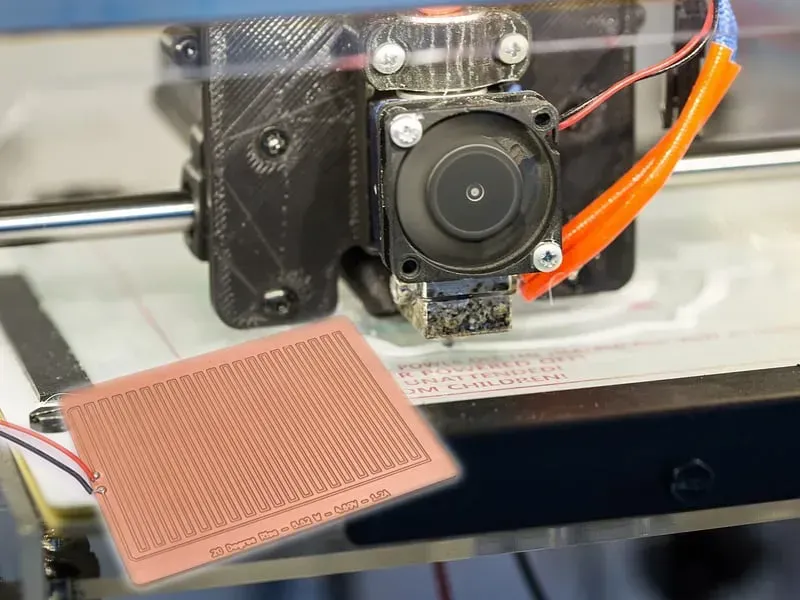
PCB Shared Heater
In the face of escalating thermal challenges in modern PCB design, Zero One Solution Limited introduces the Shared Heater Solution, an innovative approach that represents a significant paradigm shift in thermal management. Unlike conventional methods that rely on discrete heating elements for individual components or localized areas, this solution integrates and distributes heating across multiple components or sections of the PCB. This fundamental concept of sharing thermal pathways unlocks new levels of efficiency and integration, addressing the limitations of traditional thermal strategies and paving the way for more compact, reliable, and power-efficient electronic designs.
What is the core concept of the Shared Heater Solution? The Shared Heater Solution centralizes or distributes heating functions across multiple components or regions of a PCB using integrated thermal pathways, rather than employing individual, dedicated heating elements for each specific area or component requiring thermal control. This method leverages the PCB substrate itself as a more efficient thermal conductor or utilizes strategically placed, shared heating layers.
How does this differ from conventional thermal management? Conventional thermal management often relies on individual heatsinks, dedicated thermal pads, or separate heating elements for specific hotspots or components. The Shared Heater Solution moves away from this localized, fragmented approach towards a more holistic and integrated system where a single heating element or thermal pathway services multiple areas, optimizing space and reducing the number of discrete components required.
What is the primary goal of implementing a shared heating approach? The primary goal is to achieve more efficient and uniform temperature distribution across the PCB, minimizing localized hotspots and improving overall thermal performance. This leads to enhanced reliability, reduced power consumption, and greater design flexibility compared to traditional isolated heating methods.
How does integration benefit PCB design and manufacturing? Integration inherent in the Shared Heater Solution simplifies PCB layout by reducing the need for numerous individual heating components and their associated routing. This leads to more compact and potentially lower-layer count PCBs. For manufacturing, it can streamline the assembly process by reducing the number of placement operations for thermal components, potentially leading to cost savings and faster production cycles, particularly relevant for rapid prototyping.
Technical Principles and Design Implementation
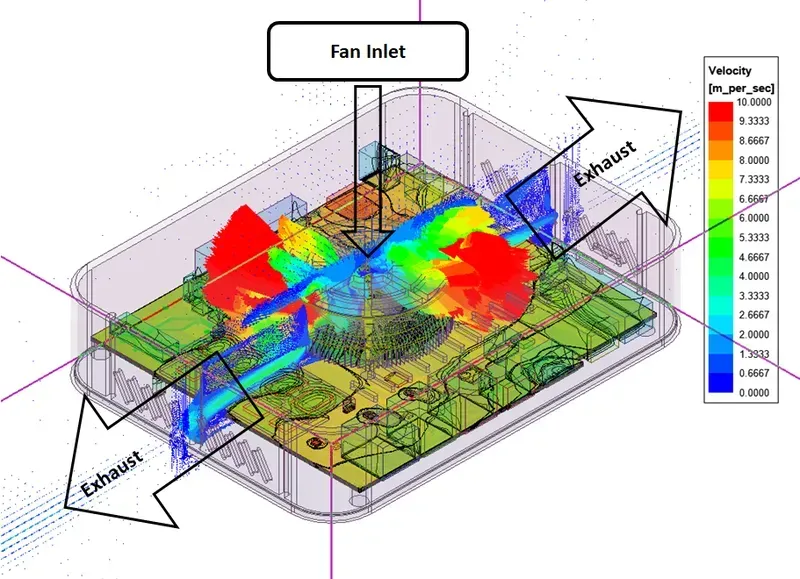
PCB Thermal Simulation
Implementing a Shared Heater Solution on a PCB involves a sophisticated blend of material science, thermal engineering, and precise layout design. Instead of placing individual resistive heaters or dedicated thermal elements for each component requiring temperature control, this innovative approach strategically utilizes shared heating sources and thermal pathways. The core principle is to distribute heat efficiently and uniformly across a designated area, or even multiple areas, using a common heating element or network integrated directly into the PCB structure. This optimizes thermal performance while minimizing the physical footprint and power consumption typically associated with conventional discrete heating methods.
The technical foundation relies heavily on selecting advanced PCB materials with superior thermal conductivity. Traditional FR-4, while cost-effective, may not always provide adequate heat dissipation for demanding applications. Materials like aluminum-based or ceramic-based substrates, or specialized laminates designed for high thermal performance, are often employed. These materials facilitate the efficient transfer of heat generated by the shared heating element throughout the board. Furthermore, optimizing copper trace routing is critical. Wider and strategically placed copper traces act as thermal highways, efficiently conducting heat away from the shared source and distributing it to components that require heating or simply need overall board temperature stabilization.
Strategic placement of the shared heating elements is another key technical consideration. This could involve embedding resistive elements directly within the PCB layers or utilizing surface-mounted heating components in locations that maximize thermal distribution efficiency. The design process is heavily reliant on advanced thermal modeling and simulation software. These tools allow engineers to predict heat flow patterns, identify potential hot spots, and optimize the placement and design of the shared heating elements and thermal pathways *before* manufacturing begins. This iterative process ensures that the solution meets the specific thermal requirements of the application and guarantees reliable performance under operational loads.
At Zero One Solution Limited, our expertise in PCB design for manufacturability (DFM) and design for assembly (DFA) is paramount in implementing Shared Heater Solutions. We understand the intricate relationship between design choices, material properties, and manufacturing processes. Our engineers leverage their deep knowledge to translate complex thermal requirements into practical, producible, and cost-effective PCB layouts. This integrated approach ensures that the theoretical advantages of the Shared Heater Solution are fully realized in the final assembled product, leading to optimized thermal performance, enhanced reliability, and accelerated time-to-market for our clients.
Key Benefits of Implementing a Shared Heater Solution
Adopting a Shared Heater Solution represents a significant step forward in PCB thermal management, offering tangible advantages that translate directly into improved product performance, reduced costs, and accelerated development cycles. By strategically distributing heat generation and dissipation, this innovative approach moves beyond traditional localized heating, unlocking efficiencies critical for today's high-density electronic designs.
Enhanced Thermal Efficiency By utilizing common thermal pathways or integrated heating elements, the Shared Heater Solution can more effectively and uniformly distribute heat across the required areas on the PCB, leading to better thermal regulation and preventing localized hot spots.
Reduced Power Consumption Centralizing or sharing heating functions often requires less overall energy compared to numerous individual heating elements, resulting in significant power savings for the electronic system.
Significant Space Savings Integrating heating functions into existing PCB structures or sharing elements across multiple components minimizes the need for dedicated, individual heating components, freeing up valuable board space for other functionalities or enabling smaller overall product form factors.
Lower Material and Manufacturing Costs Reducing the number of discrete heating components and simplifying the board layout can lead to lower bill of materials (BOM) costs and streamlined manufacturing processes, driving down overall production expenses.
Improved Reliability and Longevity Effective and uniform thermal management reduces thermal stress on components. By minimizing temperature fluctuations and peak temperatures, the Shared Heater Solution helps extend the operational lifespan and enhance the long-term reliability of the PCB assembly.
Accelerated Product Development and Time-to-Market Zero One Solution Limited's expertise in designing and implementing Shared Heater Solutions, particularly through our rapid prototyping services, allows clients to quickly test and validate complex thermal designs, significantly shortening the R&D phase and accelerating the path to market for new products.
Applications Across Industries
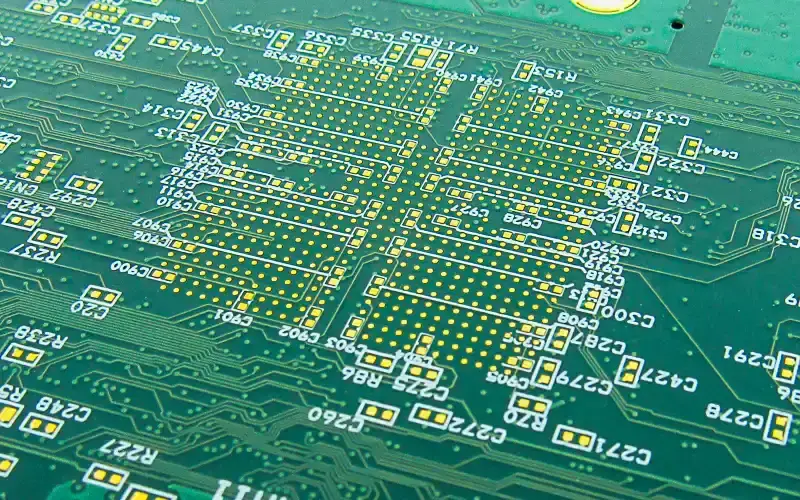
Medical Device PCB
The innovation of the Shared Heater Solution isn't confined to a single niche; its efficiency and adaptability make it a critical advancement for thermal management across a broad spectrum of industries. As electronic components become more powerful and miniaturized across sectors, effective heat dissipation is paramount for reliability and performance. This section explores how Zero One Solution Limited's Shared Heater Solution addresses the unique thermal challenges faced in diverse real-world applications, leveraging our versatile manufacturing capabilities to support these critical needs.
Automotive Electronics Modern vehicles are increasingly reliant on complex electronic control units (ECUs) and sensor systems. These components often operate in demanding temperature environments, from extreme cold to intense heat, and require precise thermal control to function correctly and ensure safety. The Shared Heater Solution can be crucial in anti-fogging/de-icing systems for cameras and sensors, maintaining optimal operating temperatures for critical ECUs, and enhancing the reliability of infotainment systems. Its space-saving nature is also highly beneficial in the increasingly crowded confines of automotive design.
Medical Devices Precision and reliability are non-negotiable in medical devices, where even minor thermal fluctuations can impact performance or patient safety. Shared heaters are vital in applications requiring localized, stable temperature control, such as diagnostic equipment (e.g., blood analyzers, PCR machines), patient monitoring systems, and therapeutic devices. Ensuring consistent temperatures prevents component drift and maintains the accuracy and safety of medical procedures. Zero One Solution's capabilities are aligned with the stringent quality and reliability demands of the medical sector.
Industrial Controls Industrial environments often subject electronic systems to harsh conditions, including wide temperature ranges, vibrations, and dust. PLCs, motor drives, and sensor networks require robust thermal management to maintain operational stability and longevity. Shared heaters can prevent condensation in sensitive components, ensure consistent temperature in process control systems, and improve the overall durability of equipment operating in challenging industrial settings, reducing downtime and maintenance costs.
Telecommunications Equipment High-speed data processing and transmission in telecommunications equipment generate significant heat. Base stations, network switches, and fiber optic transceivers all require efficient thermal management to prevent signal degradation and ensure continuous operation. The Shared Heater Solution offers an effective way to manage heat from multiple high-power components on dense boards, improving performance and reliability, particularly in outdoor or remote installations where environmental factors are a challenge. Zero One Solution's rapid prototyping services are ideal for quickly testing thermal solutions in new telecom designs.
Consumer Electronics As consumer electronics become more powerful and compact (smartphones, laptops, gaming consoles), managing heat within limited space is a major design hurdle. While primarily focused on heat dissipation, shared heating principles can indirectly benefit consumer electronics by optimizing thermal pathways and reducing reliance on bulky, individual heating elements or complex cooling systems where localized heating might be required for specific functionalities (e.g., display demisting, battery thermal management in cold environments). This contributes to sleeker designs, improved performance, and extended device lifespan.
Zero One Solution Limited's expertise in rapid prototyping, one-stop PCB design, manufacturing, and assembly positions us perfectly to implement the Shared Heater Solution across these diverse applications. Our understanding of industry-specific requirements, coupled with advanced manufacturing techniques, ensures that the thermal management strategy is seamlessly integrated into the overall PCB design, delivering reliable and efficient solutions tailored to the unique needs of each sector.
Zero One Solution Limited's Expertise in Delivering this Innovation
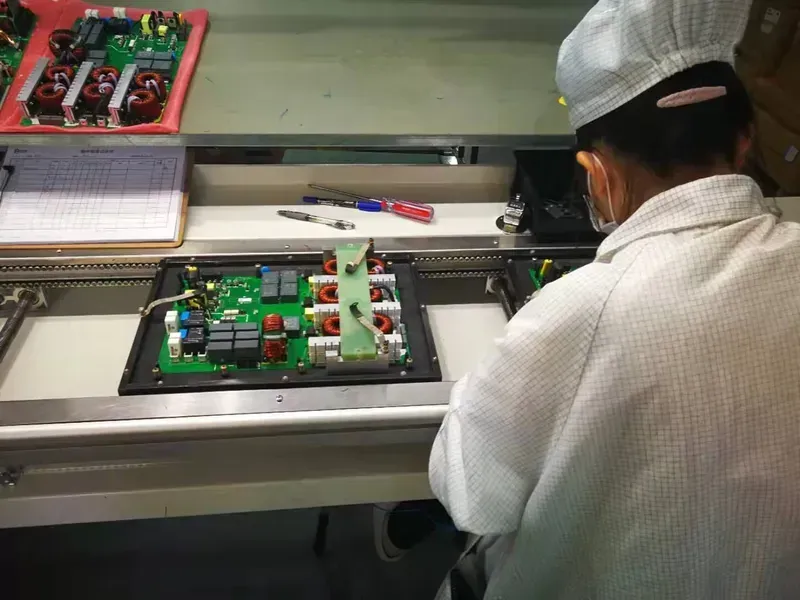
PCBA Dubai Factory
Successfully implementing advanced thermal management solutions like the Shared Heater requires deep engineering expertise, sophisticated manufacturing capabilities, and a streamlined process from design to assembly. Zero One Solution Limited stands at the forefront of delivering this innovation, leveraging over a decade of experience in rapid prototype manufacturing and comprehensive PCB solutions. Our strategic positioning in Shenzhen, the global electronics hub, and Dubai, a key nexus for international trade, grants us unparalleled access to resources and a robust global supply chain network. This foundation allows us to seamlessly integrate complex thermal designs into high-quality, reliable PCB assemblies, ensuring your projects benefit from cutting-edge thermal performance.
Our commitment to empowering clients accelerating product development is evident in our one-stop services. We guide projects from initial PCB design, incorporating critical thermal modeling and DFM/DFA principles, through to advanced manufacturing and final assembly. This integrated approach eliminates typical bottlenecks, ensuring efficient and accurate execution of complex designs like those required for Shared Heater Solutions. Our team of veteran engineers possesses the deep technical knowledge necessary to navigate the intricacies of thermal design, material selection, and manufacturing processes unique to these advanced techniques. Coupled with our state-of-the-art manufacturing facilities and stringent quality control measures, we guarantee the highest standards of reliability and performance for every board produced.
Frequently Asked Questions about Shared Heater Solutions
How does a Shared Heater Solution differ from individual heating elements on a PCB? Traditional PCB thermal management often involves dedicating individual heating elements or thermal pathways to specific components requiring heat. A Shared Heater Solution, conversely, integrates a common heating element or optimized thermal path designed to distribute heat across multiple components or regions on the PCB. This sharing mechanism leverages thermal conductivity and strategic design to achieve more efficient heat management with potentially fewer heating sources.
Is the Shared Heater Solution compatible with various PCB types and materials? Yes, the Shared Heater Solution can be adapted for use with a wide range of PCB types, including single-sided, double-sided, and multilayer boards. Compatibility with different materials depends on the specific design and the chosen heating technology. Zero One Solution Limited analyzes the application requirements and selects appropriate PCB materials with suitable thermal properties and integrates the shared heating element accordingly. Our expertise includes working with standard FR-4 as well as advanced thermal substrates.
What are the key design considerations when implementing a Shared Heater Solution? Key considerations include precise thermal modeling and simulation to predict heat distribution and identify potential hotspots, strategic placement of the shared heating element or thermal pathway, optimizing trace routing to facilitate heat flow, selecting PCB materials with adequate thermal conductivity, and integrating temperature sensors for accurate control and monitoring. Zero One Solution Limited employs advanced design tools and DFM/DFA principles to optimize these aspects.
How is the thermal performance of a Shared Heater Solution validated? Thermal performance validation typically involves a combination of simulation and physical testing. Finite Element Analysis (FEA) is used during the design phase to model heat transfer. Post-manufacturing, thermal imaging cameras, thermocouples, and environmental chambers are utilized to measure actual component temperatures and ensure they remain within specified operating limits under various load conditions. Zero One Solution Limited provides rigorous testing as part of our quality control.
What are the cost implications of adopting a Shared Heater Solution compared to traditional methods? While initial design complexity might be higher, a Shared Heater Solution can lead to significant cost savings in the long run. These savings stem from potentially fewer heating components required, reduced power consumption due to optimized heat distribution, and lower material costs by potentially using less high-cost thermal interface materials or heat sinks. Space savings on the PCB can also lead to smaller overall product size and reduced enclosure costs.
Can a Shared Heater Solution be integrated into existing electronic system designs? Integration into existing designs is possible, but it often requires a thorough re-evaluation of the PCB layout and thermal architecture. It's generally more efficient and cost-effective to incorporate the Shared Heater Solution during the initial design phase of a new product. However, Zero One Solution Limited's engineering team can assess existing designs and advise on the feasibility and potential benefits of retrofitting a shared heating approach.
What kind of applications benefit most from a Shared Heater Solution? Applications where multiple components require controlled heating or operate within a close thermal proximity stand to benefit significantly. This includes devices in automotive electronics (e.g., sensors, heating circuits), medical devices (e.g., diagnostic equipment, drug delivery systems), industrial controls, telecommunications, and consumer electronics (e.g., displays, battery management). Any application where optimizing space, power consumption, and thermal efficiency is critical can leverage this solution.
The Shared Heater Solution from Zero One Solution Limited represents a significant leap forward in PCB thermal management. By leveraging innovative design and our extensive expertise, we provide a solution that not only enhances device performance and reliability but also offers substantial cost and space efficiencies. This commitment to delivering advanced, practical solutions is at the core of our mission to empower clients in their journey of innovation. As the demands on electronic systems continue to grow, the ability to effectively manage heat will remain a critical differentiator. Partner with Zero One Solution Limited to unlock the full potential of your next-generation products. Contact us today to discuss how our Shared Heater Solution, backed by our rapid prototyping capabilities and global supply chain network, can transform your design challenges into market-winning advantages.