In today's fast-paced world, convenience and health are paramount. The demand for fresh, healthy options on the go has spurred innovation, leading to the rise of automated solutions. At Zero One Solution Limited, we're at the forefront of this revolution, providing the critical PCB and integrated solutions that power the next generation of smart, shared juicer vending machines. This article delves into how our expertise in rapid prototyping and high-quality PCB manufacturing makes us the ideal partner to bring your shared juicer vending machine concepts to life, enabling efficient, scalable, and reliable fresh juice experiences for consumers everywhere.
The Evolution of Vending: From Snacks to Fresh Juice
The vending machine industry is undergoing a significant transformation, shifting from a focus on traditional snacks and sugary drinks to embracing healthier, fresh alternatives like juice. This evolution reflects a growing consumer demand for convenient yet nutritious options. Shared juicer vending machines represent a cutting-edge response to this demand, offering a blend of automation, accessibility, and health-conscious choices.
Here's a closer look at the factors driving this change:
Rising Health Awareness Consumers are increasingly aware of the health implications of their dietary choices. This has led to a surge in demand for healthier snack and beverage options, including fresh juices.
Convenience and Accessibility Vending machines offer unparalleled convenience. By providing fresh juice through vending machines, consumers can access healthy options on-the-go, overcoming the time constraints of preparing juice at home.
Technological Advancements Innovations in vending machine technology, particularly in refrigeration, sanitation, and payment systems, have made it feasible to offer fresh juice through automated kiosks.
Demand for Customization Modern vending solutions allow for a degree of customization, enabling consumers to select specific fruit and vegetable combinations for their juice, catering to individual preferences and dietary needs.
Sustainability Concerns With growing environmental consciousness, consumers are drawn to solutions that minimize waste and promote sustainable practices. Shared juicer vending machines can be designed to reduce packaging and utilize locally sourced ingredients, aligning with these values.
Understanding the Shared Juicer Vending Machine Ecosystem
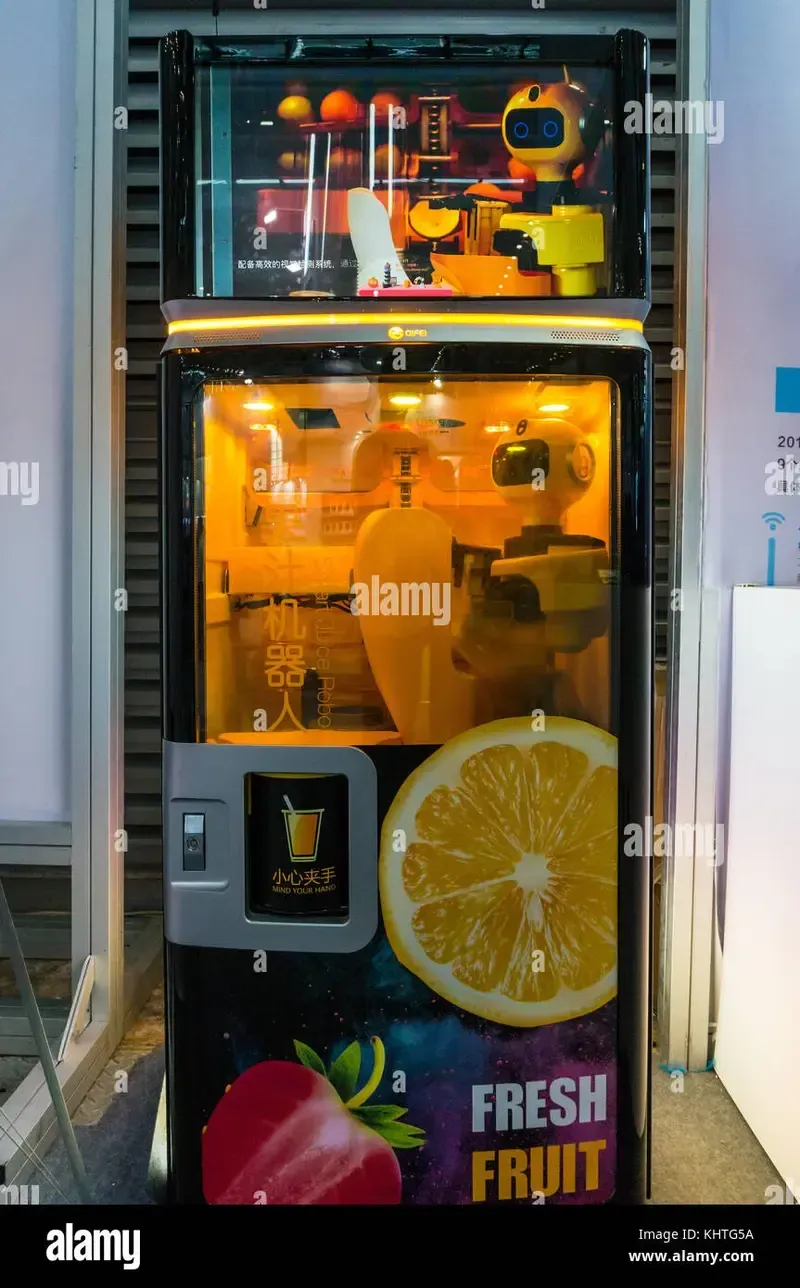
Juicer Vending Machine Interior
At the heart of the shared juicer vending machine lies a complex yet elegant ecosystem of interconnected components and processes. This section deconstructs this ecosystem, offering a clear understanding of its key elements and operational flow. We will focus on the vital role of advanced electronics, especially PCBs, and connectivity in enabling these innovative machines to deliver fresh juice on demand.
What are the core components of a shared juicer vending machine? The main components include a user interface (touchscreen or buttons), payment system (card reader, mobile payment), juicing mechanism (motors, blades, containers), ingredient storage (fruit containers, cooling system), control system (PCB), cleaning system, and dispensing unit.
How does the operational flow work in a shared juicer vending machine? The operational flow starts with user interaction via the interface. The user selects a juice option and pays. The system then activates the juicing mechanism, draws ingredients from storage, blends the juice, dispenses it into a cup, and initiates a cleaning cycle. Throughout this process, the PCB controls and monitors all functions.
What role does the PCB play in a shared juicer vending machine? The PCB (Printed Circuit Board) serves as the central nervous system, managing power distribution, motor control, sensor data processing (temperature, ingredient levels), communication with payment systems, and connectivity for remote monitoring and diagnostics. It ensures seamless operation of all machine functions.
What types of sensors are commonly used in shared juicer vending machines? Common sensors include temperature sensors (to monitor cooling), level sensors (to track ingredient levels), motor encoders (to control juicing speed), and flow sensors (to measure juice dispensed). These sensors provide real-time data to the PCB for optimal performance and diagnostics.
How is connectivity integrated into a shared juicer vending machine? Connectivity is typically achieved through Wi-Fi or cellular modules on the PCB. This enables remote monitoring of machine status (ingredient levels, errors), software updates, payment processing, and data analytics for inventory management and predictive maintenance.
What are the key design challenges for PCBs in shared juicer vending machines? Key challenges include power management (efficiently powering various components), motor control (precise control of juicing motors), sensor integration (accurate data acquisition), and robust communication interfaces. The PCB must also withstand the vending machine environment, including temperature variations and humidity.
How does the cleaning system work and how is it controlled? Cleaning systems typically involve automated flushing and sanitization cycles. The PCB controls pumps, valves, and heating elements to deliver cleaning solutions and maintain hygiene. Sensors monitor the cleaning process to ensure effectiveness and prevent contamination.
Zero One Solution's Core Competence: Powering Innovation with PCBs
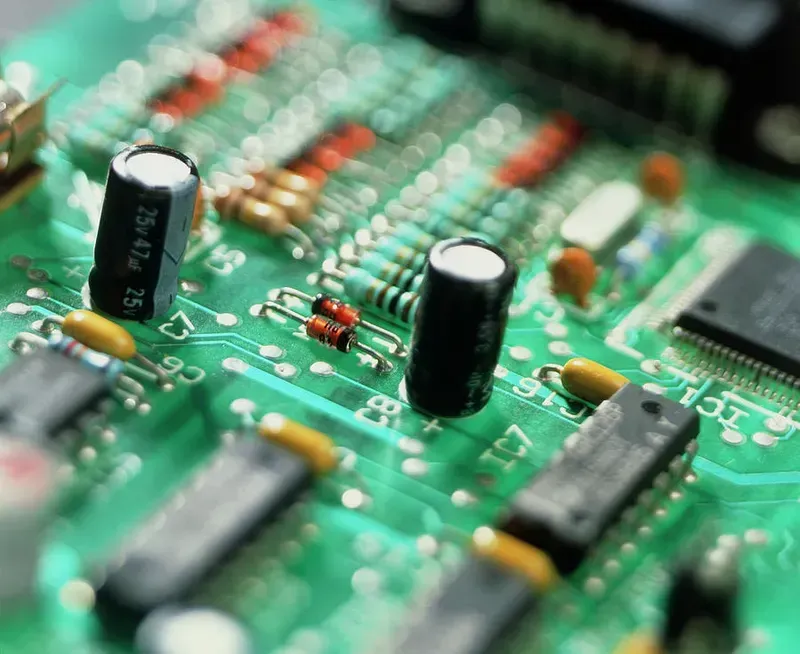
PCB Circuit Board Close-Up
Zero One Solution Limited stands at the forefront of PCB innovation, providing the critical backbone for shared juicer vending machines. Our expertise in PCB design, rapid prototyping, and manufacturing ensures that these machines operate reliably and efficiently, transforming the way fresh juice is dispensed.
Our core competencies are centered around:
PCB Design Expertise We specialize in creating high-performance PCBs tailored to the specific demands of vending machine environments. This includes optimizing for power management, integrating sensor technology, and ensuring seamless motor control.
Rapid Prototyping Our rapid prototyping services enable quick iteration and testing of designs, significantly reducing time-to-market for our clients. This agility is crucial in the fast-paced vending machine industry.
Manufacturing Excellence With state-of-the-art manufacturing facilities, we guarantee high-quality PCB production at scale. Our processes are optimized for both small-batch prototypes and large-volume orders, ensuring consistency and reliability.
These capabilities are not just theoretical; they are proven through successful implementations in numerous vending machine projects. By choosing Zero One Solution, clients gain a partner committed to delivering innovation and excellence.
Key PCB Design Considerations for Smart Juicer Vending Machines
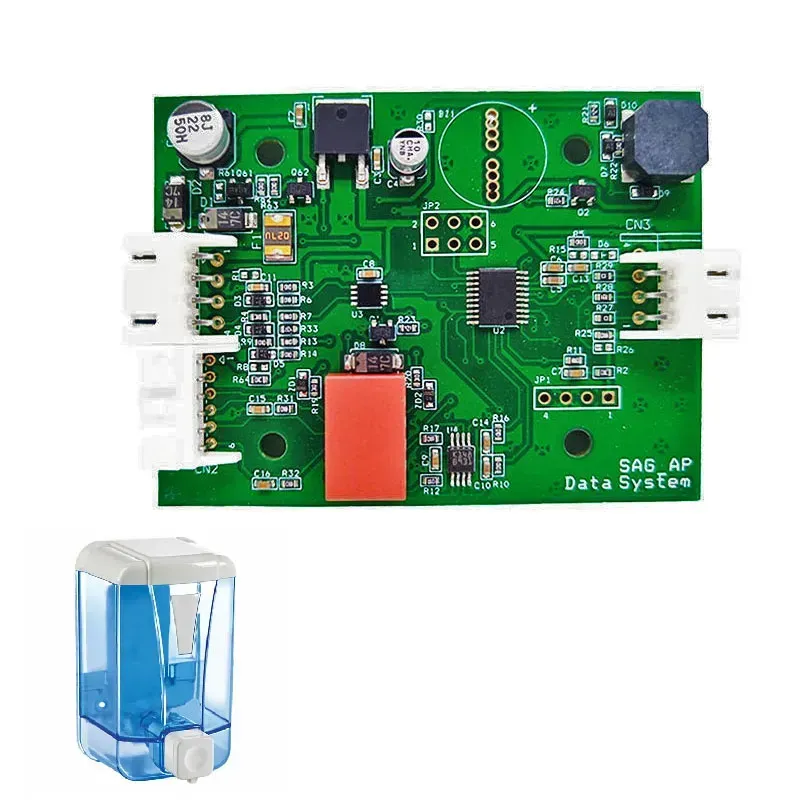
Smart Juicer PCB Design
Designing PCBs for smart juicer vending machines requires careful attention to several critical factors. These machines demand a robust and reliable electronic foundation to manage power, integrate sensors, control motors, and maintain seamless connectivity for IoT functionality. Effective PCB design ensures the machine operates efficiently, delivers consistent performance, and supports advanced features like remote monitoring and data analytics.
Power Management Efficient power distribution is crucial. The PCB must handle varying voltage requirements for different components (motors, sensors, controllers) while minimizing energy waste. Consider using high-efficiency power converters and implementing power-saving modes for idle states.
Sensor Integration Smart juicer vending machines rely on sensors for monitoring juice levels, temperature, and system health. The PCB needs to provide accurate and reliable interfaces for these sensors. Proper signal conditioning and noise reduction are essential for accurate data acquisition.
Motor Control Precise motor control is necessary for dispensing juice and managing mechanical operations. The PCB should incorporate motor driver circuits that can handle the required current and voltage, as well as provide feedback mechanisms for accurate positioning and speed control.
Connectivity (IoT) Seamless IoT connectivity is vital for remote monitoring, inventory management, and data analytics. The PCB must support wireless communication protocols (Wi-Fi, Bluetooth, Cellular) and secure data transmission. Antenna placement and signal integrity are critical design considerations.
Material Selection The choice of PCB material impacts performance and reliability. Consider factors such as thermal conductivity, dielectric constant, and resistance to environmental factors (humidity, temperature variations). FR-4 is a common choice, but specialized materials may be necessary for demanding applications.
Component Placement and Routing Strategic component placement minimizes signal interference and optimizes thermal management. Careful routing of high-speed signals ensures signal integrity and reduces electromagnetic interference (EMI). Keep sensitive analog circuits isolated from noisy digital circuits.
Thermal Management Efficient heat dissipation is crucial to prevent overheating and ensure long-term reliability. Consider using heat sinks, thermal vias, and strategically placed components to manage heat generated by power-hungry components.
IoT Integration: Enabling Smart Operations and Data Analytics
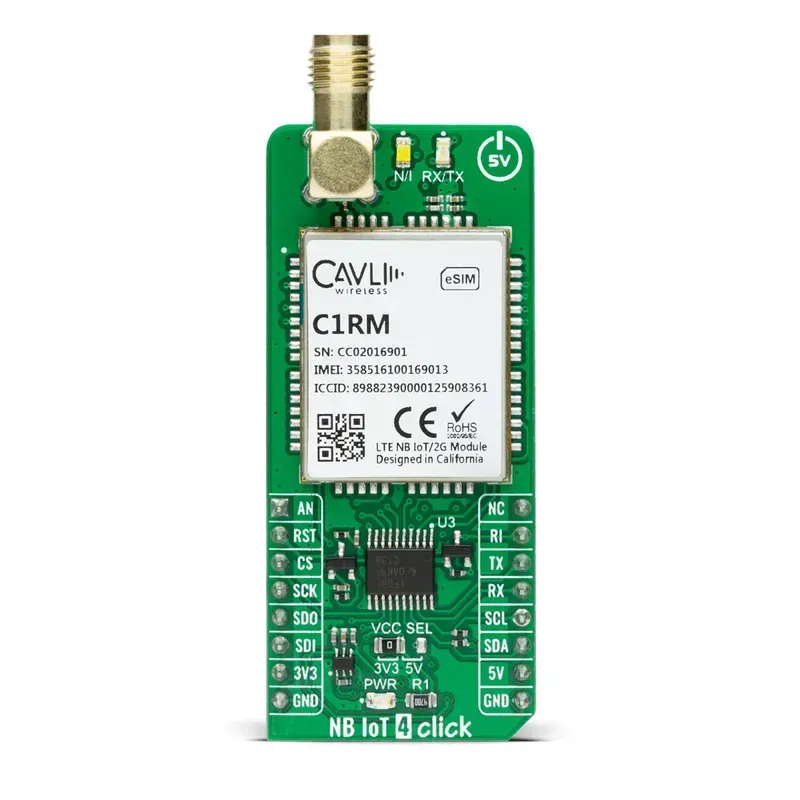
Embedded IoT Module
Embedded IoT solutions revolutionize shared juicer vending machines by enabling smart operations and data-driven insights. Through PCB integration, these solutions facilitate remote monitoring, efficient inventory management, predictive maintenance, and comprehensive data analytics, optimizing performance and enhancing user experience.
Remote Monitoring and Management IoT-enabled PCBs allow operators to remotely monitor the status of each juicer vending machine. This includes real-time data on machine health, usage statistics, and error alerts. Remote management capabilities enable operators to make adjustments to settings, troubleshoot issues, and even remotely shut down a machine if necessary, reducing downtime and maintenance costs.
Inventory Management Precise inventory tracking ensures that the machines are always stocked with the right ingredients. IoT sensors can monitor juice levels, fruit supplies, and cup counts, providing real-time data on when restocking is needed. Automated alerts can be sent to the replenishment team, ensuring timely refills and minimizing lost sales due to stockouts.
Predictive Maintenance By continuously monitoring key performance indicators (KPIs) such as motor temperature, vibration levels, and power consumption, IoT solutions can predict potential maintenance issues before they lead to machine failure. This allows for proactive maintenance, reducing unexpected downtime and extending the lifespan of the machines. Predictive maintenance also optimizes maintenance schedules, ensuring that resources are used efficiently.
Data-Driven Insights The data collected by IoT sensors can be analyzed to gain valuable insights into customer behavior, popular juice combinations, and peak usage times. This data can be used to optimize product offerings, pricing strategies, and machine placement. For example, operators can identify which juice combinations are most popular at certain times of the day and adjust the menu accordingly. Data-driven insights help to improve profitability and customer satisfaction.
Enhanced Security IoT integration can enhance the security of shared juicer vending machines. Remote monitoring can detect unauthorized access or tampering, and alerts can be sent to security personnel. Additionally, cashless payment systems integrated with IoT can provide secure and convenient payment options for customers, reducing the risk of theft and fraud.
Improved Customer Experience IoT-enabled features can enhance the customer experience. For example, a mobile app can allow customers to check the availability of a machine, customize their juice order, and pay remotely. Real-time data on machine status can be displayed on the machine's screen, providing customers with useful information. Personalized recommendations and loyalty programs can also be implemented through IoT integration, enhancing customer engagement and retention.
Rapid Prototyping and Scalable Manufacturing for Market Readiness
PCB Rapid Prototype Sample
Rapid prototyping and scalable manufacturing are essential for bringing shared juicer vending machines to market quickly and efficiently. Zero One Solution Limited offers streamlined processes that ensure your venture is market-ready, allowing for quick entry and scalability. We transform innovative concepts into tangible products, ready for deployment and expansion.
Our rapid prototyping services enable you to test and refine your designs swiftly, reducing time-to-market and minimizing risks. Scalable manufacturing ensures that as demand grows, your production can expand without compromising quality or efficiency. This combination of speed and scalability is crucial for success in the competitive vending machine market.
What are the key steps in Zero One Solution's rapid prototyping process? Our rapid prototyping process includes initial design review, PCB layout, quick-turn PCB fabrication, component sourcing, assembly, functional testing, and iterative design improvements based on test results.
How does Zero One Solution ensure quality during scalable manufacturing? We maintain strict quality control through every stage of manufacturing, including automated optical inspection (AOI), in-circuit testing (ICT), and functional testing. Our facilities are ISO 9001 certified, ensuring adherence to international quality standards.
Can Zero One Solution handle both small and large production runs? Yes, we are equipped to handle both small prototype runs and large-scale mass production. Our flexible manufacturing lines can be quickly adjusted to meet varying order volumes, providing scalability for your business needs.
What design considerations are crucial for rapid prototyping? Design for manufacturability (DFM) is crucial. We optimize PCB designs for efficient assembly, testing, and component placement to reduce manufacturing time and costs. Component selection should also consider availability and lead times to avoid delays.
How does Zero One Solution manage supply chain logistics for scalable manufacturing? We have established a robust global supply chain network, enabling us to source components efficiently and cost-effectively. Our supply chain management includes vendor qualification, inventory management, and logistics coordination to ensure timely delivery of materials.
What testing procedures are used to validate the prototypes? We conduct a range of tests, including functional testing to ensure the juicer operates as intended, environmental testing to assess performance under different conditions, and regulatory compliance testing to meet safety and performance standards.
How does Zero One Solution support continuous improvement in manufacturing? We employ statistical process control (SPC) to monitor manufacturing processes and identify areas for improvement. We also conduct regular audits and implement corrective actions to enhance efficiency and reduce defects. Feedback from testing and customer usage is incorporated into design and process updates.
The Zero One Advantage: A One-Stop Solution for Your Juicer Vending Vision
Partnering with Zero One Solution Limited provides a comprehensive, end-to-end solution for your shared juicer vending machine venture. From initial concept to final assembly, and with robust global supply chain support, we streamline the entire process, ensuring efficiency, quality, and speed to market.
End-to-End Service Spectrum Zero One Solution offers a complete suite of services covering every stage of your project. This includes initial design and prototyping, PCB manufacturing, component sourcing, assembly, testing, and logistical support. Our comprehensive approach minimizes the need for multiple vendors, streamlining communication and project management.
Expertise in PCB Design and Manufacturing Our core competence lies in PCB design, rapid prototyping, and manufacturing. We specialize in creating high-performance, reliable PCBs optimized for the specific demands of shared juicer vending machines. This includes power management, motor control, sensor integration, and seamless IoT connectivity.
Rapid Prototyping Capabilities We accelerate your time to market with our rapid prototyping services. Our efficient processes allow for quick design iterations and testing, enabling you to refine your product and validate its performance before mass production.
Scalable Manufacturing Zero One Solution is equipped to handle projects of any scale, from initial prototypes to mass production runs. Our manufacturing capabilities are highly scalable, ensuring that we can meet your production needs as your business grows.
Global Supply Chain Support Headquartered in Shenzhen, China, and with a branch office in Dubai, we are strategically positioned within the global PCBA supply chain network. This enables us to source components efficiently, manage logistics effectively, and provide seamless support to clients worldwide.
Reduced Costs and Enhanced Efficiency By consolidating all your PCB-related needs with Zero One Solution, you can significantly reduce costs and improve overall efficiency. Our integrated approach minimizes overhead, streamlines communication, and ensures that your project stays on track and within budget.
Dedicated Support and Partnership We view our clients as partners and are committed to providing dedicated support throughout the entire project lifecycle. Our team of experienced engineers and project managers is always available to answer your questions, address your concerns, and provide expert guidance.
FAQs about Shared Juicer Vending Machine Solutions and PCB Integration
This section addresses frequently asked questions about shared juicer vending machine solutions, focusing on the crucial role of PCB integration in these innovative systems. These FAQs provide valuable insights into the technology, development process, and partnership opportunities for shared juicer vending machine projects.
What are the key benefits of using a shared juicer vending machine? Shared juicer vending machines offer several advantages, including providing convenient access to fresh and healthy juice options, reducing waste compared to pre-packaged beverages, generating revenue for operators, and offering a unique and attractive amenity for locations like gyms, offices, and public spaces.
What PCB design considerations are most important for shared juicer vending machines? Key PCB design considerations include efficient power management to handle blending and refrigeration, precise sensor integration for monitoring ingredient levels and machine status, robust motor control for the juicing mechanism, reliable connectivity for remote monitoring and data analytics, and adherence to food safety standards using appropriate materials and coatings.
How does IoT integration enhance the functionality of a shared juicer vending machine? IoT integration enables remote monitoring of machine performance and inventory levels, predictive maintenance to minimize downtime, real-time data analytics on sales and user preferences, and seamless payment processing. This data-driven approach optimizes operations, enhances customer satisfaction, and increases profitability.
What kind of maintenance is required for shared juicer vending machines? Regular maintenance typically includes cleaning and sanitizing the juicing components, refilling ingredients, checking and replacing worn parts (like blades or seals), and ensuring the refrigeration system is functioning correctly. Remote monitoring via IoT can help anticipate maintenance needs and schedule timely interventions.
How can Zero One Solution Limited assist in developing a shared juicer vending machine project? Zero One Solution Limited offers a comprehensive suite of services, including PCB design and layout, rapid prototyping, component sourcing, manufacturing, and assembly. We can tailor solutions to specific project requirements, ensuring a seamless transition from concept to mass production. Our expertise in PCB design for vending applications guarantees reliability, efficiency, and compliance with industry standards.
What are the typical costs associated with developing a shared juicer vending machine? Development costs vary depending on the complexity of the design, the features included, and the scale of production. Factors influencing costs include PCB design and prototyping, component selection, software development, enclosure design, and certification. Partnering with an experienced PCB solution provider like Zero One Solution Limited can optimize costs and ensure a successful project within budget.
Are there specific regulatory requirements for shared juicer vending machines? Yes, shared juicer vending machines must comply with food safety regulations, electrical safety standards, and any local regulations regarding vending machine operations. Compliance typically involves using food-grade materials, ensuring proper sanitation, implementing safety mechanisms, and obtaining necessary permits and licenses. Zero One Solution Limited can provide guidance on regulatory compliance related to the PCB and electronic components.
The shared juicer vending machine market is poised for significant growth, driven by consumer demand for convenience, health, and fresh options. As demonstrated, Zero One Solution Limited is uniquely positioned to be your indispensable partner in this journey, offering unparalleled PCB design, rapid prototyping, and manufacturing expertise. Our commitment to quality, efficiency, and innovation ensures that your shared juicer vending machine solutions are not just functional but also future-proof. Partner with us to accelerate your product development, achieve market leadership, and deliver refreshing experiences to a global audience. Contact Zero One Solution Limited today to discuss how we can transform your vision into a tangible, successful product.