In an increasingly interconnected world, where collaborative workspaces and multi-device ecosystems are the norm, the demand for seamless peripheral integration is paramount. Imagine a world where a single keyboard effortlessly controls multiple devices, enhancing productivity and streamlining operations. This isn't a futuristic fantasy, but a tangible reality enabled by advanced PCB technology. Zero One Solution Limited, a leader in rapid-response R&D prototype manufacturing and a key player in the global PCBA supply chain, is at the forefront of this innovation. Our 'Shared Keyboard Solution' leverages cutting-edge PCB design and assembly to empower businesses to create highly versatile and efficient keyboard systems. But what exactly makes a shared keyboard solution effective, and how can Zero One Solution Limited help you bring your vision to life?
The Evolution of Keyboard Technology and the Need for Shared Solutions
The keyboard, a cornerstone of human-computer interaction, has undergone a remarkable evolution since the advent of the typewriter. Initially a direct mechanical interface, it transformed into an electrical input device and eventually a digital one. This progression paralleled the increasing sophistication and proliferation of computing devices. As users moved from single desktop PCs to environments populated with laptops, tablets, smartphones, and even smart TVs, the need for seamless interaction across multiple platforms became paramount. This multi-device landscape highlighted a significant bottleneck: the traditional single-device keyboard interface. The inefficiency of constantly switching keyboards or re-pairing devices spurred the demand for a more fluid and unified input experience – giving rise to the necessity for efficient shared keyboard solutions.
Mechanical to Digital: Keyboards evolved from purely mechanical levers to incorporating electrical switches and ultimately digital encoding, drastically improving speed, accuracy, and reducing physical effort.
Wired to Wireless: The introduction of wireless technologies like Bluetooth and RF liberated keyboards from physical constraints, enabling greater flexibility and mobility, particularly with portable devices.
Single Device Limitation: Traditional keyboards were designed for a single, dedicated connection, making interaction with multiple devices cumbersome and inefficient in modern computing environments.
Rise of Multi-Device Usage: The proliferation of smartphones, tablets, and other smart devices created a user environment where accessing multiple screens and operating systems simultaneously is common.
Demand for Seamless Switching: Users required a solution that allowed effortless transition of input control between devices without the need for manual reconnection or dedicated hardware for each device.
Understanding the Core Components of a Shared Keyboard Solution
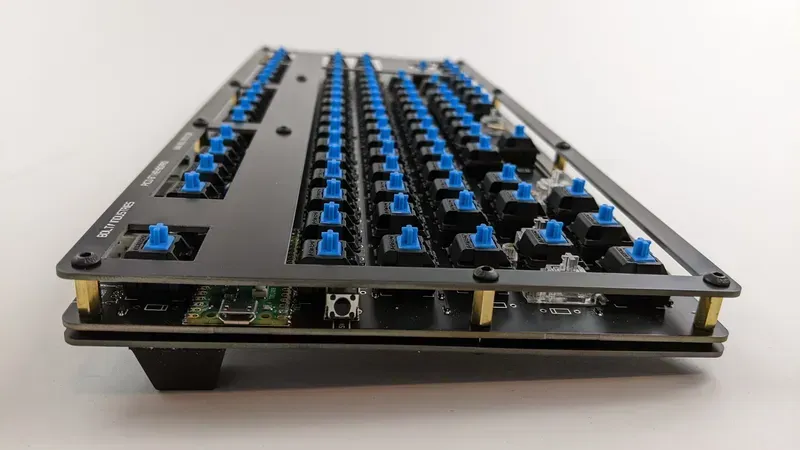
Shared Keyboard PCB Board
A shared keyboard solution, enabling seamless input across multiple devices, is a sophisticated system built upon a foundation of critical hardware and software components. At its heart lies a robust Printed Circuit Board (PCB) design, serving as the central nervous system that orchestrates the flow of information. Integrated chipsets, often microcontrollers or specialized communication processors, are crucial for managing device connections, handling input data, and implementing the specific protocols required for sharing. Understanding the interplay between these core elements is vital for developing reliable and efficient shared keyboard technology.
The Central Role of the PCB The PCB is the physical platform where all components reside and interact. For shared keyboard solutions, the PCB must be meticulously designed to manage complex signal routing, minimize latency, and ensure reliable power distribution across various components. High-quality PCB fabrication is essential for the long-term durability and performance of the shared keyboard.
Microcontroller/Processor This is the brain of the shared keyboard. It processes key presses, manages communication protocols (like Bluetooth, USB, or proprietary wireless), handles pairing with multiple devices, and potentially stores configuration settings. The choice of microcontroller significantly impacts the feature set and performance of the shared solution.
Wireless Communication Module For wireless shared keyboards, this module (e.g., Bluetooth, 2.4GHz RF) enables communication with connected devices. Its performance is critical for maintaining a stable and low-latency connection across different operating systems and hardware platforms.
Input Matrix and Key Switches This is the mechanism for detecting key presses. The input matrix is a grid of rows and columns on the PCB that allows the microcontroller to scan for activated key switches. The quality and type of key switches directly impact the typing experience.
Power Management Circuitry Essential for both wired and wireless solutions, this circuitry regulates power supply to all components, ensuring efficient energy usage and battery life (for wireless). Proper power management is key to reliable operation.
Firmware and Software Layer This software running on the microcontroller dictates how the hardware functions. It includes the key scanning logic, communication protocols, device switching mechanisms, and any additional features like macro programming or multimedia controls. The software is what truly defines the
Key Design Considerations for Shared Keyboard PCBs
PCB Signal Integrity Test
Designing the printed circuit board (PCB) for a shared keyboard solution demands meticulous attention to several critical factors to ensure seamless performance across multiple devices. Unlike standard single-device keyboards, shared keyboard PCBs must handle dynamic switching, diverse communication protocols, and potentially higher power demands. Key considerations revolve around maintaining signal integrity, optimizing power distribution and management, mitigating electromagnetic interference (EMI), and selecting components that guarantee reliability and responsiveness under varied operating conditions. Mastering these design principles is fundamental to developing a robust, lag-free, and interoperable shared keyboard experience.
Signal Integrity Ensuring clean and reliable data transmission is paramount. This involves careful trace routing to minimize impedance mismatches, signal reflections, and crosstalk, especially on high-speed data lines (like USB or Bluetooth LE). Proper termination techniques and ground plane design are crucial for maintaining signal fidelity and preventing data errors during switching or communication.
Power Management Shared keyboards often involve wireless connectivity and powering multiple control circuits or indicators. Efficient power distribution and management are vital to maximize battery life (for wireless models) and ensure stable voltage supply to all components. This includes selecting appropriate voltage regulators, implementing low-power modes, and optimizing current paths to minimize power loss and heat generation.
Electromagnetic Compatibility (EMC) With wireless communication and multiple digital circuits operating simultaneously, controlling electromagnetic interference is critical. PCB layout techniques such as proper shielding, filtering, and strategic component placement help minimize radiated and conducted emissions, ensuring the keyboard does not interfere with other devices and is resilient to external noise.
Component Selection & Reliability Choosing robust and appropriate components is non-negotiable. This includes selecting reliable switches with high cycle life, high-performance microcontrollers capable of handling complex switching logic and communication protocols, stable wireless transceivers, and durable connectors. Components must also tolerate the expected operating environment and usage patterns to ensure long-term product reliability.
Addressing these considerations early in the design phase, coupled with rigorous testing and validation, is essential for mitigating risks and ensuring the final shared keyboard PCB performs reliably and meets the demands of seamless multi-device interaction.
Zero One Solution Limited's Expertise in Rapid Prototyping for Shared Keyboards
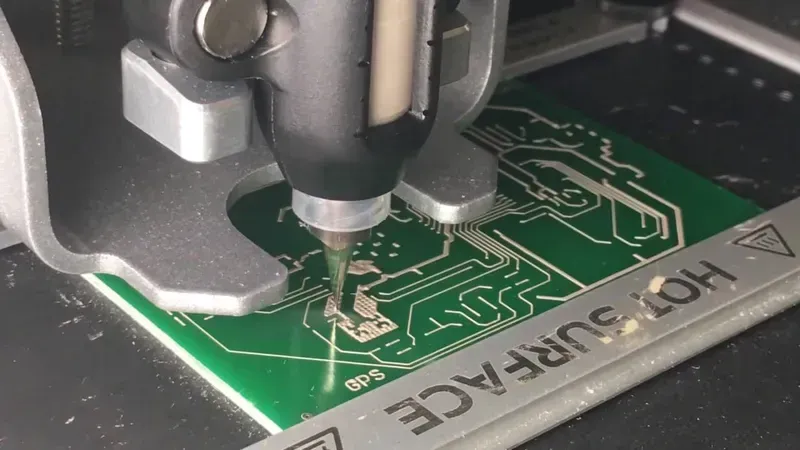
PCB Rapid Prototyping
In the fast-paced world of consumer electronics, the ability to rapidly iterate and validate hardware designs is paramount. For shared keyboard solutions, where seamless multi-device connectivity and user experience are critical, efficient prototyping is not just an advantage – it's a necessity. Zero One Solution Limited specializes in accelerating the R&D cycle for these complex devices, offering rapid prototyping services that transform initial concepts into functional prototypes with unprecedented speed and precision. Our expertise in handling intricate PCB layouts and integrating diverse components is tailored to the unique demands of shared keyboard technology, enabling developers to test, refine, and bring their innovative ideas to market faster.
Accelerated Design Validation Our rapid prototyping capabilities significantly reduce the time required to validate shared keyboard designs, allowing for quicker identification and resolution of potential issues related to connectivity, power consumption, and performance across multiple devices.
Cost-Effective Iteration By providing rapid prototype builds, we enable cost-effective design iterations. This allows for comprehensive testing of different hardware configurations and feature sets before committing to large-scale production, minimizing costly rework later in the development cycle.
Optimized Component Integration Prototyping with Zero One Solution Limited ensures seamless integration of critical components like Bluetooth chipsets, power management ICs, and input matrix controllers, which are essential for the reliable operation of shared keyboard solutions across various platforms.
Real-World Performance Testing Our rapid prototypes are production-representative, allowing for accurate real-world testing of performance metrics such as input latency, power efficiency, and wireless range under typical operating conditions, crucial for a superior user experience.
Leveraging our advanced manufacturing facilities and experienced engineering teams, we provide rapid turnaround times for PCB fabrication and assembly, specifically optimized for the intricacies of shared keyboard designs. This commitment to speed and quality in the prototyping phase is a cornerstone of our support for innovation in this rapidly evolving market segment.
From Design to Assembly: Our Comprehensive PCB Manufacturing Services
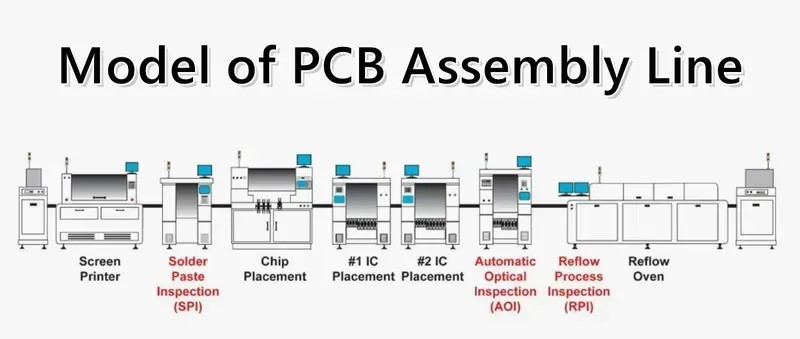
PCB Assembly Production Line
Bringing a shared keyboard solution to life requires a seamless transition from intricate design to robust physical product. Zero One Solution Limited offers a comprehensive suite of PCB manufacturing services, encompassing every critical stage from initial fabrication through to advanced assembly, ensuring your innovative shared keyboard designs are transformed into high-quality, reliable hardware.
Precision PCB Fabrication The foundation of any electronic device, especially complex ones like shared keyboards, is the bare PCB. Our fabrication process utilizes advanced manufacturing techniques and strict quality control to produce boards that precisely match your design specifications. This includes considerations for multi-layer boards, specific material requirements for durability and performance, and ensuring optimal trace routing for signal integrity.
Strategic Component Sourcing Component availability and quality are paramount in today's dynamic market. Leveraging our extensive global supply chain network, we efficiently source high-quality components, including specialized chipsets for connectivity and control, switches, and other critical parts required for shared keyboard functionality. Our expertise minimizes delays and ensures component authenticity and reliability.
Advanced PCB Assembly Techniques Assembly is where the design truly comes together. We employ state-of-the-art surface mount technology (SMT) and through-hole technology (THT) processes, along with rigorous inspection methods like Automated Optical Inspection (AOI) and X-ray inspection. This ensures precise component placement and soldering, crucial for the intricate circuitry of shared keyboards and guaranteeing the functional performance and longevity of the final product.
Rigorous Testing and Quality Assurance Quality is not an afterthought; it's integrated into every step. Following assembly, we conduct comprehensive functional testing tailored to your specific shared keyboard application. This includes testing connectivity, key functionality, power management, and any other critical performance parameters to ensure the final product meets the highest standards before delivery.
Advantages of Partnering with Zero One Solution Limited for Your Shared Keyboard Project
Choosing the right manufacturing partner is paramount to the success of any electronic product, and shared keyboard solutions are no exception. Zero One Solution Limited offers a distinct set of advantages that streamline the development and production process, ensuring high-quality, cost-effective, and efficient delivery of your shared keyboard project. Our expertise in rapid prototyping, coupled with a robust global supply chain and unwavering commitment to quality, positions us as an ideal collaborator for bringing your innovative shared keyboard concepts to market.
Strategic Global Supply Chain Network Leveraging our headquarters in Shenzhen and a branch office in Dubai, Zero One Solution Limited is strategically embedded within the heart of the global electronic manufacturing ecosystem. This provides unparalleled access to a vast network of component suppliers and manufacturing resources. This global reach translates into optimized sourcing, reduced lead times, and competitive pricing for all materials required for your shared keyboard PCBs, directly impacting the overall project cost and timeline.
Accelerated Rapid Prototyping Capabilities Our specialization in rapid-response R&D prototype manufacturing significantly shortens the development cycle for shared keyboard solutions. We empower clients to quickly iterate on designs, test functionalities, and validate concepts with functional prototypes. This agility is crucial for staying ahead in the fast-paced technology market and allows for faster refinement and optimization of the shared keyboard design.
Commitment to Quality and Reliability Quality is at the core of Zero One Solution Limited's operations. We adhere to stringent quality control processes throughout the entire PCB manufacturing and assembly process for shared keyboards. From initial design review and material selection to fabrication, assembly, and final testing, our commitment to quality ensures that the resulting PCBs are reliable, durable, and meet the highest industry standards, crucial for the consistent performance of a shared keyboard.
Efficiency in Production and Delivery Our streamlined processes and experienced team ensure efficient production and timely delivery of your shared keyboard PCBs. We understand the importance of meeting project deadlines and work diligently to optimize every stage of manufacturing and assembly. This operational efficiency minimizes delays and helps you bring your shared keyboard product to market faster.
Cost-Effectiveness Without Compromising Quality While maintaining a high standard of quality, Zero One Solution Limited is also committed to providing cost-effective solutions. Our optimized supply chain and efficient manufacturing processes allow us to offer competitive pricing for shared keyboard PCB production. We work with clients to find the most economical solutions without sacrificing the performance or reliability of the final product.
Comprehensive End-to-End Services We offer a comprehensive suite of services, covering everything from PCB design support and material sourcing to fabrication and advanced assembly techniques. This one-stop-shop approach simplifies the manufacturing process for shared keyboard projects, reducing the complexity of managing multiple vendors and ensuring seamless integration across all stages.
Case Studies: Successful Shared Keyboard Implementations Powered by Zero One Solution Limited
Shared Keyboard in Use
Zero One Solution Limited has been instrumental in bringing innovative shared keyboard solutions to market through our robust PCB design, manufacturing, and assembly expertise. Our rapid prototyping capabilities allow clients to quickly validate concepts, while our comprehensive production services ensure high-quality, reliable end products. These case studies exemplify how our tailored approach and technical proficiency translate into successful shared keyboard implementations.
Case Study 1: Multi-Device Office Keyboard A client approached us with a concept for a premium office keyboard capable of seamlessly switching between a desktop PC, a laptop, and a tablet. The core challenge was managing multiple Bluetooth connections and low-latency input across different operating systems. Zero One Solution Limited designed and manufactured a complex multi-layer PCB incorporating advanced Bluetooth modules and a dedicated microcontroller for efficient device switching. Our rapid prototyping allowed the client to test the switching mechanism and power management under real-world conditions, leading to a refined design. The final product, built using our high-precision SMT assembly, achieved exceptional performance and became a market leader in the multi-device peripheral space.
Case Study 2: Industrial Control Panel Shared Input An industrial automation company required a rugged shared keyboard solution for operating multiple pieces of machinery from a single console. Reliability and electromagnetic compatibility (EMC) were paramount in this noisy industrial environment. Our engineers designed a robust PCB with enhanced shielding and industrial-grade components. We implemented rigorous signal integrity testing during the prototyping phase to ensure error-free data transmission. Our manufacturing process utilized specialized conformal coating to protect the PCB from harsh environmental factors. This project highlights our ability to deliver highly reliable shared input solutions for demanding industrial applications.
Case Study 3: Smart Home Hub Integrated Keyboard A consumer electronics company sought to integrate a compact shared keyboard into their smart home hub, allowing users to control connected devices and input text across various platforms. The challenge involved miniaturization and low power consumption. Zero One Solution Limited developed a highly integrated PCB design, combining the keyboard matrix, wireless communication chipset (Wi-Fi and Bluetooth Low Energy), and power management circuitry onto a small form factor. Our rapid prototyping and assembly services enabled quick iteration and optimization of the design for both size and power efficiency. The resulting smart home hub with integrated shared keyboard provided a convenient and intuitive user interface, contributing to the product's success in the smart home market.
Future Trends in Shared Keyboard Technology and Our Role
The landscape of input devices is constantly evolving, driven by user demand for seamless interaction across multiple platforms. Shared keyboard solutions, already facilitating multi-device control, are poised for significant advancements. Key future trends include the integration of more sophisticated wireless protocols for enhanced reliability and lower latency, the incorporation of haptic feedback for a richer tactile experience, and the exploration of AI-driven capabilities to personalize input and predict user intent. These innovations will demand even more complex and miniaturized electronics, placing a premium on cutting-edge PCB design and manufacturing.
Advanced wireless protocols, such as the latest evolutions of Bluetooth LE and proprietary low-latency radio links, will be critical for ensuring instant, reliable switching and connectivity between devices. This requires careful consideration of antenna design, signal integrity, and power consumption on the PCB. Haptic feedback, moving beyond simple vibrations to nuanced tactile cues, necessitates the integration of precise motor drivers and control circuitry, adding layers of complexity to the board layout and power management. Furthermore, the potential for AI integration – for features like adaptive layouts based on context, predictive text input, or even rudimentary gesture recognition – will require powerful, yet efficient, embedded processors and associated memory, all integrated within the compact footprint of a keyboard.
Zero One Solution Limited is uniquely positioned to support these future trends. Our expertise in rapid prototyping is essential for quickly validating new designs incorporating complex wireless chipsets, haptic drivers, and AI-capable microcontrollers. We understand the intricate requirements of high-density interconnect (HDI) PCBs, crucial for fitting advanced components into slim keyboard profiles. Our comprehensive manufacturing and assembly services, including precise surface mount technology (SMT) and rigorous quality control, ensure that these cutting-edge designs are translated into reliable, high-performance products ready for the market. As shared keyboard technology advances, Zero One Solution Limited remains your agile and expert partner in bringing these innovative futures to reality through superior PCB solutions.
FAQs About Shared Keyboard Solutions and PCB Development
Navigating the complexities of shared keyboard solutions and their underlying PCB development can raise numerous questions. Here we address some of the most frequently asked questions, providing clarity on technical aspects, the development process, and how Zero One Solution Limited leverages its expertise to support your projects.
What are the primary challenges in designing a reliable PCB for shared keyboard solutions? Key challenges include ensuring robust wireless connectivity with minimal latency across multiple devices, effective power management for battery-operated keyboards, managing electromagnetic interference (EMI) in dense component layouts, and designing for signal integrity at higher data transfer rates. Careful component selection and layout are crucial to overcome these hurdles.
How does Zero One Solution Limited accelerate the development timeline for shared keyboard PCBs? Our rapid prototyping services are designed to compress the development cycle significantly. We utilize advanced manufacturing techniques and streamlined processes to quickly turn around functional prototypes, allowing for rapid testing and iteration. This agile approach helps identify and resolve potential issues early, saving valuable time.
What types of wireless technologies are commonly used in shared keyboard solutions, and which does Zero One Solution Limited support? Common technologies include Bluetooth Low Energy (BLE) for power efficiency and multi-device connectivity, and proprietary 2.4GHz protocols for lower latency in gaming or high-performance applications. Zero One Solution Limited has extensive experience in designing PCBs that support a wide range of wireless chipsets and protocols, tailored to the specific needs of your shared keyboard application.
How does PCB layout impact the performance and range of a shared keyboard's wireless connectivity? PCB layout is critical for wireless performance. Poor antenna placement, inadequate grounding, and signal interference from other components can significantly degrade range and reliability. Our engineers are experts in RF PCB design, ensuring optimal antenna matching, impedance control, and noise reduction to maximize wireless performance.
What quality control measures does Zero One Solution Limited implement during shared keyboard PCB manufacturing and assembly? Quality is paramount. We implement stringent quality control at every stage, from incoming material inspection and automated optical inspection (AOI) to in-circuit testing (ICT) and functional testing. Our processes adhere to industry standards, and our skilled technicians ensure precise component placement and soldering, guaranteeing the reliability of the final shared keyboard product.
The Shared Keyboard Solution represents a significant leap forward in peripheral design and functionality, offering unparalleled efficiency and versatility for a wide range of applications. By embracing advanced PCB technology, it transforms the way users interact with multiple devices, fostering seamless productivity and reducing clutter. Zero One Solution Limited, with our deep expertise in rapid prototyping, PCB design, and manufacturing, is your ideal partner in navigating this exciting landscape. We are committed to empowering your innovation, accelerating your product development cycles, and ensuring your shared keyboard solutions not only meet but exceed market demands. Ready to revolutionize your keyboard technology and elevate user experience? Contact Zero One Solution Limited today to discuss how our bespoke PCB solutions can bring your shared keyboard concept to life. Let's build the future of interconnected input devices, together.