In an era where efficiency and adaptability are paramount, the traditional restaurant model faces unprecedented challenges. From escalating rents to complex operational logistics, the landscape of the food service industry is constantly evolving. But what if there was a way to significantly reduce overhead, expand your culinary footprint, and foster a collaborative environment, all while maintaining high standards of quality? Welcome to the Shared Restaurant Solution—a groundbreaking approach that is reshaping how culinary businesses operate and thrive. This article will delve deep into the mechanics, benefits, and future of this innovative model, offering a comprehensive understanding for both aspiring restaurateurs and seasoned industry veterans.
Understanding the Shared Restaurant Solution Concept
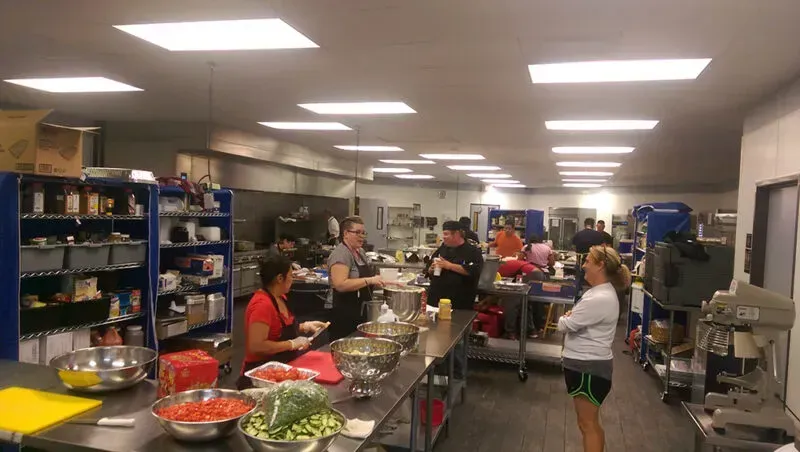
Shared Kitchen Space
A Shared Restaurant Solution, often referred to as a cloud kitchen, ghost kitchen, or commissary kitchen, represents a transformative model in the food service industry. At its core, it involves multiple food businesses operating out of a single, commercially licensed kitchen space. Unlike traditional brick-and-mortar restaurants that serve customers directly on-site, shared restaurant solutions primarily focus on food preparation for delivery, catering, or food truck operations. This model significantly reduces the substantial overhead costs associated with traditional restaurant ownership, making it an agile and economically attractive alternative for culinary entrepreneurs and established brands alike.
Distinct from the conventional model's singular focus on a physical dining space and integrated front-of-house operations, the shared solution decouples production from consumption. It emphasizes efficient back-of-house operations, leveraging shared resources to maximize productivity and minimize expenditure. This fundamental difference allows businesses to test new markets, scale operations rapidly, or launch new concepts with lower initial investment and ongoing operational costs.
Shared Kitchen Space The central element is a large, fully-equipped commercial kitchen facility designed to accommodate multiple independent food businesses simultaneously. This space is built to meet all necessary health and safety regulations.
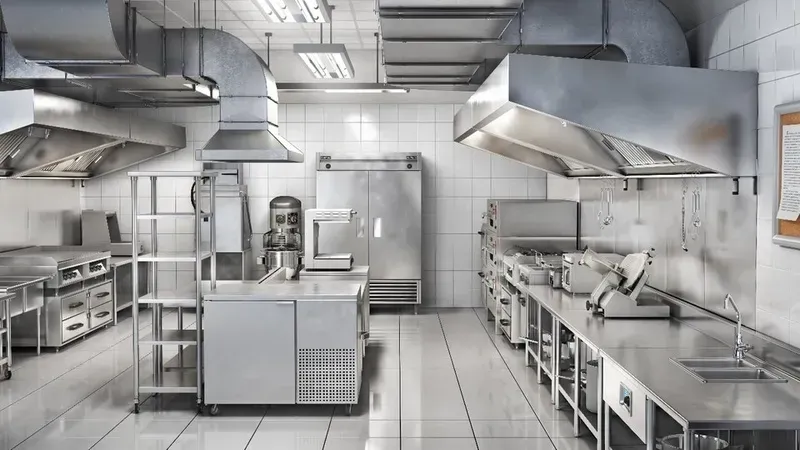
Common Equipment Access Businesses share access to essential, high-cost kitchen equipment such as ovens, fryers, stovetops, refrigeration units, and prep stations, eliminating the need for individual capital investment in these assets.
Administrative & Support Services Many shared kitchens offer centralized services like cleaning, maintenance, security, waste management, and sometimes even integrated technology solutions (POS, ordering platforms) and logistical support for delivery, further reducing the operational burden on individual tenants.
Flexible Lease Terms Typically, businesses lease kitchen space on flexible terms, often hourly, weekly, or monthly, rather than being tied to long-term commercial leases, offering greater adaptability.
Dedicated Preparation Areas While spaces and equipment are shared, each tenant usually has dedicated or scheduled access to specific prep areas or cooking lines to maintain operational flow and prevent cross-contamination.
The Economic Advantages of a Shared Restaurant Solution
At the core of the shared restaurant solution's appeal lies its compelling economic model, offering significant cost reductions compared to the traditional brick-and-mortar restaurant setup. By distributing fixed costs such as rent, utilities, and expensive kitchen equipment across multiple tenants, businesses can drastically lower their initial investment and ongoing operational expenses, making culinary entrepreneurship more accessible and sustainable. This shared infrastructure approach frees up capital that can be reinvested into product development, marketing, or scaling operations, providing a powerful financial advantage in a competitive market.
Reduced Overhead Costs Shared kitchens dramatically lower key overheads. Rent, which is often the largest expense for a traditional restaurant, is shared among multiple users, significantly reducing the burden on individual businesses. Similarly, utility costs for electricity, gas, and water are distributed.
Lower Equipment Investment Access to a fully equipped, professional-grade kitchen eliminates the need for massive upfront investment in expensive stoves, ovens, refrigerators, ventilation systems, and specialized culinary tools. Businesses pay for access, not ownership, making high-quality equipment available without prohibitive capital expenditure.
Flexible Lease Terms Shared kitchen spaces typically offer more flexible lease agreements than long-term retail leases. This flexibility allows businesses to scale up or down based on demand, test new concepts with lower risk, and adapt quickly to market changes without being tied to rigid, costly contracts.
Minimized Labor Costs While direct kitchen labor remains, shared models can sometimes offer shared administrative support or facility management, potentially reducing indirect labor costs associated with property maintenance and basic operations. The efficiency of the shared space can also optimize workflows, indirectly impacting labor requirements.
Predictable Expenses With shared services and included utilities in many agreements, businesses benefit from more predictable monthly expenses, simplifying budgeting and financial planning. This contrasts with the volatile costs often experienced in independently run facilities.
These economic efficiencies make the shared restaurant solution an exceptionally attractive pathway for culinary start-ups to launch and grow, as well as for established brands seeking cost-effective expansion or diversification without the significant capital outlay and operational complexity of opening new physical locations.
Operational Efficiency and Scalability
Commercial Kitchen Equipment
Shared Restaurant Solutions fundamentally transform the operational landscape for food businesses, offering significant enhancements in efficiency and unprecedented levels of scalability. By leveraging shared resources and infrastructure, businesses can optimize workflows, reduce idle time, and respond rapidly to market demands, all while minimizing capital expenditure and operational overhead compared to traditional brick-and-mortar setups. This inherent flexibility is key to accelerating growth and adapting to dynamic industry trends.
Streamlined Operations Shared kitchens provide ready-to-use, fully equipped spaces, eliminating the time and complexity of setting up a dedicated facility. Access to commercial-grade equipment, standardized layouts, and often, shared services like cleaning and maintenance, allows culinary teams to focus purely on food preparation and order fulfillment. This specialization and resource pooling significantly reduces operational friction.
Enhanced Efficiency Through Specialization Many shared kitchen facilities are designed with specific workflows in mind, optimizing layouts for high-volume production, delivery-only models, or specific cuisine types. This specialized environment, coupled with access to advanced technology platforms (discussed in a later section), ensures faster order processing, better inventory management, and more efficient use of labor.
Unparalleled Scalability Shared models offer unmatched scalability. Businesses can easily expand capacity by renting additional kitchen space or stations during peak times or for new ventures. Conversely, they can scale down just as easily, minimizing risk. This pay-as-you-go approach is ideal for testing new menu items, entering new geographic markets, or managing fluctuating demand without the long-term commitments and capital tied up in traditional real estate.
Accelerated Market Entry Launching a new restaurant concept traditionally takes months or years and requires substantial upfront investment. A shared kitchen allows businesses to go from concept to operational in a matter of weeks, dramatically shortening the time to market and enabling rapid iteration and adaptation based on real-world feedback.
The operational benefits of shared restaurant solutions translate directly into a more agile and resilient business model, capable of sustained growth and efficient resource utilization.
Diverse Applications: From Start-ups to Established Brands
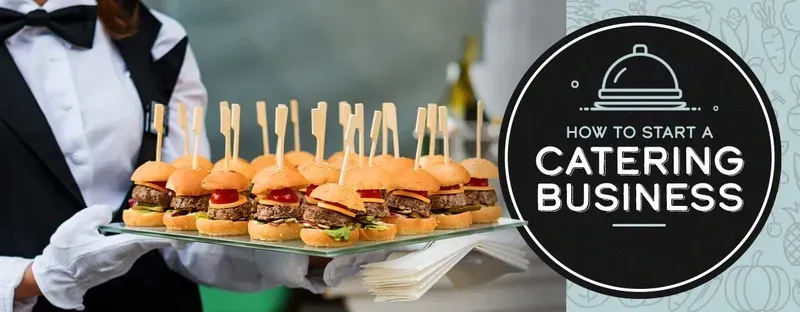
Catering Company Setup
The versatility of the Shared Restaurant Solution model is one of its most compelling attributes, making it an attractive option for a broad spectrum of culinary businesses. Far from being solely the domain of nascent food startups, shared kitchen spaces offer significant advantages to established brands, catering companies, food trucks, and even virtual or "ghost" kitchens. This adaptability allows businesses to leverage shared resources for various strategic goals, whether it's testing new markets, scaling operations without massive capital investment, or optimizing specific workflows like delivery-only services.
Food Truck Operators Shared kitchens provide essential infrastructure for food truck businesses, offering a compliant and convenient location for food preparation, storage, and commissary services. This eliminates the need for individual truck operators to invest in or lease separate commercial kitchen spaces.
Catering Companies Caterers often face fluctuating demands and require scalable production facilities. Shared kitchens offer access to a range of equipment and space on an as-needed basis, allowing catering businesses to efficiently handle events of varying sizes without the burden of maintaining a large, dedicated kitchen facility.
Ghost Kitchens / Virtual Restaurants The shared kitchen model is foundational to the operation of ghost kitchens, which focus solely on delivery and takeout. These businesses can minimize overhead by utilizing shared spaces optimized for high-volume production and delivery logistics, reaching customers through online platforms without a physical storefront.
Start-ups and Emerging Brands For new food businesses, shared kitchens significantly lower the barrier to entry. They provide access to professional-grade equipment and licensed facilities at a fraction of the cost of building or leasing a dedicated space, enabling entrepreneurs to test concepts, refine menus, and build a customer base with reduced financial risk.
Established Restaurants Even established brick-and-mortar restaurants can benefit from shared kitchens for various purposes, such as expanding into new delivery zones, setting up off-site production for catering or events, or testing new menu items without disrupting operations at their main location.
The flexibility embedded within the Shared Restaurant Solution model empowers a diverse range of culinary entrepreneurs and established players to innovate, adapt, and grow in an increasingly dynamic food service landscape. By providing access to shared resources and infrastructure, these solutions democratize access to commercial kitchen facilities and enable businesses to focus on their core competencies: creating and delivering delicious food.
Technology Integration in Shared Kitchens
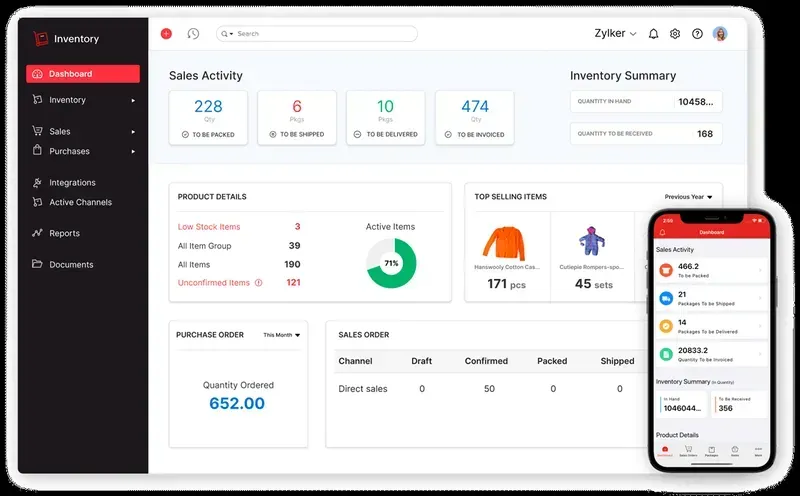
Inventory Management Software
In the dynamic environment of shared restaurant solutions, seamless operation and efficient connectivity hinge significantly on the integration of advanced technology. Far beyond basic digital tools, these kitchens leverage sophisticated platforms to manage everything from incoming orders and inventory to kitchen workflow and staff communication, creating a highly optimized and interconnected culinary ecosystem essential for rapid-response food preparation and delivery.
Effective technology integration ensures that the potential for operational efficiency and scalability offered by shared kitchen models is fully realized. It transforms potential points of friction, such as coordinating multiple brands in one space or managing diverse delivery channels, into streamlined processes. Key technological components include:
Integrated POS and Order Management Systems Consolidating orders from various online platforms (like DoorDash, Uber Eats, Grubhub) and in-house systems into a single interface reduces errors, simplifies order tracking, and provides a unified view of sales data across all brands operating within the shared space.
Kitchen Display Systems (KDS) Digital screens replace paper tickets, displaying incoming orders in real-time, managing workflow progression, and enabling efficient communication between kitchen staff. This improves speed, accuracy, and kitchen organization, especially crucial in a multi-brand environment.
Inventory Management Software Precise tracking of ingredients and supplies helps multiple users manage their distinct inventories within the shared facility. This technology minimizes waste, optimizes purchasing, and ensures each tenant has the necessary stock without interfering with others.
Scheduling and Communication Platforms Tools designed for shared spaces facilitate booking kitchen time, managing equipment access, and enabling clear communication channels between facility management and the various restaurant tenants, preventing conflicts and ensuring smooth operations.
Implementing a robust technology stack provides shared kitchen tenants with the digital infrastructure needed to compete effectively in the modern food service landscape. It not only enhances internal workflows but also improves the end-customer experience through faster order processing and reliable service, highlighting technology's crucial role in the success of the Shared Restaurant Solution.
Challenges and Considerations for Shared Restaurant Models
While offering numerous benefits, shared restaurant models also present unique challenges that require careful consideration to navigate successfully. These include managing scheduling conflicts, maintaining distinct brand identity within a communal environment, and ensuring stringent compliance with diverse health and safety regulations. Proactive planning and robust operational strategies are essential to mitigate these potential pitfalls and maximize the advantages of a shared kitchen space.
Navigating Scheduling Conflicts Shared kitchens operate on a schedule, and conflicting needs for specific equipment or prime time slots can arise. Effective communication among users, a transparent booking system, and potentially a dedicated kitchen manager are crucial for minimizing friction and ensuring equitable access.
Maintaining Brand Identity Operating within a shared space requires conscious effort to maintain a distinct brand identity. This involves consistent packaging, clear signage (where permissible), strong online presence, and potentially dedicated pick-up areas or branding within the shared facility that aligns with your specific business.
Ensuring Health and Safety Compliance Shared kitchens must adhere to rigorous health and safety standards. This requires meticulous cleaning protocols, proper food handling procedures, and clear understanding of local regulations. Facilities often provide baseline compliance, but individual businesses must implement their own specific practices and training to ensure adherence and prevent cross-contamination.
Equipment Sharing and Maintenance While cost-effective, shared equipment requires careful handling and reporting of issues. Establishing clear guidelines for equipment usage, cleaning, and a system for reporting maintenance needs is vital to ensure all users have access to functional tools and to prevent costly downtime.
Security and Inventory Management Storing inventory in a shared space necessitates robust security measures. Implementing clear labeling, using secure storage areas, and utilizing inventory management software can help prevent loss and ensure accurate tracking of goods in a communal setting.
Noise and Disturbance Management Multiple businesses operating simultaneously can create a noisy environment. Establishing shared etiquette, designated quiet zones for administrative tasks, and clear communication channels can help manage noise levels and minimize disturbances.
The Future Outlook for Shared Restaurant Solutions
The Shared Restaurant Solution is poised to significantly reshape the food service landscape, particularly in urban areas. Its inherent flexibility and cost-effectiveness make it an attractive model for navigating the evolving demands of consumers and the increasing pressures of high operational costs. Looking ahead, we can anticipate several key trends driving the continued expansion and innovation within this sector. This model is not just a passing trend; it represents a fundamental shift towards more agile and sustainable food business operations.
Increased Adoption by Diverse Businesses While initially popular with startups and delivery-only concepts, expect to see more established brands and even traditional restaurants leveraging shared kitchen spaces for specific purposes, such as catering, off-site production, or testing new markets without significant capital investment.
Technological Advancement and Integration The future will see deeper integration of technology within shared kitchens. This includes advanced automation in food preparation, sophisticated AI-driven inventory management, and seamless connectivity with a multitude of delivery platforms and customer relationship management systems. Data analytics will play a crucial role in optimizing operations and identifying consumer trends.
Focus on Sustainability and Efficiency Shared models inherently promote resource efficiency through shared equipment and reduced individual footprints. The future will likely see a greater emphasis on sustainable practices within these hubs, including waste reduction programs, energy-efficient equipment, and sourcing from local suppliers, contributing to more environmentally conscious food ecosystems.
Specialization and Niche Shared Kitchens As the market matures, expect to see the emergence of specialized shared kitchens catering to specific needs, such as gluten-free, vegan, or allergen-controlled environments. This allows businesses to access facilities tailored to their unique requirements, further optimizing their operations and reaching niche markets effectively.
Expansion into Suburban and Rural Areas While currently concentrated in dense urban environments, the economic benefits and operational efficiencies of shared kitchens are likely to drive their expansion into suburban and even rural areas. This will enable businesses to serve wider geographic areas and tap into new customer bases.
Regulatory Adaptation and Standardization As the Shared Restaurant Solution model grows, regulatory frameworks will adapt to better accommodate its unique operational structure. This will likely lead to clearer guidelines and standardized practices for health, safety, and zoning, providing greater clarity and reducing friction for businesses operating within these spaces.
The trajectory of the Shared Restaurant Solution points towards a future where food businesses are more adaptable, cost-efficient, and environmentally responsible. This model is not merely a logistical solution; it is a catalyst for innovation and a key component in building resilient and dynamic food service ecosystems capable of meeting the challenges of tomorrow's urban landscapes.
FAQs About Shared Restaurant Solutions
What are the typical costs associated with a shared restaurant solution? Costs typically include monthly membership fees, which vary based on access hours and facilities used, and potentially additional charges for equipment rental, cleaning services, and storage. These are often significantly lower than the overheads of traditional brick-and-mortar restaurants.
How does a shared kitchen ensure food safety and hygiene? Reputable shared kitchens adhere to stringent health and safety regulations. This includes regular inspections, mandatory food handler certifications for all users, strict cleaning protocols between shifts, and designated storage areas to prevent cross-contamination. Operators are responsible for maintaining their immediate workspace.
Can I customize my workspace within a shared restaurant facility? While the core infrastructure is shared, many shared kitchens offer options for some level of customization within your designated prep or cooking area, such as bringing specific small equipment or arranging your tools. Long-term users may have more flexibility depending on the facility's policies.
How is scheduling managed in a busy shared kitchen environment? Most shared kitchens utilize online booking systems to manage scheduling and ensure fair access to facilities. Users book time slots based on their needs, allowing for efficient use of the space and minimizing conflicts.
Is a shared restaurant solution suitable for all types of food businesses? Shared kitchens are highly versatile and suitable for a wide range of food businesses, including catering companies, food trucks, delivery-only concepts (ghost kitchens), bakers, meal prep services, and even established restaurants looking for off-site production or expansion.
What kind of support services can I expect from a shared kitchen provider? Many shared kitchen providers offer a range of support services beyond just space and equipment. This can include access to business resources, marketing assistance, connections to suppliers, waste management, and sometimes even collaborative opportunities with other kitchen members.
The Shared Restaurant Solution represents a pivotal shift in the food service industry, offering a pragmatic and profitable pathway for culinary entrepreneurs and established brands alike. By leveraging shared resources, optimizing operational costs, and fostering a spirit of collaboration, this model addresses many of the inherent challenges of traditional restaurant ownership. Zero One Solution Limited, with our deep expertise in enabling efficient and innovative business models, recognizes the immense potential of such solutions. We are committed to supporting the technological and logistical frameworks that power these dynamic culinary environments. Embrace the future of food service—explore how a Shared Restaurant Solution can elevate your culinary vision. Contact us today to learn more about our contributions to efficient and innovative business solutions.