Shared Self-Service Electric Game Machine Solution
2025.06.21
In an increasingly connected world, the entertainment industry is constantly seeking innovative ways to engage users. The concept of shared self-service electric game machines is revolutionizing casual entertainment, offering convenience and accessibility like never before. But what truly powers these sophisticated systems, ensuring seamless operation and an immersive user experience? This article delves into the core of the 'Shared Self-Service Electric Game Machine Solution,' exploring the critical role of advanced PCB design and embedded systems in bringing these futuristic entertainment hubs to life. As a veteran engineer at Zero One Solution Limited, I'll reveal how our rapid-response R&D and one-stop PCB services are instrumental in empowering this burgeoning market.
The Rise of Shared Self-Service Electric Game Machines
The shared self-service electric game machine market is experiencing a significant upswing, driven by the increasing demand for accessible and on-demand entertainment. This surge reflects a broader shift within the gaming industry towards self-service models, offering consumers convenient and readily available entertainment options without the need for traditional arcades or home consoles. This new trend is reshaping how people engage with gaming, emphasizing ease of access and immediate gratification.
Several factors contribute to this growth. Urbanization and increased population density in cities create a fertile ground for shared entertainment solutions. Busy lifestyles and a desire for quick, readily available leisure activities further fuel the demand. Moreover, advancements in technology, particularly in payment systems and remote management, have made self-service game machines more viable and user-friendly.
The integration of these machines in public spaces such as shopping malls, transportation hubs, and entertainment venues broadens their reach and appeal. This accessibility is a key differentiator, attracting a diverse audience ranging from casual gamers to more dedicated enthusiasts. Furthermore, the shared model reduces the financial barrier to entry, allowing users to enjoy a variety of games without the upfront cost of purchasing individual machines or games.
From a business perspective, shared self-service electric game machines offer operators a scalable and efficient revenue model. Remote management capabilities allow for streamlined operations, reducing the need for on-site personnel. Data analytics provide valuable insights into user preferences and game performance, enabling operators to optimize their offerings and maximize profitability. The rise of this market presents significant opportunities for innovation and expansion, attracting both established gaming companies and new entrants looking to capitalize on this growing trend.
Core Components: What Powers These Machines?
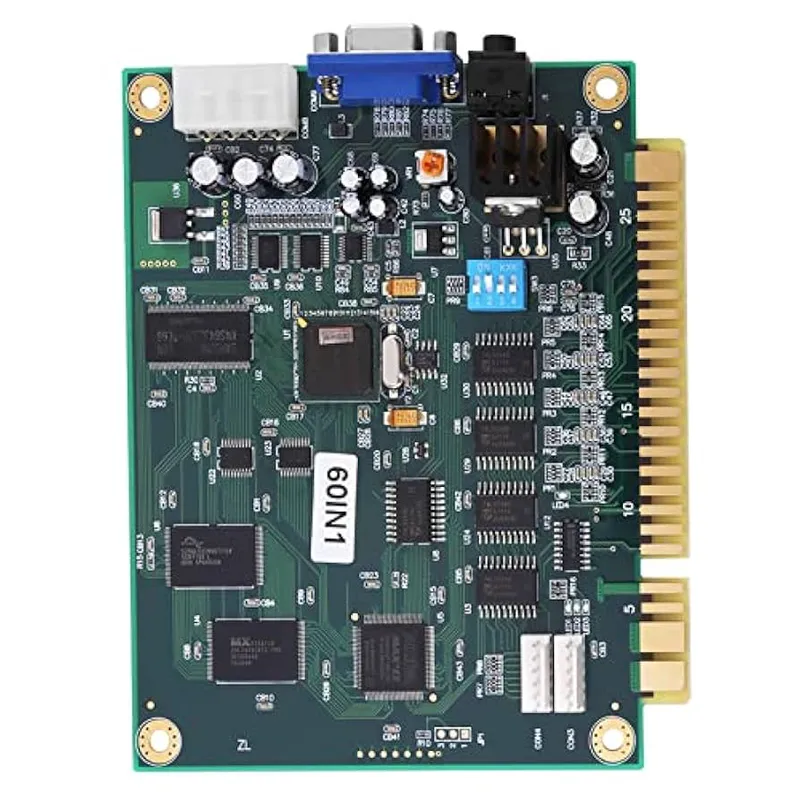
Game Machine Internal PCB Board
Shared self-service electric game machines are complex systems integrating diverse hardware and software components. At the heart of these machines lie Printed Circuit Boards (PCBs) and embedded systems, which dictate their functionality and reliability, ensuring seamless user interaction and robust performance.
Central Processing Unit (CPU) The CPU is the core of the system, responsible for executing the game logic, managing user interactions, and controlling peripheral devices. Its performance directly impacts the game's responsiveness and overall user experience.
Graphics Processing Unit (GPU) The GPU handles the rendering of game visuals, ensuring smooth and engaging graphics. A dedicated GPU is crucial for delivering high-quality gaming experiences, especially in visually demanding games.
Memory (RAM) Random Access Memory (RAM) provides temporary storage for data and instructions actively being used by the CPU and GPU. Sufficient RAM is essential for preventing performance bottlenecks and ensuring smooth multitasking.
Storage (SSD/HDD) Solid State Drives (SSDs) or Hard Disk Drives (HDDs) store the operating system, game files, and user data. SSDs offer faster loading times and improved responsiveness compared to HDDs.
Display The display presents the game visuals to the user. High-resolution displays with fast refresh rates enhance the gaming experience.
Touchscreen/Input Devices Touchscreens or traditional input devices (joysticks, buttons) allow users to interact with the game. Responsive and durable input devices are critical for a positive user experience.
Power Supply Unit (PSU) The PSU provides stable and reliable power to all components of the game machine. A high-quality PSU is essential for preventing system instability and component damage.
Connectivity Modules (Wi-Fi/4G) Connectivity modules enable the game machine to connect to the internet for online gaming, software updates, and remote management. Reliable connectivity is crucial for modern self-service game machines.
Audio System The audio system delivers sound effects and music, enhancing the immersive gaming experience. High-quality speakers and audio processing are essential for creating engaging audio.
Payment System Integration This includes card readers, NFC, or other payment technologies enabling users to pay for game time. Secure and reliable payment processing is vital for revenue generation.
Operating System The operating system (e.g., Linux, Android) manages the hardware and software resources of the game machine. A stable and secure operating system is essential for reliable operation.
Game Software The game software provides the actual game content and logic. Optimized and engaging game software is crucial for attracting and retaining users.
Key Features of a Robust Shared Self-Service Game Machine Solution
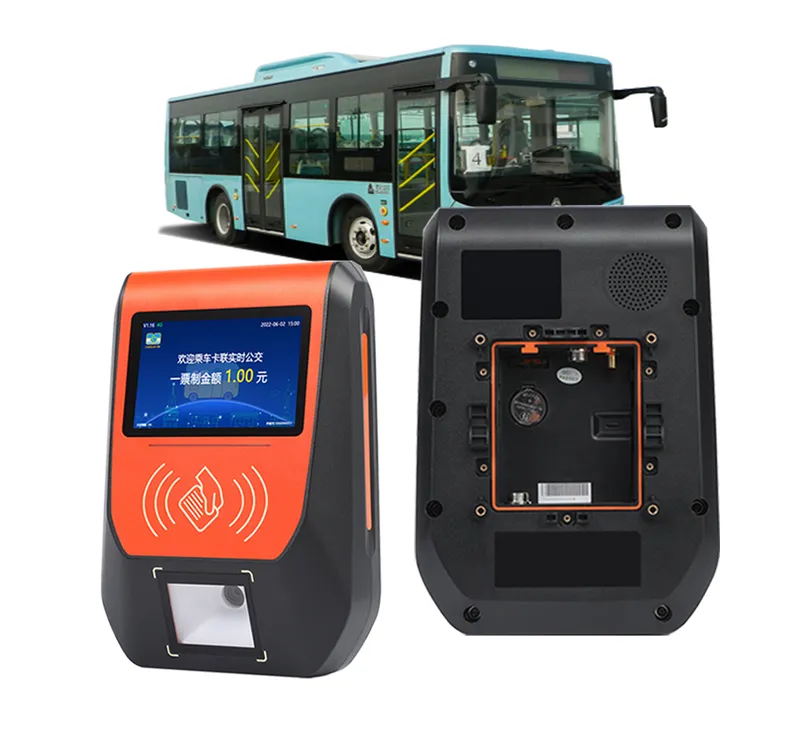
Shared Game Machine Payment Terminal
A robust shared self-service game machine solution hinges on several key features that ensure seamless operation, user satisfaction, and efficient management. These features encompass not only the hardware and software that power the games but also the systems that handle payments, connectivity, user interaction, and remote administration. Let's delve into the essential components that define a successful solution.
Secure Payment Integration Seamless and secure payment processing is crucial. This includes support for various payment methods such as credit/debit cards, mobile payments (e.g., Apple Pay, Google Pay), and potentially cryptocurrency. The system must comply with PCI DSS standards to protect sensitive financial data and prevent fraud.
Reliable Connectivity (Wi-Fi/4G) Stable and high-speed internet connectivity is essential for game downloads, updates, remote management, and data transmission. Options include Wi-Fi for locations with existing networks and 4G/5G cellular connectivity for standalone deployments. Redundant connectivity solutions can ensure uptime.
Intuitive User Interface (UI) Design The user interface should be easy to navigate and understand, even for first-time users. Clear instructions, attractive graphics, and responsive touch controls enhance the user experience. Multilingual support can broaden accessibility.
Remote Management Capabilities Remote management tools allow operators to monitor machine status, update software, troubleshoot issues, and track revenue from a central location. This reduces the need for on-site maintenance and improves operational efficiency. Features may include real-time alerts, diagnostic reports, and remote reboot functionality.
Content Management System (CMS) A flexible CMS allows operators to easily add, remove, and update game content. This ensures that the machine remains current and appealing to users. The CMS should support various game formats and offer tools for content scheduling and promotion.
Robust Security Protocols Security is paramount to protect against hacking, tampering, and unauthorized access. This includes encryption of sensitive data, secure boot processes, and regular security audits. Physical security measures, such as tamper-proof enclosures and surveillance cameras, can also deter theft and vandalism.
Data Analytics and Reporting Collecting and analyzing data on game usage, revenue, and user demographics provides valuable insights for optimizing content, pricing, and marketing strategies. Detailed reports can help operators identify popular games, peak usage times, and areas for improvement.
PCB Design and Manufacturing for Gaming Applications
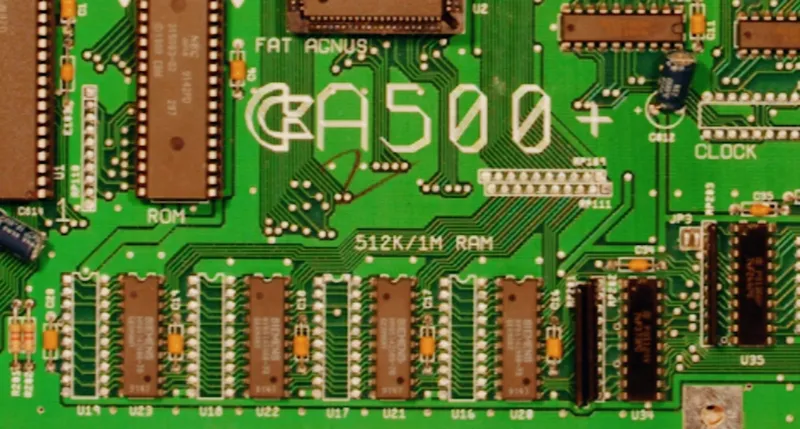
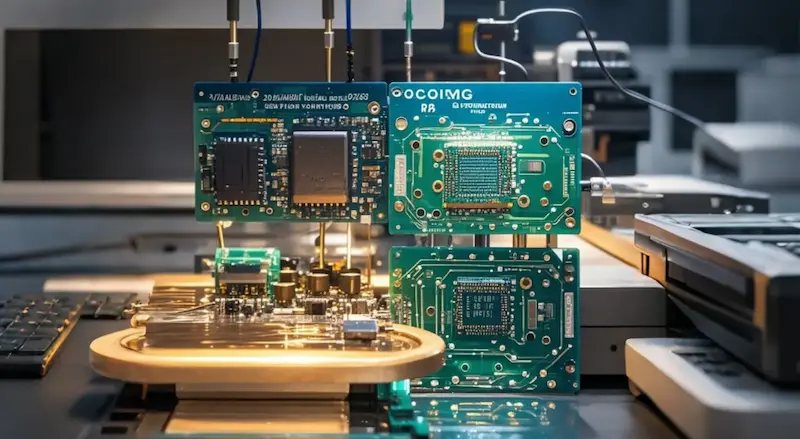
Gaming Machine PCB Design Prototype
In the gaming industry, Printed Circuit Boards (PCBs) are the backbone of shared self-service electric game machines, demanding specialized design and manufacturing considerations. These include ensuring durability to withstand continuous use, employing effective thermal management to handle heat generated by powerful components, maintaining signal integrity for optimal performance, and leveraging rapid prototyping to accelerate innovation. These requirements are not merely suggestions but critical factors that determine the success and longevity of gaming applications.
Below are key considerations for PCB design and manufacturing tailored to gaming applications:
Durability and Material Selection Gaming machines endure constant usage, necessitating PCBs built to last. Selecting robust materials such as FR-4 or high-performance alternatives is crucial. These materials offer superior mechanical strength and resistance to environmental stressors, ensuring prolonged operational life and reliability.
Thermal Management Strategies High-performance gaming hardware generates significant heat, which can degrade performance and reduce lifespan. Effective thermal management techniques, such as incorporating heat sinks, thermal vias, and metal core PCBs, are essential to dissipate heat efficiently and maintain stable operating temperatures.
Signal Integrity High-speed data transmission is vital for modern gaming applications. PCB design must prioritize signal integrity to minimize signal loss, noise, and interference. Techniques like controlled impedance, proper grounding, and strategic component placement ensure reliable data transfer and optimal performance.
Rapid Prototyping The gaming industry is characterized by rapid innovation cycles. Rapid prototyping services enable quick design iterations, testing, and validation. This approach accelerates product development, allowing manufacturers to stay ahead of the competition by swiftly incorporating new features and improvements.
Component Density and Miniaturization Modern gaming machines often require a high density of components in a compact space. Advanced PCB design techniques, such as multi-layer PCBs and surface mount technology (SMT), enable efficient component placement and miniaturization. This maximizes functionality without increasing the physical footprint.
Power Distribution Efficient power distribution is crucial for gaming machines, which often have diverse voltage and current requirements. PCB design should include robust power planes and careful routing to minimize voltage drops and ensure stable power delivery to all components. This enhances overall system reliability and performance.
Embedded Systems: The Brains Behind the Operation
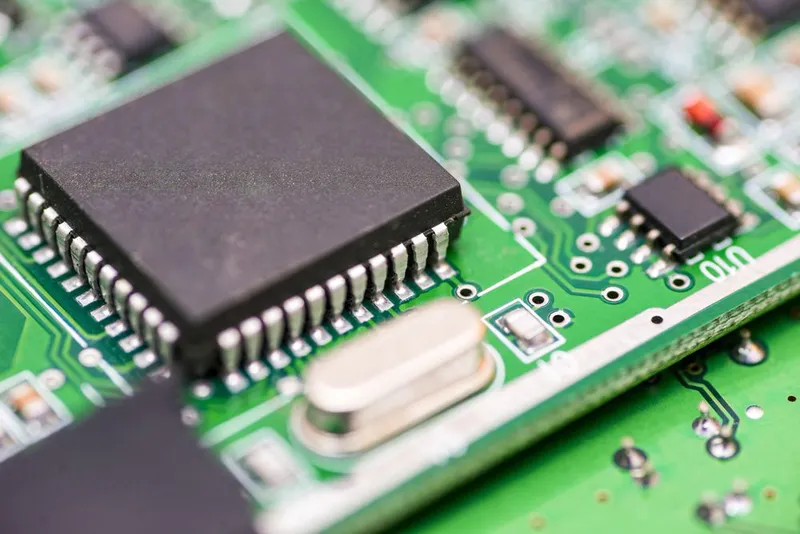
Embedded System Chip Close-Up
Embedded systems are the core intelligence driving shared self-service electric game machines, responsible for managing game logic, user interactions, security protocols, and data collection. These systems ensure a seamless, secure, and engaging self-service experience for users. They act as the central nervous system, coordinating all functions from payment processing to displaying game content.
What specific functions do embedded systems control in a shared self-service electric game machine? Embedded systems manage a wide array of functions, including but not limited to: game logic execution, user interface management (touchscreen input, display output), payment processing and validation, network connectivity (Wi-Fi, 4G) for remote management and updates, security protocols to prevent tampering and fraud, data collection for usage analysis and reporting, and motor control for electromechanical game components.
How do embedded systems ensure the security of shared game machines? Security is paramount. Embedded systems incorporate several layers of protection, such as secure boot processes to prevent unauthorized software from running, encryption of sensitive data (payment information, user credentials), authentication protocols to verify user identity, and tamper detection mechanisms to alert administrators of any physical intrusion attempts.
What type of hardware is typically used for embedded systems in gaming machines? Common hardware components include ARM-based microcontrollers or processors, which offer a balance of performance and power efficiency. These are often paired with memory modules (RAM, Flash), communication interfaces (Ethernet, USB, UART), and specialized peripherals for handling audio, video, and input/output operations. Real-time clocks (RTC) are also essential for accurate timekeeping.
How are software updates managed on embedded systems in shared game machines? Software updates are typically delivered over-the-air (OTA) via secure network connections. The embedded system verifies the authenticity and integrity of the update package before applying it. A robust update mechanism includes fallback options to prevent bricking the device in case of a failed update. Updates can include new game content, bug fixes, security patches, and performance improvements.
How does data collection work in these embedded systems, and what is it used for? Embedded systems collect data on game usage, user preferences, payment transactions, and system performance. This data is anonymized and aggregated before being transmitted to a central server. It's used for a variety of purposes, including analyzing game popularity, optimizing pricing strategies, identifying potential system issues, and personalizing the user experience.
What are the challenges in designing embedded systems for shared self-service game machines? Key challenges include ensuring reliability and robustness in high-traffic public environments, protecting against security threats and tampering, managing power consumption to minimize operating costs, and providing a seamless user experience. Additionally, developers must consider the cost of components and the complexity of integrating diverse hardware and software elements.
Can embedded systems be customized to support different types of games or features? Absolutely. Embedded systems are highly customizable through software programming. Developers can create custom game logic, user interfaces, payment integrations, and security protocols to meet the specific requirements of different game types or features. This flexibility allows for continuous innovation and adaptation to evolving market demands.
Zero One Solution Limited's Role in Empowering Innovation
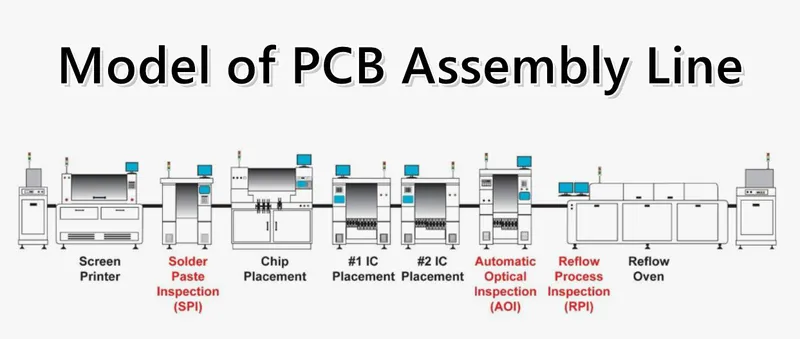
PCB Production Line
Zero One Solution Limited plays a pivotal role in empowering innovation in the shared self-service electric game machine sector. We provide comprehensive, one-stop PCB design, manufacturing, and assembly services that are crucial for the rapid development and deployment of these advanced gaming solutions. Our expertise accelerates the innovation cycle, enabling clients to bring cutting-edge gaming experiences to market faster and more efficiently.
Here's how Zero One Solution Limited contributes to the success of shared self-service electric game machine projects:
One-Stop PCB Solutions From initial design and prototyping to mass production and assembly, Zero One Solution Limited offers a complete suite of PCB services, streamlining the entire process for game machine developers. This integrated approach reduces lead times and ensures seamless compatibility between components.
Expert PCB Design Our experienced engineers specialize in designing PCBs tailored to the unique demands of gaming applications. We address critical factors such as signal integrity, thermal management, and durability to ensure optimal performance and reliability.
Rapid Prototyping We understand the importance of speed in the fast-paced gaming industry. Our rapid prototyping services allow developers to quickly iterate on their designs and test new concepts, accelerating the innovation cycle and reducing time to market.
Advanced Manufacturing Capabilities Zero One Solution Limited utilizes state-of-the-art manufacturing equipment and processes to produce high-quality PCBs that meet the stringent requirements of gaming machines. We support a wide range of materials, technologies, and complexities to accommodate diverse project needs.
Seamless Assembly Services Our comprehensive assembly services ensure that all components are expertly integrated onto the PCB, resulting in a fully functional and reliable game machine. We offer a range of assembly options, including surface mount technology (SMT) and through-hole technology (THT), to meet specific project requirements.
Global Supply Chain Network Headquartered in Shenzhen, China, and with a branch office in Dubai, Zero One Solution Limited operates within a global PCBA supply chain network. This strategic positioning enables us to provide clients with access to worldwide resources and support, ensuring seamless project execution from start to finish.
Advantages of Partnering with Zero One Solution for Your Gaming Project
Partnering with Zero One Solution for your shared self-service electric game machine project offers significant advantages, primarily stemming from our rapid-response R&D capabilities, robust global supply chain, and unwavering commitment to quality. These benefits translate to faster time-to-market, cost-effective solutions, and a competitive edge in the dynamic gaming industry.
Rapid-Response R&D Zero One Solution excels in rapid prototyping, enabling swift design iterations and faster validation of concepts. This agility is crucial in the fast-paced gaming sector where time-to-market is a key differentiator. Our quick turnaround times minimize development delays and accelerate your project timeline.
Global Supply Chain Network With headquarters in Shenzhen and a branch in Dubai, we operate within a strategic global PCBA supply chain network. This ensures seamless access to a wide range of components, technologies, and manufacturing resources worldwide, mitigating supply chain risks and optimizing costs.
One-Stop PCB Solution From initial PCB design to manufacturing and assembly, Zero One Solution provides a comprehensive suite of services. This integrated approach streamlines the entire process, reduces complexity, and ensures consistent quality across all stages of development. You benefit from a single point of contact and a cohesive team managing your project from start to finish.
Commitment to Quality Quality is at the heart of our operations. We adhere to stringent quality control measures and industry best practices to ensure the reliability and performance of your PCBs and assembled game machines. This commitment minimizes potential issues, reduces warranty costs, and enhances customer satisfaction.
Cost-Effective Solutions Our optimized processes, global sourcing capabilities, and efficient manufacturing techniques contribute to cost-effective solutions without compromising on quality. We work closely with you to identify cost-saving opportunities and deliver maximum value for your investment.
Expertise in Gaming Applications We possess in-depth knowledge and experience in designing and manufacturing PCBs for gaming applications. This expertise allows us to address the specific requirements of the industry, such as durability, thermal management, and signal integrity, ensuring optimal performance and longevity of your game machines.
FAQs about Shared Self-Service Electric Game Machine Solutions
Navigating the deployment and management of shared self-service electric game machine solutions involves several common questions. This section addresses frequently asked questions concerning their implementation, maintenance, security considerations, and scalability, providing clarity and guidance for potential adopters and operators.
How do I ensure the security of payment transactions on shared self-service game machines? Employ end-to-end encryption for all transaction data, adhere to PCI DSS compliance standards, implement secure APIs for payment processing, and regularly update security protocols to protect against emerging threats. Also, consider integrating fraud detection systems to monitor and prevent unauthorized transactions.
What are the key considerations for the maintenance and upkeep of these game machines? Schedule regular maintenance checks to inspect hardware components, clean the machine, and update software. Implement remote monitoring tools to detect and diagnose issues proactively. Keep spare parts readily available for quick repairs and establish a maintenance schedule based on usage patterns and environmental factors to minimize downtime.
How can I scale my network of shared game machines as demand grows? Design your system with scalability in mind from the outset. Utilize cloud-based management platforms for centralized control and monitoring. Choose hardware components that can handle increased usage and consider a modular design that allows you to easily add or upgrade machines without disrupting the entire network. Implement load balancing to distribute traffic efficiently across your network.
What type of internet connectivity is recommended for reliable operation? A stable and high-bandwidth internet connection is essential. Consider using a combination of wired (Ethernet) and wireless (4G/5G) connections for redundancy. Prioritize connections with guaranteed uptime and sufficient bandwidth to support real-time data transmission and remote management. Regularly monitor connection speed and stability to ensure optimal performance.
What are the power requirements and energy efficiency considerations for these machines? Evaluate the power consumption of all components and select energy-efficient hardware. Use power management features to reduce energy usage during idle periods. Ensure adequate power supply to meet peak demand, and consider incorporating surge protection to protect against power fluctuations. Implement energy monitoring systems to track usage and identify opportunities for optimization.
How do I handle software updates and game content management remotely? Implement a centralized content management system that allows you to deploy software updates and new game content remotely. Use secure and encrypted channels for transmitting data to prevent tampering. Schedule updates during off-peak hours to minimize disruption and ensure that updates are tested thoroughly before deployment. Provide rollback mechanisms in case of update failures.
What are the typical lifecycles and replacement strategies for the hardware components? Understand the typical lifecycles of key components such as displays, PCBs, and payment systems. Establish a replacement schedule based on manufacturer recommendations and usage data. Maintain a stock of critical spare parts to minimize downtime, and plan for technology obsolescence by selecting components that are easily upgradable or replaceable. Consider leasing options to mitigate the risks of hardware depreciation.
The Shared Self-Service Electric Game Machine Solution represents a significant leap forward in entertainment accessibility and business models. From robust PCB design to advanced embedded systems, every component plays a crucial role in delivering a reliable and engaging user experience. Zero One Solution Limited stands at the forefront of this innovation, providing the foundational PCB and assembly expertise that transforms these concepts into tangible, high-performing products. Our commitment to rapid prototyping and comprehensive one-stop services ensures that your vision for the next generation of shared gaming machines can be realized with unparalleled efficiency and quality. Partner with Zero One Solution to power your innovation and bring your shared self-service game machine concepts to market with confidence and speed.