In today's fast-paced world, convenience and smart solutions are paramount. From shared bicycles to shared power banks, the 'sharing economy' has transformed urban living. But what about maintaining a polished appearance on the go? Enter the Shared Shoe Polishing Machine Solution – a novel concept poised to revolutionize personal grooming in public and commercial spaces. As a veteran engineer from Zero One Solution Limited, a leader in rapid PCB prototyping and one-stop PCBA services, I'm thrilled to delve into how our advanced PCB solutions are the core technology empowering these intelligent, accessible shoe polishing systems. This article will explore the unique advantages and technological backbone of this innovative shared service.
The Evolution of Personal Care in Public Spaces
In today's fast-paced world, the demand for convenient personal care services in high-traffic public spaces is rapidly increasing. Individuals are constantly seeking ways to maintain their appearance and comfort while on the go, whether commuting, traveling, or shopping. This growing need has led to the emergence of shared amenities that offer on-the-spot solutions. The market need for shared shoe polishing machines in commercial and public environments, such as airports, train stations, shopping malls, hotels, and convention centers, exemplifies this trend. These machines provide a quick and efficient way for people to ensure their footwear is presentable, directly addressing a pain point for travelers and professionals alike.
Historically, personal grooming services in public spaces were limited or required significant time investment. Traditional shoe shining services, while still available in some locations, are not always accessible or convenient for busy individuals. The shift towards automated, self-service options reflects a broader societal trend towards on-demand services and efficiency. This evolution is driven by technological advancements and changing consumer expectations, creating a fertile ground for innovative shared service solutions like automated shoe polishing machines.
The market potential for shared shoe polishing machines is significant, driven by the high foot traffic in target locations and the recurring need for the service. Businesses benefit from an additional revenue stream and an enhanced customer experience, while users gain access to a readily available and time-saving service. This symbiotic relationship underscores the relevance and potential success of deploying such solutions in strategic public and commercial settings.
Understanding the Shared Shoe Polishing Machine Concept
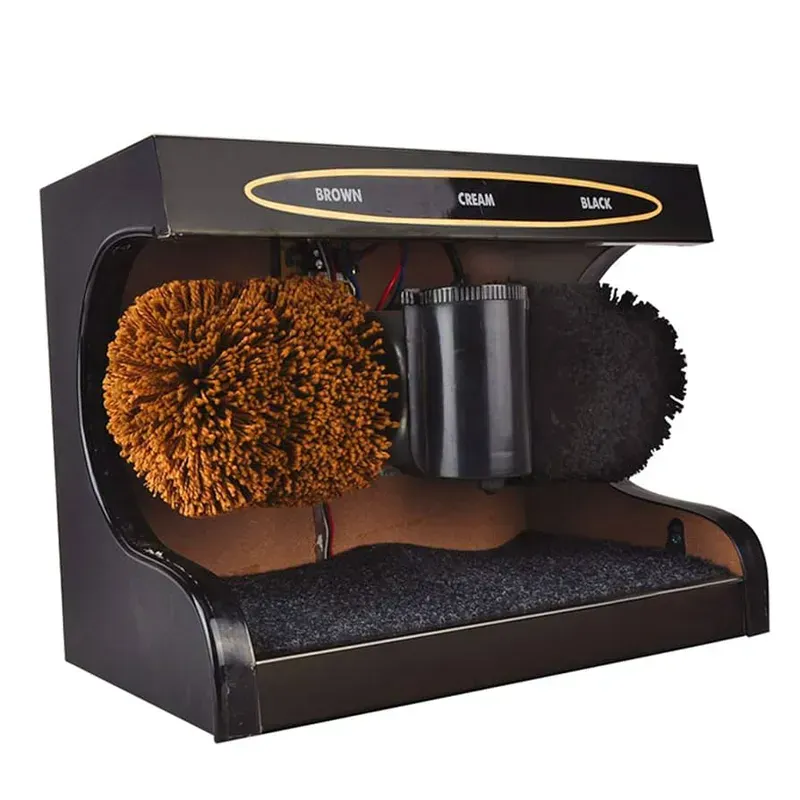
Shared Shoe Polishing Machine
At its core, a shared shoe polishing machine represents an innovative application of the sharing economy to personal care services. Unlike traditional shoe shining services that require manual labor and fixed locations, this concept leverages automated technology within a self-service model. These machines are strategically placed in high-traffic public and commercial areas, offering on-demand shoe polishing to individuals seeking a quick and convenient solution to maintain their footwear's appearance.
Operating within the sharing economy framework means these machines provide a service accessible to a broad user base without the need for individual ownership or maintenance. Users typically pay a small fee per use, making professional shoe care affordable and readily available. This model benefits both the service provider (operator) through recurring revenue and the user through convenience and cost-effectiveness. The success of this concept hinges on reliable technology, particularly the underlying electronic systems that manage operation, payment, and user interaction.
Core Functionality Automated shoe polishing is the primary function. Users place their shoes within the machine, and automated brushes and polishing mechanisms clean and buff the footwear. This process is designed to be efficient and deliver a professional-looking shine.
Self-Service Operation The machines are designed for user autonomy. Simple interfaces guide the user through the process, from initiating the service to making payment, requiring no external assistance.
Automated Polishing Utilizing a combination of brushes for cleaning and polishing, and often dispensing a small amount of polish, the machines provide a consistent and thorough finish. The automation ensures a uniform result regardless of the user.
Payment Mechanisms Modern shared shoe polishing machines integrate various payment methods to ensure accessibility and convenience. This can include traditional coin or bill acceptors, but increasingly features digital options like QR code scanning via mobile payment apps or contactless card readers.
The Role of Advanced PCB Solutions in Smart Machines
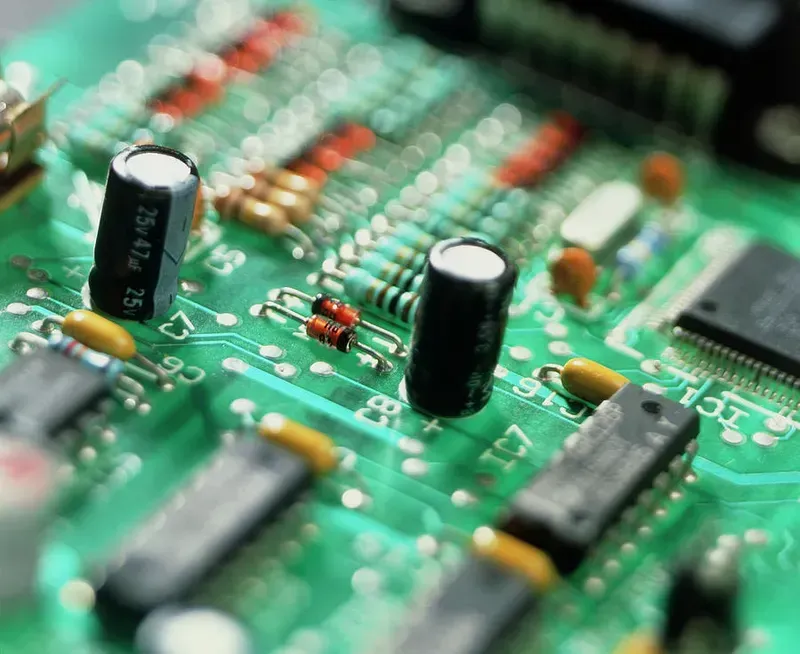
PCB Circuit Board
At the core of any smart machine, including the innovative shared shoe polishing unit, lies its intelligence – the Printed Circuit Board (PCB). Functioning as the 'brain', the PCB orchestrates all operations, processing data, controlling actuators, and managing interactions with the user and external systems. For a shared shoe polishing machine to deliver seamless, automated service, its underlying PCB solutions must be robust, highly integrated, and precisely engineered to handle complex tasks ranging from motor control to secure transactions and real-time monitoring. Zero One Solution Limited's expertise in advanced PCB design and rapid prototyping is indispensable in developing the sophisticated electronics required to power these next-generation smart devices, ensuring reliability and performance in high-usage public environments.
Automation Control PCBs integrate microcontrollers and driver circuits necessary to manage the intricate movements of polishing brushes, buffing pads, and dispensing mechanisms, ensuring precise application and consistent results with minimal human intervention.
Payment System Integration Secure and reliable transaction processing is paramount. Our PCBs are designed to interface seamlessly with various payment modules, including coin acceptors, card readers, and QR code scanners, handling authentication and data transfer efficiently and securely.
Sensor Data Processing PCBs incorporate circuitry to read data from sensors detecting shoe presence, positioning, and polishing progress. This enables the machine to adapt its operation based on real-time feedback, optimizing performance and safety.
Connectivity & Monitoring Advanced PCBs facilitate IoT capabilities, allowing shared shoe polishing machines to connect to networks for remote monitoring, diagnostics, software updates, and performance analytics, which is crucial for efficient fleet management and preventative maintenance.
Zero One Solution Limited specializes in designing and manufacturing the complex, multi-layer PCBs required for such integrated systems. Our rapid prototyping capability accelerates the R&D cycle, enabling quick iterations and optimization of the electronic core. This technical prowess ensures that smart machines like shared shoe polishers are not just functional, but also intelligent, reliable, and ready for commercial deployment.
Key Technologies Enabling the Shared Shoe Polishing Solution
QR Code Payment
The successful implementation of a shared shoe polishing machine solution hinges on the seamless integration of several key technologies, with the underlying Printed Circuit Board (PCB) serving as the central orchestrator. These interconnected systems work in concert to deliver a convenient, automated, and reliable service, meeting the demands of modern public spaces.
IoT Connectivity for Remote Management Enabling remote monitoring and management is paramount for operators. Integrated IoT modules, powered by precisely designed PCBs, allow real-time tracking of machine status, usage patterns, maintenance needs, and even inventory levels of polishing supplies. This connectivity facilitates proactive service, optimizes operational efficiency, and minimizes downtime, ensuring machines are always ready for use.
Robust Motor Control for Effective Polishing The core function of the machine relies on powerful and reliable motor control systems. The PCB plays a critical role in regulating motor speed, direction, and power delivery to ensure consistent and effective polishing for various shoe types. Advanced motor control algorithms, implemented via the PCB, provide smooth operation and prevent damage to footwear, contributing to user satisfaction.
Secure Payment System Integration A seamless and secure payment experience is crucial for a shared service model. PCBs are essential for integrating various payment mechanisms, including QR code scanners, coin validators, and card readers. The PCB handles transaction processing, communication with payment gateways, and ensures data security, providing a trustworthy and convenient payment process for users.
Intuitive User Interface Design The user interface (UI) is the primary point of interaction for customers. The PCB supports the display and input components, enabling a user-friendly experience. This includes managing touch screens or button interfaces, providing clear instructions, and potentially offering language options. A well-designed UI, facilitated by the underlying PCB technology, enhances accessibility and encourages repeat usage.
Zero One Solution Limited's expertise in custom PCB design and rapid prototyping is instrumental in optimizing the performance and integration of these technologies. We engineer PCBs that are not only robust and reliable but also tailored to the specific requirements of shared shoe polishing machines, ensuring maximum efficiency, security, and user satisfaction. Our ability to rapidly iterate on designs allows for quick adaptation to evolving technology and market demands.
Benefits for Operators and Users
The adoption of shared shoe polishing machines powered by advanced PCB solutions offers compelling advantages for both the operators deploying them and the end-users seeking a convenient service. These benefits extend beyond simple functionality, impacting operational efficiency, revenue potential, and customer satisfaction, all underpinned by reliable and intelligent technology.
Benefits for Operators Businesses and organizations deploying shared shoe polishing machines can realize significant benefits. These include a new revenue stream from usage fees, enhanced customer experience by offering a valuable and convenient amenity, and relatively low maintenance requirements compared to traditional service models. The automated nature reduces labor costs and operational overhead, while remote monitoring via IoT connectivity allows for efficient management and data collection on usage patterns.
Benefits for Users For the end-user, shared shoe polishing machines provide unparalleled convenience and speed. Located in high-traffic areas, they offer a quick, self-service option for maintaining footwear appearance without needing to carry personal polishing kits. The automated process ensures a consistent, professional shine, elevating personal presentation on the go. The user interface is designed for ease of use, making the service accessible to a broad audience.
Mutual Benefits The benefits are symbiotic. Operators gain a profitable and low-hassle amenity that attracts and retains customers, while users receive a convenient, fast, and effective service. This mutual advantage is directly facilitated by the reliable and intelligent design enabled by sophisticated PCB technology, ensuring the machine's performance and transaction integrity.
Zero One Solution Limited's Contribution to Innovation
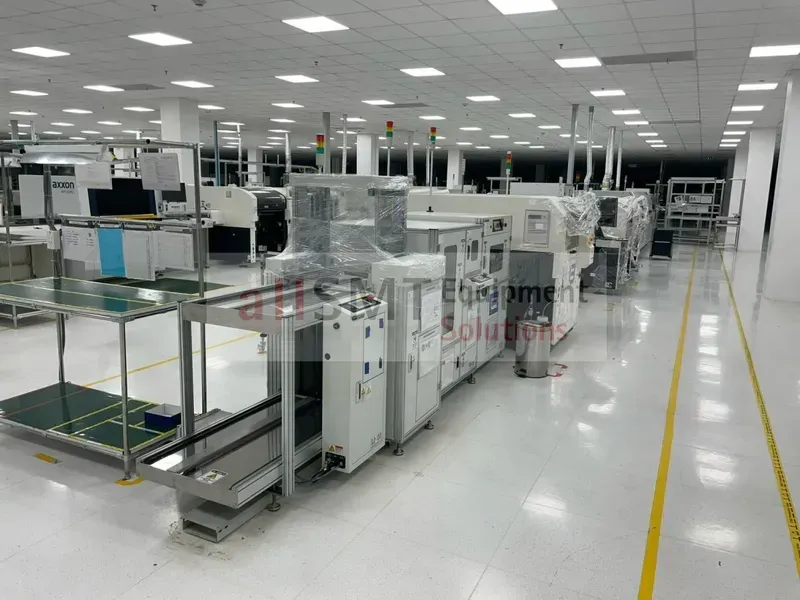
PCB Assembly Line
Bringing a novel concept like the shared shoe polishing machine from idea to reality requires not just a vision, but also the technical expertise to build a reliable and efficient device. Zero One Solution Limited is uniquely positioned to serve as a critical partner in this process, offering a comprehensive suite of services specifically tailored for the rapid development and deployment of smart machines.
Rapid-Response R&D Prototype Manufacturing In the fast-paced world of shared services, speed to market is paramount. Our core strength lies in rapid-response R&D prototype manufacturing. We understand that iteration and testing are crucial for perfecting a new device. Our streamlined processes and advanced capabilities allow us to quickly produce high-quality, functional prototypes, enabling our partners to validate designs, test features, and accelerate their development cycles significantly.
One-Stop PCB Assembly Services The complexity of smart machines necessitates sophisticated PCB solutions. Zero One Solution Limited provides end-to-end PCB assembly services, covering everything from initial design and component sourcing to manufacturing and rigorous testing. This integrated approach simplifies the supply chain for shared machine developers, ensuring consistency, quality control, and faster turnaround times compared to managing multiple vendors.
Global PCBA Supply Chain Network Our strategic locations in Shenzhen, China (the heart of global electronics manufacturing), and Dubai provide us with unparalleled access to a robust global PCBA supply chain network. This enables us to source high-quality components efficiently, manage production effectively, and navigate international logistics seamlessly. This global reach is essential for developers aiming to deploy shared shoe polishing machines across diverse markets, ensuring scalability and cost-effectiveness.
By leveraging our expertise in PCB design, rapid prototyping, and comprehensive assembly services, Zero One Solution Limited empowers innovators in the smart shared services sector to transform their concepts into commercially viable products. Our contribution is not just in manufacturing components, but in providing the foundational technology and logistical support needed to build reliable, intelligent, and scalable shared machine solutions.
Future Outlook: The Expanding Market for Smart Shared Services
The shared economy model, driven by technological advancements and changing consumer behaviors, is poised for significant expansion into diverse service sectors. Shared shoe polishing machines represent just one facet of this trend, offering a glimpse into a future where smart, accessible amenities become commonplace in public and commercial spaces. As urban populations grow and convenience becomes a premium, the demand for on-demand personal care and functional services will continue to rise. This presents a fertile ground for the proliferation of smart shared devices, moving beyond traditional vending or single-use models towards connected, efficient, and user-friendly solutions.
Growth Drivers for Smart Shared Services Several factors are fueling the growth of the smart shared services market. Increasing urbanization leads to higher foot traffic in public areas, creating a natural demand for convenient services. The widespread adoption of smartphones and digital payment methods simplifies user interaction and transaction processes. Furthermore, the evolving expectations of consumers for immediate and accessible services are pushing businesses and municipalities to implement innovative solutions. The success of early shared economy models like ride-sharing and co-working spaces has also normalized the concept of shared resources and services, paving the way for broader acceptance.
The Role of IoT and Connectivity The future expansion of smart shared services is inextricably linked to the continued evolution of IoT (Internet of Things) technology. For devices like shared shoe polishing machines, IoT enables crucial functionalities such as remote monitoring of machine status, usage patterns, and service needs. This connectivity allows operators to optimize maintenance schedules, manage inventory (like polish supplies), and analyze performance data to improve service delivery. Future iterations will likely leverage more advanced IoT capabilities, including predictive maintenance based on real-time sensor data and dynamic pricing models based on demand.
Innovation in PCB Technology as a Catalyst At the core of these increasingly sophisticated smart shared devices lies advanced PCB technology. As these machines become more feature-rich – incorporating advanced sensors, complex payment systems, enhanced user interfaces, and robust connectivity modules – the complexity and capabilities of their internal electronics must keep pace. Zero One Solution Limited's expertise in rapid-response R&D prototype manufacturing and complex PCB assembly is vital for developing the next generation of smart shared machines. Future innovations in PCB design will focus on miniaturization, increased processing power, enhanced power efficiency, and improved reliability to support more compact, powerful, and sustainable devices.
Expanding Applications Beyond Shoe Polishing The successful deployment of shared shoe polishing machines can serve as a blueprint for other smart shared services in public spaces. Potential applications are vast and include shared personal grooming stations, smart locker systems, automated parcel pick-up points, and even localized, on-demand charging stations for personal electronics. Each of these requires sophisticated electronic control and connectivity, highlighting the foundational role of advanced PCB solutions in enabling this future landscape of smart, accessible urban amenities.
Frequently Asked Questions (FAQs) About Shared Shoe Polishing Machines
How are shared shoe polishing machines typically maintained? Shared shoe polishing machines are designed for low maintenance. Routine tasks usually involve replenishing polishing supplies (creams or brushes) and periodic cleaning of the machine exterior and brush heads. Advanced models often feature remote monitoring via IoT connectivity, enabling operators to track supply levels, identify potential malfunctions, and schedule maintenance proactively, minimizing downtime and operational costs.
What is the profitability potential for operators of shared shoe polishing machines? The profitability of shared shoe polishing machines depends on factors like location (high-traffic areas like airports, malls, hotels), pricing strategy, and usage frequency. With minimal operational overhead (primarily electricity and consumables) and automated payment systems, operators can generate a consistent revenue stream. The initial investment in the machine and its underlying technology, particularly the custom PCB solutions that ensure reliability and functionality, are key considerations in calculating return on investment.
How user-friendly are shared shoe polishing machines for the average person? Modern shared shoe polishing machines are designed with intuitive user interfaces, often featuring simple step-by-step instructions displayed on a screen. Users typically insert their shoe, select a polishing type (if options are available), make a payment, and the automated process begins. The goal is to make the service quick, convenient, and accessible for individuals of all technical proficiencies, requiring no prior experience with shoe polishing.
What safety features are integrated into shared shoe polishing machines? Safety is paramount in public-use machines. Shared shoe polishing machines incorporate various safety features, often managed by the central PCB. These include automatic shut-off mechanisms if the machine is misused or detects an obstruction, protective guards around moving parts (brushes), and electrical safety certifications to prevent hazards. The robust design and engineering, particularly in the electronic components supplied by experts like Zero One Solution Limited, ensure reliable and safe operation.
What types of shoes can be polished by these machines? Shared shoe polishing machines are generally designed for polishing leather shoes and boots. They typically use rotating brushes and sometimes apply liquid or cream polishes. It's important for users to be aware that these machines are not suitable for suede, nubuck, or other delicate materials, as they can damage the finish. Clear instructions on suitable shoe types are usually provided on the machine.
How does the payment system work in shared shoe polishing machines? Shared shoe polishing machines utilize a variety of secure payment systems integrated into the machine's core electronics. Common methods include coin acceptors, bill validators, card readers (credit/debit), and increasingly, mobile payment options via QR codes or NFC technology. These systems are designed for ease of use and reliable transaction processing, often reporting transaction data back to the operator via the IoT connectivity enabled by the sophisticated PCB.
The Shared Shoe Polishing Machine Solution, powered by robust and innovative PCB assemblies from Zero One Solution Limited, represents a significant leap forward in smart public amenities. By offering convenience, efficiency, and a touch of elegance in everyday life, these machines are more than just a service; they are a testament to the power of well-engineered electronic solutions. Our deep expertise in PCB design, manufacturing, and assembly ensures that every shared shoe polishing machine operates flawlessly, providing a reliable and profitable venture for operators. If you're looking to develop or enhance your smart device solutions, contact Zero One Solution Limited today. Let's collaborate to bring your next big idea to life with unparalleled precision and speed.