The rapid evolution of virtual reality (VR) and 3D display technologies is transforming how we interact with digital content, from entertainment to professional applications. Yet, the challenge of providing high-quality, accessible, and scalable immersive experiences remains. At Zero One Solution Limited, a leader in rapid-response PCB assembly solutions, we recognize this need and are at the forefront of developing advanced hardware foundations for the next generation of shared VR and 3D glasses. This article delves into our comprehensive Shared VR/3D Glasses Solution, highlighting how our expertise in PCB design, manufacturing, and assembly empowers groundbreaking innovations in this dynamic field.
The Evolution of Immersive Technologies: Why Shared VR/3D Matters
The landscape of virtual and 3D experiences has dramatically shifted from isolated, individual encounters to dynamic, collaborative environments. This evolution underscores the burgeoning significance of shared VR/3D glasses. The demand for these shared experiences is fueled by applications spanning education, training, entertainment, and industrial design, marking a pivotal move towards immersive technologies that foster interaction and teamwork.
From rudimentary stereoscopic viewers to sophisticated head-mounted displays, VR and 3D technologies have undergone significant transformations. Early VR/3D was largely confined to individual use, offering solitary experiences. However, the modern trend emphasizes shared environments, enabling multiple users to interact within the same virtual space. This transition is driven by advancements in processing power, display technology, and networking capabilities, making shared VR/3D experiences more seamless and accessible.
The rise of shared VR/3D glasses is propelled by several key factors:
Enhanced Collaboration Shared VR/3D environments enable real-time collaboration among users, regardless of their physical location. This is invaluable for remote teams working on complex projects, allowing for simultaneous interaction with virtual prototypes or simulations.
Immersive Learning In education and training, shared VR/3D provides engaging, hands-on learning experiences. Students can explore historical sites together, dissect virtual organisms, or practice complex procedures in a safe, controlled environment.
Interactive Entertainment The entertainment industry is leveraging shared VR/3D to create multiplayer games, virtual concerts, and immersive theme park rides. These experiences offer a new level of social interaction and engagement, blurring the lines between the physical and digital worlds.
Industrial Design and Visualization Architects, engineers, and designers use shared VR/3D to visualize and iterate on their creations in real-time. Clients can walk through virtual buildings, inspect product prototypes, and provide feedback before any physical construction begins, saving time and resources.
The market demand for shared VR/3D glasses is substantial and growing. Industries are recognizing the value of collaborative virtual experiences, leading to increased investment in hardware, software, and content creation. As the technology matures and becomes more affordable, shared VR/3D is poised to become a mainstream tool for communication, learning, and entertainment.
Understanding the Core Components of Shared VR/3D Glasses
VR Glasses PCB Board
Shared VR/3D glasses represent a sophisticated integration of various hardware components, each playing a crucial role in delivering a seamless and immersive experience. At the heart of their functionality lies the Printed Circuit Board (PCB), which serves as the central nervous system, connecting and coordinating all other components. Zero One Solution Limited specializes in optimizing these complex systems onto compact, efficient PCBs, ensuring peak performance and user comfort in shared VR environments.
Display Drivers Display drivers are essential for controlling the visual output of the VR/3D glasses. They manage the signals sent to the displays, ensuring accurate color reproduction, brightness, and refresh rates. High-quality display drivers minimize latency and distortion, contributing to a more immersive and comfortable viewing experience. Zero One Solution Limited integrates advanced display driver technology onto PCBs to ensure optimal visual performance.
Motion Sensors Motion sensors, such as accelerometers, gyroscopes, and magnetometers, track the user's head movements and orientation in real-time. This data is crucial for adjusting the displayed images to match the user's perspective, creating a realistic sense of presence in the virtual environment. The accuracy and responsiveness of these sensors directly impact the quality of the VR experience. Zero One Solution Limited utilizes cutting-edge motion sensing technology on its PCBs to deliver precise and low-latency tracking.
Processing Units Processing units are the brains of the VR/3D glasses, responsible for processing data from the motion sensors, rendering 3D graphics, and managing communication with external devices. These units require significant processing power to deliver smooth and responsive performance. Zero One Solution Limited designs PCBs that optimize the performance of processing units, ensuring efficient heat dissipation and power management for sustained use.
Communication Modules Communication modules enable the VR/3D glasses to connect to external devices, such as computers, smartphones, or gaming consoles. These modules support various wireless communication protocols, including Bluetooth and Wi-Fi, allowing for seamless data transfer and interaction. Reliable communication is essential for multiplayer experiences and accessing online content. Zero One Solution Limited integrates robust communication modules onto PCBs to ensure stable and low-latency connectivity.
PCBs (Printed Circuit Boards) PCBs serve as the foundation for all the electronic components in shared VR/3D glasses. They provide the necessary electrical connections and physical support for the display drivers, motion sensors, processing units, and communication modules. The design and layout of the PCB directly impact the performance, size, and reliability of the VR/3D glasses. Zero One Solution Limited specializes in designing high-density, multi-layer PCBs that optimize signal integrity, minimize interference, and ensure efficient heat dissipation for VR/3D applications.
Zero One Solution Limited's Expertise in PCB Solutions for VR/3D
PCB Rapid Prototyping
At Zero One Solution Limited, we stand at the forefront of PCB solutions, particularly tailored for the demanding world of VR/3D technologies. Our expertise lies in providing a comprehensive suite of services, from rapid prototyping to high-precision manufacturing and assembly, all optimized for complex VR/3D applications. We deliver a one-stop service that streamlines the entire process from initial PCB design to final product assembly, ensuring seamless project execution for shared VR/3D glasses and a wide array of other virtual reality solutions.
Here’s a closer look at what Zero One Solution Limited brings to the table:
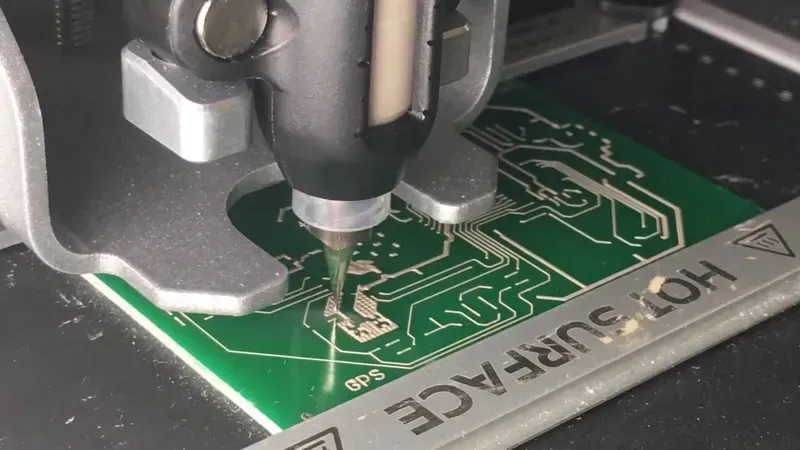
Rapid Prototyping We accelerate your product development cycle with our rapid prototyping services. This allows for quick iterations and testing, ensuring your VR/3D designs are optimized for performance and manufacturability.
High-Precision Manufacturing Our state-of-the-art manufacturing facilities ensure that every PCB meets the stringent requirements of VR/3D applications. We guarantee precision and reliability in every board we produce.
Comprehensive Assembly We offer complete PCB assembly services, integrating all components onto the board with meticulous care. This ensures optimal functionality and longevity of your VR/3D hardware.
One-Stop Service From initial design to final assembly, we manage every step of the PCB production process. This integrated approach simplifies project management and reduces time-to-market.
Global Supply Chain Network Headquartered in Shenzhen and with a branch in Dubai, we leverage a global supply chain to provide access to worldwide resources and support, ensuring efficient and cost-effective solutions.
Challenges in Designing PCBs for Shared Immersive Experiences
VR Glasses PCB Heat Dissipation
Designing PCBs for shared VR/3D glasses presents unique challenges, primarily centered around optimizing the immersive experience while maintaining practicality and reliability. Key issues include minimizing latency to prevent motion sickness, optimizing power consumption for extended use without overheating, ensuring signal integrity for crisp visuals and accurate tracking, and managing heat dissipation within a compact form factor. Zero One Solution Limited leverages its extensive engineering expertise to navigate these challenges through advanced design techniques and careful material selection, ensuring robust and reliable shared VR/3D glasses solutions.
Minimizing Latency in Shared VR/3D Glasses PCBs Latency is a critical factor in VR/3D experiences; high latency leads to motion sickness and a degraded user experience. Zero One Solution Limited addresses this by employing high-speed PCB materials and optimized signal routing techniques to reduce signal propagation delays. Advanced simulation tools are used to identify and mitigate potential bottlenecks, ensuring real-time responsiveness.
Optimizing Power Consumption for Extended VR/3D Use Shared VR/3D glasses need to operate for extended periods without overheating or draining the power source quickly. We tackle this by using energy-efficient components and implementing intelligent power management schemes on the PCB. This includes dynamic voltage and frequency scaling, which adjusts power consumption based on the current workload, prolonging battery life and preventing thermal issues.
Ensuring Signal Integrity in High-Resolution VR Displays Maintaining signal integrity is crucial for delivering crisp, clear visuals in VR/3D headsets. Zero One Solution Limited utilizes impedance control, proper grounding techniques, and electromagnetic interference (EMI) shielding on the PCB to minimize signal degradation. This ensures that the high-resolution displays receive clean, stable signals, resulting in a superior visual experience.
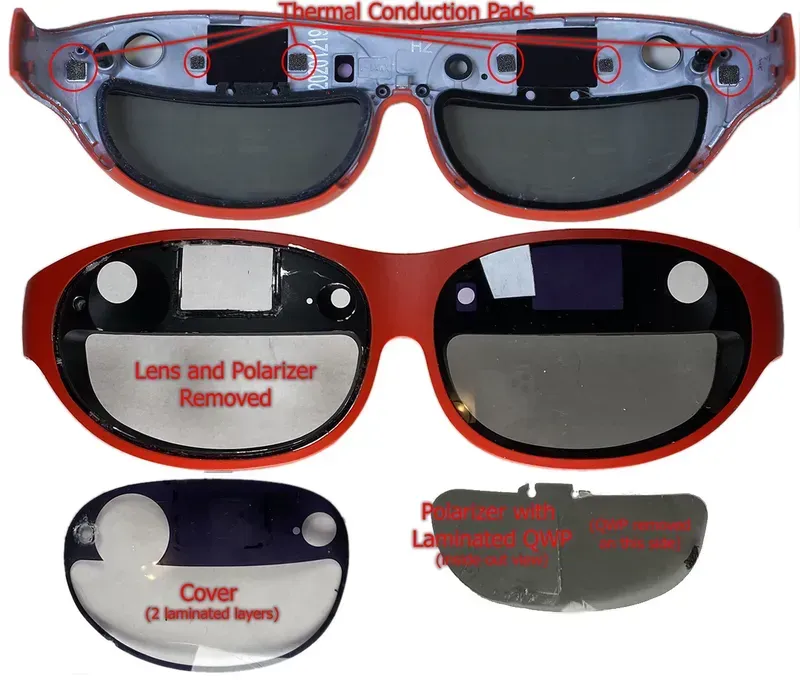
Managing Heat Dissipation in Compact VR/3D Designs The compact nature of VR/3D glasses means that heat dissipation is a significant concern. Our solutions include incorporating thermal vias, heat spreaders, and strategic component placement to efficiently dissipate heat away from critical components. We also conduct thermal simulations to optimize the cooling layout and prevent hotspots that could affect performance or user comfort.
Material Selection for Durability and Performance The choice of PCB materials significantly impacts the durability, thermal properties, and signal performance of VR/3D glasses. Zero One Solution Limited carefully selects materials with high thermal conductivity, low dielectric loss, and excellent mechanical strength. This ensures that the PCBs can withstand the rigors of daily use while maintaining optimal electrical performance.
Key Benefits of Partnering with Zero One Solution Limited for Your VR/3D Projects
Choosing the right partner is crucial for the success of your VR/3D projects, especially when dealing with the complexities of PCB design and manufacturing. Zero One Solution Limited offers distinct advantages that can significantly enhance your project outcomes. Our focus on rapid prototyping, cost-effective solutions, a robust global supply chain, and unwavering commitment to quality makes us an ideal partner for developing shared VR/3D glasses solutions.
Accelerated Time-to-Market Through Rapid Prototyping In the fast-paced VR/3D industry, time is of the essence. Zero One Solution Limited excels in rapid prototyping, enabling you to quickly test and refine your designs. Our efficient processes minimize delays, allowing you to bring your innovative shared VR/3D glasses to market faster than your competitors. This speed is achieved without compromising quality, ensuring your product launches with a competitive edge.
Cost-Effectiveness Through Optimized Manufacturing Processes We understand the importance of budget management in product development. Our optimized manufacturing processes are designed to reduce costs without sacrificing the performance or reliability of your VR/3D glasses. By leveraging efficient production techniques and strategic sourcing, Zero One Solution Limited provides cost-effective PCB solutions that maximize your return on investment.
Access to a Global Supply Chain Network Zero One Solution Limited operates within a global PCBA supply chain network, providing seamless access to worldwide resources and support. This extensive network ensures that you have access to the best components and materials for your VR/3D projects, regardless of location. Our strategic positioning allows us to navigate supply chain challenges efficiently, minimizing disruptions and ensuring timely delivery.
Assurance of High-Quality, Reliable PCB Solutions Quality and reliability are at the core of our PCB solutions. Zero One Solution Limited adheres to stringent quality control standards, ensuring that every PCB we produce meets or exceeds industry requirements. Our commitment to excellence guarantees that your shared VR/3D glasses will perform flawlessly, providing users with an immersive and dependable experience. We stand behind our products, offering you peace of mind and long-term reliability.
Case Studies: Real-World Applications of Our Shared VR/3D Glasses Solution
VR Architectural Visualization
Zero One Solution Limited's PCB solutions are at the heart of numerous successful shared VR/3D projects across diverse sectors. These case studies demonstrate the tangible impact and improvements achieved through our contributions to virtual reality solutions, enabling immersive experiences and collaborative environments.
Below are a few examples of successful applications:
Educational Platforms: Revolutionizing Learning with Immersive VR Zero One Solution Limited has partnered with educational institutions to develop VR learning platforms. Our PCB solutions power shared VR glasses used in virtual field trips, interactive science simulations, and collaborative history lessons. By enabling multiple students to simultaneously explore and interact within a virtual environment, we enhance engagement, knowledge retention, and collaborative learning outcomes. The robust and reliable PCB design ensures that the VR experience remains seamless and immersive, minimizing distractions and maximizing educational impact. This has led to improved test scores and increased student participation in pilot programs.
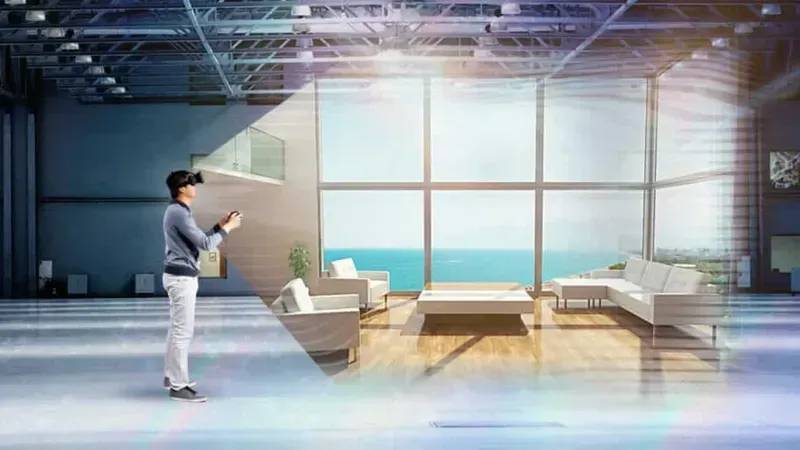
Architectural Visualization: Transforming Design and Client Engagement Architectural firms leverage our PCB expertise to create immersive VR walkthroughs of unbuilt structures. Clients can experience designs in a shared VR environment, providing real-time feedback and making collaborative decisions. Our advanced PCB designs ensure high-resolution rendering, low latency, and accurate spatial tracking, which are essential for realistic architectural visualization. By using shared VR glasses powered by Zero One Solution Limited PCBs, architects can streamline the design process, reduce costly revisions, and improve client satisfaction through enhanced communication and understanding.
Collaborative Design Environments: Enhancing Product Development and Innovation In the automotive and aerospace industries, Zero One Solution Limited's PCB solutions facilitate collaborative design reviews in virtual reality. Engineers and designers from different locations can simultaneously examine and manipulate virtual prototypes, identify potential issues, and propose design modifications in real-time. Our high-performance PCBs support the complex processing and communication requirements of these shared VR environments, ensuring seamless interaction and efficient collaboration. This leads to faster product development cycles, reduced prototyping costs, and improved product quality.
Interactive Entertainment Setups: Immersive Gaming and Location-Based Entertainment Zero One Solution Limited collaborates with entertainment companies to create immersive VR gaming experiences for location-based entertainment venues. Our PCB solutions enable shared VR glasses to deliver high-fidelity graphics, precise motion tracking, and seamless multiplayer interaction. These VR systems offer unique and engaging experiences that attract customers and generate revenue. By focusing on reliability, performance, and scalability, we help entertainment providers deliver exceptional VR experiences that keep customers coming back for more.
FAQs: Your Questions About Shared VR/3D Glasses and PCB Solutions Answered
Navigating the world of shared VR/3D glasses and PCB solutions can bring up many questions. This section addresses frequently asked questions to provide clarity and guide you in making informed decisions for your VR/3D projects. We aim to offer comprehensive answers to help you understand the technology, its applications, and how Zero One Solution Limited can assist you.
What are the key differences between standalone and shared VR glasses? Standalone VR glasses have all the processing power on the device itself, making them portable and easy to use. Shared VR glasses, however, often rely on external processing units or networked systems to deliver a synchronized experience to multiple users. Shared VR setups typically emphasize collaborative interaction and require precise synchronization, placing greater demands on network and processing capabilities. PCB design in shared VR glasses needs to support robust communication interfaces and efficient data processing to ensure seamless multi-user experiences.
How does PCB design impact VR performance? PCB design significantly impacts VR performance by influencing latency, signal integrity, power consumption, and thermal management. A well-designed PCB minimizes signal delays, ensuring real-time responsiveness critical for immersive VR experiences. Efficient power distribution and heat dissipation prevent performance throttling and extend the lifespan of VR components. The layout and material choices on the PCB also affect electromagnetic interference, which can disrupt sensor accuracy and display quality. Zero One Solution Limited specializes in optimizing PCB designs to meet the stringent performance requirements of VR applications.
What materials are best for VR device PCBs? The best materials for VR device PCBs are those that offer a balance of high-frequency performance, thermal conductivity, and mechanical strength. Materials like Rogers RO4350B and FR-4 with enhanced thermal properties are commonly used. These materials help maintain signal integrity, dissipate heat effectively, and withstand the physical stresses of wearable VR devices. The choice of material depends on the specific requirements of the VR application, including operating frequency, power levels, and environmental conditions. Zero One Solution Limited's material selection expertise ensures optimal PCB performance and reliability.
How can Zero One Solution Limited assist with my custom shared VR/3D glasses project? Zero One Solution Limited provides comprehensive PCB solutions tailored to your custom shared VR/3D glasses project. Our services include PCB design, rapid prototyping, manufacturing, and assembly, all under one roof. We work closely with you to understand your project requirements, offering design optimizations to enhance performance and manufacturability. Our rapid prototyping capabilities accelerate the development cycle, allowing for quick iterations and validation. With our global supply chain network and stringent quality control processes, we ensure cost-effective and reliable PCB solutions for your virtual reality hardware.
What are the key considerations for minimizing latency in shared VR environments? Minimizing latency in shared VR environments involves optimizing every stage of the data pipeline, from sensor input to display output. Key considerations include using high-speed communication protocols, employing efficient data compression techniques, and minimizing processing delays on the PCB. Low-latency PCB design ensures that sensor data is processed and displayed in real-time, preventing motion sickness and enhancing the sense of presence. Zero One Solution Limited leverages advanced PCB design techniques to minimize latency and deliver seamless shared VR experiences.
How does thermal management affect the performance of shared VR/3D glasses? Effective thermal management is crucial for maintaining the performance and longevity of shared VR/3D glasses. High-performance processors and displays generate significant heat, which can lead to performance throttling and component failure if not properly managed. PCB design plays a critical role in dissipating heat through strategic component placement, thermal vias, and heat sinks. Using thermally conductive materials and optimizing airflow can further enhance heat dissipation. Zero One Solution Limited employs advanced thermal analysis techniques to ensure optimal thermal management in our PCB solutions for VR/3D applications.
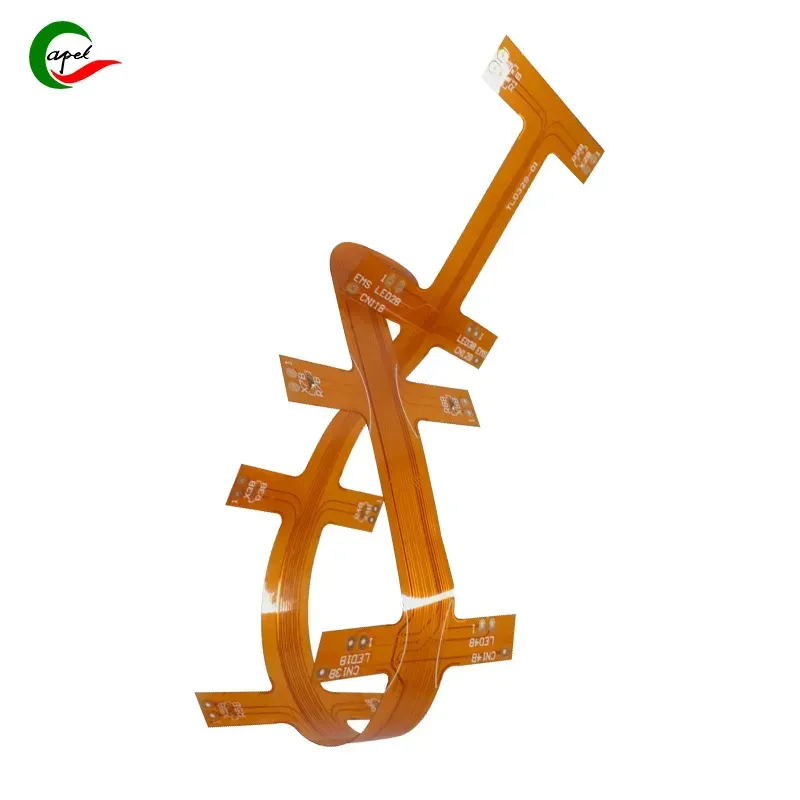
What are the advantages of using rigid-flex PCBs in shared VR/3D glasses? Rigid-flex PCBs offer several advantages for shared VR/3D glasses, including increased design flexibility, reduced weight and size, and improved reliability. By combining rigid and flexible PCB sections, designers can create compact and ergonomic VR devices that conform to the user's head. Flexible sections allow for dynamic connections between different parts of the glasses, while rigid sections provide stable mounting points for components. Rigid-flex PCBs also reduce the need for connectors and cables, minimizing potential failure points. Zero One Solution Limited's expertise in rigid-flex PCB design and manufacturing enables the creation of innovative and high-performance VR/3D glasses.
Zero One Solution Limited's Shared VR/3D Glasses Solution represents a significant leap forward in making immersive virtual experiences more accessible and collaborative. By leveraging our deep expertise in rapid PCB prototyping and high-quality manufacturing, we empower innovators to bring their vision to life with unparalleled efficiency and reliability. As the demand for shared and interactive virtual environments continues to grow, our commitment to cutting-edge PCB solutions ensures that the hardware foundations are robust, scalable, and ready for the future. Partner with Zero One Solution Limited to transform your VR/3D concepts into reality. Visit our website or contact us today to discuss how our bespoke PCB services can accelerate your product development and deliver exceptional immersive experiences to your users.