In today's rapidly evolving world, convenience and sustainability are paramount. This holds especially true for essential utilities like access to clean drinking water. While individual water dispensers are common, the concept of a 'shared water dispenser' offers a compelling solution for communal spaces, offices, and public areas, promoting efficiency and reducing waste. But what makes these shared systems truly smart and reliable? The answer lies at the heart of their electronic intelligence: advanced Printed Circuit Board (PCB) solutions. Zero One Solution Limited, a leader in rapid prototyping and one-stop PCB services, is at the forefront of enabling these innovative shared water dispenser solutions, ensuring robust performance and seamless user experiences.
The Rise of Shared Water Dispenser Solutions
The modern workplace, public spaces, and hospitality sectors are witnessing a significant shift towards sustainable and cost-effective hydration solutions. Shared water dispenser systems, moving beyond traditional bottled coolers, are rapidly gaining traction as the preferred method for providing accessible, clean drinking water. This surge is driven by a confluence of factors, including growing environmental awareness, the imperative to reduce operational costs, and the demand for convenient, hygienic hydration options in high-traffic areas. These advanced dispensers represent a paradigm shift, offering numerous advantages over outdated alternatives, making them a crucial element in contemporary facility management.
The demand for shared water dispenser solutions is escalating across diverse environments:
Corporate Offices Replacing bulky bottled water coolers with plumbed-in or filtered systems significantly reduces waste, lowers costs, and improves office aesthetics, aligning with corporate sustainability goals.
Educational Institutions Universities and schools are installing shared dispensers to provide students and staff with easy access to filtered water, encouraging the use of reusable bottles and promoting health.
Public Spaces Airports, train stations, and shopping centers are integrating bottle-filling stations and dispensers to offer convenient hydration options to the public, minimizing plastic bottle litter.
Hospitality & Healthcare Hotels, restaurants, and healthcare facilities utilize advanced dispensers for both staff and patrons, ensuring a hygienic and reliable source of filtered water.
The adoption of shared water dispenser solutions yields substantial benefits:
Cost-Effectiveness Eliminating the recurring expense of purchasing, delivering, and storing bottled water leads to significant long-term savings. Maintenance costs for filtered systems are typically lower and more predictable.
Environmental Impact By dramatically reducing the consumption of single-use plastic bottles and the carbon footprint associated with transportation and disposal, these systems contribute significantly to environmental sustainability efforts.
Improved Convenience & Accessibility Providing easily accessible hydration points encourages people to drink more water throughout the day. Features like bottle-filling stations further enhance user convenience.
Enhanced Hygiene Modern dispensers often incorporate advanced filtration and sanitization technologies, providing a cleaner and safer drinking water source compared to traditional methods.
This growing market underscores the critical need for robust, reliable, and smart electronic components to power these sophisticated systems. The foundational technology enabling their advanced features and seamless operation is the focus of subsequent sections.
Key Technologies Powering Smart Shared Water Dispensers
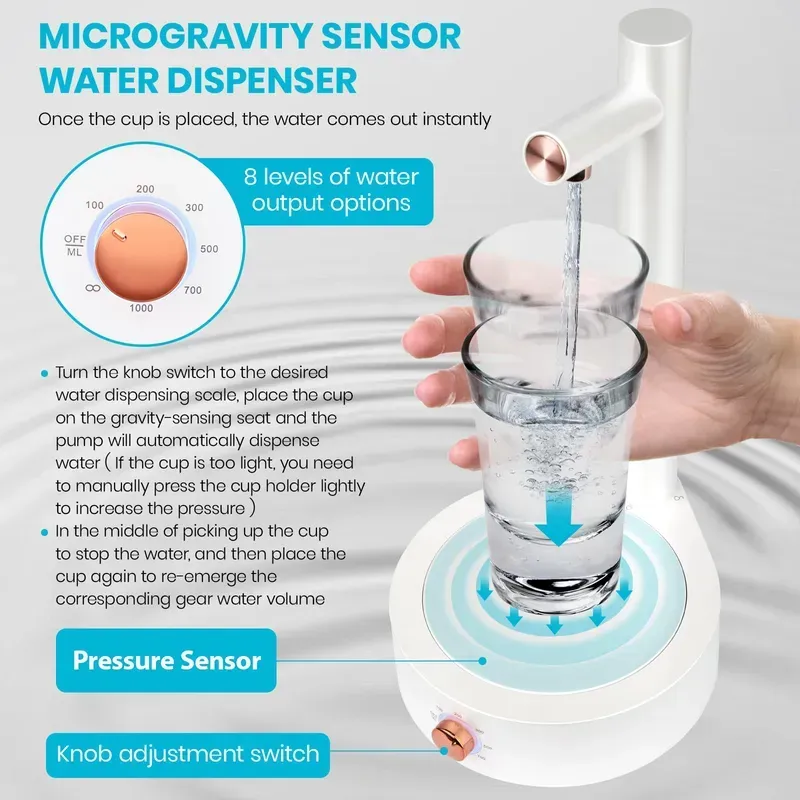
Smart Water Dispenser Sensors
The evolution of shared water dispensers from basic hydration stations to intelligent, networked appliances is fundamentally driven by the integration of sophisticated technologies. At the heart of a "smart" shared water dispenser solution lies a synergy of sensors, Internet of Things (IoT) connectivity, and intuitive user interfaces. These components work in concert to enable features such as real-time usage monitoring, predictive maintenance, remote management, and personalized dispensing options, delivering a more efficient, hygienic, and user-friendly experience.
Advanced Sensor Systems Smart water dispensers utilize a variety of sensors for enhanced functionality. Flow sensors accurately measure dispensed volumes, while temperature sensors maintain precise hot and cold water temperatures. Level sensors monitor water reservoirs and filter status, alerting users or maintenance teams to refill or replacement needs. Some advanced systems incorporate water quality sensors to ensure safety and purity, a critical factor for shared appliances.
Internet of Things (IoT) Connectivity IoT is the backbone of smart features, allowing dispensers to connect to the internet via Wi-Fi, cellular, or Ethernet. This connectivity enables data transmission for remote monitoring of usage patterns, performance metrics, and alerts. Cloud-based platforms facilitate data analysis, providing insights into peak usage times, maintenance requirements, and overall system health. Remote diagnostics and software updates are also possible through IoT, reducing the need for on-site service calls.
Intuitive User Interfaces (UI) Modern shared water dispensers feature user-friendly interfaces, often touchscreens, that simplify operation and enhance the user experience. These interfaces provide clear dispensing options (hot, cold, ambient, filtered), display real-time information like filter life or water temperature, and may offer personalized settings. Integration with mobile applications allows users to track their hydration or provides administrators with system oversight and control.
These technologies, when seamlessly integrated through well-designed electronics, elevate shared water dispensers beyond simple utilities into intelligent assets that optimize resource management, improve hygiene standards, and offer a superior user experience in diverse environments.
The Critical Role of PCBs in Water Dispenser Performance
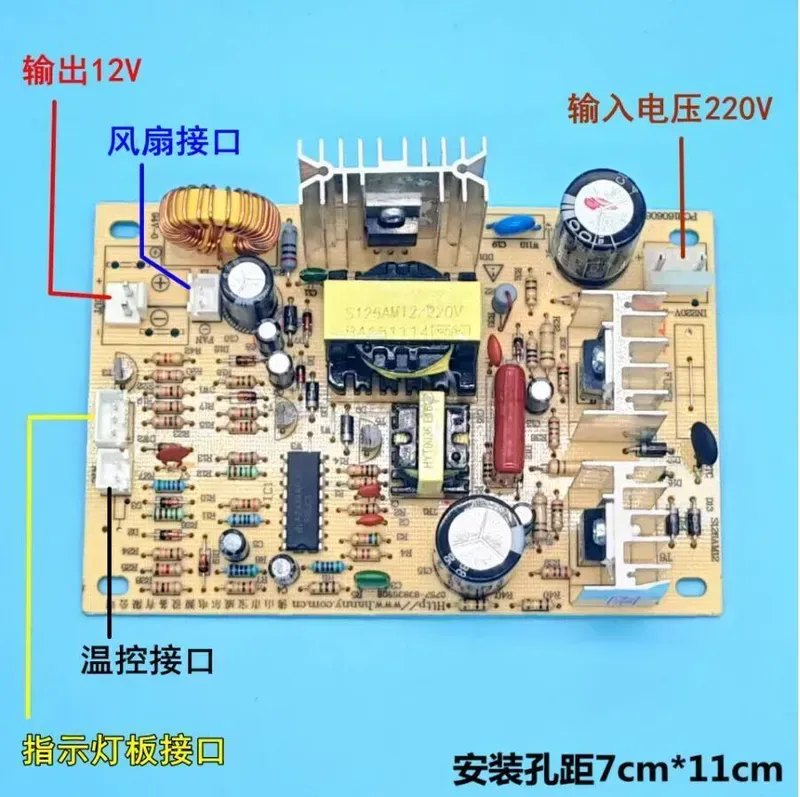
Water Dispenser PCB Circuit Board
At the core of every shared water dispenser's functionality lies the Printed Circuit Board (PCB). Far from being a mere component, the PCB acts as the central nervous system, orchestrating every operation from temperature regulation and dispensing volume control to filter monitoring and user interface management. Without a high-quality, specialized PCB, the reliability, efficiency, and overall user experience of these increasingly complex systems would be severely compromised.
Precision Control and Functionality PCBs enable the precise control required for various water dispensing functions. This includes accurately heating or cooling water to specified temperatures, measuring and dispensing exact volumes, and managing intricate features like carbonation or flavor infusion. The complexity of modern dispensers demands sophisticated PCB designs capable of handling multiple inputs and outputs simultaneously and reliably.
Reliability and Durability in Harsh Environments Water dispensers operate in environments susceptible to moisture and temperature fluctuations. The PCB must be designed and manufactured to withstand these conditions, preventing short circuits, corrosion, and component failure. Robust design and material selection are paramount to ensuring long-term reliability and minimizing maintenance needs.
Integration of Smart Technologies Smart shared water dispensers integrate sensors for water quality, level, and flow, as well as connectivity modules for IoT functionality. The PCB is the hub where these technologies converge, processing data from sensors, enabling communication with networks for remote monitoring and management, and supporting software updates. A well-designed PCB is crucial for seamless integration and optimal performance of these smart features.
Power Management and Efficiency Efficient power consumption is vital for shared water dispensers, impacting operational costs and environmental footprint. PCBs play a critical role in managing power distribution to various components, optimizing energy usage for heating, cooling, and other functions. Advanced PCB design can incorporate power-saving features and minimize energy waste.
The performance of a shared water dispenser is directly correlated with the quality and design of its PCB. Investing in specialized, high-reliability PCBs is not just a technical requirement; it's a strategic decision that ensures the longevity, functionality, and user satisfaction of the entire system.
Zero One Solution Limited's Expertise in Water Dispenser PCBs
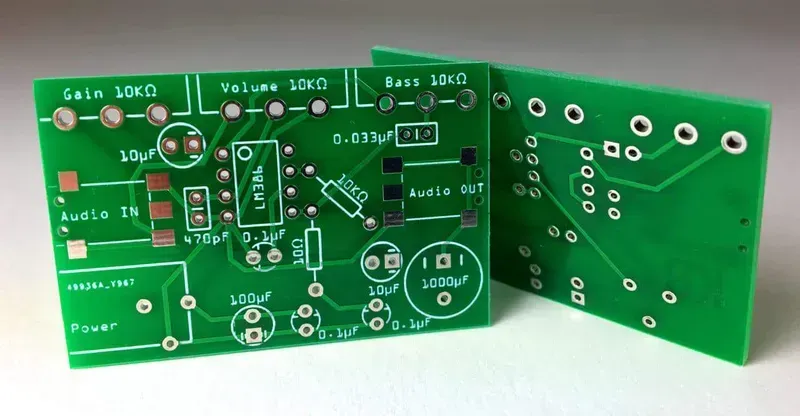
PCB Rapid Prototype Sample
Zero One Solution Limited stands at the forefront of providing high-performance Printed Circuit Boards (PCBs) specifically engineered for the demands of shared water dispenser systems. Our expertise, honed over years in the rapid prototyping and manufacturing industry, ensures that the complex electronic requirements of modern smart dispensers are met with precision and reliability. We understand that the PCB is the central nervous system of these devices, crucial for everything from managing water flow and temperature control to enabling sophisticated connectivity and user interface functions. Our specialized capabilities in design, manufacturing, and assembly are tailored to the unique challenges of this market, where durability, safety, and performance in varied environments are paramount.
Our deep understanding of the water dispenser industry's needs allows us to offer PCB solutions that are not only technically advanced but also cost-effective and reliable. We excel in rapid prototyping, significantly reducing the time to market for new dispenser models and iterative designs. This agility is critical in a fast-evolving market where innovation is a key differentiator. Whether it's incorporating advanced sensor integration, robust power management for energy efficiency, or seamless integration with IoT platforms, our team has the expertise to deliver. Our manufacturing processes adhere to the highest standards, ensuring that every PCB can withstand the operational stresses and environmental conditions typical of water dispensing applications. Furthermore, our comprehensive assembly services ensure that the final product is robust and ready for deployment, minimizing potential issues in the field.
Custom PCB Solutions for Unique Dispenser Requirements
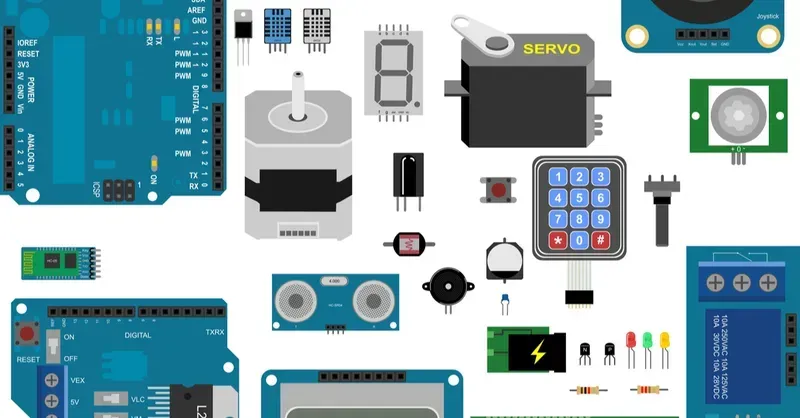
Custom PCB Design
Shared water dispenser systems are not one-size-fits-all; they serve diverse environments, each with specific operational demands. From high-traffic public spaces requiring robust, tamper-proof controls to office settings prioritizing user convenience and energy efficiency, the underlying electronics must be precisely tailored. Custom PCB solutions are paramount in meeting these unique requirements, enabling features like advanced filtration monitoring, precise temperature control, automated dispensing based on volume or user preference, and secure payment integration. This level of customization, built upon specialized PCB design and manufacturing, ensures optimal performance, reliability, and user experience for any specific shared water dispenser application.
Filtration Monitoring and Management Custom PCBs integrate sensor data to track filter lifespan and water quality in real-time, providing alerts for scheduled maintenance or filter replacement, crucial for maintaining hygiene and water purity. This proactive approach prevents the distribution of contaminated water and extends the life of the dispenser.
Precise Temperature Control and Energy Efficiency Tailored PCB designs enable fine-tuned control over heating and cooling elements, ensuring water is dispensed at the desired temperature while optimizing energy consumption. Algorithms embedded in the PCB's firmware can learn usage patterns and adjust temperature settings accordingly, leading to significant energy savings.
Automated and Variable Dispensing Options Custom electronics facilitate advanced dispensing mechanisms, allowing users to select precise water volumes or pre-programmed settings. This not only enhances user convenience but also reduces water waste. Integration with flow meters and control valves via the PCB ensures accuracy.
Payment System and User Authentication Integration For commercial shared dispensers, custom PCBs are essential for seamlessly integrating payment modules (card readers, mobile payment) and user authentication systems (RFID, QR code). The PCB manages the transaction process, security protocols, and data logging.
Connectivity and Data Reporting Features PCBs designed for smart shared dispensers include modules for various connectivity options (Wi-Fi, cellular, Ethernet), enabling remote monitoring, data collection (usage statistics, maintenance needs), and software updates, all managed and processed by the custom circuitry.
Ensuring Reliability and Longevity: Quality Control in PCB Manufacturing
PCB Manufacturing Quality Control
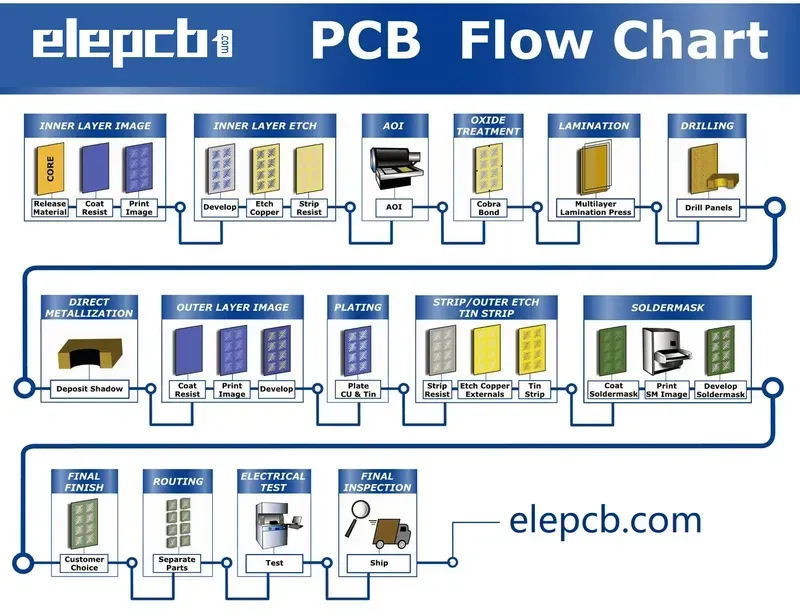
The long-term performance and safety of shared water dispenser solutions hinge significantly on the reliability and longevity of their internal printed circuit boards (PCBs). Strict quality control throughout the PCB manufacturing process is paramount to prevent failures, ensure consistent operation, and maintain hygiene standards. Zero One Solution Limited employs a multi-faceted, rigorous quality assurance system designed to meet the demanding requirements of these critical components, guaranteeing durability and sustained functionality in high-usage environments.
Our commitment to quality begins with stringent material selection. We source only high-grade FR-4 laminates and other necessary materials from trusted suppliers, ensuring they meet international standards for dielectric strength, thermal resistance, and mechanical stability. This foundational step prevents issues like warping, delamination, and electrical breakdown under operational stress.
Throughout the manufacturing process, we implement a series of critical inspection and testing phases:
Incoming Material Inspection (IMI) Verification of raw materials against specifications and quality standards before they enter production.
Automated Optical Inspection (AOI) High-speed inspection of bare PCBs for defects such as short circuits, open circuits, and thinning of traces, ensuring the integrity of the circuit patterns.
Electrical Testing (E-Test) Testing for continuity and isolation on 100% of bare boards using flying probe or fixture testing to detect any electrical faults.
Solder Paste Inspection (SPI) 3D inspection of the solder paste volume, area, and shape after application to the pads, crucial for reliable solder joints during assembly.
Automated X-ray Inspection (AXI) Inspection of solder joints on components, especially those with hidden connections like BGAs, to verify solder joint quality and detect voids or shorts.
In-Circuit Testing (ICT) Testing the functionality of individual components and the connectivity of the assembled PCB, verifying that each part is correctly placed and functioning.
Functional Testing (FCT) Simulating the operating environment of the water dispenser to verify that the assembled PCB performs its intended functions accurately and reliably.
Our adherence to standards such as ISO 9001 and IPC guidelines provides a robust framework for our quality management system. By maintaining meticulous records and implementing continuous improvement processes, we ensure that every PCB manufactured for shared water dispenser solutions not only meets but exceeds industry expectations for reliability, safety, and a long operational life.
Accelerating Innovation: The Advantage of One-Stop PCB Services
In the fast-evolving market for smart shared water dispensers, speed to market and rapid innovation are critical differentiators. Partnering with a PCB provider offering integrated, one-stop services from design through manufacturing and assembly dramatically streamlines the product development lifecycle. This consolidated approach eliminates the complexities, delays, and potential communication breakdowns inherent in managing multiple vendors, allowing manufacturers to accelerate prototyping, testing, and final production, ultimately bringing cutting-edge shared water dispenser solutions to market faster.
Simplified Project Management Instead of coordinating between separate design houses, fabricators, and assembly plants, manufacturers deal with a single point of contact. This significantly reduces administrative overhead and simplifies communication channels, freeing up internal resources.
Seamless Design-for-Manufacturability (DFM) Integration With design and manufacturing under one roof, DFM feedback is incorporated early and continuously. This prevents costly redesigns later in the process and ensures that the design is optimized for efficient, high-yield manufacturing and assembly, accelerating the transition from concept to production.
Faster Prototyping and Iteration Cycles One-stop services drastically shorten the time required to produce prototype boards and move through design iterations. The handoff between design, fabrication, and assembly is virtually instantaneous, enabling manufacturers to test new features or optimize existing ones much quicker than a multi-vendor approach.
Improved Quality Control and Accountability A single vendor is accountable for the entire PCB process. This integrated responsibility ensures consistent quality standards are maintained from the initial design specifications through to the final assembled board, reducing defects and ensuring reliable performance in the field.
Reduced Lead Times and Supply Chain Risk Consolidating services minimizes the cumulative lead times associated with transferring projects between different suppliers. It also reduces supply chain complexity and risk, providing greater predictability and reliability in meeting production schedules.
Cost Efficiencies Through Synergy Integrating services can lead to cost savings by eliminating redundant processes, reducing shipping costs between vendors, and leveraging the vendor's expertise across all stages of the PCB lifecycle. This holistic approach optimizes costs without compromising quality.
Frequently Asked Questions About Shared Water Dispenser PCBs
Navigating the technical landscape of shared water dispenser solutions often raises questions, particularly concerning the intricate printed circuit boards (PCBs) that serve as the system's central nervous system. Understanding the common challenges and requirements for these specialized components is crucial for manufacturers and integrators alike. Below, we address frequently asked questions to provide clarity and practical insights into shared water dispenser PCB design, manufacturing, and integration.
What are the critical factors to consider when designing a PCB for a shared water dispenser? Key considerations include environmental resilience (humidity, temperature fluctuations), power management efficiency (especially for battery-powered or energy-conscious designs), sensor integration compatibility, robust connectivity options (Wi-Fi, Bluetooth, cellular), safety features (leak detection, overflow prevention), and ease of integration with user interface components and dispensing mechanisms. Reliability and longevity under continuous operation are paramount.
How does Zero One Solution Limited ensure the durability and reliability of shared water dispenser PCBs? Zero One Solution Limited employs stringent quality control measures throughout the PCB lifecycle. This includes careful material selection for high durability and environmental resistance, precise manufacturing processes adhering to industry standards, rigorous testing protocols (functional testing, environmental stress testing), and thorough inspection to identify potential defects before shipment. Our rapid prototyping capabilities also allow for quick iteration and validation of designs.
Can PCBs for shared water dispensers be customized for specific features like advanced filtration monitoring? Absolutely. Custom PCB design is essential for incorporating unique features. Zero One Solution Limited specializes in tailoring PCB layouts and component selection to support specific requirements, such as integrating sensors for real-time filter life monitoring, complex temperature control algorithms, automated self-cleaning cycles, and various dispensing options (e.g., volume-based dispensing).
What role does rapid prototyping play in developing PCBs for shared water dispenser solutions? Rapid prototyping significantly accelerates the development cycle. It allows manufacturers to quickly test and validate PCB designs in real-world scenarios, identify and rectify issues early in the process, and iterate on the design based on performance feedback. This reduces time to market and minimizes costly revisions later in the production phase. Zero One Solution Limited's rapid prototyping is a key advantage for shared water dispenser manufacturers.
What type of connectivity options are typically supported by shared water dispenser PCBs? Modern shared water dispenser PCBs often integrate various connectivity options to enable smart features and remote management. Common options include Wi-Fi for cloud connectivity and data logging, Bluetooth for local control and interaction with mobile devices, and cellular (e.g., LTE-M, NB-IoT) for areas without reliable Wi-Fi or for mission-critical communication and remote monitoring.
At Zero One Solution Limited, we don't just provide PCBs; we deliver the foundational technology that powers the next generation of smart, efficient, and reliable shared water dispenser solutions. Our commitment to rapid prototyping, design excellence, and comprehensive manufacturing ensures that your innovations move from concept to market with unprecedented speed and quality. Partner with us to leverage our two decades of Silicon Valley expertise and global supply chain mastery. Ready to revolutionize shared hydration? Contact Zero One Solution Limited today to discuss your shared water dispenser PCB requirements and let us help you bring your vision to life.