Shared Water Purifier Solution

2025.06.28

Access to clean, safe drinking water is a universal necessity, yet traditional water purification methods often fall short in scalability and smart management. Imagine a world where high-quality purified water is readily available, managed efficiently, and accessible to communities, offices, or public spaces through a smart, shared system. This is where the Shared Water Purifier Solution emerges as a game-changer, addressing not just hydration needs but also environmental and operational efficiencies. Zero One Solution Limited, a leader in rapid prototyping and PCB assembly, is at the forefront of enabling such innovative solutions. We provide the foundational technology that powers these next-generation shared water purifiers, transforming how we access and manage clean water.

The Evolution of Water Purification: From Personal to Shared

The journey of water purification reflects a significant shift from individual methods to community-based solutions. Historically, access to clean water relied on personal efforts such as boiling, well digging, or using simple filters. Over time, technological advancements and increasing awareness of waterborne diseases have driven the development of centralized water treatment facilities and, more recently, shared water purifier systems. This evolution addresses the growing need for sustainable and accessible clean water, particularly in densely populated or resource-limited areas. The transition represents a move towards collective responsibility and efficient resource management in ensuring public health.

Early methods of water purification were often rudimentary, involving basic filtration techniques or relying on natural processes. As populations grew and urbanization increased, the need for more sophisticated solutions became apparent. The introduction of municipal water treatment plants marked a turning point, providing clean water to entire communities. However, these centralized systems often face challenges in terms of infrastructure maintenance, water loss during distribution, and the presence of residual contaminants. The emergence of shared water purifier systems offers a decentralized approach that complements traditional methods, providing an additional layer of purification at the point of use.

Shared water purification systems represent a modern approach to ensuring access to clean and safe drinking water. These systems are designed for multi-user environments, such as offices, schools, and public spaces, offering a cost-effective and sustainable alternative to individual water bottles or point-of-use filters. By leveraging advanced filtration technologies and smart monitoring systems, shared water purifiers deliver high-quality water while minimizing waste and promoting environmental responsibility. This shift towards shared solutions reflects a growing awareness of the importance of water conservation and the need for innovative approaches to address global water challenges.
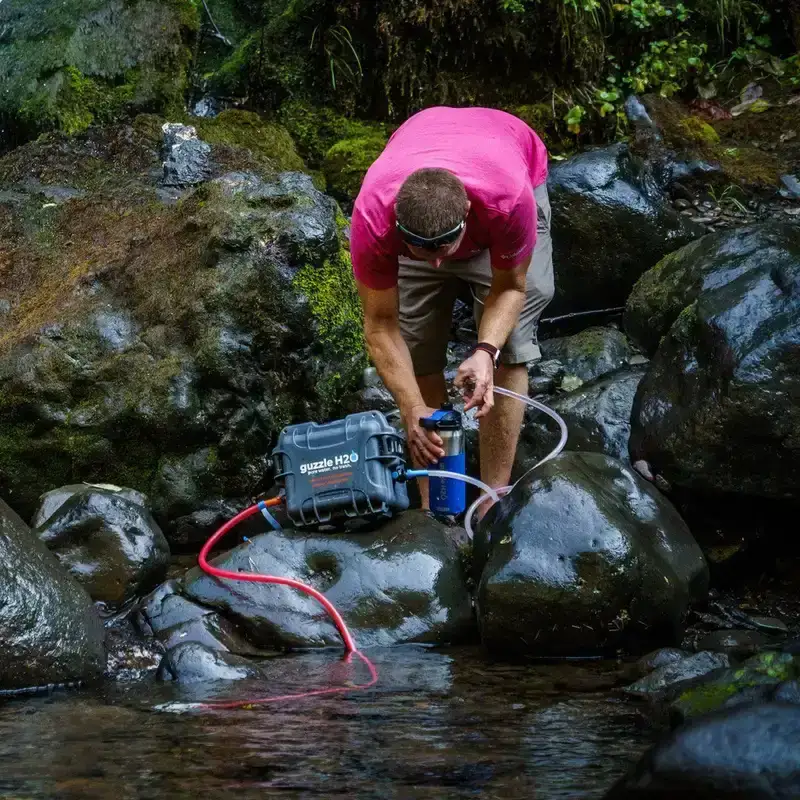
What Defines a Shared Water Purifier Solution?

A modern shared water purifier
Shared Water Purifier

A shared water purifier solution fundamentally redefines access to clean water by providing a centralized purification system accessible to multiple users. Unlike individual home units or large-scale commercial systems, shared purifiers are designed to balance capacity, cost-effectiveness, and user convenience, integrating smart technologies to enhance functionality and manageability. This approach promotes public health, reduces environmental impact, and offers a practical alternative to bottled water.
  • Multi-User Capability
    Designed to serve multiple users simultaneously or sequentially, shared water purifiers feature higher capacity tanks and faster filtration rates compared to residential models. This makes them ideal for high-traffic environments like offices, schools, and public spaces.
  • Smart Technology Integration
    Modern shared water purifiers incorporate IoT-enabled features such as remote monitoring, usage tracking, and predictive maintenance. These technologies allow for efficient management, ensuring optimal performance and timely servicing.
  • Advanced Filtration Systems
    These solutions employ multi-stage filtration processes, including sediment filters, activated carbon filters, and reverse osmosis membranes, to remove a wide range of contaminants. This ensures high-quality, safe drinking water that meets or exceeds health standards.
  • Centralized Management
    Shared water purifier systems can be centrally managed, allowing administrators to monitor water quality, track usage patterns, and schedule maintenance remotely. This centralized control enhances efficiency and reduces operational costs.
  • Differentiated Design
    Unlike traditional residential or commercial units, shared purifiers are often designed with durability and public use in mind. They may feature robust enclosures, tamper-proof mechanisms, and user-friendly interfaces suitable for diverse user groups.

Key Technologies Powering Smart Shared Water Purifiers

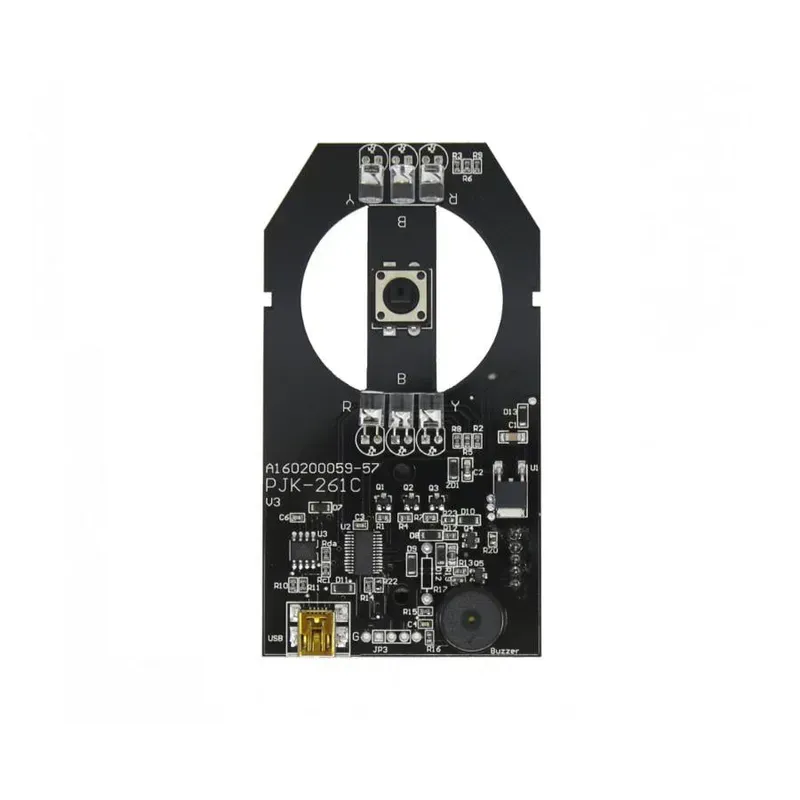
PCB board inside a water purifier
Water Purifier PCB Board

Smart shared water purifiers rely on a synergy of advanced technologies to deliver safe, clean, and accessible water. These technologies work in concert to ensure efficient purification, remote monitoring, and seamless operation. At the heart of these systems are IoT connectivity for real-time data and control, advanced filtration membranes for superior purification, and robust PCB solutions for reliable system management.

Here's a breakdown of the key technologies:

  • Internet of Things (IoT)
    IoT connectivity enables remote monitoring and management of the water purifier. This includes tracking water quality, filter status, usage patterns, and system performance. Data is transmitted to a central server, allowing for proactive maintenance, timely filter replacements, and usage optimization. Users can also monitor the purifier's status via mobile apps, providing transparency and control.
  • Advanced Filtration Membranes
    These membranes are the core of the purification process, removing contaminants such as bacteria, viruses, heavy metals, and chemicals. Technologies like reverse osmosis (RO), ultrafiltration (UF), and nanofiltration (NF) are employed, each targeting specific types of impurities. The choice of membrane depends on the source water quality and desired purity level.
  • Robust PCB Solutions
    The Printed Circuit Board (PCB) is the central nervous system of the smart water purifier. It houses the microcontrollers, sensors, communication modules, and power management units that control and monitor the system. A well-designed PCB ensures reliable operation, efficient power distribution, and accurate data acquisition. Key functions of the PCB include:
  • System Control
    Managing the purification process, controlling valves, pumps, and other electromechanical components.
  • Sensor Integration
    Interfacing with water quality sensors (TDS, pH, turbidity), flow sensors, and pressure sensors to monitor system performance.
  • Data Communication
    Enabling communication with the IoT platform via Wi-Fi, cellular, or other wireless technologies.
  • Power Management
    Efficiently distributing power to all components while minimizing energy consumption.

Specific components found on the PCB often include:
  • Microcontrollers
    The brains of the system, responsible for executing the control algorithms and managing data flow.
  • Communication Modules
    Enable wireless communication for remote monitoring and control.
  • Power Management Units
    Regulate and distribute power efficiently to different components.

Zero One Solution Limited's Role in Enabling Shared Water Purifier Innovation

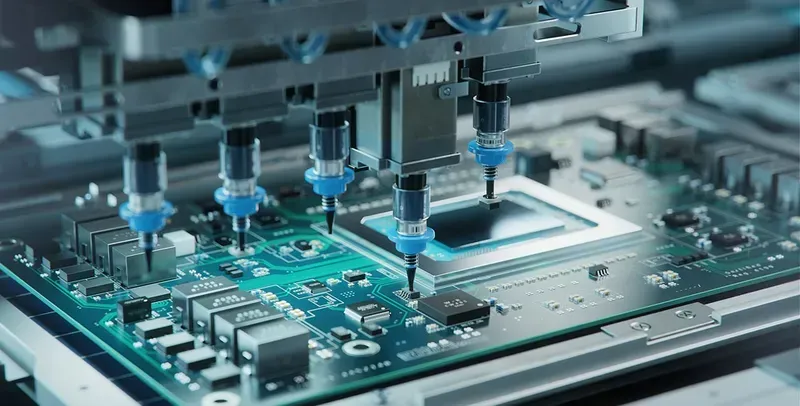
Zero One Solution Limited PCB manufacturing
PCB Manufacturing

Zero One Solution Limited stands at the forefront of enabling innovation in shared water purifier solutions through our comprehensive expertise in rapid prototyping, PCB design, manufacturing, and assembly. Our services are pivotal in developing reliable and high-performance systems that meet the rigorous demands of public and commercial use.

Our 'one-stop service' significantly accelerates product development cycles for our clients in the shared water purification sector. By integrating PCB design, manufacturing, and assembly, we streamline the entire process, allowing for faster iteration and quicker time-to-market. This is particularly crucial in a rapidly evolving market where being first to market can provide a significant competitive advantage.

We excel in handling the complex and intricate PCB requirements essential for smart water systems. Our PCBs are designed to ensure reliability and efficiency, even in harsh environmental conditions and under continuous operation. Key features of our PCB solutions include:

  • Microcontroller Integration:
    Seamless integration of microcontrollers for precise system control and automation.
  • Communication Modules:
    Robust communication modules for IoT connectivity, enabling remote monitoring and data transmission.
  • Sensor Integration:
    Expert integration of various sensors for real-time water quality monitoring and system performance analysis.
  • Power Management:
    Efficient power management units to optimize energy consumption and ensure stable operation.

Our strategic location in Shenzhen, China, combined with our Dubai branch, allows us to leverage a global PCBA supply chain network. This ensures access to worldwide resources and provides unparalleled support to our clients, enabling them to deliver cutting-edge shared water purifier solutions to the market efficiently and cost-effectively.

Benefits of Implementing a Shared Water Purifier Solution

Shared water purifier solutions offer a multitude of advantages, impacting public health, environmental sustainability, economic efficiency, and user convenience. These benefits extend across diverse settings, from bustling offices to educational institutions and public spaces, creating a ripple effect of positive change.

  • Improved Public Health
    Shared water purifiers provide access to clean, safe drinking water, reducing the risk of waterborne diseases and promoting better health outcomes for communities. Consistent access to purified water helps in preventing illnesses related to contaminated water sources.
  • Reduced Plastic Waste
    By providing a readily available source of purified water, these systems significantly decrease the reliance on single-use plastic bottles, leading to a substantial reduction in plastic waste and its associated environmental consequences. This helps in conserving resources and reducing pollution.
  • Cost-Effectiveness
    Shared water purification systems can be more cost-effective than individual bottled water purchases or maintaining separate filtration units. The shared cost model distributes expenses, making clean water more accessible to a larger population while reducing individual financial burdens.
  • Enhanced Convenience
    Users benefit from the convenience of having readily available purified water without the need to purchase, transport, or store bottled water. This is particularly beneficial in high-traffic areas like offices, schools, and public spaces, where accessibility is key.
  • Centralized Management and Monitoring
    Smart shared water purifier solutions enable centralized management and monitoring of water quality, filter performance, and system usage. This allows for proactive maintenance, ensuring optimal performance and minimizing downtime, thus enhancing the reliability and sustainability of the system.
  • Environmental Impact Reduction
    Beyond reducing plastic waste, shared water purifiers contribute to a smaller carbon footprint by eliminating the need for bottled water production, transportation, and disposal. This aligns with broader sustainability goals and helps organizations and communities reduce their environmental impact.

Challenges and Future Outlook for Shared Water Purifier Solutions

While shared water purifier solutions offer numerous benefits, they also present certain challenges that need to be addressed for successful implementation and widespread adoption. Looking ahead, continued innovation, particularly in PCB technology, promises to unlock even greater potential for these systems, expanding their reach and impact.

One of the primary hurdles is maintenance. Shared systems experience higher usage rates than individual units, demanding more frequent servicing and filter replacements. Sanitation is another critical concern, as multiple users access the same dispensing point, increasing the risk of contamination. Data security is also paramount, especially with IoT-enabled systems that collect user data and monitor water quality. Protecting this information from cyber threats and ensuring user privacy are essential.

Fortunately, technological advancements are actively mitigating these challenges. Self-cleaning mechanisms and antimicrobial materials are improving sanitation, while remote monitoring systems alert operators to maintenance needs in real time. Robust cybersecurity protocols and data encryption methods are safeguarding user data. AI integration holds immense promise for predictive maintenance, enabling systems to anticipate component failures and schedule servicing proactively, minimizing downtime and optimizing resource utilization.

The future of shared water purifier solutions is bright, with several exciting possibilities on the horizon. Advanced water quality sensing technologies will enable real-time monitoring of various parameters, providing users with detailed information about the purity and safety of their water. Expansion into remote or underserved areas is another key opportunity, bringing clean and affordable water to communities that lack access to reliable sources. These advancements are heavily reliant on continuous innovation in PCB technology. More efficient and compact PCBs will facilitate the development of smaller, more powerful, and more reliable shared water purification systems.

Continuous innovation in PCB (printed circuit board) technology will be a key driver, leading to advancements such as:

  • Miniaturization:
    Smaller, more compact PCBs will enable the development of sleeker and more space-efficient shared water purifier designs, suitable for diverse environments.
  • Enhanced Performance:
    Advanced PCB materials and design techniques will improve signal integrity, reduce power consumption, and enhance the overall performance of the purification system.
  • Improved Reliability:
    Ruggedized PCBs with conformal coatings will withstand harsh environmental conditions, ensuring long-term reliability and durability in demanding applications.
  • Seamless Integration:
    Highly integrated PCBs will combine multiple functions onto a single board, simplifying system architecture and reducing manufacturing costs.

FAQs about Shared Water Purifier Solutions

Navigating the world of shared water purifier solutions can bring up a lot of questions. This section addresses frequently asked questions to provide clarity and build confidence for those considering adopting smart water purification systems. From understanding maintenance needs to assessing water quality and economic viability, find the answers you need to make informed decisions.

  • How often does a shared water purifier system require maintenance?
    Maintenance frequency varies based on usage and water quality. However, a general guideline includes filter replacement every 3-6 months and a comprehensive system check-up annually. Smart systems often provide automated alerts for maintenance needs.
  • How do shared water purifiers ensure water quality?
    Shared water purifiers use multi-stage filtration, including sediment filters, activated carbon filters, and RO membranes, to remove contaminants. Regular testing and monitoring, especially in smart systems, ensure consistent water quality.
  • What are the installation requirements for a shared water purifier?
    Installation typically requires a water source connection, a drain line, and an electrical outlet. Professional installation is recommended to ensure proper setup and prevent leaks or damage.
  • Are shared water purifier solutions economically viable?
    Yes, shared systems can be more cost-effective than individual units or bottled water, especially in high-usage settings. The initial investment is offset by reduced water costs and minimized plastic waste.
  • Can a shared water purifier handle varying water quality?
    Yes, advanced systems are designed to handle a wide range of input water quality. Pre-filtration stages protect the main purification membranes, ensuring consistent output quality even with challenging water sources.
  • What safety measures are in place to prevent contamination in shared water purifiers?
    Many systems include UV sterilization to kill bacteria and viruses. Regular cleaning and filter replacement are also crucial. Smart systems may have automatic sanitization cycles and alerts for potential contamination.
  • Are shared water purifiers environmentally friendly?
    Yes, they significantly reduce plastic bottle waste and the energy associated with bottled water production and transportation. They also promote responsible water usage through efficient filtration and monitoring.

The Shared Water Purifier Solution represents a significant leap forward in addressing global water quality and accessibility challenges. By integrating advanced PCB technology and IoT capabilities, these systems offer a sustainable, efficient, and user-friendly approach to clean water. Zero One Solution Limited is proud to be the silent architect behind these innovations, providing the robust and reliable PCB solutions that empower smart water purification. Our commitment to rapid-response R&D prototype manufacturing and one-stop services ensures that your vision for a smarter, healthier world can be brought to market with unparalleled speed and precision. Connect with us today to explore how our expertise can accelerate your next-gen water purification project, fostering a future where clean water is truly shared and sustainable.


Anypcba