In an increasingly interconnected world, mobility and accessibility are paramount. The concept of shared resources has transformed various sectors, and now, it's revolutionizing assistive technology. This article delves into the transformative 'Shared Wheelchair Solution,' a groundbreaking initiative designed to enhance urban accessibility and independent living. As a veteran engineer and marketing expert from Zero One Solution Limited, a leader in rapid PCB prototyping and one-stop manufacturing services, we are uniquely positioned to discuss the intricate electronic backbone that makes such innovative solutions not just possible, but highly efficient and reliable. How can cutting-edge electronics underpin a truly smart and accessible future for everyone?
The Evolution of Accessibility: Revolutionizing Mobility with Shared Wheelchair Solutions
The concept of shared mobility, once confined to bicycles and scooters, is now transforming accessibility for individuals with mobility challenges. Shared wheelchair solutions represent a significant leap forward, addressing the limitations of traditional mobility aids and creating a more inclusive urban environment. This evolution is driven by the growing need for accessible solutions in public spaces and for individuals requiring temporary assistance, offering a practical and empowering alternative to conventional wheelchairs.
The shift towards shared wheelchair systems is fueled by several key factors:
Addressing Accessibility Gaps Traditional wheelchairs are often cumbersome to transport and store, and they may not always be readily available in public areas. Shared wheelchairs bridge this gap, ensuring that mobility aids are accessible when and where they are needed.
Promoting Independence and Inclusion Shared wheelchairs empower individuals to navigate public spaces independently, fostering a sense of inclusion and reducing reliance on assistance from others.
Supporting Temporary Mobility Needs For individuals recovering from injuries or those who only require a wheelchair temporarily, shared systems offer a convenient and cost-effective solution, eliminating the need for purchasing or renting.
Enhancing Urban Planning Data collected from shared wheelchair usage provides valuable insights for urban planners, enabling them to identify areas with high demand and to optimize infrastructure for accessibility.
As urban populations increase and the demand for inclusive solutions grows, shared wheelchair solutions are poised to become an indispensable component of smart city initiatives. The integration of advanced technologies, coupled with innovative design, is set to redefine mobility and contribute to a more accessible and equitable society.
Decoding the Core Components of a Smart Shared Wheelchair Solution
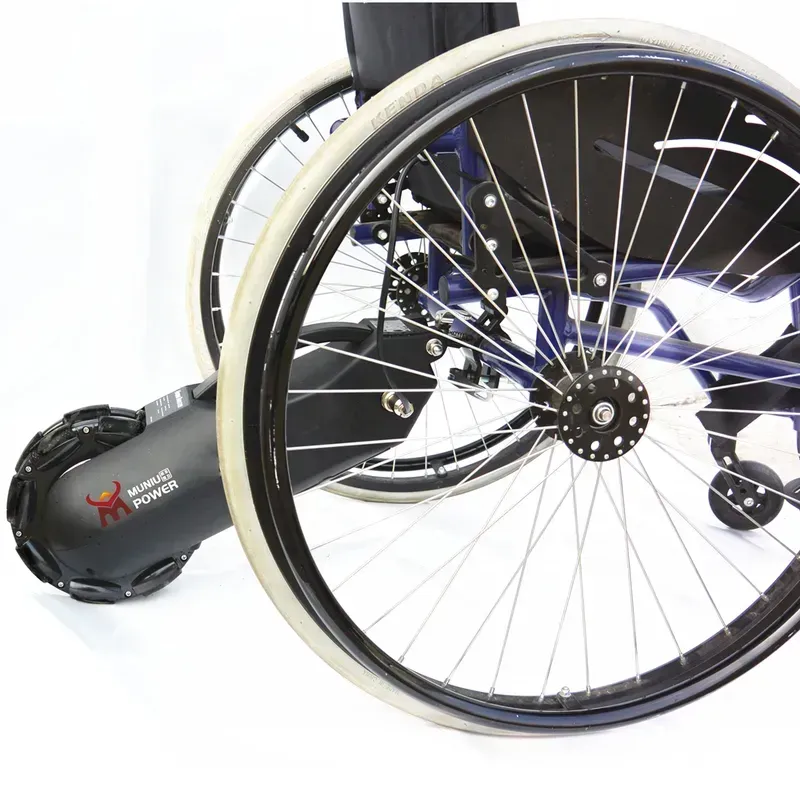
Shared Wheelchair GPS Module
A smart shared wheelchair solution is more than just a mobility device; it's a sophisticated ecosystem of interconnected hardware and software working in concert. This advanced technology enables on-demand access, remote monitoring, and efficient fleet management. The following details the critical components that make these systems function effectively and reliably.
Propulsion and Control Systems At the heart of the wheelchair is a robust electric motor system, typically powered by lithium-ion batteries, providing the necessary torque and power for movement. Sophisticated motor controllers translate user commands into precise movements. These controllers are often integrated with sensors for safety and stability, such as gyroscopes and accelerometers, to ensure smooth operation on various terrains.
Advanced Sensor Suite Shared wheelchairs rely on a comprehensive array of sensors. GPS modules provide real-time location tracking, crucial for fleet management, user assistance, and geofencing. Proximity sensors and obstacle detection systems enhance safety, preventing collisions and providing feedback to the user. Pressure sensors in the seat can monitor user presence, and tilt sensors can alert for potential tip-over situations. Data from these sensors is critical for predictive maintenance and usage analytics.
Communication Modules (5G/IoT) Seamless connectivity is vital. 5G or other IoT-enabled communication modules facilitate data transmission between the wheelchair, a central server, and the user's mobile app. This enables real-time status updates, remote diagnostics, over-the-air software updates, and secure communication for locking/unlocking the chair. This also supports data analytics, tracking usage patterns, and optimizing fleet operations.
Robust Locking Mechanisms Secure locking systems are paramount for theft prevention and controlled access. These systems may involve electronic locks integrated into the frame, which can be activated and deactivated remotely via the app or a central control system. These mechanisms must withstand environmental conditions and potential tampering, ensuring reliability and user security.
User Interface and Mobile Application A user-friendly interface is a critical component. The mobile app allows users to locate, reserve, and unlock wheelchairs, manage payment, and access support. The app also provides real-time information about battery life, speed, and location. A well-designed user interface improves the overall user experience, encouraging wider adoption of the shared mobility system.
The effective integration of these core components demands precision engineering and manufacturing. The quality and reliability of each element directly impact the performance and safety of the entire shared wheelchair system. Choosing experienced partners for design, prototyping, and manufacturing is critical to success.
The Brains of Mobility: How PCB Technology Drives Shared Wheelchair Innovation
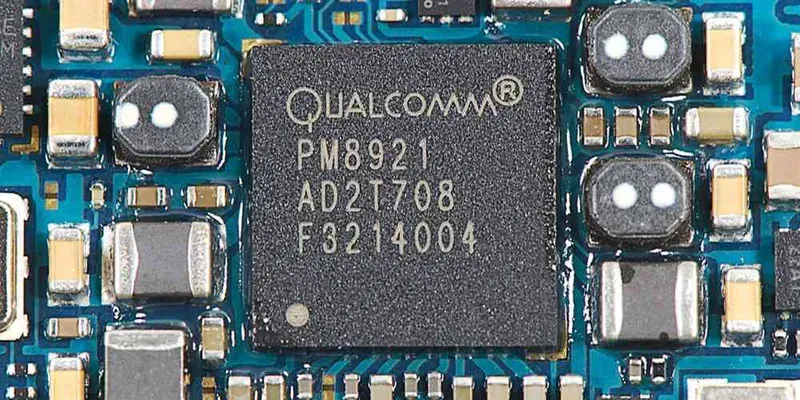
PCB Power Management Chip
At the core of every advanced shared wheelchair system lies a sophisticated network of Printed Circuit Boards (PCBs). These custom-designed PCBs serve as the central nervous system, orchestrating the seamless operation of the wheelchair and ensuring a reliable, efficient user experience. From managing power distribution and motor control to enabling communication and data collection, PCB technology is indispensable in making shared wheelchair solutions a reality.
The integration of PCB technology within shared wheelchairs is multifaceted, encompassing several key functionalities:
Power Management PCBs are critical for regulating and distributing power from the battery to various components such as motors, sensors, and the control system. This ensures optimal energy efficiency and prolongs the operational lifespan of the wheelchair.
Motor Control Precise control of the wheelchair's motors is managed through PCBs, which receive and interpret signals from the user interface, enabling smooth acceleration, deceleration, and directional control. Advanced algorithms embedded in the PCB can also compensate for uneven terrain or obstacles.
Sensor Integration PCBs facilitate the connection and processing of data from various sensors, including those for GPS location, obstacle detection, and user activity. This data is crucial for navigation, safety, and the collection of usage statistics for urban planning.
Communication Interfaces PCBs enable communication via 5G/IoT modules, facilitating real-time data transfer between the wheelchair and the central management system. This allows for remote monitoring, diagnostics, and over-the-air software updates.
Safety Mechanisms Implementing fail-safe mechanisms, such as emergency stop features, is another crucial role of PCBs. Robust PCB design ensures the safety of the user by quickly responding to potential hazards.
The reliability and efficiency of these critical functions rely on the quality and design of the PCBs. The use of high-quality components, along with rigorous testing and validation processes, is crucial for the long-term operation of shared wheelchair systems. These systems must withstand the rigors of daily use, exposure to various environmental conditions, and the demands of continuous operation. Zero One Solution Limited excels in the design and manufacture of such critical PCBs, ensuring that these shared mobility solutions are dependable and safe for users.
Zero One Solution Limited: Engineering the Future of Shared Wheelchairs
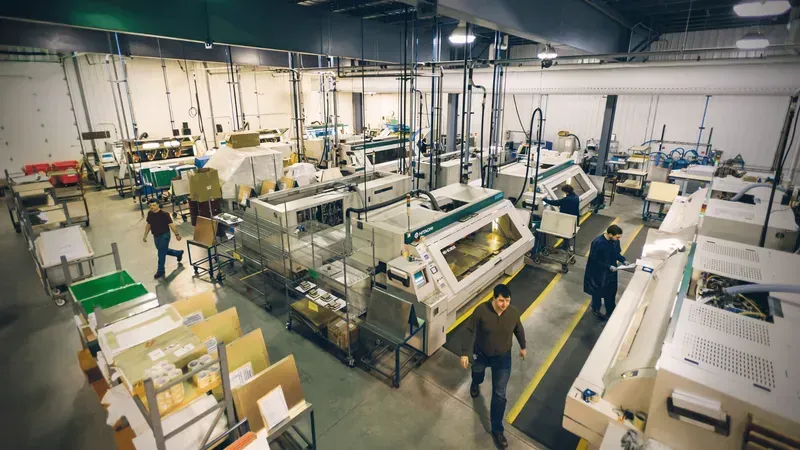
PCB Manufacturing Factory
At Zero One Solution Limited, we're not just observers of the shared wheelchair revolution; we're active architects of its technological foundation. Leveraging two decades of expertise in PCB design, rapid prototyping, manufacturing, and assembly, we empower innovators to bring their visions of accessible mobility to life with unparalleled efficiency. Our Shenzhen headquarters, coupled with our Dubai branch, strategically positions us within a global PCBA supply chain network, ensuring seamless access to resources and support that accelerate product development cycles.
Our approach centers around providing comprehensive, one-stop solutions tailored specifically for the complex demands of shared wheelchair systems. This includes:
Rapid Prototyping for Innovation We enable rapid iteration and validation of designs, reducing time-to-market. Our swift prototyping services allow clients to test and refine their shared wheelchair concepts with agility, a critical advantage in the fast-paced technology sector.
Expert PCB Design and Engineering Our seasoned engineers specialize in designing PCBs that serve as the central nervous system of shared wheelchairs. These designs are optimized for power efficiency, durability, and seamless integration with all onboard components, including sensors, GPS modules, and communication interfaces.
Precision Manufacturing and Assembly With state-of-the-art manufacturing facilities and a rigorous quality control process, we ensure every PCB meets the highest standards of reliability and performance. From component sourcing to final assembly, our commitment to quality guarantees the longevity and dependability of your shared wheelchair systems.
Comprehensive Support and Supply Chain Management Our global presence provides robust supply chain management, ensuring timely access to high-quality components and materials. We streamline the procurement process, allowing our partners to focus on innovation.
Zero One Solution Limited’s commitment is to drive the evolution of accessible mobility through robust, reliable, and rapidly developed PCB solutions. We are the engine behind the innovative technologies shaping the future of shared wheelchairs.
Key Advantages of Smart Shared Wheelchair Systems: Enhancing Mobility and Urban Planning
Advanced shared wheelchair systems are revolutionizing urban mobility, offering a confluence of user benefits and data-driven insights. These systems, underpinned by robust electronic designs and efficient PCB solutions, provide accessible, cost-effective, and empowering mobility options, while simultaneously generating invaluable data for urban planners. This convergence promotes a more inclusive and responsive urban environment.
On-Demand Accessibility Shared wheelchairs provide immediate access to mobility assistance, eliminating the need for personal ownership or rental agreements. Users can locate and utilize a wheelchair as and when required, promoting spontaneous travel and enhancing overall independence.
Cost-Effectiveness and Affordability Shared systems reduce the financial burden associated with traditional mobility solutions. Users avoid the high costs of purchasing, maintaining, and storing personal wheelchairs, making accessible mobility more affordable and widespread.
Enhanced Independence and Convenience Shared wheelchairs enhance personal mobility, allowing users to navigate a wider range of environments with greater ease and independence. Features like GPS navigation, user-friendly controls, and easily accessible designs contribute to a seamless user experience.
Data-Driven Urban Planning The integrated electronics in these wheelchairs collect valuable usage data, including popular routes, peak usage times, and areas with high demand. This data informs urban planners about infrastructure requirements and helps them optimize public spaces for improved accessibility.
Environmental Benefits Shared wheelchair programs promote a sustainable approach to mobility. By encouraging the use of electric-powered wheelchairs, these systems contribute to reduced carbon emissions and a cleaner urban environment.
Challenges and Future Outlook for Shared Wheelchair Solutions
The shared wheelchair concept, while promising, faces several hurdles that must be addressed to ensure widespread adoption and long-term sustainability. Overcoming these challenges and embracing future innovations are critical for maximizing the positive impact of shared mobility solutions on accessibility and urban planning.
Key challenges include:
Maintenance and Durability Shared wheelchairs are subject to heavy use and exposure to various environmental conditions. Regular maintenance, including component checks, battery management, and software updates, is crucial. PCB design must prioritize robustness and component longevity to withstand the rigors of daily operation. Furthermore, selecting durable materials for the wheelchair frame and components is important to ensure the long-term reliability of the system.
Battery Life and Charging Infrastructure Battery life directly impacts the operational range and availability of shared wheelchairs. The development of efficient power management systems, coupled with the need for a robust and accessible charging infrastructure, is vital. Future systems might incorporate inductive charging capabilities, and Zero One Solution Limited can contribute by designing PCBs that support these advanced charging technologies.
User Adoption and Training User acceptance and understanding of how to operate shared wheelchairs are essential. Clear user interfaces, intuitive controls, and effective training programs are necessary to ensure a positive user experience. Manufacturers also need to consider incorporating safety features, such as emergency stop buttons and obstacle detection systems, to enhance user safety. The PCB's role here is to integrate the human-machine interface (HMI) to achieve intuitive controls.
Regulatory Frameworks The lack of standardized regulations could impede the deployment of shared wheelchair systems. Establishing clear guidelines on safety standards, data privacy, and accessibility is essential. Collaboration between industry stakeholders, government agencies, and disability rights organizations will be crucial in shaping appropriate regulatory frameworks. Compliant PCB designs and manufacturing processes are key to navigating these regulations.
The future of shared wheelchair solutions holds exciting potential for innovation:
AI Integration and Predictive Maintenance AI algorithms can analyze data from sensors to predict maintenance needs, optimize wheelchair usage, and enhance user safety. This proactive approach minimizes downtime and extends the life cycle of the equipment. Zero One Solution Limited can assist by integrating advanced sensor data processing capabilities on the PCBs, thus facilitating predictive maintenance.
Expanded Service Areas Shared wheelchair programs can be expanded to encompass broader geographic areas, catering to a wider range of users. This requires strategic planning, including careful site selection, user demand assessments, and infrastructure development. The data collected by the PCB-integrated systems can be utilized to inform these decisions and optimize the placement of wheelchairs.
Integration with Smart City Initiatives Shared wheelchairs can integrate with broader smart city initiatives, utilizing data to improve traffic flow, optimize public transportation, and enhance overall urban accessibility. These integrations require advanced communication protocols and data exchange capabilities that are facilitated by well-designed PCBs.
By proactively addressing challenges and embracing technological advancements, shared wheelchair solutions have the potential to transform urban mobility, providing greater independence and accessibility for all. Zero One Solution Limited is committed to supporting this evolution through innovative PCB design and manufacturing, accelerating the realization of these vital advancements.
Frequently Asked Questions About Shared Wheelchair Solutions and PCB Integration
This section addresses common queries regarding shared wheelchair systems, with a specific focus on the critical role of Printed Circuit Boards (PCBs) in their functionality, safety, and long-term reliability. These questions are designed to provide clarity and insight into the technological backbone that supports these innovative mobility solutions.
How does a shared wheelchair system work? A shared wheelchair system typically involves a network of wheelchairs available at designated locations. Users can access them via a mobile app, which also handles reservations, unlocking, and payment. The wheelchairs are equipped with GPS, sensors, and communication modules (often 5G/IoT) to track location, monitor usage, and ensure security. The central processing unit (CPU) and all these components are interconnected through custom-designed PCBs, making them the central nervous system of the wheelchair.
What is the role of PCBs in the shared wheelchair's functionality? PCBs are the foundation of the shared wheelchair's operational integrity. They integrate control systems for motor operation, power management for battery efficiency, sensor data processing for navigation and safety, and communication interfaces for connectivity. High-quality, robust PCB design and manufacturing are therefore essential for the reliability and performance of the shared wheelchair system.
How does PCB design impact the safety of shared wheelchairs? PCB design directly influences the safety features of shared wheelchairs. Robust PCB layouts ensure the integrity of safety systems, such as emergency braking, collision detection, and stability controls. Quality components and adherence to stringent manufacturing standards are crucial to prevent malfunctions, ensuring user safety.
What maintenance considerations are there for shared wheelchairs, and how do PCBs factor in? Maintenance includes regular checks of mechanical components, battery health, and electronic systems. PCBs require periodic inspection for wear, corrosion, or damage. Diagnostic tools can be connected to the PCB to assess the function of various electronic components and identify potential issues before they impact performance. Furthermore, the quality of PCB components, such as connectors, also affects the ease of maintenance and the longevity of the wheelchair.
How does Zero One Solution Limited contribute to shared wheelchair technology? Zero One Solution Limited specializes in providing one-stop PCB solutions, offering rapid prototyping, design, manufacturing, and assembly services. Our expertise streamlines the development process, ensuring high-quality, reliable PCBs that are critical for the performance and safety of shared wheelchair systems. We empower innovators by accelerating their product development cycles.
Can shared wheelchair systems integrate with smart city initiatives? Yes, shared wheelchair systems are well-suited for integration with smart city initiatives. The data collected from the wheelchairs, such as usage patterns and traffic flow, can be used for urban planning and infrastructure improvements. The communication modules on the PCB enable this data to be sent to a central control system, providing valuable insights into the city's mobility needs. In this context, reliable and secure PCBs are paramount.
The Shared Wheelchair Solution represents a significant leap forward in smart urban mobility and accessibility. By integrating advanced PCB technology, robust connectivity, and user-centric design, it addresses critical challenges faced by individuals with mobility impairments, fostering greater independence and social inclusion. Zero One Solution Limited is proud to be at the forefront of this innovation, providing the high-quality, rapid-response PCB solutions essential for the development and deployment of such sophisticated systems. Our expertise ensures that these life-changing technologies are built on a foundation of reliability and precision. Partner with Zero One Solution Limited to transform your innovative concepts into tangible, impactful realities. Contact us today to discuss how our PCB solutions can empower your next breakthrough.