In the ever-evolving maritime industry, optimizing fuel consumption is not just a matter of cost savings; it's an imperative for environmental responsibility and operational efficiency. Ship fuel monitoring board solutions have emerged as a critical tool in achieving these goals. At Zero One Solution Limited, we understand the intricacies of this technology and provide cutting-edge PCB solutions that empower maritime operators to gain unprecedented insights into their fuel usage. This article delves into the world of ship fuel monitoring board solutions, exploring their benefits, components, and how Zero One Solution Limited is leading the charge in this vital sector.
Introduction to Ship Fuel Monitoring Board Solutions
In the dynamic maritime industry, precise fuel monitoring is no longer a luxury but an operational imperative. Ship Fuel Monitoring Board Solutions provide the foundational technology for vessels to meticulously track, analyze, and optimize fuel consumption, delivering significant cost savings, ensuring stringent environmental compliance, and enhancing overall operational efficiency. This critical capability empowers ship operators to gain real-time insights into one of their largest expenditures, fostering sustainable practices and competitive advantage in a highly regulated global shipping landscape.
Why is accurate fuel monitoring crucial for maritime operations? Accurate fuel monitoring is crucial because fuel typically constitutes 50-70% of a vessel's operating costs. Precise monitoring allows for real-time identification of inefficiencies, immediate detection of potential fuel theft or leaks, and informed decision-making to optimize routing, speed, and engine performance, directly impacting profitability and operational sustainability.
How do Ship Fuel Monitoring Board Solutions contribute to environmental compliance? Ship Fuel Monitoring Board Solutions are instrumental in environmental compliance by providing verifiable data on fuel consumption and emissions. This data is essential for reporting under regulations like IMO 2020 and upcoming EEXI/CII frameworks. By optimizing fuel usage, these systems directly reduce greenhouse gas emissions, helping vessels meet environmental targets and avoid penalties.
What are the primary operational efficiencies gained from implementing these solutions? The primary operational efficiencies gained include optimized voyage planning, reduced port turnaround times due to more accurate bunkering, enhanced maintenance scheduling based on engine performance data, and improved crew awareness regarding fuel-efficient practices. These factors collectively lead to more predictable operations, reduced downtime, and increased vessel utilization.
Are these solutions adaptable to different types of vessels? Yes, modern Ship Fuel Monitoring Board Solutions are designed with scalability and customization in mind. They can be adapted for various vessel types, from cargo ships and tankers to cruise liners and offshore support vessels. This adaptability is achieved through modular designs, flexible sensor integration, and configurable software, allowing for tailored systems that meet specific operational and vessel requirements.
What is the return on investment (ROI) for a Ship Fuel Monitoring Board Solution? The ROI for a Ship Fuel Monitoring Board Solution is often rapid, typically ranging from 6 to 18 months, depending on the vessel's size, fuel consumption, and pre-existing inefficiencies. Savings are realized through reduced fuel expenditure, minimized waste, prevention of fuel theft, and avoidance of regulatory fines. Furthermore, improved operational insights contribute to long-term profitability and asset value.
The Core Components of a Fuel Monitoring Board
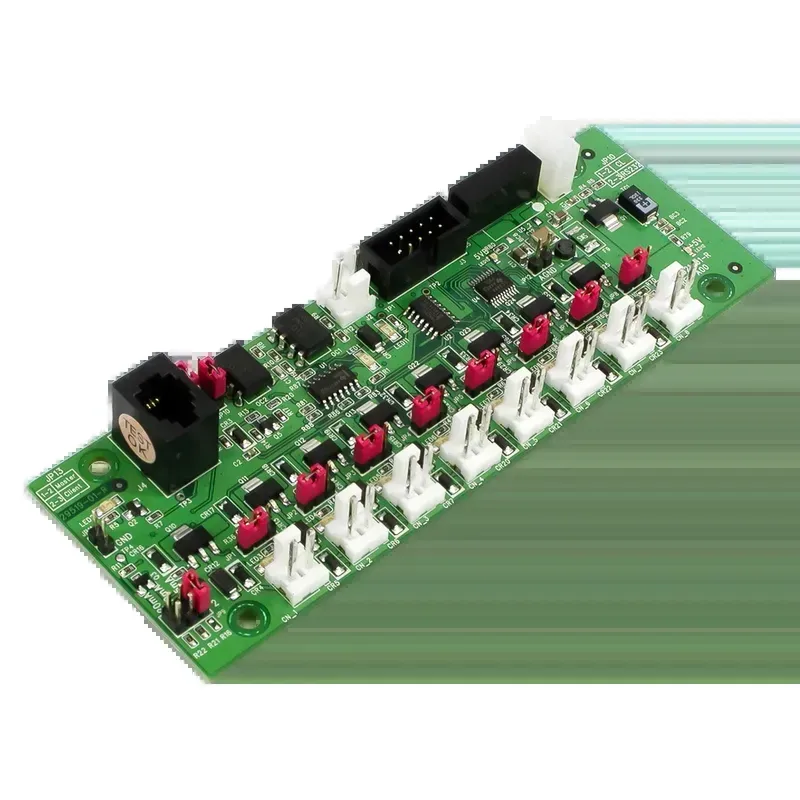
Fuel Monitoring Board Microcontroller
At the heart of any effective Ship Fuel Monitoring Board Solution lies a sophisticated interplay of specialized components, each meticulously engineered to ensure precise data acquisition, processing, and transmission. Understanding these core components is crucial for appreciating the reliability and accuracy essential for optimizing fuel consumption and adhering to stringent maritime regulations. These boards are not merely aggregators of data; they are intelligent systems designed to provide actionable insights for vessel operators.
Fuel Flow Sensors These are the primary data collection points, precisely measuring the volume or mass of fuel consumed by the engine. High-accuracy sensors, often Coriolis or positive displacement types, are critical for reliable data, providing real-time consumption rates to a resolution that supports granular analysis and anomaly detection. Their robust construction is essential to withstand the harsh marine environment and maintain calibration over extended periods.
Microcontrollers (MCUs) The MCU acts as the brain of the fuel monitoring board, processing raw data from sensors, executing algorithms for fuel consumption calculation, and managing data flow. Advanced MCUs with sufficient processing power and memory are chosen to handle complex calculations, filter noise, and interface with various peripherals, ensuring efficient and timely data processing.
Data Transmission Modules These modules facilitate the secure and efficient transfer of processed fuel data to a central management system or cloud platform. Common transmission protocols include Ethernet, Wi-Fi, 4G/5G, or satellite communication, depending on the vessel's operational range and connectivity requirements. Robust data encryption and error correction mechanisms are integrated to ensure data integrity and security during transmission.
Power Management Systems Given the critical nature of fuel monitoring, a reliable and stable power supply is paramount. These systems ensure uninterrupted operation of the board, often incorporating voltage regulators, surge protectors, and backup power solutions (e.g., battery packs) to safeguard against power fluctuations or outages. Efficient power consumption design is also vital to minimize drain on the vessel's electrical systems.
Memory and Storage Onboard memory and storage components are essential for logging historical fuel consumption data, configuration settings, and firmware. Non-volatile memory (e.g., Flash, EEPROM) is typically used to ensure data persistence even during power loss. Sufficient storage capacity allows for extended data logging, which is crucial for trend analysis and compliance reporting.
User Interface/Display (Optional) Some fuel monitoring boards integrate a local display or interface, allowing crew members to view real-time fuel consumption, alarms, and historical data directly on the bridge or in the engine room. This provides immediate feedback and aids in operational decision-making. These interfaces are designed to be intuitive and rugged for the marine environment.
Benefits of Implementing a Fuel Monitoring System
Implementing a robust ship fuel monitoring system is not merely an operational upgrade; it's a strategic investment that delivers profound economic, environmental, and operational advantages. Beyond the immediate cost savings from reduced fuel consumption, these systems provide critical insights for optimizing vessel performance, ensuring regulatory compliance, and safeguarding against losses, ultimately enhancing the competitive edge and sustainability of maritime operations.
Benefit Category
Specific Advantage
Impact on Operations
Economic Savings
Reduced Fuel Consumption
Directly lowers operational expenditures by optimizing engine load and voyage planning, with potential savings of 5-15% according to industry reports like the IMO's third GHG study, based on a combination of technical and operational measures including fuel monitoring systems. For example, a vessel consuming 500 tons of fuel per month can save 25-75 tons, equating to significant financial gains given current fuel prices, assuming average MGO prices of $600-$800/ton, this translates to $15,000-$60,000 in monthly savings per vessel.
Operational Efficiency
Optimized Vessel Performance
Real-time data allows for dynamic adjustments to speed, trim, and routing, maximizing efficiency. Data-driven decisions based on consistent fuel consumption patterns can reduce transit times and improve schedule reliability, leading to increased cargo throughput and reduced port waiting times.
Loss Prevention
Early Detection of Fuel Theft/Leaks
Provides immediate alerts for abnormal fuel consumption patterns, enabling prompt investigation and mitigation of potential losses from siphoning or leaks, which can amount to thousands of dollars per incident. It establishes accountability and transparency in fuel handling, deterring illicit activities and safeguarding assets.
Environmental Compliance
Reduced Emissions & Regulatory Adherence
By optimizing fuel usage, ships can significantly lower their greenhouse gas (GHG) emissions (e.g., CO2, SOx, NOx), aligning with stringent international regulations like IMO 2020 and future EEXI/CII requirements. This proactive approach not only avoids penalties but also enhances a company's environmental stewardship and public image.
Maintenance & Longevity
Predictive Maintenance & Engine Health
Continuous monitoring of fuel flow and consumption can indicate engine performance degradation or potential mechanical issues, allowing for predictive maintenance rather than reactive repairs. This extends engine lifespan, reduces downtime, and prevents costly major breakdowns, improving the overall reliability and safety of the vessel.
Zero One Solution Limited: Your Partner in PCB Solutions
PCB Prototype Sample
Zero One Solution Limited stands as a preeminent force in the realm of PCB solutions, specifically empowering the intricate demands of ship fuel monitoring systems. Our core strength lies in translating complex functional requirements into robust, high-performance printed circuit boards, ensuring the reliability and accuracy vital for maritime operations. We leverage over a decade of industry leadership, coupled with our strategic global presence, to deliver unparalleled rapid prototyping, stringent quality manufacturing, and comprehensive support, enabling our clients to navigate the challenges of fuel efficiency and regulatory compliance with confidence.
Rapid Prototyping Excellence Our Shenzhen headquarters, nestled in the heart of electronic manufacturing, facilitates lightning-fast turnaround times for PCB prototypes. This agility is critical for ship fuel monitoring system developers, allowing for iterative design improvements and accelerated product validation, significantly reducing time-to-market and fostering innovation.
Uncompromised Quality Manufacturing With ISO-certified facilities and rigorous quality control protocols, Zero One Solution Limited guarantees the highest standards in PCB manufacturing for maritime applications. Our commitment extends from material selection to final inspection, ensuring that every board withstands harsh marine environments and delivers consistent, accurate performance, which is paramount for critical fuel data.
Service Aspect
Zero One Solution Advantage
Impact on Ship Fuel Monitoring
PCB Design & Layout
Expertise in complex multi-layer designs, signal integrity, and power management.
Ensures optimal sensor integration and reliable data acquisition for fuel monitoring systems.
Component Sourcing
Global network for authentic, high-quality, and cost-effective components.
Mitigates supply chain risks and ensures the longevity and accuracy of monitoring equipment.
Assembly (PCBA)
Advanced SMT & THT capabilities, BGA rework, and conformal coating.
Provides robust, marine-grade assemblies resistant to vibration, moisture, and temperature fluctuations.
Testing & Validation
Comprehensive functional testing, environmental testing, and quality assurance.
Verifies the accuracy and reliability of fuel data, minimizing operational errors and maintenance needs.
Customization and Design Considerations
Fuel Monitoring Sensor Close-Up
Effective ship fuel monitoring board solutions are rarely one-size-fits-all; instead, their true value lies in their ability to be meticulously customized to the unique operational profiles and existing infrastructure of each vessel. This tailored approach ensures optimal performance, seamless integration, and maximum return on investment, directly addressing the specific challenges and requirements of diverse maritime fleets, from large cargo ships to specialized offshore vessels.
Sensor Selection & Placement The choice and strategic placement of sensors are paramount. Considerations include fuel type (HFO, MGO, LNG), flow rate ranges, viscosity, temperature, and the physical constraints of the vessel's fuel lines. Ultrasonic, Coriolis, or gear flow meters each offer distinct advantages, and their selection must align with accuracy requirements and environmental conditions. For instance, Coriolis meters provide superior accuracy for various fuel types and temperatures, while ultrasonic sensors offer non-intrusive installation.
Data Logging & Storage Capacities Customization extends to how data is collected and stored. Different vessels may require varying logging frequencies, from second-by-second real-time data for dynamic positioning systems to hourly averages for long-haul voyages. On-board storage capacity needs to be robust enough to handle periods of disconnected communication, ensuring no critical data is lost. Considerations for data redundancy and secure local storage are also vital to maintain data integrity and availability.
Design Aspect
Key Customization Considerations
Impact on System Performance
Integration with Existing Systems
Compatibility with propulsion control systems, bridge navigation systems (BNWAS), and existing data networks (NMEA 2000, Ethernet).
Streamlined data flow, reduced installation complexity, and enhanced holistic vessel management.
Power Management
Vessel's electrical system (DC/AC), power redundancy, energy efficiency, and low-power modes for prolonged operation.
Ensures continuous operation, minimizes power consumption, and prevents system downtime due to power fluctuations or failures.
Tailoring a fuel monitoring board solution involves a deep understanding of maritime engineering and operational realities. Zero One Solution Limited excels in this domain, leveraging our rapid prototyping and PCB design capabilities to develop highly specialized and robust solutions that precisely match client specifications, ensuring superior performance and reliability in demanding marine environments.
The Role of Data Analytics in Fuel Optimization
Data analytics stands as a cornerstone in maximizing the efficacy of Ship Fuel Monitoring Board Solutions, transforming raw data into actionable intelligence for unparalleled fuel optimization. By leveraging advanced analytical techniques, vessel operators can move beyond mere data collection to proactive, informed decision-making, leading to significant reductions in fuel consumption and operational costs. This strategic approach to fuel management is pivotal for achieving sustained efficiency and maintaining a competitive edge in the maritime industry, ultimately contributing to a more sustainable and profitable operation.
Real-time Performance Monitoring Data analytics provides real-time insights into engine performance, fuel consumption rates, and operational parameters. This allows for immediate identification of inefficiencies or anomalies, enabling crew members to make instant adjustments for optimal fuel burn. For instance, deviations from ideal RPM or speed-to-consumption ratios can be flagged instantly, preventing unnecessary fuel wastage. According to a DNV GL report, continuous monitoring and data analysis can lead to up to a 10% reduction in fuel consumption for existing vessels by optimizing operational parameters and maintenance schedules.
Predictive Maintenance and Anomaly Detection Beyond current performance, data analytics can predict potential equipment failures or maintenance needs related to fuel systems. By analyzing historical data patterns and sensor readings, algorithms can detect subtle anomalies that might indicate issues like clogged fuel filters, injector problems, or hull fouling. This predictive capability allows for scheduled maintenance, avoiding costly breakdowns and ensuring that the vessel operates at peak fuel efficiency. Early detection of issues can prevent exponential increases in fuel consumption that occur when components are not functioning optimally.
Analytical Application
Key Benefit
Impact on Fuel Efficiency
Route Optimization Analysis
Identifies most fuel-efficient routes considering weather, currents, and vessel load.
Reduces travel time and consumption by minimizing resistance and optimizing speed profile, often yielding 3-5% savings per voyage.
Trim & Draft Optimization
Determines optimal vessel trim and draft for minimum hull resistance.
Significantly reduces hydrodynamic drag, leading to 1-2% fuel savings, as demonstrated by studies from the International Maritime Organization (IMO).
Propeller Performance Evaluation
Monitors and analyzes propeller efficiency to detect degradation or cavitation.
Ensures optimal thrust generation, preventing fuel wastage due to inefficient propulsion and highlighting needs for cleaning or repair, potentially saving 2-4%.
By integrating these analytical applications with the robust PCB solutions provided by Zero One Solution Limited, maritime businesses can establish a comprehensive and highly effective fuel management ecosystem. Our expertise in designing and manufacturing high-precision PCBs for sensor integration and data processing is crucial for the reliability and accuracy required for advanced data analytics. This partnership ensures that the foundational hardware supports the sophisticated software layers, enabling vessels to achieve unprecedented levels of fuel efficiency and operational excellence.
Compliance and Regulatory Considerations for Ship Fuel Monitoring
Adhering to international maritime regulations and industry standards is paramount for any ship fuel monitoring board solution, directly impacting operational legality, environmental responsibility, and financial viability. Non-compliance can lead to severe penalties, reputational damage, and operational disruptions. Robust fuel monitoring systems are indispensable tools for vessels to accurately track consumption and emissions, thereby demonstrating compliance with stringent global requirements set forth by organizations such as the IMO.
What are the key international regulations governing ship fuel monitoring? The primary international regulation is the International Maritime Organization's (IMO) MARPOL Annex VI, which addresses air pollution from ships. It includes requirements for collecting and reporting fuel consumption data, particularly for the IMO Data Collection System (DCS) for fuel oil consumption, and sets limits on sulfur content in marine fuels (e.g., the IMO 2020 sulfur cap). Additionally, regional regulations like the EU MRV (Monitoring, Reporting, Verification) Regulation for CO2 emissions from shipping also mandate precise fuel monitoring and reporting.
How does a ship fuel monitoring system aid in MARPOL Annex VI compliance? A comprehensive ship fuel monitoring system directly supports MARPOL Annex VI compliance by providing accurate, real-time, and historical data on fuel consumption, fuel oil changeovers, and emissions. This data is crucial for completing the mandatory Fuel Oil Consumption Reporting (FOCR) to the IMO DCS, demonstrating adherence to sulfur limits, and verifying the efficient operation of fuel oil management systems onboard. It ensures transparent and verifiable reporting, reducing the risk of non-compliance and associated penalties.
Are there specific industry standards that a fuel monitoring board should meet? Yes, beyond regulatory mandates, a robust fuel monitoring board should align with several industry best practices and standards. These include adherence to relevant ISO standards for measurement accuracy (e.g., ISO 8217 for marine fuels), communication protocols (e.g., NMEA 2000 for marine electronics), and cybersecurity standards to protect sensitive operational data. Compliance with classification society rules (e.g., DNV, Lloyd's Register) for marine equipment is also critical for system reliability and certification.
What are the consequences of non-compliance with fuel monitoring regulations? The consequences of non-compliance are significant and multi-faceted. They can include substantial fines levied by port state control authorities, detentions of vessels, legal proceedings, and even criminal charges in severe cases of environmental violations. Beyond monetary penalties, non-compliance can lead to severe reputational damage for shipping companies, loss of commercial opportunities, increased insurance premiums, and operational disruptions due to mandatory corrective actions.
How can Zero One Solution Limited ensure our fuel monitoring board solutions are compliant? Zero One Solution Limited ensures compliance by designing and manufacturing PCB solutions for fuel monitoring boards that are built to the highest industry standards. We integrate components suitable for accurate data acquisition and processing as per IMO DCS and EU MRV requirements. Our rapid prototyping and testing processes ensure that the final product meets stringent regulatory specifications for data integrity, reliability, and environmental resilience, providing clients with a compliant and future-proof solution from the ground up.
Future Trends in Ship Fuel Monitoring Technology
Wireless Sensor Network
The maritime industry is on the cusp of a technological revolution, and ship fuel monitoring is no exception. Future advancements are set to transform how vessels manage and optimize fuel consumption, moving beyond basic data collection to predictive analytics, autonomous optimization, and unparalleled real-time insights, driven by the imperative for enhanced efficiency and environmental stewardship. These emerging trends will empower ship operators with more sophisticated tools to reduce operational costs and meet increasingly stringent environmental regulations.
Integration of AI and Machine Learning for Predictive Fuel Optimization Artificial Intelligence (AI) and Machine Learning (ML) are poised to revolutionize fuel monitoring by enabling predictive analytics. Instead of merely reporting current consumption, AI/ML algorithms will analyze historical data, weather patterns, vessel performance, and voyage plans to predict optimal fuel usage. This includes dynamic routing, proactive maintenance scheduling based on engine efficiency degradation, and real-time adjustments to speed and trim, leading to significant fuel savings and reduced emissions. For example, an AI system could learn that a specific engine load combined with certain sea conditions consistently leads to higher fuel consumption, then recommend alternative operational parameters.
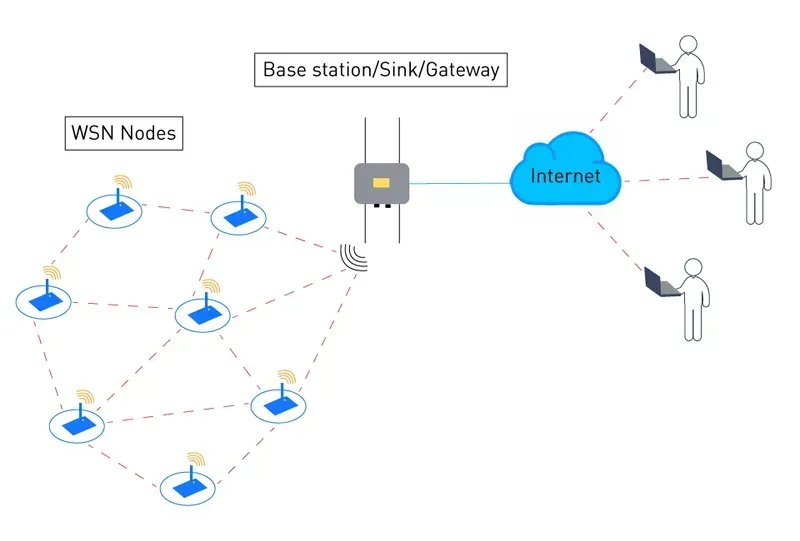
Advancements in Wireless Sensor Networks (WSN) for Seamless Data Acquisition Traditional wired sensor installations on ships can be complex and costly. Future trends point towards increasingly sophisticated Wireless Sensor Networks (WSN). These networks will offer greater flexibility, easier installation, and reduced maintenance. WSNs can deploy a multitude of compact, energy-efficient sensors across various points of the vessel – from fuel tanks to engine rooms – transmitting data wirelessly to a central monitoring unit. This allows for a denser array of data points, capturing more granular insights into fuel flow, temperature, pressure, and even the composition of the fuel itself, without the need for extensive cabling infrastructure.
Real-time Data Visualization and Digital Twin Technology for Holistic Insights Enhanced real-time data visualization will move beyond simple dashboards to incorporate advanced graphical interfaces, including 3D models and digital twin technology. A digital twin of a vessel will allow operators to simulate various scenarios and instantly see the impact of operational changes on fuel consumption. This provides a holistic view of the ship's energy performance, enabling proactive decision-making. Operators could, for instance, virtually test the impact of adjusting ballast or changing course on fuel efficiency before making actual physical changes, minimizing risk and maximizing savings.
Blockchain Technology for Secure and Transparent Fuel Data Management Blockchain technology could play a vital role in ensuring the integrity and transparency of fuel consumption data. By recording every fuel transaction and consumption metric on an immutable, distributed ledger, blockchain can provide an auditable trail of fuel usage. This is particularly relevant for compliance reporting and combating fuel fraud. It ensures that data reported for emissions regulations or bunkering operations is tamper-proof and verifiable, building trust among stakeholders, including regulators, ship owners, and charterers.
Integration with Autonomous Shipping Systems for Self-Optimizing Vessels As the maritime industry moves towards autonomous shipping, fuel monitoring systems will integrate deeply with these self-operating platforms. Future autonomous vessels will have fuel management systems that continuously self-optimize based on real-time conditions, pre-programmed efficiency targets, and AI-driven insights. This means the ship itself will make dynamic adjustments to propulsion, routing, and power distribution to achieve maximum fuel efficiency without human intervention, representing the ultimate evolution in fuel optimization.
Frequently Asked Questions (FAQs) on Ship Fuel Monitoring Board Solutions
How does a ship fuel monitoring board solution contribute to operational cost savings? A ship fuel monitoring board solution significantly reduces operational costs by providing precise, real-time data on fuel consumption. This enables operators to identify inefficiencies, optimize engine performance, detect leaks or theft immediately, and plan more efficient routes. By pinpointing areas of excessive fuel use, vessels can achieve substantial savings, often offsetting the initial investment rapidly. Industry data suggests that optimized fuel management can lead to savings of 5-15% in fuel costs, a critical factor given the volatile price of bunkers and the high proportion of fuel in total operational expenses for maritime shipping.
In conclusion, ship fuel monitoring board solutions are indispensable for modern maritime operations striving for efficiency, cost reduction, and environmental stewardship. Zero One Solution Limited, with its expertise in PCB design, manufacturing, and assembly, stands ready to partner with you in developing and deploying customized fuel monitoring solutions. Contact us today to explore how our PCB solutions can help you optimize your vessel's fuel consumption, reduce operational costs, and contribute to a greener maritime future. Let Zero One Solution Limited be your trusted partner in navigating the future of efficient and sustainable shipping.