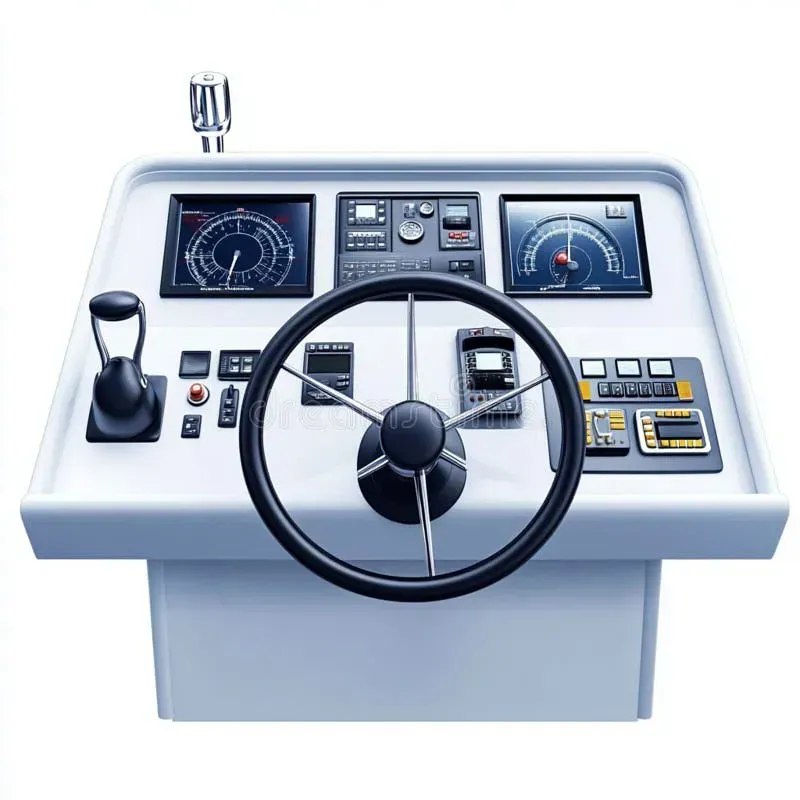
In the vast expanse of the open sea, the precision and reliability of navigation systems are paramount. Modern shipping vessels rely heavily on sophisticated electronic control boards to ensure safe and efficient passage. These navigation control boards are the brains behind the operation, integrating data from various sensors and systems to provide real-time guidance and control. At Zero One Solution Limited, we understand the critical importance of these components. With over a decade of experience in PCB solutions, rapid prototyping, manufacturing, and assembly, we empower our clients to navigate the complex waters of maritime technology with confidence. This article delves into our comprehensive shipping vessel navigation control board solutions, highlighting how our expertise can enhance the performance, reliability, and safety of your vessel's navigation system.
Introduction: The Critical Role of Navigation Control Boards
At the heart of every modern shipping vessel's operational integrity lies the navigation control board, a sophisticated piece of engineering paramount for ensuring safety, maximizing efficiency, and achieving overall operational effectiveness. These printed circuit boards (PCBs) are not mere components; they are the central nervous system, processing vast amounts of data from radar, GPS, sonar, and other sensors to guide vessels safely through complex waterways and challenging conditions. Their indispensable role extends beyond simple guidance, encompassing crucial functions like collision avoidance, route optimization, and maintaining precise course, making their reliability and performance non-negotiable in the maritime industry.
Zero One Solution Limited: Your Partner in Marine PCB Solutions
Zero One Solution Limited stands as a beacon of excellence in the realm of marine PCB solutions, built on over a decade of dedicated expertise since our founding in 2011. Specializing in rapid-response R&D prototype manufacturing, we are uniquely positioned to empower marine technology innovators, accelerating product development cycles and ensuring cutting-edge navigation control boards reach the market with unparalleled efficiency and reliability. Our strategic operational hubs in Shenzhen, China, and Dubai, UAE, grant us a formidable global reach, ensuring seamless access to a worldwide PCBA supply chain and enabling us to serve clients across the globe with precision and speed.
Why Choose Zero One Solution Limited for Marine PCB Solutions? Zero One Solution Limited offers a distinct advantage through our specialized focus on rapid prototyping, comprehensive one-stop services from design to assembly, and a global operational footprint. We prioritize quality, efficiency, and customized solutions tailored to the rigorous demands of the marine environment, ensuring your navigation control boards are robust, reliable, and cutting-edge. Our deep industry experience and commitment to innovation make us an ideal partner for accelerating your marine technology projects.
Comprehensive PCB Design for Navigation Systems
Navigation Control Board Design
The design of Printed Circuit Boards (PCBs) for shipping vessel navigation systems is a critical undertaking that directly impacts maritime safety and operational efficiency. Unlike general-purpose electronics, marine PCBs demand meticulous attention to detail in their design process to withstand the unique rigors of the marine environment, including extreme temperatures, humidity, vibrations, and electromagnetic interference. A comprehensive design approach, encompassing schematic capture, advanced layout techniques, and rigorous analysis, is paramount to ensuring the long-term reliability and performance of these vital control boards at sea.
Schematic Capture: The Blueprint of Precision This initial phase meticulously defines the electronic circuit, selecting components with marine-grade specifications for reliability and longevity. We prioritize robust ICs, passive components, and connectors that can withstand saltwater exposure and high humidity. Precise power distribution networks are designed to ensure stable voltage rails, critical for sensitive navigation sensors and processors. Furthermore, built-in diagnostic points are incorporated for ease of testing and troubleshooting during both production and in-service maintenance.
Layout Design: Optimizing Performance and Durability The physical arrangement of components and traces is optimized for signal integrity, thermal dissipation, and mechanical resilience. We employ multi-layer PCB designs to minimize signal crosstalk and electromagnetic interference (EMI), a crucial factor in navigation systems operating alongside high-power machinery. Copper pours are strategically used for enhanced thermal management and robust grounding, mitigating hot spots and improving overall reliability. Component placement considers vibration resistance, with larger or heavier components anchored securely.
Signal Integrity (SI) and Power Integrity (PI) Analysis: Ensuring Data Accuracy High-speed digital signals are prevalent in modern navigation systems. Our design process includes advanced SI analysis to prevent signal distortion, reflections, and timing issues that could compromise data accuracy from GPS, radar, and sonar. PI analysis ensures stable power delivery across the board, minimizing voltage drops and noise that can affect sensitive analog and digital circuitry. These analyses are performed using industry-leading simulation tools, ensuring predictable performance under operational conditions.
Thermal Management: Battling the Heat of the High Seas Effective thermal management is crucial given the confined and often high-temperature environments on vessels. Our designs incorporate passive cooling techniques, such as optimized copper distribution and thermal vias, and active cooling considerations where necessary. We utilize thermal simulation software to predict heat dissipation pathways and identify potential hotspots, ensuring that all components operate within their specified temperature ranges, thereby extending the lifespan and reliability of the navigation control board.
Design Aspect
Importance for Marine Navigation PCBs
Zero One Solution's Approach
Component Selection
Resilience to marine environments (humidity, salt mist, vibration)
Exclusive use of industrial/automotive grade components, strict supplier qualification, MIL-STD adherence
Trace Routing & Impedance Control
Minimizing signal loss and interference for accurate data
Protection against water ingress and corrosive elements
Design for conformal coating application, robust enclosure compatibility, consideration of IP ratings
Manufacturing Excellence: Ensuring Reliability at Sea
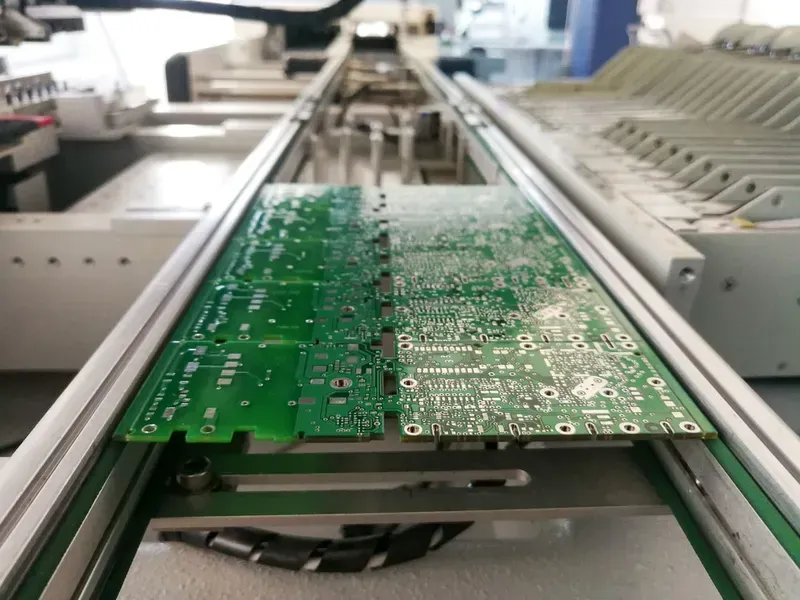
PCB Manufacturing Production Line
The manufacturing of a shipping vessel navigation control board is a precision-driven endeavor where uncompromising quality directly translates to operational reliability and safety at sea. Zero One Solution Limited employs a robust manufacturing framework, integrating stringent quality control, advanced material selection, and adherence to global industry standards to guarantee every PCB withstands the severe marine environment.
Precision Manufacturing Process Our manufacturing process begins with automated solder paste inspection (SPI) to ensure precise solder deposition, followed by high-speed pick-and-place machines for accurate component mounting. Reflow soldering profiles are meticulously calibrated to optimize solder joint integrity, crucial for the long-term reliability of components exposed to vibration and temperature fluctuations. This systematic approach minimizes defects and maximizes board functionality.
Material Selection for Harsh Marine Conditions The harsh marine environment demands specialized materials. We utilize FR-4 laminates with enhanced moisture resistance and high Tg (glass transition temperature) properties for dimensional stability under varying temperatures. For corrosion resistance, critical components often feature protective conformal coatings (e.g., acrylic, silicone, polyurethane) and specialized finishes like Electroless Nickel Immersion Gold (ENIG) on exposed pads, providing superior solderability and environmental protection against salt spray and humidity.
Rigorous Quality Control Measures Quality is paramount at every stage. In-line Automated Optical Inspection (AOI) identifies assembly defects with high precision, while X-ray inspection is used for BGA and complex components to verify solder joint quality. We implement comprehensive traceability systems, logging every component and process step, ensuring complete visibility and accountability from raw material to finished product. This allows for immediate identification and rectification of any anomalies.
Adherence to Industry Standards and Certifications Our manufacturing processes strictly comply with international industry standards, including IPC-A-610 (Acceptability of Electronic Assemblies) and IPC-J-STD-001 (Requirements for Soldered Electrical and Electronic Assemblies), ensuring superior workmanship and reliability. Furthermore, our facilities often adhere to ISO 9001 quality management systems and are capable of meeting specific marine certifications such as DNV GL, Lloyd's Register, or ABS requirements, depending on the client's needs, validating our commitment to global quality benchmarks.
PCB Assembly and Testing: Guaranteeing Performance
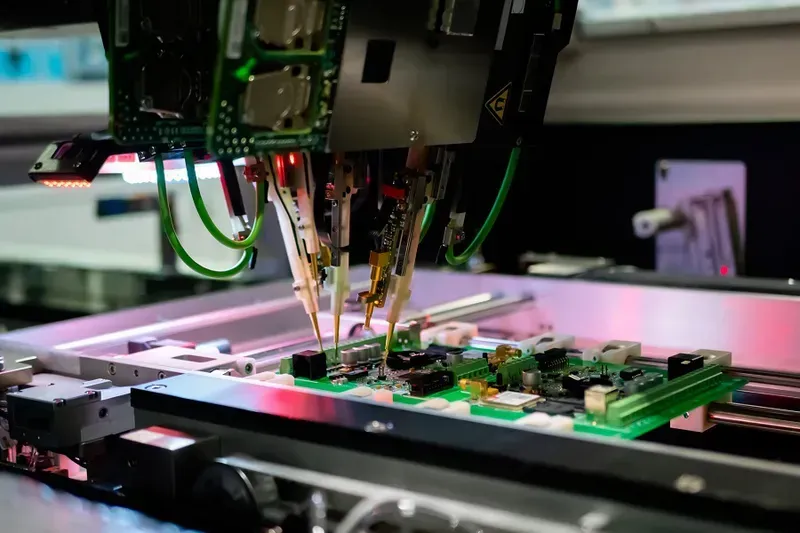
PCB Assembly and Testing Engineer
The performance and long-term reliability of a Shipping Vessel Navigation Control Board are critically dependent on meticulous PCB assembly and comprehensive testing. At Zero One Solution Limited, our advanced assembly processes, coupled with stringent testing protocols, ensure that every board not only meets but exceeds the demanding operational requirements of the marine environment, safeguarding navigation precision and vessel safety.
Advanced Component Placement and Soldering We utilize high-precision automated pick-and-place machines for accurate component mounting, minimizing errors and ensuring optimal electrical connections. This is complemented by state-of-the-art soldering techniques, including reflow soldering for surface-mount devices (SMD) and wave soldering for through-hole components, ensuring robust and consistent solder joints that withstand vibration and thermal stress inherent in maritime operations. Our processes adhere strictly to IPC Class 2/3 standards, providing the highest level of reliability for mission-critical applications.
Automated Optical Inspection (AOI) After soldering, every assembled PCB undergoes Automated Optical Inspection (AOI). This non-contact inspection method rapidly scans the board, detecting a wide array of defects such as missing components, incorrect component polarity, solder bridges, opens, and insufficient solder. AOI ensures consistent quality, identifying potential issues early in the assembly process before they escalate into costly failures, thus improving throughput and overall product integrity.
Rigorous Functional Testing Functional testing is paramount to verify that the navigation control board operates as intended under simulated real-world conditions. This involves powering up the board and running specific test routines to confirm the functionality of all integrated circuits, microcontrollers, communication interfaces (e.g., NMEA 0183/2000, Ethernet), and sensor inputs. Our custom-designed test fixtures and automated test equipment (ATE) provide thorough validation of electrical performance, signal integrity, and logical operations.
Environmental Stress Screening (ESS) To guarantee resilience in harsh marine environments, we subject navigation control boards to Environmental Stress Screening (ESS). This includes thermal cycling (exposing boards to rapid temperature changes from -40°C to +85°C), humidity testing (up to 95% RH), and vibration testing. ESS proactively identifies latent defects that might not be visible during initial functional tests, ensuring the board's durability and long-term stability when exposed to extreme temperatures, moisture, and mechanical stress at sea. This proactive approach significantly reduces field failures.
Quality Assurance and Traceability Our commitment to quality extends beyond testing. We implement a comprehensive Quality Management System (QMS) that includes strict material traceability, process control, and documentation. Each board is serialized, allowing for complete traceability from raw materials through every stage of manufacturing and assembly. This meticulous approach ensures accountability, facilitates rapid problem-solving, and provides confidence in the reliability of our navigation control board solutions.
Rapid Prototyping: Accelerating Innovation in Marine Technology
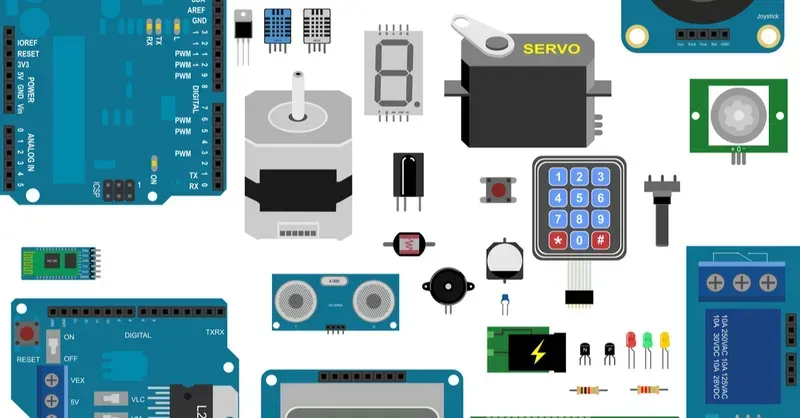
PCB Rapid Prototype Sample
Rapid prototyping is a pivotal enabler for accelerating innovation in the demanding field of marine technology, particularly in the development of sophisticated shipping vessel navigation control boards. This agile approach allows for swift transformation of conceptual designs into tangible prototypes, facilitating iterative refinement and rigorous testing under realistic conditions. By significantly reducing the feedback loop between design and validation, rapid prototyping minimizes costly errors, optimizes performance, and ultimately shortens the time-to-market for cutting-edge navigation solutions, ensuring vessels are equipped with the most advanced and reliable control systems.
Faster Design Iterations Rapid prototyping enables engineers to quickly produce multiple versions of a navigation control board. This allows for immediate testing of design modifications, component placements, and circuit optimizations, leading to a refined product much faster than traditional methods. For instance, a design iteration that might have taken weeks can be condensed into days, significantly boosting development velocity and adaptability to evolving marine standards and technologies. This agility is crucial for responding to emerging challenges in shipping vessel navigation.
Early Detection of Potential Issues By creating physical prototypes early in the development cycle, potential design flaws, manufacturing challenges, and performance bottlenecks in navigation control boards can be identified and rectified proactively. This early detection mechanism prevents issues from escalating into expensive rework or critical system failures later in the production phase, ensuring the robustness and reliability essential for marine environments. Prototyping allows for real-world stress testing against vibration, temperature fluctuations, and electromagnetic interference, all common at sea.
Reduced Time-to-Market The ability to quickly prototype, test, and iterate on navigation control board designs dramatically slashes the overall product development timeline. This competitive advantage allows manufacturers to introduce advanced navigation systems to the market faster, capturing new opportunities and responding swiftly to industry demands. For the shipping industry, this means quicker access to more efficient and safer navigation technologies, directly impacting operational costs and regulatory compliance. Streamlined development translates directly into a more responsive supply chain for critical marine electronics.
Customized Solutions: Tailoring to Specific Vessel Needs
In the complex and diverse maritime industry, a one-size-fits-all approach to navigation control boards is simply insufficient. Zero One Solution Limited excels in delivering highly customized PCB solutions that precisely align with the distinct operational demands and environmental challenges of various vessel types and their intricate navigation systems. This bespoke approach ensures optimal performance, enhanced safety, and seamless integration for every unique application.
Cargo Ships For large cargo vessels, our customized PCBs prioritize robust data processing capabilities for route optimization, precise GPS tracking, and reliable communication systems. We design for high-endurance operations, ensuring resistance to continuous vibration and extreme temperature fluctuations encountered during long voyages across diverse climatic zones, integrating advanced EMI/EMC shielding to prevent interference from powerful onboard electronics systems typically found on such vessels.
Tankers Tankers require navigation control boards with exceptional safety features due to the hazardous nature of their cargo. Our solutions incorporate intrinsic safety considerations, redundant systems for critical navigation parameters, and materials resistant to corrosive atmospheres. Emphasis is placed on explosion-proof designs and highly stable power management to prevent any potential ignition sources in volatile environments.
Passenger Ships & Cruise Liners For passenger vessels, the focus shifts to ensuring uninterrupted and highly precise navigation for passenger comfort and safety. Our custom PCBs support advanced integrated bridge systems, sophisticated radar, and sonar for collision avoidance, and robust entertainment/communication networks. Design considerations include minimal electromagnetic interference to protect sensitive passenger electronic devices and ensure seamless connectivity throughout the vessel.
Fishing Vessels Fishing vessels demand compact, durable, and highly precise navigation systems for efficient operation in often unpredictable sea conditions. Our custom solutions integrate advanced sonar and echo sounder interfaces, precise plotting capabilities, and robust designs capable of withstanding constant exposure to moisture and shock, often with simplified interfaces for ease of use by crew members in challenging environments.
Special Purpose Vessels (e.g., Research, Offshore Support) These vessels often require highly specialized navigation and control systems. Zero One Solution Limited develops bespoke PCBs that integrate unique sensor arrays, high-bandwidth data acquisition capabilities, and custom interfaces for specific research equipment or operational machinery. Our rapid prototyping capabilities are particularly valuable here, allowing for quick iteration and validation of highly specialized designs.
Zero One Solution Limited's expertise in PCB solutions translates directly into tangible benefits for the maritime industry, enhancing the safety, efficiency, and operational longevity of shipping vessels globally. Our real-world applications demonstrate a proven track record of delivering robust, high-performance navigation control boards that meet the stringent demands of the marine environment. These case studies underscore our commitment to precision engineering, rapid prototyping, and unwavering quality, providing partners with a competitive edge in a dynamic global shipping landscape.
Enhanced Reliability for Arctic Research Vessel Navigation A leading polar research institution required a highly robust navigation control board capable of withstanding extreme temperatures, severe vibrations, and constant exposure to moisture and electromagnetic interference. Zero One Solution Limited engineered a custom PCB, utilizing military-grade components and advanced conformal coating techniques. The solution significantly improved signal integrity and thermal dissipation, leading to a 40% reduction in system failures compared to their previous supplier and ensuring uninterrupted navigation in critical Arctic expeditions. This collaboration enhanced data accuracy and operational safety for vital scientific missions.
Cost-Effective Upgrade for Commercial Freighter Fleet A global shipping company sought to upgrade the outdated navigation systems across its fleet of commercial freighters, facing challenges with high maintenance costs and frequent downtime. We developed a drop-in replacement navigation control board solution that leveraged modern, more efficient components while maintaining compatibility with existing vessel infrastructure. Our rapid prototyping facilitated quick iterations and testing, enabling a fleet-wide deployment within six months. This resulted in a 25% decrease in annual maintenance expenditures and a 15% improvement in navigation system response times, contributing to optimized routing and fuel efficiency.
Safety Augmentation for Passenger Cruise Liner Steering A prominent cruise line needed to enhance the redundancy and reliability of its primary steering control system, a critical safety component. Zero One Solution Limited designed a dual-redundant navigation control board with integrated self-diagnostic capabilities and hot-swappable modules. Our manufacturing process incorporated stringent IPC Class 3 standards for high-reliability electronics. The implementation of this solution led to a 100% uptime record for the steering navigation system since deployment, significantly boosting passenger safety and operational confidence, and exceeding international maritime safety regulations.
The Future of Navigation: Embracing Innovation with Zero One Solution Limited
The evolution of shipping vessel navigation is rapidly accelerating, driven by advancements in sensor technology, artificial intelligence, and global connectivity. Zero One Solution Limited stands at the forefront of this transformation, actively developing advanced PCB solutions that are critical for emerging marine technologies such as autonomous vessels and sophisticated IoT integration. Our commitment to innovation ensures that our clients are equipped with future-proof navigation control boards, ready to navigate the complexities and opportunities of tomorrow's maritime industry.
Autonomous Vessels: The Next Frontier The development of autonomous shipping vessels represents a paradigm shift, promising enhanced safety, operational efficiency, and reduced human error. Zero One Solution Limited is actively engaged in providing the foundational PCB technology required for these complex systems, including high-density interconnect (HDI) boards for advanced sensor fusion, robust signal processing units for real-time decision-making, and reliable power management modules essential for uninterrupted operation. Our expertise in miniaturization and high-reliability design is crucial for the confined and demanding environments of autonomous control systems.
IoT Integration: Connected Maritime Ecosystems The integration of Internet of Things (IoT) technologies is revolutionizing marine operations, enabling predictive maintenance, real-time data analytics, and enhanced situational awareness. Our PCB solutions facilitate seamless IoT integration, from smart sensors monitoring engine performance and cargo conditions to sophisticated communication modules enabling satellite and broadband connectivity. We design PCBs optimized for low power consumption, high data throughput, and resilience against electromagnetic interference, ensuring reliable data flow across a connected vessel and its shore-based support systems.
Emerging Technology
Key PCB Requirements
Zero One Solution's Contribution
Autonomous Navigation
High-speed data processing, redundant systems, robust sensor interfaces
FAQs: Addressing Common Questions About Navigation Control Boards
Understanding the intricacies of Shipping Vessel Navigation Control Boards is crucial for maritime safety and operational efficiency. This section addresses frequently asked questions, providing clear, concise answers to common inquiries about their design, manufacturing, assembly, testing, and maintenance, ensuring that our clients and partners have the information needed to make informed decisions and optimize their marine electronics.
What are the key design considerations for Shipping Vessel Navigation Control Boards? Key design considerations for navigation control boards include robust signal integrity to prevent interference, thermal management for consistent performance in varying temperatures, electromagnetic compatibility (EMC) to avoid electronic noise, and selecting materials that withstand harsh marine environments like saltwater corrosion and humidity. Adherence to maritime standards such as IEC 60945 and DNV GL rules is paramount for reliability and safety.
How does Zero One Solution Limited ensure the reliability of navigation control board PCBs in harsh marine environments? Zero One Solution Limited ensures reliability through rigorous material selection (e.g., high-Tg laminates, corrosion-resistant finishes), advanced manufacturing processes (e.g., controlled impedance routing, multi-layer stack-ups), and comprehensive testing protocols. This includes environmental stress screening, vibration testing, and accelerated life testing, all designed to simulate and exceed typical marine operational conditions.
What testing procedures are performed on Navigation Control Boards before deployment? Before deployment, navigation control boards undergo extensive testing, including Automated Optical Inspection (AOI) for solder joint quality, In-Circuit Testing (ICT) for component presence and shorts/opens, Boundary Scan testing for complex ICs, and comprehensive Functional Testing (FCT) to verify operational performance against specifications. Environmental stress testing (e.g., temperature cycling, humidity exposure) is also crucial to ensure resilience in marine conditions.
Can Zero One Solution Limited provide customized Navigation Control Board solutions for specific vessel types? Absolutely. Zero One Solution Limited specializes in providing highly customized PCB solutions. We work closely with clients to understand the unique requirements of different vessel types—be it cargo ships, tankers, cruise liners, or specialized offshore vessels—and design navigation control boards tailored to their specific system architectures, communication protocols, and environmental specifications, ensuring seamless integration and optimal performance.
What is the typical lead time for rapid prototyping of Navigation Control Board PCBs? Our rapid prototyping service is designed for speed and efficiency. The typical lead time for initial prototypes of Navigation Control Board PCBs can range from 3 to 7 working days, depending on design complexity, material availability, and the number of layers. We leverage advanced manufacturing capabilities and streamlined processes to significantly accelerate the development cycle, allowing for quicker design iterations and faster time-to-market for our clients' innovations.
What are the common maintenance practices for Shipping Vessel Navigation Control Boards? Common maintenance practices for navigation control boards include regular visual inspections for signs of corrosion or physical damage, ensuring proper ventilation to prevent overheating, periodic cleaning to remove dust and debris, and firmware updates as recommended by the system manufacturer. Proactive monitoring of performance metrics and addressing environmental factors like humidity control are also crucial for longevity and preventing unexpected failures at sea.
In conclusion, Zero One Solution Limited is dedicated to providing cutting-edge PCB solutions for shipping vessel navigation control boards. Our commitment to quality, rapid prototyping, and comprehensive service ensures that our clients receive reliable, high-performance solutions tailored to their specific needs. By choosing Zero One Solution Limited, you are investing in the safety, efficiency, and technological advancement of your maritime operations. Contact us today to discuss your navigation control board requirements and discover how our expertise can propel your vessel towards a brighter, more secure future. Share this article to help others discover the power of reliable navigation solutions!