In an era where safety and smart technology converge, gas leak detectors have become indispensable in homes, industries, and various other settings. At the heart of these detectors lies a sophisticated PCB (Printed Circuit Board), the central nervous system that orchestrates the device's functionality. Zero One Solution Limited, a leading PCB solution provider specializing in rapid prototyping, is at the forefront of delivering cutting-edge PCB solutions for smart gas leak detectors. But what makes a PCB solution 'smart' in the context of gas leak detection, and how can it enhance safety and efficiency? Let's delve into the world of smart gas leak detector PCB solutions and explore the innovative technologies driving this critical field.
In an era where safety and proactive risk management are paramount, smart gas leak detectors have emerged as critical devices, significantly enhancing protection in residential, industrial, and public environments. Unlike conventional detectors, these advanced systems leverage sophisticated PCB solutions to provide unparalleled sensitivity, real-time data, and rapid response capabilities, transforming how we monitor and mitigate gas-related hazards. The increasing demand for such intelligent solutions is driven by a confluence of stringent safety regulations, the rising awareness of gas leak dangers, and the transformative potential of IoT integration in creating safer, more responsive environments. Zero One Solution Limited, a leader in rapid prototyping and PCB manufacturing, understands that the foundation of a reliable smart gas leak detector lies in its expertly designed and manufactured Printed Circuit Board, ensuring precision and reliability in every detection.
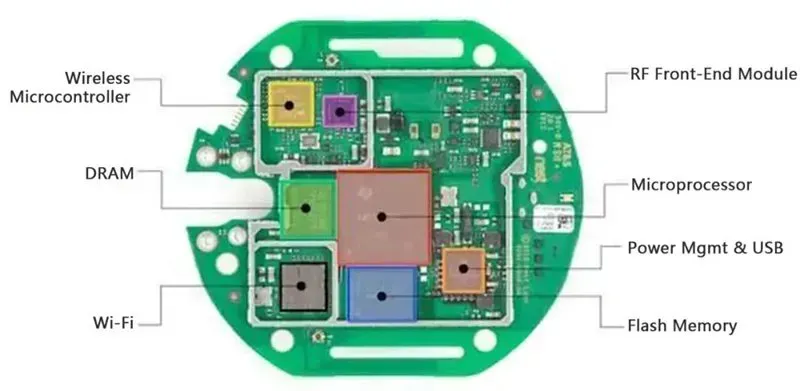
A robust and reliable Printed Circuit Board (PCB) forms the technological backbone of any smart gas leak detector, orchestrating the precise interplay of various components to ensure rapid detection and effective alerts. The sophistication of a smart gas leak detector hinges on the synergistic integration of these key components, each playing a critical role in transforming raw sensor data into actionable safety information. Understanding these fundamental building blocks is essential for designing and manufacturing high-performance detection systems.
| Component | Function | Impact on Performance |
|---|---|---|
| Gas Sensor | Detects specific gas concentrations and converts them into electrical signals. | Accuracy, response time, selectivity, and longevity are directly tied to sensor quality. |
| Signal Conditioning Circuit | Amplifies, filters, and processes the weak analog signals from the gas sensor for reliable interpretation. | Minimizes noise, prevents signal degradation, and ensures precise data input for the microcontroller. |
| Microcontroller (MCU) | Acts as the 'brain,' processing sensor data, executing algorithms, controlling peripheral components, and managing communication. | Determines processing speed, algorithmic complexity, power efficiency, and overall system intelligence. |
| Power Management Module | Regulates and distributes power to all components, often including battery charging and power saving functionalities. | Critical for prolonged operation, especially in battery-powered devices, and influences overall system stability. |
| Communication Interface (Wi-Fi, Bluetooth, Zigbee, LoRa) | Enables wireless connectivity for remote monitoring, alerts, and integration into IoT ecosystems. | Dictates range, data transfer speed, power consumption, and compatibility with smart home or industrial networks. |
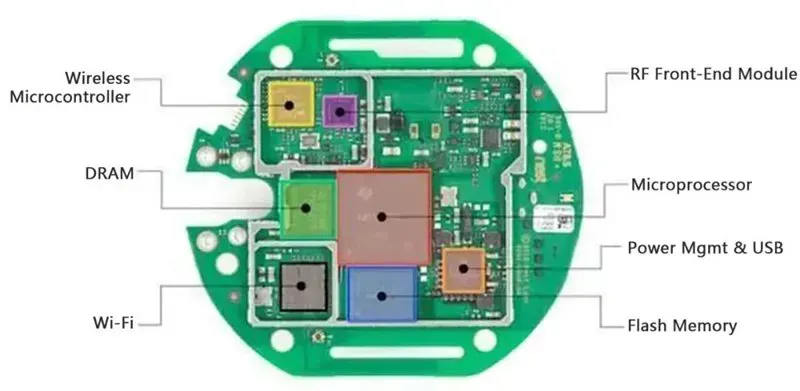
Achieving precise and reliable gas detection in smart gas leak detectors hinges on meticulous PCB design, particularly in the integration of gas sensors. Optimal sensor performance is not merely about selecting a high-quality sensor; it demands careful consideration of its environmental interaction, signal integrity, and long-term stability. This section delves into the crucial design aspects that ensure your smart gas leak detector PCB solution delivers uncompromised accuracy and reliability, minimizing false alarms and maximizing life-saving potential.
| Design Aspect | Key Consideration | Impact on Performance |
|---|---|---|
| Sensor Placement | Proximity to target gas, air flow, protection from environmental factors (dust, humidity) | Directly affects detection speed and accuracy; improper placement can lead to delayed responses or missed leaks. |
| Thermal Management | Dissipation of heat generated by sensor and other components, maintaining optimal sensor operating temperature | Temperature fluctuations can significantly impact sensor sensitivity and stability, leading to inaccurate readings or sensor drift. |
| Noise Reduction | Shielding, grounding, filtering techniques to mitigate electromagnetic interference (EMI) and radio-frequency interference (RFI) | Electrical noise can corrupt sensor signals, resulting in false positives or undetectable low-level gas concentrations. |
| Calibration Methods | Implementation of hardware and software for initial calibration and periodic re-calibration | Ensures long-term accuracy and compensates for sensor aging and environmental variations; crucial for regulatory compliance. |
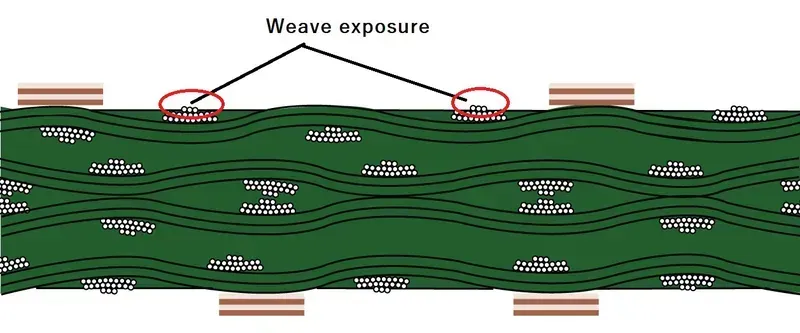
The foundation of a reliable Smart Gas Leak Detector PCB solution lies in the meticulous selection of materials and the precision of the manufacturing process. These factors directly influence the device's signal integrity, thermal dissipation, and long-term operational reliability, crucial for safety-critical applications. Choosing the correct PCB laminate, such as FR-4 for general applications or specialized high-frequency laminates for advanced communication modules, is paramount to ensure the detector performs optimally under various environmental conditions and maintains its accuracy over its lifespan.
| Material Type | Key Properties | Typical Applications for Gas Detectors | Impact on Performance |
|---|---|---|---|
| FR-4 | Good balance of electrical, mechanical, and thermal properties; cost-effective | Standard sensor circuits, basic microcontrollers | Reliable performance for most common detector needs; adequate thermal management |
| High-Tg FR-4 | Higher glass transition temperature; improved thermal stability | High-power components, areas with significant heat generation | Enhanced reliability in high-temperature environments, preventing delamination |
| Polyimide | Excellent thermal stability, chemical resistance, flexibility | Flexible PCBs for compact designs, harsh industrial environments | Enables miniaturization and superior durability in challenging conditions |
| Rogers / High-Frequency Laminates | Low dielectric loss, stable dielectric constant at high frequencies | Wireless communication modules (Wi-Fi, Bluetooth), RF front-ends | Optimized signal integrity for reliable data transmission and IoT connectivity |
| Aluminum Core PCB | Superior thermal conductivity, excellent heat dissipation | Power management modules, components generating significant heat | Effective heat management, extending component lifespan and maintaining stability |
The manufacturing process itself further dictates the quality and longevity of the PCB. Precision in etching, drilling, and plating ensures consistent trace impedance and robust connections. Surface finishes like ENIG (Electroless Nickel Immersion Gold) provide excellent solderability and corrosion resistance, which is vital for the long-term reliability of components, especially in environments where gas detectors are deployed. Adherence to strict quality control protocols, including automated optical inspection (AOI) and in-circuit testing (ICT), is indispensable to identify defects early, minimizing the risk of failures in critical safety devices. Zero One Solution Limited's robust manufacturing capabilities and stringent quality assurance processes ensure that every Smart Gas Leak Detector PCB solution meets the highest industry standards for performance and reliability.
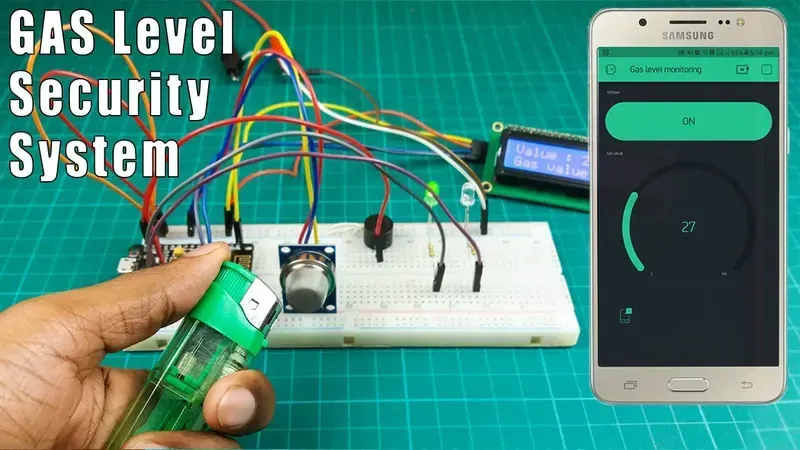
The evolution of gas leak detection from localized alarms to globally connected systems is largely due to the integration of Connectivity and IoT. This transformation enables smart gas leak detectors to provide real-time data and alerts, significantly enhancing safety protocols by allowing for immediate remote intervention and continuous monitoring, thereby mitigating risks more effectively than traditional standalone units.
| Connectivity Technology | Primary Use Case | Advantages | Disadvantages |
|---|---|---|---|
| Wi-Fi | Home & Office Environments | High bandwidth, ubiquitous infrastructure, cost-effective for local networks | Higher power consumption, limited range without repeaters, network dependency |
| Bluetooth Low Energy (BLE) | Personal & Localized Monitoring | Extremely low power, cost-effective for short-range communication, simple pairing | Limited range, lower data throughput, fewer devices per network |
| Cellular (NB-IoT, LTE-M) | Remote & Industrial Applications | Wide coverage, independent of local Wi-Fi, robust for critical alerts | Higher cost per device/data, potential latency in dense networks, power consumption varies with signal strength |
| LoRaWAN | Long-Range, Low-Power Applications | Ultra-long range, extremely low power, deep indoor penetration | Lower bandwidth, not suitable for real-time streaming, network infrastructure required |
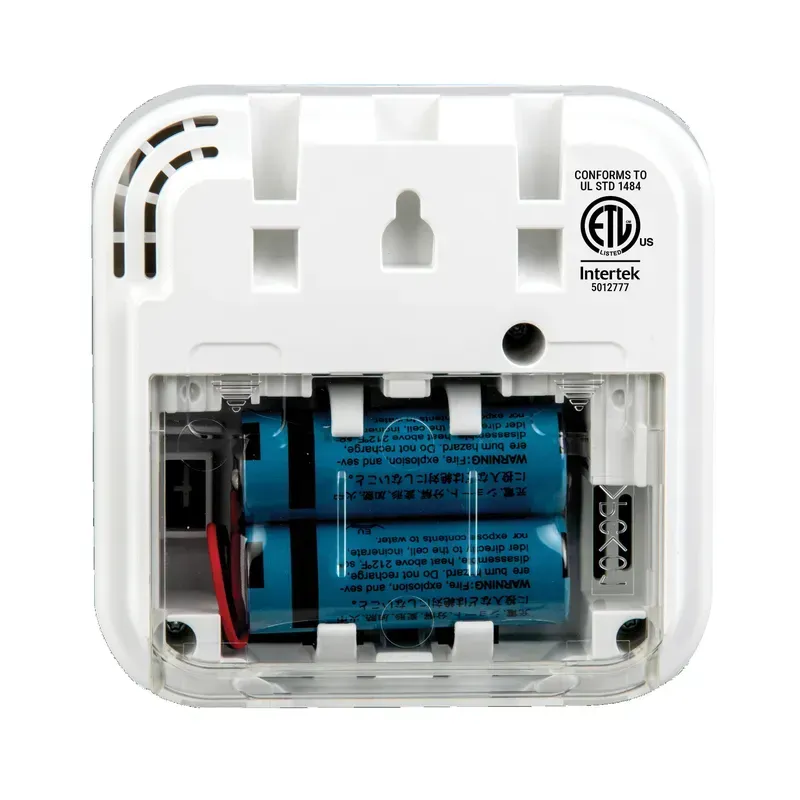
For smart gas leak detectors, especially those operating wirelessly, power efficiency is paramount. Prolonged battery life is not merely a convenience but a critical factor in ensuring continuous, reliable monitoring without frequent maintenance, which directly impacts safety and user experience. Achieving this balance requires meticulous design, focusing on minimizing power consumption across all components and operational states.
At Zero One Solution Limited, we are acutely aware that the reliability and precision of a Smart Gas Leak Detector fundamentally depend on the underlying Printed Circuit Board (PCB). Leveraging over a decade of experience and a strategic presence in global electronics hubs, we offer unparalleled expertise in delivering comprehensive, high-quality PCB solutions specifically tailored for advanced gas detection systems. Our commitment to rapid prototyping and stringent quality control ensures that your innovative gas leak detection products move from concept to market with exceptional speed and uncompromising performance, providing peace of mind and enhanced safety for end-users.
| Service Area | Key Benefit for Gas Leak Detector PCBs | Zero One Solution Advantage |
|---|---|---|
| Design Optimization | Enhanced Sensor Accuracy & Signal Integrity | Expertise in low-noise design, thermal management for gas sensors, and impedance control for communication interfaces |
| Material Selection | Improved Reliability & Environmental Robustness | Access to a wide range of advanced PCB materials suitable for varied operating environments and sensor requirements |
| Manufacturing Precision | Consistent Performance & Miniaturization | State-of-the-art fabrication facilities ensuring tight tolerances and consistent quality for complex designs |
| Assembly Capabilities | High-Volume Production & Cost-Effectiveness | Advanced SMT lines and skilled technicians for efficient, high-yield assembly of sensitive components |
| Testing & Validation | Guaranteed Functionality & Compliance | Comprehensive testing protocols including functional tests simulating real-world gas detection scenarios |
Zero One Solution Limited's commitment to excellence in PCB design, manufacturing, and assembly has led to numerous successful implementations of smart gas leak detector solutions across diverse sectors. These case studies underscore our ability to address complex challenges, deliver high-performance, reliable PCBs, and empower our clients to bring critical safety innovations to market swiftly.
The landscape of smart gas leak detection is continuously evolving, driven by advancements in sensor technology, artificial intelligence, and miniaturization. These emerging trends are set to revolutionize the accuracy, responsiveness, and overall efficiency of gas detection systems, moving beyond basic alert mechanisms to predictive and more integrated safety solutions. For a specialized PCB solution provider like Zero One Solution Limited, staying ahead of these innovations is crucial for delivering cutting-edge products that meet future market demands and enhance global safety standards.
In conclusion, a smart gas leak detector PCB solution is more than just a circuit board; it's a vital component that safeguards lives and property. Zero One Solution Limited remains committed to pushing the boundaries of PCB technology, offering rapid prototyping and comprehensive services from design to assembly. By choosing Zero One Solution, you are partnering with a trusted expert dedicated to providing innovative and reliable solutions for a safer future. Contact us today to discover how our PCB solutions can enhance your gas leak detection systems and protect what matters most.

