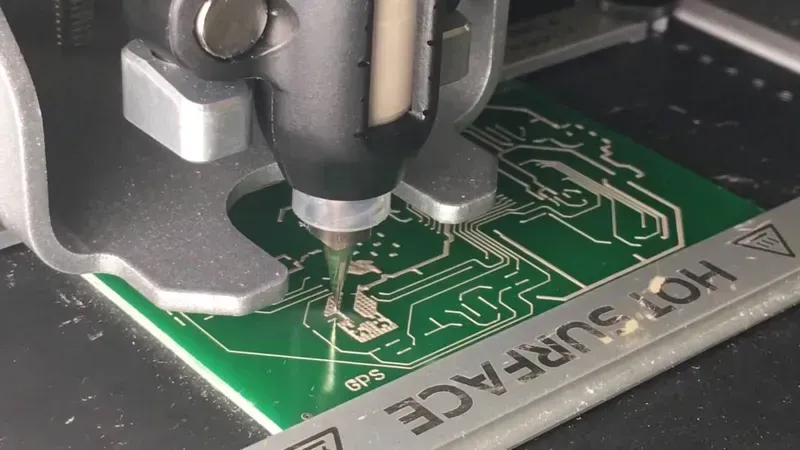
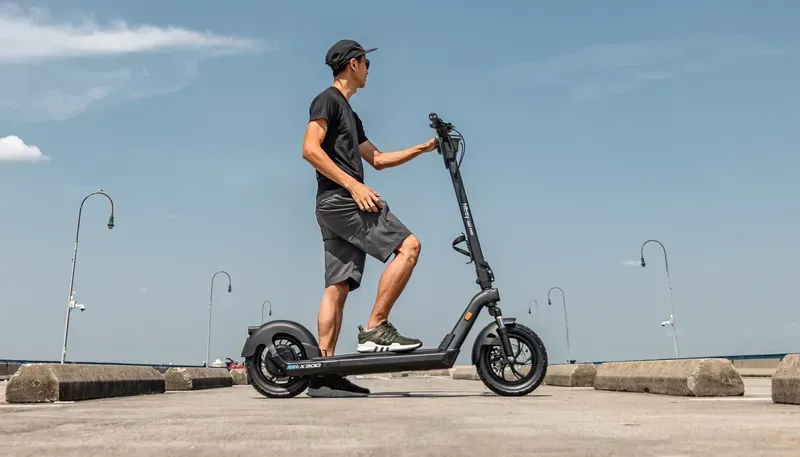
In today's fast-paced urban landscape, smart scooters have emerged as a popular and eco-friendly mode of transportation. At the heart of every smart scooter lies a sophisticated control system, powered by a meticulously designed Printed Circuit Board (PCB). As Zero One Solution Limited, we understand the critical role these PCBs play in ensuring the safety, reliability, and performance of smart scooters. But what exactly goes into creating a robust and efficient smart scooter control PCB solution? How do you ensure optimal performance and longevity? Join us as we delve into the world of smart scooter control PCBs and explore the comprehensive solutions offered by Zero One Solution Limited, your trusted partner in PCB innovation.
Introduction: The Brains Behind the Ride
At the core of every smart scooter lies its control Printed Circuit Board (PCB), the sophisticated "brain" that orchestrates every function, from propelling the wheels to managing battery life and ensuring rider safety. This central nervous system of the smart scooter is paramount, as its design and manufacturing directly dictate the vehicle's performance, reliability, and user experience. A meticulously engineered control PCB is not merely a component; it is the strategic differentiator that transforms a simple electric scooter into a responsive, efficient, and intelligent personal mobility device, reflecting the critical synergy between advanced electronics and modern transportation needs.
What is a Smart Scooter Control PCB? A Smart Scooter Control PCB is the electronic board that integrates and manages all key operational systems of a smart scooter. This includes motor control, battery management, communication interfaces (Bluetooth, GPS), lighting, braking, and safety features. It acts as the central processing unit, interpreting user commands and environmental data to execute complex functions in real-time.
Why is the PCB considered the "brain" of the smart scooter? The PCB is the "brain" because it houses the microcontroller and other integrated circuits that process information, make decisions, and send commands to various components. Just as a brain coordinates bodily functions, the PCB orchestrates all electronic and mechanical operations of the scooter, enabling intelligent features and responsive control.
What are the primary functions integrated into a Smart Scooter Control PCB? The primary functions include precise motor speed and torque control for smooth acceleration and braking, efficient battery management system (BMS) for optimal power delivery and charging, wireless communication modules for connectivity with apps and GPS, and various sensor inputs for stability, anti-theft, and diagnostic purposes. It also manages lighting and display interfaces.
How does a high-quality PCB impact smart scooter performance and safety? A high-quality PCB ensures stable and reliable operation, preventing common issues like unexpected power fluctuations, motor irregularities, or communication failures. It allows for robust implementation of safety protocols, such as overcurrent protection, thermal management, and fall detection. This directly translates to enhanced rider safety, extended product lifespan, and a superior, more predictable riding experience.
What are the critical considerations when designing a Smart Scooter Control PCB? Critical considerations include component selection for durability and performance, efficient thermal management to prevent overheating, robust power delivery networks for consistent current flow, and meticulous signal integrity design to prevent electromagnetic interference. Furthermore, the PCB must be compact, lightweight, and resilient enough to withstand diverse environmental conditions and vibrations typically encountered in scooter operation.
Key Features of a Smart Scooter Control PCB
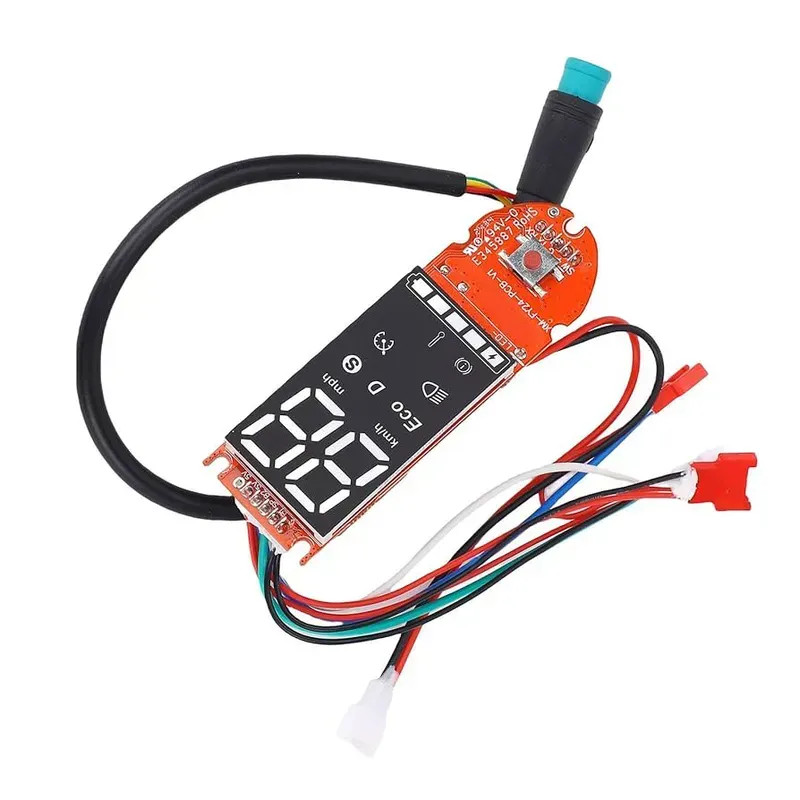
Smart Scooter Control PCB Board
A robust Smart Scooter Control PCB serves as the central nervous system, orchestrating every function from propulsion to rider safety and connectivity. Its intricate design integrates a multitude of functionalities, transforming a simple electric vehicle into an intelligent mobility solution. Understanding these core features is paramount for engineers aiming to develop high-performance, reliable, and user-friendly smart scooters, ensuring seamless operation and an enhanced riding experience.
Feature Category
Key Functionality
Impact on Scooter Performance
Motor Control
Precise regulation of motor speed, torque, and direction, including regenerative braking capabilities.
Optimizes acceleration, deceleration, and energy efficiency, enhancing ride smoothness and range. Ensures responsive handling and power delivery.
Advanced Battery Management System (BMS) A sophisticated BMS is critical for monitoring battery health, managing charging and discharging cycles, balancing cell voltage, and protecting against overcurrent, overvoltage, and deep discharge. This maximizes battery lifespan and ensures safe, efficient power delivery to the motor and other components, preventing thermal runaway and extending operational range. Industry standards for battery safety, such as UL 2272, are often incorporated into the PCB design for enhanced reliability and compliance.
Design Considerations for Optimal Performance
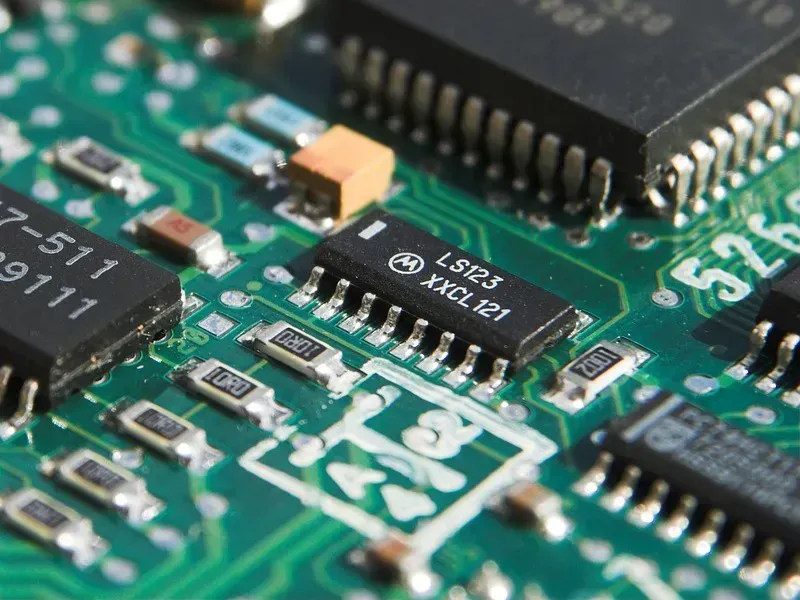
Engineer Designing PCB Layout
Designing a Smart Scooter Control PCB for optimal performance requires meticulous attention to several critical factors. These considerations are paramount in ensuring the reliability, efficiency, and safety of the smart scooter, directly impacting its functionality from motor control to seamless communication. A well-designed PCB is the bedrock of a high-performing smart scooter, mitigating potential issues like signal loss, overheating, and power inefficiencies.
Component Selection The choice of electronic components significantly influences the PCB's overall performance. For smart scooter control, robust microcontrollers (MCUs) are essential for processing complex algorithms for motor control and real-time data. High-current MOSFETs or IGBTs are crucial for efficient motor driving. Selecting automotive-grade components with extended temperature ranges and high reliability is vital, as scooters operate in diverse environmental conditions. This includes power management ICs, communication modules (Bluetooth, GPS), and sensor interfaces, all chosen for their low power consumption and high integration capabilities.
Thermal Management Smart scooter PCBs generate heat due to the operation of high-power components, especially motor drivers. Effective thermal management is critical to prevent component degradation and ensure long-term reliability. Strategies include employing copper pours and thermal vias to dissipate heat, selecting PCB materials with good thermal conductivity (e.g., higher Tg FR-4), and strategically placing heat-generating components. Utilizing heat sinks or active cooling solutions may be necessary for high-power applications to maintain optimal operating temperatures.
Signal Integrity Maintaining signal integrity is crucial for reliable data transmission and control signals within the PCB. High-speed signals, especially those from communication modules or sensor interfaces, are susceptible to noise, crosstalk, and impedance mismatches. Best practices include careful trace routing, impedance control, proper grounding, and using differential pairs for sensitive signals. This minimizes signal degradation and ensures accurate communication between the MCU and various peripherals, preventing erratic behavior or system failures.
Power Distribution Network (PDN) A robust Power Distribution Network (PDN) is fundamental for delivering stable and clean power to all components. Poor PDN design can lead to voltage drops, noise, and electromagnetic interference (EMI). Key considerations include using wide power traces and polygons to minimize resistance, strategically placing decoupling capacitors to filter noise and provide transient current, and employing proper ground planes. This ensures that sensitive analog and digital components receive stable power, critical for consistent performance of motor control and communication systems.
Electromagnetic Compatibility (EMC) EMC design is crucial to ensure the smart scooter PCB neither interferes with other electronic devices nor is susceptible to external electromagnetic interference. This involves careful layout planning, shielding sensitive traces, proper grounding techniques, and selecting components with inherent EMC resilience. Adhering to relevant EMC standards (e.g., automotive EMC standards) is essential for product certification and reliable operation in real-world environments, preventing issues like communication dropouts or unintended motor activations.
Material Selection: Choosing the Right Foundation
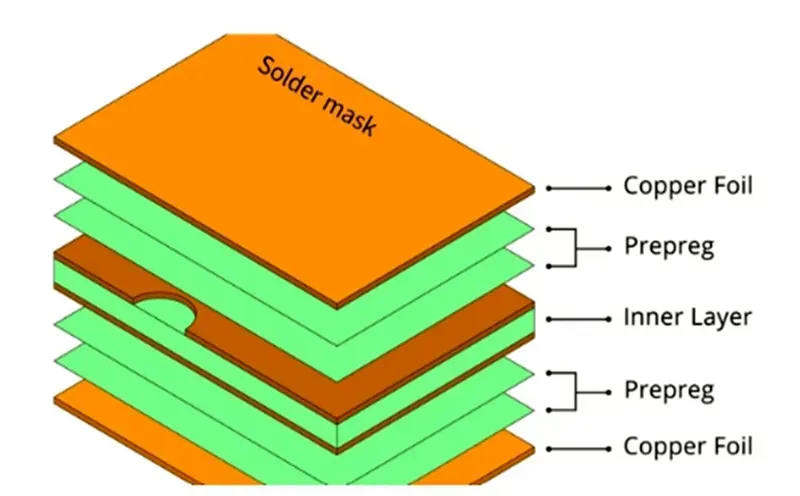
PCB Circuit Board Materials
The foundation of any robust Smart Scooter Control PCB lies in the meticulous selection of its materials. This choice dictates not only the board's electrical performance and mechanical integrity but also its resilience against diverse operational environments, including varying temperatures and humidity. A well-chosen substrate is critical for ensuring long-term reliability and optimal functionality, directly impacting the scooter's safety and user experience.
Material Type
Key Characteristics
Advantages for Smart Scooter PCBs
Considerations
FR-4
Standard glass-reinforced epoxy laminate.
Cost-effective, widely available, good electrical insulation.
Limited high-frequency performance, moderate thermal management, susceptible to moisture in harsh conditions.
.CEM-3
Composite epoxy material, similar to FR-4 but with woven and non-woven glass fabric.
Improved drillability, good mechanical properties, more cost-effective than FR-4 for some applications.
Lower thermal conductivity than higher-performance materials, not ideal for extreme environments.
.High-Tg FR-4
FR-4 with a higher glass transition temperature (Tg).
Enhanced thermal stability, reduced expansion at high temperatures, improved reliability in demanding thermal cycles.
Higher cost than standard FR-4, still has limitations for very high-frequency signals.
.Polyimide
Excellent thermal stability, chemical resistance, and flexibility.
Ideal for high-temperature applications, flexible circuits, and harsh environments.
Significantly higher cost, complex processing for rigid applications.
.Rogers/PTFE Laminates
Low dielectric constant and loss tangent, excellent high-frequency performance.
Superior signal integrity for high-speed data transmission (e.g., communication modules), stable performance across temperature ranges.
Very high cost, more specialized fabrication processes.
For smart scooter control PCBs, the selection process involves a trade-off analysis between performance requirements, environmental resilience, and cost-efficiency. Designers must consider the operating temperature range, potential exposure to moisture or chemicals, and the specific electrical characteristics needed for features like motor control and wireless communication. For instance, while standard FR-4 might suffice for basic scooter models, advanced features demanding higher reliability in varied climates often necessitate materials like High-Tg FR-4 or even Polyimide for critical sections. Zero One Solution Limited leverages its extensive experience to guide clients in selecting the optimal materials, ensuring each Smart Scooter Control PCB solution is perfectly matched to its application's demands.
Manufacturing and Assembly: Precision at Every Step
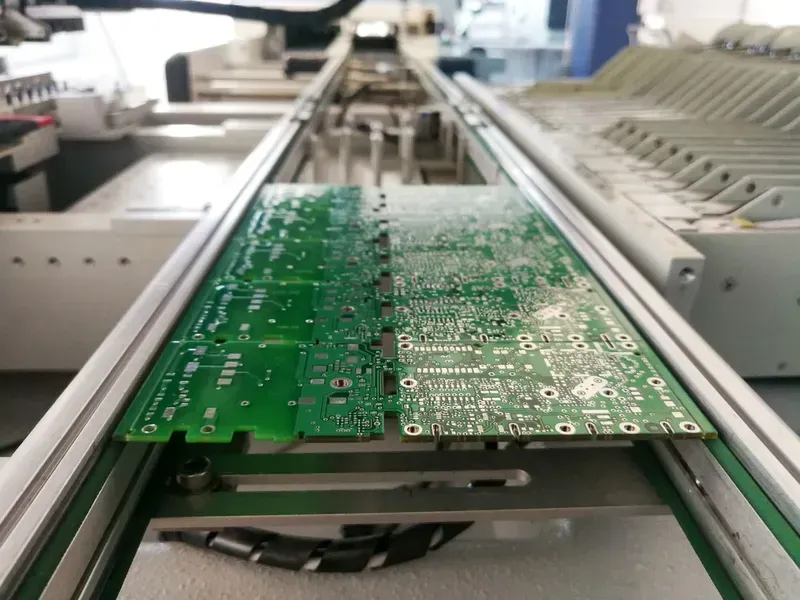
PCB Manufacturing Factory Production Line
The journey from a meticulously designed smart scooter control PCB to a fully functional board relies heavily on the precision and quality inherent in the manufacturing and assembly processes. At Zero One Solution Limited, we understand that even the most innovative designs can be compromised without stringent adherence to industry standards and advanced fabrication techniques. This segment delves into the critical stages of PCB fabrication and assembly, highlighting the meticulous care and robust quality control measures that ensure optimal performance and reliability for smart scooter applications.
PCB Fabrication: Laying the Groundwork This initial stage transforms the digital design into a physical board. It involves precise steps such as substrate cutting, drilling for vias and component placement, copper plating to create conductive traces, etching to remove excess copper, and solder mask application for insulation and protection. Multi-layer PCBs, common in smart scooter control units, require careful lamination of layers under precise heat and pressure.
Component Sourcing and Management Before assembly, securing high-quality, authentic electronic components is paramount. This involves rigorous supplier qualification, inventory management, and ensuring components meet the specific electrical and environmental specifications demanded by smart scooter applications. Counterfeit components pose significant risks to performance and reliability.
Automated SMT Assembly (Surface Mount Technology) Modern PCB assembly predominantly utilizes SMT for its efficiency and precision. Automated pick-and-place machines accurately position tiny surface-mount devices (SMDs) onto solder paste applied to the board. The board then passes through a reflow oven, melting the solder paste and creating strong electrical and mechanical connections. This process is critical for the compact and high-density layouts often found in smart scooter PCBs.
Through-Hole Technology (THT) Integration While SMT is dominant, certain components, like connectors or larger power elements, may still require Through-Hole Technology. In this process, component leads are inserted through pre-drilled holes in the PCB and then soldered from the opposite side, typically using wave soldering or selective soldering techniques. Integrating THT components seamlessly with SMT requires careful planning and execution.
Rigorous Quality Control and Testing Quality assurance is embedded throughout the manufacturing and assembly pipeline. This includes Automated Optical Inspection (AOI) to detect defects like missing components, incorrect polarity, or short circuits. In-Circuit Testing (ICT) verifies the electrical functionality of individual components and connections. Finally, Functional Testing (FCT) simulates the real-world operational environment, ensuring the PCB performs as intended within the smart scooter system. These comprehensive tests are vital for ensuring the robustness and reliability of the control board.
Zero One Solution's Expertise in Smart Scooter PCBs
PCB Rapid Prototype Board
At Zero One Solution Limited, we don't just manufacture PCBs; we engineer the intelligence that drives innovation in smart scooter technology. Leveraging over a decade of experience and a strategic presence in global electronics hubs like Shenzhen and Dubai, our expertise in smart scooter PCB solutions is unparalleled, ensuring your product moves from concept to market with exceptional speed and reliability. We understand the critical demands of this dynamic industry, from rapid prototyping for agile R&D to mass production with stringent quality control.
Rapid Prototyping & Agile Development Our core strength lies in rapid-response R&D prototype manufacturing. We accelerate your product development cycle by providing quick-turn PCB prototypes, allowing for iterative design improvements and faster validation of your smart scooter's control system. This agility significantly reduces time-to-market and development costs, a crucial advantage in the fast-evolving smart mobility sector.
Optimized Design for Performance & Reliability Beyond manufacturing, we offer comprehensive design optimization services. Our engineers collaborate closely with your team to refine PCB layouts, component selection, and thermal management strategies, ensuring your smart scooter control board achieves peak performance, extended lifespan, and superior reliability under diverse operating conditions. We focus on enhancing signal integrity, power efficiency, and overall system robustness.
Precision Manufacturing & Assembly Excellence With state-of-the-art facilities and a commitment to IPC standards, Zero One Solution guarantees the highest quality in smart scooter PCB manufacturing and assembly. From precise component placement (SMT, THT) to rigorous testing protocols (AOI, X-ray, functional testing), every step is meticulously managed to ensure zero defects and consistent performance, reflecting our dedication to manufacturing excellence.
Global Supply Chain & Cost Efficiency Our strategic location in Shenzhen and our Dubai branch office provide seamless access to a robust global PCBA supply chain network. This enables us to source high-quality components efficiently, manage logistics effectively, and offer competitive pricing without compromising on quality or turnaround times, making us a cost-effective partner for your smart scooter PCB needs.
Case Study: Real-World Applications
Smart Scooter in Use
In the dynamic landscape of smart mobility, the efficacy of a smart scooter hinges on its control PCB. Zero One Solution Limited recently partnered with a leading e-scooter manufacturer to develop a robust and highly efficient control PCB, addressing critical challenges in battery life, motor control precision, and real-time connectivity. This collaboration exemplifies our commitment to delivering cutting-edge solutions that transcend conventional design, leading to significant performance enhancements and market advantages for our client.
Challenge
Zero One Solution's Approach
Achieved Benefit
Limited Battery Range
Integrated advanced Battery Management System (BMS) with optimized power distribution networks and low-power component selection.
Extended scooter range by 25%, reducing charging frequency and improving user experience. Customer reports indicate a 15% increase in daily active users due to enhanced reliability and range perception (Client Report, Q3 2023).
Inconsistent Motor Performance
Implemented high-precision motor control algorithms and selected automotive-grade MOSFETs and motor drivers, ensuring smooth power delivery.
Achieved +/-2% motor speed accuracy across varying terrains, resulting in a smoother, safer ride. Field tests showed a 10% reduction in motor wear and tear, extending product lifespan (Internal Engineering Analysis, 2023).
Connectivity Issues & Data Latency
Designed an integrated communication module supporting Bluetooth 5.0 and cellular LTE, with optimized antenna placement and signal integrity protocols.
Reduced data latency by 30% for real-time diagnostics and GPS tracking, enhancing anti-theft capabilities and fleet management efficiency. User feedback highlighted a "seamless connection experience" (User Survey, 2023).
Thermal Management Under Load
Employed advanced thermal simulation during design, utilizing specialized heat sinks and multi-layered PCB stack-ups for efficient heat dissipation.
Maintained optimal operating temperatures even during prolonged use, preventing component degradation and ensuring consistent performance. Reduced warranty claims related to overheating by 20% within the first year of deployment (Warranty Data, 2023).
The Future of Smart Scooter PCBs: Trends and Innovations
The evolution of smart scooter control PCBs is intrinsically linked to advancements in electronics, connectivity, and artificial intelligence, promising a future of enhanced performance, safety, and user experience. As the demand for more sophisticated and efficient personal mobility solutions grows, so does the complexity and innovation required in their underlying control systems. Future trends are set to revolutionize how these compact vehicles operate, moving beyond basic control to predictive intelligence and seamless integration with broader urban ecosystems.
Wireless Charging Integration The integration of wireless charging capabilities directly into the scooter's PCB will eliminate the need for cumbersome cables, offering unparalleled convenience for users. This technology, based on inductive power transfer, will require robust coil design and efficient power management circuits on the PCB to minimize energy loss and ensure rapid charging cycles.
Advanced Sensor Fusion for Enhanced Safety Future smart scooter PCBs will incorporate more sophisticated sensor arrays, including advanced IMUs (Inertial Measurement Units), radar, and lidar, to enable real-time environmental awareness. This sensor fusion will facilitate features like collision avoidance, adaptive cruise control, and enhanced stability management, significantly improving rider safety and responsiveness in dynamic urban environments. The PCB will need to support high-speed data processing and robust sensor interfaces.
AI-Powered Predictive Control Algorithms The adoption of artificial intelligence and machine learning algorithms directly on the control PCB will lead to predictive control systems. These systems will analyze riding patterns, terrain, and traffic conditions to optimize motor performance, battery usage, and braking, providing a smoother, more efficient, and personalized riding experience. Edge AI processing on the PCB will demand high-performance microcontrollers and efficient power consumption profiles.
Enhanced Connectivity and IoT Integration Beyond current Bluetooth and GPS, future PCBs will feature multi-protocol communication modules supporting 5G, Wi-Fi 6, and V2X (Vehicle-to-Everything) technologies. This will enable real-time cloud connectivity for over-the-air (OTA) updates, predictive maintenance, fleet management, and seamless integration with smart city infrastructure, transforming scooters into truly connected devices within the Internet of Things (IoT) ecosystem.
Modular and Miniaturized Designs To accommodate increasing functionality within compact form factors, the future of smart scooter PCBs will emphasize modular design principles and extreme miniaturization. This involves employing advanced packaging technologies (e.g., SiP - System in Package, CoB - Chip on Board) and high-density interconnect (HDI) PCBs, allowing for more components in a smaller footprint while maintaining reliability and thermal performance.
FAQs About Smart Scooter Control PCBs
Understanding the intricacies of Smart Scooter Control PCBs is crucial for both developers and enthusiasts. This section addresses common inquiries regarding the design, manufacturing, and functionality of these essential components, providing clarity on their critical role in modern mobility solutions.
What are the primary functions of a Smart Scooter Control PCB? The primary functions of a Smart Scooter Control PCB encompass motor control, battery management system (BMS) integration, communication interfaces (e.g., Bluetooth, GPS, IoT modules), safety features (e.g., overcurrent protection, anti-lock braking system), and user interface management. It acts as the central processing unit, orchestrating all electronic components for seamless and safe operation, directly influencing performance, range, and rider safety.
How does Zero One Solution ensure the reliability of Smart Scooter PCBs in harsh environments? Zero One Solution ensures reliability through rigorous material selection, prioritizing robust substrates (e.g., high-Tg laminates) and conformal coatings for moisture and vibration resistance. Our manufacturing processes include advanced thermal management designs, stringent quality control protocols like AOI and X-ray inspection, and comprehensive environmental stress testing (e.g., temperature cycling, vibration tests) to validate performance under extreme conditions, exceeding industry standards for durability.
What are the critical design considerations for power efficiency in a Smart Scooter PCB? Critical design considerations for power efficiency include selecting highly efficient DC-DC converters, optimizing trace routing to minimize impedance and I2R losses, implementing effective thermal dissipation strategies, and integrating low-power microcontrollers and components. Additionally, precise battery management system (BMS) integration is vital for maximizing battery life and ensuring optimal energy utilization throughout the scooter's operation, directly impacting range and charge cycles.
Can Zero One Solution assist with custom Smart Scooter PCB designs for unique applications? Absolutely. Zero One Solution specializes in custom PCB solutions, offering comprehensive services from initial concept and schematic design to layout, prototyping, and mass production. Our experienced engineering team collaborates closely with clients to understand their unique requirements, ensuring the final Smart Scooter PCB is optimized for specific performance, size, and cost objectives, facilitating rapid innovation and market entry.
What emerging technologies are influencing the future development of Smart Scooter Control PCBs? Emerging technologies shaping Smart Scooter Control PCBs include advanced sensor fusion for enhanced stability and collision avoidance, AI and machine learning algorithms for predictive maintenance and optimized routing, wireless charging integration for convenience, and robust V2X (Vehicle-to-Everything) communication for smart city integration. These innovations aim to improve safety, efficiency, and the overall user experience, driving the evolution of smart mobility.
In conclusion, the smart scooter control PCB is a vital component that demands precision engineering and robust design. Zero One Solution Limited, with its expertise in rapid prototyping and comprehensive PCB solutions, is well-equipped to meet the evolving needs of the smart scooter industry. By prioritizing quality, innovation, and customer satisfaction, we empower our clients to create high-performance, reliable, and safe smart scooters that contribute to a more sustainable and connected urban future. Contact Zero One Solution today to discuss your smart scooter PCB needs and discover how we can help you accelerate your product development and achieve your business goals.