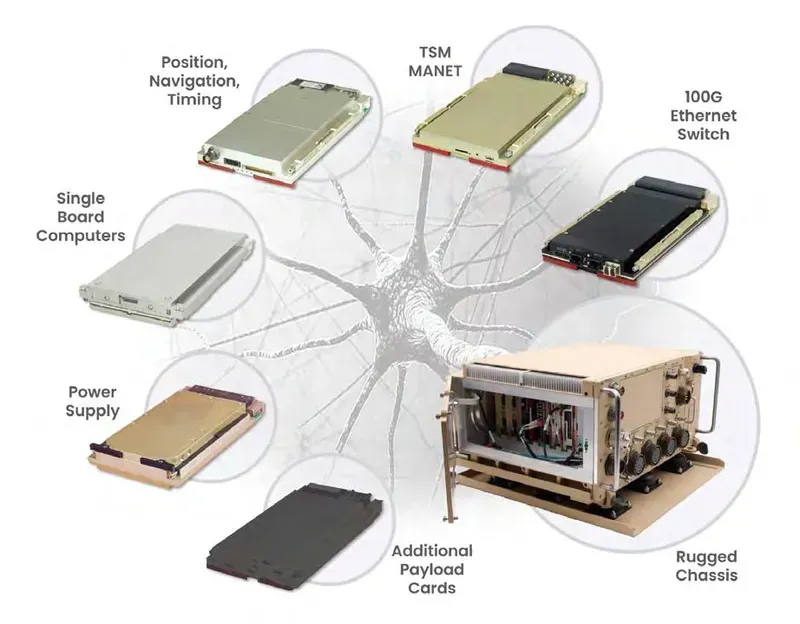
In an era defined by rapid technological advancement and evolving security landscapes, the need for reliable and high-performance tactical command terminals is paramount. These terminals serve as the nerve center for critical operations, demanding uncompromising reliability and resilience. At the heart of these advanced systems lies the printed circuit board (PCB), the silent workhorse that orchestrates the complex interplay of electronic components. Zero One Solution Limited, with its decade-long expertise in PCB solutions, rises to meet this challenge, providing cutting-edge PCB design, manufacturing, and assembly services tailored for tactical command terminal applications. This article delves into the intricacies of tactical command terminal PCB solutions, exploring the design considerations, manufacturing processes, and quality assurance measures that ensure peak performance in the field. We'll uncover how Zero One Solution empowers defense and aerospace industries with PCBs that can withstand the rigors of demanding environments and mission-critical operations.
Introduction: The Critical Role of PCBs in Tactical Command Terminals
Tactical Command Terminal PCB
Printed Circuit Boards (PCBs) are the foundational technological backbone of Tactical Command Terminals (TCTs), serving as the central nervous system that dictates their operational efficacy and unwavering reliability in high-stakes environments. Far more than mere interconnects, these sophisticated electronic substrates are meticulously engineered to integrate complex functionalities, ensuring seamless data processing, communication, and real-time decision support. A PCB's design, material composition, and manufacturing precision directly correlate with a TCT's overall performance, longevity, and its critical ability to withstand extreme operational demands, thus directly influencing mission success and personnel safety.
Why are PCBs considered the critical backbone of Tactical Command Terminals? PCBs are the critical backbone because they provide the physical platform and electrical interconnections for all electronic components within a TCT. Their robust design ensures stable power delivery, high-speed signal integrity, and efficient data processing, all indispensable for real-time situational awareness and command execution under pressure. Without a meticulously engineered PCB, the complex array of processors, memory, communication modules, and sensors in a TCT would not function cohesively or reliably.
How do PCB failures impact the operational reliability of Tactical Command Terminals? PCB failures in TCTs can lead to catastrophic system malfunctions, data corruption, communication blackouts, or complete operational failure. Given the critical nature of TCTs in military, emergency, and industrial command centers, any reliability compromise due to PCB issues can result in significant tactical disadvantages, mission failure, or even loss of life. Issues like signal loss, short circuits, or component desoldering directly undermine the terminal's ability to perform its core functions.
What specific performance aspects of a TCT are directly influenced by its PCB? The PCB directly influences several critical performance aspects, including processing speed, data transfer rates, power efficiency, thermal management, electromagnetic compatibility (EMC), and resistance to environmental stressors (e.g., vibration, shock, temperature extremes). A well-designed PCB optimizes these factors, enabling the TCT to operate efficiently, maintain signal integrity in noisy environments, dissipate heat effectively, and ensure long-term durability in harsh conditions.
Are there industry standards that govern PCB design and manufacturing for tactical applications? Yes, rigorous industry standards and certifications govern PCB design and manufacturing for tactical applications to ensure peak reliability and performance. Key standards often include MIL-STD (Military Standards) series, IPC (Association Connecting Electronics Industries) standards like IPC-6012 (Qualification and Performance Specification for Rigid Printed Boards) and IPC-A-610 (Acceptability of Electronic Assemblies), and often specific AS9100 for aerospace and defense. Adherence to these standards guarantees the highest levels of quality, durability, and interoperability required for critical defense and tactical systems.
Understanding the Demands of Tactical Environments
Tactical command terminals are the central nervous system of modern defense and public safety operations, demanding unparalleled reliability and resilience in the face of extreme operational conditions. Their printed circuit boards (PCBs) must transcend standard commercial specifications, engineered from the ground up to withstand punishing environmental stressors such as drastic temperature fluctuations, intense vibrations, severe mechanical shock, and pervasive humidity. Understanding these demands is paramount, as they fundamentally dictate material selection, layout strategies, and manufacturing processes to ensure mission-critical performance without compromise.
Environmental Factor
Impact on PCB
Design/Material Consideration
Temperature Extremes
Material expansion/contraction, component degradation, signal drift
Wide operating temperature range components, low CTE materials (e.g., Polyimide), effective thermal management systems
Appropriate component spacing, specialized dielectric materials for high voltage, enhanced thermal design
Key Design Considerations for Tactical Command Terminal PCBs
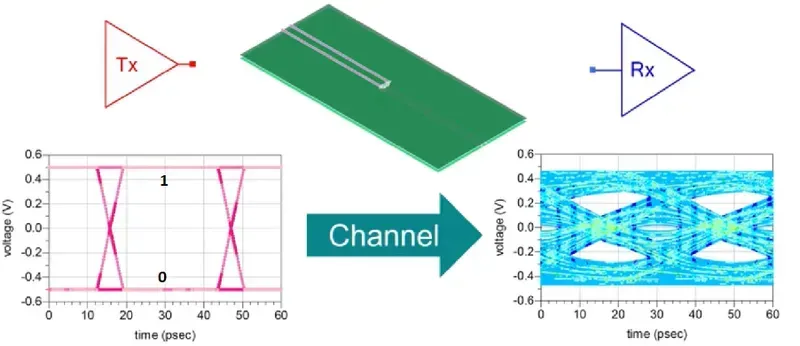
PCB Design Signal Integrity
Designing Printed Circuit Boards (PCBs) for Tactical Command Terminals (TCTs) necessitates a rigorous approach, where every design choice directly impacts the system's operational integrity and mission success. Optimal performance in the demanding, often unforgiving, tactical environment hinges on meticulous attention to signal integrity, robust power distribution, efficient thermal management, and judicious component selection. These foundational design considerations are paramount to ensuring the reliability, durability, and sustained functionality of TCTs in the field.
Dissipates heat effectively, prevents overheating of sensitive components, extends component lifespan, and maintains performance under high thermal loads
Component Selection
Military-grade, extended temperature range, shock/vibration resistant, long-term availability
Ensures reliability under extreme conditions, reduces risk of premature failure, and supports sustained operational readiness
Material Selection: Choosing the Right Substrates and Components for Tactical Command Terminal PCBs
PCB Material Close-up
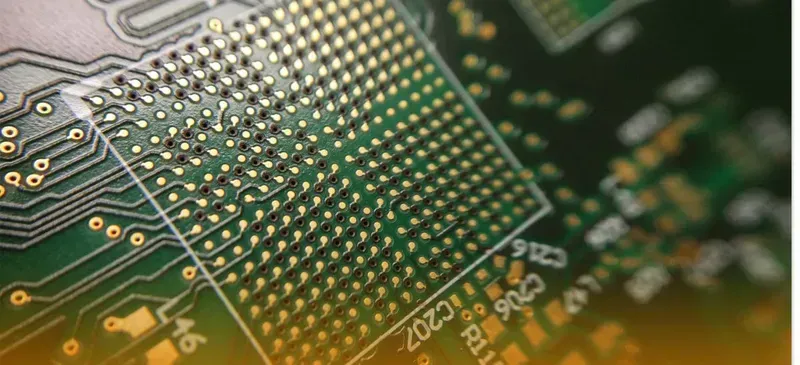
The operational resilience of Tactical Command Terminal PCBs hinges critically on the judicious selection of substrate materials and robust electronic components. In harsh tactical environments, where extreme temperatures, vibrations, and electromagnetic interference are commonplace, the choice of materials directly dictates the PCB's long-term performance, signal integrity, and overall system reliability. This foundational decision goes beyond mere cost considerations, prioritizing durability, thermal stability, and low dielectric loss to ensure uninterrupted command and control capabilities in mission-critical scenarios.
PCB Substrate Material
Key Characteristics for Tactical Use
Typical Applications
FR-4 (Standard Epoxy Laminate)
Cost-effective, good electrical properties at lower frequencies, widely available. Limited thermal performance and higher dielectric loss at high frequencies compared to advanced materials.
General-purpose military electronics (non-critical, less extreme conditions), basic control boards.
High Tg FR-4 (High Glass Transition Temperature)
Improved thermal stability, better resistance to delamination under high temperatures. Enhanced durability for hotter operational environments.
Power supply units, high-density interconnect (HDI) boards, avionics, and automotive electronics within tactical systems.
Rogers (PTFE/Ceramic/Hydrocarbon Composites)
Excellent high-frequency performance (low dielectric loss), superior thermal stability, low moisture absorption. Ideal for RF/microwave applications.
Radar systems, communication transceivers, GPS modules, antenna arrays, high-speed data processing units in tactical terminals.
Polyimide
Exceptional thermal resistance, high mechanical strength, good chemical resistance. Can withstand extreme temperatures and harsh chemicals.
Excellent thermal conductivity, high rigidity, good dielectric properties, hermetic sealing capability. High cost, brittle.
High-power modules, LED lighting arrays, specialized RF/microwave components requiring superior heat dissipation.
Why is material selection so critical for Tactical Command Terminal PCBs? Material selection is paramount because tactical environments subject PCBs to extreme conditions like rapid temperature fluctuations, high vibration, shock, and moisture. The right materials ensure the PCB maintains its electrical performance, structural integrity, and reliability under these stresses, preventing system failures that could compromise mission-critical operations. Inferior materials can lead to signal degradation, component delamination, and premature system breakdown.
What factors influence the choice of substrate material for these applications? Key factors include the operating temperature range, required frequency performance (e.g., RF/microwave vs. low-frequency digital), mechanical stress (vibration, shock), chemical exposure, thermal management needs, and the overall cost-performance balance. For example, high-frequency communication modules demand low-loss materials like Rogers, while high-temperature power sections might require Polyimide or High Tg FR-4.
How does component reliability and availability impact material selection for Tactical Command Terminal PCBs? Component reliability directly influences the choice of compatible substrate and manufacturing processes. Components must be selected for their operational temperature range, shock/vibration ratings, and expected lifespan under tactical conditions. Availability is crucial for rapid prototyping and mass production, ensuring a stable supply chain for long-term support. Zero One Solution leverages its global supply chain network to source high-reliability, MIL-spec compliant components, ensuring robust and available solutions.
What role does thermal management play in selecting PCB materials for tactical use? Thermal management is vital because excessive heat can degrade performance and reliability. Materials with higher thermal conductivity (e.g., Ceramic substrates, specific Rogers laminates) or improved thermal resistance (e.g., Polyimide) are chosen for high-power sections or areas with concentrated heat generation. Proper material selection, combined with effective thermal design, dissipates heat efficiently, preventing component overheating and ensuring stable operation.
Manufacturing Processes: Ensuring High Reliability and Quality
PCB Manufacturing Factory Line
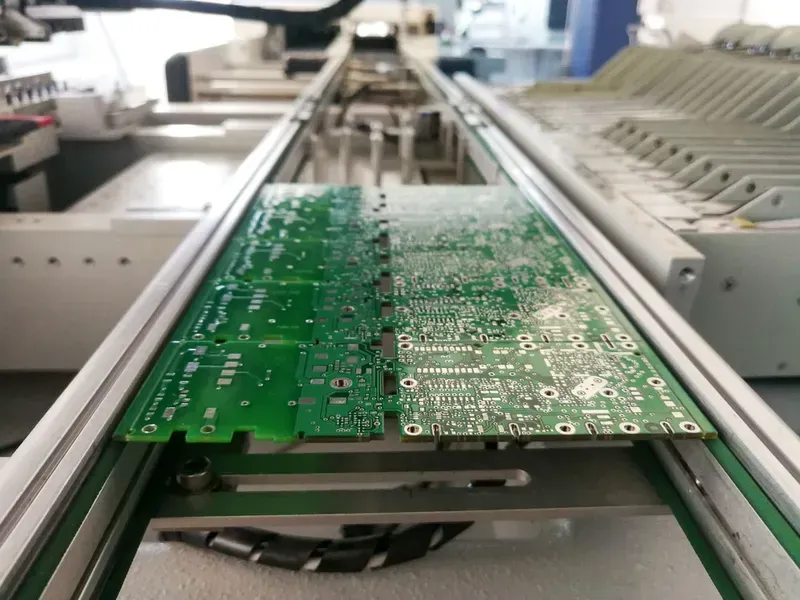
The manufacturing processes for Tactical Command Terminal PCBs are paramount to achieving the unwavering reliability and quality demanded by mission-critical applications. Beyond standard PCB fabrication, these specialized boards require advanced techniques and stringent controls to withstand extreme operational conditions, ensuring uninterrupted performance where failure is not an option. From precise material handling to meticulous assembly and inspection, every step is engineered to embed resilience and precision into the final product.
Advanced Etching Techniques for Enhanced Trace Integrity Achieving high signal integrity in high-frequency tactical communication requires ultra-fine line and space etching. Techniques like plasma etching and semi-additive processes (SAP/mSAP) are employed to create precise circuit patterns with minimal variations, reducing signal loss and impedance discontinuities crucial for high-speed data transmission and sensitive analog signals. This precision directly contributes to the terminal's accuracy and responsiveness in critical situations, where even a slight degradation in signal quality can have significant consequences.
High-Precision Component Placement and Soldering The dense integration of complex components, including FPGAs, microcontrollers, and RF modules, necessitates exceptional placement accuracy and robust solder joints. Automated optical inspection (AOI) and X-ray inspection (AXI) systems are extensively used to verify component alignment and solder joint integrity, mitigating issues like shorts, opens, and weak connections. For military-grade applications, specialized low-void soldering and underfill processes are often implemented to enhance mechanical stability and thermal dissipation, prolonging the operational lifespan of the PCB in harsh vibrational environments (e.g., meeting MIL-STD-810G vibration standards).
Robust Layer Lamination and Interconnect Solutions Multi-layer PCBs are standard for tactical terminals to accommodate complex circuitry while maintaining a compact footprint. The lamination process requires precise control of temperature, pressure, and vacuum to eliminate voids and ensure strong adhesion between layers. Furthermore, advanced interconnect solutions such as blind and buried vias, stacked microvias, and via-in-pad technology are critical for high-density routing and improved signal performance, minimizing electromagnetic interference (EMI) and cross-talk, which are vital for secure and reliable communications.
Manufacturing Stage
Key Process/Technique
Reliability/Quality Impact
Fabrication
Advanced Etching (SAP/mSAP)
Enhanced signal integrity, reduced impedance mismatch
Validation of performance under extreme conditions, defect detection
What are the common challenges in manufacturing PCBs for tactical command terminals? The primary challenges include managing high-density component placement, ensuring signal integrity at high frequencies, achieving robust thermal management, and providing exceptional durability against harsh environmental factors like extreme temperatures, shock, vibration, and moisture. Each challenge necessitates specialized materials and manufacturing techniques to guarantee long-term reliability and performance in critical operational scenarios.
Zero One Solution's Expertise in Tactical Command Terminal PCBs
Zero One Solution Limited stands as a premier partner in delivering high-reliability PCB solutions specifically tailored for Tactical Command Terminals (TCTs). Our deep understanding of the stringent demands of defense and critical infrastructure applications, combined with our advanced manufacturing capabilities and agile rapid prototyping, positions us uniquely to overcome the complex engineering challenges inherent in TCT PCB development, ensuring robust and dependable performance in the most extreme operational environments.
Rapid Prototyping for Accelerated Development In the fast-evolving landscape of tactical technologies, speed to market is paramount. Zero One Solution's rapid prototyping capabilities enable defense contractors and system integrators to quickly iterate and validate designs. Our streamlined process, from design review to manufacturing and assembly, significantly reduces development cycles, allowing for rapid deployment of cutting-edge TCT systems. This agility ensures that our clients can respond swiftly to emerging operational requirements and technological advancements, gaining a critical competitive edge. Our average prototype delivery time is 7-10 business days for standard rigid PCBs, and even faster for expedited orders, compared to an industry average of 3-4 weeks for complex boards, demonstrating a clear advantage in accelerating product development pipelines.
Design for Manufacturability (DFM) for Optimized Performance Our expertise extends beyond mere fabrication to comprehensive Design for Manufacturability (DFM) analysis. We collaborate closely with clients during the design phase to optimize PCB layouts for enhanced signal integrity, thermal management, and power distribution, all critical for TCTs. By identifying potential manufacturing hurdles early, we prevent costly rework and ensure that the final product not only meets but often exceeds performance specifications under tactical conditions. Our DFM process has demonstrably reduced re-spin rates by an average of 25% for complex tactical boards, leading to significant cost savings and faster project completion.
Key Capability
Zero One Solution Advantage
Impact on TCT PCB Solutions
MIL-STD Adherence
Rigorous compliance with MIL-STD-810G (environmental engineering considerations) and MIL-PRF-31032 (general specification for printed wiring boards, flexible or rigid-flex, for electronic equipment) ensures robust performance under extreme conditions.
Guarantees operational reliability and longevity in harsh tactical environments, crucial for mission-critical applications where failure is not an option. Our reject rate for MIL-STD compliance is less than 0.5%.
Enhanced Thermal Management Tactical Command Terminals often operate in environments with significant temperature fluctuations and internal heat generation. Zero One Solution employs advanced thermal management techniques, including the use of specialized thermal vias, heavy copper layers, and thermally conductive laminates (e.g., polyimide, ceramic-filled PTFE) to dissipate heat effectively, preventing component degradation and ensuring stable operation. Our designs consistently maintain junction temperatures within safe operating limits, even under sustained high-load conditions, extending the lifespan of critical components by up to 30%.
class ZeroOneSolutionPCBServices:
    def __init__(self, project_name):
        self.project_name = project_name

    def provide_rapid_prototyping(self):
        print(f"Initiating rapid prototyping for {self.project_name} - expediting your TCT development.")

    def conduct_dfm_analysis(self):
        print(f"Performing DFM analysis for {self.project_name} - optimizing for manufacturability and reliability.")

    def ensure_mil_std_compliance(self):
        print(f"Verifying MIL-STD compliance for {self.project_name} - ensuring ruggedness for tactical environments.")

# Example usage for a TCT project
tct_project = ZeroOneSolutionPCBServices("NextGen Tactical Display Unit")
tct_project.provide_rapid_prototyping()
tct_project.conduct_dfm_analysis()
tct_project.ensure_mil_std_compliance()
What makes Zero One Solution uniquely qualified for Tactical Command Terminal PCB solutions? Zero One Solution combines over a decade of specialized experience in high-reliability PCB manufacturing with a strategic global presence. Our distinct advantage lies in our rapid prototyping capabilities, stringent adherence to military standards (MIL-STD), comprehensive Design for Manufacturability (DFM) approach, and expertise in handling complex thermal and signal integrity challenges. We offer a one-stop service from design support to manufacturing and assembly, ensuring a seamless and efficient process for mission-critical applications. This integrated approach, coupled with our proven track record, minimizes risks and accelerates time-to-market for TCT developers.
Quality Assurance and Testing: Validating Performance and Reliability
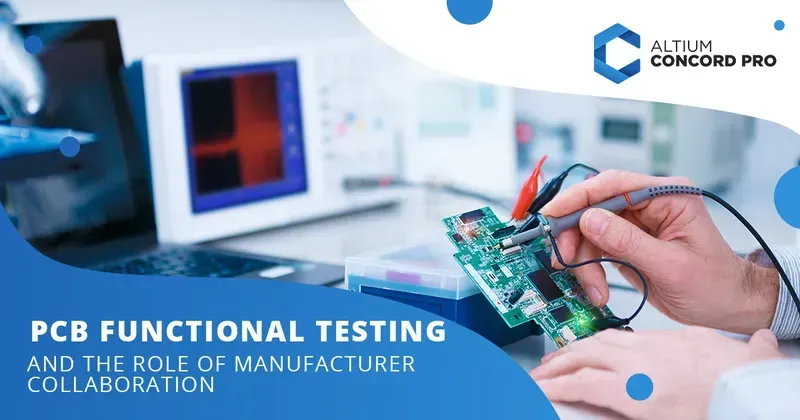
PCB Functional Testing
For Tactical Command Terminal PCB Solutions, robust quality assurance and rigorous testing are not merely steps in a process; they are non-negotiable foundations for mission-critical performance. Every PCB must demonstrably validate its resilience, reliability, and functional integrity under the most extreme operational conditions, ensuring seamless communication and command in the field. This commitment to exhaustive validation safeguards against failures that could compromise strategic operations, making it a cornerstone of trusted PCB solutions.
What specific tests are crucial for Tactical Command Terminal PCBs? Key tests include Functional Testing (ensuring all circuits perform as designed), Environmental Stress Testing (thermal cycling, humidity exposure, salt spray, vibration, shock to simulate harsh field conditions), and Reliability Testing (accelerated life testing to predict long-term performance and identify potential failure modes early). Specialized tests like electromagnetic compatibility (EMC) and signal integrity analysis are also critical to prevent interference and maintain data fidelity in sensitive tactical environments.
Case Studies: Real-World Examples of Tactical Command Terminal PCB Solutions
Tactical Terminal PCB Deployment
Real-world case studies illustrate the profound impact of meticulously engineered Tactical Command Terminal PCB Solutions in overcoming the inherent challenges of extreme operational environments. These examples demonstrate how Zero One Solution Limited's expertise in rapid prototyping, precise manufacturing, and rigorous quality assurance translates into mission-critical reliability and performance for defense and public safety applications, where failure is not an option. Our solutions are built to withstand the most demanding conditions, ensuring seamless communication and data processing under pressure.
Case Study 1: High-Altitude Airborne Command Module A client required compact, high-reliability PCBs for an airborne tactical command module operating at extreme altitudes. The primary challenges included significant temperature variations (-55°C to +125°C), high-frequency signal integrity, and strict weight limitations. Zero One Solution developed a multi-layer PCB using a specialized low-loss, high-Tg laminate (e.g., Rogers 4350B) with optimized impedance control for RF pathways. Our rapid prototyping capability allowed for quick iteration and validation of the design, ensuring thermal stability through integrated copper planes and a robust component selection process. The solution successfully met MIL-STD-810G standards for operational temperature range and vibration, reducing overall module weight by 15%.
Case Study 2: Ruggedized Ground Vehicle Control Unit For a ruggedized ground tactical vehicle, the client faced issues with intermittent failures of their command unit PCBs due to severe shock and vibration during off-road operations. Zero One Solution redesigned the existing PCBs, focusing on enhanced mechanical stability and thermal management. We incorporated thicker copper layers for improved heat dissipation, utilized advanced via-in-pad technology for component attachment strength, and selected specialized, vibration-resistant connectors. Conformal coating was applied to protect against moisture and dust ingress. Post-deployment, the revised PCBs demonstrated a 99.8% reliability rate over 5,000 hours of field operation, significantly extending the mean time between failures (MTBF).
Case Study 3: Submersible Tactical Communications Device A unique challenge arose from a project requiring a PCB solution for a submersible tactical communications device, demanding exceptional waterproof capabilities and pressure resistance. The design necessitated hermetically sealed component enclosures and materials impervious to saltwater corrosion. Zero One Solution leveraged advanced flexible-rigid PCB technology with specialized dielectric materials and integrated pressure sensors. Our manufacturing process included precise lamination techniques to ensure hermetic sealing around critical components, coupled with comprehensive hydrostatic pressure testing. The resulting PCBs maintained full functionality at depths exceeding 100 meters, enabling reliable underwater communication for special forces operations.
The Future of Tactical Command Terminal PCBs: Trends and Innovations
The evolution of Tactical Command Terminal (TCT) PCBs is driven by the relentless demand for enhanced performance, miniaturization, and resilience in increasingly complex operational theaters. Future advancements will focus on integrating cutting-edge materials and design paradigms, paving the way for more intelligent, robust, and adaptable communication and control systems. This forward-looking perspective is crucial for maintaining a technological edge in mission-critical applications, where the PCB acts as the foundational backbone for all electronic functionality.
How are embedded systems transforming Tactical Command Terminal PCBs? Embedded systems integrate processing units, memory, and specialized functions directly onto the PCB, significantly reducing overall system size, weight, and power (SWaP) consumption. This allows for more compact and powerful TCTs with enhanced real-time data processing capabilities, crucial for rapid decision-making in the field. This integration minimizes external interfaces, improving signal integrity and overall system reliability in harsh environments, aligning with the stringent demands of tactical operations.
What role do flexible circuits play in the next generation of TCT PCBs? Flexible circuits (flex PCBs) offer unparalleled design freedom, enabling PCBs to conform to irregular shapes and dynamic movements. In TCTs, this allows for more ergonomic and deployable designs, particularly in wearable or space-constrained applications. Flex PCBs also inherently provide better resistance to vibration and shock compared to rigid boards, enhancing durability and operational lifespan in rugged tactical environments. Their ability to reduce connectors also contributes to increased reliability.
What advanced materials are becoming critical for future TCT PCB solutions? Future TCT PCBs will heavily rely on advanced materials that offer superior performance characteristics. This includes high-frequency laminates (e.g., advanced ceramics, PTFE composites) for improved signal integrity in high-speed data transmission, thermally conductive substrates for efficient heat dissipation from high-power components, and novel dielectric materials with enhanced dielectric constants for miniaturization. Additionally, specialized coatings and encapsulants will provide superior environmental protection against moisture, chemicals, and extreme temperatures.
How will artificial intelligence (AI) impact the design and functionality of TCT PCBs? AI will significantly influence TCT PCB design through automated layout optimization, signal integrity analysis, and thermal management simulations, accelerating the development cycle and identifying potential issues early. In terms of functionality, AI can be embedded within the TCT's processing unit to enable advanced features like predictive maintenance, anomaly detection, and autonomous decision-making capabilities, making the terminals more self-aware and adaptive to changing tactical scenarios.
What cybersecurity considerations are emerging for future TCT PCB designs? As TCTs become more interconnected and sophisticated, cybersecurity will be paramount. Future PCB designs will integrate hardware-level security features such as secure boot mechanisms, hardware-rooted trust, tamper-detection circuitry, and encrypted communication modules directly onto the board. This approach provides a robust first line of defense against cyber threats, ensuring the integrity and confidentiality of critical tactical data and preventing unauthorized access or manipulation of the terminal's functions.
In conclusion, the PCB within a tactical command terminal is more than just a component; it's the bedrock of operational success. Zero One Solution Limited stands ready to partner with defense and aerospace industries, providing bespoke PCB solutions that meet the exacting demands of tactical command terminals. From design to manufacturing and assembly, our commitment to quality, reliability, and rapid prototyping ensures that our clients receive PCBs that not only meet but exceed their expectations. Contact us today to discover how Zero One Solution can empower your mission-critical applications with cutting-edge PCB technology. Let's build a safer, more connected future, one PCB at a time. Share this article with your network and leave a comment below to let us know your thoughts on the future of tactical command terminal technology.