In an era where smart homes are becoming increasingly prevalent, the demand for efficient and intelligent lighting solutions is soaring. At the heart of these advanced lighting systems lies the Smart Lighting Control Board, a sophisticated piece of technology that dictates how light interacts with our living spaces. Zero One Solution Limited, a leading PCB solution provider, stands at the forefront of this revolution, offering comprehensive PCB solutions tailored for smart lighting control. But what makes a smart lighting control board truly 'smart,' and how can the right PCB design optimize its performance? Let's delve into the world of smart lighting control boards and discover how Zero One Solution Limited is illuminating the future.
Understanding the Core of Smart Lighting Control Boards
At its heart, a Smart Lighting Control Board is the intelligent brain of any modern lighting system, orchestrating the seamless integration of illumination with smart home or building automation. These sophisticated PCBs serve as the central hub, processing data from sensors, user inputs, and network commands to precisely manage lighting parameters such as brightness, color temperature, and scheduling, thereby enhancing energy efficiency, user comfort, and overall ambiance within an ecosystem. Zero One Solution Limited specializes in engineering these critical components, ensuring robust and highly responsive control for diverse smart lighting applications.
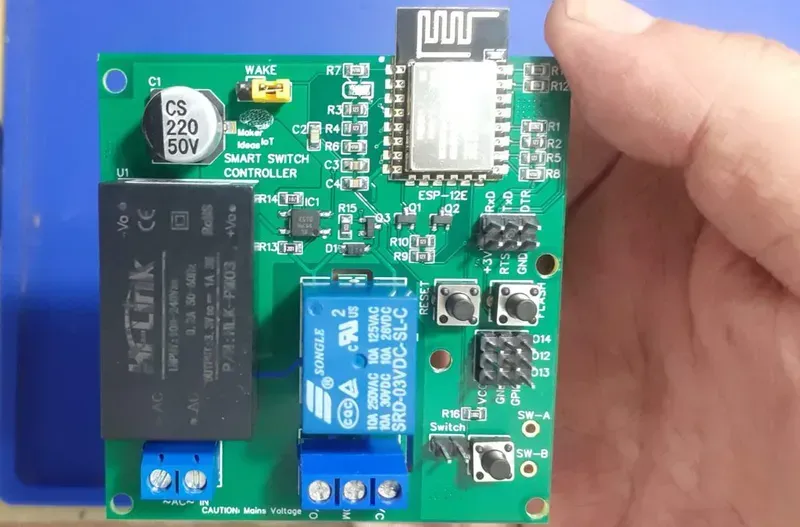
What defines a Smart Lighting Control Board? A Smart Lighting Control Board is essentially a specialized printed circuit board (PCB) equipped with microcontrollers, communication modules (like Wi-Fi, Bluetooth, or Zigbee), power management circuits, and input/output interfaces. Its core function is to enable remote, automated, and adaptive control of lighting fixtures, moving beyond simple on/off switches to sophisticated dimming, color changing, and scene management capabilities based on environmental conditions or user preferences. It is the crucial interface between the digital control system and the physical light source, facilitating intelligent operation and integration into broader smart ecosystems.
Feature
Traditional Lighting Control
Smart Lighting Control Board
Control Method
Manual switches
App, voice, sensors, schedules
Flexibility
Limited
High (brightness, color, scenes)
Energy Efficiency
Basic on/off
Optimized via automation & dimming
Integration
Stand-alone
Seamless with smart home ecosystems
Installation Complexity
Simple wiring
Requires network setup & PCB integration
Key Components and Functionality of a Smart Lighting Control Board
Smart Lighting Control Board Components
A smart lighting control board orchestrates the sophisticated functions of intelligent illumination systems, integrating diverse electronic components to achieve precise control, automation, and connectivity. At its core, the board's functionality hinges on a synergistic interplay between processing, sensing, and communication, enabling everything from dimming and color tuning to network integration and voice command execution. Understanding these fundamental building blocks is crucial for designing robust and efficient smart lighting solutions that meet modern demands for energy efficiency, user convenience, and aesthetic appeal.
Component
Primary Function
Relevance in Smart Lighting
Microcontroller Unit (MCU)
The 'brain' of the board, executing firmware instructions and managing overall system operations.
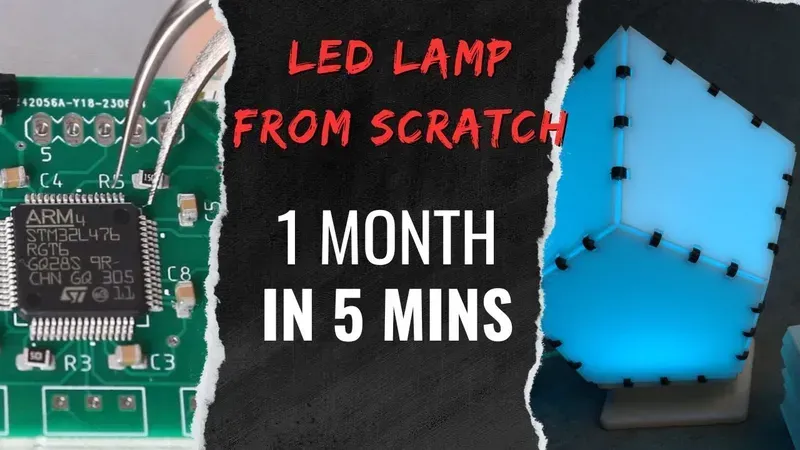
Enables complex control algorithms, scheduling, and user interface interactions for dynamic lighting scenarios. Essential for processing sensor data and managing communication protocols, ensuring responsiveness and automation for optimal user experience and energy savings, for example, adjusting brightness based on ambient light levels or occupancy detection. Leading MCUs from manufacturers like STMicroelectronics (e.g., STM32 series) and Espressif (e.g., ESP32 for Wi-Fi/Bluetooth capabilities) are frequently employed due to their low power consumption and rich peripheral sets, crucial for maintaining long battery life in wireless lighting devices and enabling sophisticated control logic, such as adaptive lighting routines that adjust intensity and color temperature throughout the day to support circadian rhythms and enhance user well-being. These MCUs also support over-the-air (OTA) updates, which allows for feature enhancements and bug fixes post-deployment, extending product lifespan and improving user satisfaction by continuously adapting to new smart home ecosystems and emerging standards like Matter. This adaptability is vital in a rapidly evolving market, ensuring that smart lighting solutions remain compatible and performant, which significantly reduces the total cost of ownership by eliminating the need for physical replacements and enables a seamless integration experience for end-users, thereby enhancing the overall value proposition of smart lighting systems.
null
Sensors
Detect environmental conditions or user presence.
Light sensors (photocells) for ambient light detection, PIR sensors for motion/occupancy, and temperature sensors for thermal management. These contribute to automation and energy saving by adjusting lighting based on real-time conditions.
null
Communication Modules
Facilitate connectivity with other devices and networks.
Wi-Fi, Bluetooth, Zigbee, Z-Wave, or Thread modules enable remote control via smartphones, integration with smart home hubs (e.g., Google Home, Amazon Alexa), and mesh networking for scalable lighting systems.
null
Power Management Unit (PMU)
Regulates and distributes power efficiently across all components.
Ensures stable voltage supply, protects against overcurrent/overvoltage, and optimizes power consumption, crucial for energy-efficient LEDs and battery-powered devices.
null
LED Drivers
Regulate the current supplied to LEDs.
Critical for controlling LED brightness (dimming), color temperature (CCT), and RGB values, ensuring stable light output and extending LED lifespan.
null
Memory (Flash/RAM)
Stores firmware, configuration settings, and temporary data.
Essential for reliable operation, storing user preferences, schedules, and facilitating firmware updates.
null
User Interface (UI) Components
Allow direct user interaction with the lighting system.
Buttons, touch interfaces, and indicator LEDs provide local control and status feedback, complementing remote app control and voice commands.
null
The Role of PCB Design in Optimizing Lighting Performance
Smart Lighting PCB Design
The sophisticated functionality of smart lighting systems, from precise dimming to color temperature control and network connectivity, is fundamentally underpinned by the quality of its Printed Circuit Board (PCB) design. Optimal PCB design is not merely about arranging components; it is a critical engineering discipline that directly impacts a smart lighting control board's efficiency, reliability, longevity, and overall performance. A well-engineered PCB ensures seamless integration of sensors, microcontrollers, and communication modules, while also managing thermal dissipation and signal integrity to achieve peak lighting performance and energy efficiency.
Design Aspect
Impact on Lighting Performance
Benefits
PCB Layout & Traces
Minimizes signal interference and power loss, crucial for accurate sensor readings and stable communication.
Enhanced responsiveness and reliability of lighting controls.
Material Selection
Influences thermal conductivity, dielectric constant, and durability, especially for high-power LED applications.
Improved heat dissipation, extended component lifespan, and consistent performance.
Thermal Management
Crucial for preventing component overheating, which can lead to performance degradation and premature failure of LEDs and control ICs.
Maintained light output, color stability, and system longevity.
Zero One Solution Limited recognizes that every millimeter of a smart lighting control board's PCB is vital. Our design philosophy emphasizes meticulous attention to detail in areas such as trace routing for minimal electromagnetic interference (EMI), strategic component placement for optimal signal paths, and advanced thermal management techniques. By leveraging cutting-edge design tools and materials, we ensure that our PCBs not only meet but exceed the stringent requirements of modern smart lighting applications, delivering unparalleled performance and durability.
Zero One Solution Limited: Pioneering PCB Solutions for Smart Lighting
Zero One Solution Limited Factory
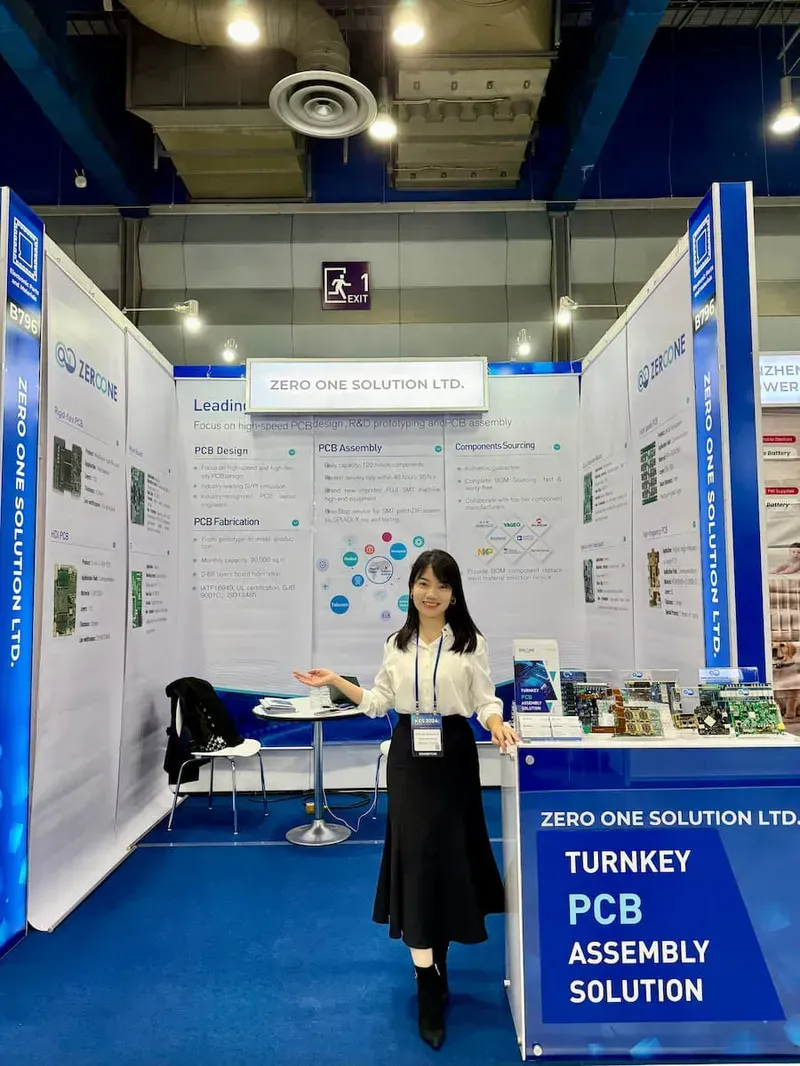
At the forefront of innovation in the electronics manufacturing landscape, Zero One Solution Limited stands as a beacon for advanced PCB solutions, especially within the burgeoning smart lighting sector. Our decade-long expertise, rooted in rapid-response R&D prototype manufacturing, enables us to deliver bespoke Smart Lighting Control Board Solutions that precisely meet the dynamic demands of this industry. We integrate cutting-edge design, precision manufacturing, and rigorous quality control to ensure that every PCB we produce is not just a component, but a foundation for superior smart lighting performance, setting new benchmarks for efficiency and reliability.
Comprehensive Design Expertise Our team of seasoned engineers possesses extensive knowledge in designing complex multi-layered PCBs optimized for smart lighting control. We consider critical factors such as signal integrity, power efficiency, thermal management, and compact form factors, which are paramount for smart lighting applications. This holistic approach ensures designs are robust, scalable, and future-proof.
Advanced Manufacturing Capabilities Leveraging state-of-the-art facilities in Shenzhen and a global supply chain network, Zero One Solution Limited offers advanced PCB manufacturing services. From high-density interconnect (HDI) boards to flexible and rigid-flex PCBs, our manufacturing processes adhere to the highest industry standards (e.g., IPC Class 2/3), guaranteeing exceptional quality and reliability for even the most demanding smart lighting control boards.
Rapid Prototyping and Iteration Understanding the fast-paced nature of product development, our rapid prototyping services are designed to accelerate your time-to-market. We can quickly produce functional prototypes of Smart Lighting Control Boards, allowing for swift testing, validation, and iterative improvements, drastically reducing development cycles and costs.
Rigorous Quality Assurance Quality is the cornerstone of our operations. Every Smart Lighting Control Board PCB undergoes stringent quality checks, including Automated Optical Inspection (AOI), X-ray inspection, and functional testing. This meticulous attention to detail ensures that all PCBs delivered meet precise specifications and perform flawlessly in their intended smart lighting environments.
By partnering with Zero One Solution Limited, clients gain a strategic advantage, benefiting from our deep technical expertise, agile production capabilities, and unwavering commitment to quality. Our customized PCB solutions empower smart lighting innovators to transform their concepts into market-ready products with confidence and efficiency.
Choosing the right partner for your Smart Lighting Control Board PCB needs is crucial for product success and market speed. Zero One Solution Limited offers unparalleled advantages, leveraging our extensive experience in rapid prototyping and high-quality manufacturing to deliver precise, reliable, and innovative PCB solutions that empower your smart lighting innovations. Our commitment extends beyond fabrication, encompassing comprehensive support to ensure a seamless development and production cycle.
Rapid Prototyping Excellence At the core of our offering is an industry-leading rapid prototyping capability, enabling designers and engineers to quickly iterate and validate their Smart Lighting Control Board designs. This dramatically reduces development cycles and time-to-market, which is critical in the fast-paced smart home and building automation sectors.
Uncompromised Quality and Reliability Zero One Solution Limited adheres to stringent quality control standards throughout the entire PCB manufacturing and assembly process. For Smart Lighting Control Boards, this means meticulously sourced components, precision fabrication, and rigorous testing protocols to ensure optimal performance, durability, and safety under diverse operating conditions, meeting or exceeding industry benchmarks.
Customization and Flexibility Understanding that each Smart Lighting Control Board has unique requirements, we offer highly customizable PCB solutions. From material selection to complex multi-layer designs and integration of specific communication protocols (e.g., DALI, Zigbee, Bluetooth Mesh), our expertise ensures that your PCB is perfectly tailored to your smart lighting system's demands.
Integrated One-Stop Service We provide a comprehensive one-stop service from initial PCB design consultation to manufacturing and final assembly for Smart Lighting Control Boards. This integrated approach streamlines your supply chain, reduces coordination overheads, and ensures consistent quality and communication across all stages of your project.
Strategic Global Supply Chain and Support With headquarters in Shenzhen and a branch in Dubai, Zero One Solution Limited strategically operates within a global PCBA supply chain network. This global presence ensures not only access to a wide array of resources and competitive pricing but also provides robust logistical support and responsive customer service, wherever your operations are located.
Advantage
Zero One Solution Benefit
Impact on Smart Lighting Control Board Projects
Speed to Market
Rapid prototyping & efficient production
Accelerated product launch for competitive edge
Quality & Performance
ISO-certified processes & rigorous testing
Enhanced reliability & reduced failure rates
Cost Efficiency
Optimized manufacturing & supply chain
Reduced total cost of ownership for PCBs
Technical Expertise
20+ years of Silicon Valley engineering experience
Innovative solutions for complex smart lighting challenges
Customer Support
Dedicated project management & global presence
Seamless communication & timely problem resolution
Real-World Applications: Smart Lighting Control in Modern Homes and Buildings
Modern Home Smart Lighting Scene
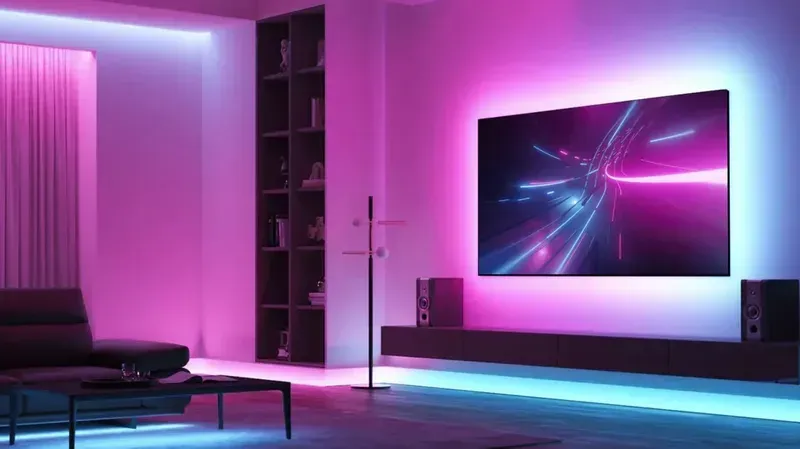
Smart lighting control boards are the silent architects of modern illumination, seamlessly integrating into diverse environments to deliver unparalleled convenience, energy efficiency, and enhanced security. From residential spaces to expansive commercial complexes, these sophisticated PCB solutions are revolutionizing how we interact with light, transforming static illumination into dynamic, responsive, and intelligent systems. Their real-world applications underscore their indispensable role in creating smarter, more sustainable, and human-centric living and working environments.
Residential Smart Homes In residential settings, smart lighting control boards enable homeowners to personalize their lighting experience. This includes automated scheduling based on occupancy or time of day, tunable white lighting for circadian rhythm support, and scene-setting for various activities like movie nights or dinner parties. Integration with voice assistants and mobile apps provides intuitive control, enhancing comfort and lifestyle while significantly reducing energy consumption through optimized usage and dimming capabilities. For instance, a system can automatically dim lights when natural daylight is sufficient or turn off lights in unoccupied rooms, leading to substantial energy savings.
Commercial and Office Buildings For commercial and office spaces, smart lighting systems powered by advanced control boards translate directly into operational efficiency and improved occupant well-being. Occupancy sensors and daylight harvesting optimize lighting levels, minimizing electricity usage during non-peak hours or when natural light is abundant. Centralized control allows facility managers to monitor and adjust lighting across entire floors or buildings, simplifying maintenance and enabling predictive fault detection. Beyond energy savings, dynamic lighting can improve employee productivity and mood, supporting a healthier work environment aligned with evolving WELL Building Standard principles.
Retail and Hospitality Environments In retail and hospitality, smart lighting control boards are instrumental in creating immersive and engaging experiences. Retailers use dynamic lighting to highlight merchandise, create engaging displays, and adapt ambiance to different times of day or promotional events, influencing customer behavior and sales. Hotels leverage smart lighting to offer personalized guest experiences, from automated welcome scenes to intuitive room controls, enhancing guest satisfaction and reducing energy costs in unoccupied rooms. The ability to quickly reconfigure lighting schemes provides unparalleled flexibility for evolving business needs and seasonal changes.
Future Trends in Smart Lighting and PCB Technology
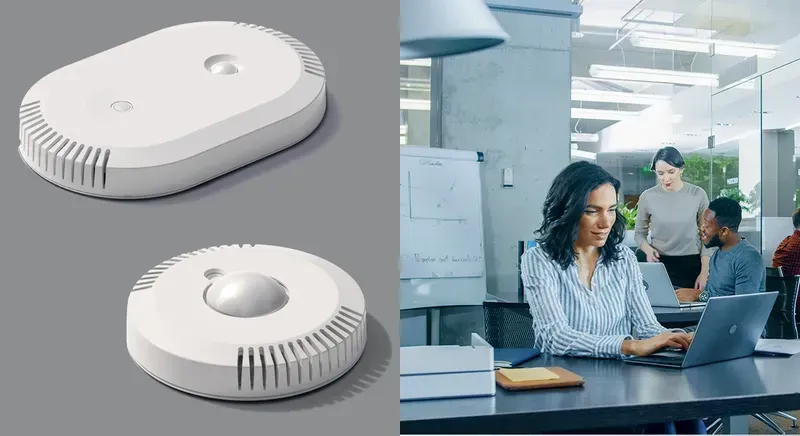
Advanced Smart Lighting Sensor
The smart lighting industry is on the cusp of transformative innovation, driven by advancements in artificial intelligence (AI), sensor technology, and highly integrated PCB solutions. These emerging trends are not merely incremental improvements but represent a fundamental shift towards more intelligent, adaptive, and energy-efficient lighting systems. As a leading PCB solution provider, Zero One Solution Limited is at the forefront, anticipating and facilitating these changes with cutting-edge board designs that push the boundaries of what's possible in smart lighting control.
AI and Machine Learning Integration Future smart lighting control boards will increasingly incorporate embedded AI and machine learning algorithms. This will enable predictive lighting adjustments based on user patterns, real-time environmental conditions, and even mood detection, moving beyond simple occupancy sensing to truly personalized and proactive lighting experiences. This requires more powerful microcontrollers and optimized PCB layouts to support the increased processing demands and data handling capabilities directly on the board, minimizing latency and enhancing responsiveness. Zero One Solution is investing in high-density interconnect (HDI) and advanced substrate materials to facilitate these complex computational requirements within compact form factors.
Advanced Sensor Fusion The next generation of smart lighting will integrate a wider array of sensors, including highly sensitive light sensors, motion detectors, temperature, humidity, and even air quality sensors. The data from these diverse inputs will be fused to create a more comprehensive environmental understanding, allowing lighting systems to dynamically adapt for optimal comfort, health, and energy savings. Designing PCBs that can seamlessly integrate these varied sensor types while maintaining signal integrity and minimizing interference is a key challenge, one that Zero One Solution addresses through careful impedance control and multi-layer board designs.
Li-Fi (Light Fidelity) Technology Li-Fi, which uses light waves for data transmission, holds immense potential for secure and high-speed wireless communication within smart environments. As Li-Fi technology matures, smart lighting control boards will become central communication hubs, not just light sources. This demands highly specialized PCB designs capable of managing both power delivery for illumination and high-frequency data transmission, often requiring advanced RF capabilities and meticulous component placement to prevent cross-talk and ensure reliable data flow. Zero One Solution is actively researching and developing PCBs with optimized antenna designs and shielding for future Li-Fi integration.
FAQs About Smart Lighting Control Board Solutions
What is the primary benefit of using a smart lighting control board in a modern home? The primary benefit is enhanced efficiency and user experience through intelligent automation. Smart lighting control boards enable features like remote control, scheduling, dimming, and integration with other smart home systems (e.g., voice assistants, security systems), significantly reducing energy consumption and increasing convenience and ambiance compared to traditional lighting.
How does Zero One Solution Limited ensure the reliability of its smart lighting control board PCBs? Zero One Solution Limited ensures reliability through a rigorous, multi-faceted approach. This includes advanced PCB material selection for optimal thermal management, precise component placement to minimize signal interference, robust quality control checks at every manufacturing stage, and extensive functional testing to validate performance under various operating conditions. Our expertise in rapid prototyping also allows for iterative design improvements.
What communication protocols are typically supported by advanced smart lighting control boards? Advanced smart lighting control boards commonly support a range of communication protocols to ensure broad compatibility and seamless integration. These include Wi-Fi for direct cloud connectivity, Bluetooth for short-range device pairing, Zigbee and Z-Wave for mesh networking in smart home ecosystems, and DALI (Digital Addressable Lighting Interface) for professional lighting installations, offering flexibility in system design and expansion.
Can smart lighting control boards be integrated with existing traditional lighting infrastructure? Yes, smart lighting control boards are often designed with backward compatibility in mind, allowing for integration with existing traditional lighting infrastructure. This is typically achieved through smart switches, dimmers, or retrofit modules that can be installed without completely overhauling the wiring. These solutions enable the smart control board to interface with conventional fixtures, providing intelligent features to an installed base.
What considerations are crucial for PCB design when developing a high-performance smart lighting control board? Crucial PCB design considerations for high-performance smart lighting control boards include effective thermal management to dissipate heat from LEDs and drivers, signal integrity for reliable data transmission (especially for wireless communication), compact form factor to fit within various fixtures, power efficiency to minimize energy waste, and robust EMI/EMC compliance to prevent interference with other electronic devices. Material selection and layer count also play significant roles.
In conclusion, the Smart Lighting Control Board Solution is more than just a technological advancement; it's a cornerstone of modern smart living. Zero One Solution Limited's expertise in PCB design and manufacturing ensures that these control boards are not only innovative but also reliable and efficient. By choosing Zero One Solution, you're not just investing in a product; you're investing in a brighter, smarter future.
Ready to revolutionize your lighting solutions? Contact Zero One Solution Limited today to discover how our PCB solutions can bring your smart lighting concepts to life. Let's illuminate the future, together. Share this article and leave a comment below to join the conversation!