In the realm of electronics, the 20uF capacitor is a fundamental component found in a myriad of applications, from powering appliances in our homes to enabling complex machinery in industrial settings. This article will explore the ins and outs of these essential components, detailing their functionality, various types, application, selection, and proper replacement procedures. We will cover the practical use of a 20uf capacitor, touching on social science and technology, in an effort to make the topic less abstract and more understandable, helping you grasp its significance in the tech world.
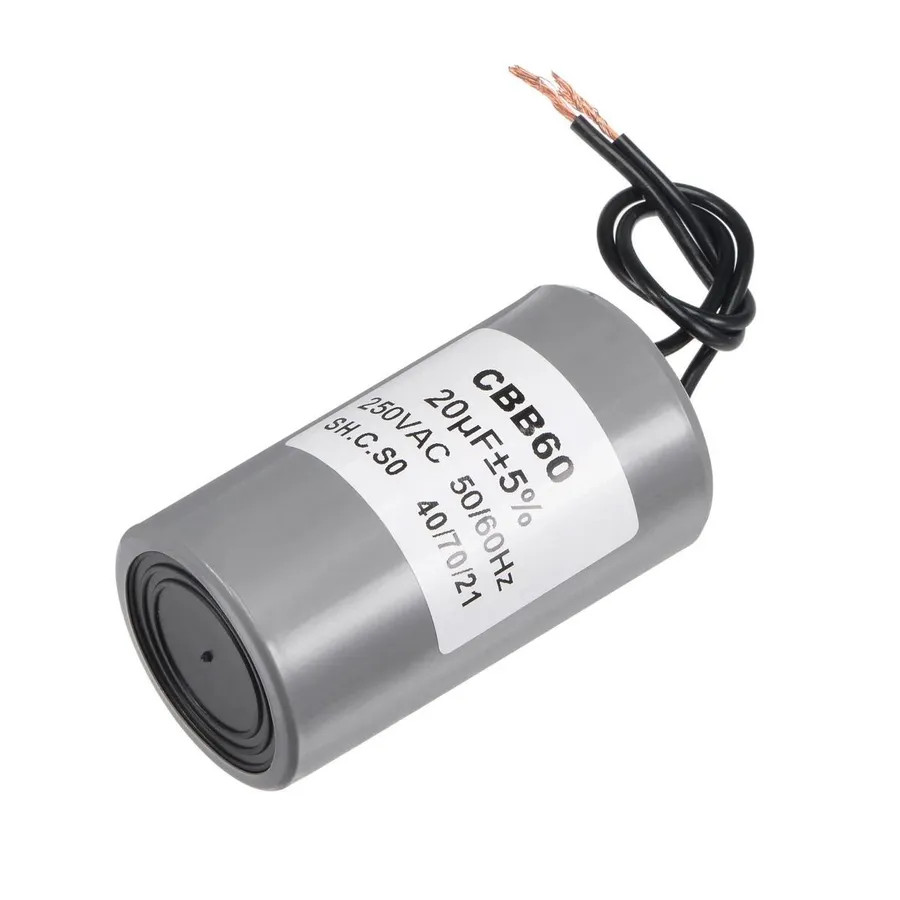
A 20uF capacitor is a fundamental electronic component characterized by its ability to store an electrical charge, with '20uF' indicating its capacitance value of 20 microfarads. Capacitance, measured in farads (F), quantifies a component's capacity to store an electrical charge; a microfarad (uF) is one millionth of a farad. In essence, a 20uF capacitor stores and releases electrical energy, thereby playing a crucial role in controlling the behavior of electronic circuits.
The capacitor's function hinges on its physical structure, consisting of conductive plates separated by a dielectric material. When a voltage is applied, electrical charge accumulates on the plates, creating an electrical field. This stored energy is then released as required, enabling a capacitor to smooth out voltage fluctuations, filter signals, and provide temporary power during voltage dips.
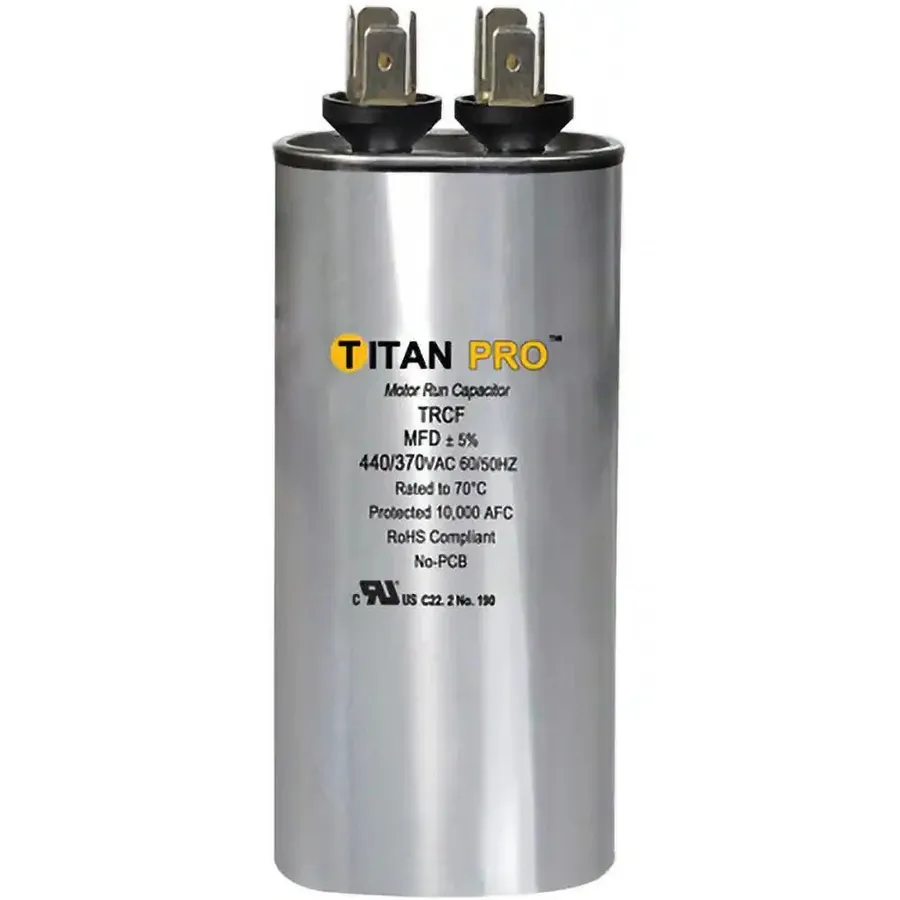
20uF capacitors are essential components in various applications, primarily categorized into 'run' and 'start' types, each designed for specific operational demands. Understanding these distinctions is crucial for selecting the appropriate capacitor for optimal performance and longevity of the equipment it serves.
| Feature | Motor Run Capacitor (e.g., CBB65) | Start Capacitor |
|---|---|---|
| Primary Function | Continuous operation of AC motors | Providing a high current surge for motor starting |
| Duty Cycle | Designed for continuous use while the motor runs | Designed for intermittent use during motor startup |
| Construction | Typically oil-filled, with metalized film electrodes, often packaged in cylindrical aluminum or plastic casings. | Often electrolytic construction, with a robust surge capacity, typically encased in a cylindrical housing. |
| Voltage Ratings | Commonly rated for 250VAC, 440VAC, 500VAC, and higher, depending on the application | Higher, often 330VAC or higher, rated to withstand high surge voltages |
| Typical Applications | Air conditioners, fans, pumps, compressors and other appliances requiring continuous motor operation. | Used in devices such as air conditioners and refrigerators, where high starting torque is required, but is only needed for short periods. |
| Lifespan | Longer life expectancy under normal operating conditions | Designed for a limited number of starts, with a shorter operational lifespan compared to run capacitors |
| Cost | Generally more expensive due to higher continuous operating requirements. | Typically less expensive, due to less stringent continuous operating requirements. |
It is important to choose the right voltage rating. The voltage rating of the replacement capacitor must meet or exceed the original rating. For example, if the original capacitor is rated for 250VAC, a 440VAC replacement is acceptable but not vice-versa. The specific type of capacitor is determined by the application requirements. Run capacitors, like the CBB65 series, are designed for continuous duty in AC motors, while start capacitors provide a high current surge for initial motor starting. This distinction is critical as using the wrong type can cause premature failure or damage the motor itself. The materials of construction and the physical dimensions (especially diameter and length) may vary and should be considered to be sure that a replacement fits within the available space.
Understanding the specifications of a 20uF capacitor is crucial for ensuring its proper function and longevity within an electrical circuit. Key parameters such as voltage rating, tolerance, and frequency response dictate how a capacitor will perform under various operational conditions. These specifications must be carefully considered during capacitor selection to prevent failures and ensure optimal circuit performance.
| Specification | Description | Importance |
|---|---|---|
| Capacitance | The ability of the capacitor to store charge, measured in microfarads (uF). | A 20uF capacitor is designed to store a specific amount of charge, and deviations can affect circuit timing and energy storage. |
| Voltage Rating | The maximum voltage that the capacitor can safely handle without dielectric breakdown. | Exceeding the voltage rating can cause catastrophic failure, leading to component damage or circuit malfunctions. Common voltage ratings for 20uF capacitors include 250VAC, 440VAC and 500VAC. |
| Tolerance | The allowable deviation in actual capacitance from the nominal value, expressed as a percentage. | Tolerance, typically +/- 5% or +/- 10%, affects the precision of circuit operation, particularly in timing or filtering circuits. |
| Frequency Rating | The range of frequencies at which the capacitor performs optimally. | Capacitor performance can degrade at higher frequencies due to internal resistance (ESR) and inductance (ESL). |
| Temperature Range | The range of ambient temperatures within which the capacitor can safely and reliably operate. | Operating outside the specified temperature range can cause premature aging or failure. Typically ranges from -25°C to 85°C, or beyond, depending on application. |
| Physical Dimensions | The size and shape of the capacitor body, including lead type and diameter | Physical dimensions must be considered for PCB layout or mounting and ensure appropriate fit within the device. |
| Terminal Types | The physical connections available, such as solder leads, screw terminals, or quick-connect tabs. | Selecting the correct terminal is crucial for secure and reliable electrical connections. |
| Material Used | The dielectric material used in capacitor construction (e.g., polypropylene, ceramic, electrolytic) | Dielectric material impacts the capacitor's electrical properties, lifespan, and suitability for different applications. 20uF capacitors are commonly Polypropylene film. |
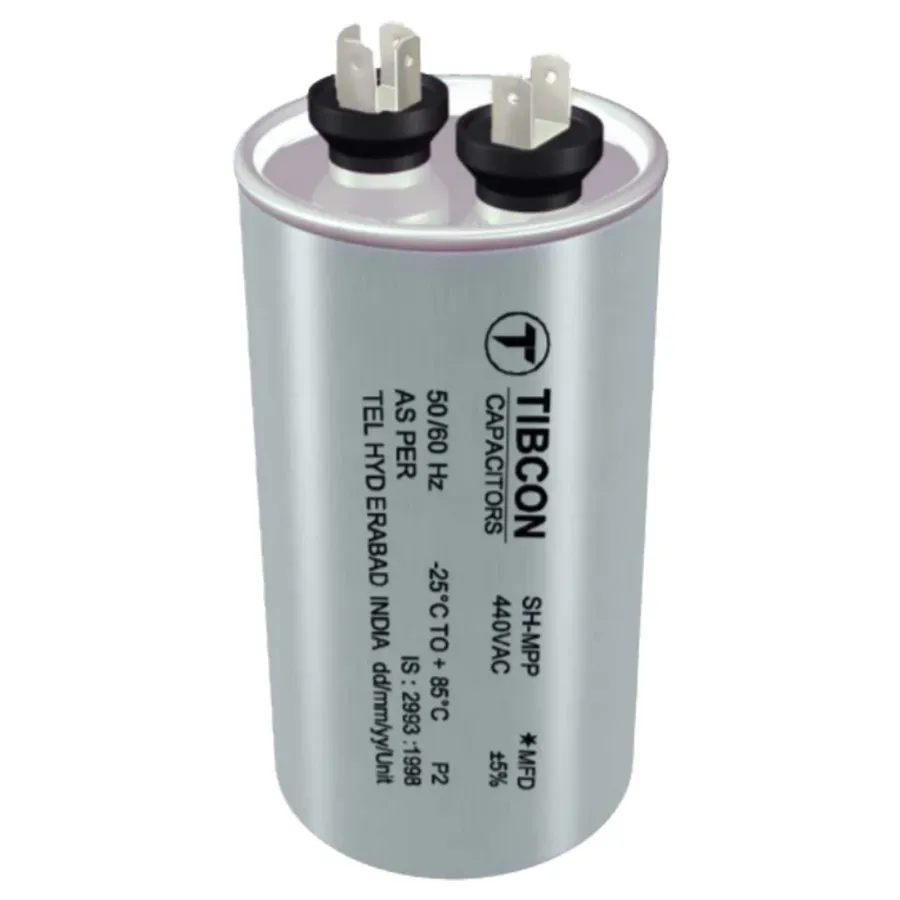
20uF capacitors are essential components in various electrical and electronic systems, playing a crucial role in energy storage and circuit stabilization. Their applications span across numerous sectors, from home appliances to industrial equipment. This section details the typical uses of 20uF capacitors, highlighting their specific roles in diverse applications.
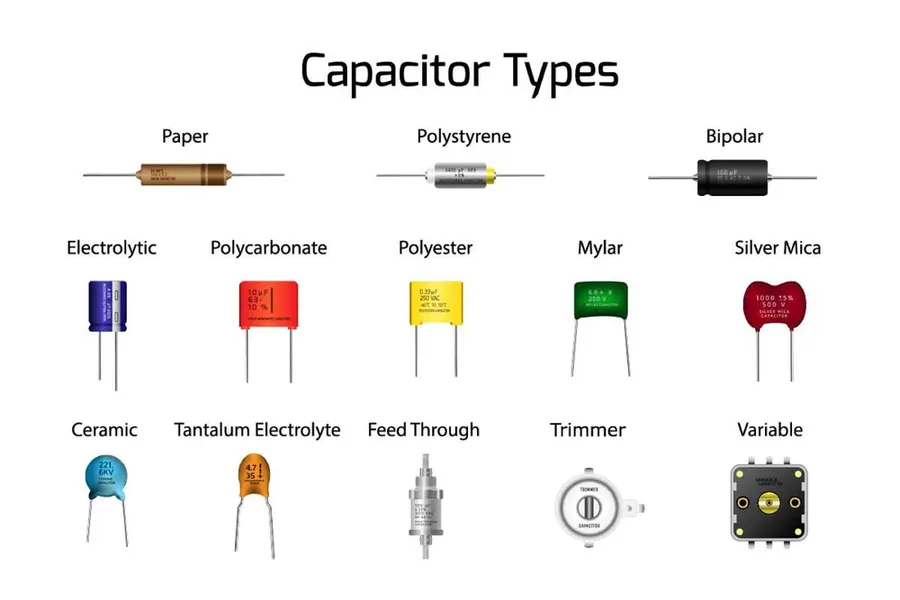
Selecting the appropriate 20uF capacitor is crucial for ensuring the reliable and efficient operation of electrical equipment. This guide outlines the critical factors to consider when choosing a 20uF capacitor, emphasizing voltage compatibility, temperature range, and tolerance, and the risks of using an incorrect capacitor.
| Parameter | Description | Importance |
|---|---|---|
| Capacitance | Rated at 20uF | Must match the application's requirements precisely. A mismatch can lead to improper function. |
| Voltage Rating | The maximum voltage the capacitor can safely handle. (e.g., 250VAC, 440VAC, 500VAC) | Should be equal to or greater than the application's operating voltage. Insufficient voltage rating can result in capacitor failure. |
| Tolerance | Permissible deviation from the rated capacitance (e.g., ±5%, ±10%). | Affects the accuracy of the capacitor's performance. Choose based on application precision needs. |
| Temperature Range | The range of operating temperatures within which the capacitor functions effectively. | Capacitors can have significant changes in performance or lifespan outside their rated temperature range. This factor is especially important in environments with extreme temperatures. |
| Type | Start or run capacitor, each designed for specific motor applications. | Using the incorrect type will lead to premature failure and operational issues. |
| Physical Dimensions | The size of the capacitor. Important for physical fit in an electronic component or device. | Must physically fit in the allocated space and may have mounting requirements. |
A critical aspect of selection is ensuring that the capacitor's voltage rating is equal to or higher than the application's operating voltage. Selecting a capacitor with a voltage rating lower than needed can lead to immediate failure or significantly reduce the capacitor's lifespan, potentially damaging other components in the system. Additionally, the capacitor’s operating temperature range must be suitable for the environment of the system. A start capacitor and a run capacitor must never be interchanged.
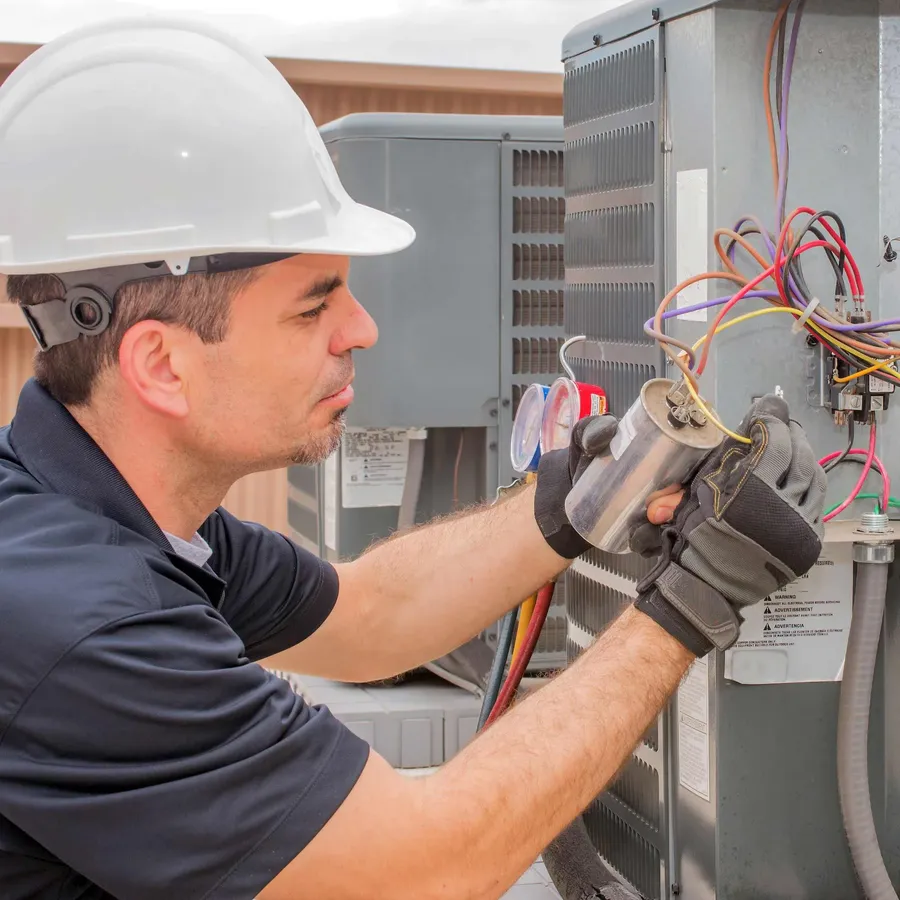
Replacing a 20uF capacitor requires careful adherence to safety protocols and a systematic approach to ensure proper functionality and prevent potential hazards. This section provides a detailed guide for safely replacing a 20uF capacitor, emphasizing safety precautions and offering step-by-step instructions.
Before starting the replacement, it's crucial to understand the inherent risks associated with capacitors. They store electrical energy and can deliver a dangerous shock even when the power is turned off. Therefore, discharging the capacitor is the first and most important step.
Here's a comprehensive guide to ensure a safe and successful replacement:
20uF capacitors, like all electronic components, are subject to degradation and failure. Recognizing common issues and understanding how to diagnose them is crucial for maintaining the performance and safety of electronic equipment. This section details common failure modes and how to use a multimeter to assess a 20uF capacitor's health.
Testing a 20uF capacitor with a multimeter can give valuable insights into its condition. The multimeter should be capable of measuring capacitance, and it’s important to ensure that the capacitor is discharged before testing, to prevent damaging the multimeter or creating a safety hazard.
This section addresses common questions regarding 20uF capacitors, aiming to provide clear and concise answers to typical user queries, enhancing understanding and practical application.
The 20uF capacitor, though small, is a vital component in many devices we use daily, from powering motors to refining audio signals. Understanding its function, types, and proper handling can empower you to maintain and repair your electronics safely and efficiently. When dealing with a 20uF capacitor, always adhere to safety protocols and carefully follow manufacturer specifications to ensure optimal functionality and longevity. In the future, advancements in capacitor technology might offer more efficient and compact solutions, but the principles of its usage and replacement will likely remain essential knowledge for anyone working with electronics.

