The automotive industry is undergoing a rapid transformation, with electronics playing an increasingly vital role. From advanced driver-assistance systems (ADAS) to infotainment and electric vehicle powertrains, reliable Printed Circuit Boards (PCBs) are the backbone of automotive innovation. Selecting the right automotive PCB manufacturer is crucial for ensuring the performance, durability, and safety of these critical systems. This article explores key considerations and profiles some of the leading automotive PCB manufacturers shaping the future of car electronics.
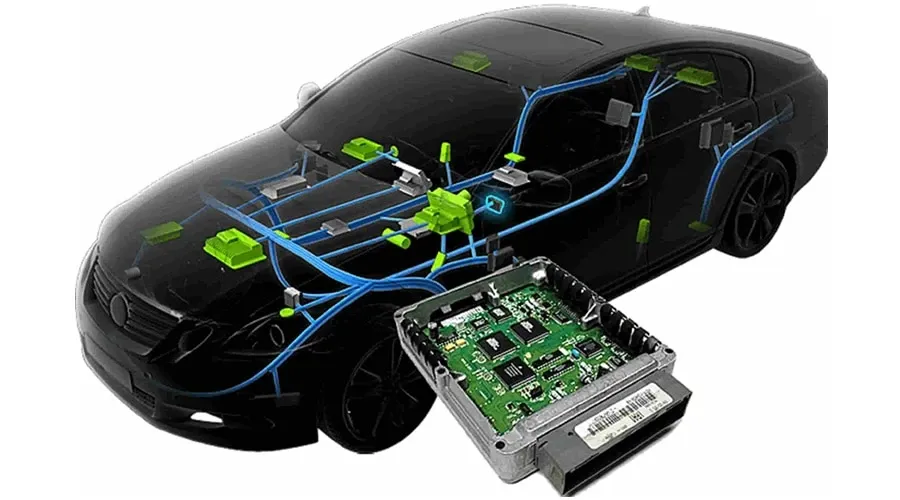
Automotive printed circuit boards (PCBs) operate in uniquely challenging environments, demanding exceptional reliability and performance. These PCBs are not merely electronic components; they are integral to the safety and functionality of modern vehicles. They must consistently perform under extreme conditions, such as fluctuating temperatures, constant vibrations, and exposure to moisture and corrosive substances.
The automotive industry's stringent requirements necessitate specialized manufacturing processes and materials. Unlike PCBs used in consumer electronics, automotive PCBs must adhere to higher quality standards and rigorous testing protocols to ensure long-term durability and operational integrity.
| Challenge | Impact on PCBs | Required Solution |
|---|---|---|
| Extreme Temperatures (-40°C to 150°C) | Material degradation, solder joint failure, and thermal stress. | High-Tg materials, robust thermal design, and specialized solder alloys. |
| Vibration and Mechanical Shock | Component fatigue, solder joint cracking, and board delamination. | Reinforced board materials, advanced mounting techniques, and vibration dampening. |
| Humidity and Moisture | Corrosion, electrochemical migration, and insulation breakdown. | Conformal coatings, corrosion-resistant materials, and hermetic sealing. |
| Chemical Exposure (oils, solvents) | Material degradation and electrical failures. | Chemical-resistant materials and protective coatings. |
| Electromagnetic Interference (EMI) | Signal degradation, system malfunction, and interference with other electronics. | Shielding layers, proper grounding, and controlled impedance routing. |
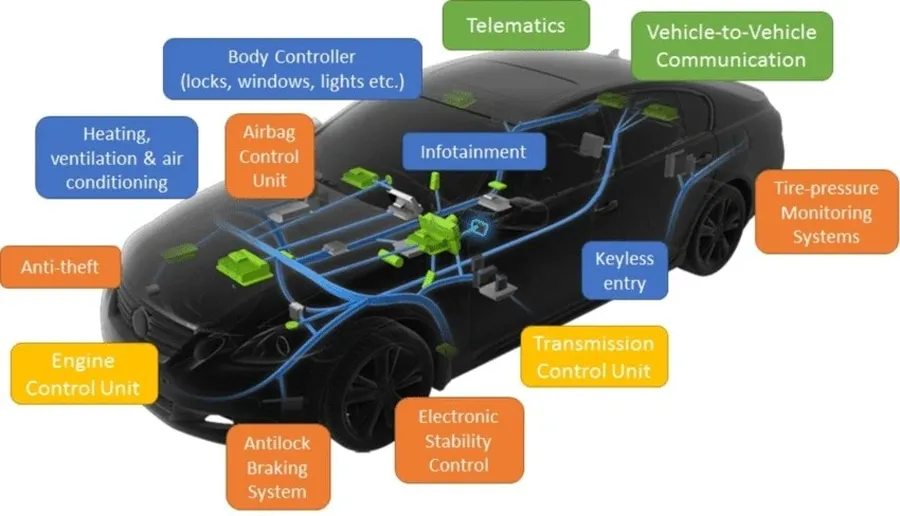
Selecting the right automotive PCB manufacturer is crucial for ensuring the reliability and performance of electronic systems in vehicles. This decision involves evaluating several critical factors that go beyond typical PCB manufacturing requirements, encompassing stringent quality standards, advanced technical capabilities, and robust production capacity.
| Criteria | Description | Importance |
|---|---|---|
| Certifications (ISO/TS 16949) | Ensures adherence to automotive industry quality management standards, demonstrating a commitment to consistent quality and process control. | Mandatory for automotive supply chain qualification, assures compliance with rigorous quality protocols. |
| Material Expertise (High-Tg, PTFE) | Capability to handle advanced materials that withstand high temperatures and harsh conditions, essential for automotive applications. | Critical for PCB durability and reliability in extreme environmental conditions. High-Tg materials resist deformation at higher temperatures; PTFE offers superior electrical performance at high frequencies. |
| Advanced Technology (HDI, Embedded Components) | Proficiency in producing high-density interconnect (HDI) PCBs and integrating embedded components for compact and complex automotive electronics. | Enables miniaturization and higher functionality integration, crucial for modern automotive systems such as ADAS and infotainment. |
| Volume Production Capacity | Ability to meet high-volume production demands without compromising quality or delivery timelines. | Ensures timely delivery and scalability, critical for large-scale automotive production. |
| Testing and Validation | Comprehensive testing protocols and validation methods to ensure PCBs meet functional and performance specifications. | Reduces the risk of early failures in the field, ensuring product safety and reliability. |
| Design For Manufacturability (DFM) | Strong DFM capabilities to optimize PCB layouts, reducing production costs and minimizing errors. | Facilitates smoother manufacturing and higher yields, reducing production costs and improving overall quality. |
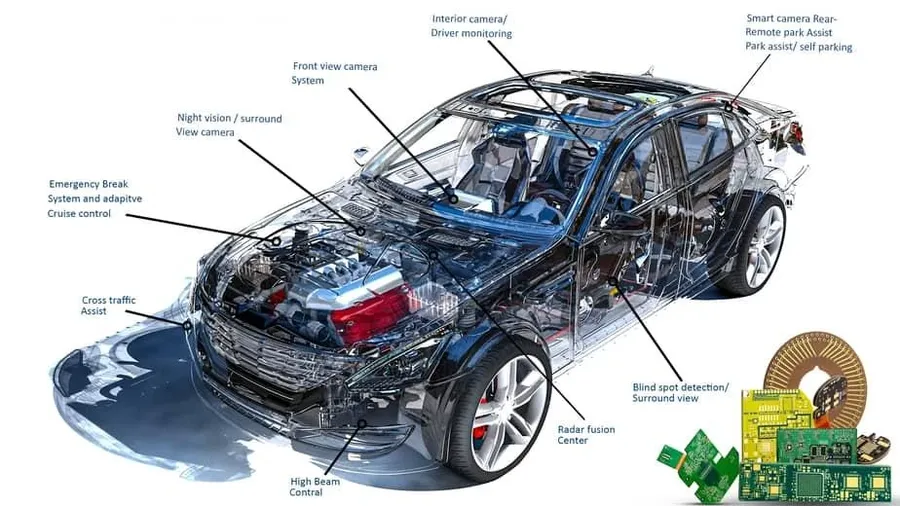
The automotive sector demands the highest levels of reliability and performance from its electronic components. This has led to the emergence of specialized PCB manufacturers, known for their expertise and experience in this area. This section highlights some key players in the automotive PCB market, focusing on their technological capabilities, strengths, and industry track records.
| Manufacturer | Strengths | Technology Focus | Experience |
|---|---|---|---|
| TTM Technologies | High-mix, high-volume production, global footprint | HDI, rigid-flex, complex multilayer PCBs | Extensive experience in automotive, aerospace, and defense industries |
| Sanmina | Global manufacturing and supply chain, strong engineering services | Advanced materials, embedded components, System-in-Package (SiP) | Significant experience in automotive, medical, and industrial sectors |
| AT&S | Specialized in high-end PCBs, global production network | HDI, embedded components, high-frequency PCBs | Major supplier to automotive, industrial, and medical markets |
| Würth Elektronik | Extensive catalog, strong R&D capabilities, global presence | Standard and custom PCBs, wide range of materials | Long-standing history in electronics, serving diverse industries including automotive |
| Multek | Focus on high-volume manufacturing, global facilities | Rigid, flex, and rigid-flex PCBs, automotive-grade materials | Established presence in the automotive, consumer electronics, and industrial markets |
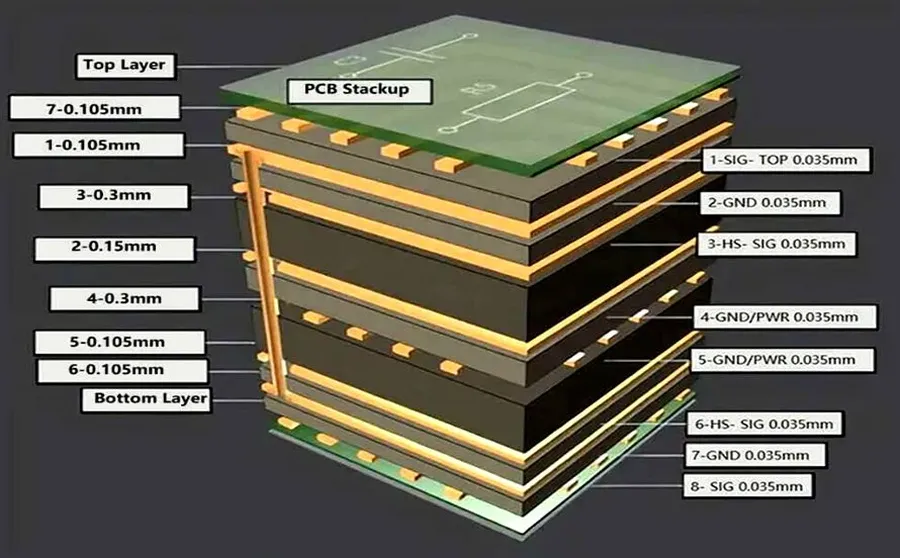
The automotive industry's relentless pursuit of enhanced safety, performance, and connectivity has driven the evolution of PCB manufacturing technologies. These technologies are pivotal for implementing advanced driver-assistance systems (ADAS), infotainment, and powertrain controls, requiring PCBs that are not only robust but also highly functional.
| PCB Technology | Description | Automotive Application | Key Advantages |
|---|---|---|---|
| Multi-layer PCBs | PCBs with three or more conductive layers separated by insulating materials. | Engine control units (ECUs), transmission control, advanced driver-assistance systems (ADAS). | High component density, increased functionality, and improved signal routing capabilities. |
| Rigid-Flex PCBs | Combine rigid and flexible circuit boards into one unit. | Infotainment systems, dashboards, sensors and camera modules. | Reduce weight, enhance space utilization, and increase design flexibility. |
| High-Frequency PCBs | Designed to operate at high frequencies using materials with low dielectric loss. | Radar, LiDAR, telematics and high-speed data communication modules. | Enable high-speed data transmission, reduce signal loss, and minimize signal interference |
| HDI (High Density Interconnect) PCBs | Features finer lines and spaces, microvias, and high connection density. | Advanced driver assistance systems, autonomous driving platforms, and infotainment systems. | Allows compact designs with complex functionalities. |
| Embedded Component PCBs | Passive or active components are embedded within the layers of the PCB. | Power electronics modules, sensor interfaces, and high-density control units. | Increased space efficiency, improved reliability, and enhanced thermal management. |
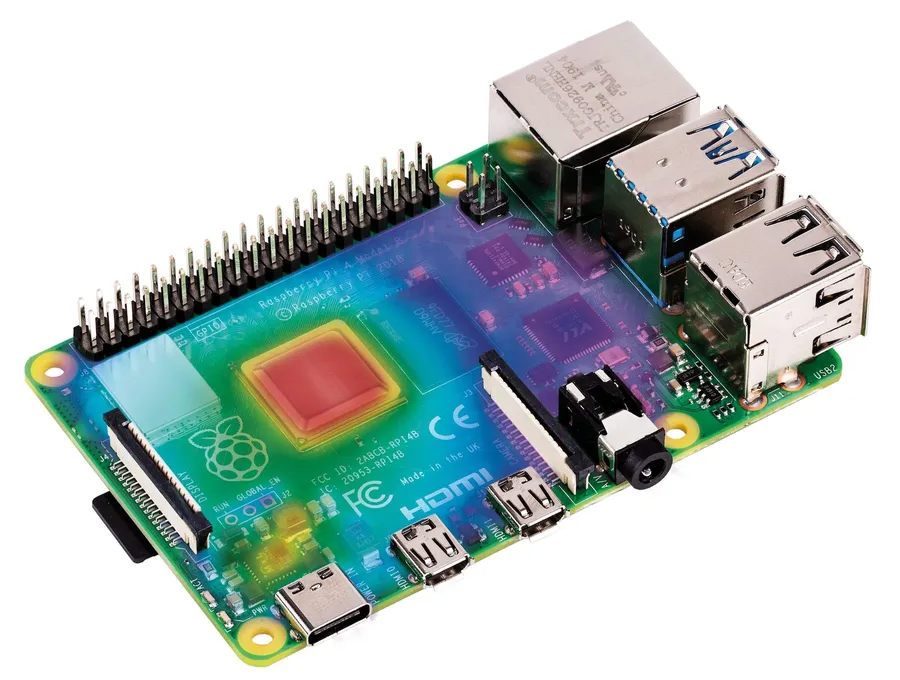
The selection of appropriate materials for automotive PCBs is paramount due to the extreme operating conditions they must endure. These conditions include high and low temperature fluctuations, significant vibration, high humidity and chemical exposure. The integrity and longevity of automotive electronics depend critically on the correct choice of materials, thus ensuring long-term reliability and performance.
| Material | Description | Typical Automotive Application | Advantages | Disadvantages |
|---|---|---|---|---|
| FR-4 | A widely used fiberglass-epoxy laminate. It is the workhorse material for PCBs. | Less critical automotive control modules, sensors in mild environments | Cost-effective, readily available, good mechanical properties. | Limited thermal performance, susceptible to moisture absorption. |
| High-Tg Epoxy | Epoxy laminate with a higher glass transition temperature (Tg), offering superior thermal performance. | ECU's, under-the-hood electronics where higher operating temperature exist. | Better high-temperature performance, improved long-term reliability. | Higher cost than FR-4, may require different processing techniques. |
| PTFE (Teflon) | Fluoropolymer with excellent electrical and thermal properties. | Radar systems, high-frequency communication modules | Exceptional high-frequency performance, low dielectric loss, excellent thermal stability. | Expensive, more difficult to process, requires specialized design techniques. |
| Ceramic Substrates | Inorganic materials, offering excellent thermal and mechanical properties. | High-power applications, LED modules, extreme temperature sensors. | Superior thermal conductivity, excellent mechanical strength, low thermal expansion. | High cost, difficult to machine, may require specialized assembly techniques. |
The correct material selection ensures long-term reliability, reducing the risk of field failures, which can have significant safety implications in automotive applications. The choice of material is a delicate balance between performance requirements and cost considerations and understanding the trade-offs is essential for effective design.
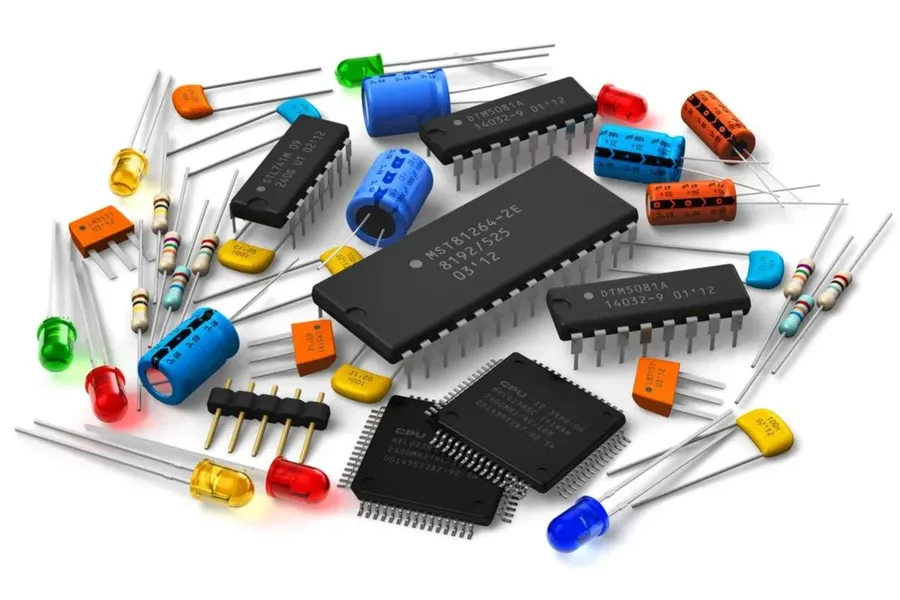
Selecting an automotive PCB manufacturer involves a critical balance between cost and quality, as these components are vital to vehicle safety and performance. Transparent pricing and robust supply chain partnerships are crucial to mitigate production risks and ensure a consistent supply of reliable PCBs. The automotive industry's strict requirements demand that cost optimization never compromise quality.
The goal is to secure high-quality, reliable PCBs within budget, avoiding potential production delays due to unforeseen supply chain issues. This requires a proactive approach to manufacturer selection, considering not only the initial cost but also the long-term implications on production efficiency and product reliability.
| Factor | Description | Impact |
|---|---|---|
| Initial Cost | The per-unit price of PCBs. | Direct impact on product budget; may lead to choosing lower-quality components if solely focused on cost. |
| Quality | Conformity to automotive standards (e.g., IATF 16949) and performance requirements. | Impacts long-term reliability, safety, and overall product performance. Compromising quality can lead to higher costs in the long run due to failures. |
| Supply Chain Reliability | The manufacturer's capacity to consistently deliver PCBs on time and in the required volumes. | Ensures uninterrupted production schedules. Disruptions can result in costly delays and missed deadlines. |
| Pricing Transparency | Clear and predictable pricing structure with no hidden fees. | Allows accurate budgeting and avoids unexpected financial burdens. |
| Partnership | The level of collaboration and communication with the manufacturer. | Promotes better responsiveness, problem-solving, and adaptability to unforeseen issues. |
Designing Printed Circuit Boards (PCBs) for automotive applications demands a rigorous approach to ensure reliability, safety, and performance in harsh operating environments. This section outlines essential best practices for automotive PCB design, focusing on signal integrity, thermal management, and electromagnetic compatibility (EMC), all while prioritizing safety and reliability.
This section addresses common questions about automotive PCBs, their manufacturing, and the standards they must adhere to, providing clarity for engineers and procurement professionals.
Choosing the right automotive PCB manufacturer is crucial to ensuring reliability, performance, and compliance with strict industry standards. This involves careful assessment of factors such as their expertise, certifications, technology, materials, and supply chain reliability. As the automotive industry continues to innovate, partnering with a reputable and experienced manufacturer will remain paramount for success in the competitive market. Working with the right automotive PCB manufacturers will ensure that your car electronics are safe and reliable. The future of driving depends on it.

