In today's technologically advanced world, electrical circuits are the backbone of nearly every electronic device, from smartphones to medical equipment. Understanding the landscape of electrical circuit manufacturers is crucial for any business involved in the electronics sector. This article provides a comprehensive overview of the top players, their capabilities, and key considerations when choosing a manufacturer for your specific project needs, helping you navigate the complexities of the PCB manufacturing process and identify the right [electrical circuit manufacturers].
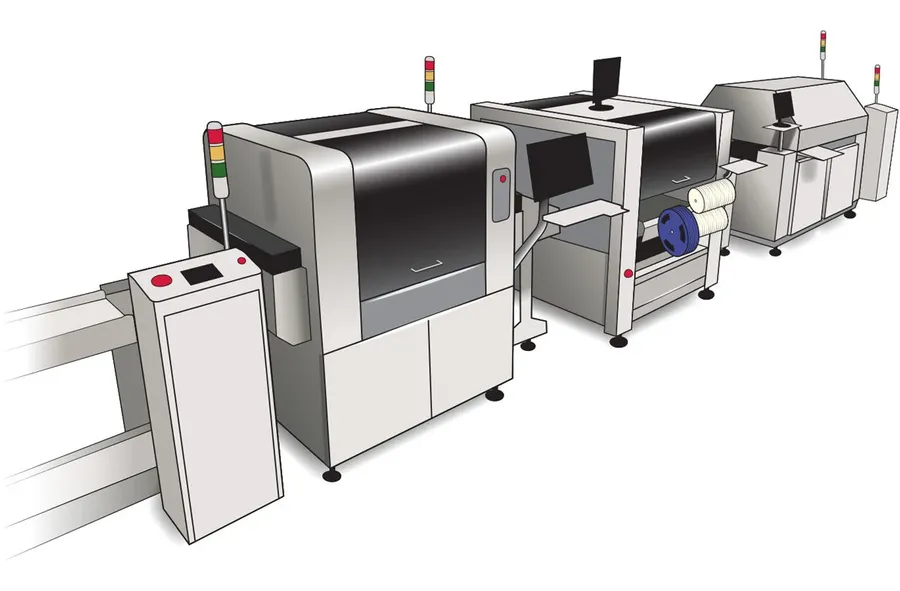
The electrical circuit manufacturing industry is a cornerstone of modern electronics, experiencing robust growth driven by increasing demand for electronic devices across various sectors. This sector encompasses the design, fabrication, and assembly of printed circuit boards (PCBs), essential components in virtually all electronic products. The industry's current landscape is shaped by technological advancements, globalization, and evolving market needs, with a focus on innovation, efficiency, and sustainability.
The industry's market size is substantial, valued at hundreds of billions of dollars globally, and it continues to expand due to the proliferation of electronics in consumer goods, automotive, aerospace, medical, and telecommunications industries. Growth drivers include the Internet of Things (IoT), artificial intelligence (AI), 5G technology, and the increasing complexity of electronic systems, which necessitate advanced PCB designs. These trends fuel a need for manufacturers capable of producing high-density, high-reliability circuits.
Key trends within the industry include a move towards miniaturization, a demand for faster turnaround times, and an emphasis on environmentally friendly manufacturing processes. Furthermore, there's a growing interest in flexible and advanced PCB technologies to support innovative product designs. The push towards smart factories utilizing automation and robotics is also noticeable. These trends show the industry is adapting to the ever-changing technological demands and environmental requirements, requiring electrical circuit manufacturers to be highly agile and innovative.
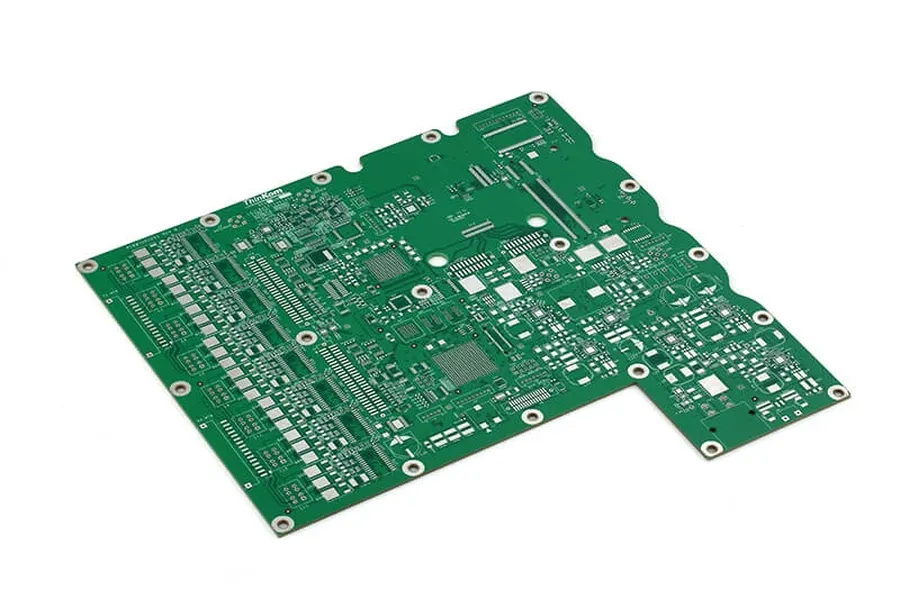
Understanding the diverse landscape of electrical circuits is crucial for appreciating the complexity of modern electronics. This section outlines the primary types of electrical circuits—single-sided, double-sided, multilayer PCBs, and flexible circuits—detailing their distinct characteristics and typical applications to ensure a foundational understanding of the different technologies employed in manufacturing.
| Circuit Type | Description | Typical Applications | Advantages | Disadvantages |
|---|---|---|---|---|
| Single-Sided PCB | A circuit board with conductive material on one side only. | Simple electronics, toys, LED lighting. | Low cost, easy to manufacture. | Limited routing density, only suitable for basic designs. |
| Double-Sided PCB | A circuit board with conductive material on both sides, connected via plated through-holes. | Power supplies, audio amplifiers, control circuits. | Higher routing density than single-sided PCBs, increased complexity possible. | More expensive than single-sided PCBs, more complex fabrication. |
| Multilayer PCB | A circuit board with three or more layers of conductive material separated by insulating layers. | Computers, mobile devices, advanced medical equipment. | Very high routing density, complex designs, high performance. | Most expensive type of PCB, complex manufacturing process. |
| Flexible Circuit | A circuit built on a flexible substrate, allowing bending and flexing. | Wearable electronics, automotive applications, medical sensors. | Highly flexible, lightweight, compact. | More expensive than rigid PCBs, more complex manufacturing. |
The selection of the appropriate circuit type directly influences the final product's performance, cost, and reliability. The design and manufacturing processes vary considerably across these types, each requiring specialized techniques and equipment. This understanding will help you navigate subsequent sections concerning specific manufacturer capabilities and service offerings.
North America is home to a robust and diverse array of electrical circuit manufacturers, providing a wide range of services from prototyping to high-volume production. These manufacturers are crucial for various industries, including aerospace, medical, automotive, and consumer electronics. This section highlights some of the leading companies in the region, focusing on their unique strengths and specializations.
| Manufacturer | Headquarters | Strengths | Specializations | Customer Base |
|---|---|---|---|---|
| Advanced Circuits/4PCB.com | Aurora, Colorado | Fast Turnaround, Online Quoting | Prototype to Mid-Volume PCB | Engineers, Startups, Educational Institutions |
| Sunstone Circuits | Mulino, Oregon | Quick Turn Prototypes, Custom Solutions | High-Mix, Low-Volume PCBs | Industrial, Medical, Aerospace |
| Bay Area Circuits | Fremont, California | High-Quality Manufacturing, Advanced Technology | Complex PCBs, RF/Microwave Boards | Technology, Telecommunications |
| American Circuits | San Jose, California | High-Reliability PCBs, Strong Engineering Support | Aerospace, Defense, Medical PCBs | Government, Defense Contractors, Medical Device Manufacturers |
These manufacturers offer a range of capabilities, from quick-turn prototyping to high-volume production, and they utilize advanced technologies to meet the evolving needs of their customers. Their certifications, industry partnerships, and focus on continuous improvement ensure that they are able to provide top-quality PCBs to meet the stringent requirements of their respective industries. These manufacturers are representative of the strong and innovative electrical circuit manufacturing sector in North America.
The electrical circuit manufacturing landscape extends far beyond North America, with numerous global powerhouses driving innovation and production. These companies not only cater to their local markets but also significantly influence the global supply chain. This section profiles some of the leading PCB manufacturers worldwide, highlighting their strengths, geographic reach, and product offerings.
| Manufacturer | Geographic Focus | Key Strengths | Product Offerings |
|---|---|---|---|
| JLCPCB | Global (Primarily Asia, Europe, North America) | Rapid prototyping, low-cost production, online ordering platform | Single-sided, double-sided, multilayer PCBs, SMT assembly |
| PCBgogo | Global | Fast turnaround times, diverse production capabilities, online platform | PCB prototyping, low-volume to mass production, PCB Assembly, component sourcing |
| PCBWay | Global (Strong presence in Europe and North America) | Wide range of PCB types, advanced technologies, strong customer service | Multilayer PCBs, flexible PCBs, metal core PCBs, PCB assembly |
| Kingboard Chemical Holdings Ltd. | Asia (Global reach) | Large-scale production capacity, vertically integrated supply chain | Rigid PCBs, flexible PCBs, advanced materials PCBs |
| Unimicron Technology Corp. | Asia (Global reach) | High-density interconnect (HDI) PCBs, advanced manufacturing processes, R&D capabilities | HDI PCBs, rigid-flex PCBs, IC substrates |
| TTM Technologies | Global (with strong presence in North America and Asia) | High-mix, low-volume production capabilities, focus on high technology products | HDI PCBs, RF PCBs, aerospace and defense PCBs |
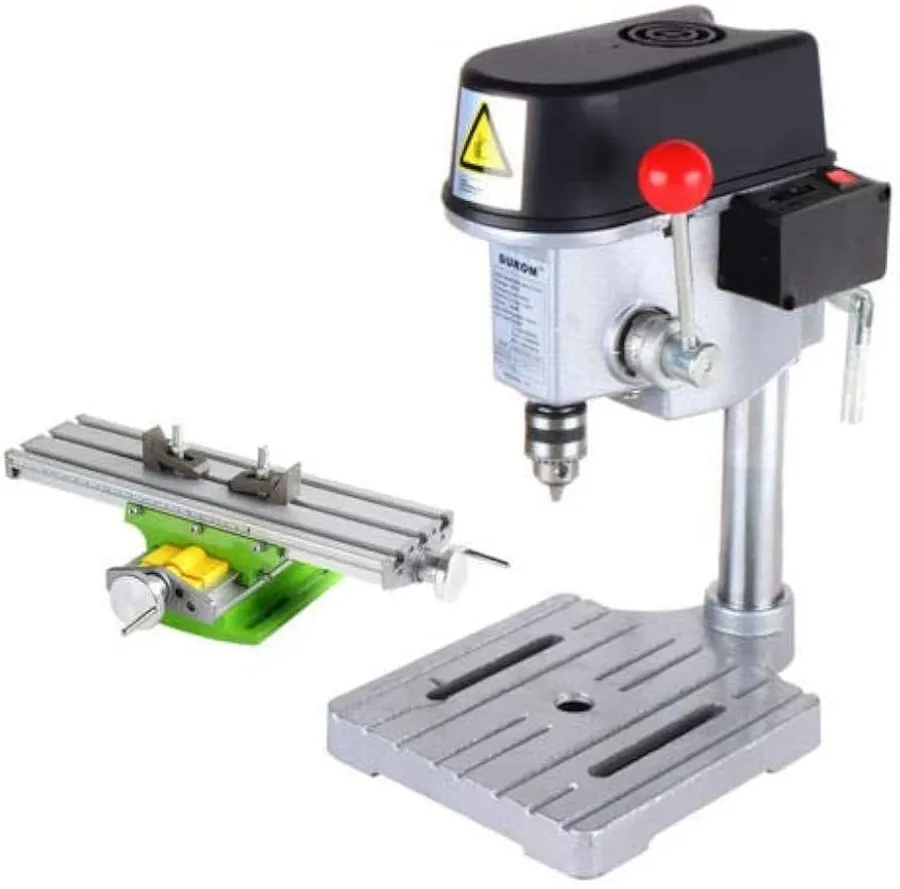
A thorough comparison of PCB manufacturing services reveals significant variations in capabilities and technologies across different providers. These services encompass the entire product lifecycle, from initial design to final assembly and testing, with manufacturers employing various specialized machinery and methods.
| Service | Description | Key Technologies/Machinery | Considerations |
|---|---|---|---|
| Design | PCB layout and schematic design. | CAD/CAM software, simulation tools | DFM (Design for Manufacturing) analysis, signal integrity |
| Fabrication | Manufacturing the bare PCB. | Laser drilling, CNC milling, etching, plating | Layer count, material selection, tolerance |
| Assembly | Component placement and soldering. | Pick-and-place machines, reflow ovens, wave soldering | SMT (Surface Mount Technology), through-hole, mixed assembly |
| Prototyping | Small-batch manufacturing for testing. | Quick-turn capabilities, specialized equipment for rapid prototyping | Fast turnaround time, design verification |
| Testing and Inspection | Ensuring the functionality and reliability of the PCB. | Automated Optical Inspection (AOI), In-Circuit Testing (ICT), Flying Probe | Testing coverage, failure analysis |
| Supply Chain Management | Procurement of components and materials. | ERP systems, inventory management, supplier management | Component sourcing, lead times, material availability |
This section addresses common queries regarding electrical circuit manufacturers, offering concise and authoritative answers to help you better understand the industry. We'll delve into who the major players are, where circuits are typically produced, and other frequently asked questions.
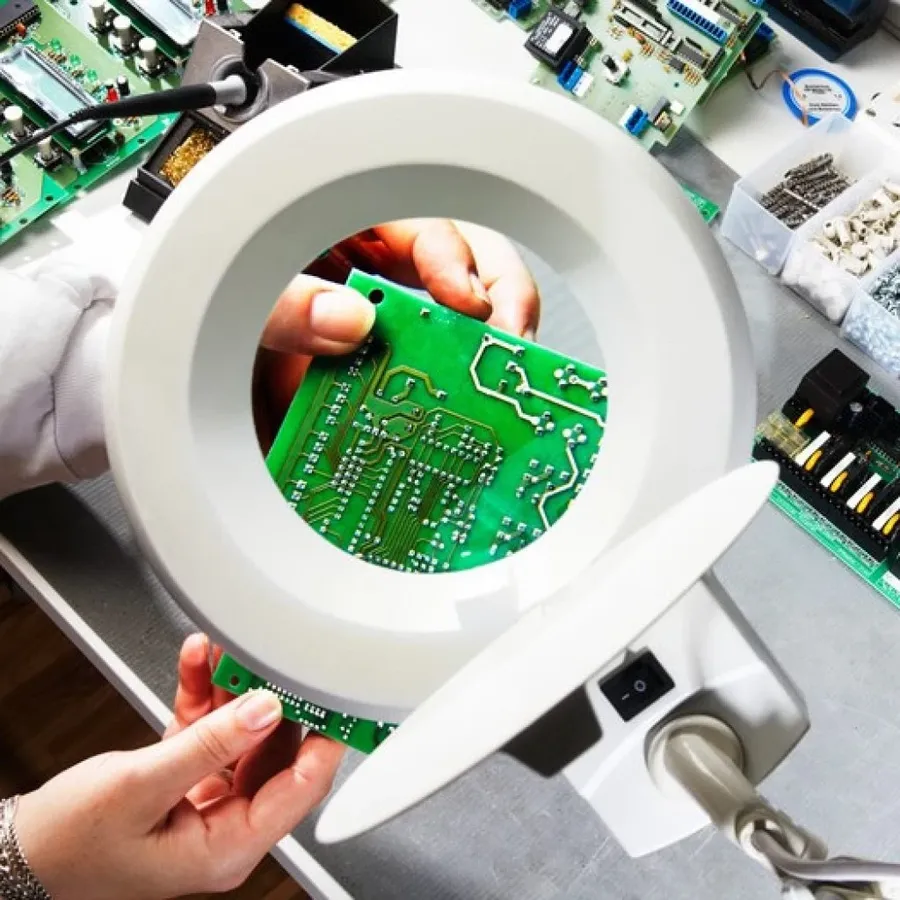
Selecting the ideal electrical circuit manufacturer is crucial for project success, directly impacting the quality, cost, and delivery timeline of your printed circuit boards (PCBs). This guide provides a structured approach to help you navigate this decision effectively, ensuring that your chosen manufacturer aligns with your specific requirements and project goals.
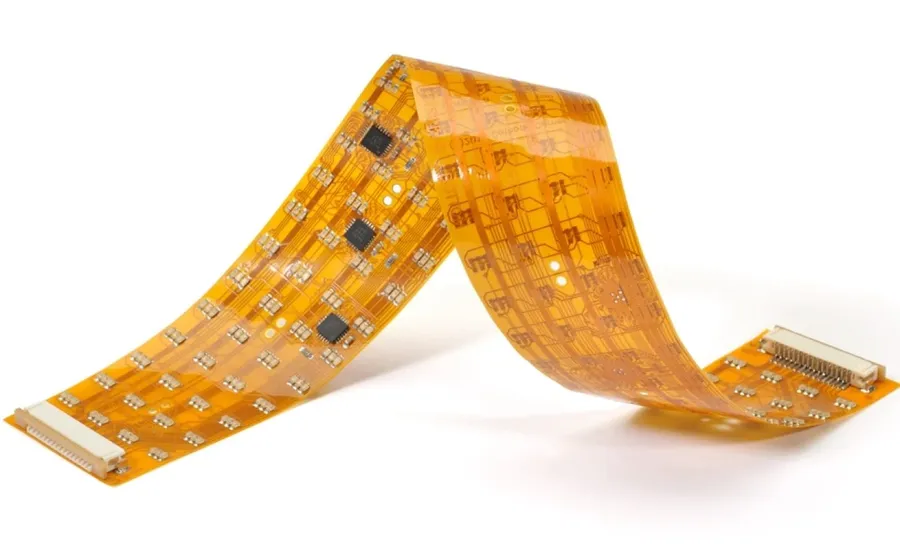
The electrical circuit manufacturing industry is undergoing a rapid transformation driven by technological advancements and evolving market demands. Key trends such as flexible electronics, 3D printing, and sustainable manufacturing practices are poised to reshape the future of PCB production, impacting everything from design and materials to manufacturing processes and product applications.
Understanding the cost drivers in PCB manufacturing is crucial for optimizing project budgets without compromising quality. PCB costs are influenced by a multitude of factors, from material selection to manufacturing complexity, requiring a strategic approach to cost management.
To optimize costs, it is recommended to design for manufacturability (DFM), negotiate with your manufacturer to better understand pricing, and order in higher volumes when feasible. Early engagement with manufacturers, will reduce the likelihood of costly design iterations. Furthermore, by adhering to industry standard design guidelines and understanding of their manufacturing capabilities, you can avoid unnecessary expenses associated with complex and difficult-to-produce designs. Selecting materials, processes and assembly with cost in mind allows you to stay within budget, while maintaining quality.
Selecting the right electrical circuit manufacturer is a critical decision that can significantly impact your product's success. By understanding the various options available, their capabilities, and the key factors to consider, you can make an informed choice that meets your specific requirements. Whether you need rapid prototypes, high-volume production, or specialized circuit designs, this guide provides a roadmap to navigate the complex landscape of [electrical circuit manufacturers] and ensure your project is powered by reliable and high-quality circuits. As the electronics industry continues to evolve, it’s essential to stay informed about the latest advancements and choose manufacturing partners that align with your long-term goals and innovation strategies.

