Top Korean PCB Manufacturers: A Comprehensive Guide
2025.01.08
In today's fast-evolving electronics landscape, Printed Circuit Boards (PCBs) are the backbone of modern technology. South Korea has emerged as a powerhouse in PCB manufacturing, renowned for its innovation and high-quality standards. This article explores the top Korean PCB manufacturers, delving into their capabilities, technological advancements, and what makes them a global leader in this critical industry. We'll bridge the gap between the complex world of PCB manufacturing and its vital role in our daily lives, illustrating why choosing the right manufacturer, particularly from South Korea, is paramount for product success.
Overview of the Korean PCB Manufacturing Industry
PCB Manufacturing Factory
South Korea has established itself as a global leader in the Printed Circuit Board (PCB) manufacturing industry, driven by a combination of technological innovation, rigorous quality control, and robust governmental support. This dominance is not merely a matter of scale but reflects a deep commitment to pushing the boundaries of PCB technology and meeting the demanding needs of the electronics sector worldwide.
The Korean PCB industry's success is underpinned by a highly skilled workforce, substantial investment in research and development, and the adoption of advanced manufacturing processes. These factors, coupled with a culture of continuous improvement, enable Korean manufacturers to consistently deliver high-quality, cutting-edge PCB solutions to a global customer base. This overview will delve into the key drivers behind this success, providing a foundational understanding of the landscape for those seeking to engage with Korean PCB manufacturers.
Key Players in the Korean PCB Market
PCB Production Line
The Korean PCB market is characterized by a few dominant players renowned for their technological capabilities, high production capacity, and diverse product offerings. These key companies are not only critical to the domestic electronics industry but also serve a global clientele, impacting various sectors from consumer electronics to automotive and aerospace. Below we explore some of these influential manufacturers.
ISU Petasys A leading manufacturer specializing in high-layer count PCBs and advanced interconnect technologies. They cater primarily to the high-end market, including telecommunications infrastructure and high-performance computing. Renowned for their ultra-multilayer PCBs, ISU Petasys excels in high integration and quality, albeit typically at a higher cost.
Korea Circuit With a long-standing history, Korea Circuit offers a broad spectrum of PCB products, from standard to specialized designs. Their strength lies in their experience and established reputation, making them a reliable partner for various industries. While they handle diverse PCB types, lead times for highly specialized PCBs can be longer compared to manufacturers with a narrow focus.
Daeduck Electronics Co., Ltd. Daeduck is a significant force, focusing on high-density interconnect (HDI) and multilayer boards. They are at the forefront of technological innovation, making them a go-to choice for advanced electronic applications where high performance and miniaturization are crucial. Their production capabilities and technological expertise position them well to meet the demands of cutting-edge industries.
JinSung Electronics JinSung is particularly known for its expertise in flexible and rigid-flex PCBs, providing rapid turnaround and prototype services. Their agility in producing prototypes makes them an ideal partner for quick-turn projects. However, they might not be the most suitable option for extremely large-volume productions compared to other larger PCB manufacturers.
Other Notable Players Besides the leaders, other companies like Simmtech and Young Poong Group also make significant contributions to the Korean PCB market. These companies may have niche specialties or target specific sectors, broadening the overall industry capabilities.
Advanced PCB Technologies Offered by Korean Manufacturers
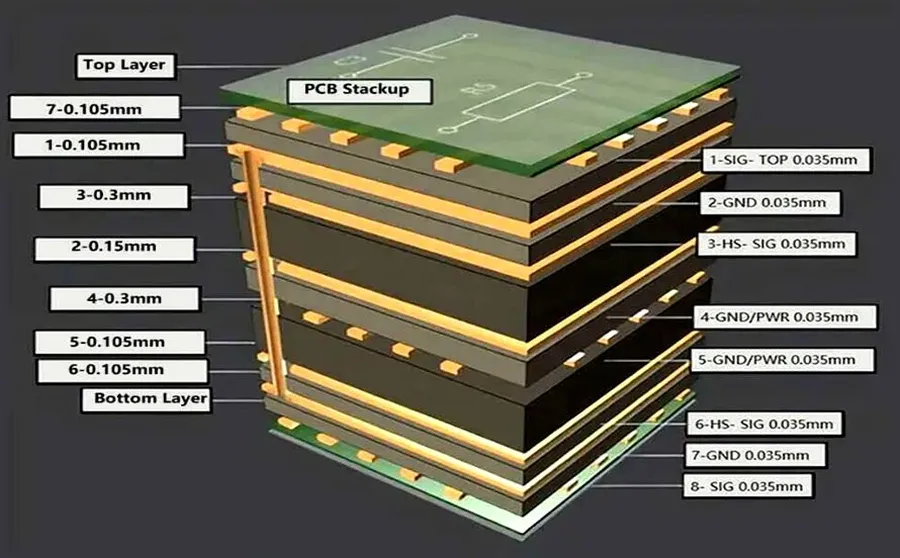
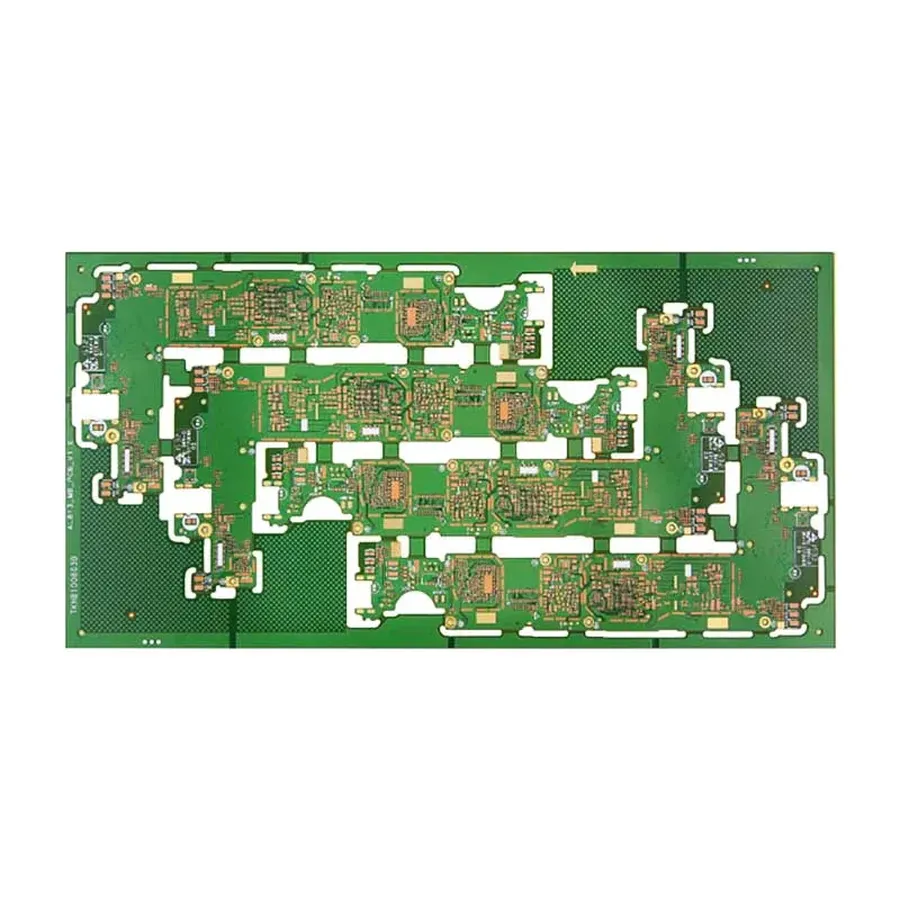
Multilayer PCB
Korean PCB manufacturers are at the forefront of developing and implementing advanced PCB technologies, driven by the demands of high-performance electronics across various sectors. These technologies include sophisticated techniques and materials that enable the production of complex circuit boards capable of supporting cutting-edge applications.
Multilayer PCBs Multilayer PCBs, characterized by three or more conductive layers, facilitate increased circuit density and complexity within a smaller footprint. Korean manufacturers excel in producing high-layer-count boards with precise layer alignment and high reliability. These PCBs are vital for advanced electronics where space is limited and complex interconnections are essential.
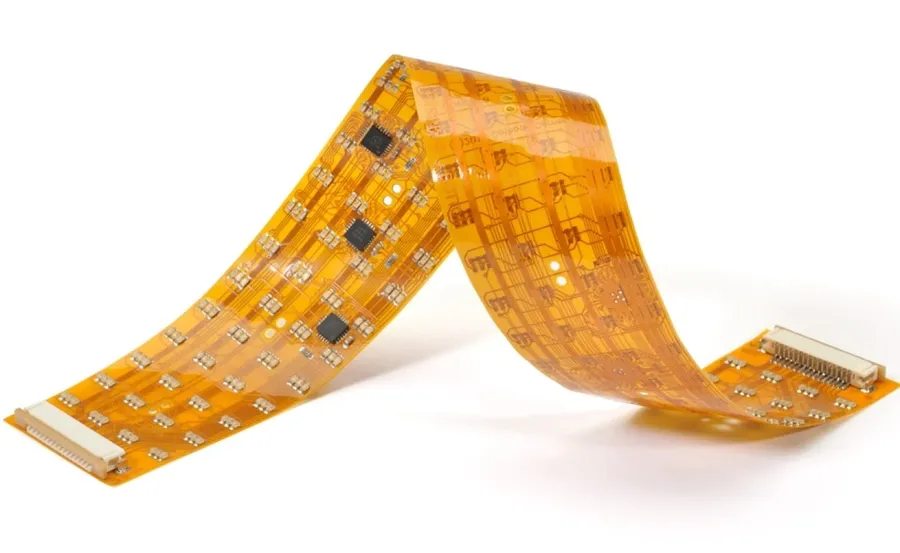
Rigid-Flex PCBs Rigid-flex PCBs combine the rigidity of traditional PCBs with the flexibility of flexible circuits. This design approach enables three-dimensional assembly and provides a more space-efficient solution. Korean manufacturers are proficient in producing rigid-flex PCBs with high reliability and durability, catering to applications such as wearable devices and automotive electronics where design flexibility is crucial.
High-Density Interconnect (HDI) PCBs HDI PCBs feature microvias, fine lines, and small spacing, allowing for higher component density and improved electrical performance. Korean manufacturers leverage advanced fabrication processes to produce high-quality HDI PCBs, which are ideal for consumer electronics like smartphones and tablets where miniaturization and high performance are paramount.
Advanced Materials Korean PCB manufacturers utilize advanced materials such as high-Tg laminates, low-loss dielectrics, and metal substrates to enhance thermal performance, signal integrity, and mechanical reliability. The selection of these materials is critical for high-speed digital and RF applications. These material choices allow for boards that can operate reliably in harsh environments.
The Importance of Quality Standards and Certifications for Korean PCB Manufacturers
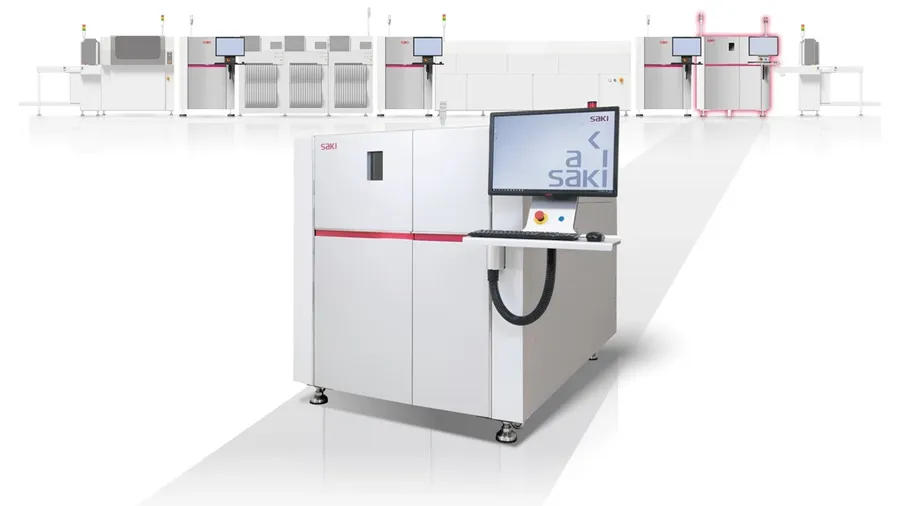
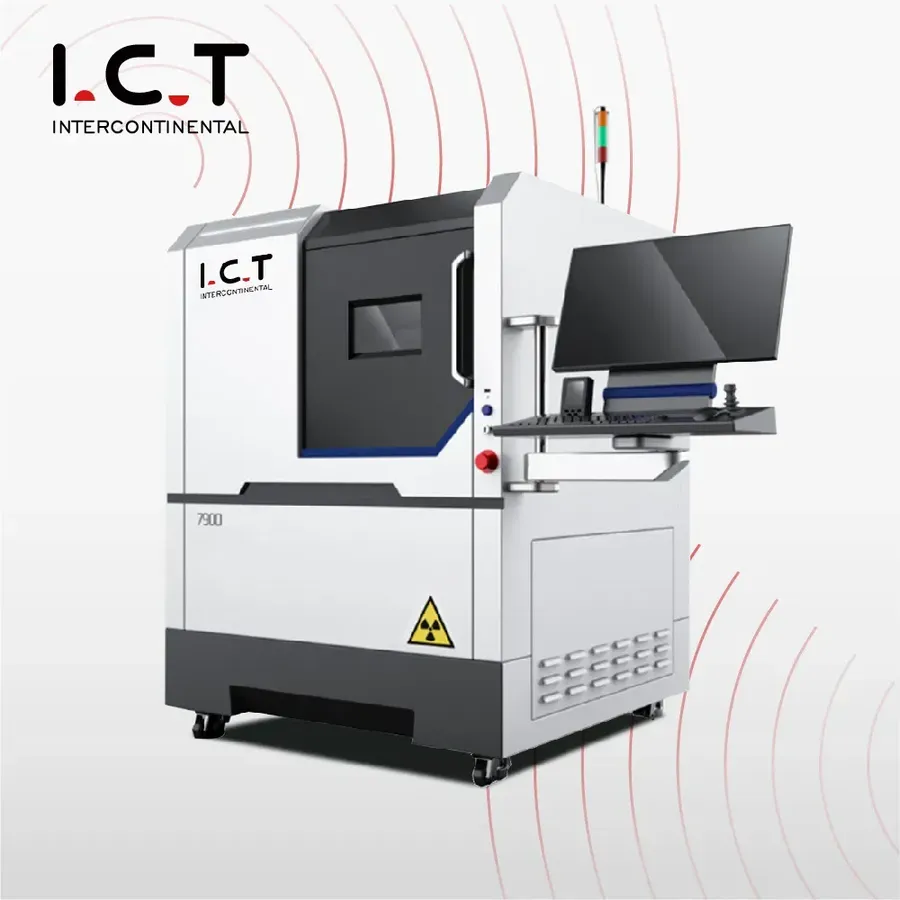
Quality Inspection Machine
Korean PCB manufacturers adhere to rigorous quality standards and certifications, which are paramount in ensuring the reliability and high performance of their products. These standards are not merely formalities but are deeply ingrained in their manufacturing processes, reflecting a commitment to excellence and customer satisfaction.
These robust standards are critical for several reasons. They minimize defects, enhance product longevity, and ensure that PCBs perform consistently across a variety of applications. For clients, this translates to reduced risks of failure, lower maintenance costs, and superior performance in final products. Moreover, adherence to global certifications facilitates market access and builds customer confidence.
ISO 9001 A fundamental standard that outlines requirements for a quality management system. Korean manufacturers often use this to demonstrate their ability to consistently provide products and services that meet customer and regulatory requirements. It covers all aspects of production, from design to delivery.
ISO 14001 Focuses on environmental management systems. It ensures that manufacturers minimize their environmental impact by controlling waste, energy consumption, and pollution. This is increasingly important as global concerns about sustainability grow.
IATF 16949 This certification is specific to the automotive industry. For PCB manufacturers supplying components to automotive applications, achieving this standard is crucial. It focuses on ensuring quality, reliability, and safety within automotive supply chains.
IPC Standards The IPC (Association Connecting Electronics Industries) sets standards for printed circuit board manufacturing, assembly, and testing. These standards define acceptable tolerances, dimensions, materials and other parameters. Korean manufacturers often comply with IPC-A-600, IPC-A-610 and other related standards to ensure PCBs meet specific performance and reliability criteria. These standards are critical for consistency and quality across different manufacturers and suppliers.
UL Certification UL (Underwriters Laboratories) provides product safety certifications. UL certification for PCBs indicates that they have been tested to meet stringent safety standards for fire, electrical shock, and other hazards. It is essential for PCBs used in consumer electronics and other products subject to safety regulations.
How to Select the Right Korean PCB Manufacturer for Your Needs
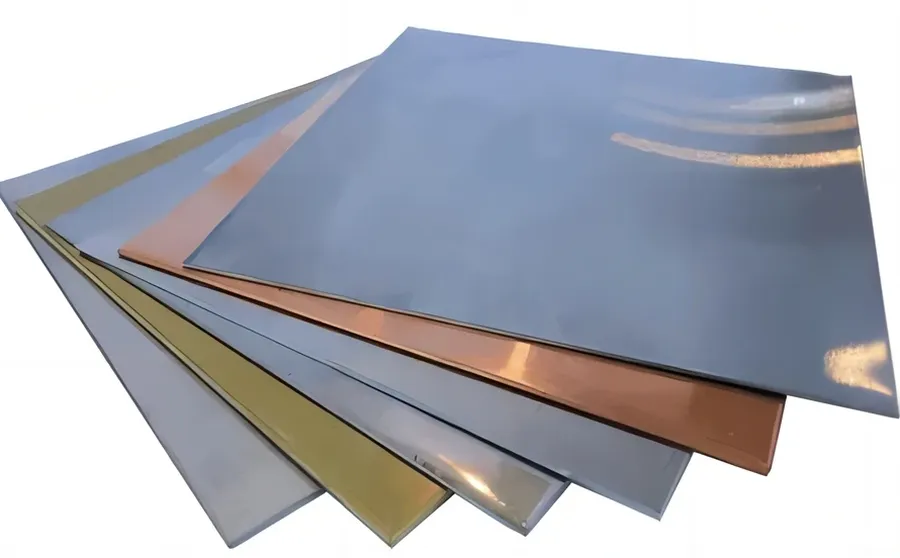
PCB Raw Material
Selecting the appropriate Korean PCB manufacturer requires a strategic approach, carefully aligning your project's specific demands with the capabilities of available suppliers. This involves assessing factors beyond just cost, considering aspects like technological specialization, production capacity, quality assurance, and logistical considerations to guarantee a successful partnership.
Define Your Project Requirements Begin by meticulously outlining your PCB project's specifications. This includes the type of PCB needed (e.g., single-layer, multi-layer, rigid-flex), the required materials, the desired performance characteristics, and any specific industry compliance standards. Accurate specifications are the bedrock of a successful manufacturer selection process.
Assess Manufacturer Specialization Korean PCB manufacturers often specialize in particular PCB technologies or market segments. Some may excel in producing ultra-multilayer boards, while others may focus on high-density interconnect (HDI) PCBs or flexible circuits. Align your needs with the specialization of the manufacturer, ensuring they have the experience and expertise required for your project's specific demands.
Evaluate Production Capacity and Scalability Consider the manufacturer's production capacity in relation to your project's volume requirements, both current and future. Verify that they have the resources and infrastructure to meet your needs while accommodating potential scaling without compromising quality. This involves exploring their facilities, equipment, and staffing capabilities, with evidence of the manufacturer’s ability to handle high-volume or complex orders being crucial.
Scrutinize Quality Assurance and Certifications Quality control is non-negotiable in PCB manufacturing. Confirm that the potential manufacturer possesses robust quality management systems and certifications, such as ISO 9001, AS9100, and specific industry-related standards. Requesting samples and verifying these credentials can confirm quality assurance processes are in place and rigorously followed to ensure consistent, reliable production.
Consider Turnaround Times Evaluate the manufacturer's typical lead times for PCB production and delivery. This consideration is critical for meeting project deadlines and maintaining a smooth workflow. Discuss turnaround expectations clearly during the supplier selection process to establish realistic project timelines.
Analyze Cost Implications While cost is a significant factor, it should not be the sole determining factor. A comprehensive cost analysis should be balanced against the quality, reliability, and technical expertise of the PCB manufacturer. A higher upfront cost may be justifiable for superior quality and fewer potential issues down the line.
Logistics and Communication Factor in logistical aspects, including the manufacturer's location, shipping options, and ability to communicate effectively. Seamless communication and efficient logistics are crucial for timely project completion and resolving potential issues that may arise during the manufacturing process.
Comparative Analysis: Top Korean PCB Manufacturers
High Precision PCB
A detailed comparative analysis of leading Korean PCB manufacturers is essential for informed decision-making, offering insights into their specializations, strengths, weaknesses, and target markets. This section presents a structured overview to help guide your selection process.
Manufacturer Name
Specialization
Strengths
Weaknesses
Target Market
ISU Petasys
Ultra-multilayer PCBs
High integration, exceptional quality, advanced technology capabilities
Higher cost, may have longer lead times for very high volume orders
Frequently Asked Questions about Korean PCB Manufacturers
This section addresses common inquiries regarding Korean PCB manufacturers, providing clarity on key aspects such as industry scale, major players, production timelines, and cost factors. Understanding these elements is crucial for selecting the most suitable partner for your PCB manufacturing requirements.
What is the typical cost of PCBs from Korean manufacturers? The cost of PCBs from Korean manufacturers varies widely based on complexity, volume, materials, and technology used. Simple single-layer PCBs are significantly less expensive than complex multilayer or HDI boards. While Korean manufacturers are known for high quality, their costs may be higher compared to manufacturers in regions with lower labor costs. Obtaining quotes from multiple manufacturers is essential to find the best balance between cost and performance. Factors influencing price include material choices, tolerances, surface finishes, and any special testing or inspection needs.
What are the typical lead times for Korean PCB production? Lead times for Korean PCB production can range from a few days for simple prototypes to several weeks for complex, high-volume orders. Factors affecting lead time include the PCB's complexity (number of layers, trace width/spacing, etc.), the manufacturer’s current capacity, and any special processes required. Expedited services are often available for quicker turnaround times, though at a premium. It is critical to discuss lead times with the manufacturer at the time of quotation and factor this into project timelines. Pre-production planning and clear communication can mitigate delays.
How can I verify the quality of a Korean PCB manufacturer? Verifying the quality of a Korean PCB manufacturer involves several steps. First, confirm if the manufacturer holds relevant certifications, such as ISO 9001 for quality management systems and ISO 14001 for environmental management. Request sample PCBs to evaluate their manufacturing quality, including dimensional accuracy, solder mask application, and plating. Conduct on-site audits when feasible to assess their manufacturing processes, equipment, and quality control procedures. Furthermore, seek references from other customers and analyze their past performance and failure rates. Transparency in reporting and responsiveness to quality issues are crucial indicators of a reliable partner.
Which country is the largest manufacturer of PCBs? China is currently the world's largest producer of PCBs, holding a dominant share in global manufacturing capacity. However, other countries, including South Korea, Japan, and Taiwan, are also significant players, often specializing in advanced technologies and higher-quality PCBs. While China excels in volume production, other regions maintain a competitive advantage in specific types of PCB manufacturing and technological innovation.
What are the key specializations of Korean PCB manufacturers? Korean PCB manufacturers are well-regarded for their expertise in high-end PCB technologies. Key specializations include the manufacturing of multilayer PCBs, rigid-flex PCBs, high-density interconnect (HDI) PCBs, and PCBs using advanced materials. They also have a strong focus on high-reliability applications, such as those found in aerospace, automotive, and medical devices, where precision and performance are critical. Korean manufacturers are particularly known for producing high-quality PCBs for the electronics and semiconductor industries.
What are the typical minimum order quantities (MOQs) for Korean PCB manufacturers? Minimum order quantities (MOQs) vary significantly among Korean PCB manufacturers and depend on the complexity and type of PCB. For standard, simple PCBs, some manufacturers may accept smaller quantities, especially for prototypes. However, for complex multilayer, HDI, or specialized material PCBs, MOQs are usually higher due to the setup and processing costs. It is important to discuss MOQs during the quotation process. Some manufacturers offer flexible options or prototype services with lower MOQs, while others cater to high volume production with standard MOQs.
Future Trends and Innovations in Korean PCB Manufacturing
Flexible PCB
The Korean PCB manufacturing sector is at the forefront of innovation, driven by the demand for more advanced, sustainable, and efficient electronic components. This section explores the emerging trends shaping the future of PCB manufacturing in Korea, emphasizing the industry's proactive approach to meeting the evolving needs of global technology markets.
Eco-Friendly PCB Materials and Processes The increasing environmental awareness is pushing Korean manufacturers to adopt eco-friendly materials and processes. This includes the use of bio-based substrates, lead-free soldering, and water-based cleaning solutions. These initiatives aim to reduce the environmental impact of PCB production while maintaining high performance.
Advanced Materials for Enhanced Performance Korean PCB manufacturers are investing significantly in R&D for new materials that can enhance PCB performance. These materials include high-performance laminates, thermal management substrates, and materials capable of handling higher frequencies and data rates required for advanced applications like 5G and AI.
Miniaturization and High-Density Interconnect (HDI) PCBs The continuous push for smaller, more powerful electronic devices has made miniaturization a key trend. Korean manufacturers are at the leading edge of developing HDI PCBs and micro-via technologies which allow for increased component density and improved signal integrity.
Integration of AI and Automation in Manufacturing Artificial intelligence and automation are being integrated into PCB manufacturing processes to improve efficiency, reduce defects, and enhance yield. This involves the use of AI algorithms for predictive maintenance, automated inspection systems, and robotic assembly lines.
Role of 5G Technology The rise of 5G technology is driving demand for more complex and advanced PCBs. Korean manufacturers are actively developing PCBs that can support the high-frequency and high-bandwidth requirements of 5G networks, including antennas, filters, and other related components.
Korean PCB manufacturers stand at the forefront of the global PCB industry, offering innovative solutions, rigorous quality control, and reliable production capabilities. From established giants to specialized producers, the Korean landscape provides a vast array of options for various needs. By understanding the strengths of these manufacturers and keeping abreast of future trends, businesses can make informed decisions, ensuring their products benefit from the best that the Korean PCB manufacturing industry has to offer. Continued investment in research and development by Korean PCB manufacturers will likely shape the future of electronics globally, promising further advancements in performance and reliability.