Top PCB Manufacturing Companies Globally: A 2024 Guide
2025.01.12
Printed circuit boards (PCBs) are the unsung heroes of modern electronics, silently enabling the functionality of everything from smartphones to spacecraft. As technology advances, the demand for high-quality, reliable PCBs continues to rise. This article delves into the world of PCB manufacturing, highlighting the top companies leading this critical sector, their innovations, and how they impact our tech-driven lives in pcb manufacturing companies in world.
Global PCB Manufacturing Landscape in 2024
Global PCB Manufacturing Map
The global Printed Circuit Board (PCB) manufacturing sector is a critical component of the electronics industry, experiencing constant evolution driven by technological advancements and market demands. In 2024, the industry continues to navigate a complex landscape of supply chain dynamics, technological innovation, and fluctuating economic conditions. This overview will delve into the key trends, challenges, and the overall significance of PCB manufacturing, as well as the global supply chain's influence on manufacturing costs and lead times for electronic components.
The global PCB market is characterized by several key factors, including:
Market Size and Growth The PCB market remains robust, driven by the increasing demand for electronic devices across various sectors, including consumer electronics, automotive, aerospace, healthcare, and industrial automation. Growth is fueled by the continuous innovation in electronic devices, which require more sophisticated and densely populated PCBs.
Geographical Distribution Asia, particularly China, Taiwan, and Japan, dominates PCB manufacturing due to their mature technological infrastructure and extensive production capacity. Other regions like North America and Europe also have significant presence, often focusing on niche markets with high-value PCB products.
Technological Advancements The industry is witnessing rapid advancements in PCB technology, including higher density interconnect (HDI) boards, flexible PCBs, rigid-flex PCBs, and embedded components. These advancements are driven by the miniaturization of electronic devices and the need for improved performance.
Supply Chain Dynamics The global supply chain for PCB manufacturing is intricate, involving multiple tiers of suppliers from raw materials to finished PCBs. This complexity introduces challenges such as fluctuations in raw material costs, geopolitical instability, and logistical bottlenecks. Supply chain disruptions can lead to extended lead times and increased manufacturing costs.
Impact of Global Economic Conditions Global economic fluctuations, including inflation and currency exchange rates, impact the overall cost of PCB manufacturing. These conditions necessitate a careful cost-benefit analysis for companies when selecting manufacturing partners.
Understanding these aspects of the PCB manufacturing landscape provides essential context for businesses looking to select suitable manufacturers. A strategic approach to selecting partners, taking into account these market factors, is crucial for mitigating risk and optimizing cost efficiency.
Top 5 PCB Manufacturing Companies by Revenue
PCB Manufacturing Plant
The global PCB manufacturing landscape is dominated by a few key players whose revenue, technological prowess, and market influence dictate the industry's direction. These top five companies, including Nippon Mektron, Zhen Ding Technology, and Unimicron, significantly shape the supply chain and drive innovation in PCB manufacturing worldwide. Understanding their operations provides critical insights into the current state and future trends of the industry.
Company
Estimated Revenue (USD)
Market Share
Key Technologies
Geographical Reach
Nippon Mektron
4.5 Billion
Approx. 8%
Flexible PCBs, High-density Interconnects
Global, with Strong Presence in Asia and Europe
Zhen Ding Technology
4.2 Billion
Approx. 7.5%
Rigid PCBs, Flexible PCBs
Asia, with Growing Presence in Other Regions
Unimicron
3.8 Billion
Approx. 7%
HDI PCBs, Advanced Materials
Asia, with Expansion in Europe
TTM Technologies
2.9 Billion
Approx. 5%
Aerospace and Defense PCBs, RF and Microwave PCBs
North America, Asia, and Europe
Samsung Electro-Mechanics
2.7 Billion
Approx. 4.5%
HDI PCBs, Package Substrates
Asia, Global Sales
Note: Revenue figures and market share are approximate and may vary depending on the source and reporting period. This data reflects information generally available for 2023 and early 2024. The ranking of top companies by revenue can also fluctuate due to changes in market conditions, economic factors, and technological advancements.
Regional Leaders in PCB Manufacturing
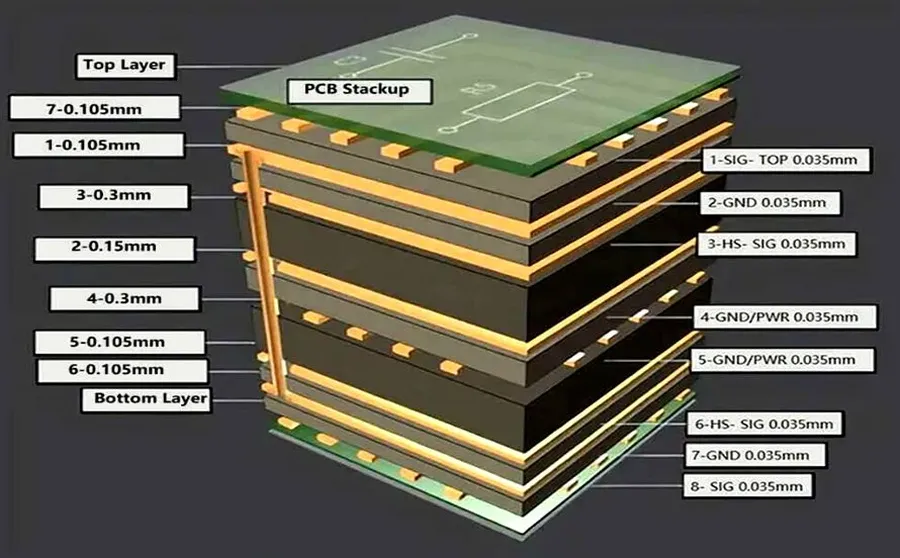
Multilayer PCB Cross-Section
The global PCB manufacturing landscape is characterized by regional specialization, with Asia, particularly Taiwan, China, and Japan, leading in production volume and technological advancement. North America and Europe also contribute significantly, though with a different focus on niche markets and high-reliability applications. Understanding these regional dynamics is crucial for navigating the global supply chain and selecting appropriate manufacturing partners.
Each region presents unique strengths and characteristics:
Asia (Taiwan, China, Japan) Dominates the global PCB market with a high concentration of manufacturing facilities, driven by lower labor costs, advanced technology, and a mature supply chain. Taiwan is known for its advanced manufacturing capabilities and large-scale production of high-end PCBs. China boasts the highest capacity, catering to a broad range of product applications, whereas Japan focuses on high-precision PCBs for specialized sectors like automotive and aerospace. These countries collectively represent the majority of the world's PCB production.
North America Features a smaller yet highly sophisticated PCB manufacturing sector, focusing on high-reliability PCBs for aerospace, defense, and medical applications. Production tends to be lower volume and higher value, with emphasis on advanced technologies and stringent quality control. Companies in this region often prioritize innovation and customized solutions.
Europe Like North America, the European PCB manufacturing sector specializes in high-reliability and specialty PCBs. With a strong emphasis on research and development, European manufacturers are known for producing advanced PCBs for industrial, automotive, and medical equipment, complying with strict industry and environmental standards.
Region
Strengths
Key Characteristics
Asia (Taiwan, China, Japan)
High production volume, advanced technology, mature supply chain
Cost-effective, diverse applications, high capacity.
Specialty PCBs, compliance standards, focus on automotive, industrial, and medical sectors
Specialization and PCB Technology
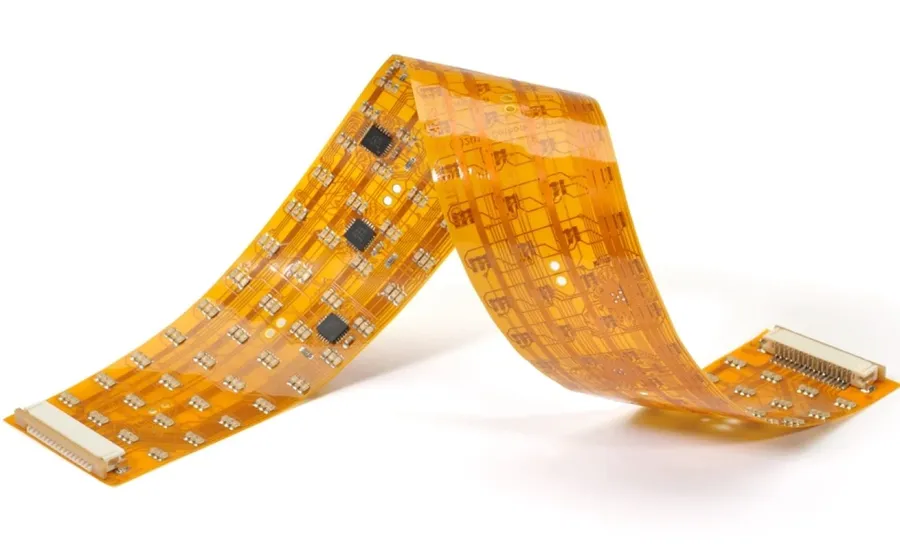
Flexible PCB
The printed circuit board (PCB) manufacturing industry is characterized by a high degree of specialization, with companies focusing on specific technologies and materials to cater to diverse market needs. This specialization allows manufacturers to achieve superior performance, reliability, and cost-effectiveness in their respective niches, driving innovation and enabling the creation of ever more sophisticated electronic devices.
This section delves into the various specializations within the PCB manufacturing landscape, highlighting the specific techniques and technologies employed by companies focusing on areas such as high-density interconnect (HDI), flexible PCBs, rigid-flex PCBs, and advanced materials. Each specialization demands unique expertise and infrastructure, leading to a highly fragmented yet interconnected global supply chain.
High-Density Interconnect (HDI) PCBs HDI PCBs are characterized by their fine lines, small vias, and high layer counts, enabling a greater density of components and interconnections. They are used in compact devices such as smartphones, tablets, and wearable technology. Companies specializing in HDI PCB manufacturing invest in advanced equipment and processes, including laser drilling and microvia technology to achieve the necessary precision and reliability.
Flexible PCBs (FPCs) Flexible PCBs, also known as flex circuits, are constructed using flexible substrates such as polyimide, allowing them to bend and conform to various shapes and sizes. FPCs are extensively utilized in applications requiring dynamic bending, such as cameras, mobile phones, and automotive electronics. Specialized processes such as roll-to-roll manufacturing are often employed.
Rigid-Flex PCBs Rigid-flex PCBs combine the benefits of both rigid and flexible PCBs, incorporating rigid sections for mounting components and flexible sections for interconnections, providing design flexibility and space savings in complex electronic systems. Manufacturing rigid-flex PCBs requires specialized tooling and controlled processes for lamination and bonding of materials.
Advanced Materials The selection of PCB materials is crucial for achieving specific performance characteristics. Companies specializing in advanced materials are focused on developing and utilizing high-performance materials with superior thermal, electrical, and mechanical properties. Examples include materials with low dielectric loss, high thermal conductivity, and specialized substrates for high-frequency applications in aerospace and telecommunications
Furthermore, ongoing research and development continually pushes the boundaries of PCB technology, with companies exploring innovative manufacturing techniques such as additive manufacturing, embedded components, and advanced surface finishes to meet the ever-evolving needs of the electronics industry.
Key Criteria for Selecting a PCB Manufacturer
Assembled PCB
Selecting the right PCB manufacturer is crucial for ensuring the quality and reliability of electronic products. This section provides a checklist of key factors to consider, offering an actionable guide for businesses seeking a suitable manufacturing partner in the global PCB market.
Quality Standards and Certifications Ensure the manufacturer adheres to internationally recognized quality standards such as ISO 9001, ISO 13485 (for medical devices), and IPC standards. Certifications demonstrate the manufacturer's commitment to quality control and consistent processes.
Manufacturing Capabilities Evaluate the manufacturer’s capabilities regarding technology, materials, and the complexity of the boards they can produce, including HDI, flexible, rigid-flex PCBs, and advanced material options. Their equipment, capacity, and range of processes should match your project's requirements.
Technological Expertise Assess their expertise in producing advanced PCBs, including high-density interconnect (HDI), flexible PCBs, and rigid-flex PCBs. Check for experience with cutting-edge materials and processes relevant to your application. Companies that invest in research and development are often at the forefront of new PCB technologies and techniques.
Pricing and Cost Structure A clear understanding of cost structure is crucial, including component costs, labor costs, and NRE (Non-Recurring Engineering) charges. Seek transparent pricing models and cost breakdown to compare different PCB manufacturers. Understand whether prices are fixed or subject to change with volume, material costs, or lead time.
Lead Times and Delivery Assess typical production lead times for both prototypes and mass production. A reliable manufacturer will provide realistic timelines for project completion and delivery. Understand their process for expediting orders when needed.
Communication and Support Effective communication is essential. Evaluate the manufacturer's responsiveness and the quality of technical support provided. Clear communication channels should be established for questions, updates, and problem-solving.
Geographical Location Consider the geographical location of the manufacturer in relation to your supply chain. Proximity may improve collaboration, reduce shipping time and costs, and facilitate easier audits and inspections. However, factors like local regulations, cultural nuances, and supply chain risks should also be taken into account.
References and Reviews Request references and case studies of their work. Check online reviews and testimonials to gain a better understanding of their past performance. If possible, speak directly with their previous customers.
Emerging Trends in PCB Manufacturing
High-Speed PCB Design
The PCB manufacturing sector is undergoing a rapid transformation, driven by the need for more efficient, sustainable, and technologically advanced solutions. This section examines the key emerging trends that are reshaping the industry, impacting how PCB manufacturing companies globally operate and innovate.
Sustainable Practices Increased focus on eco-friendly manufacturing processes, such as using recyclable materials, reducing waste, and implementing energy-efficient technologies. The industry is moving towards circular economy models where resources are reused and recycled, minimizing environmental impact. For example, companies are exploring alternatives to traditional etching processes that use harmful chemicals.
Miniaturization and High-Density Interconnect (HDI) The demand for smaller, more powerful electronic devices fuels the push towards miniaturization in PCB design and manufacturing. HDI technology enables more components to be packed into a smaller space, facilitating more complex functionalities in a compact form factor. This trend also necessitates precision manufacturing techniques and advanced equipment.
Integration with AI and Automation Artificial intelligence (AI) is being integrated into various aspects of PCB manufacturing, including design optimization, quality control, predictive maintenance, and process automation. AI-driven systems help improve production efficiency, reduce errors, and lower costs. This also allows manufacturers to respond more quickly to changing market demands.
Impact of the Internet of Things (IoT) The proliferation of IoT devices is driving demand for a wide variety of PCBs, from basic sensor boards to complex communication modules. The PCB manufacturing sector is adapting to produce custom designs in high volume, with short lead times. The need for interconnected devices is pushing innovation in flexible and wearable PCB technologies.
Advanced Materials The use of advanced materials is becoming increasingly common in PCB manufacturing. These materials, such as new composites and ceramics, offer improved electrical, thermal, and mechanical properties, enabling the creation of more robust and efficient PCBs. These materials are also more suitable for use in high-frequency and high-temperature applications.
Frequently Asked Questions About PCB Manufacturing Companies
This section addresses common queries regarding PCB manufacturers, providing clear and concise answers to help you understand this critical aspect of electronics manufacturing.
Who is the largest PCB manufacturer in the world? While market positions can fluctuate, the largest PCB manufacturers by revenue often include companies like Nippon Mektron, Zhen Ding Technology, and Unimicron. These companies have a significant global footprint and large production capacities.
Which countries are the leaders in PCB production? Asia dominates PCB manufacturing, with Taiwan, China, and Japan being the major production hubs. These regions benefit from established supply chains, technological expertise, and competitive pricing. Other countries like South Korea are also significant in the market.
What differentiates a good PCB manufacturer? A good PCB manufacturer is characterized by several factors: consistent high-quality output, adherence to strict industry standards and certifications (like ISO 9001), advanced manufacturing capabilities (including HDI and flexible PCB production), competitive pricing, on-time delivery, reliable communication, and strong customer support. They should also possess expertise in material selection and design for manufacturability.
How does PCB manufacturing impact the end product's performance? PCB manufacturing directly impacts the end product's performance through material selection, design precision, and manufacturing quality. Using high-quality materials, precise design adherence, and advanced manufacturing techniques ensure better signal integrity, thermal management, reliability, and durability of the product. Conversely, substandard manufacturing can lead to performance issues, premature failure, and reduced reliability.
What are the key factors to consider when selecting a PCB manufacturer? Key factors include: manufacturing capabilities (e.g., minimum trace width and spacing, layer count), certifications (e.g., ISO 9001, UL), quality control processes, material expertise, turnaround times, pricing, communication and customer service, and their experience with your type of application. It is critical to align your product requirements with the capabilities of the manufacturer.
What are the common challenges in PCB manufacturing that can affect lead times? Challenges include: supply chain disruptions, material shortages, complex designs, limited production capacity, and unexpected process issues. It's crucial to choose a manufacturer with robust supply chain management and flexible manufacturing capabilities to mitigate these challenges.
How are sustainability practices being implemented in PCB manufacturing? PCB manufacturers are increasingly adopting sustainable practices, including using eco-friendly materials, reducing water consumption and waste, improving energy efficiency in production processes, and complying with environmental regulations. Some are exploring alternatives to hazardous chemicals and focusing on recyclability.
Comparative Analysis of Top PCB Manufacturers
Selecting the right PCB manufacturer is a critical decision for any electronics company. This section provides a structured comparative analysis of leading PCB manufacturers, highlighting their geographical presence, customer base, and areas of specialization. This allows for a clear understanding of each company's strengths and helps in aligning manufacturing needs with the appropriate partner.
Technological innovation, diversified product range
AT&S
Global (Strong in Europe and Asia)
Automotive, Industrial, Medical
High-reliability PCBs, Embedded Components
High-quality standards, R&D capabilities
TTM Technologies
Global (North America, Asia)
Aerospace, Defense, Telecommunications
High-complexity PCBs, RF PCBs
Specialized technical expertise, broad portfolio
The global PCB manufacturing landscape is dynamic and critical to the tech world. This guide has provided a snapshot of the leading pcb manufacturing companies in world in 2024, their specializations, and the key trends that will shape the future of the industry. As technology continues to evolve, selecting the right manufacturing partner will be critical for success. It will be interesting to watch how these companies continue to innovate and meet the demand for more complex, more reliable and sustainable PCBs.