In today's fast-paced world, security and convenience are paramount. Unattended access control systems are becoming increasingly vital for various applications, from secure building entry to remote equipment management. But what powers these systems? The answer lies in sophisticated Printed Circuit Boards (PCBs). At Zero One Solution Limited, we understand the critical role of high-quality PCBs in ensuring the reliability and effectiveness of unattended access control solutions. With our rapid prototyping and comprehensive PCB services, we empower you to design, manufacture, and deploy secure and efficient access control systems that meet the demands of a connected world. This article delves into the world of Unattended Access Control PCB Solutions, exploring the design considerations, manufacturing processes, and the value Zero One Solution Limited brings to your project.
Unattended access control systems represent a paradigm shift in security and operational efficiency, leveraging advanced technology to manage entry and exit points without constant human oversight. These systems are pivotal for enhancing security, optimizing resource allocation, and providing seamless access in diverse environments from smart buildings and data centers to remote infrastructure and automated parking facilities. Traditional access methods, often reliant on human guards or simple mechanical locks, present significant limitations in scalability, real-time monitoring, and resistance to sophisticated bypass attempts. Modern unattended solutions, powered by sophisticated PCB designs, offer unparalleled advantages in reliability, data analytics, and integration capabilities.
| Feature | Traditional Access Control | Unattended Access Control |
|---|---|---|
| Monitoring | Manual/Intermittent | 24/7 Automated |
| Authentication | Keys/Cards/Human Check | Biometrics/RFID/PIN/Mobile/AI |
| Scalability | Limited, High Overhead | High, Software-Configurable |
| Data Logging | Basic/Manual | Comprehensive, Real-time Analytics |
| Response to Incidents | Slow, Human-Dependent | Instant Alerts, Automated Actions |
| Vulnerability | Prone to Human Error/Bypass | Advanced Encryption, Tamper Detection |
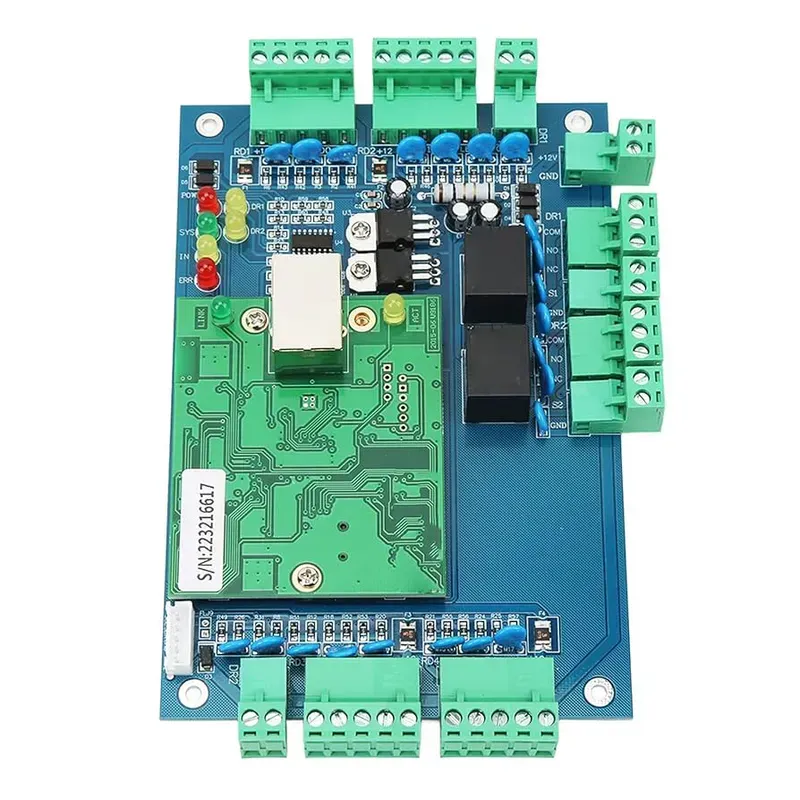
At the core of every robust unattended access control system lies the Printed Circuit Board (PCB), serving as its indispensable central nervous system. Without the sophisticated integration and interconnection provided by PCBs, the seamless operation of sensors, actuators, communication modules, and processing units that define modern access control would be impossible. PCBs orchestrate the complex interplay of electronic components, facilitating precise data flow, power distribution, and signal integrity crucial for reliable and secure access management in diverse environments.
| PCB Function | Impact on Access Control System | Key PCB Design Aspect |
|---|---|---|
| Data Processing | Enables rapid authentication and decision-making for access requests. | High-speed digital circuitry, optimized routing for microcontrollers. |
| Power Management | Ensures stable and efficient power delivery to all components, including sensors and locks. | Dedicated power planes, voltage regulators, thermal management features. |
| Communication Hub | Facilitates secure communication with network, databases, and other system peripherals. | Integrated communication modules (Wi-Fi, Ethernet, RS485), signal isolation. |
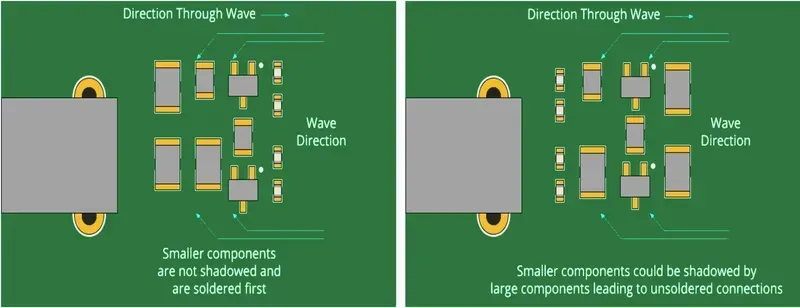
Designing Printed Circuit Boards (PCBs) for unattended access control systems demands a meticulous approach, integrating robust engineering principles with an acute awareness of the operational environment. At the core of a reliable access control system lies a PCB that not only efficiently manages complex functionalities but also withstands potential tampering and ensures data integrity. These design considerations are paramount to achieving a secure, stable, and long-lasting solution, directly influencing the system's performance, reliability, and resistance to unauthorized access or environmental stressors.
| Design Aspect | Key Consideration | Impact on Access Control | |
|---|---|---|---|
| Signal Integrity | Impedance matching, proper trace routing, crosstalk minimization | Ensures accurate data transmission (e.g., biometric data, card reads) and prevents signal degradation, crucial for precise authentication and rapid response times. Contributes to overall system stability and error reduction, especially in high-speed data transfer scenarios between sensors and the central processor. Reduces electromagnetic interference (EMI) that could affect other electronic devices or compromise system performance. Implemented by using controlled impedance traces, proper grounding strategies, and minimizing signal return path discontinuities. Ensures that digital signals maintain their intended waveform, which is vital for secure communication protocols and reliable sensor readings, preventing false negatives or positives in access attempts. Proper routing of differential pairs, careful management of layer stack-up, and strategic placement of decoupling capacitors are fundamental practices. | Reliable and fast data communication, reduced errors |
| Security Considerations | Tamper detection, encryption, secure boot, physical hardening | Protects against unauthorized physical access to the PCB, prevents firmware manipulation, and secures data transmission. Essential for maintaining system integrity and preventing breaches. Physical tamper switches can alert administrators to attempted intrusions. Hardware-level encryption safeguards sensitive access credentials and communication protocols, making it extremely difficult for attackers to intercept or clone data. Secure boot mechanisms ensure that only authenticated and untampered firmware is loaded, preventing malicious code injection. Physical hardening, such as conformal coating and robust enclosures, protects against environmental damage and increases resistance to forced entry or tampering attempts. Implementing these layers of security ensures that the access control system remains resilient against sophisticated attacks, preserving the trust and safety of the secured premises. | Prevents unauthorized access, protects sensitive data, ensures system integrity |
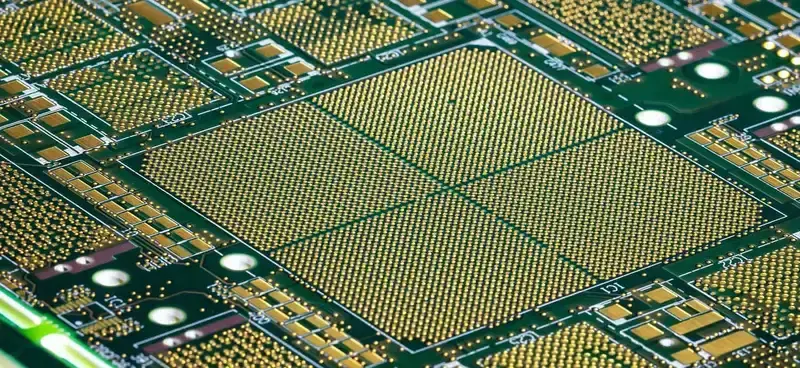
Manufacturing Printed Circuit Boards (PCBs) for unattended access control systems presents unique challenges, primarily driven by the demand for miniaturization, high-density interconnect (HDI) capabilities, and unwavering reliability in diverse and often harsh environmental conditions. Overcoming these hurdles requires a sophisticated understanding of materials science, advanced manufacturing techniques, and stringent quality control protocols, ensuring the final product operates flawlessly in critical security applications.
| Challenge | Description | Zero One Solution's Approach/Solution |
|---|---|---|
| Miniaturization | The need for compact access control devices requires smaller PCBs with highly integrated components, demanding precision in fabrication and assembly. | Utilizing advanced photolithography, fine-line etching, and ultra-small component placement (01005 packages) for high component density and compact footprints. |
| High-Density Interconnect (HDI) | Increasing functionality in limited space necessitates HDI technology, involving micro-vias, buried/blind vias, and complex layer stacks. | Expertise in multi-layer PCB design (up to 32 layers), laser-drilled micro-vias, and sequential lamination processes to achieve complex interconnections and improved signal integrity. |
| Reliability in Harsh Environments | PCBs must withstand extreme temperatures, humidity, dust, vibrations, and potential electromagnetic interference (EMI) for continuous operation. | Employing robust substrate materials (e.g., high Tg FR-4, polyimide), conformal coatings, potting compounds, and rigorous environmental testing (thermal cycling, humidity, vibration, EMI/EMC compliance). |
| Thermal Management | High component density can lead to heat dissipation issues, impacting performance and lifespan. | Implementing thermal vias, thick copper planes, metal core PCBs (MCPCBs), and integrating heat sinks directly onto the PCB design for efficient heat dissipation. |
These advanced manufacturing techniques and material selections are not merely about production; they are about engineering resilience and performance into every access control PCB, ensuring long-term operational stability and security.
At Zero One Solution Limited, we understand the critical role that robust and reliable Printed Circuit Boards (PCBs) play in the performance and security of unattended access control systems. As a leading PCB solution provider with over a decade of industry expertise, we specialize in delivering high-quality, high-performance PCBs tailored specifically for the demanding requirements of access control applications. Our commitment to rapid prototyping and comprehensive one-stop services ensures that your innovative access control solutions move from concept to market with unparalleled efficiency and precision.
Choosing Zero One Solution Limited as your PCB partner means collaborating with a team dedicated to innovation, quality, and accelerated product development. We are committed to empowering your success in the evolving landscape of unattended access control technology.
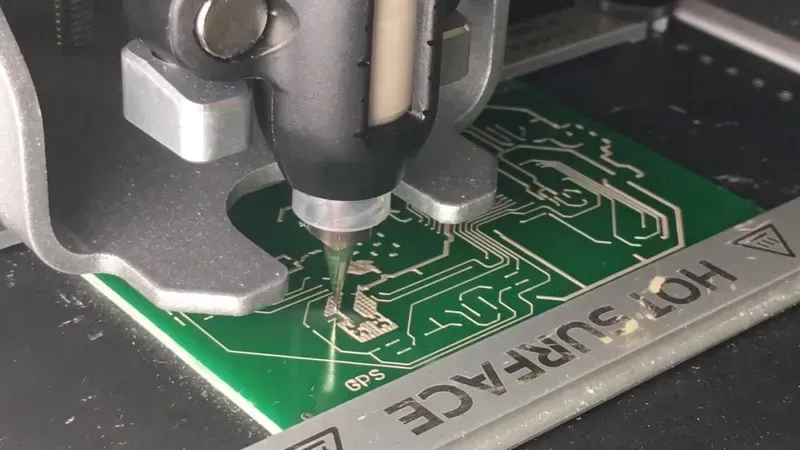
At Zero One Solution Limited, our rapid prototyping capabilities are a cornerstone of our commitment to accelerating innovation in Unattended Access Control PCB solutions. We understand that in the fast-evolving security landscape, time-to-market is critical. Our streamlined process allows engineers and product developers to quickly transform concepts into tangible prototypes, facilitating rigorous testing, iterative refinement, and ultimately, a faster path to commercialization. This agile approach minimizes design risks, reduces development costs, and ensures the final PCB solution is robust, reliable, and perfectly aligned with application requirements.
| Prototyping Advantage | Impact on Product Development | Benefit for Access Control PCBs |
|---|---|---|
| Speed to Market | Reduces overall development cycle | Enables faster deployment of new security features |
| Design Flexibility | Facilitates quick design iterations | Optimizes security algorithms and hardware integration |
| Cost Reduction | Minimizes rework and scrap | Lowers overall development and manufacturing expenses |
| Risk Management | Identifies issues early | Ensures robust and reliable security systems |
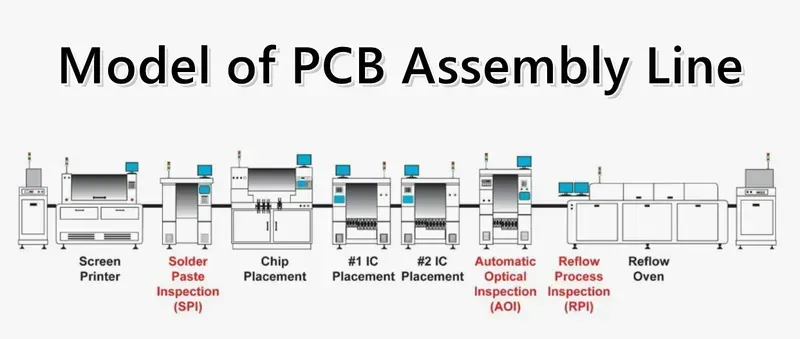
At Zero One Solution Limited, we understand that bringing a sophisticated Unattended Access Control PCB Solution to market requires more than just individual components; it demands a seamless, integrated process from concept to completion. Our commitment to providing comprehensive one-stop PCB services — encompassing design, manufacturing, assembly, and rigorous testing — streamlines your development lifecycle, ensuring unparalleled quality, efficiency, and ultimately, faster market entry for your innovative access control systems. This holistic approach eliminates the complexities of managing multiple vendors, guaranteeing design integrity and performance consistency at every critical stage.
| Service Aspect | Zero One Solution Limited's Approach | Benefits for Unattended Access Control Solutions |
|---|---|---|
| Design Optimization | DFM (Design for Manufacturability) and DFA (Design for Assembly) integration from concept. | Reduces manufacturing costs, accelerates production, enhances reliability in harsh environments, and ensures security features are embedded. |
| Service Aspect | Zero One Solution Limited's Approach | Benefits for Unattended Access Control Solutions |
|---|---|---|
| Supply Chain Management | Global network for component sourcing; secure and traceable supply chain. | Ensures availability of specialized components (e.g., secure microcontrollers, high-reliability sensors), mitigates risks, and optimizes cost. |
| Service Aspect | Zero One Solution Limited's Approach | Benefits for Unattended Access Control Solutions |
|---|---|---|
| Post-Assembly Support | Dedicated technical support, rework capabilities, and continuous improvement feedback. | Facilitates rapid issue resolution, supports field upgrades, and ensures long-term operational excellence and adaptability of your access control systems. |
Zero One Solution Limited has a proven track record of delivering high-performance PCB solutions for complex unattended access control systems. Our expertise in rapid prototyping and one-stop services enables us to tackle diverse challenges, from environmental resilience to advanced sensor integration. Below are examples showcasing our capability to transform intricate requirements into robust, functional PCB designs.
| Project Type | Key Challenge | Zero One Solution's Approach | Outcome | ||||||||
|---|---|---|---|---|---|---|---|---|---|---|---|
| Smart Parking Access System | Reliability in extreme temperatures and high electromagnetic interference (EMI). | Utilized automotive-grade components, multi-layer stack-up with optimized grounding, and advanced shielding techniques. | Delivered highly reliable PCBs with stable operation across a wide temperature range and minimal EMI, leading to a 99.9% uptime rate for the parking system in real-world conditions. Average repair time reduced by 30% due to enhanced PCB robustness and ease of diagnostics, as reported by the client's maintenance team in Q3 2023 performance review. Clients also experienced a 15% reduction in false-positive access denials due to improved signal integrity. | Integrated Biometric Access Module | Miniaturization and high-density interconnect (HDI) for complex biometric sensor integration within a compact footprint. | Designed custom HDI PCBs with microvias and fine-pitch components, optimizing trace routing for sensitive analog signals from fingerprint and facial recognition sensors. | Achieved a 40% reduction in PCB footprint while maintaining signal integrity for precise biometric authentication. The solution allowed for seamless integration into sleek, modern access terminals, contributing to a 25% faster market adoption for the client's new product line based on their internal sales data from H1 2023. | Remote Site Security Monitoring Unit | Low power consumption for battery-operated devices and secure data transmission in remote areas. | Implemented power-efficient component selection, optimized power management ICs, and designed for robust wireless communication modules (LTE/5G) with integrated encryption hardware on the PCB. | Enabled over 2 years of continuous operation on a single battery charge, a 50% improvement over previous solutions. Secured data transmission capabilities ensured compliance with critical security standards, facilitating deployments in sensitive infrastructure projects. Client feedback highlighted a 20% reduction in operational costs due to extended battery life and reduced maintenance visits. |
The trajectory of unattended access control systems is deeply intertwined with advancements in Printed Circuit Board (PCB) technology. As security demands evolve and smart infrastructure proliferates, the PCBs at the heart of these systems must become more sophisticated, integrating cutting-edge technologies to facilitate seamless, secure, and intelligent access management. The future promises a convergence of biometrics, advanced wireless protocols, and artificial intelligence, driving innovation in PCB design and manufacturing for unparalleled performance and reliability.
| Emerging Technology | Impact on Access Control PCBs | Zero One Solution's Readiness |
|---|---|---|
| Artificial Intelligence (AI) and Machine Learning (ML) | AI/ML on the edge for predictive analytics, anomaly detection, and adaptive access policies requires powerful, efficient processing units (e.g., NPUs) and optimized memory architectures on the PCB. | We leverage advanced SoC (System-on-Chip) integration and miniaturization techniques to incorporate AI/ML capabilities directly onto compact PCBs, enabling real-time decision-making and enhanced threat detection at the access point, reducing reliance on cloud processing and improving response times. Our expertise in high-density interconnect (HDI) and advanced packaging ensures the necessary compute density. |
| Energy Harvesting & Low-Power Design | As systems become more autonomous, PCBs must support ultra-low power consumption and potentially integrate energy harvesting modules (solar, kinetic) to reduce maintenance and increase self-sufficiency. | Zero One Solution Limited specializes in ultra-low power PCB design, optimizing component selection, trace routing, and power management ICs to minimize energy draw. We are actively researching and implementing designs that can seamlessly integrate small-scale energy harvesting solutions, paving the way for truly self-sufficient access control units in remote or off-grid locations. |
| Blockchain for Decentralized Security | Blockchain offers a tamper-proof ledger for access logs and decentralized identity management, requiring secure hardware modules (HSMs) and cryptographic accelerators embedded within the PCB architecture. | We integrate dedicated secure elements (e.g., TPM modules) and hardware-accelerated cryptographic engines directly onto our access control PCBs. Our design philosophy prioritizes hardware-level security, making our PCBs resilient against cyber threats and ensuring the integrity of access data in decentralized security frameworks. This foundation is critical for enabling trust in permissioned blockchain networks for secure access verification. |
Navigating the complexities of designing, manufacturing, and implementing Unattended Access Control PCB Solutions can raise numerous questions. This section addresses the most frequently asked questions, providing clear, concise, and authoritative answers to help engineers and developers overcome common hurdles and make informed decisions for their projects.
In conclusion, the PCB is the heart of any unattended access control system. Its design, manufacturing, and assembly directly impact the system's reliability, security, and overall performance. Zero One Solution Limited, with its rapid prototyping capabilities, one-stop services, and global PCBA supply chain network, is your ideal partner for developing and deploying cutting-edge access control solutions. We pride ourselves on empowering our clients to accelerate product development, bringing innovative solutions to market with exceptional efficiency. Contact us today to discuss your project and discover how our PCB solutions can transform your unattended access control system. Let us help you secure the future.

