In today's technology-driven world, Printed Circuit Boards (PCBs) are the backbone of almost every electronic device. Among the various types, the 2-layer PCB is a popular choice for its balance of simplicity and functionality. Understanding the factors that affect the 2 layer pcb price is crucial for both hobbyists and professionals alike. Just like how a tailor measures fabric to create a suit, we'll explore the parameters that shape the cost of these vital components, enabling you to make informed decisions and optimize your budget.
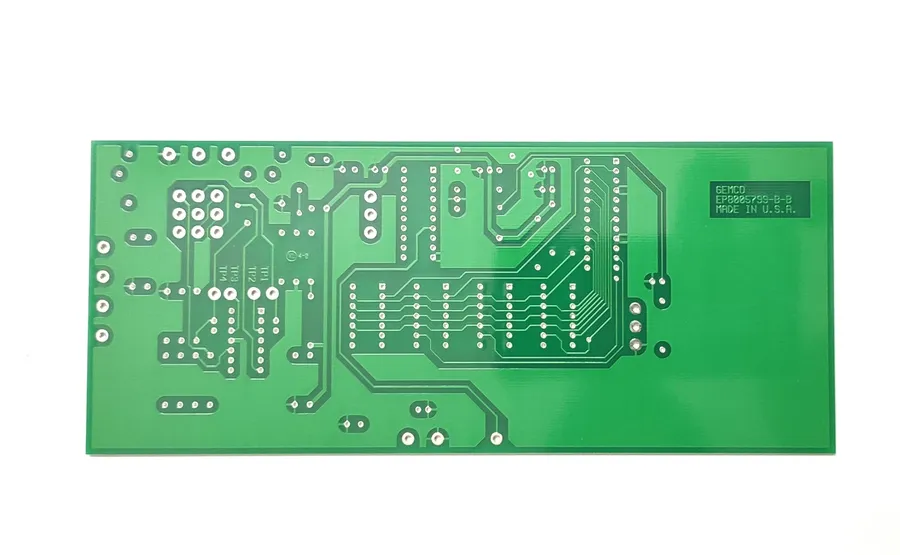
The cost of a 2-layer Printed Circuit Board (PCB) is not static; it is a dynamic value influenced by a confluence of factors. These determinants include the physical dimensions of the board, the number of units ordered, the substrate material used, the intricacy of the circuit design, and the specific manufacturing processes selected. A thorough understanding of these elements is crucial for accurate cost estimation and budget planning.
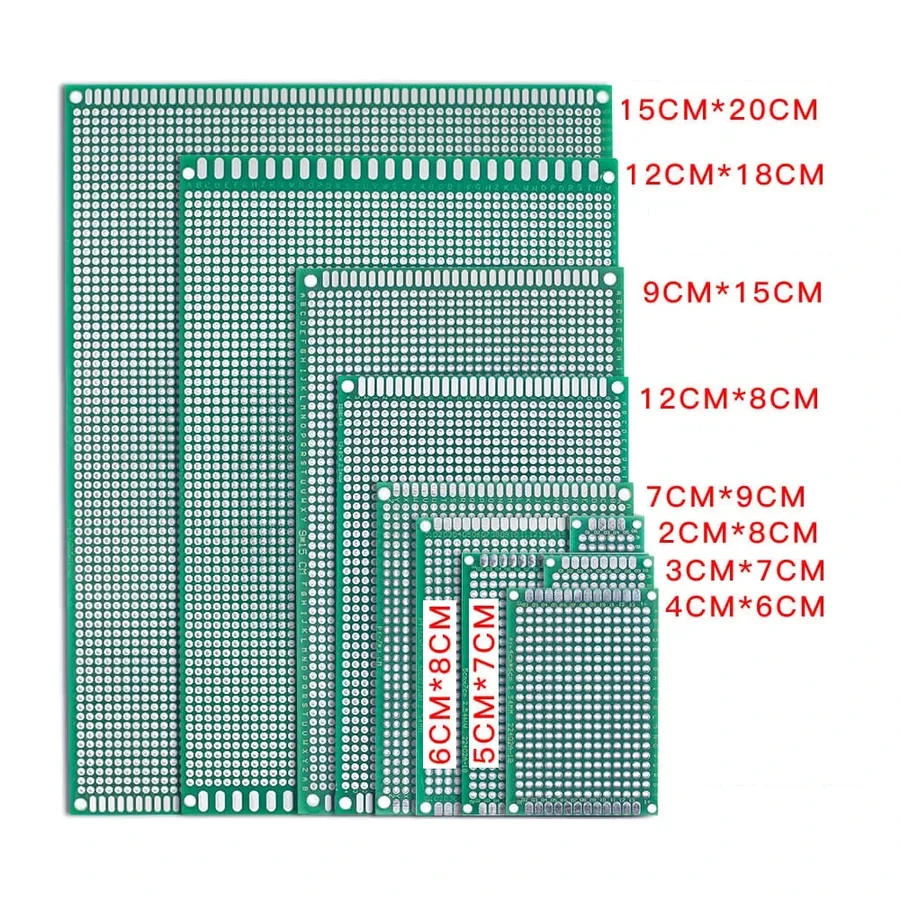
The physical dimensions of a 2-layer PCB directly influence its cost due to the material required for manufacturing. Larger boards necessitate more raw material, primarily the substrate and copper cladding, resulting in a proportional increase in price. This relationship is fundamental to understanding PCB pricing, making board size a primary cost driver.
The area of a PCB, calculated by multiplying its length and width, is the most significant dimensional factor. For example, a PCB measuring 100mm x 100mm will use four times the material compared to a 50mm x 50mm PCB, leading to a corresponding price increase. While the thickness of the PCB may have a small impact on material cost, its main influence is on the mechanical properties of the board.
Below is an example that illustrates how the increase in size directly influences the price. When calculating, please also consider other factors that affect the final price of the board.
| Board Size (mm) | Approximate Area (sq mm) | Relative Material Cost |
|---|---|---|
| 50x50 | 2500 | Baseline |
| 100x100 | 10000 | 4x Baseline |
| 150x100 | 15000 | 6x Baseline |
| 200x200 | 40000 | 16x Baseline |
The principle of economies of scale is particularly evident in 2-layer PCB manufacturing, where the per-unit cost is significantly influenced by the number of boards ordered. As production volume increases, the average cost per board decreases due to the distribution of fixed expenses like setup, tooling, and initial processing over a larger number of units. This makes large batch orders substantially more cost-effective compared to small, one-off productions.
The cost structure of PCB manufacturing involves both fixed and variable costs. Fixed costs are those that remain relatively constant regardless of the production volume, while variable costs are directly proportional to the number of boards produced. Ordering a large batch of PCBs allows manufacturers to spread their fixed costs across more units, thus reducing the per-unit expense. This is why individual boards are more expensive when ordered in small batches.
| Order Quantity | Setup Costs | Material Costs (per unit) | Labor Costs (per unit) | Total Cost (per unit) |
|---|---|---|---|---|
| 1-10 pcs | High | Medium | Medium to High | High |
| 100-500 pcs | Medium | Medium | Medium | Medium |
| 1000+ pcs | Low | Low | Low | Low |
Furthermore, higher quantity orders can qualify for bulk material discounts, further reducing the per-unit costs. Manufacturers often optimize their processes for larger runs, which can also lower labor costs per unit. It is advisable to plan production volumes as accurately as possible in order to benefit from these economies of scale and achieve the best possible price for your 2-layer PCBs.
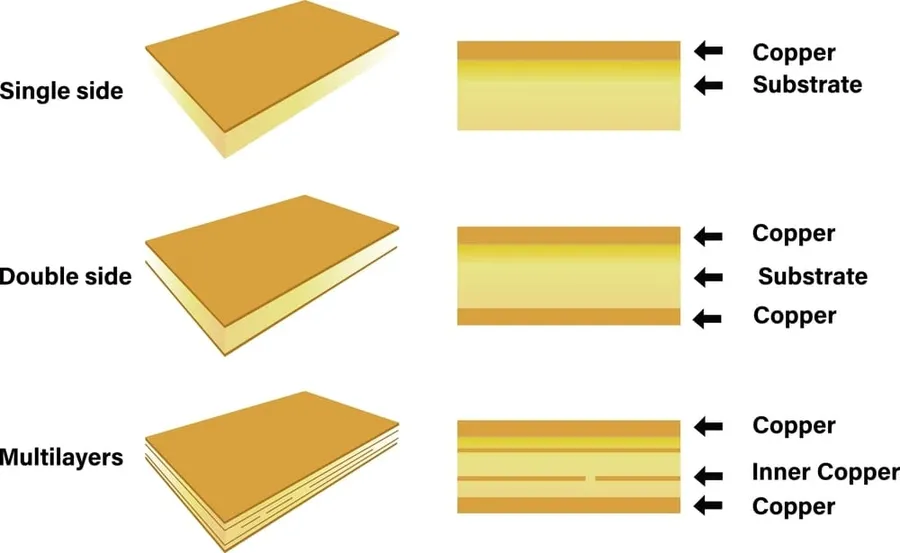
The selection of materials for a 2-layer PCB significantly impacts its final cost, with FR-4 being the most common and economical choice. However, specialized materials offering enhanced thermal or high-frequency performance can substantially increase the price. Understanding these material options and their cost implications is essential for effective budget management.
| Material Type | Description | Typical Applications | Cost Impact |
|---|---|---|---|
| FR-4 | Standard fiberglass-reinforced epoxy laminate; good electrical insulation and mechanical properties. | General-purpose PCBs, consumer electronics, most standard applications. | Cost-effective, baseline material; lowest cost. |
| High-Tg FR-4 | Enhanced FR-4 with a higher glass transition temperature; suitable for high-temperature applications. | Automotive, industrial controls, and applications with higher operating temperature requirements. | Moderate increase compared to standard FR-4. |
| CEM-1 | Composite material with paper and fiberglass; less rigid than FR-4. | Simple electronic devices with lower performance needs. | Slightly lower cost than FR-4, but generally lower performance. |
| CEM-3 | Composite material similar to CEM-1 but with higher electrical and mechanical properties | Intermediate performance applications. | Cost similar to FR-4 |
| Polyimide | High-performance polymer with excellent thermal and chemical resistance, suitable for flexible circuits. | Aerospace, medical, and flexible electronics applications. | Significant increase over FR-4; premium cost. |
| Teflon (PTFE) | Exceptional high-frequency performance, low dielectric loss, suitable for high-speed signals. | RF applications, high-frequency communication devices, and radar systems. | Highest cost compared to other materials; premium cost. |
| Aluminum Substrate | Metal substrate that provides excellent heat dissipation capabilities. | LED lighting, high-power applications, motor controls. | Moderate to high cost, especially for specialized applications |
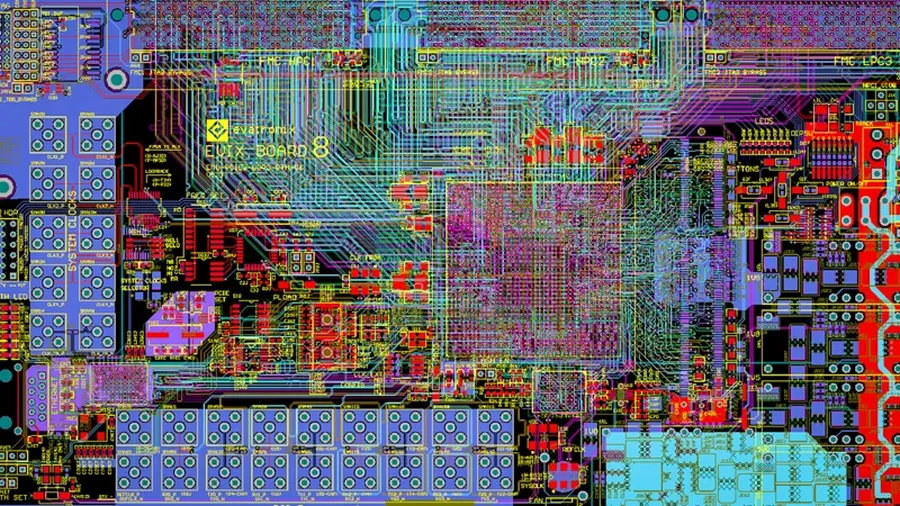
The intricacy of a Printed Circuit Board (PCB) design significantly impacts its manufacturing cost. Complex layouts with tight component spacing, a high density of vias, or unconventional board shapes present considerable challenges during fabrication, thereby escalating the final price. Design decisions are paramount in determining the overall expense of a 2-layer PCB.
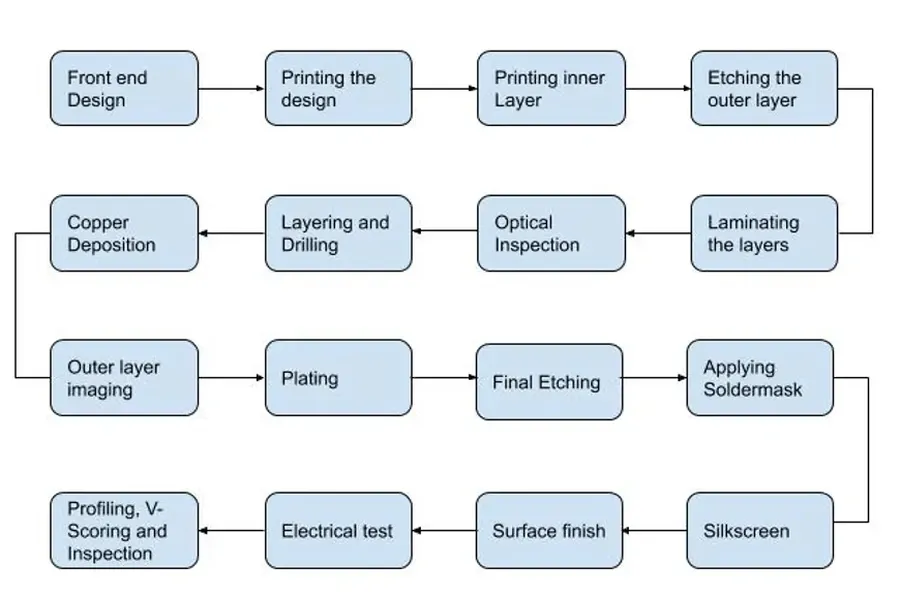
The cost of a 2-layer PCB is significantly influenced by the manufacturing processes employed, extending beyond basic fabrication. Choices in surface finishing, solder mask, and other specialized requirements contribute to the final price. Opting for standard processes can maintain cost-effectiveness, while customized solutions often incur additional expenses.
| Process | Description | Cost Impact | Considerations |
|---|---|---|---|
| Surface Finishing | The protective coating applied to exposed copper areas. | Moderate to High | HASL is standard and cost effective. ENIG provides excellent surface planarity but is more expensive. |
| Solder Mask | An insulating layer applied to prevent solder bridges. | Low to Moderate | Standard colors like green are cheaper, whereas custom colors and matte finishes add to the cost. |
| Silkscreen | Printed text and graphics on the PCB surface. | Low | Typically included, but complexity of print can influence the price. Multi color will cost more |
| Via Type and Fill | Holes used for electrical connections between layers, filled for thermal and other properties. | Low to High | Standard vias are inexpensive, filled vias and via-in-pad techniques will increase cost |
| Special Requirements | Any specific needs like controlled impedance or custom testing. | High | These can cause major costs depending on complexity and standards compliance. |
The cost of a 2-layer PCB is not fixed and varies significantly based on several factors, making it essential to understand price ranges based on different order volumes and board sizes. This section provides an estimated cost comparison to offer a general idea of pricing. These values are approximate and serve as a guide; actual costs will vary depending on specific vendor, material choices, and design complexities.
| Feature | Low Volume (1-10 pcs) | Mid Volume (100-500 pcs) | High Volume (1000+ pcs) |
|---|---|---|---|
| Small Size (50x50mm) | $5 - $15/pc | $2 - $8/pc | $0.50 - $3/pc |
| Medium Size (100x100mm) | $10 - $30/pc | $5 - $15/pc | $1 - $5/pc |
| Large Size (200x200mm) | $25 - $60/pc | $10 - $30/pc | $3 - $10/pc |
This table illustrates the economies of scale inherent in PCB manufacturing. As the quantity of PCBs ordered increases, the per-unit cost decreases significantly. Similarly, larger board sizes will cost more. For small runs or prototypes the cost will be higher due to the setup costs involved in manufacturing. Therefore, it is prudent to optimize the board design and accurately estimate requirements, to get the best pricing.
Understanding the cost drivers for 2-layer PCBs is essential for effective budgeting and design optimization. This section addresses common queries regarding pricing, offering clear and concise answers.
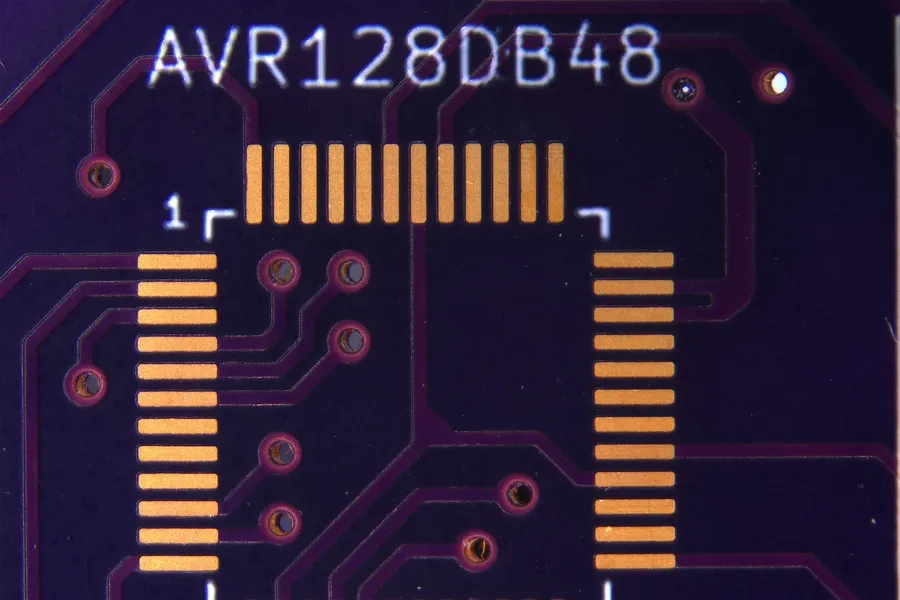
Securing the most favorable price for your 2-layer PCB involves a strategic approach that balances design requirements with cost-effective manufacturing practices. Focusing on optimizing design for manufacturability, selecting standard materials and finishes, considering volume production, and prudent vendor selection can substantially reduce overall costs.
Understanding the various factors that influence 2 layer PCB price is essential for effective budget management and informed decision-making. From the board's size and the quantity ordered, to the materials used and design complexity, each element contributes to the final price. By carefully considering these factors and leveraging strategies like bulk ordering and design optimization, you can minimize costs and ensure your project stays within budget. While the 2 layer pcb price might vary across vendors, having a clear understanding of what affects it puts you in control, regardless of whether you are a hobbyist or a seasoned professional.

