In our increasingly mobile world, the demand for reliable power solutions is higher than ever. Power inverters, at the heart of many of these solutions, allow us to use devices far from traditional power outlets. A critical part of these inverters is the Printed Circuit Board (PCB), with the 600-watt inverter PCB being a popular option. The **600 watt inverter pcb price** is influenced by a variety of factors from the material used, the design complexity, to the production scale, making understanding of these elements essential for both hobbyists and industry professionals alike. This article aims to dissect these aspects and empower our readers with the knowledge to make informed decisions when procuring or designing these components.
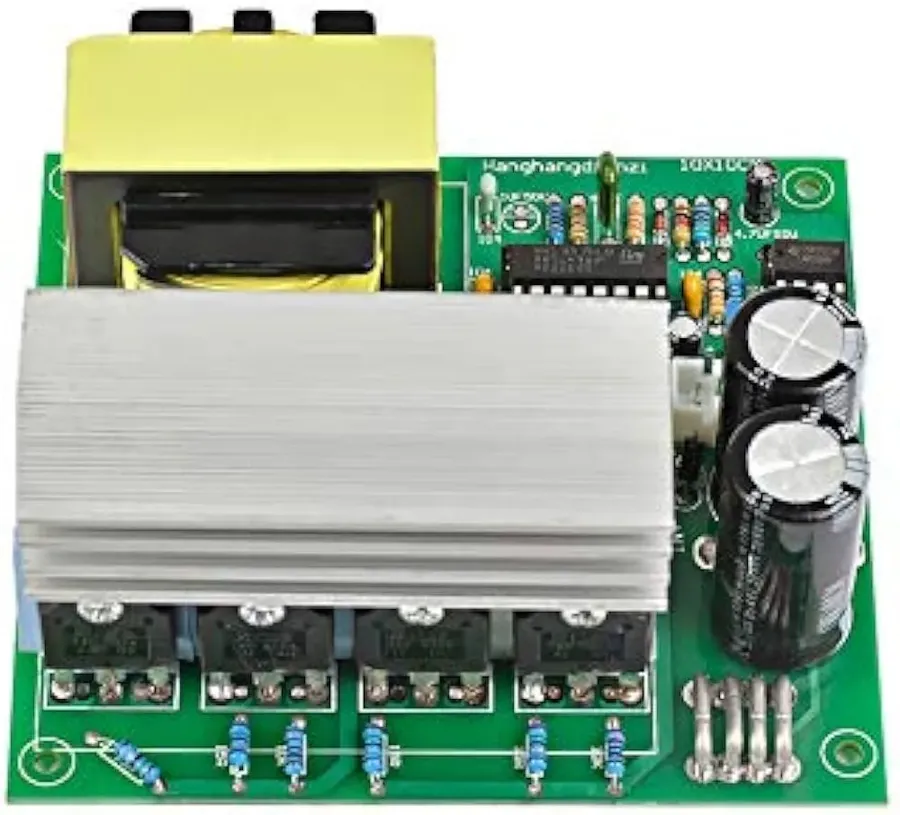
A 600-watt inverter Printed Circuit Board (PCB) serves as the foundational electronic assembly within a power inverter. Its primary function is to transform direct current (DC) power, typically sourced from batteries, into alternating current (AC) power, which is the standard for household electrical appliances. This crucial conversion process enables the use of common AC-powered devices in situations where only DC power is available.
The PCB houses numerous electronic components, including transistors, capacitors, and inductors, meticulously arranged to facilitate the power conversion process. The layout, design and material of the PCB are vital in determining the efficiency, reliability, and overall performance of the inverter.
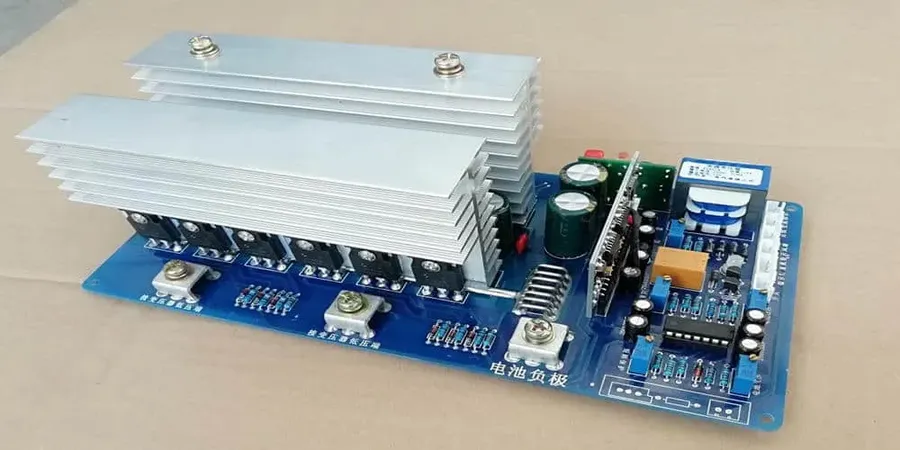
The price of a 600 watt inverter PCB is not fixed; it fluctuates based on several key factors tied to materials, design complexity, and manufacturing processes. Understanding these factors provides valuable insight into cost drivers and allows for informed decision-making when selecting or designing a PCB.
| Factor | Description | Impact on Price |
|---|---|---|
| Material Selection | Type of substrate material (e.g., FR4, Aluminum, Metal Core) | Higher performance materials like aluminum or metal core increase cost. |
| Layer Count | Number of conductive layers in the PCB | More layers increase manufacturing complexity and cost. |
| Copper Thickness | Thickness of copper traces and planes | Thicker copper for higher current capacity adds to material and processing costs. |
| Surface Finish | Type of protective coating applied to the PCB (e.g., HASL, ENIG) | Finishes like ENIG offer better performance but are more expensive than HASL. |
| Component Quality | Sourcing and quality of electronic components (e.g., capacitors, transistors) | Higher grade components increase the overall cost but improve performance and reliability. |
| PCB Size | Overall physical dimensions of the PCB | Larger PCBs typically cost more due to increased material usage and processing time. |
| Manufacturing Volume | Quantity of PCBs being produced in a single order | Larger production runs usually lead to a lower per-unit cost. |
| Testing Requirements | Extent of testing and validation required | More rigorous testing and validation add to the manufacturing cost. |
The choice of PCB material and the number of layers significantly affect both the performance and cost of a 600 watt inverter PCB. These factors dictate the board's electrical characteristics, thermal properties, and overall robustness, directly influencing the inverter's efficiency and longevity.
| Property | FR4 | Metal Core (e.g., Aluminum) | Multi-Layer PCB (2 Layers+) |
|---|---|---|---|
| Material Cost | Low to Moderate | Moderate to High | Varies based on layer count, generally higher |
| Thermal Conductivity | Low | High | Moderate to High |
| Dielectric Strength | Moderate | Good | Good |
| Mechanical Strength | Good | Good | Good |
| Performance | Suitable for basic applications | Excellent for heat dissipation | Improved signal integrity and density |
| Typical Application | General-purpose inverters | High-power inverters where heat is a concern | High-performance and compact inverters |
FR4, a common fiberglass composite, offers a balance of cost and performance, suitable for many 600W inverter applications. However, for higher power demands or environments where heat dissipation is critical, metal core PCBs, particularly aluminum-based ones, are preferred. These offer superior thermal performance, allowing components to operate cooler and more efficiently. Furthermore, multi-layer PCBs, incorporating two or more conductive layers separated by insulating layers, enable more complex circuit designs and improved signal integrity. However, the increased fabrication complexity results in higher prices.
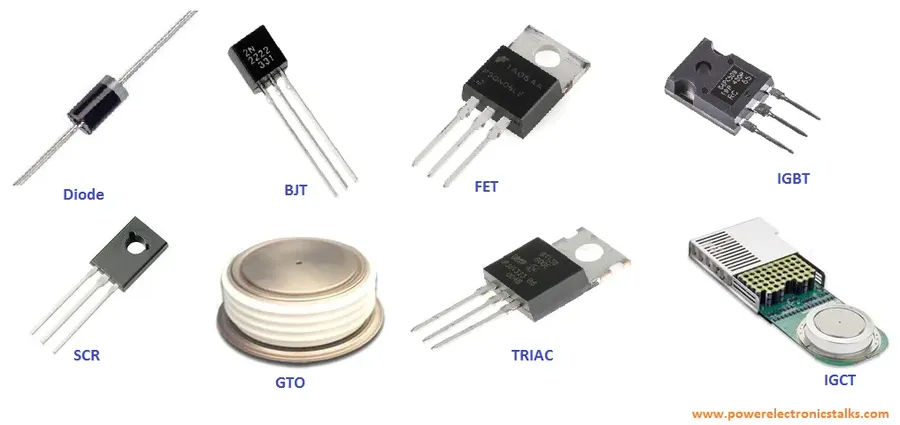
The overall cost of a 600 watt inverter PCB is heavily influenced by the selection and sourcing of its individual electronic components. These components, such as transistors, capacitors, and inductors, contribute significantly to the final price due to variations in supplier pricing, quality, and performance specifications. Understanding these factors is critical for cost-effective PCB manufacturing.
| Component Type | Cost Influence | Quality/Performance Impact | Sourcing Considerations |
|---|---|---|---|
| Transistors (MOSFETs, BJTs) | High; Power handling capability and switching speed directly correlate with price. | Higher quality transistors have lower on-resistance, reducing heat generation and increasing efficiency. | Price varies across brands; some premium brands charge more for reliability, while generic brands can be more cost-effective but carry higher failure rates. |
| Capacitors (Electrolytic, Ceramic, Film) | Medium to High; Capacitance, voltage rating, and temperature specifications impact cost. | High-quality capacitors have lower ESR (Equivalent Series Resistance), leading to better performance and reliability. | Different manufacturers offer various specifications with price differences, with premium Japanese brands often costing more. |
| Inductors (Ferrite Core, Air Core) | Medium; Inductance, current rating, and core material significantly influence price. | Lower core losses lead to more efficient energy transfer; higher-quality inductors tend to perform better but cost more. | Cost varies depending on the manufacturing process and core material chosen; some specialized inductors have higher prices due to performance requirements |
| Integrated Circuits (ICs) | High; The sophistication of the IC, its processing speed, and specific features affect price. | Different ICs offer various features and performance levels, with specialized ICs (like gate drivers) often commanding a higher price | Sourcing from authorized distributors ensures authenticity and quality; buying from generic sources risks using counterfeit ICs |
| Resistors | Low to Medium; Precision and power rating influence cost. | High-precision resistors provide more accurate control and stability to the circuit performance. | Various sources exist for resistors; some offer more precise and higher reliability parts, increasing the cost |
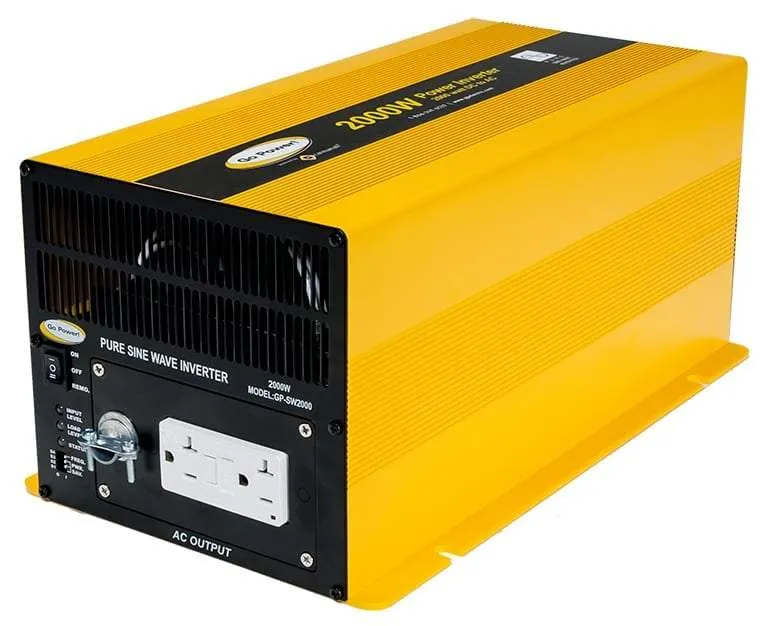
The choice between pure sine wave and modified sine wave inverters significantly impacts the complexity and cost of the 600 watt inverter PCB. Pure sine wave inverters produce a smooth, sinusoidal AC waveform, closely mimicking the power from the grid, making them suitable for all electronic devices. Modified sine wave inverters, on the other hand, output a stepped or blocky approximation of a sine wave, which is simpler and less expensive to produce but may not be compatible with all devices.
| Feature | Pure Sine Wave Inverter | Modified Sine Wave Inverter |
|---|---|---|
| Output Waveform | Smooth Sine Wave | Stepped Approximation of Sine Wave |
| Complexity | Higher | Lower |
| Cost | Higher | Lower |
| Device Compatibility | Compatible with all devices | May not work with all devices |
| Performance with Sensitive Electronics | Optimal | May cause problems or reduced efficiency |
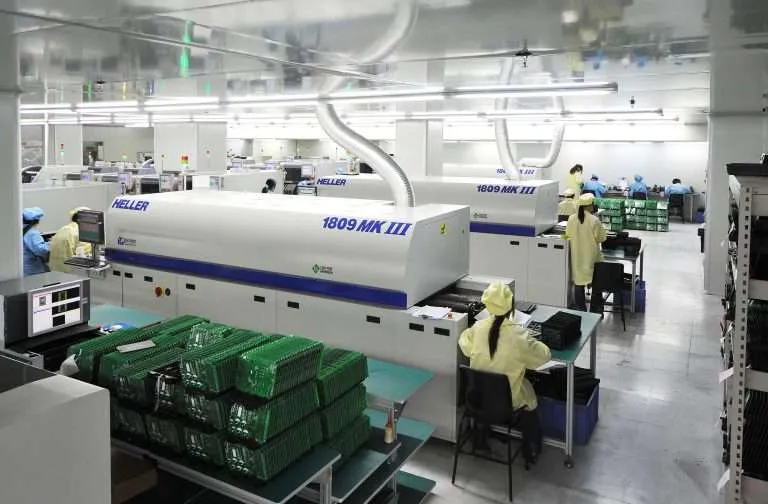
Sourcing a 600 watt inverter PCB requires careful consideration of various purchasing options. These options range from large online marketplaces to specialized suppliers and direct manufacturers, each offering distinct advantages and disadvantages in terms of cost, quality, and lead times.
| Source | Pros | Cons |
|---|---|---|
| Online Marketplaces (Alibaba, Amazon, eBay) | Wide selection, competitive pricing, readily available | Variable quality, potential for counterfeits, longer lead times for overseas sellers |
| Specialized Electronics Suppliers (e.g., Digi-Key, Mouser) | High-quality components, reliable sourcing, technical support | Higher prices, may not carry all PCB types, typically focuses on individual components |
| Direct PCB Manufacturers | Customizable designs, quality control, direct communication | Higher minimum order quantities, longer lead times for custom PCBs, more complex ordering process |
Designing a custom 600 watt inverter PCB requires a systematic approach, blending electrical engineering principles with practical design considerations. This process encompasses schematic capture, meticulous PCB layout, and crucial thermal management and safety protocols to ensure optimal performance and longevity.
The process typically begins with schematic capture, where the electronic circuit is defined. This involves selecting appropriate components—such as transistors, capacitors, and inductors—based on their electrical characteristics and operational requirements. Following schematic capture, the design transitions to PCB layout. The layout phase is critical because it determines the physical arrangement of components, signal routing, and the overall structural integrity of the board. A well-executed layout minimizes signal interference, ensures efficient heat dissipation, and promotes overall reliability. Thermal management and safety are paramount. Inverters, particularly those operating at 600 watts, generate considerable heat, which must be effectively managed to prevent component failure and ensure stable operation. Adequate heat sinks, proper ventilation, and the strategic placement of heat-generating components are essential design considerations.
Several software tools facilitate the design process. Popular Electronic Design Automation (EDA) software suites include Altium Designer, Eagle, KiCad, and OrCAD. These tools assist in schematic capture, PCB layout, and simulation, allowing designers to rigorously test their designs virtually before physical prototyping.
This section addresses common questions regarding 600 watt inverter PCBs, providing clear and concise answers to help users understand their capabilities and limitations. These FAQs clarify practical applications and technical aspects of these crucial power conversion components.
Maintaining the performance and longevity of a 600 Watt inverter PCB requires understanding common failure points and implementing preventative measures. Effective troubleshooting can significantly reduce downtime and extend the operational life of the inverter.
Understanding the complexities surrounding **600 watt inverter pcb price** is crucial whether you are a manufacturer, DIY enthusiast, or end-user. The price reflects not just the materials, but the design complexity, quality of components, and the type of wave output the PCB delivers. By considering all these elements, one can make well-informed choices, optimizing for both cost and performance. The continuous advancements in PCB design and component technology promise to improve efficiency and reduce costs, further extending the reach and utility of power inverters in our daily lives.

