The world of electronics often hinges on the humble printed circuit board (PCB). Whether you're a hobbyist or a professional, understanding the factors that affect blank pcb board price is crucial. From simple single-sided boards to complex multilayer designs, the cost can vary significantly. This article provides a detailed look at what influences blank PCB prices, helping you navigate the market effectively. Let's break down the complexities of [blank pcb board price] and what to expect.
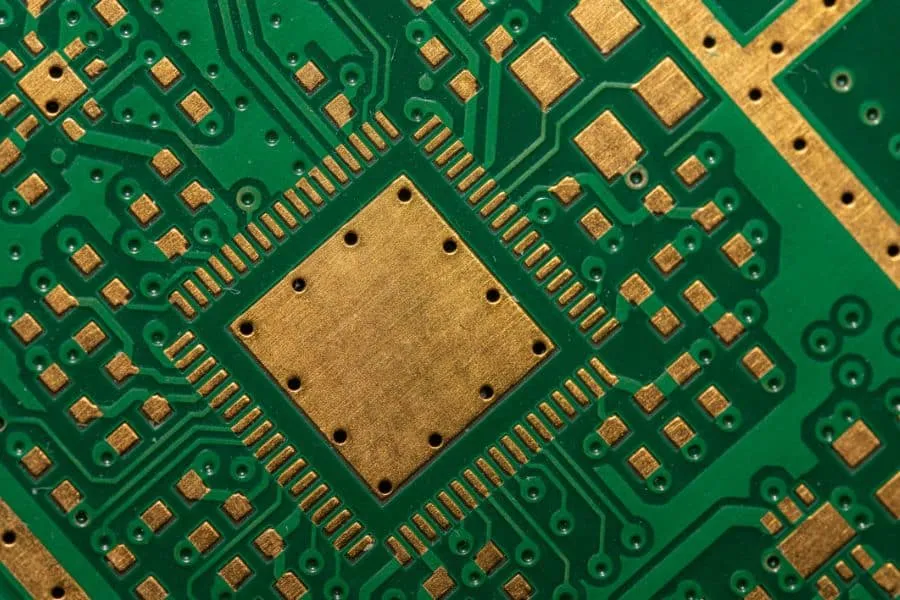
The cost of a blank Printed Circuit Board (PCB) is not uniform, but rather a composite of various contributing factors. Understanding these elements is crucial for making cost-effective decisions when procuring PCBs for electronic projects. These factors range from the base material used to the manufacturing processes involved, each playing a significant role in determining the final price of a blank PCB.
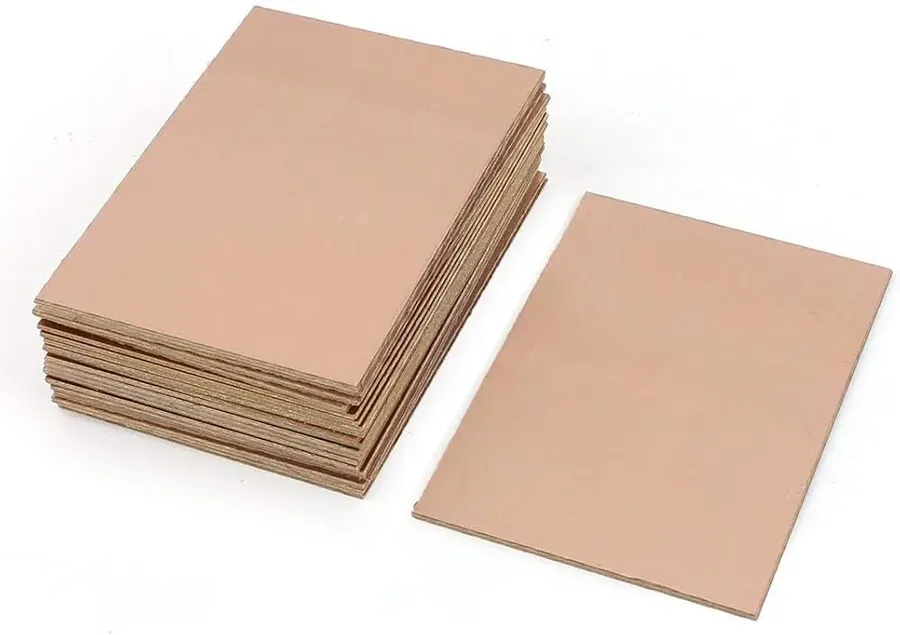
The selection of material for a blank PCB significantly dictates its price and performance characteristics. While FR-4 is widely used due to its balance of cost and performance, specialized materials such as aluminum, flexible substrates, and ceramics offer unique advantages but come with varying price points. Choosing the appropriate material is critical for optimizing both cost and functionality of the PCB.
| Material Type | Description | Typical Applications | Cost Implications |
|---|---|---|---|
| FR-4 | Fiberglass-reinforced epoxy laminate; widely used. | General electronics, prototyping, most consumer electronics. | Moderate |
| Aluminum | Metal core; excellent heat dissipation properties. | LED lighting, power electronics, high-power applications. | Higher than FR-4 |
| Flexible Substrates (e.g., Polyimide) | Flexible polymers; allows for bending and shaping. | Wearable technology, aerospace, medical devices, tight-fitting devices. | Higher than FR-4 |
| Ceramic | High-temperature resistance; excellent electrical performance. | High-frequency applications, automotive, aerospace | Very high |
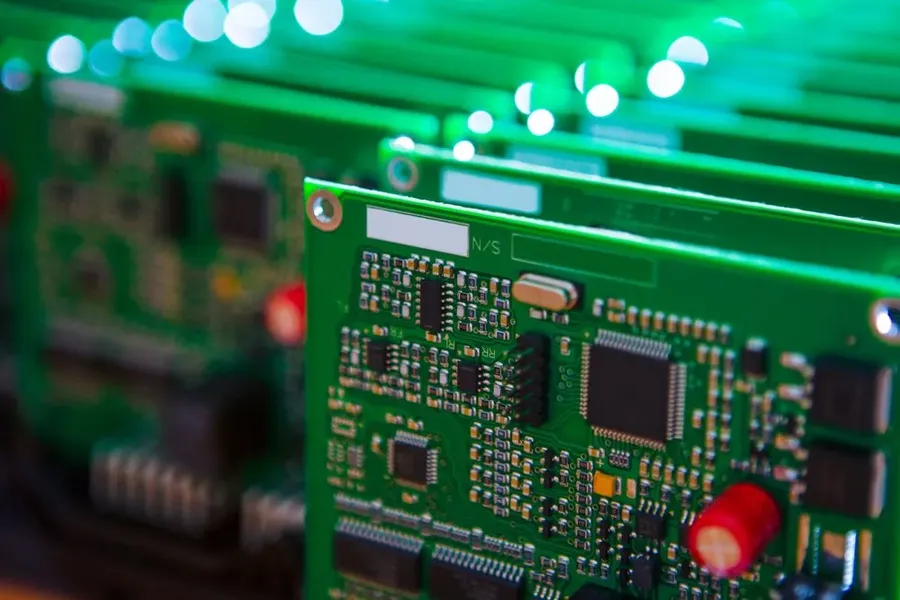
The physical dimensions of a blank PCB, specifically its size and thickness, are primary determinants of its cost. This is fundamentally due to the direct correlation between these factors and the amount of raw materials required for manufacturing. Therefore, understanding these considerations is crucial for optimizing expenses when purchasing blank PCBs.
| Parameter | Impact on Price | Typical Range | Considerations |
|---|---|---|---|
| Board Size (Area) | Directly Proportional | Varies widely; e.g., 100mm x 100mm to larger panels | Larger boards require more material, increasing cost. |
| Board Thickness | Proportional, but less sensitive than size | 0.8mm to 2.0mm for standard applications | Thicker boards may be necessary for mechanical strength or impedance control, adding cost. |
A larger surface area necessitates more substrate material (like FR-4) and copper, directly impacting the cost. Similarly, increased thickness requires more of the core material, though the price sensitivity is less pronounced compared to surface area. Selecting the optimal size and thickness should align with the requirements of the intended electronic circuitry while also being mindful of cost-effectiveness. This selection should balance the mechanical and electrical performance needs with the total cost of the blank PCB board.
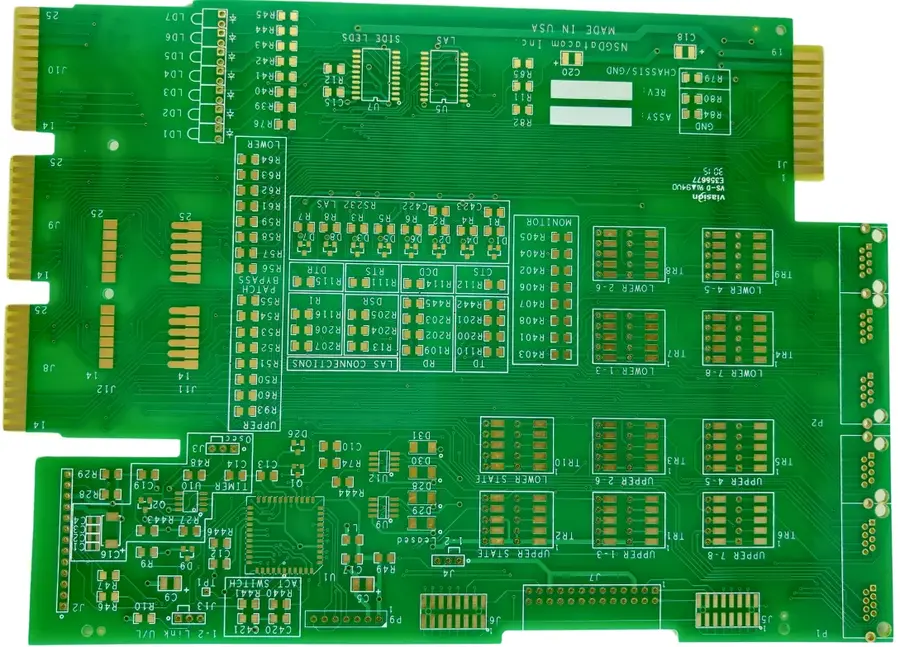
The number of conductive layers in a PCB significantly impacts its complexity and cost. Single-sided PCBs represent the most basic and economical option, while multilayer PCBs offer the highest performance and come with a correspondingly higher price tag. The selection of the appropriate type depends entirely on the requirements of the project, balancing cost with functional complexity.
| Feature | Single-Sided PCB | Double-Sided PCB | Multilayer PCB |
|---|---|---|---|
| Number of Layers | 1 | 2 | 3+ |
| Complexity | Lowest | Medium | Highest |
| Cost | Lowest | Medium | Highest |
| Typical Applications | Simple electronics, basic circuits | Moderate complexity circuits | Complex electronics, high density applications |
| Manufacturing Cost | Low | Medium | High |
| Design Complexity | Low | Medium | High |
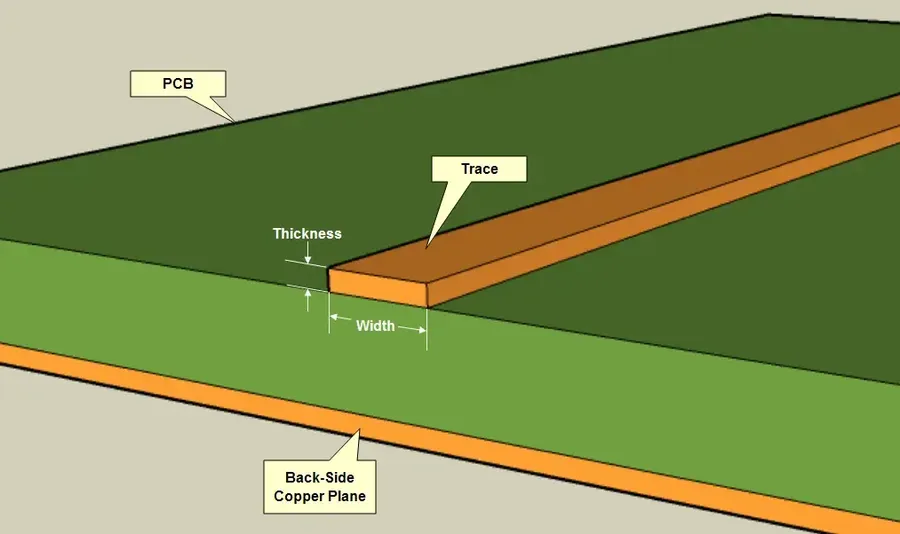
The copper layer's thickness on a PCB is a critical factor influencing its electrical performance and, consequently, its price. Thicker copper provides lower resistance and higher current-carrying capacity, but it also increases the material cost. Balancing these factors is essential when optimizing the performance and the overall blank PCB board price.
| Copper Thickness (oz) | Typical Current Capacity (Amps) | Cost Implications | Application Examples |
|---|---|---|---|
| 0.5 | 1-2 | Lower Cost | Low-power digital circuits, simple signal traces |
| 1 | 2-4 | Medium Cost | General-purpose electronics, most standard applications |
| 2 | 4-8 | Higher Cost | Power circuits, LED drivers, motor control |
| 3+ | 8+ | Highest Cost | High-power applications, heavy industrial equipment, high-current traces |
Selecting the right copper thickness is not just about current capacity; it also affects heat dissipation and signal integrity. A board with too thin copper might not handle the required current, leading to overheating or circuit failure, while excessively thick copper can increase costs unnecessarily and might not be suitable for high-density designs. Therefore, it is essential to accurately assess your project's electrical requirements to make an informed choice about copper thickness, ultimately affecting the final [blank pcb board price].
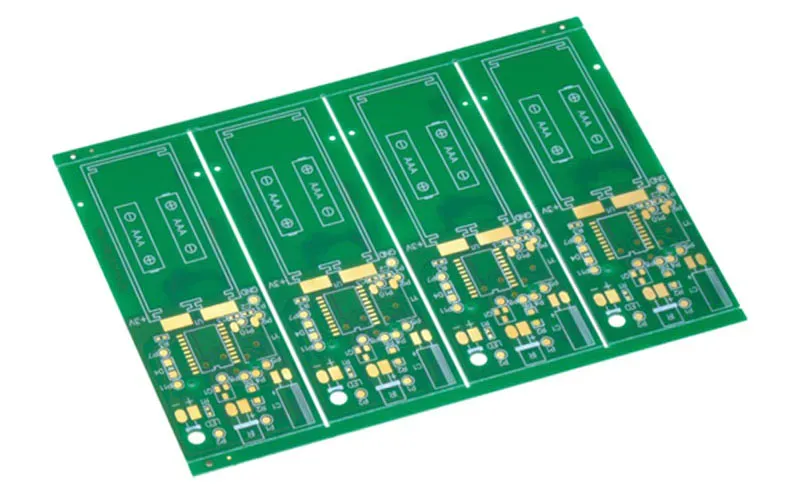
The quantity of blank PCBs ordered has a substantial inverse relationship with the per-unit cost. This principle, rooted in economies of scale, dictates that larger production runs generally result in lower prices per board, a critical consideration for any project requiring more than just a few prototypes.
| Order Quantity | Unit Price (Example) | Total Cost (Example) | Price per Unit Compared to Single Order |
|---|---|---|---|
| 1 | $10.00 | $10.00 | Base Price |
| 10 | $8.00 | $80.00 | 20% Discount |
| 100 | $5.00 | $500.00 | 50% Discount |
| 1000 | $2.50 | $2500.00 | 75% Discount |
The table above illustrates the potential cost savings when purchasing in bulk. Note that these values are for example only and actual price variation will depend on the supplier and the characteristics of your specific PCB.
For prototyping, or small run testing, purchasing only a few boards is sensible. However, once designs are validated, bulk purchasing becomes a strategic approach for cost optimization for any larger production or assembly projects.
The surface finish applied to a blank PCB is a critical factor influencing both its performance and cost. Different finishes offer varying levels of solderability, corrosion resistance, and electrical conductivity. Selecting the appropriate finish is essential for ensuring the long-term reliability and functionality of the board, while also managing the overall [blank pcb board price].
| Finish Type | Description | Cost | Pros | Cons |
|---|---|---|---|---|
| HASL (Hot Air Solder Leveling) | A molten solder (typically tin-lead or lead-free) is applied to the board and then leveled using hot air. | Low | Cost-effective, good solderability, robust | Uneven surface finish, not ideal for fine-pitch components, contains lead (in some cases) |
| ENIG (Electroless Nickel Immersion Gold) | A thin layer of nickel is applied followed by a thin layer of gold. | High | Excellent solderability, good corrosion resistance, good for fine-pitch components | More expensive, nickel is a potential allergen |
| Immersion Silver | A thin layer of silver is chemically deposited onto the copper pads. | Medium | Good solderability, good for fine pitch components, lead-free | Silver can tarnish over time and may require special handling, susceptible to migration. |
| Immersion Tin | A thin layer of tin is chemically deposited onto the copper pads. | Medium | Good solderability, lead-free, relatively inexpensive | Tin whiskers may grow over time causing reliability issues |
| OSP (Organic Solderability Preservative) | A thin, water-based organic compound is applied to the copper pads. | Low | Good solderability, flat surface finish, lead-free | Short shelf life, sensitive to handling, not very robust. |
Understanding the nuances of blank PCB board pricing can be complex. This section addresses common queries to clarify factors influencing cost and to help you make informed purchasing decisions.
Sourcing blank PCBs involves navigating various platforms, each with its own advantages and drawbacks regarding price, selection, and service. Understanding these differences can help optimize your procurement process and control the overall blank pcb board price.
| Platform | Advantages | Disadvantages | Typical Price Range | Best For |
|---|---|---|---|---|
| Amazon | Wide variety of products, convenient shipping, customer reviews | Can be more expensive, less specialized, variable quality | Low to Medium | Small projects, hobbyists, quick purchases |
| eBay | Potentially lower prices, larger range of suppliers, auctions for potential savings | Inconsistent quality, potential shipping delays, returns can be complex | Low to Medium | Budget-conscious users, smaller projects, experimental designs |
| Specialized Suppliers | High quality and precision, customization options, reliable production, batch purchasing | Higher initial cost, longer lead times, higher minimum order quantities | Medium to High | Professional projects, mass production, specific material needs |
When choosing a source, consider your project's specific requirements, budget, and time constraints. For prototypes or small-scale hobby projects, Amazon or eBay might suffice. However, for professional applications requiring high quality or specific material requirements, specialized suppliers offer the best solution.
Securing the best possible price for blank PCB boards requires a strategic approach, moving beyond simply accepting the first quote. Understanding negotiation tactics, identifying potential discounts, and being aware of common pitfalls can significantly reduce your costs. This section provides actionable tips to help you navigate the market effectively and optimize your budget when sourcing blank PCBs.
Understanding the nuances of blank pcb board price is essential for any electronics project. By considering factors like material, size, complexity, and quantity, you can make informed decisions that align with your budget and needs. Remember that a little research into [blank pcb board price] can save a lot of resources and help to build your projects efficiently and effectively. From your personal projects to the next commercial product, you'll be ready to tackle the world of PCB design with a full understanding of the cost.

