The ubiquitous electronic PCB board is the unsung hero of modern technology, powering everything from smartphones to industrial machinery. Understanding the factors influencing the electronic PCB board price is crucial for both hobbyists and large-scale manufacturers. This article dives deep into the variables impacting cost, offering insights into how to make informed purchasing decisions. From simple prototypes to complex multilayer boards, we'll navigate the landscape of PCB pricing.
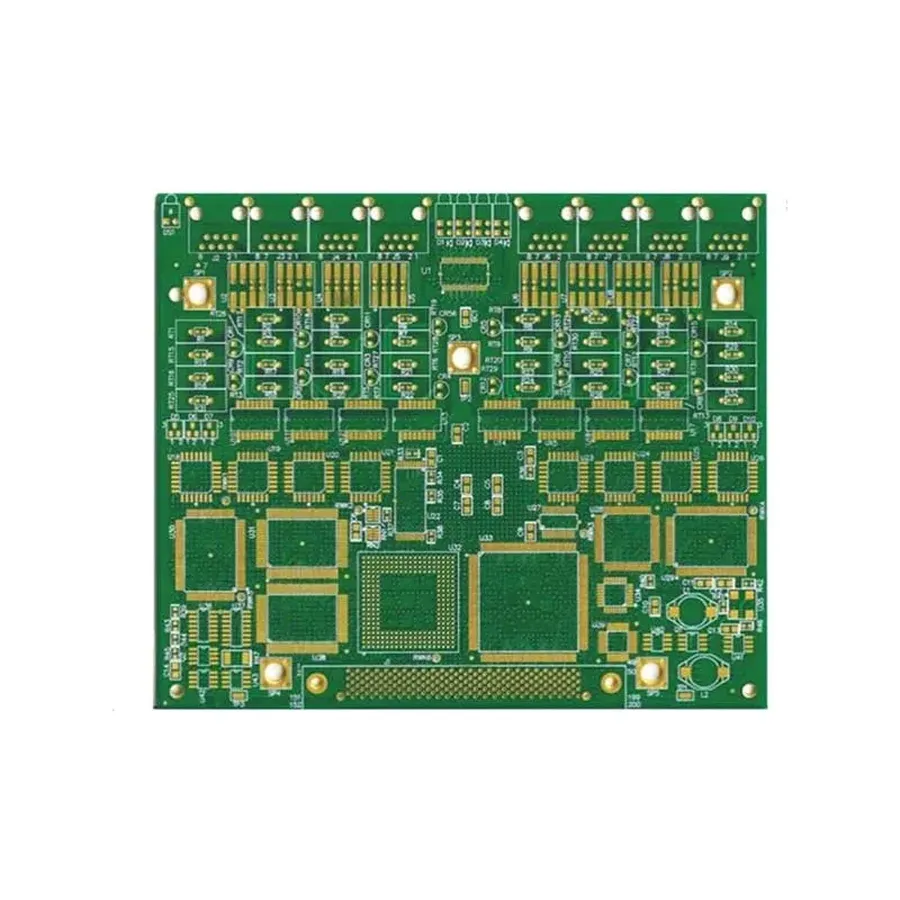
The price of an electronic PCB board is not a fixed value but is influenced by a multitude of factors related to its design, materials, and manufacturing process. Understanding these key determinants is crucial for cost optimization and informed decision-making when sourcing printed circuit boards. These factors interact to define the final cost, requiring a holistic view to achieve cost-effectiveness.
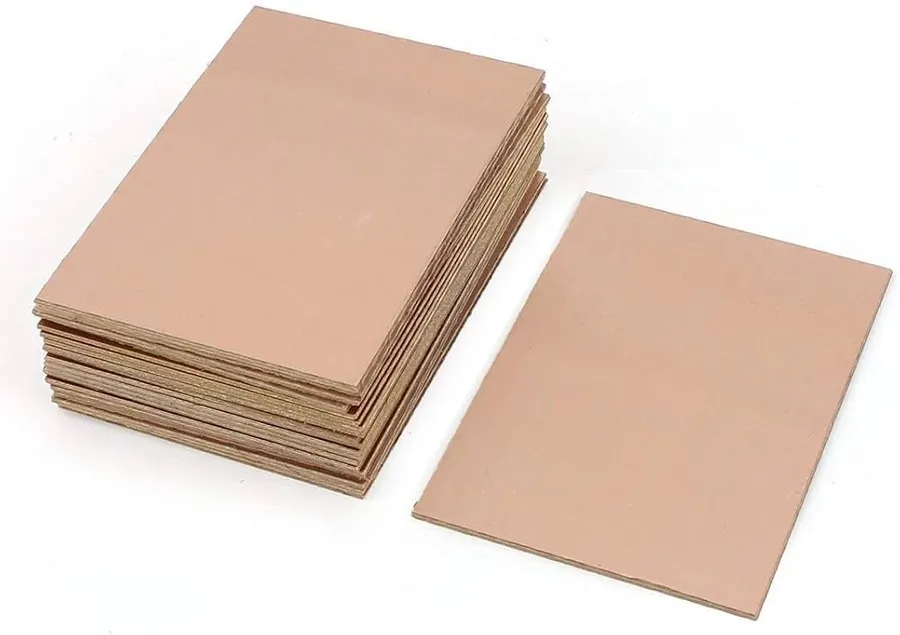
The selection of materials for a printed circuit board (PCB) is a crucial factor that significantly influences its final cost. Different materials offer varying electrical, mechanical, and thermal properties, which directly affect the PCB's performance, durability, and ultimately, its price. Understanding these material properties is essential for cost-effective PCB design and procurement.
| Material Type | Description | Cost Implications | Typical Applications |
|---|---|---|---|
| FR-4 | Fiberglass-reinforced epoxy laminate, the most common PCB substrate. | Cost-effective, widely available, standard choice. | Consumer electronics, general-purpose PCBs |
| Aluminum | Metal core PCB with an aluminum base. | Higher cost than FR-4, but provides excellent thermal conductivity. | LED lighting, power electronics, high-power applications |
| Flexible Substrates (e.g., Polyimide) | Flexible polymer substrates used in flexible PCBs. | Higher cost, specialized manufacturing required. | Wearable devices, medical devices, automotive electronics |
| Rogers Materials | High-frequency laminates with superior electrical properties. | Very high cost, used for specialized applications. | RF and microwave circuits, high-speed digital designs |
| CEM-1 | Composite epoxy material with a paper core | Lower cost alternative to FR-4 but with reduced performance. | Single-sided low cost applications. |
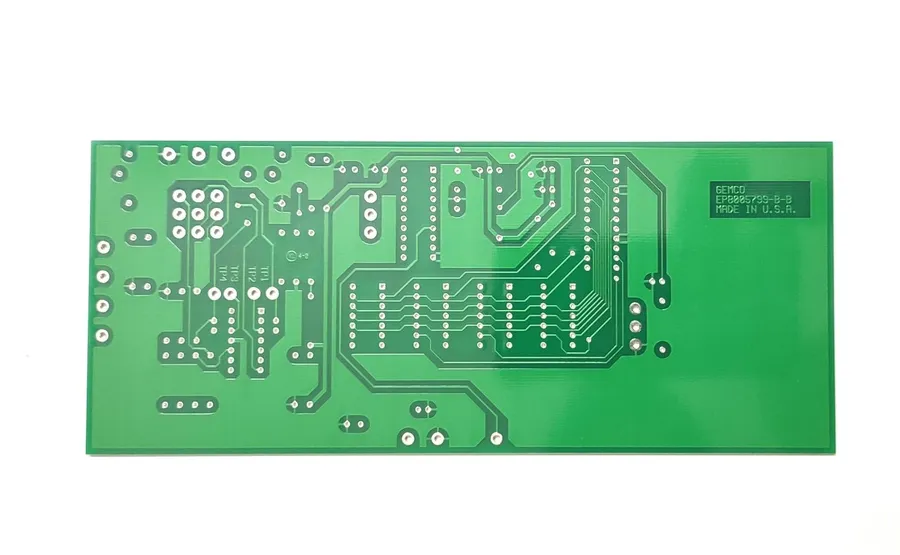
The number of layers in a printed circuit board (PCB) is a primary determinant of its cost and complexity. Each layer adds to the manufacturing process, requiring more materials, intricate alignment, and sophisticated processing techniques which significantly increases the electronic pcb board price.
| Layer Count | Complexity | Typical Applications | Cost Factor |
|---|---|---|---|
| Single-Layer | Simplest design, components on one side | Basic electronic devices, simple circuits | Lowest cost |
| Double-Layer | Components on both sides, with vias for connections | Common in many consumer electronics, slightly more complex circuits | Low to moderate cost |
| 4-Layer | Two inner signal layers and two outer layers, more routing flexibility | More complex electronics, moderately high density designs | Moderate cost |
| 6-Layer | Increased signal layers with more controlled impedance and signal integrity | Advanced electronics, high-speed digital circuits | Moderately high cost |
| 8+ Layers | Very high signal density and complexity, often with internal power and ground planes | High-end computing, telecommunications, and industrial equipment | High cost |
The increase in layer count leads to more intricate manufacturing steps. For instance, multi-layer PCBs involve laminating several thin layers of conductive material and insulating substrate. Accurate alignment of each layer is crucial and requires precise machinery. Furthermore, vias (conductive pathways between layers) become increasingly complex with more layers, requiring specialized drilling and plating processes. The increased cost is directly tied to the resources, time, and expertise needed to produce boards with higher layer counts.
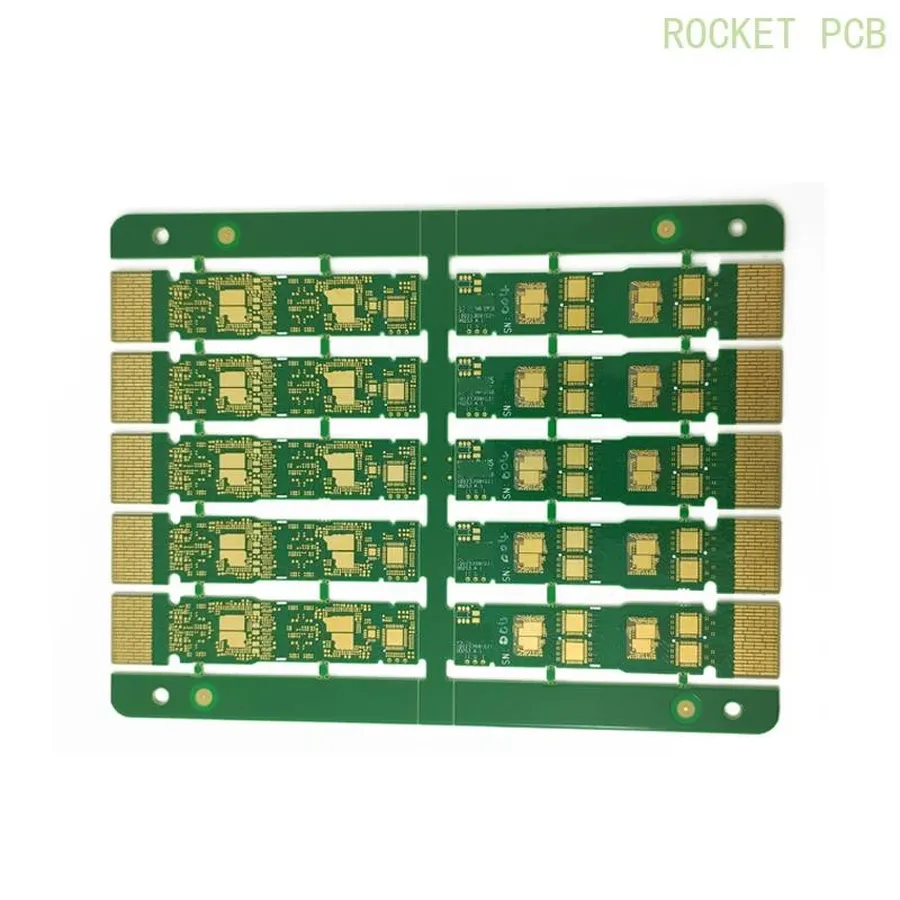
The surface finish applied to a Printed Circuit Board (PCB) is a critical factor that influences its performance, reliability, and ultimately, the electronic PCB board price. Different finishes offer varying levels of solderability, corrosion resistance, and cost. Selecting the appropriate surface finish is crucial for optimizing both the functionality and the budget of your electronic device.
| Surface Finish | Description | Advantages | Disadvantages | Cost Implication |
|---|---|---|---|---|
| HASL (Hot Air Solder Leveling) | A process where molten solder is applied to the board and then leveled using hot air knives. | Low cost, good solderability, widely available. | Uneven surface, not suitable for fine-pitch components, contains lead (in leaded version). | Low |
| ENIG (Electroless Nickel Immersion Gold) | A two-layer metallic finish that coats the copper with nickel and then with a thin layer of gold. | Excellent solderability, good surface planarity, long shelf life, suitable for fine-pitch components. | More expensive, can suffer from 'black pad' issues if not properly processed. | High |
| OSP (Organic Solderability Preservative) | An organic coating that protects the copper from oxidation and enhances solderability. | Low cost, good planarity, environmentally friendly. | Short shelf life, sensitive to handling, may require specific soldering parameters. | Low |
| Immersion Tin | A metallic finish that applies a layer of tin over the copper. | Good solderability, good planarity, lower cost than ENIG. | Tin whiskers may grow over time, affecting reliability, shorter shelf life than ENIG. | Medium |
| Immersion Silver | A metallic finish that deposits a thin layer of silver over the copper. | Excellent solderability, good planarity. | Can tarnish over time, and is sensitive to contaminants. | Medium |
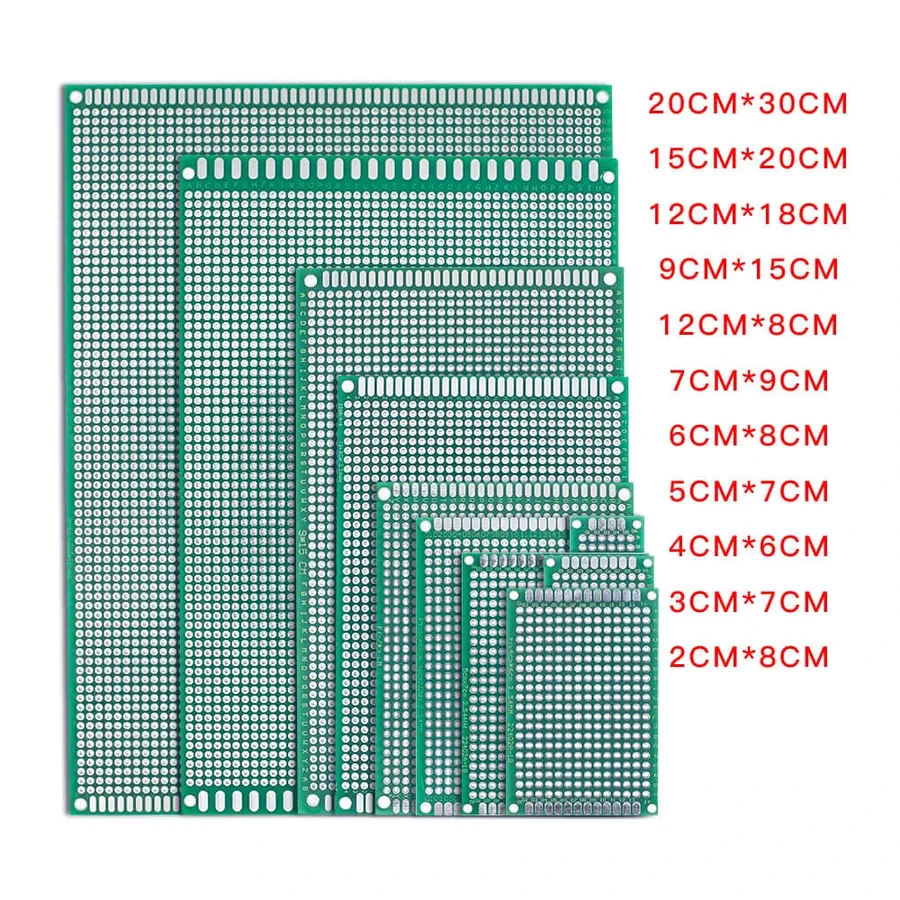
The physical dimensions of a Printed Circuit Board (PCB) are a crucial determinant of its cost, directly influencing material consumption and processing time. Typically measured in square inches or square centimeters, a larger PCB necessitates more raw materials, such as substrate, copper, and solder mask, thereby increasing the overall production expense. The relationship between PCB size and price is not always linear, as larger boards may also incur higher processing costs due to increased handling complexity and specialized tooling requirements.
| PCB Size (Square Inches) | Relative Material Cost | Relative Processing Cost | Potential Impact on Price |
|---|---|---|---|
| Up to 5 | Low | Low | Minimal |
| 5 - 25 | Medium | Medium | Moderate |
| 25 - 100 | High | Medium to High | Significant |
| Over 100 | Very High | High | Substantial |
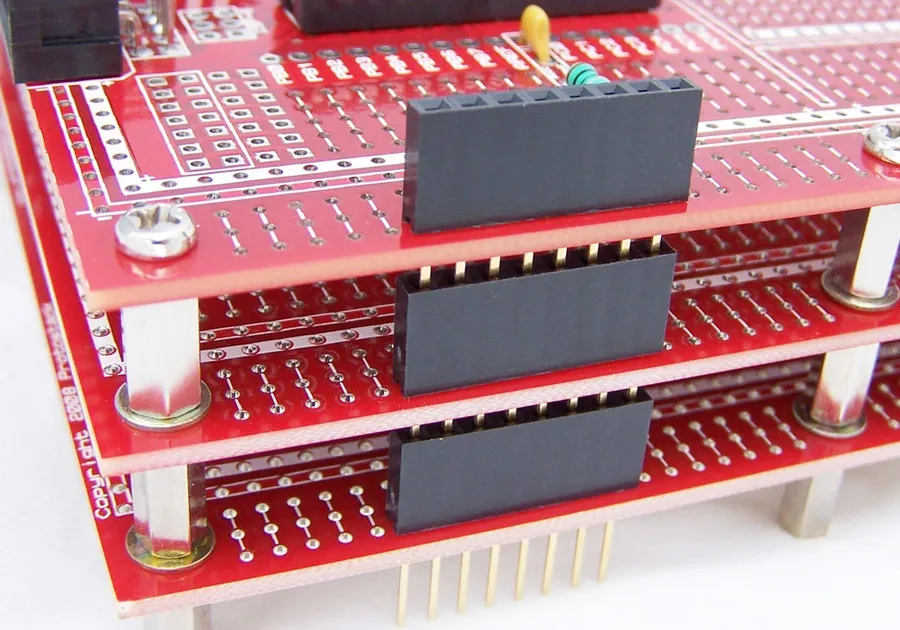
The quantity of PCBs ordered has a significant impact on the per-unit cost, primarily due to the principle of economies of scale. Larger production runs generally result in lower per-unit prices, while smaller runs, especially prototyping, tend to have higher costs. This variation is driven by the fixed costs associated with PCB manufacturing, which are spread across the total number of units produced.
| Order Volume | Typical Application | Per-Unit Cost | Considerations |
|---|---|---|---|
| Prototyping (1-10) | Initial design testing and validation | Highest | May involve additional setup fees, and quick turnaround times. |
| Small Batch (10-100) | Pilot runs, low-volume products | High to Moderate | Can be cost-effective for initial production, but still subject to higher per-unit costs. |
| Medium Batch (100-1000) | Moderate production runs, smaller scale product launches | Moderate to low | Better cost-efficiency due to economies of scale, ideal for early market entry. |
| Large Batch (1000+) | Mass production, high volume product needs | Lowest | Most cost effective due to optimized production, ideal for large scale deployments. |
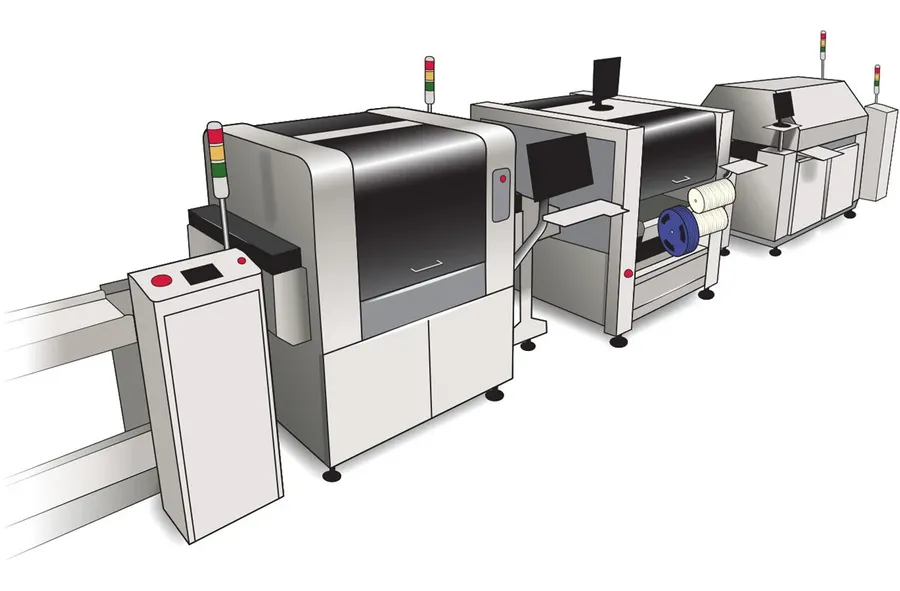
The total cost of an electronic PCB board extends beyond the bare board fabrication and includes the assembly process. PCB assembly involves the placement of electronic components onto the bare board, soldering these components to establish electrical connections, and conducting tests to ensure the functionality of the assembled board. Each of these steps introduces associated costs that contribute to the final electronic PCB board price.
Navigating the complexities of electronic PCB board pricing can be challenging. This section addresses common questions to provide clarity and practical guidance.
Securing the best price for electronic PCB boards involves strategic planning, informed decision-making, and a keen understanding of the factors influencing cost. This section provides actionable strategies to lower your electronic PCB board price.
Selecting the right PCB vendor is crucial for controlling costs and ensuring quality. This section provides a comparative overview of different vendors, pricing models, and service offerings, designed to assist you in making an informed decision that aligns with your budget and project requirements.
| Vendor | Pricing Model | Service Offerings | Lead Time | Minimum Order Quantity (MOQ) | Specialization | Typical Electronic PCB Board Price |
|---|---|---|---|---|---|---|
| Vendor A | Tiered Pricing (based on quantity and complexity) | Prototyping, small-batch production, large-scale manufacturing | 1-3 weeks | 1-5 pieces for prototype; 100+ for bulk production | Specializes in high-layer count PCBs | Variable, with prototypes starting from $50 and bulk orders being $0.50 - $5 per board |
| Vendor B | Fixed Price per Board (for standard designs) | Quick-turn PCB fabrication, standard assembly services | 1-2 weeks | MOQ 5 pieces | Good for simple and standard PCBs | Standard designs from $2 to $8 per board, depending on board size |
| Vendor C | Quote-Based Pricing | Complex PCB fabrication, advanced assembly, design consultation | 2-4 weeks | 1 piece for complex prototypes, 50+ for bulk orders | Focus on complex designs, high reliability requirements | Complex designs and assemblies can range from $10 to $50+ per board |
| Vendor D | Subscription Based Pricing | PCB design, PCB fabrication, quick turn assembly | 1 week | 1 piece | Focus on rapid prototyping | subscription plans begin at $99 for a small number of simple designs, complex designs and assemblies can range from $5 to $20 per board |
**Notes:** * **Pricing Model:** Tiered pricing involves reduced per-unit cost with higher order quantities; Fixed price per board is straightforward with little flexibility for customizations or complexity; Quote-based pricing is suitable for more complex designs and assemblies, where costs are dependent on the specifications. * **Service Offerings:** Vendors may offer services ranging from prototyping to mass production. * **Lead Time:** The lead time varies from a week for basic PCBs up to 4 weeks for complex assemblies. * **Minimum Order Quantity:** MOQs can range from one for prototyping to hundreds or thousands for larger production runs. * **Specialization:** Vendors often specialize in types of PCBs. Some focus on high layer count, complex designs while others focus on standard, simple PCB's. * **Electronic PCB Board Price:** This price is a guideline. It is highly dependent on the board complexity, layer count, and surface finish.
Understanding electronic PCB board price involves navigating a complex web of factors, from material choices to manufacturing volume. By taking into account the key elements discussed in this article and performing a thorough cost-benefit analysis, you can make informed decisions that ensure your project's success while optimizing your budget. As technology advances, so too will PCB fabrication and pricing, making it an essential area of ongoing learning for engineers, makers, and businesses.

