In the realm of electronics, components like fixed capacitors quietly enable the technology we rely on every day, from smartphones to industrial equipment. Unlike adjustable capacitors, a fixed capacitor maintains a constant capacitance value. This article dives into the specifics of fixed capacitors, exploring their types, functions, and why they're a staple in circuit design.
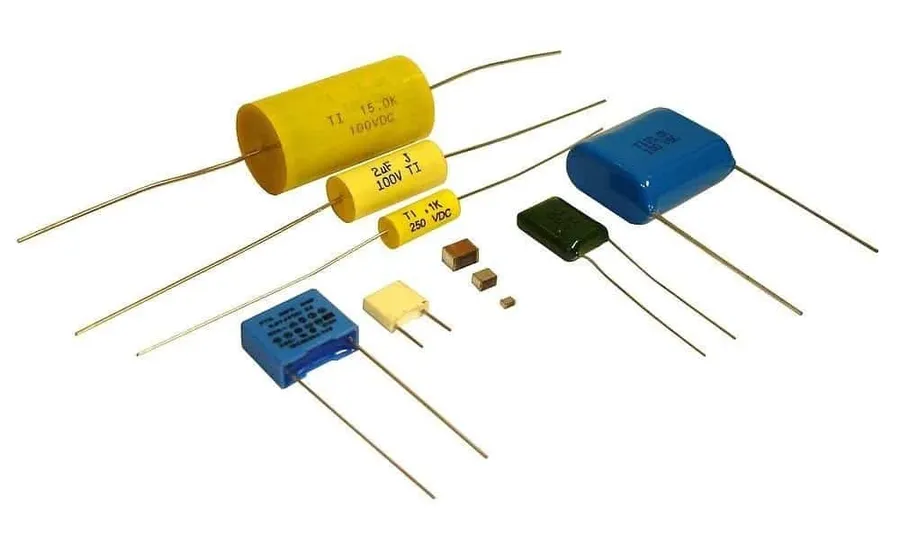
A fixed capacitor is a fundamental electronic component characterized by its unchanging capacitance, which is the measure of its ability to store electrical charge. Unlike variable capacitors, a fixed capacitor's capacitance value is predetermined during manufacturing and remains constant under normal operating conditions. Its primary function is to store electrical energy in an electric field, acting as a miniature battery but releasing energy much more rapidly.
Ceramic capacitors are a ubiquitous type of fixed capacitor, distinguished by their use of ceramic materials as the dielectric. These capacitors are favored for their compact size, cost-effectiveness, and versatility in a wide range of electronic applications.
Their construction typically involves alternating layers of ceramic dielectric and conductive electrodes. The specific ceramic material dictates the capacitor's temperature coefficient, voltage coefficient, and overall performance. These variations enable the application of ceramic capacitors in diverse applications.
| Feature | Description |
|---|---|
| Dielectric Material | Ceramic |
| Capacitance Range | Generally low to medium (pF to μF) |
| Voltage Rating | Low to high (depending on type) |
| Polarity | Non-polarized |
| Advantages | Small size, low cost, high temperature stability (certain types), low ESR and ESL |
| Disadvantages | Lower capacitance compared to electrolytic capacitors, capacitance changes with temperature and voltage (certain types), can be microphonic |
| Typical Applications | Bypassing, decoupling, filtering, timing |
Ceramic capacitors are commonly classified into two main categories based on their temperature characteristics: Class 1 and Class 2. Class 1 capacitors, such as those made from NP0/C0G materials, are known for their high stability, with minimal changes in capacitance over temperature and voltage, making them suitable for precision timing and filter circuits. Class 2 capacitors, like X7R and Y5V types, offer higher capacitance values but are more sensitive to temperature and voltage variations, making them suitable for bypass and decoupling applications where precision is less critical.
In essence, ceramic capacitors provide a robust, cost effective, and versatile solution for a range of electronic circuits. Their selection should be based on factors like capacitance, operating temperature, and stability requirements to best serve a given application.
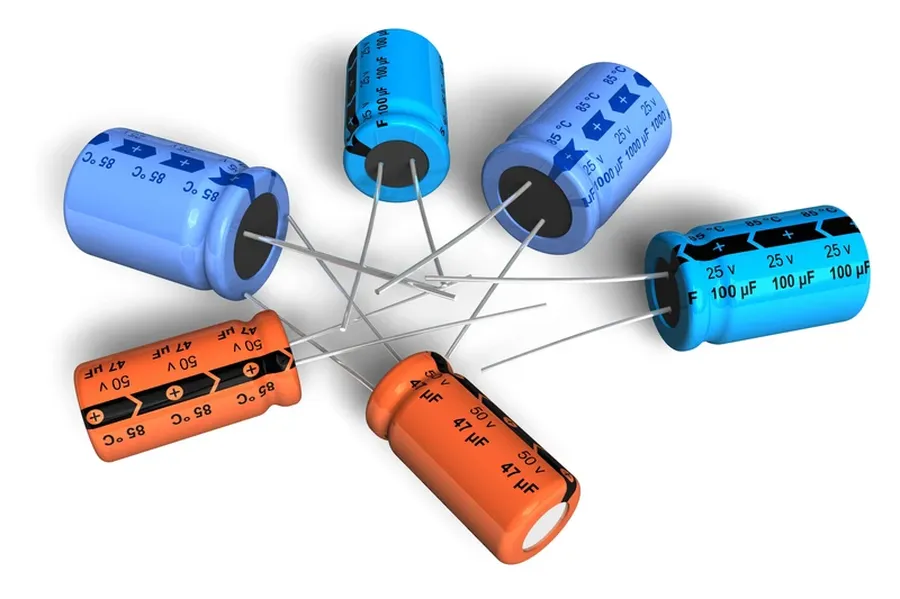
Fixed capacitors, characterized by their unchangeable capacitance, are available in a variety of types, each with unique properties, advantages, and disadvantages that determine their suitability for different applications. The primary types include ceramic, electrolytic, film, and tantalum capacitors. Understanding these differences is crucial for selecting the correct component for a given electronic circuit design.
| Capacitor Type | Key Properties | Typical Applications | Pros | Cons |
|---|---|---|---|---|
| Ceramic | Non-polarized, small size, low cost | Bypass, decoupling, filtering | Small, inexpensive, good high-frequency performance | Temperature sensitivity, lower capacitance range |
| Electrolytic | Polarized, high capacitance | Power supply filtering, energy storage | High capacitance, low cost | Polarized, limited lifespan, high ESR |
| Film | Non-polarized, good stability, good accuracy | Audio circuits, high-precision applications | Stable, accurate, good temperature coefficient | Larger size, higher cost |
| Tantalum | Polarized, compact size, good performance in high temperature | Portable electronics, high-reliability applications | Small, good temperature stability, high-reliability | Expensive, failure mode of short circuit, polarized |
Ceramic capacitors are widely used due to their compact size, cost-effectiveness, and good performance at high frequencies. These non-polarized capacitors use a ceramic material as the dielectric and are available in various dielectric classes (e.g., NP0/C0G, X7R, Y5V), each with different temperature and voltage characteristics. They are commonly used for bypass, decoupling, and filtering applications where high capacitance values are not required and their temperature sensitivity can be tolerated.
Electrolytic capacitors are known for their high capacitance capabilities, typically achieved by using a liquid or gel electrolyte as one of the electrodes. They are characterized by their polarized nature, meaning that they must be connected with the correct polarity to avoid damage. Common applications include power supply filtering and energy storage, where high capacitance values are needed, despite their higher equivalent series resistance (ESR) and shorter lifespan compared to other types of capacitors.
Film capacitors are valued for their robustness and stability across a broad range of frequencies. These capacitors use a thin plastic film as the dielectric material, which can be made of various polymers like polyester (PET), polypropylene (PP), or polyethylene terephthalate (PET). They exhibit excellent stability, low losses, and good temperature coefficients. They are often used in audio circuits, high-precision applications, and power electronics where long-term reliability is crucial.
Tantalum capacitors are a type of electrolytic capacitor known for their small size and good performance in high-temperature environments. They are manufactured using tantalum powder and are characterized by their high volumetric efficiency, which allows for relatively high capacitance values in a compact package. While tantalum capacitors offer excellent performance, they are generally more expensive and have a failure mode of short-circuit, and like electrolytic capacitors, they are polarized devices.
Electrolytic capacitors are a class of fixed capacitors distinguished by their high capacitance values, which are achieved through a specialized construction. They are characterized by their use of an electrolyte, either liquid or solid, to form one of the capacitor's electrodes. This design allows for a very thin dielectric layer, leading to significantly higher capacitance in a smaller package compared to other fixed capacitor types. However, electrolytic capacitors are inherently polarized, meaning they must be connected with the correct polarity in a circuit, which is a critical consideration in their application.
| Feature | Description |
|---|---|
| Capacitance Range | Very high, typically from microfarads to farads. |
| Polarization | Polarized, requiring correct polarity connection. |
| Electrolyte Type | Liquid or solid, influencing performance and lifespan. |
| Size | Relatively small considering high capacitance. |
| Voltage Rating | Limited, specific to capacitor design. |
| Frequency Response | Not ideal for high-frequency applications. |
| Applications | Power supply filtering, decoupling, energy storage. |
The use of an electrolyte provides the high capacitance, but also introduces limitations such as leakage current and finite lifespan. Electrolytic capacitors are commonly found in power supply circuits, where they function in filtering and smoothing applications, utilizing their high energy storage capabilities.
Film capacitors are a robust type of fixed capacitor, characterized by their use of a thin plastic film as the dielectric material. This construction imparts excellent stability, allowing them to operate reliably across a wide range of frequencies and temperatures. Their low ESR (Equivalent Series Resistance) and high insulation resistance make them suitable for demanding applications requiring stable and reliable performance.
| Property | Description |
|---|---|
| Dielectric Material | Thin plastic film (e.g., polyester, polypropylene, polystyrene) |
| Frequency Range | Wide, suitable for high-frequency applications |
| Stability | Excellent over a wide range of temperatures and frequencies |
| Equivalent Series Resistance (ESR) | Low |
| Insulation Resistance | High |
| Common Applications | High-frequency circuits, power supplies, audio equipment, filtering, and timing circuits |
| Pros | High stability, low ESR, high insulation resistance, self-healing properties |
| Cons | Can be larger and more expensive compared to other types such as ceramic capacitors |
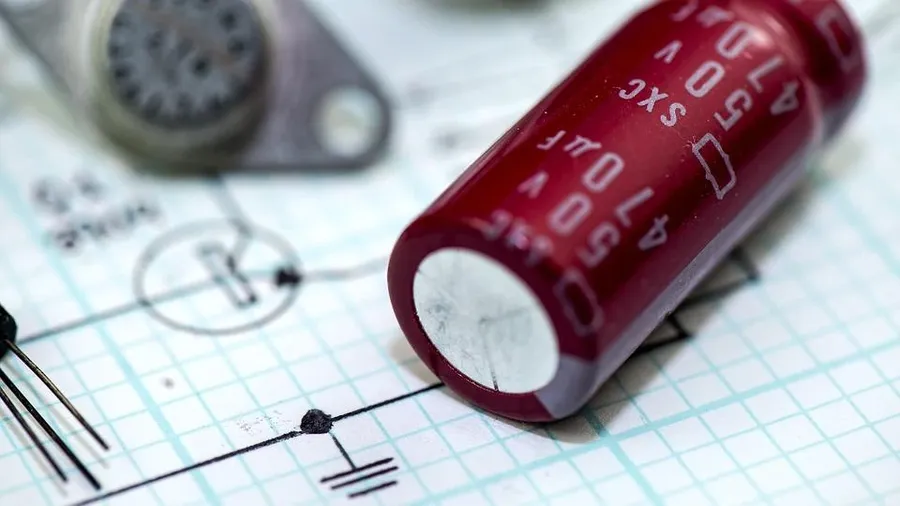
Fixed and variable capacitors serve distinct roles in electronic circuits, differentiated primarily by their capacitance adjustability. Fixed capacitors, as their name implies, possess a predetermined and unchangeable capacitance value, while variable capacitors allow for manual or electronic adjustment of their capacitance. This fundamental difference dictates their applications and suitability for various circuit functionalities.
| Feature | Fixed Capacitor | Variable Capacitor |
|---|---|---|
| Capacitance | Predetermined, Unchangeable | Adjustable, Tunable |
| Adjustability | None | Manual or Electronic |
| Typical Applications | Filtering, smoothing, energy storage, coupling, decoupling, timing | Tuning circuits (e.g. radio), impedance matching, sensor applications, trim circuits |
| Symbol | Two parallel lines (or curved line for polarized) | Two parallel lines with an arrow through them (or curved line for polarized with an arrow) |
| Stability | High | Lower (susceptible to mechanical and environmental changes) |
The choice between fixed and variable capacitors hinges on the specific requirements of the application. Fixed capacitors are preferred for their reliability, stability, and cost-effectiveness in general-purpose circuit designs. Variable capacitors, with their tunable capacitance, are necessary for circuits where dynamic adjustment is required, such as tuning into specific radio frequencies or impedance matching. The symbolic representation of these capacitors in circuit diagrams further distinguishes them, aiding in clear schematic interpretation.
Tantalum capacitors are a type of electrolytic capacitor distinguished by their use of tantalum metal as the anode. These capacitors are favored for their compact size and reliable performance, particularly in environments with elevated temperatures, making them well-suited for applications where space is a premium and stability is crucial.
| Property | Description |
|---|---|
| Size | Very small, ideal for compact designs |
| Capacitance Range | Medium range, suitable for applications needing moderate to high capacitance |
| Polarity | Polarized, requires correct orientation in circuits |
| Temperature Stability | Excellent, performs well in high-temperature environments |
| ESR | Low, beneficial for high-frequency applications |
| Cost | Typically more expensive than ceramic or electrolytic capacitors |
| Typical Uses | Used where small size and temperature stability is important, such as in aerospace, medical, and portable electronics |
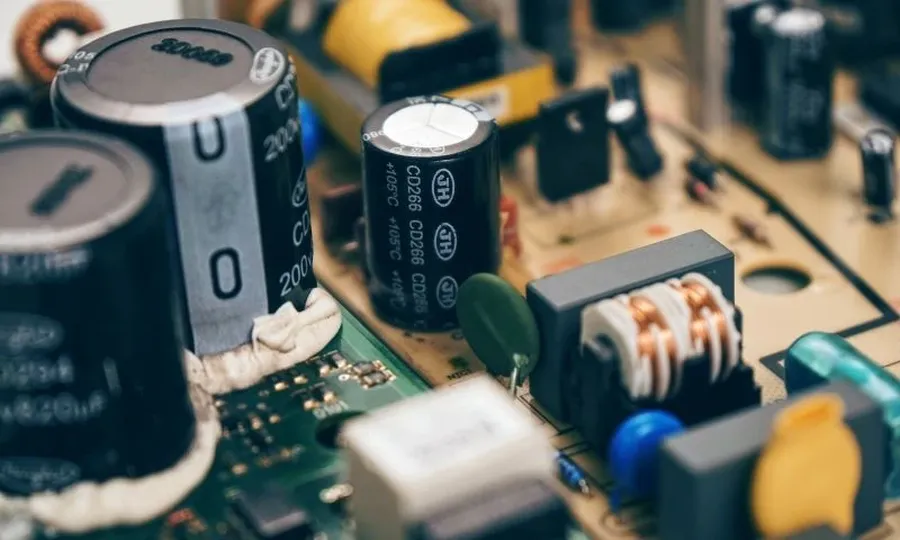
Fixed capacitors, characterized by their unchanging capacitance, are fundamental components in electronic circuits, performing crucial roles in filtering, smoothing, energy storage, and timing. Their consistent behavior makes them indispensable in a wide array of applications.
Fixed capacitors, while fundamental components in electronic circuits, present a set of inherent advantages and disadvantages that must be considered during design and implementation. Their non-adjustable capacitance makes them ideal for certain applications but less suitable for others.
| Aspect | Advantages | Disadvantages |
|---|---|---|
| Capacitance | Stable and reliable capacitance values over time and temperature | Fixed capacitance; cannot be adjusted to meet variable circuit needs |
| Reliability | Generally high reliability and long operational lifespan if used within specifications | Can fail catastrophically if over-voltaged or used outside their temperature range. |
| Cost | Typically cost-effective for mass production. | High-precision or high-temperature variants may have higher costs. |
| Size and Shape | Available in a range of sizes and mounting styles to suit different applications. | Can be bulky in some high-capacitance cases (particularly electrolytic capacitors). |
| Operational Flexibility | Excellent for many common applications including decoupling, filtering, timing and energy storage. | Not suitable for applications requiring fine-tuning or variable capacitance, requires the use of variable capacitor for some applications |
The specific application dictates whether the advantages of fixed capacitors outweigh their disadvantages. For example, while their stability and reliability are crucial in applications like filtering and energy storage in power supplies, the inability to adjust capacitance can be a limitation in tunable circuits, requiring the use of a variable capacitor. Therefore, a careful evaluation of circuit requirements is essential before selecting a specific type of fixed capacitor.
This section addresses common questions about fixed capacitors, providing concise answers to enhance understanding of their applications, differences from variable capacitors, types, and limitations.
Selecting the appropriate fixed capacitor for a circuit is crucial for optimal performance and reliability. This process involves carefully considering several key parameters, including capacitance, voltage rating, tolerance, temperature coefficient, and the specific application requirements.
| Parameter | Description | Importance |
|---|---|---|
| Capacitance | The amount of charge a capacitor can store, measured in Farads (F). Common units include microfarads (µF), nanofarads (nF), and picofarads (pF). | Must match the circuit's needs. Incorrect capacitance can lead to circuit malfunction, such as timing errors, poor filtering, or signal distortion. |
| Voltage Rating | The maximum voltage that can be safely applied across the capacitor's terminals. Exceeding this limit can cause insulation breakdown and permanent damage. | Critical for safety and component longevity. The applied voltage must not exceed the capacitor's rating, accounting for any voltage spikes. |
| Tolerance | The permissible deviation of the actual capacitance from its stated value, usually expressed as a percentage. | Impacts circuit precision. Lower tolerance means more accurate performance, especially for timing circuits, or circuits with tight operational windows. |
| Temperature Coefficient | Describes how the capacitance changes with temperature variations. Typically expressed in parts per million per degree Celsius (ppm/°C). | Important for applications where temperature varies widely, like in automotive or industrial applications. Capacitors with low temperature coefficients ensure minimal change in performance across these temperature ranges. |
| Type (Ceramic, Electrolytic, Film, Tantalum) | Each type exhibits unique properties affecting frequency response, size, and cost, that effect which applications each type is best suited to. | Choosing the right type is essential for optimal performance and cost-effectiveness. Each type has its strengths and weaknesses. For example, ceramic capacitors excel in high-frequency applications, and electrolytic capacitors are known for their large capacitance. |
Beyond the above, consider the physical size constraints of the capacitor as dictated by the application, ensuring it fits within the available space on the circuit board and other application-specific requirements like operating frequency, and expected service life.
Fixed capacitors are indispensable in electronics due to their reliability, variety, and low cost. Their unchangeable capacitance provides stability in circuit design. Understanding their types, characteristics, and applications is key to effectively utilizing them for filtering, smoothing, or energy storage tasks. As technology continues to advance, fixed capacitors will remain a crucial part of the electronic world.

