In our technology-driven world, integrated circuit (IC) components are the unsung heroes behind every gadget we use daily. From smartphones to supercomputers, these tiny marvels of engineering are crucial for processing information and controlling electronic functions. Understanding the architecture and applications of IC components not only sheds light on their crucial role in modern technology but also opens our eyes to the innovative engineering that powers our lives. This article will guide you through the essential aspects of IC components, exploring their fundamental structure, diverse types, and their significance in various technological domains.
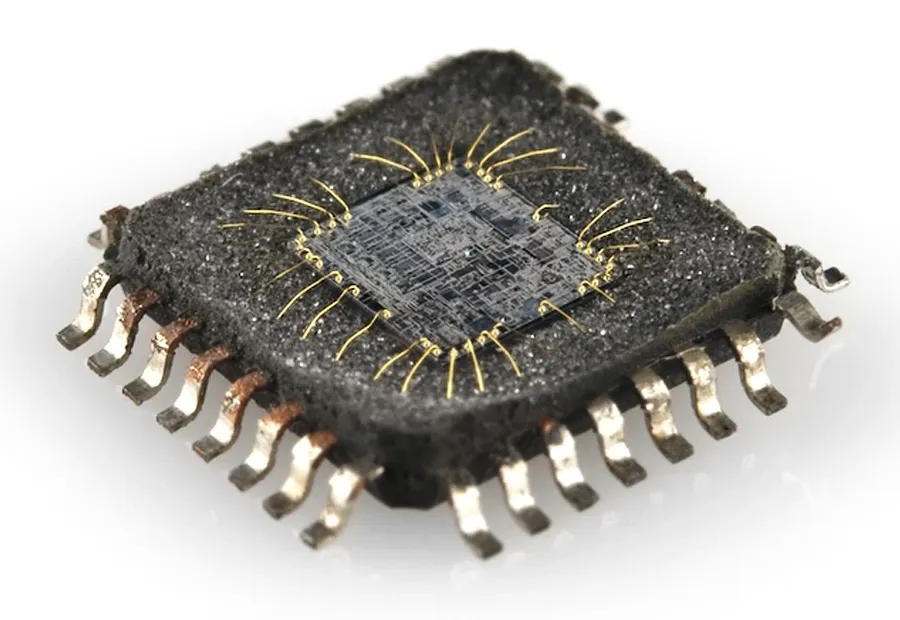
Integrated Circuits (ICs), often referred to as microchips or chips, are the cornerstone of modern electronics. They are miniature electronic devices fabricated on a single semiconductor substrate, typically silicon. ICs integrate numerous interconnected electronic components, such as transistors, resistors, and capacitors, within a compact space, enabling complex functionalities in a small package.
The primary role of ICs is to perform a wide variety of electronic functions, ranging from simple logic operations to complex data processing and signal manipulation. The integration of multiple components onto a single chip significantly reduces the size, weight, and cost of electronic devices, while also improving their performance and reliability. The key to their functionality lies in the precise arrangement and interconnection of the basic electronic components within the IC, which are designed to achieve specific circuit behaviors.
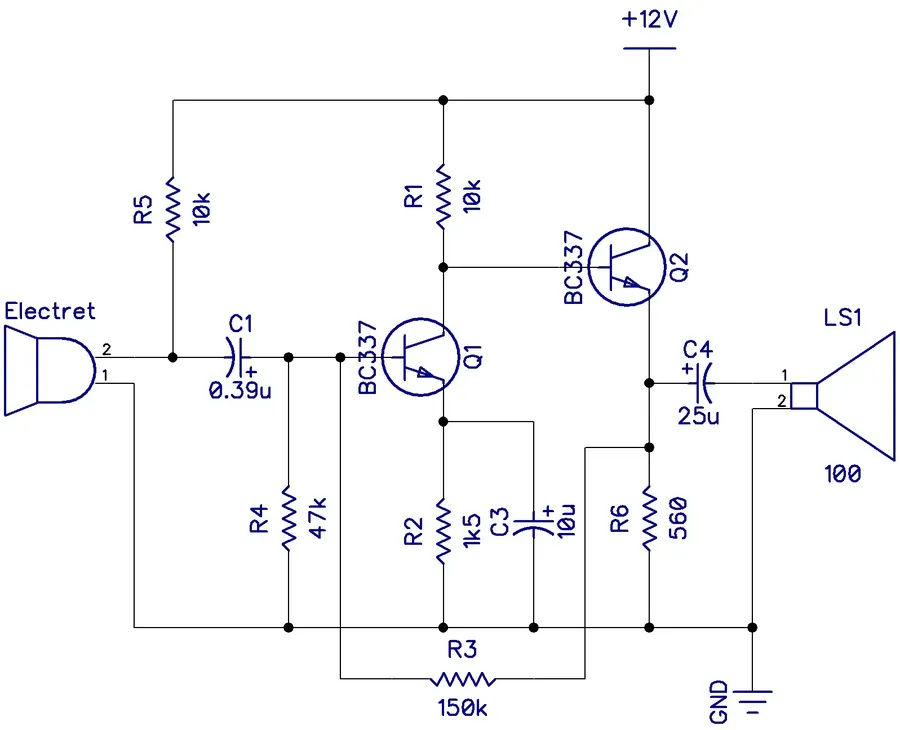
Integrated circuits (ICs) are composed of fundamental building blocks, each playing a crucial role in the overall functionality of the device. These components, fabricated on a single semiconductor substrate, work in concert to execute complex electronic operations. The core components include transistors, diodes, resistors, and capacitors, each manufactured through a precise and intricate process.
| Component | Description | Function in IC | Types |
|---|---|---|---|
| Transistors | Semiconductor devices used to amplify or switch electronic signals and electrical power. | Act as switches or amplifiers; crucial for digital and analog circuit functions. | Bipolar Junction Transistors (BJT), Metal-Oxide-Semiconductor Field-Effect Transistors (MOSFET) |
| Diodes | Semiconductor devices that allow current to flow primarily in one direction. | Used for rectification, signal modulation, and voltage regulation. | PN Junction Diodes, Schottky Diodes, Zener Diodes |
| Resistors | Passive two-terminal electrical components that implement electrical resistance as a circuit element. | Control current flow and set voltage levels. | Film resistors, Wirewound resistors, variable resistors |
| Capacitors | Passive two-terminal electrical components that store energy in an electric field. | Store energy, filter signals, and stabilize circuits. | Ceramic capacitors, Electrolytic capacitors, Film capacitors |
These components are not simply discrete entities within an IC. They are interconnected through highly precise lithographic processes and conductive materials, forming intricate circuits capable of performing a wide range of operations. The fabrication involves layering materials on a semiconductor substrate and precise etching techniques.
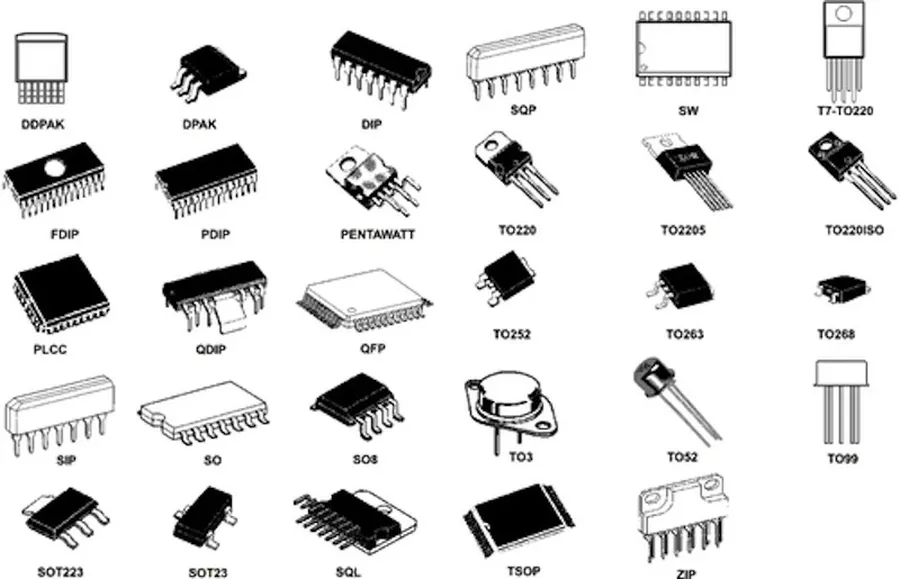
Integrated circuits (ICs) are broadly categorized based on their function and application, falling into three primary types: digital, analog, and mixed-signal. Each type is designed for specific signal processing tasks, making them essential across various electronic devices and systems.
| IC Type | Description | Examples | Typical Applications |
|---|---|---|---|
| Digital ICs | These ICs process digital signals representing discrete values (0s and 1s). They perform logical operations and data processing. | Logic gates (AND, OR, NOT), microprocessors, memory (RAM, ROM) | Computers, digital devices, embedded systems |
| Analog ICs | These ICs process continuous analog signals, which can take any value within a defined range. They are used for signal amplification and manipulation. | Operational amplifiers (op-amps), voltage regulators, sensors | Audio equipment, signal conditioning circuits, power supplies |
| Mixed-Signal ICs | These ICs integrate both analog and digital circuits on a single chip, combining the processing of continuous and discrete signals. | Analog-to-digital converters (ADCs), digital-to-analog converters (DACs), data acquisition systems | Communication systems, modern electronics, industrial control |
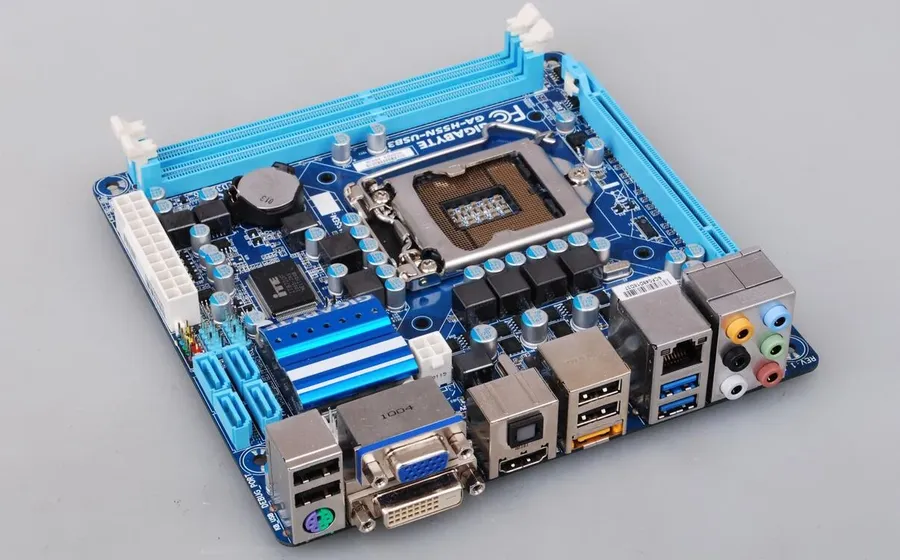
Integrated circuits (ICs) are the bedrock of modern electronics, performing a multitude of critical functions that enable today's technologies. These functions span from processing complex data to managing power, amplifying weak signals, and facilitating seamless communication. The pervasiveness of ICs is due to their compact size, high performance, and energy efficiency, which make them essential for a wide array of applications.
| Function | Description | Example Applications |
|---|---|---|
| Data Processing | Executing instructions, performing calculations, and managing data flow within systems. | Microprocessors in computers, smartphones, and embedded systems. ASICs in specialized computing devices. |
| Signal Amplification | Increasing the power of weak electrical signals to make them usable by other circuit components. | Operational amplifiers (op-amps) in audio equipment, sensor interfaces, and communication systems. |
| Power Management | Regulating and converting electrical power to ensure efficient and safe operation of electronic devices. | Voltage regulators in power supplies, battery management systems in portable devices, and DC-DC converters. |
| Communication | Enabling the transmission and reception of data between devices wirelessly or through wired networks. | Transceivers in smartphones, Wi-Fi modules in laptops, and Ethernet controllers in networking equipment. |
The significance of ICs extends beyond simple electronic devices. They are crucial to complex systems like aerospace vehicles, medical diagnostic equipment, and industrial control systems. For example, microcontrollers manage the flight control systems of aircraft, and medical imaging devices rely on specialized signal processing ICs. The continued advancement of IC technology is directly linked to ongoing innovations across multiple sectors.
This section addresses common questions regarding integrated circuit (IC) components, clarifying their composition, materials, key components, applications, and contribution to miniaturization, providing essential insights for users seeking a deeper understanding of IC technology.
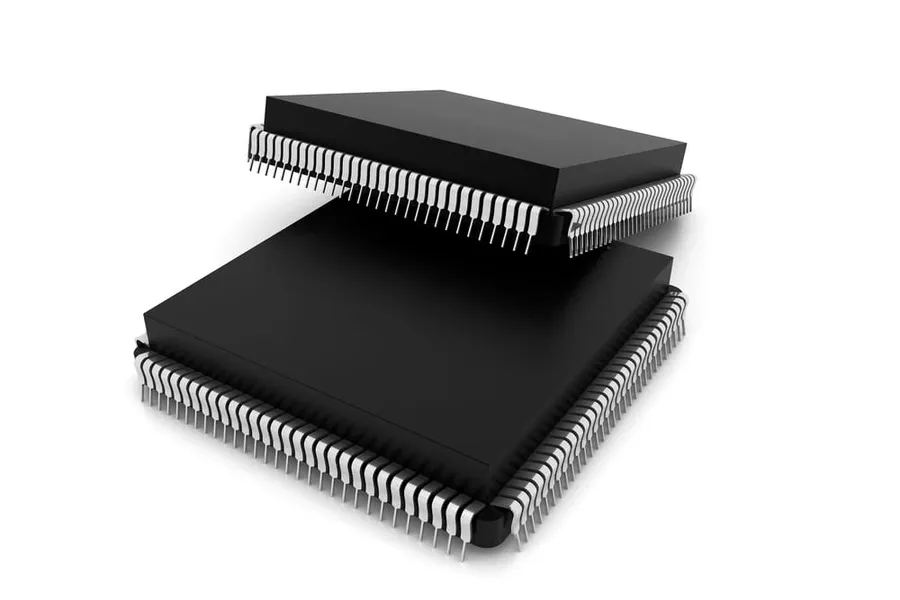
Integrated Circuit (IC) packaging is a critical step in the manufacturing process, serving not only to protect the delicate silicon die but also to provide a standardized method for electrical connection to external circuitry. The packaging material and design significantly impact the IC's performance, reliability, and thermal management.
The assembly process encompasses die attachment to the package substrate, wire bonding to create electrical paths, encapsulation to safeguard against environmental factors, and finally, lead finishing to prepare for board-level soldering.
| Package Type | Description | Typical Applications | Advantages | Disadvantages |
|---|---|---|---|---|
| DIP (Dual In-line Package) | Through-hole package with two rows of pins. | Prototyping, hobbyist projects | Easy to handle, suitable for breadboarding | Large size, not suitable for high-density applications |
| SOIC (Small Outline Integrated Circuit) | Surface-mount package with gull-wing leads. | General-purpose electronics, consumer devices | Smaller than DIP, suitable for automated assembly | Requires reflow soldering |
| QFP (Quad Flat Package) | Surface-mount package with leads on all four sides. | Complex electronics, microcontrollers | Higher pin count than SOIC | Requires precise alignment during soldering |
| BGA (Ball Grid Array) | Surface-mount package with solder balls on the underside. | High-density electronics, processors | High pin count, excellent thermal performance | Difficult to inspect and rework |
The choice of package type is influenced by factors such as the number of input/output pins, operating environment, power dissipation requirements, cost constraints, and manufacturing methods.
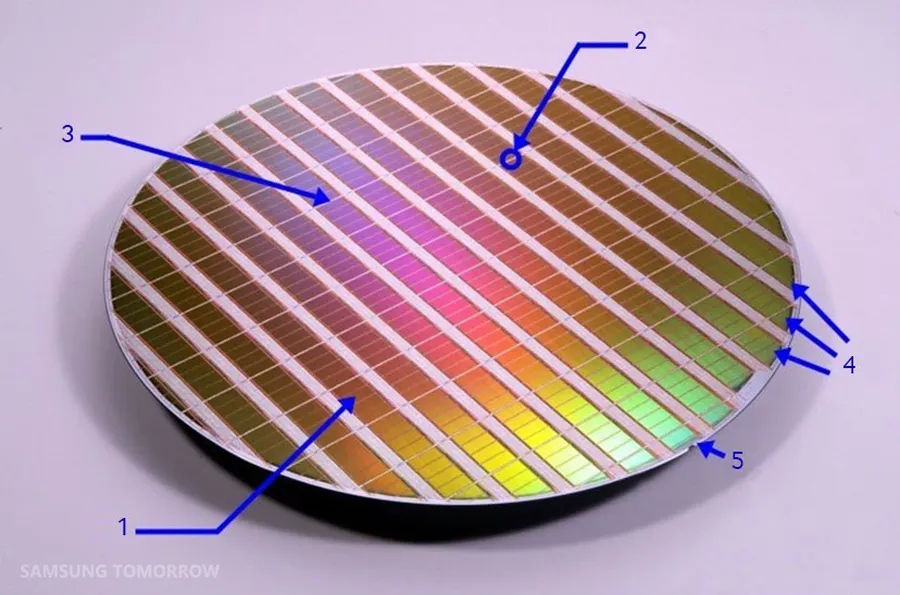
The journey of integrated circuits (ICs) is a testament to human ingenuity, starting from bulky, discrete components to incredibly powerful and miniature devices. This section traces the key milestones in IC development and explores the cutting-edge trends shaping their future.
The history of ICs began with the invention of the transistor in the late 1940s, which led to the first IC in the late 1950s. Early ICs were limited in functionality, containing just a few transistors on a single chip. The '60s and '70s saw remarkable advances in fabrication techniques, giving rise to large-scale integration (LSI) and then very-large-scale integration (VLSI). This development enabled the creation of more complex and functional circuits such as microprocessors, memory chips, and application specific ICs, setting the foundation for modern electronics.
Looking ahead, several exciting trends are poised to transform IC technology further. Nanotechnology will likely play a crucial role, allowing for the creation of even smaller and more energy-efficient devices. Three-dimensional (3D) stacking of IC layers is another important area of development, promising increased functionality in a smaller footprint. Furthermore, the integration of artificial intelligence (AI) into ICs is expected to enable the design of intelligent and adaptive systems. Other advancements include the use of new materials, improved power management, and enhanced communication capabilities. The future of IC technology looks very promising, with potential to enable countless new applications and further enhance the capabilities of existing technologies.
| Era | Key Development | Impact |
|---|---|---|
| Late 1940s | Invention of the Transistor | Foundation for solid-state electronics |
| Late 1950s | First Integrated Circuit | Integration of multiple components on a single chip |
| 1960s-1970s | LSI and VLSI | Complex ICs like microprocessors and memory chips |
| Present | Nanotechnology, 3D Stacking, AI Integration | Smaller, faster, and more powerful ICs with AI capabilities |
| Future | Quantum Computing Integration | Potentially exponentially faster computing capabilities |
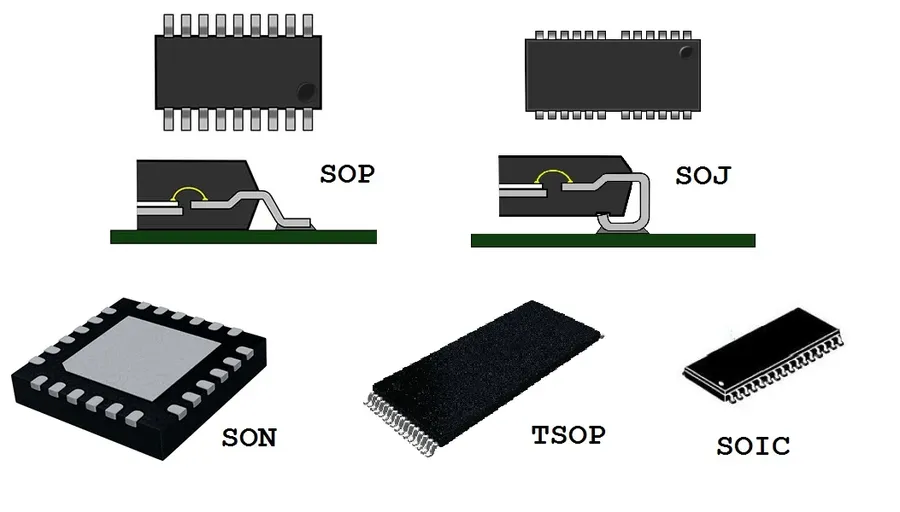
Selecting the appropriate IC component is crucial for the success of any electronic project. This decision hinges on a thorough understanding of the project's specific needs and the capabilities of available ICs. Proper component selection ensures optimal performance, reliability, and cost-effectiveness.
Several factors must be carefully considered when choosing an IC:
Where to Purchase IC Components: Numerous vendors supply IC components, each offering various pricing, lead times, and customer service levels. Here are a few typical purchasing options:
By carefully evaluating the factors outlined above, engineers can select the best ICs for their specific designs, promoting efficient, reliable, and cost-effective electronic products.
Effective troubleshooting and testing are crucial for ensuring the proper functionality of integrated circuits (ICs). This section outlines basic techniques, common issues, and essential testing methods, while emphasizing safety precautions to avoid damage to components or injury.
| Common Issue | Possible Cause | Troubleshooting Steps |
|---|---|---|
| IC Not Functioning | Incorrect Power Supply, Damaged IC, Incorrect Connections | Verify power supply, replace IC, double check connections. |
| Signal Distortion | Faulty IC, Overload, External Interference | Replace IC, reduce load, improve circuit shielding. |
| Overheating | Excessive Current Draw, Short Circuit, Improper Heat Dissipation | Check power supply limits, look for shorts, improve heat sink. |
| Open Connections | Solder joint failures, IC damage | Reflow the solder joint, replace IC. |
| Short Circuit | Solder bridging, IC damage, incorrect connections | Check for solder bridges, replace IC, review schematic. |
When handling and testing ICs, it's important to take precautions. Ensure ESD (Electrostatic Discharge) safety when touching or handling ICs. Always use ESD-safe tools and ground yourself before handling components. Review data sheets to understand the specifications of specific components. Always handle with care to avoid physical damage. Follow established safety protocols to avoid harm.
IC components stand as cornerstones of modern technology, enabling devices that simplify and enrich our lives. From basic transistors to sophisticated microprocessors, the evolution of integrated circuit technology is continuous. With an ever-increasing demand for more efficient, compact, and powerful electronics, IC components will continue to be at the forefront of technological development. By understanding their principles and functions, we not only appreciate their impact but also position ourselves to engage more deeply with future innovations in electronics. As technology continues to advance, the future of IC components promises greater integration, enhanced functionalities, and a more seamless interplay with our digital world.

