From powering our smartphones to industrial machinery, transformers are crucial components, with PCB transformers being particularly vital in circuit boards. The price of these tiny yet powerful components varies significantly based on several factors. Let's explore what influences the cost of a PCB transformer, where you can find them, and how to choose the right one for your application.
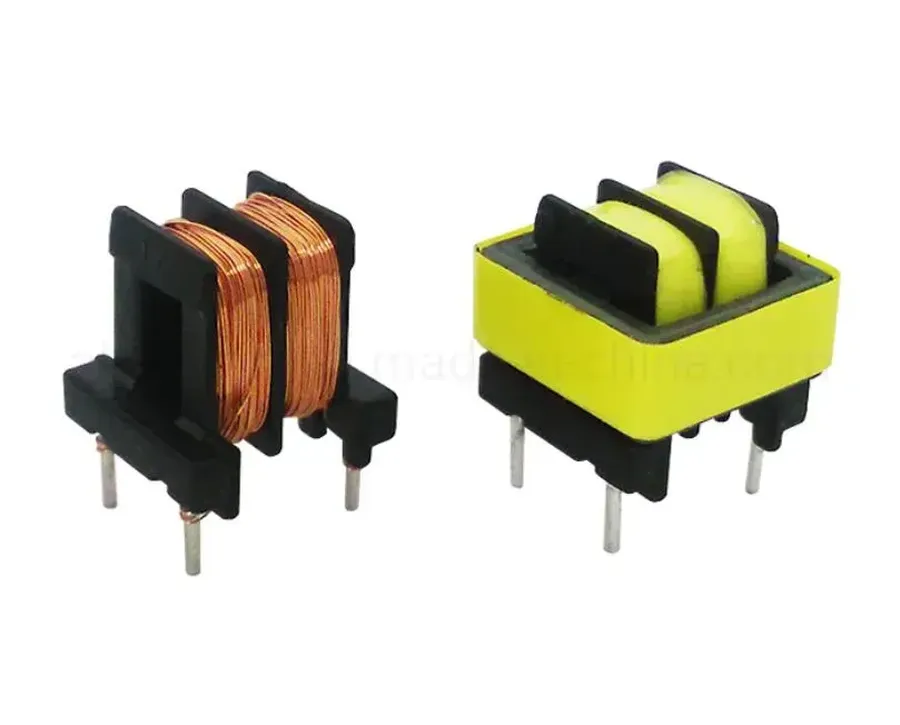
A Printed Circuit Board (PCB) transformer is a specialized type of transformer engineered for direct integration onto a circuit board. Typically smaller and designed for lower power applications compared to traditional transformers, they are available in a variety of shapes, sizes, and core materials, each tailored to meet specific functional requirements. Their integration directly onto PCBs simplifies the design, manufacturing and assembly processes.
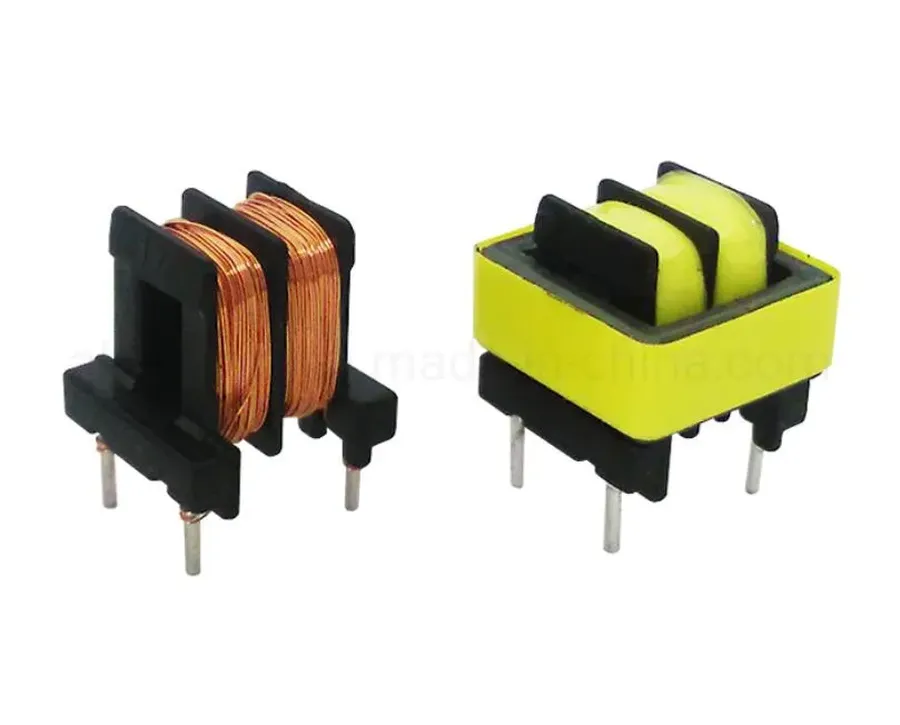
The price of a PCB transformer is determined by a multitude of interconnected factors, spanning material composition, performance specifications, and regulatory requirements. Understanding these elements is crucial for accurately assessing and comparing costs.
| Factor | Description | Impact on Price |
|---|---|---|
| Core Material | Ferrite, laminated steel, amorphous metal, etc. | Ferrite is generally more cost-effective than materials with higher permeability or lower core losses (e.g. amorphous metal), which increase price. |
| Winding Material | Copper or aluminum. | Copper, with higher conductivity, often leads to better efficiency but can be more expensive than aluminum. |
| Turns Ratio | Ratio of primary to secondary windings. | More complex turns ratios that require more precise winding techniques can slightly increase the price. |
| Power Rating | The power handling capability of the transformer. | Higher power transformers necessitate larger cores, more winding material, and higher insulation requirements which increase the cost. |
| Insulation Class | Specifies the temperature rating of the insulation material. | Higher temperature insulation materials are usually more expensive, increasing price for more robust units. |
| Safety Certifications | Compliance with standards like UL, CSA, CE, etc. | Transformers with more stringent safety certifications undergo more testing and quality controls, leading to a higher price. |
| Quantity | Order volume. | Bulk purchases typically result in lower per-unit costs due to economies of scale. |
It's important to note that these factors are not mutually exclusive; they interact to determine the final price. For example, a transformer with a high power rating may also require a more robust core material and higher insulation class, thereby compounding the price increase. Furthermore, market fluctuations in the price of raw materials like copper can also play a role in the final cost of a PCB transformer.
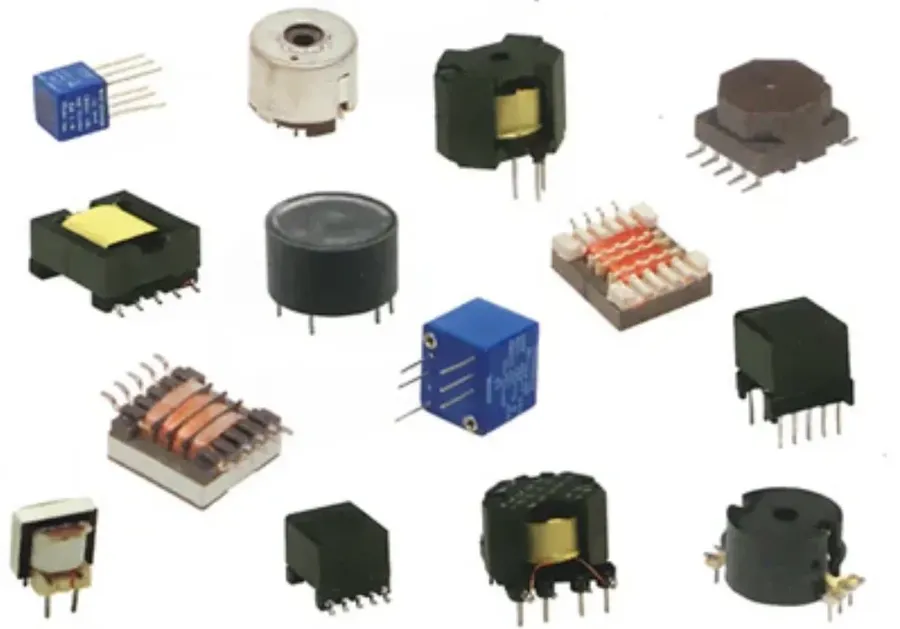
PCB transformers are categorized into several types, each engineered for specific applications and exhibiting unique characteristics that influence their pricing. Understanding these types is crucial for selecting the most appropriate component for a given circuit design. The application requirements will dictate the necessary core material, winding style, and insulation class which are the biggest price drivers.
| Transformer Type | Typical Application | Relative Cost | Key Characteristics |
|---|---|---|---|
| Standard Power Transformer | AC/DC conversion, Voltage adaption | Low to Moderate | Operates at Mains Frequency, Basic Design |
| Pulse Transformer | Gate drivers, Ethernet | Moderate | Transmits Pulses, Minimizes Distortion |
| High-Frequency Transformer | Switch-mode power supplies, Inverters | Moderate to High | High Operating Frequency, Specialized Core |
| Current Transformer | Current sensing, Feedback | Moderate to High | Measures Current, Galvanic Isolation |
| PCB Mount | Various, depending on transformer type | Varies | Through-hole pin mounting |
| Surface Mount | Various, depending on transformer type | Varies | Reflow solder pad mounting |
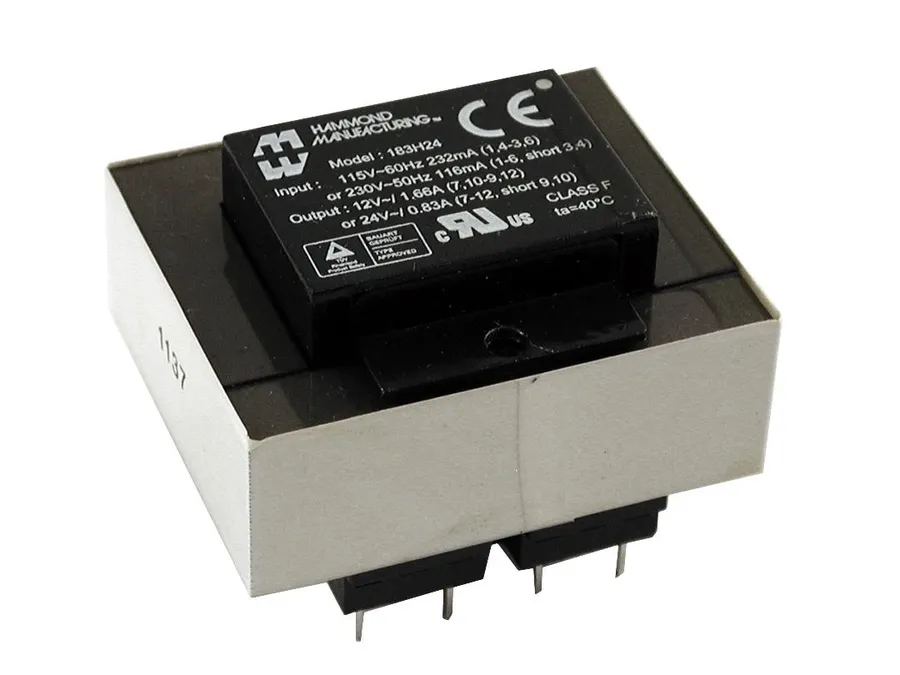
PCB mount transformers are engineered for direct integration onto printed circuit boards, facilitating efficient power conversion and signal isolation within electronic devices. These transformers come in a variety of mounting styles, including through-hole configurations with pin leads and surface-mount designs with pads for reflow soldering. The price of these transformers is highly dependent on factors such as power rating and specific functional requirements. Understanding these options and their associated costs is critical for effective design and cost management.
| Transformer Type | Mounting Style | Typical Power Range | Price Range (USD) | Typical Applications |
|---|---|---|---|---|
| Low Power Split Bobbin | Through-hole | < 5VA | $1 - $5 | Small power supplies, signal isolation |
| Standard Power Transformer | Through-hole | 5VA - 50VA | $5 - $20 | AC/DC power conversion |
| High Power Transformer | Through-hole | > 50VA | $20 - $50+ | High current power supplies |
| Surface Mount Transformer | Surface Mount | < 10VA | $2 - $10 | Compact designs, automated assembly |
| Specialized Transformer (e.g. pulse, current) | Surface or Through-hole | Variable | $5 - $50+ | Specific signal processing, current measurement |
Note: Prices are approximate and can fluctuate based on order volume, specific performance parameters, and vendor.
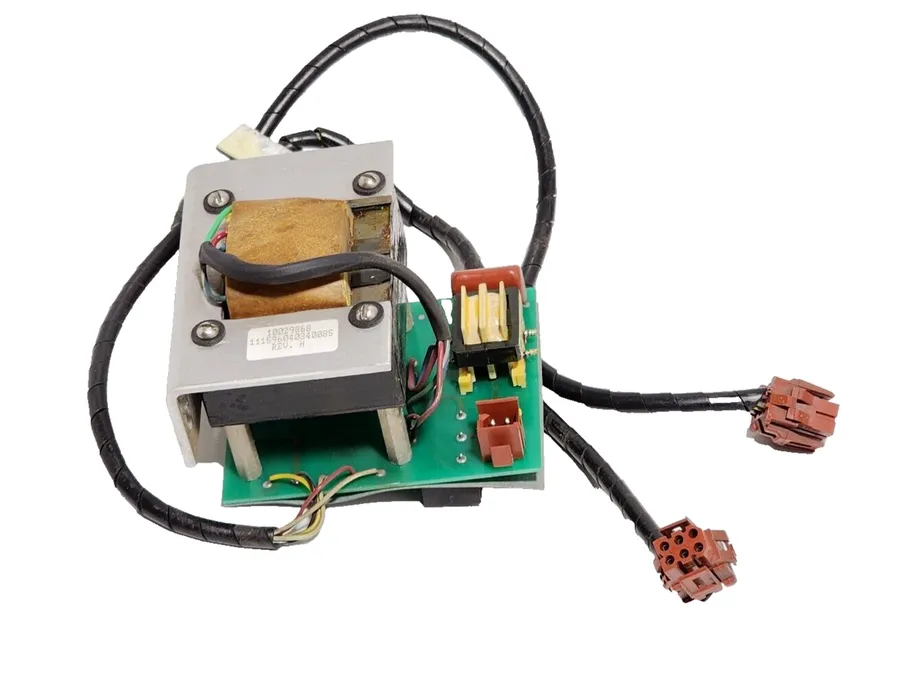
The procurement of PCB transformers involves navigating a diverse landscape of suppliers, each with unique strengths and weaknesses. Understanding these trade-offs is critical for optimizing cost, lead time, and overall project efficiency. This section will guide you through the various options available.
| Source | Pros | Cons |
|---|---|---|
| Electronic Component Distributors (Mouser, Newark, RS Components) | Reliable, broad selection, strong search tools | Potentially higher prices, less flexibility |
| Online Marketplaces (eBay, Alibaba) | Competitive pricing, wide range of suppliers | Variable quality and reliability, potential for counterfeit products |
| Direct from Manufacturers | Custom design capabilities, competitive pricing for high volumes | Larger minimum order quantities, potentially longer lead times |
When evaluating sourcing options, consider the balance between price, lead time, minimum order quantities, and the required quality standards for your PCB transformer application. Always prioritize verifying the datasheets and specifications of the transformer with your project requirements. Lead times can significantly affect project schedules, and the time it takes to order components must be considered early on in your project planning.
This section addresses common inquiries regarding PCB transformers, providing concise answers to key questions about their cost, applications, and characteristics.
Effective PCB transformer price comparison necessitates a thorough evaluation of multiple variables beyond just the initial cost. This includes a detailed understanding of transformer specifications, purchase volume, shipping options, and delivery timelines. Strategic sourcing from reliable distributors or manufacturers is crucial, alongside rigorous verification of datasheet specifications to ensure compatibility with your specific PCB application requirements.
It is also essential to recognize that PCB transformer pricing is not static; it is subject to market dynamics, most notably fluctuations in raw material costs, such as copper. Therefore, being attentive to price changes over time is key to optimizing procurement costs.
| Factor | Description | Impact on Price |
|---|---|---|
| Transformer Specifications | Power rating, voltage, current, turns ratio, isolation | Higher specifications typically increase price. |
| Core Material | Ferrite, laminated steel, amorphous metal | Advanced materials increase cost. |
| Winding Material | Copper, aluminum, litz wire | High conductivity materials increase cost. |
| Quantity | Order volume | Bulk orders usually lower the unit price. |
| Delivery Options | Shipping speed, carrier | Faster delivery methods cost more. |
| Lead Time | Time from order to delivery | Shorter lead times can increase costs. |
| Certifications | Safety and quality certifications | Certified transformers often have a higher price. |
| Manufacturer Reputation | Supplier credibility and expertise | Reputable manufacturers may command premium pricing. |
| Raw Material Costs | Copper and other key components | Price fluctuations impact overall transformer cost. |
When comparing prices, ensure you consider the total cost of ownership. This includes not just the unit price but also shipping costs, potential tooling charges, and the cost of any rework needed due to non-conformance.
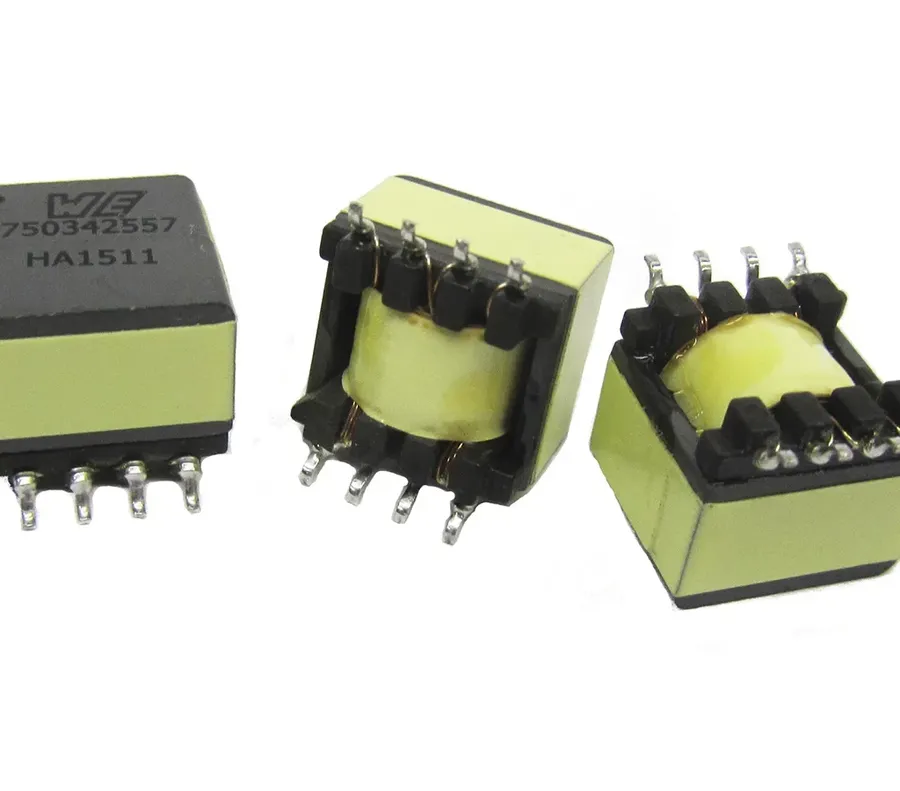
Selecting the correct PCB transformer is crucial for ensuring optimal performance and safety in your electronic application. This process involves a careful evaluation of several key electrical and mechanical parameters to match the transformer's specifications with the application's needs. An unsuitable transformer can lead to decreased efficiency, system malfunction, or potentially hazardous operating conditions.
Here is a structured approach to aid in making the right selection:
The evolution of PCB transformer technology is characterized by a relentless pursuit of miniaturization, enhanced efficiency, and superior thermal management. These advancements are driven by the demand for smaller, more powerful electronic devices and a commitment to environmental sustainability.
These future trends are not only impacting the performance and size of PCB transformers but also their long-term price and availability. The adoption of new materials and processes will likely influence the cost structure, while increased demand for more efficient and compact components will encourage further innovation.
Understanding the factors influencing PCB transformer price, from material choices to vendor selection, is vital for making informed purchasing decisions. The price ranges significantly based on specifications and quantity, but taking the time to match your application requirements will pay off by ensuring efficient and safe performance. Keeping an eye on industry trends will be helpful in long-term planning and future PCB transformer price predictions.

