In the world of electronics, resistors are like the unsung heroes, diligently regulating current and voltage in circuits. From hobbyists' breadboards to industrial machinery, they are ubiquitous. But have you ever stopped to consider the factors that affect their cost, ranging from a few cents to thousands? This article dives deep into the world of resistor prices, examining the diverse types, the market, and how to find the best value for your specific needs. Let’s demystify the seemingly simple component that is essential for almost every electronic creation.
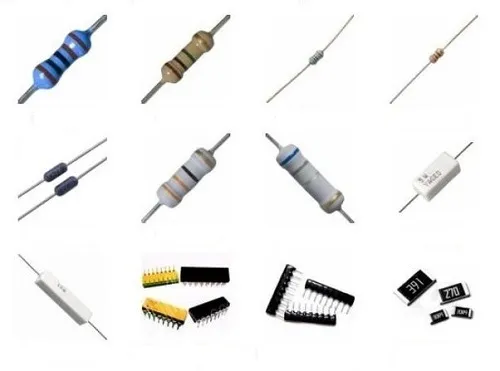
Resistor prices are not uniform; they fluctuate based on several critical factors. Understanding these variables—including material composition, precision (tolerance), power handling capability, physical dimensions, mounting style, and purchase volume—is essential for effective cost management in electronics projects. These factors directly influence manufacturing processes, material costs, and performance characteristics, ultimately dictating the final price.
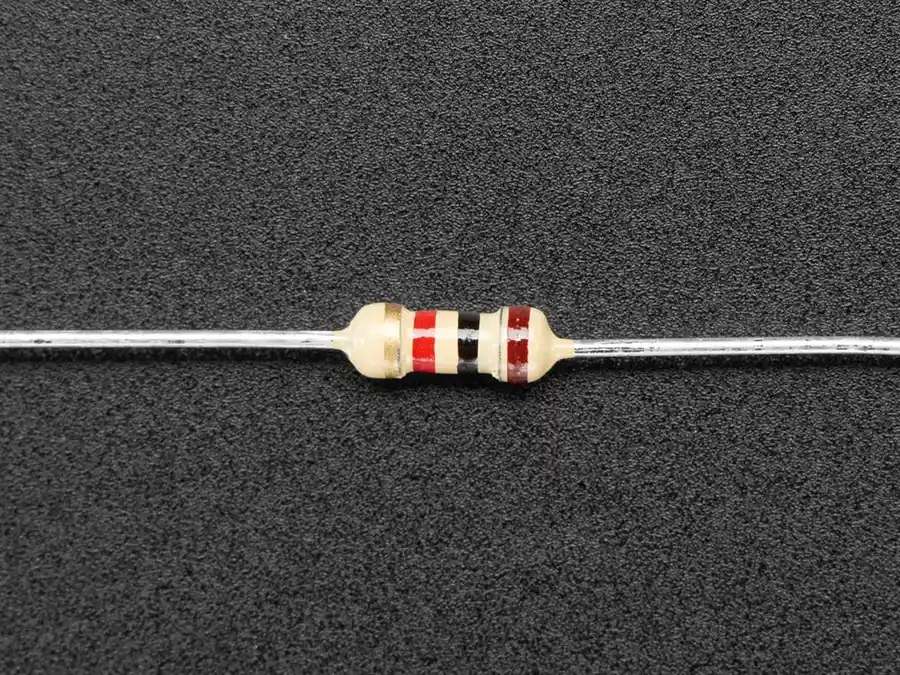
Resistor prices vary significantly based on their type, each designed for specific applications and performance needs. Understanding these differences is crucial for selecting the right resistor while optimizing cost. This section provides a breakdown of common resistor types and their typical price ranges.
The four primary types of resistors we will explore are carbon film, metal film, wirewound, and surface mount (SMD) resistors. Each type has unique characteristics that influence their cost and suitability for different electronic projects.
| Resistor Type | Typical Applications | Precision | Power Handling | Price Range (per piece) | Description |
|---|---|---|---|---|---|
| Carbon Film | General purpose, low-power circuits | 5-10% Tolerance | Up to 1/2 Watt | Very Low ($0.01 - $0.05) | Most economical type, suitable for basic circuits; limited in precision and temperature stability. |
| Metal Film | General purpose, signal processing, precision circuits | 1-2% Tolerance | Up to 1 Watt | Low ($0.02 - $0.10) | Better precision and lower temperature coefficients than carbon film; suitable for more sensitive applications. |
| Wirewound | High-power applications, current sensing, braking circuits | 1-5% Tolerance | 1 Watt to 100+ Watts | Medium to High ($0.10 - $5.00+) | Robust and capable of handling high power; typically larger in size and higher cost. |
| SMD | Mass-produced electronics, compact designs | 1-5% Tolerance (can be higher) | Up to 1 Watt (typically lower) | Low ($0.01 - $0.20) | Small, surface mount components; ideal for automated assembly; available in various sizes and power ratings. |
Note that these prices are approximate and can vary based on factors such as purchase volume, brand, and the specific values of the resistor.
The following table provides a comparative analysis of the types of resistors discussed above.
Carbon film resistors are among the most affordable options and are widely used in basic electronic projects. These resistors are made by depositing a thin carbon film onto a ceramic substrate. They are known for their low cost, but also have lower precision and stability compared to other types.
Metal film resistors offer better precision and temperature stability than carbon film resistors. They are created by depositing a thin metal film onto a ceramic substrate. This makes them more reliable in a wider range of applications where precision is needed.
Wirewound resistors are constructed by winding a length of resistive wire around a ceramic core. They are designed for high-power applications, capable of dissipating significant amounts of heat. Because of their construction, they tend to be larger and more expensive.
SMD (Surface Mount Device) resistors are designed to be directly mounted onto circuit boards, without through-holes. They are smaller and more economical in mass production, commonly found in consumer electronics. The packaging and mounting method affect their price and application.
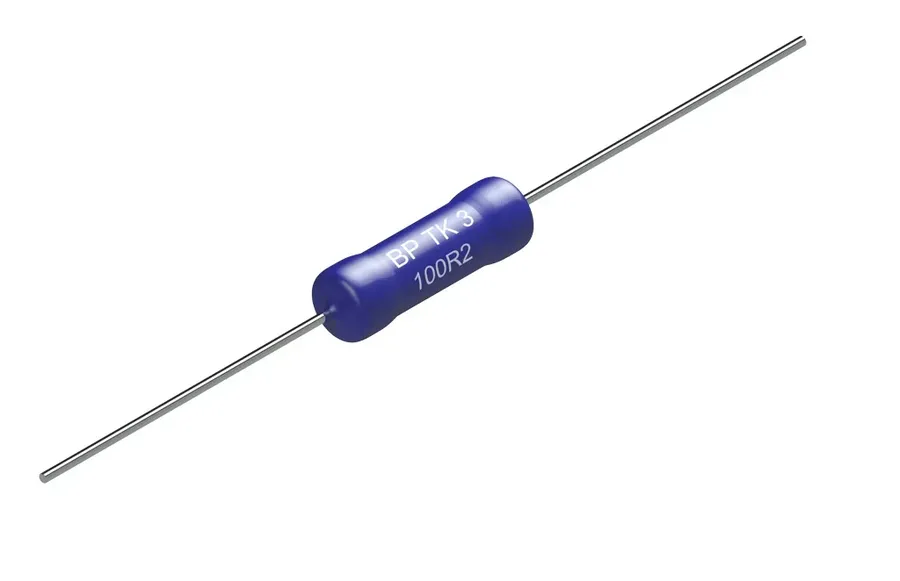
The cost of a resistor is directly related to its tolerance, which defines the acceptable deviation from its nominal resistance value. Precision resistors, characterized by tighter tolerances (e.g., 0.1%, 0.5%, or 1%), are significantly more expensive than standard resistors with looser tolerances (e.g., 5% or 10%). This price difference stems from the more stringent manufacturing processes, higher-grade materials, and rigorous testing required to achieve precise resistance values.
The choice between standard and precision resistors is a critical design consideration, as it balances cost with performance requirements. Understanding the implications of this choice is essential for optimizing cost without compromising circuit functionality.
| Characteristic | Standard Resistors | Precision Resistors |
|---|---|---|
| Tolerance | 5%, 10% | 0.1%, 0.5%, 1% |
| Typical Application | General purpose circuits, non-critical applications | Precision measurements, critical feedback loops, high accuracy circuits |
| Cost | Lower | Higher |
| Resistance Variation | Wider | Narrower |
| Temperature Coefficient | May be less stable | Typically more stable |
When to Invest in Precision Resistors: Precision resistors are essential in applications where accurate and stable resistance values are critical, these include:
When Standard Resistors are Sufficient: In many general-purpose circuits, the performance benefits of precision resistors do not justify the additional expense. Standard tolerance resistors are typically adequate for:
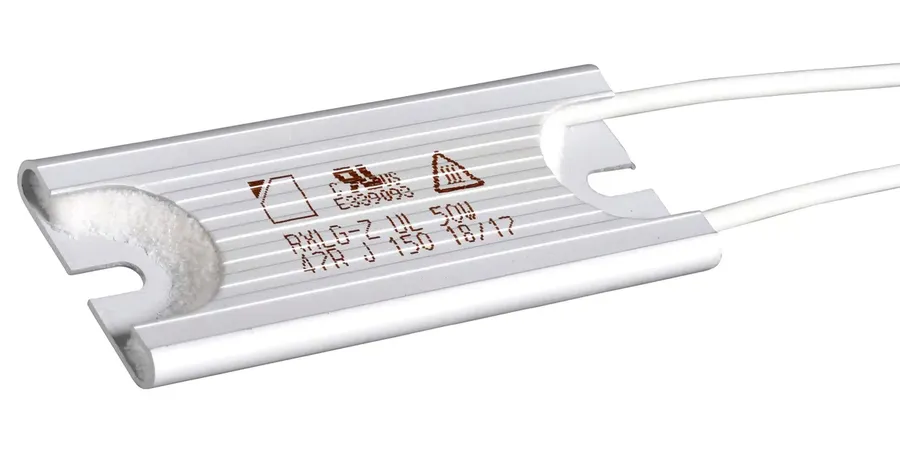
The power rating of a resistor, measured in watts (W), is a critical factor influencing its cost. Resistors dissipate electrical energy as heat, and the power rating indicates the maximum amount of heat a resistor can safely handle without failing or significantly altering its resistance value. Higher power ratings necessitate more robust construction and heat dissipation mechanisms, leading to increased material usage and, consequently, higher prices.
The relationship between power rating and cost is generally proportional; as the power rating increases, so does the price. This is due to the need for larger physical dimensions, thicker resistive elements, and more sophisticated heat-dissipating materials. For example, a 1/4-watt resistor is typically much cheaper than a 1-watt resistor of the same resistance value and tolerance. The selection of an appropriate power rating is crucial for ensuring reliable circuit operation and preventing component failures, necessitating careful consideration during the design phase.
| Power Rating (Watts) | Typical Application | Approximate Relative Cost |
|---|---|---|
| 1/8 W | Low-power signal circuits, battery-powered devices | Lowest |
| 1/4 W | General-purpose circuits, hobby projects | Low |
| 1/2 W | Moderate-power circuits, amplifiers | Medium |
| 1 W | Power supply circuits, higher-current applications | Medium-High |
| 2 W and above | High-power applications, motor control | High |
It's important to note that the physical size of a resistor often correlates with its power rating. Higher power resistors are physically larger to manage the heat generated. For surface mount devices (SMD) this is reflected in the package size, while for through-hole resistors, this is reflected in the size of the component itself. Always consult the manufacturer's datasheet for specific power handling limits and derating curves which dictate how the power rating reduces with temperature.
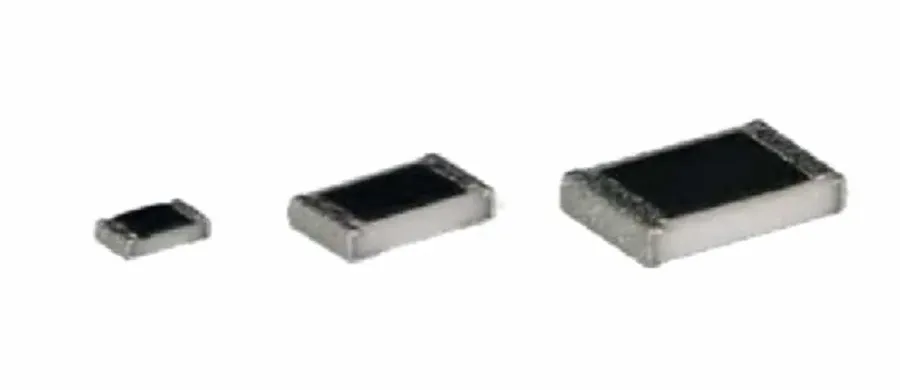
Resistor packaging significantly influences cost, with through-hole and surface mount (SMD) options catering to distinct applications and manufacturing needs. Through-hole resistors, typically used in prototyping and hobbyist projects, often carry a slightly higher unit cost compared to SMD resistors, which dominate mass production environments due to their automated assembly advantages.
The pricing disparity stems from the inherent differences in manufacturing and application. Through-hole components require manual insertion or specialized insertion machines, while SMD components can be placed with high-speed pick-and-place machines, leading to economies of scale for SMD in large production runs.
| Feature | Through-Hole Resistors | Surface Mount (SMD) Resistors |
|---|---|---|
| Typical Use | Prototyping, hobbyist projects, small-scale production | Mass manufacturing, automated assembly |
| Assembly Method | Manual insertion or specialized insertion machines | Automated pick-and-place machines |
| Unit Cost | Generally higher | Generally lower (especially in bulk) |
| Size | Larger, with leads for insertion | Smaller, flat package |
| Availability | Readily available in smaller quantities | More cost-effective in large quantities |
| Board Space | Requires more board space | More space-efficient |
While the per-unit cost of through-hole resistors might be higher, they offer advantages in ease of handling, breadboard compatibility, and rework flexibility. SMD resistors, on the other hand, achieve cost efficiencies in volume production, with a significant reduction in the price per unit as the quantity ordered increases.
The economics of resistor purchasing are significantly influenced by order quantity. The unit cost of resistors decreases, often dramatically, when purchasing in larger volumes. This principle, known as bulk discounting, is a fundamental aspect of supply chain management and has a direct impact on project budgeting.
Understanding how these price breaks work is crucial for both hobbyists and professional engineers, allowing for cost-effective procurement of electronic components. Careful planning and forecasting of required resistor quantities can lead to substantial savings.
| Quantity Range | Approximate Unit Price (Typical) | Example Savings |
|---|---|---|
| 1-99 | $0.10 | Baseline price |
| 100-999 | $0.05 | 50% saving over the baseline for 100 units |
| 1000+ | $0.02 | 80% saving over the baseline for 1000 units |
The above table is indicative, not absolute. Actual pricing can vary by manufacturer, distributor, and the specific resistor characteristics. It is critical to obtain quotes from multiple sources for precise price information. It should also be noted that very large bulk purchases, say of tens of thousands, may require direct contact with manufacturers to negotiate pricing.

Selecting the right source for purchasing resistors is crucial for balancing cost, convenience, and selection. While online marketplaces provide a vast array of options at competitive prices, local suppliers offer immediate access and support for urgent needs, albeit often at a higher per-unit cost. This section provides a comprehensive analysis of the advantages and disadvantages of both online and local purchasing options.
| Factor | Online Suppliers | Local Suppliers |
|---|---|---|
| Price | Generally lower due to higher volume and competition. | Generally higher due to lower volume and overhead costs. |
| Selection | Extensive range of resistor types, values, and manufacturers. | Limited selection, may not stock specialty resistors. |
| Convenience | 24/7 availability, order from anywhere with internet access. Shipping times need to be considered. | Immediate availability; walk in and purchase. Limited by store hours and inventory. |
| Shipping Time | May take days or weeks to arrive. | Instant access. |
| Minimum Order Quantity (MOQ) | May have no MOQ or a relatively low MOQ. | Often no minimum. |
| Customer Support | Generally email, chat support; can be delayed. May have limited personal support. | Personal interaction and advice may be available. Faster and easier return processing if needed. |
| Payment Methods | Variety of payment methods available, e.g., credit cards, PayPal. | Limited to credit card, cash. Other forms may not be available. |
Leading online distributors like Mouser and Digikey are known for their comprehensive catalogs, often carrying components directly from manufacturers, ensuring quality and availability. These distributors also provide detailed datasheets and technical specifications, supporting well-informed purchasing decisions. Amazon and eBay can provide a broader selection of sellers, although the quality of resistors could be variable. Local electronics stores, while usually pricier, allow for immediate purchases and can be helpful in time-critical situations or when needing immediate advice.
It is important to note that for bulk purchases, online suppliers almost always provide significant savings due to volume discounts and lower operating costs. However, for small prototyping projects or repair work, local stores may offer the convenience needed to quickly complete your task without waiting on shipping. Evaluate the urgency and size of your project alongside budget constraints to make informed decisions about which purchasing channel suits best.
This section addresses common questions regarding resistor pricing and the meaning of resistor values, providing clear, concise answers to help you understand the costs associated with these fundamental electronic components.
Understanding the nuances of resistor pricing involves not just considering individual specifications but also the type of resistor itself. This section provides a direct comparison of different resistor types, their typical applications, and associated price ranges to facilitate informed purchasing decisions.
| Resistor Type | Typical Applications | Price Range (USD per 100) | Key Characteristics |
|---|---|---|---|
| Carbon Film | General-purpose circuits, hobby electronics | $0.50 - $2.00 | Low cost, moderate tolerance (5%), suitable for basic applications. |
| Metal Film | Precision circuits, audio equipment, instrumentation | $2.00 - $5.00 | Better tolerance (1% or 0.1%), lower temperature coefficient, higher stability. |
| Wirewound | High-power circuits, motor controls, braking systems | $3.00 - $15.00+ | High power ratings, low inductance, robust but bulky. |
| SMD (Surface Mount) | Mass-produced electronics, compact devices | $0.20 - $1.50 | Small size, low cost in bulk, wide variety of sizes and tolerances. |
| Thick Film | High voltage circuits, high power applications, power supplies | $2.50 - $10.00 | High power capability, compact size compared to wirewound, moderate tolerance. |
Note: These price ranges are approximate and can vary based on supplier, quantity, and specific specifications such as tolerance, power rating, and packaging. Prices are typically lower when purchasing in larger quantities. The 'per 100' pricing is a common benchmark used by suppliers.
Understanding the intricacies of resistor prices is paramount for both hobbyists and professionals in electronics. From understanding the material and tolerance to choosing between bulk buys or specialized individual components, the seemingly small differences can impact the final cost and performance of your projects. Resistor prices, ranging from a few cents for common carbon film resistors to thousands for very specialized high-accuracy resistors, directly reflect their quality and intended application. By considering the factors discussed, you can navigate the market effectively, balancing cost and precision to best suit your electronic needs and maximize your project's potential. With careful planning and selection, you can acquire the perfect resistors for any task.

