Understanding SH Capacitors: Your Guide to Self-Healing Technology
2025.02.14
In our modern world, electrical components are the hidden workhorses powering everything from our homes to our industries. Among these components, the SH capacitor stands out for its unique self-healing capability. Unlike traditional capacitors, which can fail catastrophically, an SH capacitor uses a self-healing design to improve reliability and longevity. Let's dive into what makes the SH capacitor special and why it's crucial in devices like air conditioners and other AC motors.
What is an SH Capacitor?
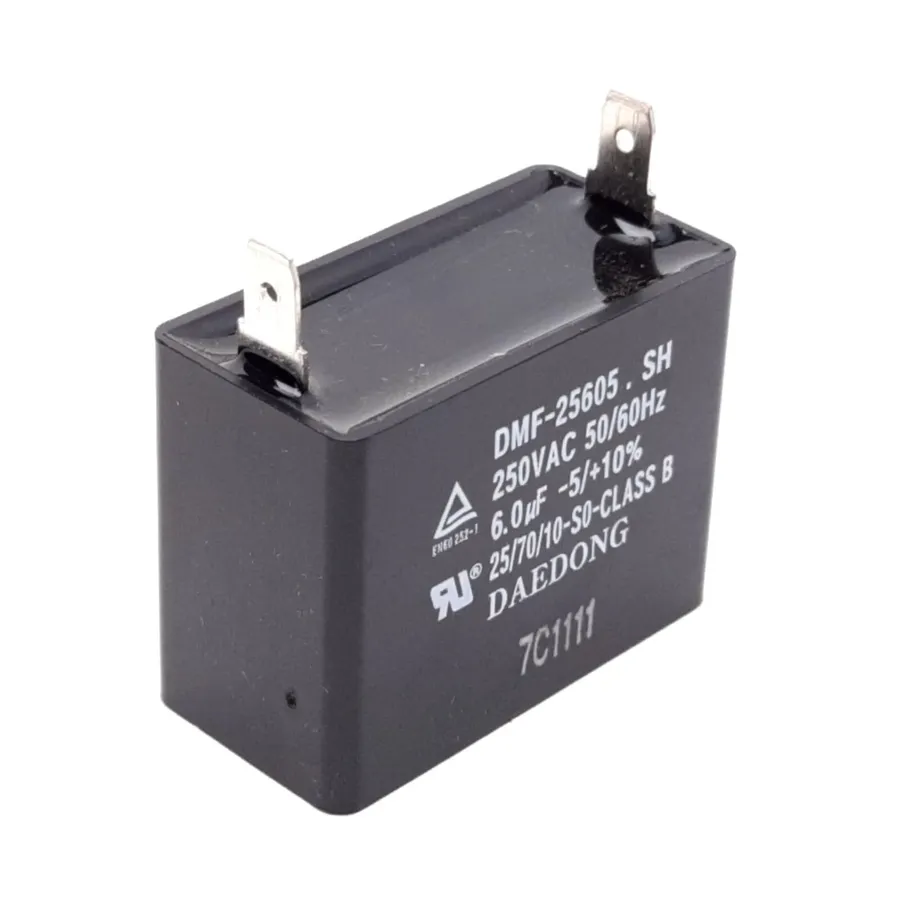
SH Capacitor
An SH capacitor, short for self-healing capacitor, is a specialized type of film capacitor engineered to automatically recover from minor dielectric breakdowns. Unlike traditional capacitors that might fail catastrophically under similar conditions, SH capacitors utilize a self-healing mechanism that allows them to maintain functionality and extend their operational life. This inherent self-repair capability is critical in applications demanding high reliability and long-term performance.
How Does Self-Healing in SH Capacitors Work?
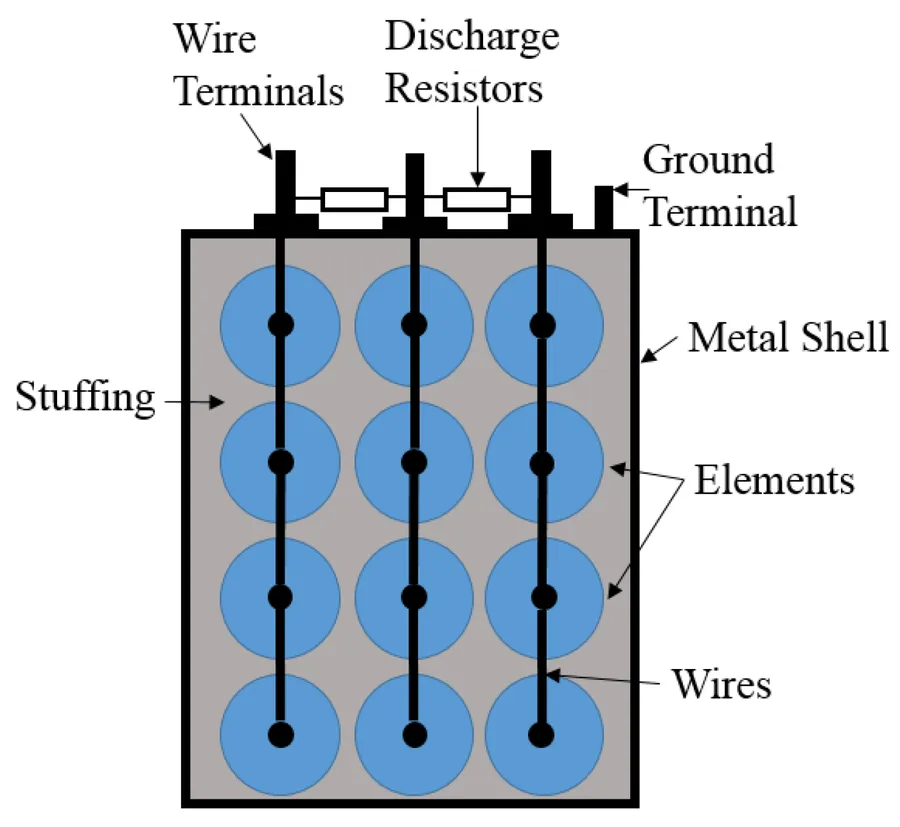
Internal Structure of Self-Healing Capacitor
SH capacitors, engineered with a self-healing capability, employ a unique mechanism utilizing thin, metallized film electrodes to mitigate the effects of dielectric breakdowns. This process ensures continued functionality and enhanced longevity.
The core of the self-healing process is initiated when a minor dielectric breakdown occurs within the capacitor. The intense heat generated by this breakdown causes the metallization around the fault point to instantly vaporize, effectively isolating the damaged area. This vaporization prevents the fault from propagating and causing a catastrophic failure, allowing the capacitor to continue operating.
This self-healing capability dramatically improves the reliability and lifespan of SH capacitors compared to traditional designs. By isolating minor faults as they occur, these capacitors can maintain their performance characteristics and operational capability even after experiencing several of these events.
Metallized Film Electrodes These electrodes are fundamental to the self-healing mechanism. They are constructed from a thin film of a metallized material, allowing for rapid vaporization during a fault.
Dielectric Breakdown A localized fault in the dielectric material of the capacitor that initiates the self-healing process.
Vaporization The rapid heating and subsequent vaporization of the metallized film around the breakdown point effectively isolate the fault.
Fault Isolation The process of the vaporization ensures that the fault does not propagate and cause a complete failure of the capacitor.
Key Features and Benefits of SH Capacitors
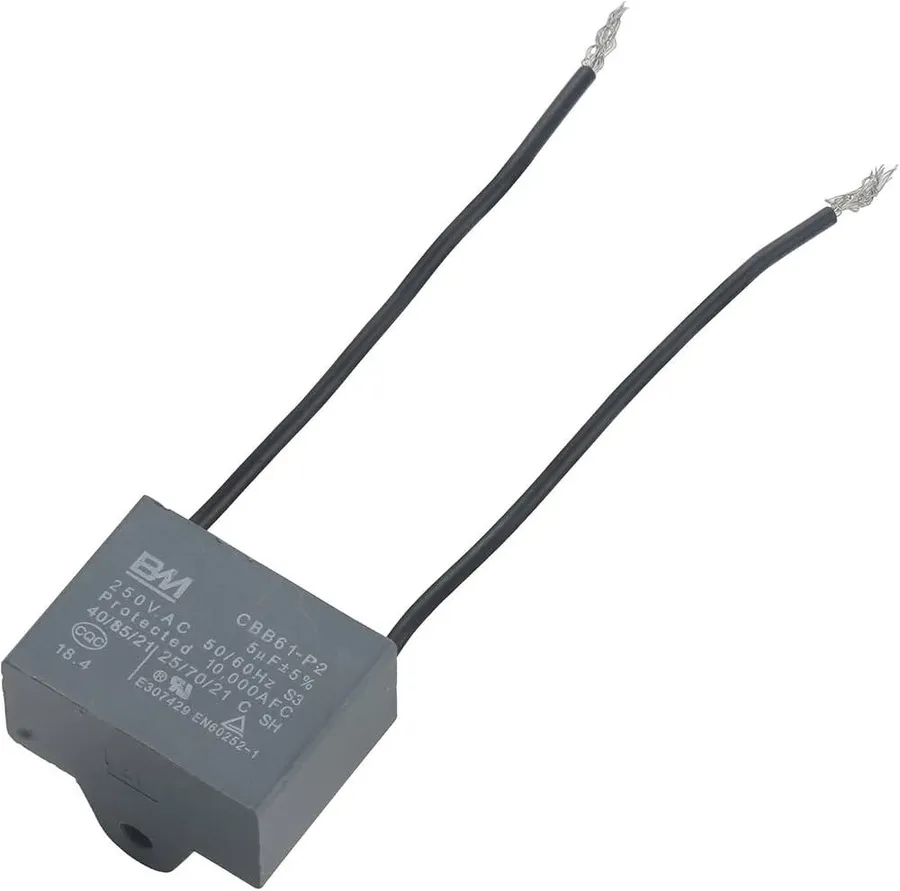
SH Capacitor on Circuit Board
SH capacitors, distinguished by their self-healing property, offer significant advantages over traditional capacitors, primarily enhancing reliability and longevity in various electrical applications. These benefits stem from their ability to recover from minor dielectric breakdowns, ensuring continuous operation and reducing the likelihood of abrupt failures.
Enhanced Reliability The self-healing mechanism enables SH capacitors to endure minor electrical faults without complete failure, which significantly improves the reliability of the equipment they are used in. This is particularly crucial in applications where consistent performance is essential.
Extended Operational Lifespan By 'healing' themselves after small dielectric breakdowns, SH capacitors experience a much longer service life than traditional capacitors, which typically fail catastrophically upon similar incidents. This extension of operational life results in fewer replacements and reduces overall maintenance.
Reduced Maintenance Costs Due to their extended lifespan and ability to self-heal, SH capacitors require less frequent replacement and maintenance, leading to reduced costs and less downtime. This is a particularly attractive feature for industrial applications.
Non-Catastrophic Failure Mode Unlike traditional capacitors that can fail abruptly and sometimes explosively, SH capacitors usually fail gradually, ensuring a safer operation. This non-catastrophic failure mode minimizes the risk of equipment damage and associated hazards.
Compact Design SH capacitors are often more compact than traditional capacitors with similar performance characteristics, making them easier to integrate into smaller devices and saving space in enclosures.
Feature
SH Capacitor
Traditional Capacitor
Failure Mode
Self-healing, gradual degradation
Catastrophic failure
Operational Life
Longer due to self-healing
Shorter, prone to abrupt failure
Maintenance
Reduced, fewer replacements needed
More frequent replacements
Reliability
Higher, resistant to minor faults
Lower, susceptible to faults
Safety
Generally safer
Potentially hazardous upon failure
SH Capacitor Applications: From Air Conditioners to Motors
Capacitor in Air Conditioner
SH capacitors are integral components in a wide array of electrical applications, primarily those demanding high reliability and consistent performance. Their self-healing properties make them exceptionally suitable for devices that undergo frequent start-stop cycles or operate under fluctuating electrical loads. These capacitors are not limited to industrial applications; their reliability also makes them a frequent choice for many common household appliances.
AC Single-Phase Motors SH capacitors are crucial in starting and running AC single-phase motors. They provide the necessary phase shift to initiate motor rotation and ensure smooth operation.
Air Conditioning Systems In air conditioners, SH capacitors play a vital role in both the compressor motor and the fan motor. Their reliability minimizes the risk of system failures, especially during peak usage.
Refrigeration Units Similar to air conditioners, refrigerators rely on SH capacitors to power their compressors, contributing to the unit's overall reliability and longevity.
Pumps Many pumps, including those for water and other fluids, employ SH capacitors to support the smooth and reliable operation of their motors.
Household Appliances Washing machines, dryers, and other home appliances often include SH capacitors, due to their high reliability and cost-effectiveness
Application
Specific Role
Benefits of SH Capacitor Use
AC Motors
Phase shifting for starting and running
Reliable start-up, continuous operation
Air Conditioners
Motor operation (compressor, fan)
High reliability, minimal downtime
Refrigeration Units
Compressor motor operation
Longer lifespan, consistent cooling
Pumps
Motor start and run
Smooth and reliable operation
Household Appliances
Motor drives and power conditioning
Cost-effective, durable operation
SH vs. Traditional Capacitors: A Comparative Analysis
SH Capacitor vs Traditional Capacitor
SH capacitors and traditional capacitors differ significantly in their response to dielectric breakdowns. Traditional capacitors typically experience complete failure, whereas SH capacitors exhibit a self-healing property, ensuring sustained operation and increased reliability.
Feature
SH Capacitor
Traditional Capacitor
Response to Dielectric Breakdown
Self-healing, isolates fault
Complete failure
Reliability
Higher due to self-healing
Lower, prone to failure
Operational Life
Longer due to fault tolerance
Shorter lifespan
Maintenance
Reduced replacement frequency
More frequent replacements
Safety
Non-catastrophic failure mode
May experience catastrophic failure
Cost
Potentially higher initial cost
Lower initial cost
The self-healing mechanism of SH capacitors leads to significantly reduced downtime and maintenance costs, making them a more reliable choice in the long run, despite potential higher initial costs. The increased reliability and safety aspects make SH capacitors a preferred choice for sensitive applications.
Types of SH Capacitors
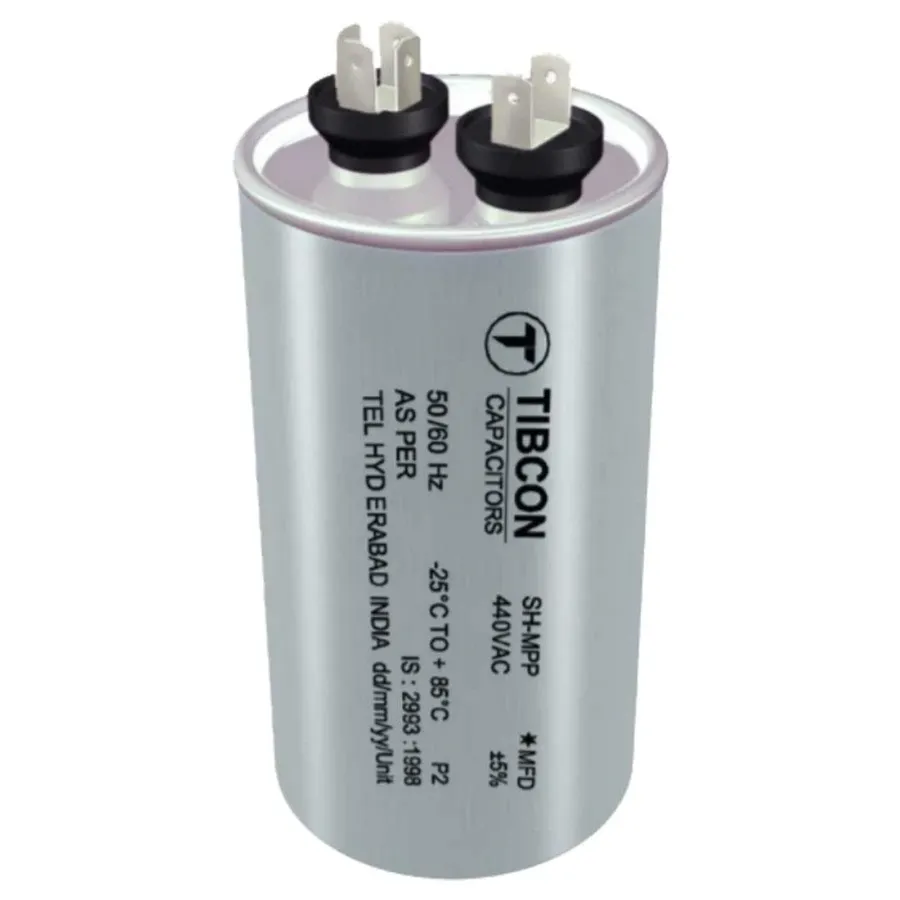
Types of SH Capacitors
SH capacitors are available in various types, distinguished by their specifications and application requirements. These specifications often include voltage ratings (e.g., 250VAC, 370VAC, and 450VAC), capacitance values (e.g., 10uF to 60uF or higher), and physical dimensions. Identifying the correct type and matching its specifications is paramount when replacing a capacitor to ensure optimal and safe performance. Common identifiers include codes such as CBB60 and CBB65, though many others exist.
Capacitor Type/Code
Typical Voltage Rating (VAC)
Typical Capacitance Range (µF)
Common Applications
CBB60
250-450
1-100
Washing machines, pumps, lighting
CBB61
250-450
1-20
Ventilation fans, small motors
CBB65
250-450
5-80
Air conditioners, compressors, large motors
CD60
110-330
20-1500
Motor starting
SH Capacitor Identification and Replacement
Accurate identification and proper replacement of an SH capacitor are critical for maintaining the performance and safety of electrical equipment. This process involves matching key specifications of the original capacitor and adhering to safe replacement procedures. Improper replacement can result in equipment malfunction or hazardous conditions.
Key Specifications for SH Capacitor Replacement When replacing an SH capacitor, it is paramount to match the original specifications precisely. These include capacitance (measured in microfarads, or μF), voltage rating (e.g., 250VAC, 370VAC, 450VAC), and physical dimensions to ensure compatibility with the equipment's housing and terminals. Deviations from these specifications can lead to improper operation and potential damage.
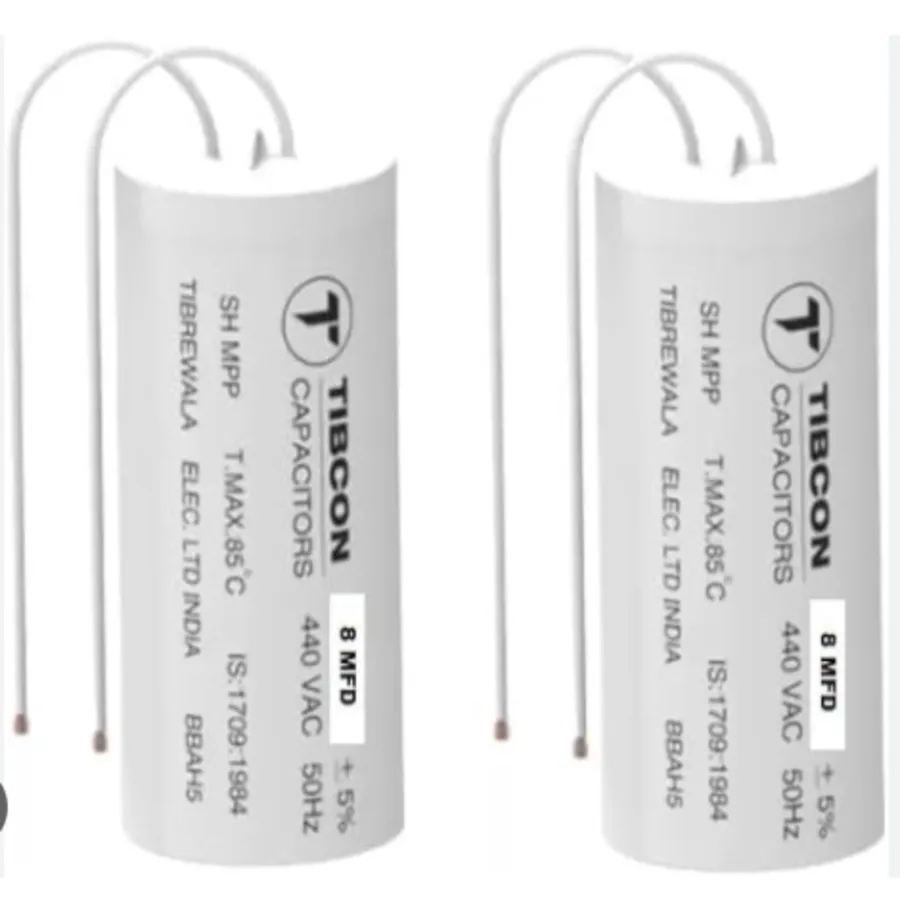
Locating Identification Markings SH capacitors often bear specific markings that indicate their type and characteristics. Look for labels such as 'SH' or codes like CBB60 or CBB65, which denote specific capacitor types. Additionally, capacitance values, voltage ratings, and operational frequency (e.g., 50/60Hz) are typically printed on the capacitor's body. Symbols or codes such as C.P1 or C.S1 may also be present, which could refer to internal construction or manufacturer specific identifiers.
Safe Replacement Procedures Before commencing any replacement, ensure that the power supply to the equipment is completely disconnected. Discharge the existing capacitor using a high value resistor (e.g. 10k Ohm) to safely dissipate any stored electrical charge. Observe polarity when replacing capacitors, and ensure proper connection of terminals. Incorrect polarity can lead to malfunction and capacitor damage. If unsure about these steps, seek professional assistance.
Verification After Replacement Following the replacement, it's vital to verify that the new capacitor operates as expected. Check the physical installation to ensure that the capacitor is securely mounted and not making contact with other parts. Use appropriate testing tools to confirm that the new capacitor is not overheating or failing, and that the equipment is functioning correctly. If issues are detected, re-inspect your replacement or consult a professional.
Frequently Asked Questions About SH Capacitors
This section addresses common queries regarding SH capacitors, including their defining characteristics, failure diagnosis, and appropriate replacement procedures. Understanding these aspects is crucial for ensuring the correct usage and maintenance of SH capacitors.
What does the 'SH' code signify on a capacitor? The 'SH' code indicates that the capacitor is a self-healing type. This design allows the capacitor to recover from minor dielectric breakdowns by vaporizing the metallization around the fault, preventing complete failure. Self-healing is a critical feature for enhancing reliability.
How can I identify a failing SH capacitor? Several signs can indicate a failing SH capacitor. These include physical deformities like bulging or swelling of the capacitor casing, leakage of internal fluids, and a noticeable degradation in performance of the connected device. Measurements of capacitance and ESR (Equivalent Series Resistance) can also indicate a problem, where deviation from the rated values will be indicative of fault.
What specifications are critical when replacing an SH capacitor? When replacing an SH capacitor, it's vital to match the original capacitor's specifications precisely. This includes the capacitance value (measured in microfarads, µF), the voltage rating (e.g., 250VAC, 370VAC, 450VAC), the operational frequency(50/60Hz), and the physical dimensions. Using a capacitor with incorrect specifications can lead to malfunction or premature failure.
Are SH capacitors interchangeable with traditional capacitors? While SH capacitors offer self-healing capabilities, traditional capacitors lack this feature. While, in some limited cases, a standard film capacitor might work as a replacement, it's always better to use the correct capacitor with matching specs, or a higher-rated SH capacitor for long term reliability. Replacing a SH capacitor with a non SH capacitor can also reduce the life of the device.
Do SH capacitors require special handling or disposal? While SH capacitors do not typically contain hazardous materials like some older capacitor types, it's still important to handle them with care. Always ensure that the power is disconnected before handling or replacing the capacitor. Proper disposal practices should be followed according to local regulations for electronic waste. This may involve sending the capacitor to a specialised recycling plant.
What is the typical lifespan of an SH capacitor? The typical lifespan of an SH capacitor depends on several factors, including operating temperature, voltage stress, and the frequency of operation. Generally, a well-specified SH capacitor can last for many years under normal operating conditions. High temperatures, voltage fluctuations, and frequent start/stop cycles can reduce its lifespan.
How does the self healing mechanism of SH capacitors impact their lifespan? The self-healing mechanism extends the lifespan of SH capacitors by isolating minor faults that occur during operation. This self-healing ability prevents catastrophic failures and allows the capacitor to continue functioning, but it does not reverse the degradation due to aging. Repeated self-healing events can eventually weaken the capacitor.
The SH capacitor, with its innovative self-healing mechanism, represents a significant advance in capacitor technology. These capacitors not only extend the lifespan of electronic devices but also enhance safety and reliability. Their critical role in powering various applications from AC motors to household appliances shows their significance in modern technology. Understanding the function and benefits of the SH capacitor can empower consumers and professionals to make informed decisions about maintenance and replacement, improving overall system performance and longevity. The continued development of the SH capacitor indicates its key position in future electrical and electronics technology.