In our daily lives, temperature control is crucial, from the thermostat in our homes to the intricate systems within our cars. At the heart of many temperature sensing applications lies the humble 10k NTC thermistor. This small but mighty component plays a vital role in converting temperature changes into electrical signals. This article will delve into the world of 10k NTC thermistors, exploring what makes them tick, their various uses, and how to select the optimal one for your project. This guide is designed to demystify the technology behind this commonly used component and to empower engineers, hobbyists, and anyone with an interest in thermal sensing.
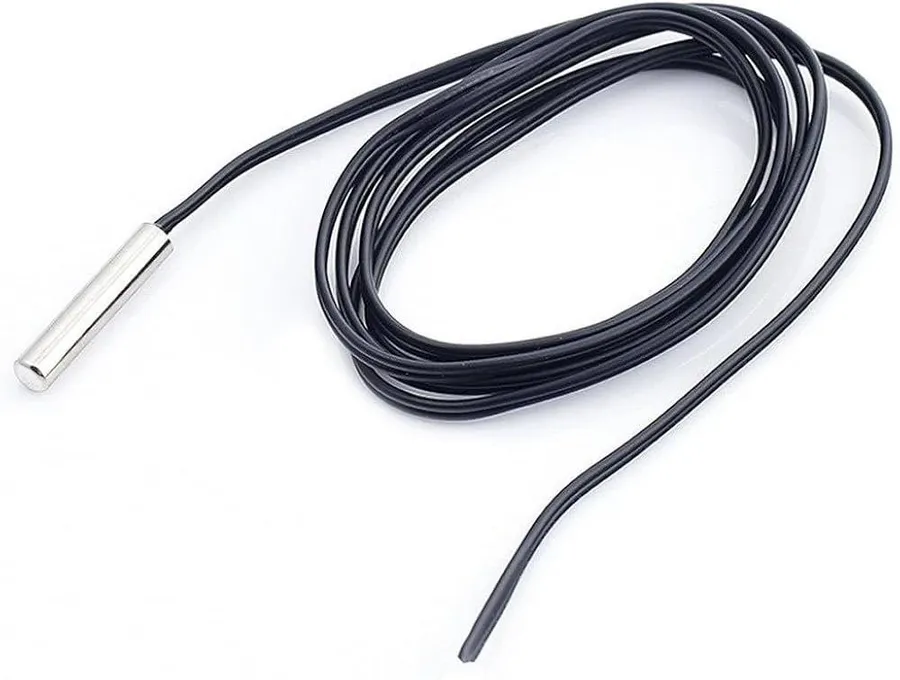
A 10k NTC thermistor is a temperature-sensitive resistor exhibiting a characteristic negative temperature coefficient (NTC). This means its electrical resistance decreases predictably as its temperature increases. The '10k' designation specifies its nominal resistance of 10,000 ohms (10 kΩ) at a standard reference temperature of 25°C. This fundamental property makes the 10k NTC thermistor an effective transducer for temperature measurement and control.
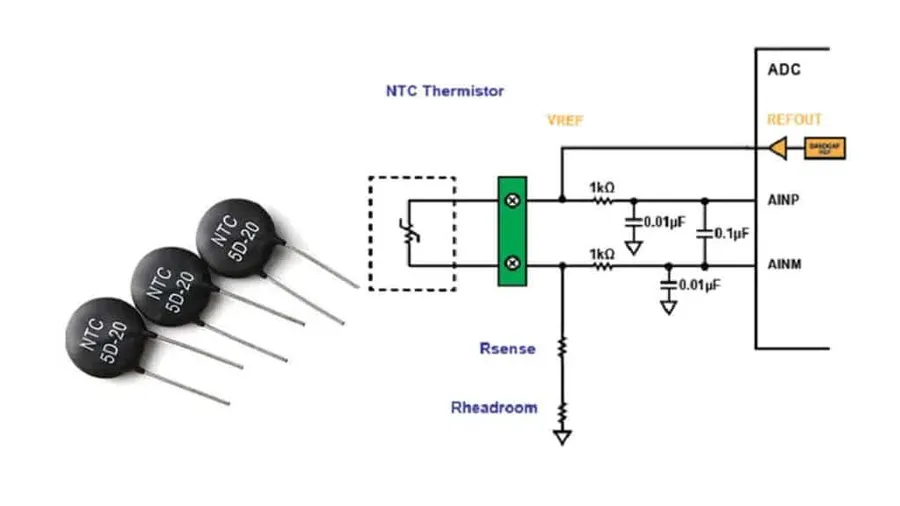
The functionality of a 10k NTC thermistor is rooted in the principles of semiconductor physics, exhibiting a characteristic decrease in electrical resistance as its temperature rises. This behavior is intrinsic to its material composition and the underlying quantum mechanical effects that govern electron mobility and carrier concentration within the semiconductor material.
At a fundamental level, the core mechanism of a 10k NTC thermistor's operation is characterized by the increased thermal excitation of electrons within the semiconductor structure. At lower temperatures, a greater proportion of electrons are bound within the material's atomic lattice, limiting their contribution to electrical conductivity. As temperature rises, the increased thermal energy provides more electrons with sufficient energy to become mobile charge carriers, enabling increased current flow through the material at a given voltage which is reflected as the reduction in the resistance observed in NTC thermistors.
The relationship between the temperature and the resistance of the 10k NTC thermistor is not linear. This nonlinear behavior is typically modeled using the Steinhart-Hart equation or the B-parameter equation, which allows for accurate temperature calculations within a specific operating range. These equations are essential for designing temperature sensing circuits that can translate the changes in resistance into precise temperature readings.
In typical applications, the 10k NTC thermistor is employed in a voltage divider configuration where its changing resistance modulates the output voltage. This output voltage can be used directly as an analog temperature signal or further processed with an analog-to-digital converter (ADC) for digital processing. The accuracy and resolution of the temperature measurement are heavily influenced by the circuit design and the precision of other circuit components.
The semiconductor material used in NTC thermistors typically consists of metal oxides such as manganese, nickel, and cobalt. The unique blend of these materials is engineered to achieve the desired temperature-resistance characteristics, providing predictable and reliable temperature sensing across a wide range of applications.

10k NTC thermistors are available in various physical forms, each optimized for specific applications and mounting methods. The primary variations include bead, chip, and probe types, differing significantly in construction, size, ruggedness, and thermal response characteristics.
| Type | Construction | Advantages | Limitations | Typical Applications |
|---|---|---|---|---|
| Bead Thermistors | Small, glass-encapsulated thermistor element with fine wire leads. | Extremely small size, fast thermal response, high accuracy. | Fragile, susceptible to mechanical damage, requires careful handling. | Precision temperature sensing, medical devices, research instruments. |
| Chip Thermistors | Surface-mount device (SMD) with a ceramic substrate and metallic terminals. | Easy to assemble using automated processes, cost-effective, rugged. | Slower response time compared to bead thermistors, limited by heat conduction to substrate. | Consumer electronics, automotive electronics, general-purpose temperature sensing. |
| Probe Thermistors | Thermistor element encapsulated within a protective housing (e.g., metal or plastic) with extended leads. | Durable and robust, easy to mount and use, suitable for harsh environments. | Larger size, potentially slower response time due to encapsulation. | Industrial temperature sensing, HVAC systems, fluid temperature measurement, weather stations. |
Understanding the key specifications of a 10k NTC thermistor is crucial for selecting the appropriate component for a specific application. These parameters dictate the thermistor's performance, accuracy, and suitability for different operating conditions. The primary specifications include resistance tolerance, B-value (beta), operating temperature range, and response time; each playing a critical role in accurate temperature sensing.
| Specification | Description | Impact on Performance |
|---|---|---|
| Resistance Tolerance | The permissible deviation of the thermistor's resistance at a specified temperature (typically 25°C) from its nominal value (10kΩ). | Directly affects the accuracy of temperature readings. Lower tolerance indicates higher precision. |
| B-value (β or Beta) | A material constant describing the relationship between a thermistor's resistance and temperature change. It is used to calculate resistance at different temperatures. | A higher B-value typically indicates a greater change in resistance for a given temperature change, enhancing sensitivity. |
| Operating Temperature Range | The temperature range within which the thermistor can operate reliably without damage or significant performance degradation. | Selecting a thermistor with an appropriate range is vital to prevent malfunction or inaccurate readings under extreme conditions. |
| Response Time | The time it takes for the thermistor to reach a certain percentage (typically 63.2%) of its final resistance value following a step change in temperature. | Affects the speed at which the thermistor reacts to temperature changes, critical in dynamic thermal environments. |
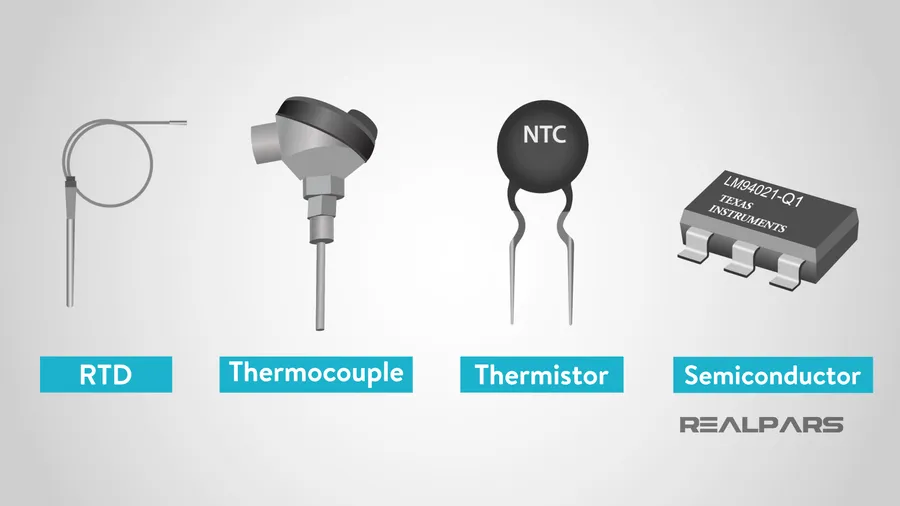
10k NTC thermistors, due to their reliable temperature-dependent resistance, are implemented across a wide spectrum of applications, playing a critical role in ensuring optimal performance and safety in various systems. Their versatility stems from their sensitivity to temperature changes, making them indispensable in both precision temperature sensing and control mechanisms.
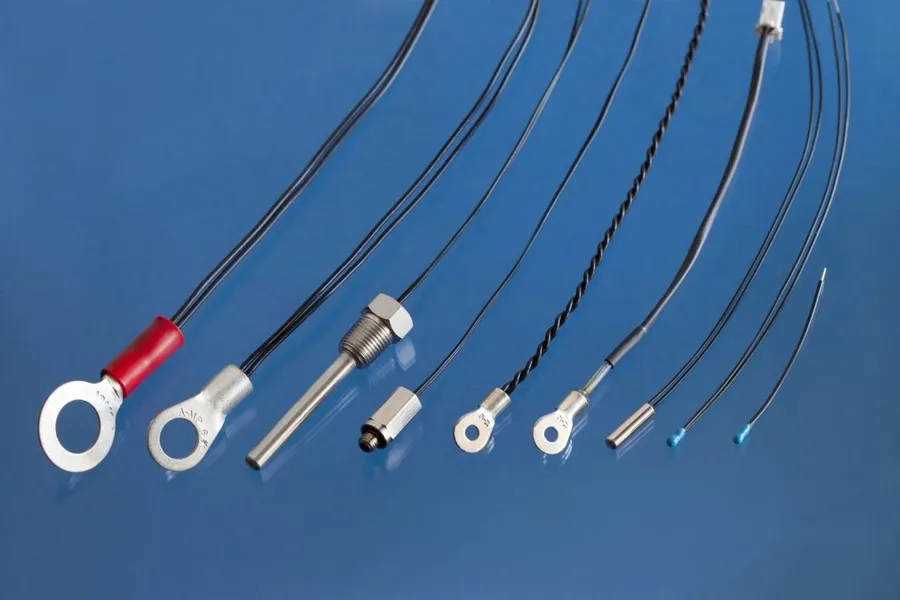
Selecting the appropriate 10k NTC thermistor is crucial for accurate temperature sensing and control. This process involves careful consideration of several factors to ensure the chosen thermistor meets the specific demands of the application. A systematic approach will help ensure optimal performance and reliability.
Here’s a step-by-step guide to assist in your selection process:
| Application Needs | Recommended 10k NTC Thermistor Type | Rationale |
|---|---|---|
| General-purpose temperature measurement | Standard bead or chip thermistor | Cost-effective and versatile for many applications. |
| Harsh environment monitoring | Epoxy-coated or glass-encapsulated thermistor | Provides better resistance to moisture and corrosive substances. |
| Fast response time | Small bead thermistor | Smaller mass allows for rapid temperature changes detection. |
| High-precision measurements | Thermistor with tighter tolerances | Minimizes measurement errors. |
| Immersion in liquids | Probe or encapsulated thermistor | Designed for direct contact with fluids, providing reliable measurements. |
| Surface temperature measurement | Surface mount thermistor | Easy integration with planar surfaces, providing good thermal coupling. |
Integrating a 10k NTC thermistor into a circuit is fundamental for temperature sensing applications. Typically, this involves using the thermistor within a voltage divider configuration, which allows the change in resistance to be translated into a measurable voltage change. This voltage variation can then be processed to determine the ambient temperature.
A voltage divider circuit consists of two resistors in series, with the input voltage applied across both. The output voltage is measured across one of the resistors. When a 10k NTC thermistor is used as one of these resistors, its temperature-dependent resistance results in a temperature-dependent output voltage. The key is to accurately measure this change and convert it into meaningful temperature data.
To implement this practically, consider the following configuration: A fixed resistor (e.g., 10k ohms) is placed in series with the 10k NTC thermistor. A voltage source is connected across the series. As the thermistor's temperature changes, its resistance also changes, resulting in a change in the voltage across the thermistor. This voltage change is the primary indicator of the temperature. To minimize noise, it is critical to use good measurement practices (e.g. using a good quality power source, a measurement tool with high precision) and consider using additional filtering.
The process of converting resistance change into readable temperature data involves a few steps. First, the voltage measured across the NTC thermistor is used to calculate its resistance using Ohm's Law. Then, a calibration process using the Steinhart-Hart equation or look-up table, specific to each thermistor model, is necessary to determine accurate temperatures. Minimizing noise can be achieved by proper shielding of the circuit and using low-noise amplifiers during measurement. The whole process can be simplified by using microcontroller (such as Arduino) to perform all the calculations and process.
This section addresses common questions regarding 10k NTC thermistors, providing clear and concise answers to help users understand their functionality, characteristics, and application.
10k NTC thermistors, while robust, can exhibit certain issues that lead to inaccurate readings or premature failure. Understanding these common problems and their solutions is essential for reliable temperature sensing applications. Proper handling, circuit design, and environmental consideration can significantly improve their performance and longevity.
Understanding the nuances between different 10k NTC thermistor types is crucial for selecting the optimal component for a given application. This section provides a detailed comparison of bead, chip, and probe-type thermistors, outlining their specifications, typical uses, advantages, and disadvantages.
| Feature | Bead Thermistors | Chip Thermistors | Probe Thermistors |
|---|---|---|---|
| Construction | Small glass-encapsulated bead with wire leads | Small, surface-mountable ceramic chip | Encased thermistor (bead or chip) in a protective housing with lead wires |
| Size | Very small, typically a few millimeters in diameter | Extremely small, often less than 1mm in size | Varies depending on housing, generally larger than bead or chip |
| Mounting | Through-hole mounting or wire bonding | Surface mount technology (SMT) | Screw-in, clip-on, or epoxy mounting options |
| Thermal Response Time | Fast, due to small size | Very fast, due to small size and direct surface contact | Slower due to thermal mass of the probe housing |
| Operating Temperature Range | Typically -55°C to +200°C (varies by model) | Typically -40°C to +150°C (varies by model) | Typically -40°C to +125°C (limited by probe material) |
| Typical Applications | Temperature compensation, fluid temperature sensing, high sensitivity applications | High-density PCB temperature monitoring, small electronic devices, wearable tech | Industrial process control, HVAC, environmental monitoring, liquid immersion |
| Advantages | High accuracy and sensitivity, fast response time, low cost, small size | Ideal for automated assembly, compact size, fast response, low cost | Rugged, durable, and easy to mount, suitable for harsh environments, good for immersion |
| Disadvantages | Fragile, can be difficult to handle, less rugged | Difficult to handle manually, not rugged, may require reflow soldering | Slower response time, larger size, may not be suitable for high-density applications, higher cost |
The 10k NTC thermistor, though small, is a powerful and versatile temperature sensing component. With its simple yet effective mechanism, it finds use in diverse applications, from basic DIY projects to high-end industrial processes. By understanding its workings, types, specifications, and applications, we can harness its full potential in our various thermal sensing endeavors. Whether you are building a new temperature control system or refining an existing one, the 10k NTC thermistor is an essential tool that, when properly chosen and implemented, can provide reliable and accurate temperature readings. As technology advances, the use of the 10k NTC thermistor is sure to evolve, continuing to influence how we measure and control temperature.

