Understanding the 15uf Capacitor: Applications, Types, and Replacement Guide
2025.02.14
Capacitors are essential components in numerous electronic devices, often playing critical roles in power regulation and energy storage. A common capacitor value you might encounter is the 15uf capacitor. Like the spark plugs of the electrical world, a 15uf capacitor is a small yet crucial device. Let's delve deeper into what makes it tick, how it's used, and how to select the right one when replacing a faulty unit to help keep your equipment running.
What is a 15uf Capacitor and How Does It Work?
15uf Capacitor
A 15uf capacitor is a fundamental electronic component characterized by its ability to store electrical energy in an electric field, quantified by a capacitance of 15 microfarads (µF). This rating denotes the capacitor's capacity to store charge; specifically, a 15µF capacitor can store a charge of 15 microcoulombs per volt applied across its terminals. Capacitors, in essence, are passive devices that oppose changes in voltage, behaving as temporary energy storage elements within a circuit, and their function is to store energy and release it as needed, which can be used to achieve a variety of circuit design requirements.
The core working principle of a capacitor involves two conductive plates separated by an insulating material known as a dielectric. When a voltage is applied, electric charge accumulates on these plates; positive charge on one, and negative on the other creating an electric field between them. This process stores energy within the capacitor. A key characteristic is the relationship between the charge (Q), capacitance (C), and voltage (V): Q = CV. Thus, a 15µF capacitor will accumulate 15 microcoulombs of charge for every volt applied across it.
Common Applications of 15uf Capacitors
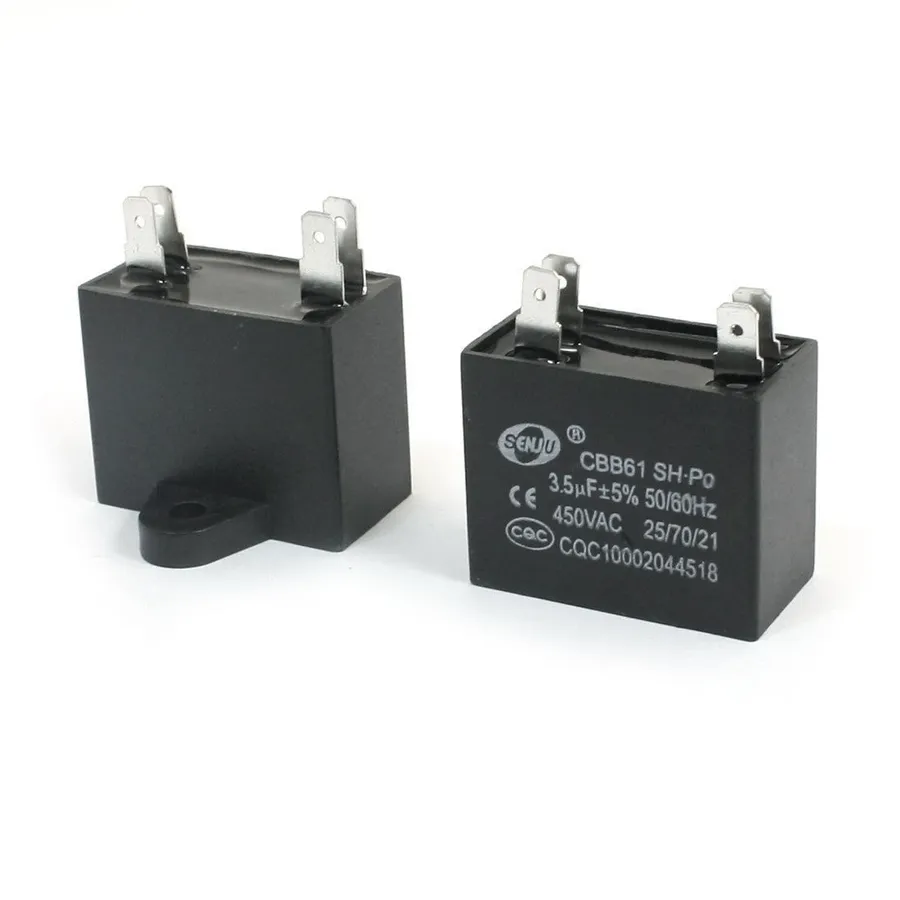
Air Conditioner Motor Capacitor
The 15uF capacitor, while seemingly a small component, plays a vital role in a surprisingly wide array of applications. Its specific capacitance value makes it suitable for tasks requiring moderate energy storage and discharge, often in timing or filtering applications within electrical and electronic systems.
Motor Starting 15uF capacitors are frequently used in single-phase AC motors to provide the necessary phase shift for starting. They assist in generating the initial torque required to overcome inertia and begin the motor's rotation. Without this capacitance, many single-phase motors would be unable to start on their own.
Air Conditioner Compressors Within air conditioning systems, 15uF capacitors are commonly found in compressor circuits. Similar to motor starting, they help create the phase difference necessary for the compressor motor to function correctly, ensuring efficient and reliable operation of the air conditioner.
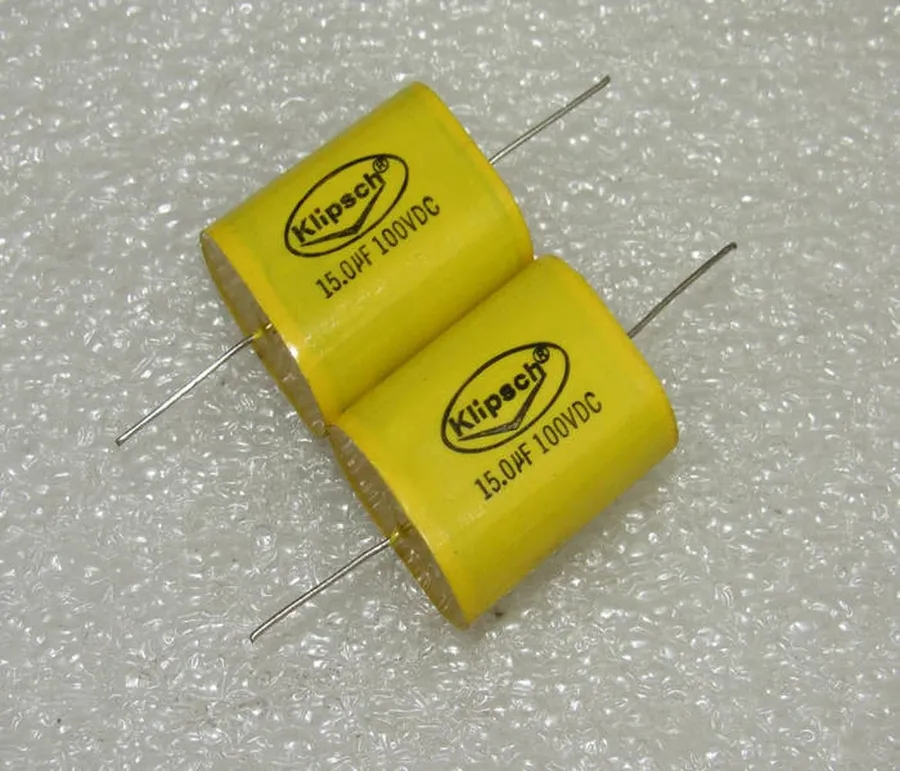
Audio Circuits In the audio domain, 15uF capacitors can act as coupling capacitors, blocking DC while allowing AC audio signals to pass. This is critical in preventing DC bias from affecting subsequent stages of an amplifier or audio processing circuit. They also find use in filter networks, shaping the frequency response of audio systems.
Power Supplies The 15uF capacitor is useful in power supplies for providing a degree of smoothing or filtering of the rectified AC voltage. While not a high-value capacitor used for bulk energy storage, it can handle higher frequency ripple, helping to produce a cleaner DC output and stable performance of electronic circuits.
Lighting Systems Certain lighting systems, particularly older or specialized fluorescent lighting and HID (High-Intensity Discharge) lamps, may employ 15uF capacitors in their ballasts. They assist in initiating and stabilizing the electrical discharge within the lamp, ensuring correct operation and preventing flickering.
Other Electronic Applications Beyond these specific areas, 15uF capacitors are used in various other electronic applications including timing circuits, signal processing circuits, and general filtering or bypass applications in industrial and consumer electronics where moderate capacitance values are required. Their versatile properties and relatively small size make them a useful component for engineers.
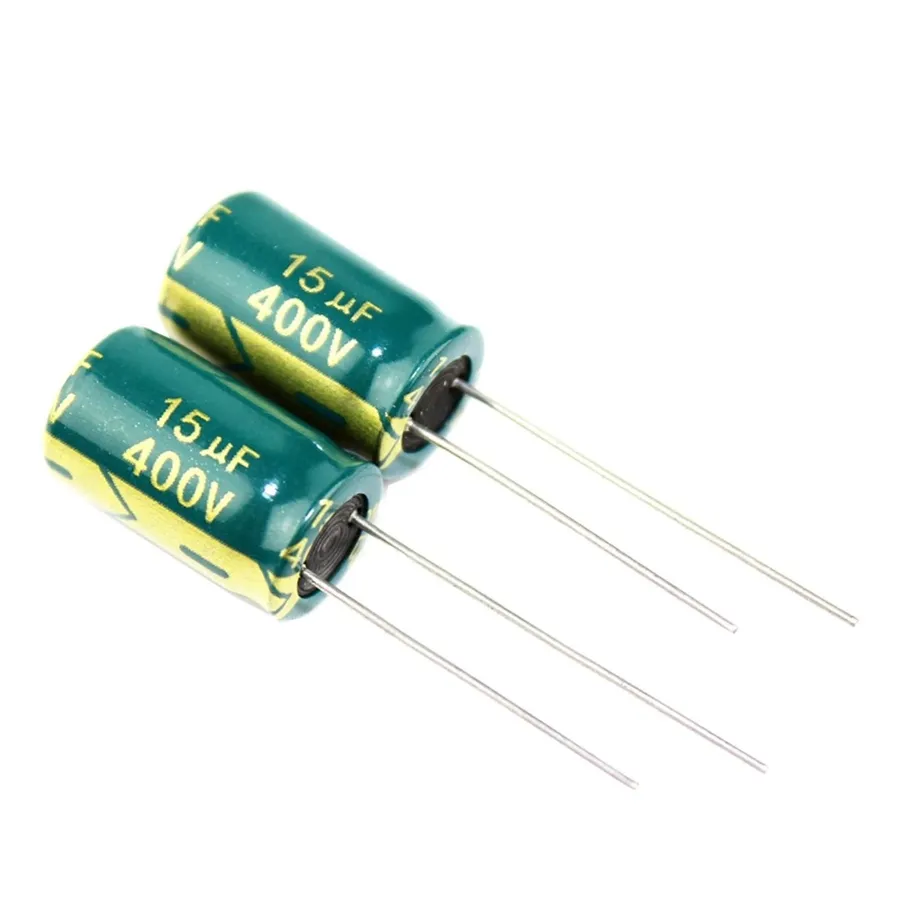
Types of 15uf Capacitors: Voltage Ratings (250V, 370V, 400V)
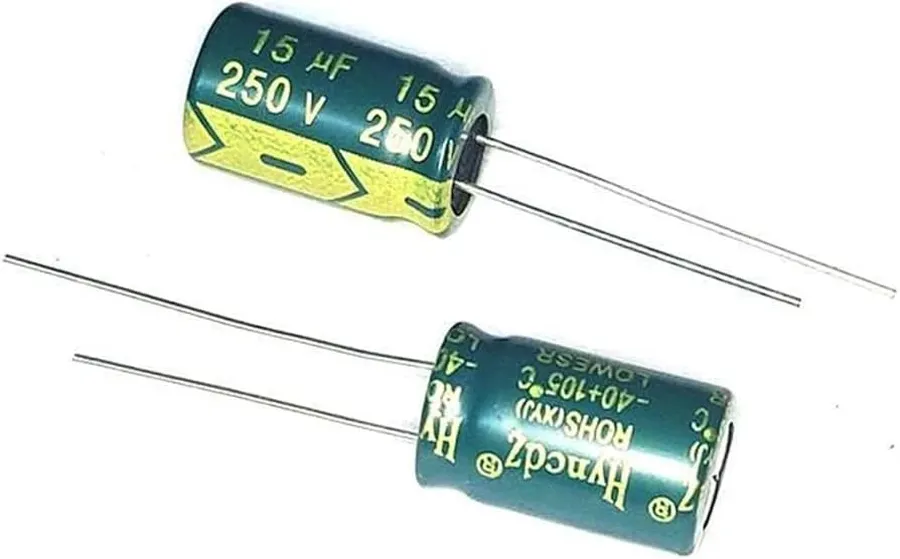
250V 15uf Capacitor
15uF capacitors are available with various voltage ratings, primarily 250V, 370V, and 400V. Selecting the correct voltage rating is paramount for the safe and reliable operation of any electrical circuit. Using a capacitor with an insufficient voltage rating can lead to premature failure, potentially causing damage to other components or posing a safety risk. Typically, these capacitors are constructed with polypropylene film dielectric.
Voltage Rating
Typical Application
Considerations
250V
Lower power electronic circuits, some appliance applications
Appropriate for less demanding applications where voltage peaks are low.
370V
Motor start circuits, HVAC systems, and general-purpose AC applications
A common rating suitable for medium-duty applications; ensure the circuit voltage doesn't exceed 370V.
400V
Industrial equipment, heavy-duty motor systems
Preferred for robust applications that experience voltage spikes or fluctuations.
The voltage rating on a capacitor indicates the maximum DC voltage it can withstand without breaking down. When replacing a capacitor, it is crucial to match or exceed the original capacitor's voltage rating. It is permissible to use a capacitor with a higher voltage rating, but never lower. Using a capacitor with a lower voltage rating can lead to catastrophic failure of the capacitor. The construction of these capacitors usually uses a polypropylene film dielectric. Polypropylene offers excellent electrical properties, temperature stability, and is self-healing to a certain extent which enhances reliability.
Choosing the Right 15uf Capacitor for Replacement
Replacing a 15uf Capacitor
Selecting the correct 15uf capacitor for replacement is critical to ensure the proper functioning and safety of the electronic device. It involves careful consideration of the existing capacitor's specifications, including capacitance, voltage rating, and tolerance, alongside adhering to safe replacement practices.
Before you begin, prioritize safety. Always discharge a capacitor completely before attempting any replacement to avoid electric shock.
Capacitance (15uf): The primary specification is the capacitance, indicated by '15uf' (15 microfarads). This value must be matched precisely unless you are following specific guidelines for a compatible replacement. A deviation could lead to improper operation or damage to the circuit.
Voltage Rating: The voltage rating of the replacement capacitor must equal to or greater than the voltage rating of the original capacitor. Common voltage ratings for 15uF capacitors include 250V, 370V, and 400V. Never use a capacitor with a lower voltage rating than the original, as this could lead to failure and potential safety hazards. Using a higher voltage rated capacitor is acceptable and can, in some cases, enhance longevity.
Tolerance: Capacitor tolerance refers to the acceptable deviation from the stated capacitance value. Common tolerances are ±5%, ±10%, or ±20%. For most general applications, a small variance in tolerance is acceptable. However, for critical circuits, using a capacitor with the same or tighter tolerance is necessary.
Physical Dimensions: Ensure that the physical dimensions of the replacement capacitor are compatible with the available space on the circuit board. A capacitor that is too large may not physically fit, while one that is too small may have inadequate electrical connections.
Discharge Procedure: Prior to any work, it is essential to fully discharge the existing capacitor. This can be accomplished using a resistor or a dedicated capacitor discharging tool. Failing to do this poses an electric shock hazard and could also damage the circuit or capacitor.
Installation: Carefully note the polarity when replacing a polarized capacitor. Some capacitors are non-polar and can be installed either way. Ensure that the new capacitor is securely attached to the circuit board, either via soldering, clips or screw terminals.
15uf Capacitor Equivalents and Compatibility
When replacing a 15uf capacitor, understanding the acceptable range of capacitance is crucial. While using an exact 15uf replacement is ideal, slight deviations are often permissible. This section explores the implications of using capacitors with slightly higher or lower microfarad (uF) values and outlines when such substitutions are acceptable, and when they should be avoided.
The primary concern with substituting capacitors is its impact on the circuit's intended performance. Capacitance directly affects the circuit's timing, filtering, and energy storage capabilities. Deviating too much from the specified value can lead to malfunctions or even damage. While a small increase in capacitance might seem inconsequential, it could cause issues such as increased inrush current, altered operating frequencies, and overall instability within a circuit.
Parameter
Slightly Higher uF
Slightly Lower uF
Effect on Circuit
May increase energy storage, potentially altering timing or causing inrush current issues.
May decrease energy storage, potentially affecting filtering or creating higher impedance
Common Use Cases
Acceptable in some decoupling applications with moderate tolerance requirements.
Acceptable in some filter circuits where slight variance is permissible
Potential Risks
Overheating due to higher current, possible malfunction, component damage.
Usually acceptable if within 10-20% tolerance, depending on circuit requirements. Always consult circuit specification if not sure.
Usually acceptable if within 5-10% tolerance, depending on circuit requirements. Always consult circuit specification if not sure.
In many applications, a capacitor value within a 10-20% tolerance of the original 15uf is generally acceptable, which means a 13uf to 18uf value, especially for non-critical functions. However, circuits with precise timing or tuned resonant frequencies might require a much tighter tolerance to ensure optimal operation. For instance, in audio circuits or motor starting circuits, even a slight increase in capacitance could alter the frequency response or cause excessive torque and could lead to long-term performance degradation or premature component failure. Always refer to the device specifications or consult manufacturer guidelines before substituting a capacitor of a different value.
When selecting a replacement capacitor, consider these factors to ensure that it is both a safe and effective replacement:
1. **Capacitance**: While some deviation might be okay, try and match the original 15uF value as closely as possible for optimal performance.
2. **Voltage Rating**: Always use a replacement with a voltage rating equal to or greater than the original component, to avoid potential failure and safety issues.
3. **Tolerance**: If available, select a replacement with a tolerance that matches or is better than the original, for precise applications.
4. **Physical size**: The new capacitor should be physically similar in size and termination, to fit in the existing space without any mechanical stress.
5. **Temperature rating**: Consider the operating temperature of the environment in which the capacitor is going to be operating, as different types of capacitors are more suitable for particular environments.
Troubleshooting: Identifying a Faulty 15uf Capacitor
Faulty Capacitor
Identifying a failing 15uF capacitor is crucial for maintaining the proper function of electrical circuits. A faulty capacitor can manifest in several ways, from visual signs to abnormal electrical readings. Understanding these indicators enables timely replacement and prevents further circuit damage.
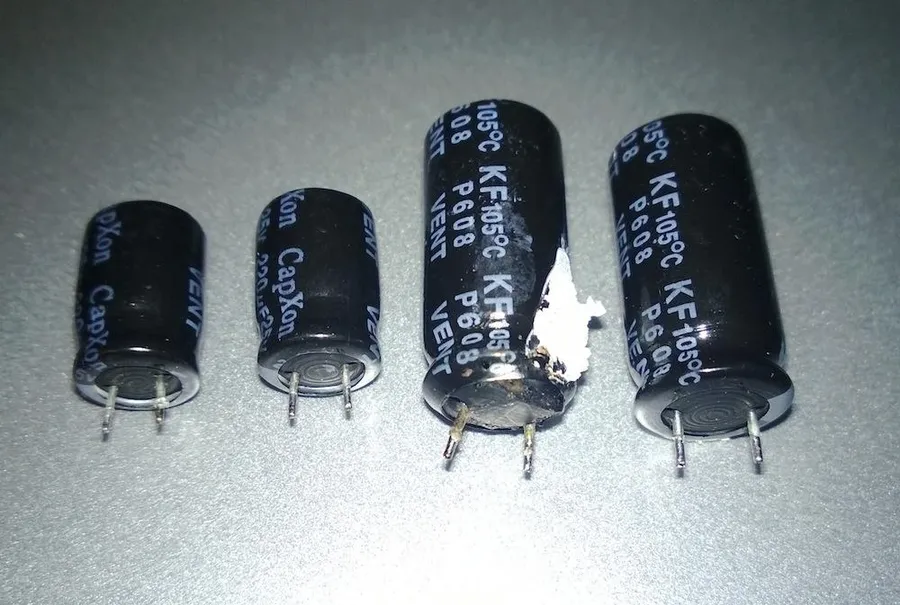
Visual Inspection Look for physical deformities such as bulging on the top or sides of the capacitor. A swollen or distorted casing indicates internal pressure build-up due to degradation. Also check for leaks which may appear as oily residue around the capacitor’s base, which indicates the dielectric fluid has escaped.
Odor A burning or acrid smell emanating from the capacitor area suggests internal damage and overheating.
Multimeter Testing Use a multimeter to check the capacitor's capacitance. A significantly lower reading than 15uF, or a reading of zero indicates a short or open circuit. Also test for ESR (Equivalent Series Resistance) where a high reading indicates capacitor degradation. Capacitor testers can provide a more detailed analysis.
Circuit Malfunction The device or system powered by the capacitor can behave erratically or fail completely. This can include intermittent operation, humming, or starting problems with motors or compressors.
When a capacitor is identified as faulty, it must be replaced by a component of the same or equivalent specifications. Ensure the replacement capacitor matches the original in capacitance (15uF) and voltage rating (e.g., 250V, 370V, 400V, as appropriate). Prior to replacement, it's crucial to safely discharge the faulty capacitor to prevent potential shocks or further damage. After replacement, verify the new component works properly.
15uf Capacitor Frequently Asked Questions
This section addresses common queries regarding 15uf capacitors, providing concise and technically accurate answers to ensure clarity and understanding.
What does '15 uF' mean on a capacitor? The designation '15 uF' indicates the capacitor's capacitance, which is 15 microfarads. A farad (F) is the base unit of capacitance, and one microfarad (uF) is equal to one millionth of a farad (10^-6 F). Capacitance measures a capacitor's ability to store electrical charge; a 15uF capacitor stores 15 millionths of a farad of charge for every volt applied across it.
What does 'uF' mean on a capacitor? 'uF' is the standard abbreviation for microfarad. It represents a unit of capacitance, where one microfarad is equal to one millionth of a farad. The microfarad is commonly used because most capacitors used in electronics store relatively small charges, making the farad unit impractical in most contexts.
Is it OK to use a capacitor with a slightly higher uF rating? In many applications, using a capacitor with a slightly higher microfarad (uF) rating is acceptable. A small increase in capacitance might not significantly alter the circuit's function, however significantly higher values can cause unexpected circuit behavior. It is essential to assess the specific circuit requirements and safety margins, as using a capacitor with significantly higher capacitance can potentially lead to increased inrush current or changes in circuit timing. Always refer to the equipment manufacturer's guidance and technical documentation.
What constitutes a bad capacitor reading when tested with a multimeter? A bad capacitor can show several abnormal readings with a multimeter. Ideally, a capacitor's capacitance can be directly measured by a multimeter with a capacitance setting and it should be within the tolerance of the capacitor's stated value. Common failure modes include very low or zero capacitance, indicating open-circuit failure; excessively high leakage current, indicating a short-circuit, and high Equivalent Series Resistance (ESR) which reduces performance. Bulging, leaking or other visual defects always indicates a failing capacitor.
Can I use a capacitor with a lower voltage rating than the original capacitor? No, using a capacitor with a lower voltage rating is not recommended and is dangerous. Capacitors have a maximum rated voltage, and if this limit is exceeded the internal dielectric will fail which can lead to catastrophic capacitor failure, and pose a significant fire and shock hazard. Always choose a capacitor with an equal or higher voltage rating compared to the original capacitor.
How does temperature affect the performance of a 15uf capacitor? Temperature can significantly affect the performance of a capacitor. Capacitance values can change with temperature, and electrolytic capacitors have lower service life at higher temperatures. Capacitors are rated for specific operating temperature ranges, and exceeding these can lead to premature failure, drift in capacitance value, or increased leakage. Therefore, it's crucial to select a capacitor with appropriate temperature characteristics for the intended application environment. Always consult the capacitor datasheet for the performance characteristics under different temperature conditions.
Where to Buy 15uf Capacitors
Electronic Component Store
Acquiring reliable 15uf capacitors requires sourcing from trusted suppliers. The quality and reliability of a capacitor directly impact the performance and longevity of the device it's used in, making it essential to choose reputable vendors. This section provides guidance on where to procure these components, ensuring you get the correct specifications and quality.
Major Online Electronics Retailers Reputable online platforms such as Digi-Key, Mouser Electronics, and Arrow Electronics are excellent sources for purchasing 15uf capacitors. These retailers offer a wide range of components from various manufacturers, complete with detailed datasheets and specifications. They are known for their reliability and often provide excellent customer support. Buying from these sources ensures you receive genuine, high-quality components.
Specialized Component Suppliers Consider vendors specializing in specific types of capacitors or those that focus on particular applications like motor starting capacitors. These suppliers often have deeper expertise in their focused product lines and can provide valuable insights and recommendations. Examples include companies that are leaders in HVAC components or audio-related electronics.
Local Electronics Stores While less common for highly specialized parts, local electronics stores can sometimes offer 15uf capacitors, especially if they cater to hobbyists or repair technicians. However, it is critical to verify the quality and specifications of the components when choosing this route, ensuring they are from reputable sources.
Directly from Manufacturers Purchasing directly from capacitor manufacturers is an option, particularly if you require large quantities or specific customizations. Direct sourcing provides the highest level of traceability and assurance regarding the capacitor's quality. This is especially beneficial for manufacturers or industrial applications where component reliability is paramount.
It is important to avoid purchasing from unverified sources or platforms offering components at unusually low prices. Such sources may sell counterfeit or substandard components that can cause damage to equipment or pose safety risks. Always prioritize purchasing from known, reputable vendors and compare specification sheets and manufacturer details.
Understanding the role of a 15uf capacitor is crucial for maintaining and repairing various electronic and mechanical devices. Whether for starting a motor, smoothing audio signals, or supporting a compressor, its proper function is vital for performance. When it comes to replacing your 15uf capacitor, be sure to check your appliance requirements. Armed with the knowledge from this guide, you can confidently select the right 15uf capacitor, understanding the value of this small but powerful component in the world of electronics. The right 15uf capacitor makes all the difference to your circuits.