Understanding the 4700uF 50V Capacitor: A Comprehensive Guide
2025.02.06
In our increasingly tech-driven world, understanding the humble yet critical components that power our devices is essential. One such component is the 4700uF 50V capacitor, a workhorse in countless electronic circuits. Like the heart of any machine, the 4700uf 50v capacitor is vital in smoothing power delivery and ensuring stable operation. This article will delve into the specifics of this component, explain its function, and guide you in its selection and use, connecting everyday technology with the science behind it.
What is a 4700uF 50V Capacitor?
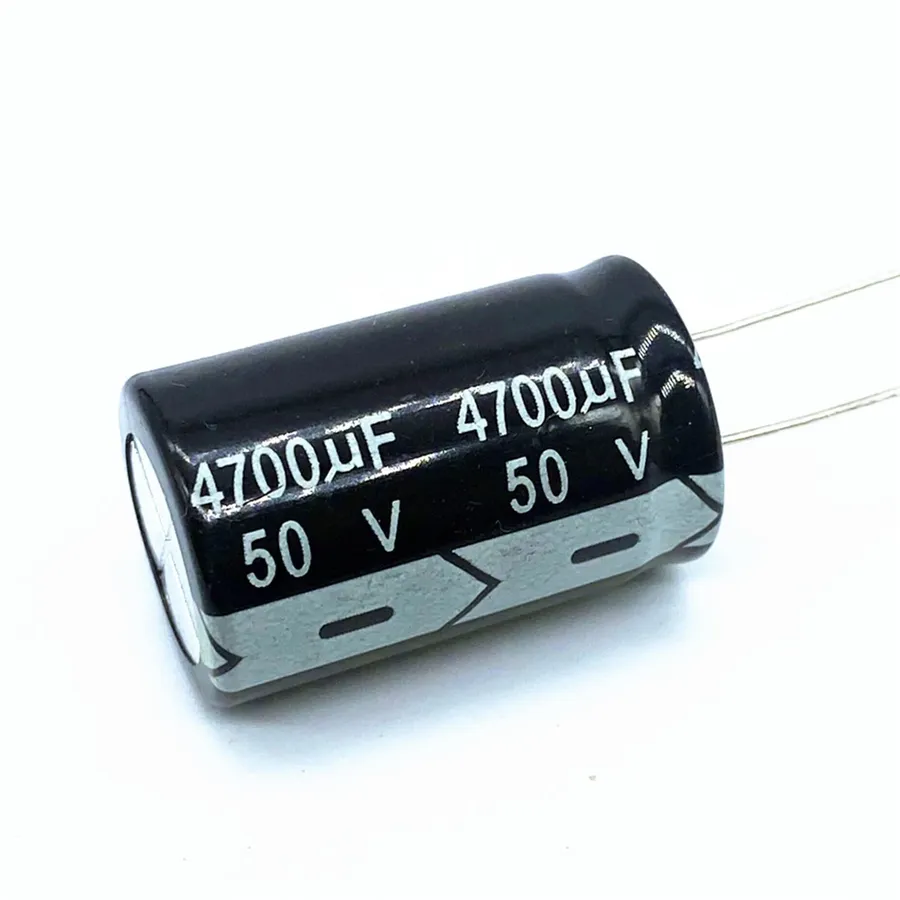
4700uF 50V Capacitor
A 4700uF 50V capacitor is an electronic component designed to store electrical energy within an electric field. The '4700uF' specifies its capacitance, which is a measure of its ability to store charge, with 4700 microfarads (µF) indicating a relatively high capacity. The '50V' represents the maximum voltage it can safely withstand during operation, beyond which it could be damaged or fail. This capacitor is commonly utilized in circuits where energy storage, filtering, or smoothing of DC voltages are required.
Key Specifications: Understanding Capacitance and Voltage
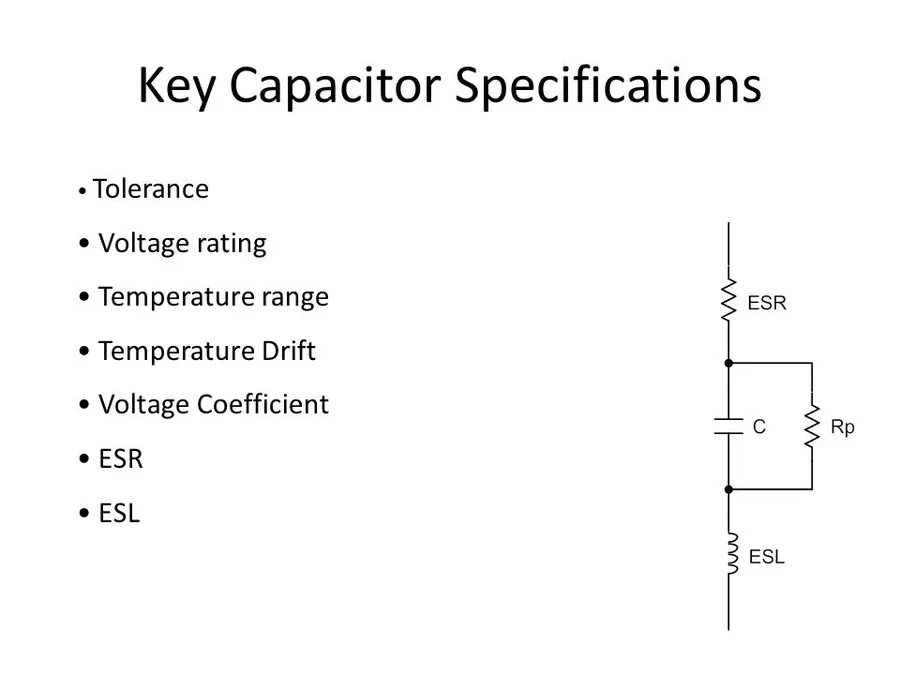
Capacitor Specifications
The 4700uF 50V capacitor is defined by two crucial parameters: capacitance, measured in microfarads (uF), and voltage rating, measured in volts (V). These specifications dictate the capacitor's performance characteristics and suitability for specific applications. Understanding these parameters is paramount to ensuring circuit stability and preventing component failure.
Parameter
Unit
Description
Impact on Performance
Capacitance
Microfarads (uF)
The ability of the capacitor to store an electrical charge. A 4700uF capacitor stores 4700 microfarads of charge.
Higher capacitance allows more charge storage, leading to greater energy storage and improved filtering in the circuit.
Voltage Rating
Volts (V)
The maximum voltage that can be safely applied across the capacitor without risking damage or failure. A 50V capacitor can withstand a maximum of 50 volts.
Exceeding the voltage rating can cause dielectric breakdown, resulting in capacitor failure, and potentially damage to other components in the circuit.
A 4700uF 50V capacitor is specifically designed to store a relatively large amount of charge (4700 microfarads) and operate safely within circuits with voltages up to 50 volts. Selecting the correct voltage rating is crucial as exceeding it can lead to dielectric breakdown and capacitor failure. In application, capacitance relates to the size of the capacitor, as the size is usually directly related to capacitance. The voltage rating is the maximum voltage the capacitor can withstand without damage. The 4700uF value makes this capacitor well-suited for applications requiring substantial energy storage, such as power supply filtering and signal coupling.
Types of 4700uF 50V Capacitors
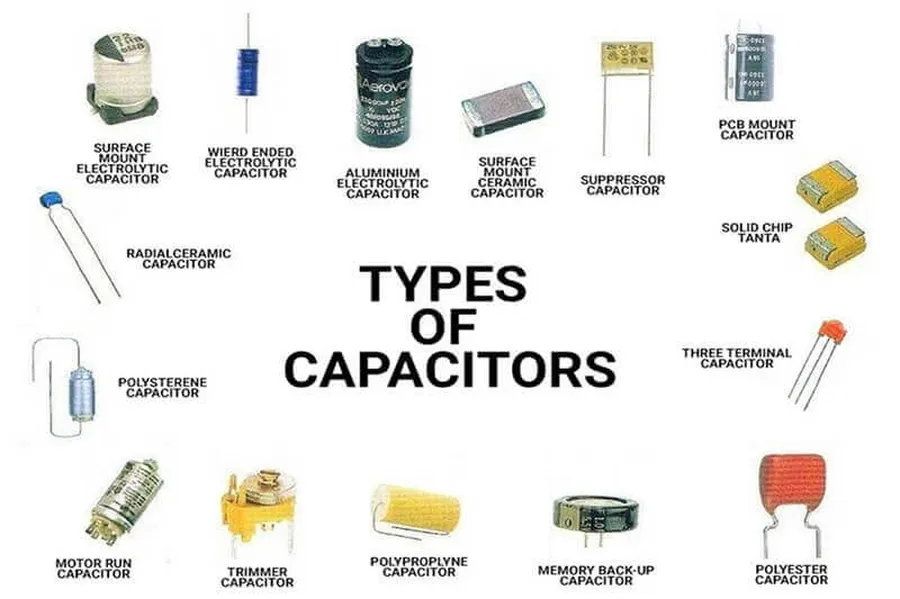
Different Types of Capacitors
4700uF 50V capacitors are available in various types, each with unique characteristics that cater to specific applications. While the capacitance and voltage rating remain consistent, their internal construction and materials lead to differences in performance, longevity, and suitability for different circuits. The most common types include electrolytic, ceramic, and tantalum capacitors, each with distinct advantages and disadvantages.
Capacitor Type
Construction
Typical Applications
Advantages
Disadvantages
Electrolytic
Uses an electrolyte (liquid or solid) to achieve high capacitance. Usually polarized.
Power supplies, filtering, audio coupling and decoupling.
High capacitance, relatively inexpensive.
Polarized, shorter lifespan, higher ESR, larger physical size compared to other types.
Ceramic
Uses a ceramic dielectric material. Non-polarized.
High-frequency circuits, bypass and decoupling applications.
Non-polarized, low ESR, good high-frequency performance, small size.
Lower capacitance values compared to electrolytic, can be sensitive to voltage and temperature changes.
Tantalum
Uses tantalum pentoxide as a dielectric. Polarized.
Miniaturized devices, power management, precision timing circuits.
Compact size, stable performance over temperature, good performance in high frequency circuits.
Higher cost, sensitive to voltage spikes, can fail catastrophically if overstressed.
For 4700uF 50V applications, electrolytic capacitors are the most prevalent. Their ability to store a large amount of charge in a compact form factor, coupled with their cost-effectiveness, makes them suitable for a wide array of applications. However, it is crucial to note their polarity and to take care not to exceed their voltage and current rating, as this can lead to premature failure. Conversely, while ceramic and tantalum capacitors offer distinct advantages in specific areas, they are less common in the 4700uF 50V range due to cost or size constraints.
Applications of the 4700uF 50V Capacitor
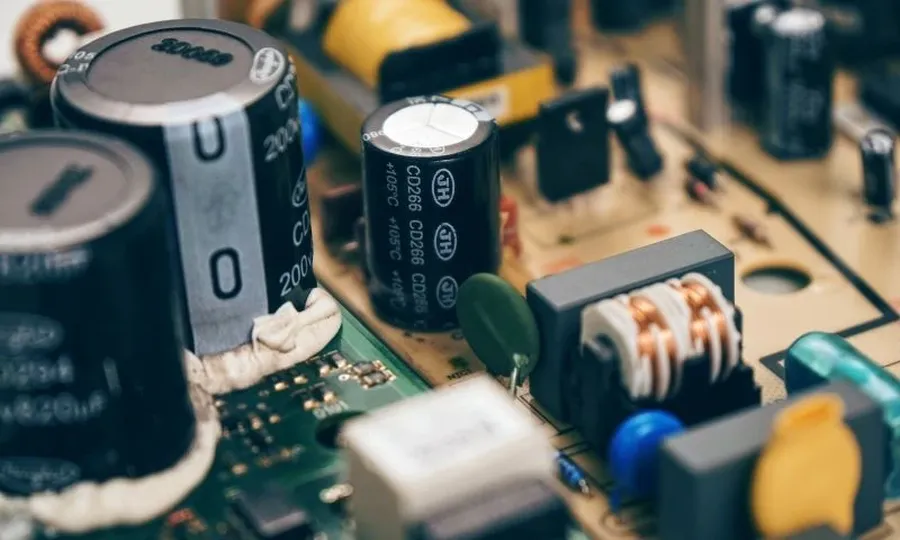
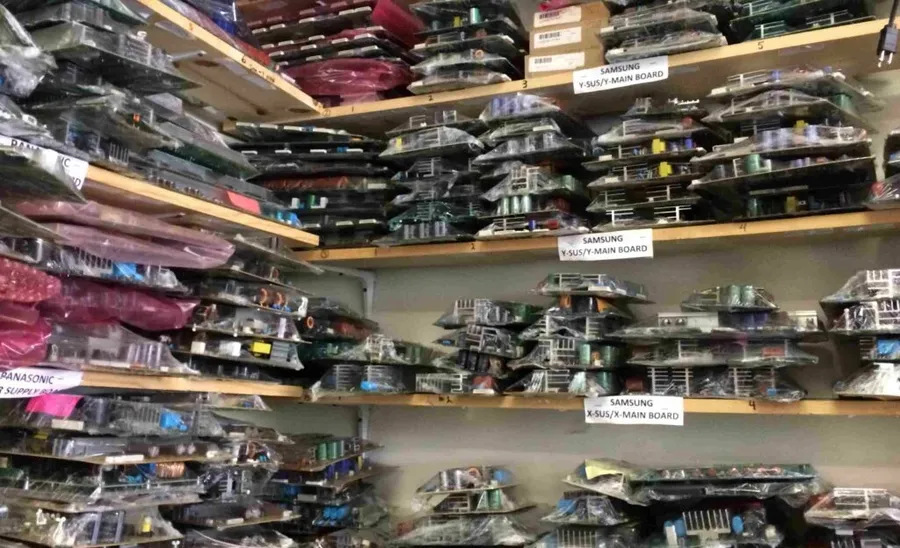
Capacitor on Circuit Board
The 4700uF 50V capacitor is a versatile component utilized across various electronic applications due to its ability to store and release electrical energy. Its high capacitance value (4700 microfarads) and moderate voltage rating (50 volts) make it suitable for applications requiring significant energy storage and moderate voltage levels. This section explores some key applications.
Power Supply Smoothing In power supplies, these capacitors are critical for smoothing out voltage fluctuations. After AC to DC conversion, the output often contains residual ripple. The 4700uF 50V capacitor acts as a reservoir, storing energy during voltage peaks and releasing it during troughs, thereby providing a stable and consistent DC voltage to the connected circuit, this reduces the noise and ensures the reliable operation of the circuit.
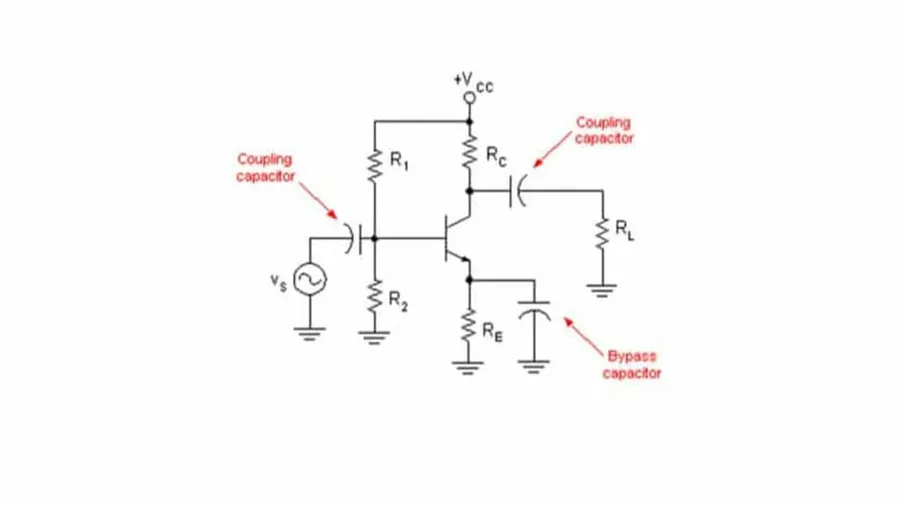
Audio Amplifiers In audio amplifiers, these capacitors play a crucial role in signal coupling and decoupling. They allow AC signals to pass while blocking DC signals, preventing DC bias from affecting subsequent stages. Additionally, they can be used in power filtering for audio stages reducing the signal hum and noise.
Energy Storage The 4700uF 50V capacitor serves as a temporary energy storage device. In systems with intermittent power demands, it can provide energy during peak loads, thus reducing strain on the main power source, this is seen in circuits like flash circuits where short burst energy is required.
Signal Filtering These capacitors can be used for filtering out unwanted frequencies in signal paths. By selecting the appropriate capacitor value, it is possible to create low-pass or high-pass filters, removing unwanted signal noise, and ensuring that only the desired frequencies are passed through. This is essential in sensitive electronic circuits to ensure that correct signal processing occurs.
Motor Control In some motor control circuits, these capacitors are used to reduce the electrical noise produced when switching motors. By filtering out these noises they prevent interference with other circuit elements and improve overall system reliability.
Choosing the Right 4700uF 50V Capacitor
Capacitor Selection
Selecting the appropriate 4700uF 50V capacitor is crucial for ensuring optimal circuit performance and longevity. This involves understanding several key parameters beyond the basic capacitance and voltage ratings, including physical dimensions, lead types, temperature tolerance, ripple current capacity, and Equivalent Series Resistance (ESR).
Parameter
Description
Importance
Size
Physical dimensions of the capacitor.
Ensures compatibility with PCB layout and housing constraints.
Lead Type
Radial or axial leads and surface-mount options.
Affects mounting methods and ease of installation.
Temperature Rating
The operating temperature range (e.g., 85°C, 105°C).
Determines suitability for specific thermal environments and performance reliability.
Ripple Current
The maximum AC current the capacitor can handle without overheating.
Critical in power circuits to prevent premature failure due to internal heat generation.
ESR (Equivalent Series Resistance)
Internal resistance of the capacitor. Affects efficiency and heat dissipation.
Lower ESR results in better efficiency and less heat.
When selecting a 4700uF 50V capacitor, prioritize parameters based on your specific application. For instance, a power supply circuit may require a capacitor with a high ripple current rating and low ESR, whereas a less demanding application, like simple signal filtering, might be more tolerant of variations in these parameters. Always cross-reference the capacitor's datasheet with your circuit design specifications to make an informed choice.
4700uF 50V Capacitor Replacement and Troubleshooting
Capacitor Replacement
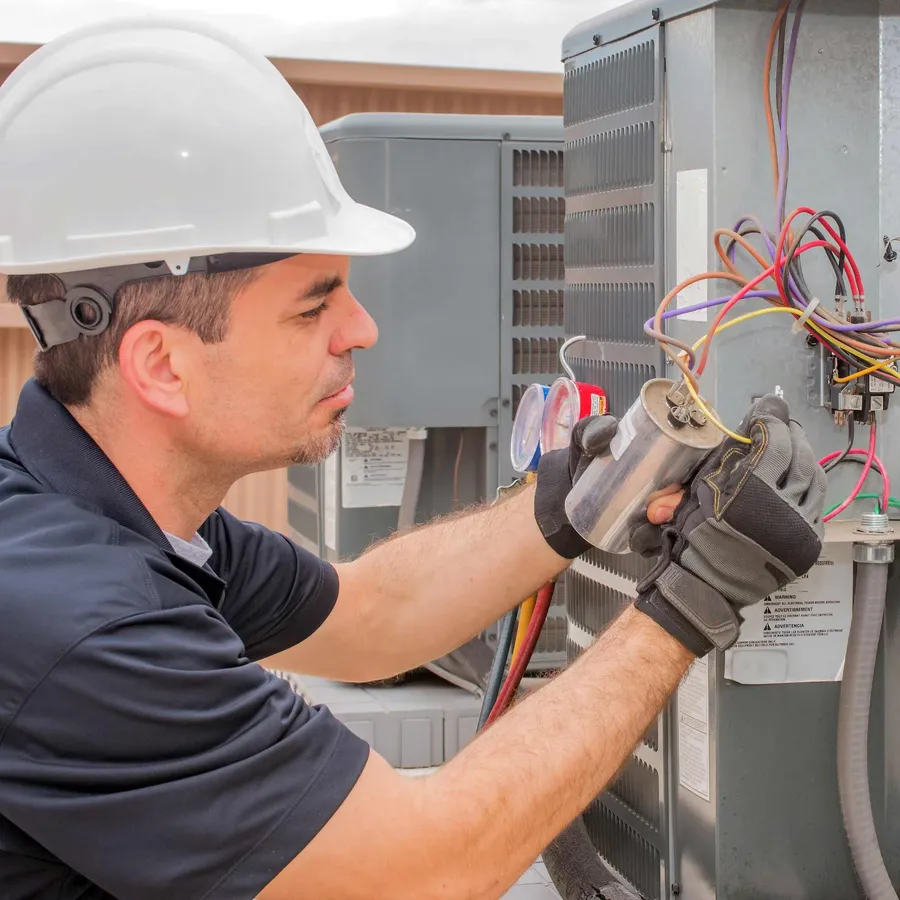
Replacing a 4700uF 50V capacitor requires careful consideration to ensure the new component matches the original specifications and is installed correctly. Proper troubleshooting can identify the need for replacement, avoiding broader circuit malfunctions.
Identifying a Faulty Capacitor Visually inspect for signs of bulging, leakage, or discoloration. Use a multimeter to measure capacitance and ESR (Equivalent Series Resistance), comparing against the datasheet or a known good component. A significant deviation indicates a likely failure.
Safety Precautions Before Replacement Ensure the circuit is completely powered off and discharged. Capacitors store energy even when disconnected, and can cause a shock or component damage. Use a suitable discharge resistor before any work.
Selecting a Replacement Capacitor Verify the replacement capacitor has the same capacitance (4700uF) and equal or greater voltage rating (50V or higher, such as 63V or 100V). Ensure the physical size is compatible with the existing footprint on the circuit board. Consider ripple current and temperature ratings for reliability in application.
Desoldering and Soldering Use a desoldering pump or braid to remove the old capacitor carefully. Orient the new capacitor correctly (electrolytic capacitors are polarized, and will have a negative lead marking). Solder the new capacitor using good technique and proper temperature control, avoiding overheating.
Post-Replacement Testing Once the new capacitor is installed, visually verify the solder joints and polarity. Then, reapply power carefully and observe the circuit operation to check if the original issue is resolved. Monitor temperature and operating conditions to confirm system stability.
Symptom
Potential Cause
Troubleshooting Steps
Circuit not functioning
Capacitor failure, open or short circuit
Check capacitor visually for damage. Measure capacitance and ESR.
Reduced Performance, increased noise, and signal instability
Capacitance drift or increased ESR.
Measure capacitance and ESR. Compare to datasheet specs.
Overheating
Excessive ripple current
Check datasheets for current ratings and ensure appropriate capacitor selection
Visual Damage
Over voltage, operation beyond spec limit
Check circuit voltage is within capacitor's rating.
Frequently Asked Questions About 4700uF 50V Capacitors
This section addresses common inquiries regarding 4700uF 50V capacitors, clarifying their use, replacement procedures, and the meaning of their specifications. We aim to provide clear and concise answers to help you understand and utilize these components effectively.
What is the primary function of a 4700uF 50V capacitor? A 4700uF 50V capacitor is primarily used for energy storage, filtering, and smoothing voltage fluctuations in electronic circuits. Its high capacitance (4700 microfarads) allows it to store a significant charge, while its 50V rating indicates the maximum voltage it can safely withstand. It's frequently employed in power supplies to smooth out ripple voltage and in audio circuits for coupling signals and filtering unwanted frequencies.
Can I replace a 35V capacitor with a 50V capacitor of the same capacitance? Yes, you can generally replace a 35V capacitor with a 50V capacitor of the same capacitance (4700uF in this case). The higher voltage rating of the 50V capacitor means it is capable of withstanding higher voltages and will not be damaged in a circuit that was designed for a 35V capacitor. It is crucial to ensure that the replacement capacitor has an equal or higher voltage rating than the original to avoid failures. However, replacing with a lower voltage rating is unsafe and will damage the capacitor.
What does '50V' signify on a capacitor? The '50V' on a capacitor indicates its maximum working voltage or rated voltage. It's the highest voltage that the capacitor can safely handle in continuous operation without risking damage or failure. Exceeding this voltage rating can lead to capacitor breakdown, reduced lifespan, or even catastrophic failure.
What does 'nF' mean on a capacitor? 'nF' stands for nanofarads, which is a unit of capacitance, and it is 10^-9 Farads. While the capacitor discussed in this section is rated in microfarads (uF or µF), it is useful to know other capacitance denominations. A nanofarad is a smaller unit of capacitance than a microfarad; 1 microfarad is equal to 1,000 nanofarads.
What are the key factors to consider when replacing a 4700uF 50V capacitor? When replacing a 4700uF 50V capacitor, you should match the capacitance and ensure the voltage rating is equal or higher. Consider also the capacitor's physical size to match the original footprint, lead type (radial or axial) to fit in the circuit, and operating temperature range of the component. Other important factors includes the ripple current and Equivalent Series Resistance (ESR). Incorrectly matching any of these parameters can impact circuit performance.
Can a 4700uF 50V capacitor be used in series or parallel combinations? Yes, 4700uF 50V capacitors can be used in series or parallel, but the result will be different. When two identical capacitors are connected in series, the total capacitance is halved (2350uF) and the total voltage rating is doubled (100V). When two identical capacitors are connected in parallel, the total capacitance is doubled (9400uF), and the total voltage rating remains the same (50V). These configurations are used to meet specific circuit requirements of capacitance and voltage. It's crucial to understand these concepts when designing a circuit.
How can I determine if a 4700uF 50V capacitor is defective? A defective capacitor may exhibit several signs, such as bulging, leaking electrolyte, or a change in capacitance or ESR. If a circuit is experiencing malfunctions due to the capacitor, you could use a multimeter to measure the capacitance and ESR. If the measured capacitance significantly deviates from the labeled value or if the ESR is significantly higher, it indicates that the capacitor may be faulty. It is recommended that the faulty capacitor is removed from the circuit and inspected visually for signs of damage.
Practical Tips for Using 4700uF 50V Capacitors
Integrating 4700uF 50V capacitors effectively into circuits requires careful attention to detail to ensure both optimal performance and longevity. This section provides practical guidance, focusing on polarity, safety, and best practices.
Polarity Matters Electrolytic capacitors, commonly used for 4700uF 50V applications, are polarized. Incorrect polarity can cause damage, overheating, or even explosive failure. Always double-check the capacitor's polarity markings (usually a stripe indicating the negative lead) and the circuit diagram before installation.
Handling Precautions Avoid applying excessive mechanical stress to capacitor leads, which can damage internal connections. Handle capacitors by their bodies, not by their leads. Do not exceed the rated voltage, as this can lead to premature failure or damage.
Temperature Management Capacitors have specified operating temperature ranges. High temperatures can drastically reduce capacitor lifespan and lead to component degradation. Ensure adequate ventilation or use heat sinks if necessary, especially when dealing with higher ripple currents.
Proper Soldering Avoid overheating capacitors during soldering. Use a temperature-controlled soldering iron and a moderate soldering time. Excessive heat can damage the capacitor's internal structure, compromising its functionality. Allow the capacitor to cool before use. Solder carefully to avoid introducing stress on the component leads and case.
Capacitor Testing Before final assembly, test each capacitor in-circuit with a multimeter to verify its polarity and that it charges properly. A shorted capacitor will require replacement before further system usage.
Selecting the Correct Type For sensitive circuits, ensure that the specific capacitor type (e.g., low ESR, high temperature) matches the application. General-purpose capacitors can be used for smoothing and filtering operations, while specialized capacitors may be required for other purposes.
Safe Discharge Procedures If a capacitor is charged, ensure it is safely discharged before handling or replacing it. Use a suitable resistor for discharge instead of shorting with a wire to prevent sudden energy dissipation that can damage the capacitor or related circuit components.
Where to Buy a 4700uF 50V Capacitor
Electronic Component Store
Purchasing a 4700uF 50V capacitor requires careful consideration of both the source and the component's authenticity. Given the critical role of capacitors in electronic circuits, selecting a reliable supplier and verifying the component's specifications are vital steps to ensure the proper functioning and longevity of your devices.
Here are some recommended sources:
Online Electronics Retailers Major online retailers specializing in electronics components are often the first port of call for many. These platforms offer a wide variety of capacitors from different manufacturers, often with detailed datasheets and specifications. Examples include: Digikey, Mouser, and Arrow Electronics. Advantages: extensive selection, detailed product information, and reliable shipping. Disadvantages: potential for higher prices and the need to verify authenticity from less-known sellers.
Specialized Electronics Distributors These distributors focus specifically on electronic components and often have strong relationships with manufacturers. This can lead to more consistent quality and availability. Examples include: Newark and Farnell. Advantages: high-quality products and strong customer support. Disadvantages: may require a business account for some purchases.
Local Electronics Stores Local stores can be a good option for immediate needs, offering the chance to physically inspect components before purchase. However, their selection may be limited compared to online retailers. Advantages: immediacy and the ability to inspect components. Disadvantages: limited stock and potentially higher prices.
Manufacturer Direct Some manufacturers sell directly to consumers, which guarantees product authenticity. Advantages: guaranteed authenticity and direct access to the source. Disadvantages: often higher minimum order quantities and may be less convenient for small purchases.
Identifying Authentic 4700uF 50V Capacitors
Check Manufacturer Markings Ensure that the capacitor has clear, correctly formatted markings of the manufacturer's logo, the capacitance value (4700uF), the voltage rating (50V), and the temperature rating. Inconsistent or poorly printed markings are a potential sign of a counterfeit.
Compare with Datasheets Verify the specifications provided by the seller with the official datasheet from the manufacturer. Any discrepancies in size, dimensions, or material can be a red flag.
Inspect Physical Quality Examine the capacitor for any visual imperfections, such as damage, loose leads, or improper sealing. High-quality components generally have a consistent and clean finish.
Buy From Reputable Sources Purchasing from authorized distributors or retailers who have a reputation for providing genuine products is essential. Avoid purchasing from unverified sellers on online marketplaces.
Consider the Price If the price is significantly lower than average, it could indicate a counterfeit component. Authentic, quality electronic components typically adhere to a standard pricing range.
The 4700uF 50V capacitor is a fundamental component in modern electronics, playing a critical role in ensuring stable and reliable power delivery. From smoothing power fluctuations to filtering unwanted signals, its applications are numerous. Understanding its specifications, particularly capacitance and voltage ratings, and being able to choose the right capacitor are essential for any electronics enthusiast or professional. Remember, the right 4700uf 50v capacitor can make a significant difference in your project's performance, much like a well-chosen ingredient elevates a dish. Looking ahead, the continuous advancements in capacitor technology promise even more efficient and compact solutions, paving the way for future innovations in electronics.