The seemingly simple 500 ohm resistor is a fundamental building block in countless electronic circuits, much like the silent workhorses of our society. From everyday gadgets to complex industrial systems, this component plays a crucial role in managing electrical current. In this article, we'll delve into the applications of 500 ohm resistors, examining their various types, and offering guidance on how to select the ideal resistor for your project. We'll also explore common use case of 500 ohm resistors in 4-20mA to 2-10V signal conversions. It's more than just a tiny component; it's a vital piece of our technological landscape.
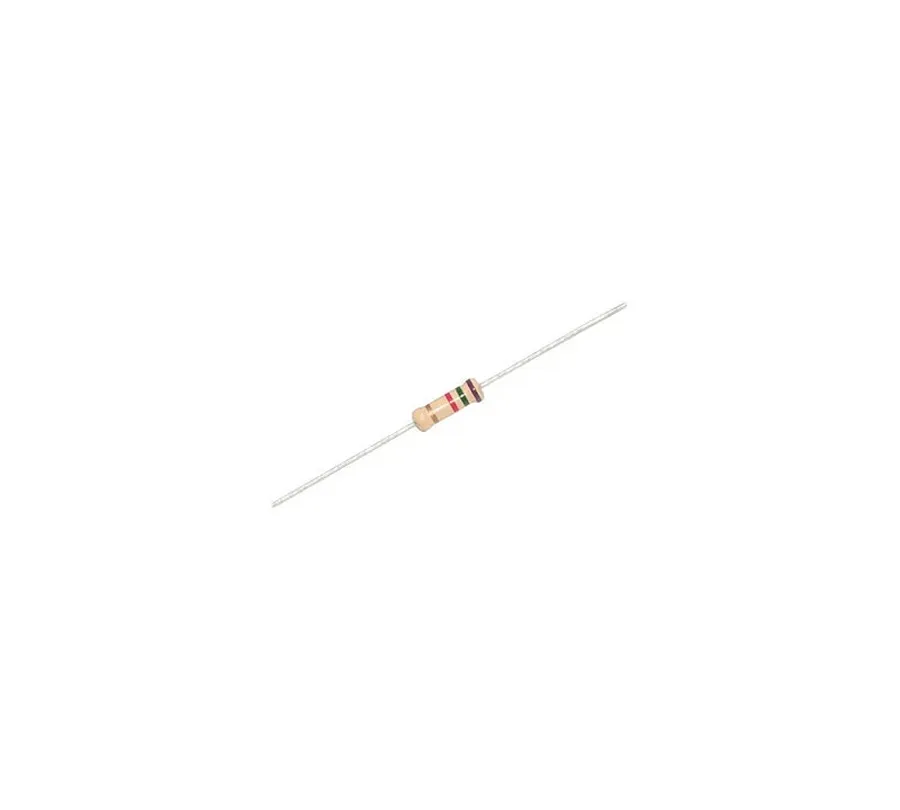
A 500 ohm resistor is a fundamental passive electronic component designed to impede the flow of electrical current by 500 ohms. This resistance, quantified by Ohm's Law (V=IR), determines the relationship between voltage (V), current (I), and resistance (R). The resistor's primary function is to limit current, ensuring that the current within a circuit does not exceed design specifications and thereby preventing damage to other components.
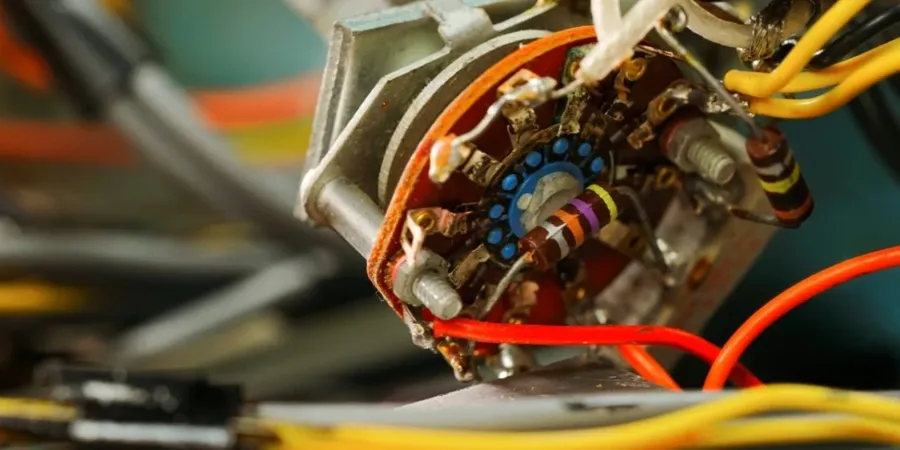
500 ohm resistors serve as versatile components across numerous electronic applications, primarily functioning in signal conditioning, current control, and voltage division. They are critical in various circuits, notably within industrial control systems and sensor interfaces, effectively transforming electrical signals for optimal circuit performance. A common use is the conversion of 4-20mA current loop signals into a 2-10V voltage signal, a standard practice in industrial automation for signal compatibility and ease of processing.
| Application | Function | Benefit |
|---|---|---|
| Signal Conditioning | Modifies signal characteristics | Improves signal quality for processing |
| Current Limiting | Controls the current flow | Protects sensitive components from overcurrent |
| Voltage Division | Reduces a voltage to useable level | Allows for the use of sensors and circuits that require a low voltage. |
| 4-20mA Conversion | Converts current to voltage | Enables compatibility between current-based sensors and voltage-based systems |
| Sensor Interface | Provides stable signal | Ensures reliable sensor operation and prevents damage. |
| Industrial Controls | Power and signal control | Enables reliable automation |
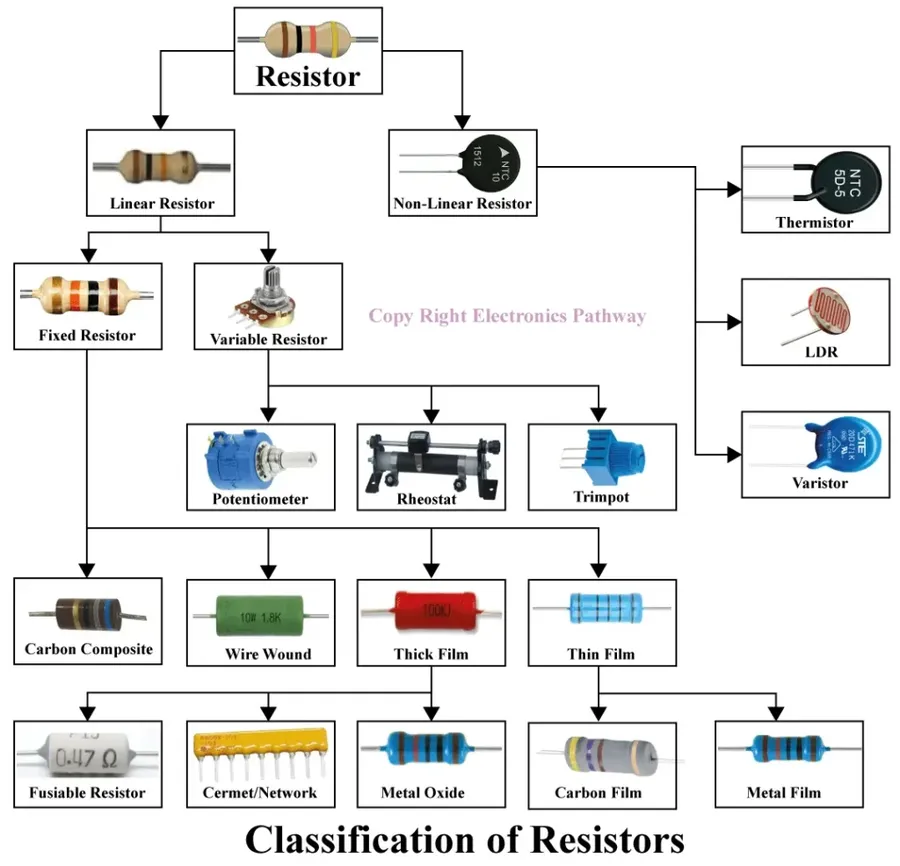
500 ohm resistors are available in various forms, each engineered for specific applications and performance requirements. These different types primarily vary in construction, materials used, and mounting methods, influencing their characteristics such as power handling, precision, and operating temperature range. The selection of the appropriate type is essential for optimal circuit performance.
| Resistor Type | Construction | Typical Applications | Advantages | Disadvantages |
|---|---|---|---|---|
| Through-Hole (Axial Lead) - Carbon Film | Thin carbon film deposited on a ceramic substrate, with leads for insertion into a PCB. | General-purpose applications, prototyping, low-cost designs. | Low cost, widely available, suitable for low-power circuits. | Less precise than metal film, higher temperature coefficient, susceptible to drift over time. |
| Through-Hole (Axial Lead) - Metal Film | Thin metal film deposited on a ceramic substrate, with leads for insertion into a PCB. | Precision circuits, instrumentation, audio equipment. | Higher precision, lower temperature coefficient, lower noise. | More expensive than carbon film, limited power handling compared to wirewound. |
| Through-Hole (Axial Lead) - Wirewound | A resistive wire wound around a ceramic core, with leads for insertion into a PCB. | High-power applications, current sensing, braking resistors. | High power handling capacity, excellent surge protection, stable at high temperatures. | Large physical size, can be inductive, not suitable for high-frequency applications. |
| Surface Mount (SMD) Resistors | Thick or thin film resistive material deposited on a ceramic substrate, with terminals for surface mounting. | High-density PCB designs, automated assembly, mobile devices. | Small size, low profile, easy for automated assembly. | Lower power rating than through-hole, more difficult to handle without proper tools, higher initial cost. |
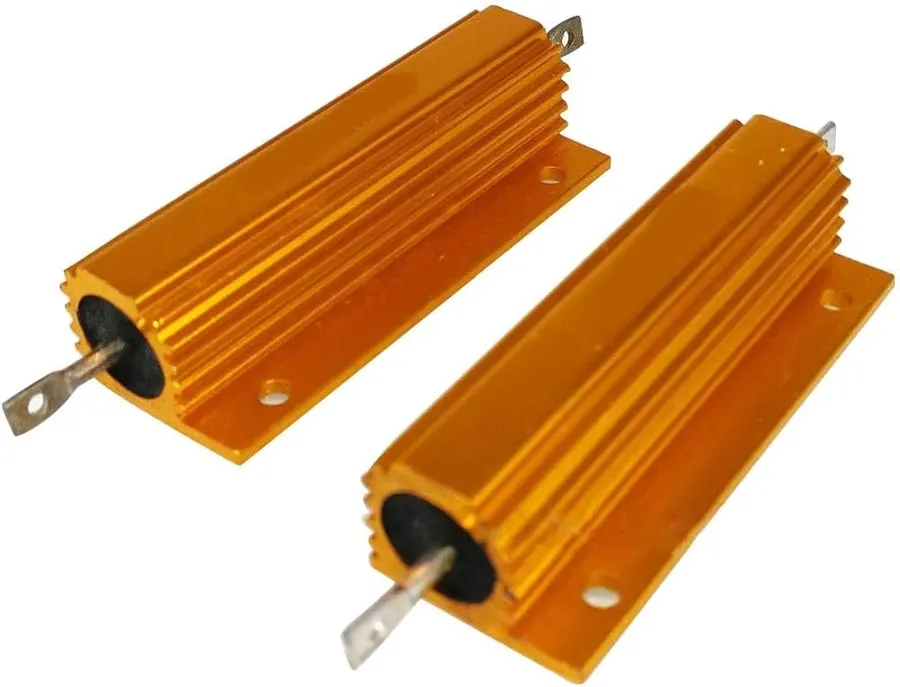
| Cement Resistors | Wirewound resistors encased in a ceramic or cement material. | High-power, heat dissipation applications, commonly used in power supplies and motor controls. | High power handling and excellent heat dissipation. | Physically large and not precise compared to other types. |
Selecting the appropriate 500 ohm resistor for a specific application is crucial for circuit performance and reliability. Several key factors must be considered to ensure the resistor meets the circuit's requirements without compromising its function or longevity. These include power rating, tolerance, temperature coefficient, and physical characteristics such as size and mounting style.
| Factor | Description | Importance |
|---|---|---|
| Power Rating (Wattage) | The maximum power the resistor can dissipate as heat without damage. It's determined by the expected current flow through the resistor and the voltage drop across it. | Critical for preventing overheating and resistor failure. Exceeding power rating can cause damage or fire. |
| Tolerance (Accuracy of Resistance) | The allowable deviation of the actual resistance from the nominal value (500 ohms). Usually expressed as a percentage, common tolerances are ±1%, ±5%, and ±10%. | Impacts the accuracy of the circuit. Lower tolerance resistors are needed for precision circuits while higher tolerances are acceptable for non critical circuits. |
| Temperature Coefficient | How much the resistance changes with temperature, it is expressed in ppm/°C (parts per million per degree Celsius). | Important in environments where the temperature varies, as resistance will drift from the nominal value. |
| Physical Size and Mounting | The dimensions of the resistor and how it's mounted (e.g., through-hole, SMD). | Affects the physical layout of the circuit board and is limited by the size and layout constraints. Proper mounting also ensures correct thermal dissipation. |
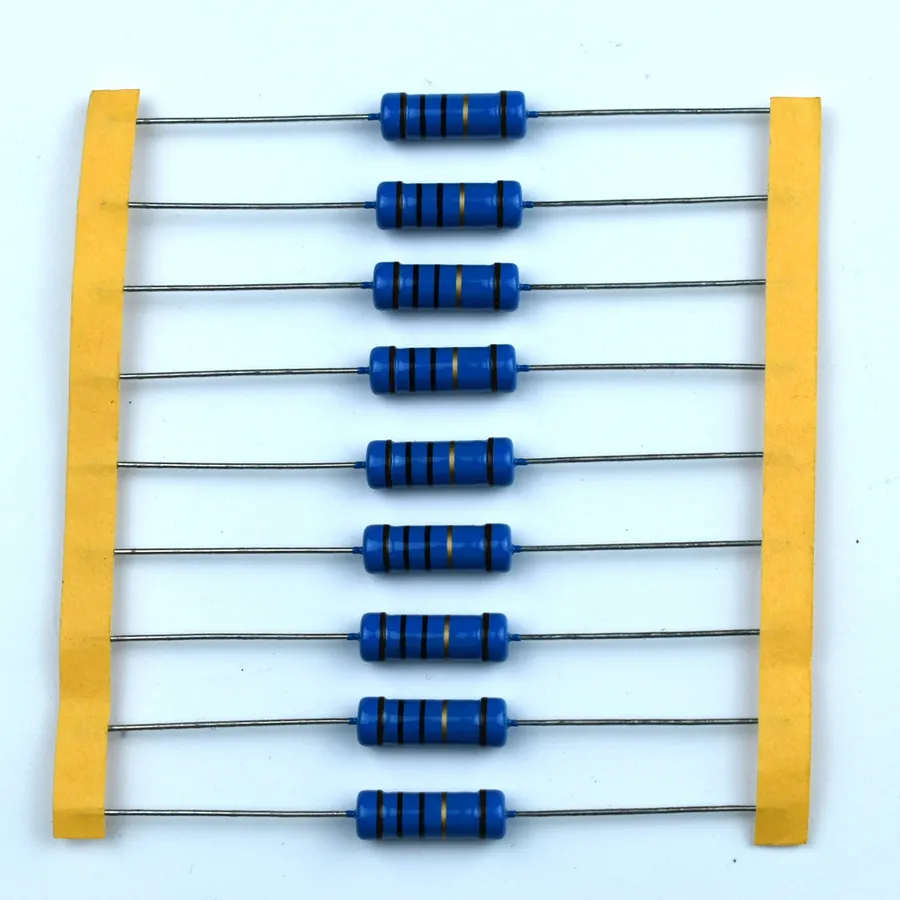
While surface mount (SMD) resistors utilize numerical codes, through-hole resistors often employ color bands to indicate their resistance value. A 500 ohm resistor is typically coded with four bands: green, black, brown, followed by either a gold or silver band to indicate tolerance. This section will detail how to interpret these color codes.
| Band | Color | Value | Multiplier | Tolerance |
|---|---|---|---|---|
| 1st Band | Green | 5 | - | - |
| 2nd Band | Black | 0 | - | - |
| 3rd Band | Brown | - | 10 | - |
| 4th Band | Gold | - | - | 5% |
| 4th Band | Silver | - | - | 10% |
The first two bands represent the significant digits of the resistance value. The third band is the multiplier which in the case of a brown band, means multiply by 10. The fourth band indicates the tolerance, with gold representing 5% and silver representing 10%. Thus a resistor with a sequence of green, black, brown, gold band will be 50 x 10 = 500 ohms at 5% tolerance.
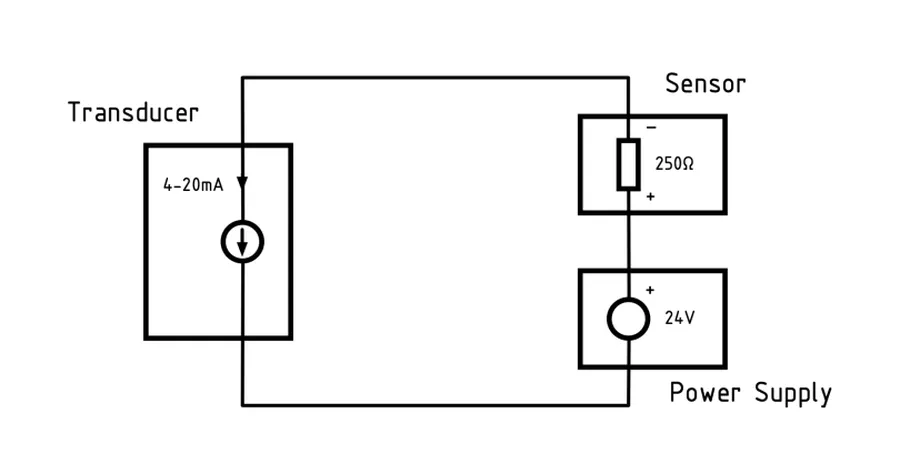
The 500 ohm resistor is a crucial component in 4-20mA current loop systems, serving as a precision current-to-voltage converter. This conversion is fundamental for interfacing industrial sensors and other devices that transmit data via current signals into control systems or data acquisition hardware that often requires voltage inputs.
In such a system, a 4-20mA current signal, representing a measured variable (e.g., temperature, pressure), flows through the 500 ohm resistor. According to Ohm's Law (V = I * R), a proportional voltage drop is developed across the resistor. This voltage drop ranges from 2V (0.004A * 500 ohms) to 10V (0.02A * 500 ohms), creating a 2-10V voltage signal that represents the transmitted data. This standardized voltage signal is then readily compatible with various analog-to-digital converters and control circuitry.
| Current (mA) | Resistance (Ohms) | Calculated Voltage (V) |
|---|---|---|
| 4 | 500 | 2 |
| 20 | 500 | 10 |
The precision of the 500 ohm resistor is critical in these applications. The resistor's tolerance directly influences the accuracy of the converted voltage signal. For example, a resistor with 1% tolerance will introduce less error in the voltage reading compared to one with 5% tolerance. Moreover, the temperature coefficient of the resistor should be considered, as its resistance can slightly vary with temperature, which can impact the precision of the conversion.
This section addresses common questions about 500 ohm resistors, providing clear and concise answers to help users understand their properties, applications, and usage in electronic circuits. These frequently asked questions offer practical insights into the function and selection of 500 ohm resistors.
Successfully integrating 500 ohm resistors into electronic circuits requires attention to detail, proper handling techniques, and adherence to best practices during soldering and connection processes. These guidelines help ensure the longevity and reliability of your circuits.
The core distinction between a 500 ohm resistor and other resistors lies in their resistance value, which directly impacts their behavior within an electrical circuit. Resistance, measured in ohms (Ω), dictates how much a resistor impedes the flow of electrical current. A higher resistance results in a lower current flow, and vice versa, following Ohm's Law (V=IR).
| Resistor Value | Impact on Current (at constant voltage) | Common Applications | Key Differences |
|---|---|---|---|
| 100 Ohm | Higher current flow compared to 500 ohm and 1k ohm | Current limiting in LED circuits, shunt resistors in current measurement | Allows more current, causes more energy to be lost as heat compared to higher resistance |
| 500 Ohm | Moderate current flow; lower than 100 ohm and higher than 1k ohm | 4-20mA to 2-10V conversions, signal conditioning, precise current limiting | Balances current limitation and voltage drop, suitable for signal processing |
| 1k Ohm | Lower current flow compared to 100 ohm and 500 ohm | Pull-up/pull-down resistors, protection in digital circuits, voltage dividers | Limits current more, reduces heat generation, suitable in situations requiring lower current |
When comparing 500 ohm resistors to others, such as 100 ohm and 1k ohm resistors, the difference in current flow is significant. For instance, given a constant voltage source, a 100 ohm resistor will allow significantly more current to pass through it than a 500 ohm resistor. Conversely, a 1k ohm resistor would allow the least current to pass through. This is directly attributed to the inverse relationship between resistance and current at a constant voltage. The practical upshot of this is that lower resistance resistors will require larger watt ratings to dissipate heat caused by current, compared to higher resistance resistors which have less current flow.
In essence, the choice of resistor value hinges on the circuit's specific requirements. A 500 ohm resistor is a good middle ground, providing a balance between limiting current and voltage drop, making it useful in signal processing applications. The application will determine if you need more or less resistance in the circuit. This affects both the current through a component and voltage across the component. Higher the resistance, the lower current at the same voltage and higher the voltage drop.
In conclusion, the 500 ohm resistor, much like the silent 500 ohm resistor in a critical circuit, is a critical component in the electronic world, offering a versatile tool for current management and signal processing. Understanding its applications, types, and selection criteria is key for both professional engineers and hobbyists. From 4-20mA to 2-10V conversions, and in everything from basic electronics circuits to complex industrial systems, a 500 ohm resistor serves a multitude of purposes. As our technology advances, the humble 500 ohm resistor is likely to remain an essential piece of our electronic landscape, continuing to quietly ensure the smooth operation of the tech that surrounds us.

