In the realm of electronics, diodes play a critical role in controlling electrical current. The RL207 diode, a workhorse in many circuits, is known for its robust rectification capabilities. Understanding the RL207 diode is crucial for anyone involved in electronics. Much like the valves that control water flow in a plumbing system, diodes like the RL207 ensure that electricity flows in one direction, forming the backbone of many power supply and signal processing applications.
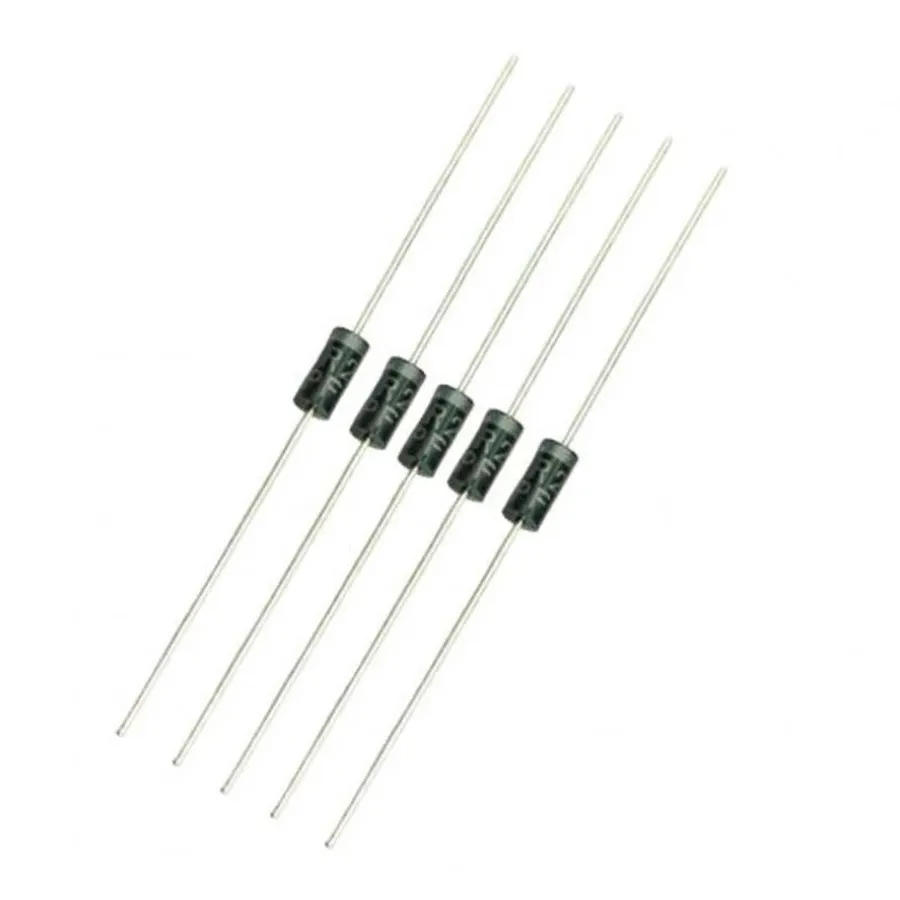
The RL207 is a silicon rectifier diode, primarily designed to convert alternating current (AC) into direct current (DC). It's a fundamental component in electronic circuits, characterized by its ability to allow current flow in one direction while blocking it in the opposite direction. This unidirectional conductivity is essential for various applications, most notably in power supplies.
At its core, the RL207 is a P-N junction diode. It's constructed from a piece of semiconductor material, typically silicon, doped with impurities to create a region with an excess of electrons (N-type) and another region with a deficit of electrons (P-type), resulting in a junction between the two regions. When a voltage is applied in the forward direction (anode more positive than the cathode), the diode allows current to flow with a minimal voltage drop. Conversely, when a reverse voltage is applied, the diode effectively blocks current flow, up to a specified breakdown voltage.
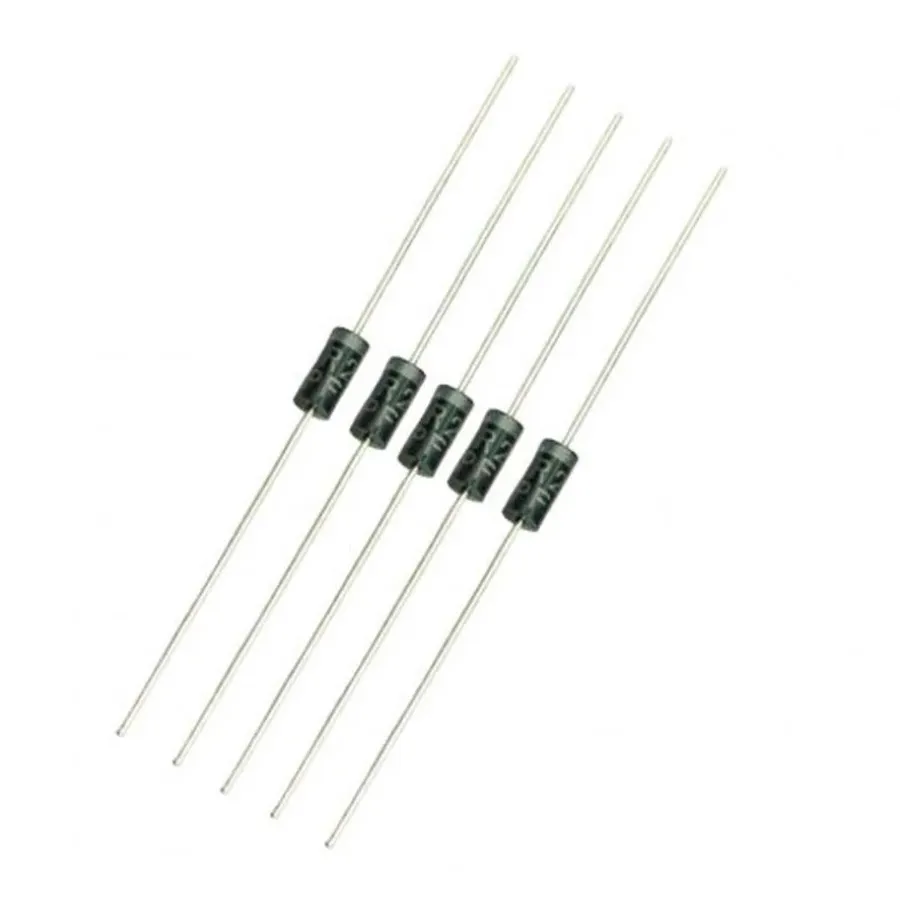
The RL207 is a rectifier diode characterized by specific electrical parameters that dictate its operational capabilities. Understanding these specifications is crucial for selecting the correct diode for an application. This section provides a comprehensive overview of the key performance indicators for the RL207.
| Parameter | Value | Description |
|---|---|---|
| Maximum Repetitive Peak Reverse Voltage (VRRM) | 1000V | The maximum reverse voltage that the diode can withstand repeatedly without breakdown. |
| Maximum RMS Reverse Voltage (VRMS) | 700V | The maximum root mean square reverse voltage. |
| Maximum DC Blocking Voltage (VDC) | 1000V | The maximum direct current reverse voltage. |
| Maximum Average Forward Rectified Current (IF(AV)) | 2A | The maximum average current that the diode can conduct in the forward direction when used as a rectifier, under specified conditions. |
| Peak Forward Surge Current (IFSM) | 50A | The maximum surge current the diode can handle for a short duration without damage. This is typically for a single pulse. (8.3ms single half sine-wave) |
| Maximum Forward Voltage Drop (VF) | 1.1V at 2A | The voltage drop across the diode when it is conducting current in the forward direction. This is specified at the maximum forward current. |
| Maximum Reverse Leakage Current (IR) | 5µA at 1000V | The small current that flows through the diode in the reverse direction when a reverse voltage is applied. Specified at the maximum reverse voltage. |
| Operating Junction Temperature Range (TJ) | -55 to +150 °C | The range of temperature within which the diode can operate safely and efficiently. |
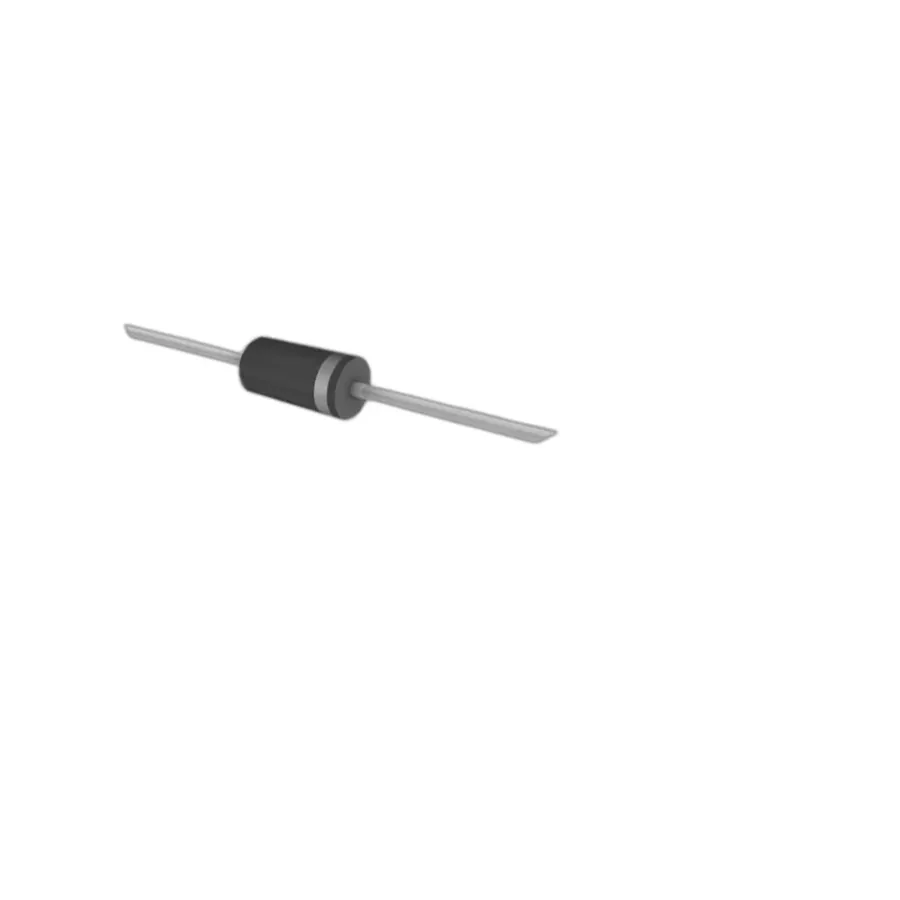
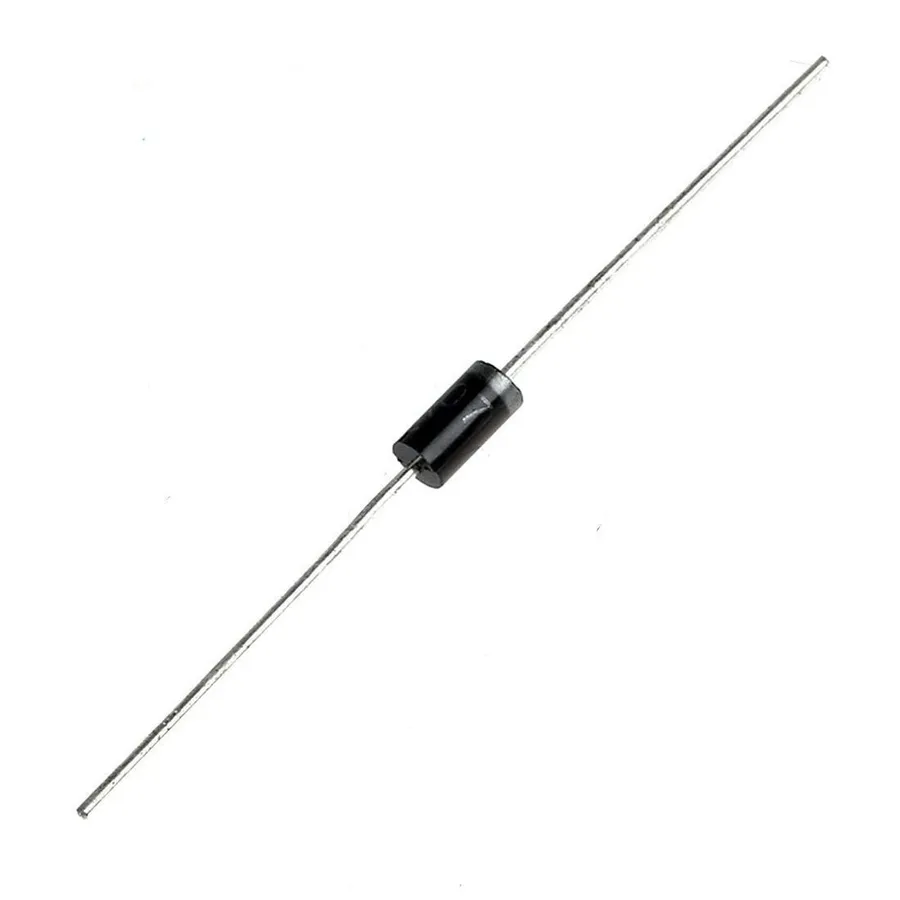
The RL207 diode is a through-hole component characterized by its robust DO-15 package, which facilitates effective heat dissipation and secure mounting on circuit boards. Understanding its pin configuration is crucial for correct circuit integration; the diode’s functionality relies on the correct connection of its anode and cathode.
The DO-15 package is a standard axial-leaded package which is designed for easy manual insertion into PCBs. The package is cylindrical, with a lead extending from each end. These leads are the electrical connection points for the diode: the anode and the cathode.
| Feature | Description |
|---|---|
| Package Type | DO-15 (Axial-leaded) |
| Body Material | Epoxy |
| Anode | Lead without marking |
| Cathode | Lead with band marking near the lead |
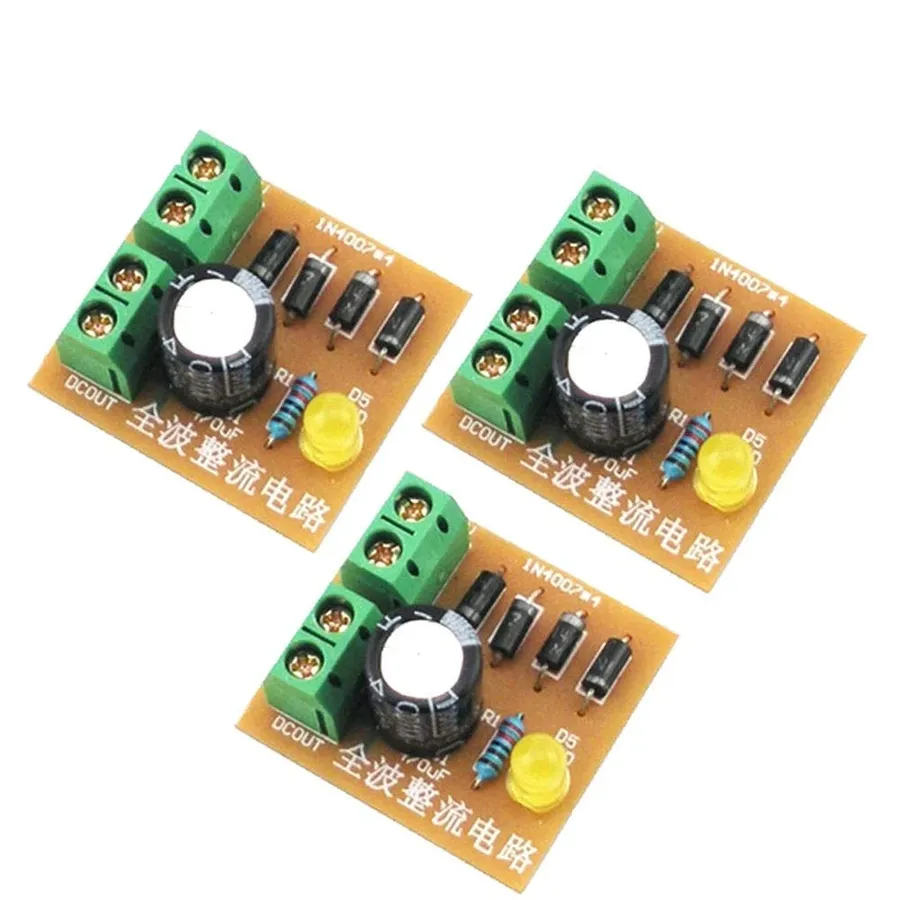
The RL207 diode, a robust rectifier, is commonly utilized in diverse electronic circuits owing to its reliable performance and ability to handle substantial voltage and current. Its primary applications stem from its capacity to convert AC to DC power, act as a protective component, and manage current flow effectively.
The RL207 and 1N4007 diodes are both popular choices for rectification in electronic circuits, but they have key differences that make one more suitable than the other for specific applications. This section provides a detailed comparison to guide engineers in selecting the appropriate diode.
| Characteristic | RL207 | 1N4007 |
|---|---|---|
| Maximum Repetitive Peak Reverse Voltage | 1000V | 1000V |
| Maximum Average Forward Current | 2A | 1A |
| Peak Forward Surge Current | 50A | 30A |
| Forward Voltage Drop (Typical) | 1.1V @ 2A | 1.1V @ 1A |
| Operating Temperature Range | -55°C to +150°C | -55°C to +175°C |
| Package | DO-15 | DO-41 |
| Application Focus | High-current rectification | General purpose rectification |
As shown in the table, both diodes share a 1000V reverse voltage rating, but the RL207 boasts a higher forward current capability (2A) and higher surge current (50A) compared to the 1N4007 (1A and 30A respectively). This makes the RL207 more suited for applications with higher current demands or where transient surge currents are a concern. The 1N4007, on the other hand, is suitable for general purpose low-current applications. The forward voltage drop is similar between the two diodes, although the forward voltage will vary depending on the forward current. Furthermore, the 1N4007 generally has a slightly higher operating temperature. They also differ in their package types, where RL207 is in DO-15 and the 1N4007 is in DO-41 package.
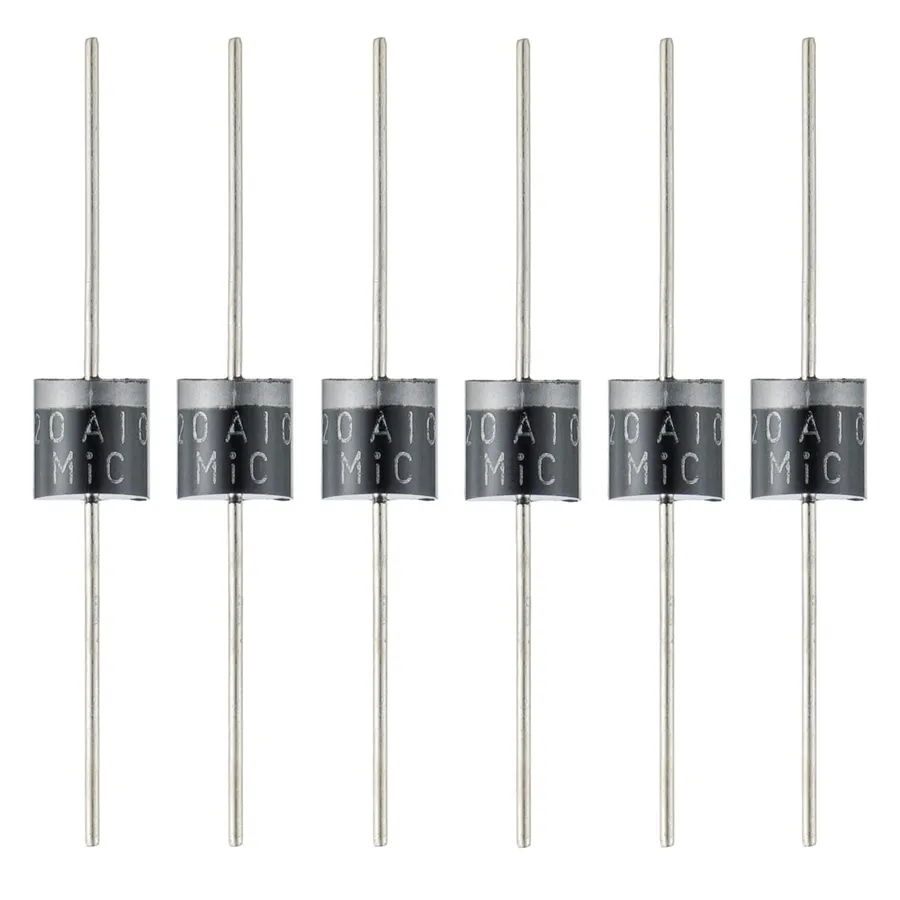
When the RL207 diode is unavailable, or a design requires slightly different characteristics, several alternative diodes can be considered. These alternatives often have similar voltage and current ratings, but may differ in other parameters, such as reverse recovery time or forward voltage drop, which makes them suited for different uses. Understanding these subtle differences is critical for a functional and reliable circuit.
| Diode Model | Forward Current (A) | Peak Reverse Voltage (V) | Typical Application Differences | Notes |
|---|---|---|---|---|
| RL207 | 2 | 1000 | General rectification, standard power supplies | Standard recovery rectifier |
| FR207 | 2 | 1000 | Faster switching, high-frequency power supplies | Fast recovery rectifier |
| 1N4007 | 1 | 1000 | Lower current general rectification, not recomended to replace RL207 in high current circuit | Standard recovery rectifier |
| UF4007 | 1 | 1000 | Lower current with fast recovery, improved high-frequency performance, not recomended to replace RL207 in high current circuit | Ultra-fast recovery rectifier |
| HER208 | 2 | 1000 | High-efficiency rectification, slightly better reverse recovery time | High-efficiency rectifier |
It is essential to consult the datasheets for each specific diode model to compare all parameters when considering an alternative. Factors such as operating temperature, thermal resistance, and surge current capacity should be considered to ensure the chosen substitute meets the circuit's requirements safely and efficiently. The FR207, for example, has a faster reverse recovery time than the RL207, making it suitable for high-frequency circuits, although it has similar voltage and current ratings. The 1N4007, while also rated for 1000V reverse voltage, is not a direct replacement because its lower current rating, requiring to redesign the circuit in high current application.
A thorough understanding of the RL207 diode requires careful examination of its datasheet. This section provides a guide on how to navigate and interpret the critical information contained within, focusing on key parameters, thermal characteristics, and safety considerations. This understanding is crucial for engineers and hobbyists alike to ensure correct and safe application of the RL207 diode.
Key parameters to look for in an RL207 diode datasheet include:
Thermal characteristics are also very important, datasheets usually include:
Finally, safety considerations must be taken into account, and include:
By carefully reviewing these sections of the datasheet, engineers can confidently select and integrate the RL207 diode into their designs, ensuring both performance and safety.
This section addresses common inquiries about the RL207 diode, offering practical insights into its performance, troubleshooting, and application considerations. These questions have been curated to address typical user needs and provide concise, accurate answers.
The RL207 diode stands as a cornerstone in electronics, facilitating crucial functions like rectification and voltage control. By understanding its specifications, applications, and alternatives, engineers and hobbyists alike can harness its full potential. The RL207, a humble component, underscores how simple technology, like the humble RL207 diode, facilitates complex electronic systems. Continuous learning and experimentation with components like the RL207 are key to advancing in the field of electronics.

