In our increasingly electronic world, the humble capacitor plays a vital role, often unnoticed but always essential. A common type, the 400V capacitor, is the workhorse in many power supplies, from small phone chargers to large industrial equipment. This seemingly simple component stores electrical energy and is critical for smooth operation of countless devices. This article will delve into the world of the 400V capacitor, explaining what it is, its diverse applications, how to select the right one, and crucial safety information to keep in mind. Just like the veins in our body ensure smooth flow, the 400V capacitor ensures electricity flows smoothly in our digital lives.
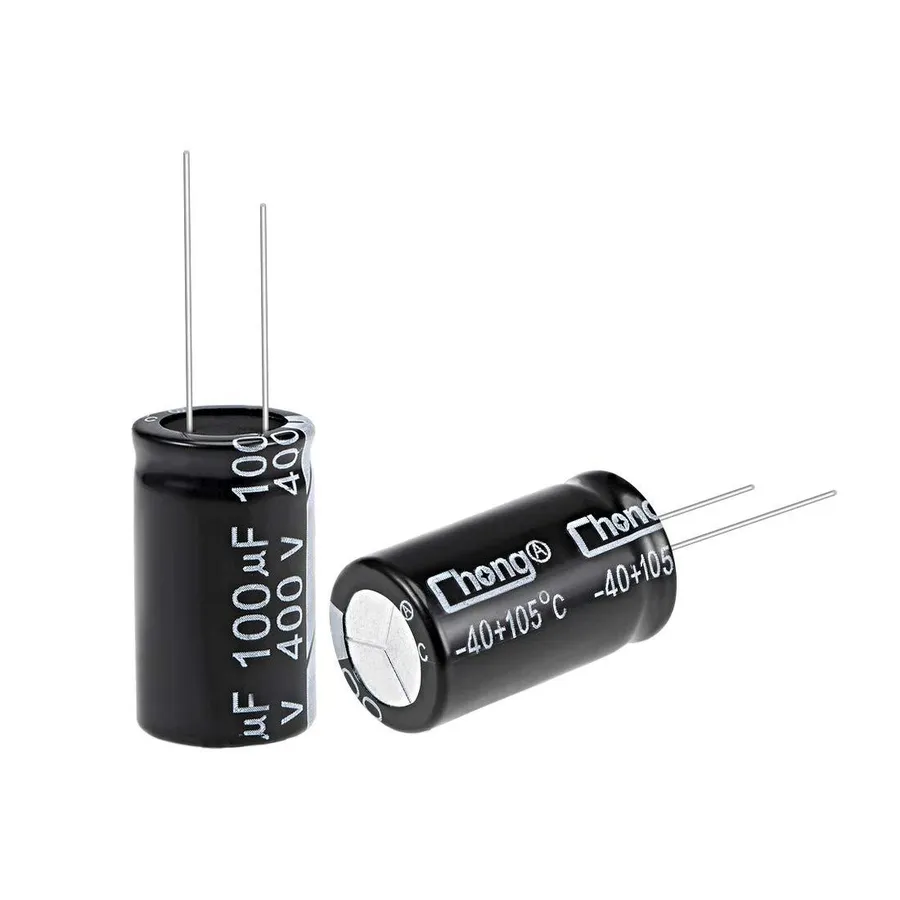
A 400V capacitor is a fundamental passive electronic component engineered to store electrical energy, with a specific design tolerance to withstand up to 400 volts. Its core function involves temporarily accumulating and releasing electrical charge, making it indispensable for filtering, decoupling, and ensuring stable operation in diverse electrical circuits.
At its heart, a capacitor consists of two conductive plates separated by a dielectric material. When voltage is applied, electrical charge accumulates on the plates, creating an electric field within the dielectric. The capacitor's ability to store charge is quantified by its capacitance, measured in Farads (F), with practical values often expressed in microfarads (µF), nanofarads (nF), or picofarads (pF). The 400V rating signifies the maximum voltage that the capacitor can safely handle without dielectric breakdown or permanent damage. It is imperative that the voltage applied to the capacitor does not exceed this value, as a failure to adhere to this rule can result in catastrophic failure of the capacitor and the system.
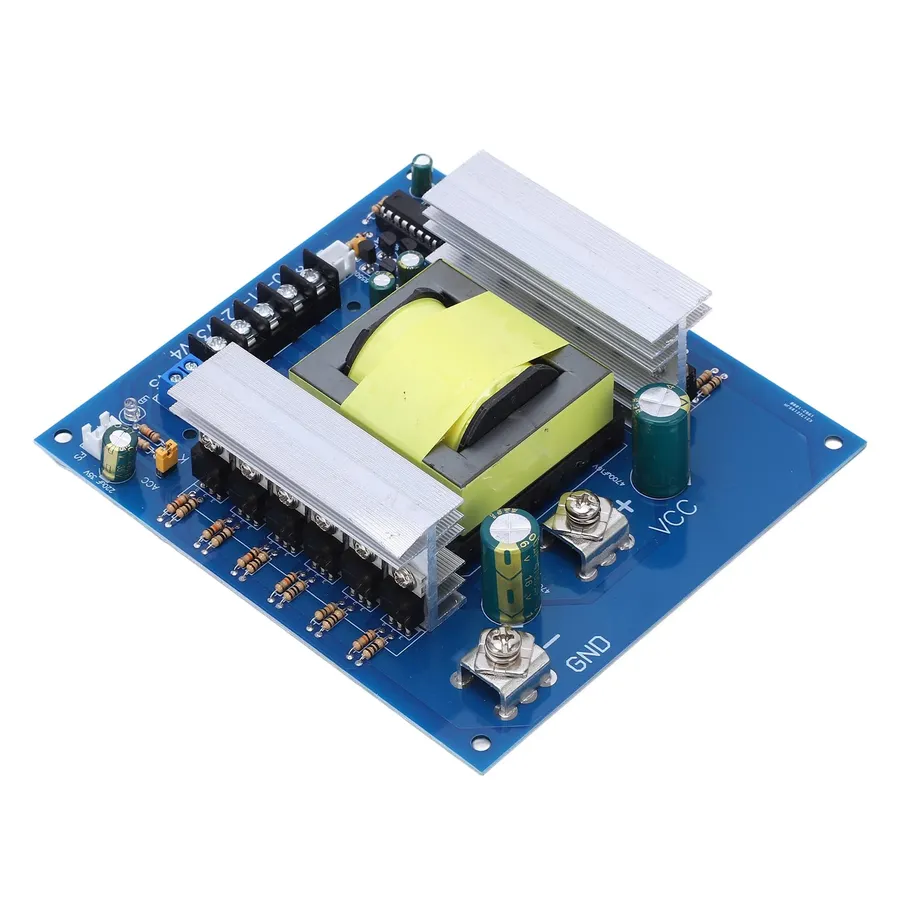
400V capacitors are indispensable components across a wide range of electronic applications, primarily functioning to store and release electrical energy, filter out noise, and stabilize power delivery. Their ability to handle voltages up to 400V makes them suitable for various power-related applications.
| Application | Function | Typical Capacitor Type |
|---|---|---|
| Power Supplies | Smoothing, Filtering | Electrolytic, Film |
| Audio Amplifiers | Decoupling, Smoothing | Film, Electrolytic |
| Motor Control Circuits | Reactive Power, Smoothing | Electrolytic, Film |
| Industrial Equipment | Power Conditioning, Filtering | Electrolytic, Film |
| AC-DC Converters | Energy Storage, Filtering | Electrolytic, Film |
| General Filtering | Noise Reduction | Ceramic, Film |
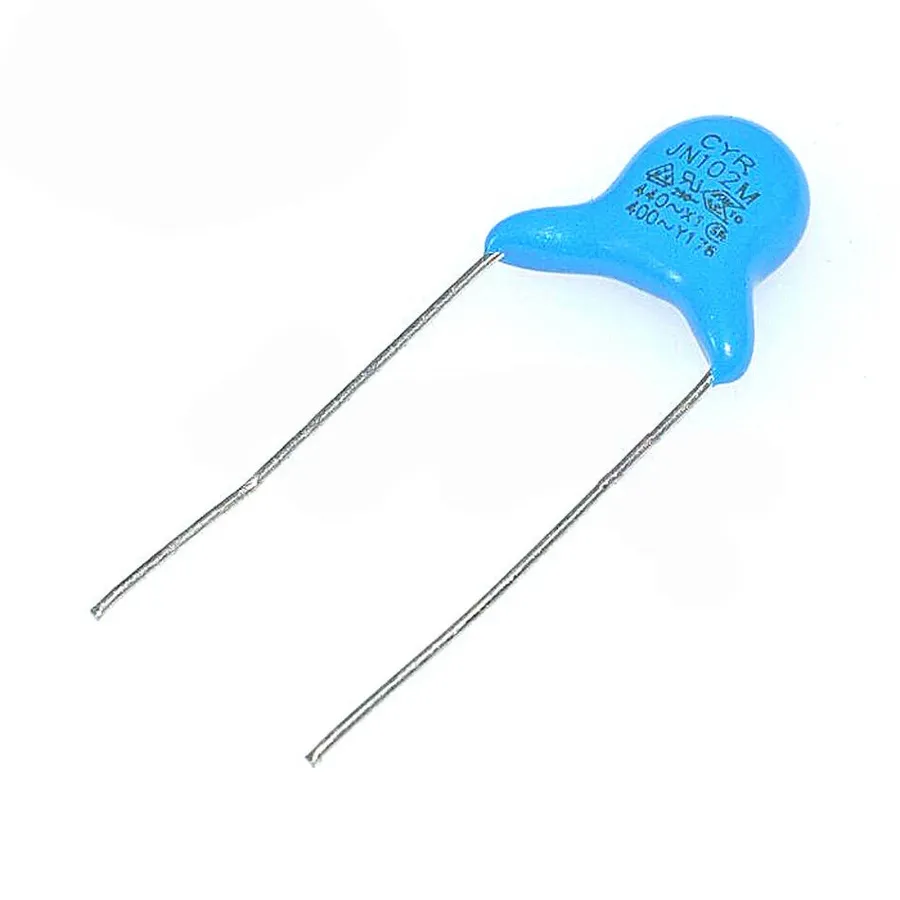
400V capacitors are available in various types, each with distinct characteristics tailored to specific applications. Understanding these differences is crucial for selecting the correct component for your circuit. The three primary types are electrolytic, metal film, and ceramic capacitors, each offering unique advantages and disadvantages.
| Capacitor Type | Key Characteristics | Typical Applications | Advantages | Disadvantages |
|---|---|---|---|---|
| Electrolytic | High capacitance, polarized | Power supplies, smoothing circuits | High capacitance in small volume, cost-effective | Polarized, limited lifespan, higher ESR |
| Metal Film | Stable, non-polarized | Audio circuits, high-frequency applications | High stability, low ESR, good reliability | Lower capacitance for a given size, more expensive |
| Ceramic | Compact, non-polarized | High-frequency circuits, decoupling | Compact, inexpensive, good high-frequency response | Lower capacitance values, sensitive to voltage |
Selecting the appropriate 400V capacitor for a specific application is crucial for ensuring circuit performance and reliability. This selection process involves careful consideration of several key parameters, each playing a vital role in the capacitor's behavior within the circuit. Ignoring these factors can lead to suboptimal performance, component failure, or even safety hazards.
| Parameter | Description | Importance |
|---|---|---|
| Capacitance (µF) | The amount of charge the capacitor can store, measured in microfarads. | Determines the capacitor's ability to store and release energy. Must match the circuit's requirements to ensure proper operation. |
| Tolerance | The allowable deviation from the stated capacitance value, expressed as a percentage. | Indicates the accuracy of the capacitor's actual value compared to its nominal rating. Critical in circuits requiring precise timing or filtering. |
| Operating Temperature Range | The temperature range within which the capacitor will function correctly. | Essential to match the expected operating environment. Exceeding limits will reduce the lifespan or cause failure. |
| Lifespan | The expected operational duration of the capacitor, often expressed in hours. | Indicates how long the component is expected to work reliably. Should be considered for devices with a long operational life. |
| Physical Size | The dimensions and form factor of the capacitor. | Important for physical fit in device enclosures. Must be compatible with board layout and component spacing. |
| Voltage Rating | The maximum voltage the capacitor can safely withstand without damage. | While all the capacitors discussed here are 400V, it is important to ensure that you do not exceed the rated voltage when making component replacements. |
The selection process also benefits from considering the trade-offs between different capacitor types, each with their own characteristics. For example, while electrolytic capacitors offer high capacitance values in a relatively small package and at low cost, they are generally less tolerant of extreme temperatures and have shorter lifespans when compared to metal film capacitors. Therefore, a careful evaluation of all the parameters with respect to circuit needs is key to picking the correct capacitor.
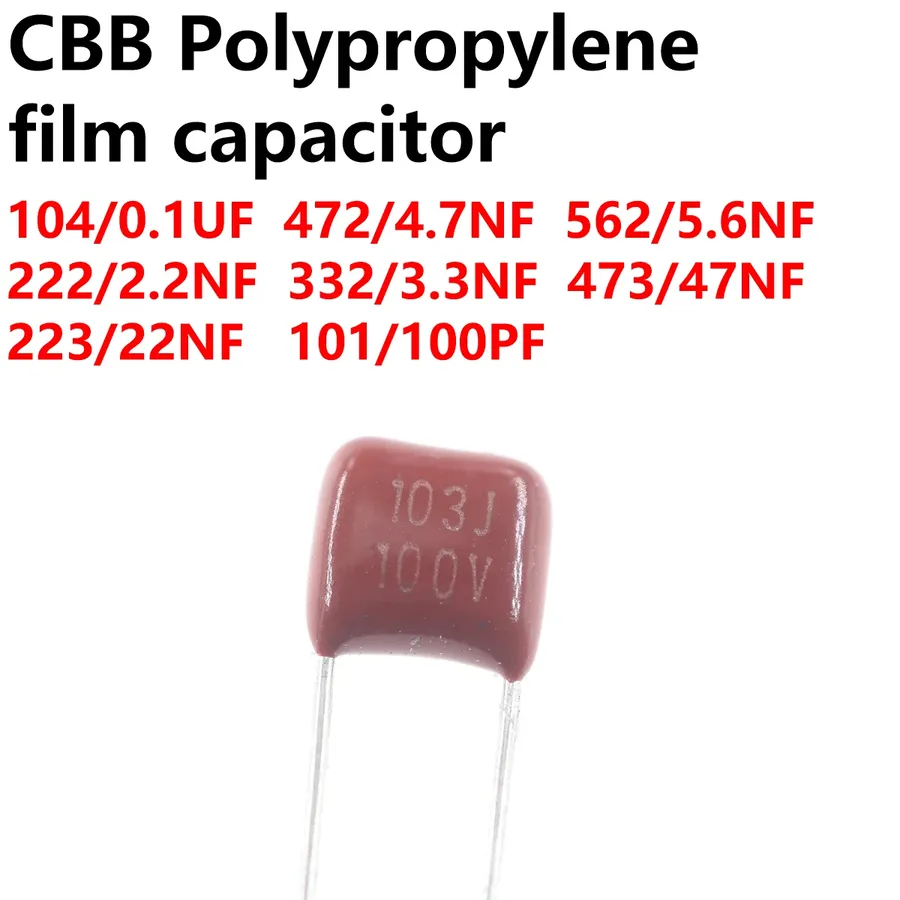
A capacitor datasheet is a vital document that provides comprehensive information on a capacitor's performance and limitations, enabling engineers and users to select the appropriate component for their specific applications. These sheets detail crucial parameters, ensuring proper functioning and reliability within electronic circuits.
| Parameter | Description | Importance |
|---|---|---|
| Rated Capacitance | The nominal capacitance value, usually in microfarads (µF) or picofarads (pF). | Crucial for proper circuit operation. Mismatch can affect filtering, timing, and energy storage. |
| Rated Voltage | The maximum DC voltage the capacitor can safely withstand continuously. | Must exceed the maximum voltage expected in the application. Operating beyond this limit risks failure. |
| Tolerance | The acceptable deviation from the rated capacitance value, expressed as a percentage. | Impacts circuit accuracy. Tighter tolerances are required for precision applications. |
| Temperature Range | The permissible operating temperature range, typically specified in Celsius. | Operating outside this range can lead to performance degradation or premature failure. |
| Equivalent Series Resistance (ESR) | The inherent resistance within the capacitor, affecting its performance at high frequencies. | Critical in power supplies and filtering applications. Lower ESR is better. |
| Leakage Current | The small DC current that flows through the capacitor under a DC voltage. | Important in low-power applications. Higher leakage can cause power loss and component failure. |
| Lifespan | The expected operational lifespan of the capacitor, often specified in hours. | Affects the long-term reliability of the device. High lifespan is important in critical applications. |
| Physical Dimensions | The physical size and dimensions of the capacitor. | Crucial for PCB design and assembly. Should be considered before purchasing. |
| Polarity | Indicates whether the capacitor has a specific polarity (positive and negative terminals). | Critical for electrolytic capacitors. Incorrect polarity can cause damage or failure. |
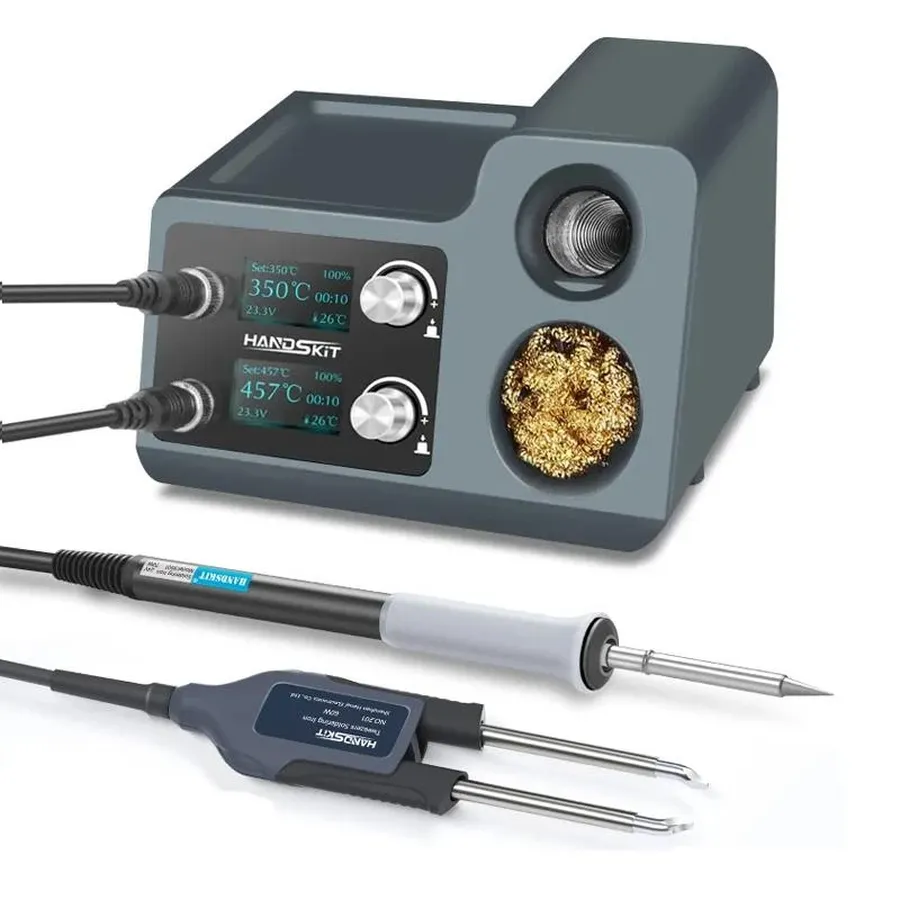
Replacing a 400V capacitor requires careful attention to safety and technical details. This process involves removing the old component and installing a suitable replacement, ensuring the continued proper functioning of the electrical device. The procedure demands basic soldering skills, and an understanding of electrical safety is essential.
400V capacitors, while essential components in electronic circuits, pose significant safety risks due to their capacity to store high voltage. Improper handling can result in electrical shock, burns, and damage to equipment. Therefore, adhering to strict safety protocols is paramount when working with these components.
This section addresses common questions regarding 400V capacitors, providing practical insights into their usage, replacement, and safety considerations. These answers are grounded in electrical engineering principles and aim to enhance user understanding.
The 400V capacitor may seem like a simple electronic component, but it is a crucial component in the smooth operation of many electronic devices. This article has explored different aspects of 400V capacitors, from understanding their function and types to selecting them, and ensuring safe handling practices. By applying the knowledge discussed, you can better appreciate and work with these components in a variety of applications. Furthermore, by understanding the importance of specifications like voltage and capacitance, you can make sure you select the best capacitor for the job. Whether you're repairing a device or designing a circuit, understanding the 400V capacitor is key for success, and it's a vital component that keeps our digital world powered up and running smoothly.

