In today's rapidly evolving tech landscape, printed circuit boards (PCBs) are the backbone of countless electronic devices. Whether you're a seasoned engineer or a budding hobbyist, understanding how PCB fabrication costs work is crucial. PCBWay, a leading provider of PCB manufacturing services, offers a variety of options, but decoding their quotes can be tricky. This guide will demystify the PCBWay quoting process, giving you actionable insights into how to make the most of their services while staying within your budget, like how to get the most value from your [pcbway quote].
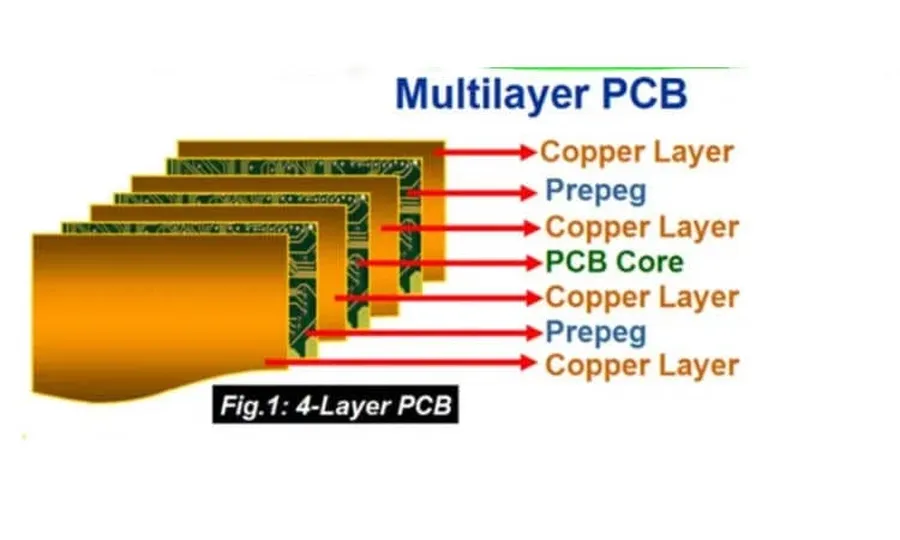
The cost of PCB manufacturing and assembly from PCBWay is determined by several interconnected factors. These factors encompass material selection, dimensional attributes of the board, the complexity of the design manifested in layer count, and the intricacy of the manufacturing processes. A comprehensive understanding of these elements is crucial for effective cost management and achieving desired quality outcomes.
| Factor | Description | Impact on Cost |
|---|---|---|
| Material Choice | Selection of substrate materials (e.g., FR-4, Aluminum, Rogers). | Higher-performance materials (e.g., Rogers) typically increase costs due to enhanced electrical and thermal properties. |
| Board Size | Physical dimensions of the PCB. | Larger boards inherently require more material and processing time, leading to higher costs. |
| Layer Count | The number of copper layers within the PCB. | Increased layer counts necessitate more complex manufacturing processes, driving up cost. |
| Design Complexity | Density of components, trace width, and via complexity. | Fine-pitch components, micro vias, and high-density routing increase manufacturing complexity and cost. |
| Surface Finish | Type of finish applied to the PCB (e.g., HASL, ENIG). | ENIG is generally more costly than HASL due to its superior flatness and solderability. |
| Panelization | The number of PCBs per panel | The quantity of PCBs on a panel greatly affects costs, higher panel yields can bring down costs |
| Quantity | Number of PCBs ordered. | Higher quantities generally lead to lower unit costs due to economies of scale. |
| Turn Time | The time required for manufacturing and delivery. | Expedited services typically incur higher costs due to prioritization and overtime. |
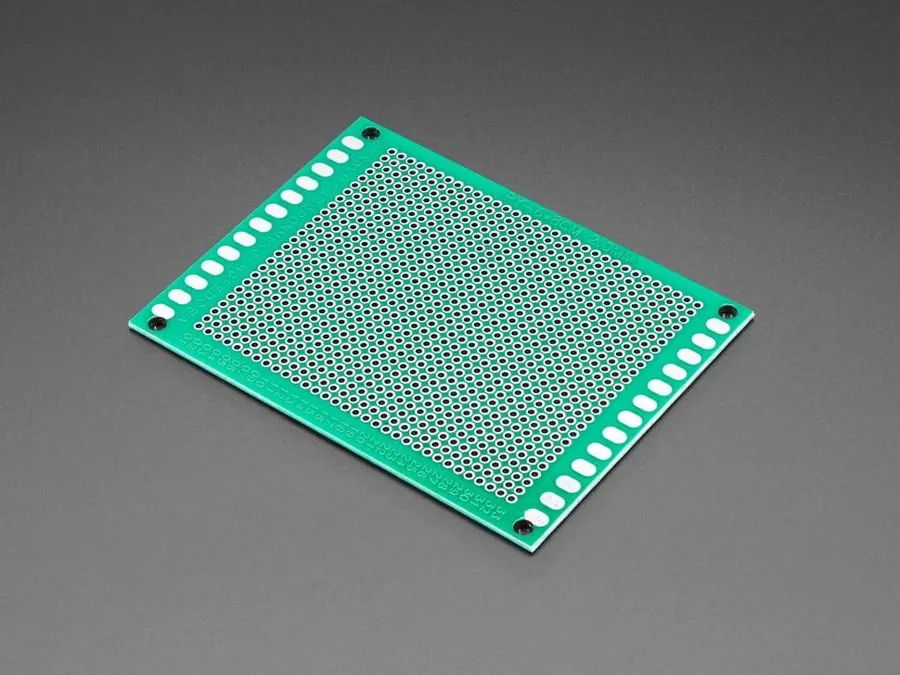
Understanding the intricacies of a PCB prototype quote from PCBWay is crucial for cost-effective small-batch production. This section dissects the key elements that contribute to the final price, empowering you to make informed decisions and potentially reduce expenses.
| Factor | Description | Impact on Quote |
|---|---|---|
| Material Type | FR-4, Aluminum, etc. Different materials have varying costs and performance characteristics. | Higher cost materials increase the overall quote. |
| Board Dimensions | The overall size of your PCB in length and width. | Larger boards generally cost more due to increased material and processing requirements. |
| Quantity | The number of PCBs you are ordering in the prototype batch. | Unit cost decreases with increased quantity due to economies of scale. |
| Layer Count | The number of copper layers in your PCB design. | More layers increase complexity and cost. |
| PCB Thickness | The overall thickness of the circuit board | Non standard thicknesses can increase costs |
| Solder Mask Color | The color of the protective solder mask layer. | Standard colors like green are usually cheaper, while others may increase the cost. |
| Surface Finish | The type of finish applied to the copper pads for soldering | Different finishes like HASL, ENIG, OSP, etc, come with varying costs |
| Via Type | The type of vias used in the design | Blind and buried vias are more costly than standard through-hole vias |
| Minimum Trace Width/Spacing | The smallest width of traces and gaps between traces | Tighter tolerances can increase costs as more precise fabrication processes are needed. |
| Turn Time | The time taken to manufacture the PCBs. | Faster turnaround times often incur higher costs. |
It's important to note that the base price from the online quote generator is often for the most basic options, any deviations from these standard options will increase the quote total. It's crucial to carefully consider each parameter when obtaining a PCBWay quote, as seemingly minor changes can significantly affect the overall cost.
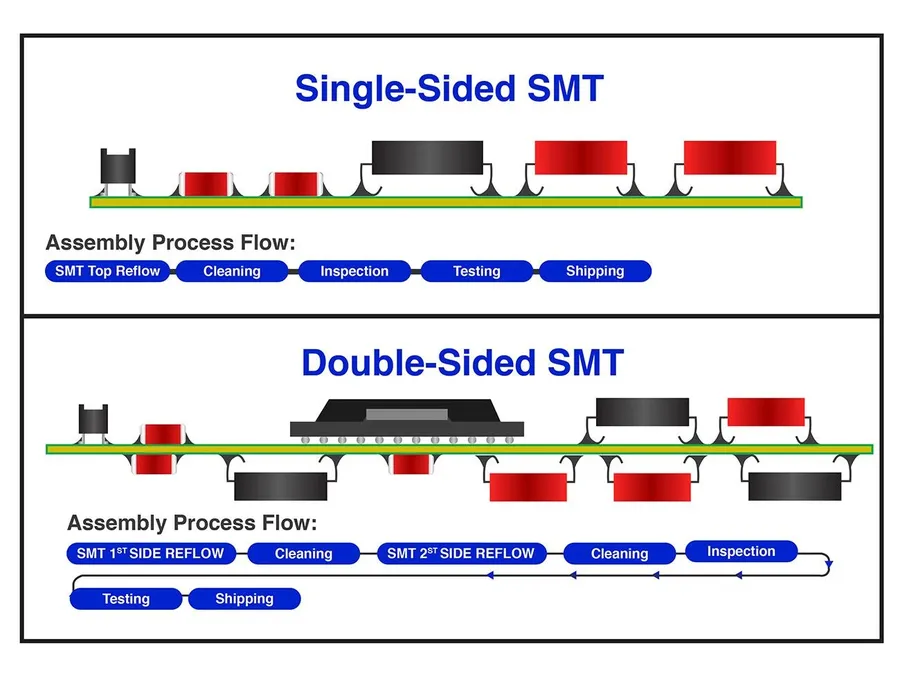
PCB assembly costs from PCBWay are determined by several factors, primarily related to the complexity of the assembly process itself. This section will clarify how PCBWay prices surface mount technology (SMT), through-hole, and mixed assembly services, equipping you with knowledge to effectively manage costs through BOM optimization.
PCBWay offers multiple assembly services, each impacting the quote differently:
Understanding the key elements that influence assembly costs is essential. These include:
Optimizing your BOM is critical for controlling costs. Best practices include:
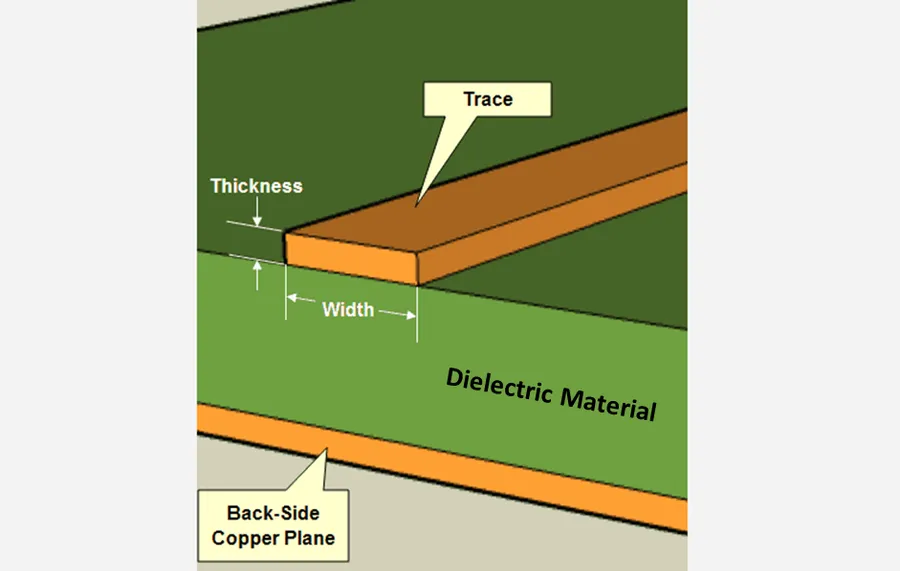
Design choices significantly influence the cost of your PCBWay quote. Factors such as trace width, via size, component density, and board complexity directly affect manufacturing processes and material usage, leading to variations in the final price. Optimizing your design for manufacturability can drastically reduce expenses.
| Design Parameter | Impact on Quote | Cost Optimization Strategy |
|---|---|---|
| Trace Width and Spacing | Narrower traces and spacing often require more precise manufacturing, potentially increasing costs. | Use standard trace widths and spacing to align with PCBWay's capabilities and minimize processing time. Refer to PCBWay's design rules. |
| Via Size and Type | Smaller vias and specific via types (e.g., blind, buried) add complexity and cost. | Use standard via sizes and through-hole vias whenever feasible for cost-effective design. |
| Layer Count | A higher number of layers increases material usage and processing complexity, raising costs. | Reduce the number of layers where possible while maintaining functionality, consider using multilayer boards only when needed. |
| Board Dimensions | Larger board sizes directly increase material consumption and may necessitate special handling and processing. | Optimize board size to the smallest necessary, and consider panelizing smaller boards to utilize space more efficiently. |
| Component Density | High component density requires precise assembly and might limit panelization, increasing assembly costs. | Space components to optimize for manufacturability and test accessibility and follow DFM guidelines. |
| Component Types | Exotic or very small components may require specialized assembly techniques, thus increasing costs. | Use readily available standard-sized components when practical. |
| Surface Finish | Certain surface finishes like ENIG are more expensive due to additional chemical processes. | Consider using HASL or other more cost-effective surface finishes, but consider the project performance requirement. |
| Special Processes | Special PCB processes such as controlled impedance or peelable solder mask add manufacturing steps and material use. | Only specify these processes when they are critical to the design's performance requirements. |
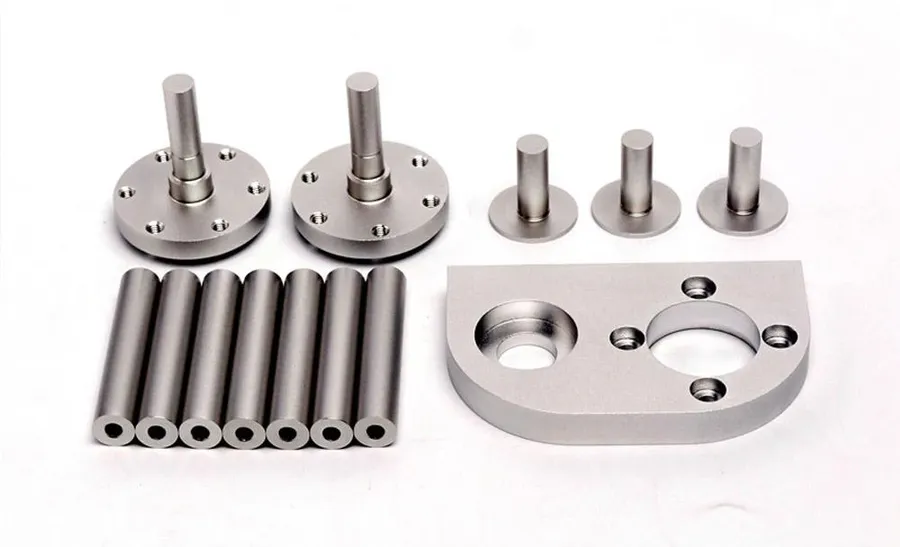
PCBWay extends its manufacturing capabilities beyond printed circuit boards, offering CNC machining and 3D printing services. These services cater to prototyping and production needs requiring mechanical parts, enclosures, and custom components. Understanding the quoting process for these services is crucial for cost-effective project management.
CNC machining involves the precise removal of material from a solid block to create a desired shape, typically using metals or plastics. 3D printing, on the other hand, builds objects layer-by-layer from a digital design, often using polymers. Both technologies offer distinct advantages and are suitable for different applications.
| Feature | CNC Machining | 3D Printing |
|---|---|---|
| Material Options | Wide range of metals and plastics | Primarily polymers (resins, filaments) |
| Precision and Tolerance | High precision and tight tolerances | Moderate precision, tolerances may vary |
| Surface Finish | Smooth, machined finish | Layered finish, may require post-processing |
| Cost for Prototyping | Higher initial setup costs, cost-effective for large batches | Lower initial setup costs, cost-effective for small batches and complex geometries |
| Complexity | Suitable for complex and precise geometries | Suitable for organic and intricate designs |
| Lead Time | Generally longer lead times | Generally shorter lead times |
The quoting process for CNC machining and 3D printing typically involves uploading 3D CAD files, specifying material requirements, and defining the required quantity. PCBWay's online quoting platform allows users to receive instant quotes for various materials, finishes, and complexities, enabling quick cost comparisons and project planning.
It is essential to note that costs for CNC machining and 3D printing are heavily influenced by factors like part size, complexity, material type, required precision, and volume. Understanding these parameters allows users to optimise their designs for cost-effectiveness and choose the most appropriate manufacturing technology for their needs. PCBWay’s customer service team is also available to help with complex projects and more precise quotes.
This section addresses common questions regarding PCBWay quotes, providing clarity on various aspects, such as interpreting line items, resolving discrepancies, and understanding how lead times impact pricing. We aim to provide comprehensive answers to ensure a smooth and transparent quoting process.
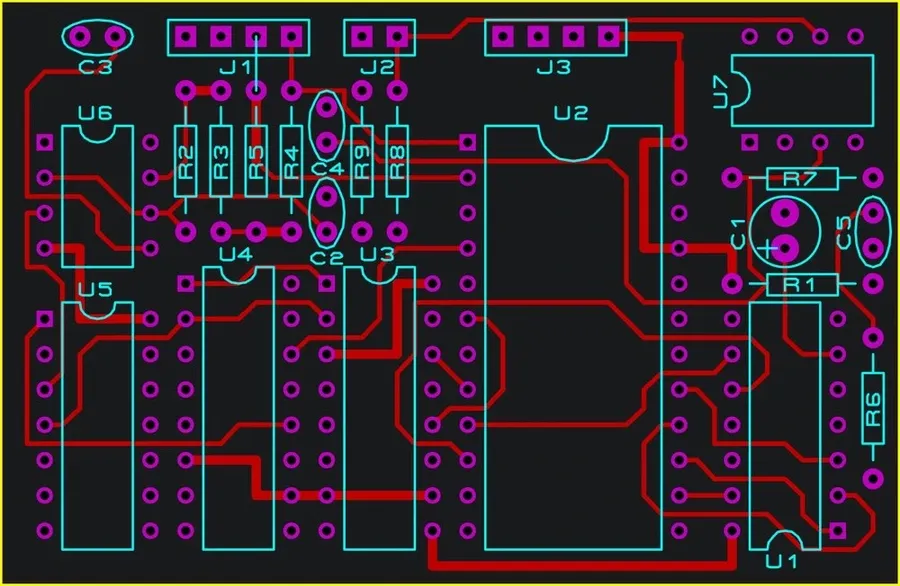
Obtaining the most competitive quote from PCBWay involves meticulous preparation and a strategic approach. This section provides actionable advice on optimizing your design files, effectively utilizing PCBWay's online tools, and exploring potential cost reductions.
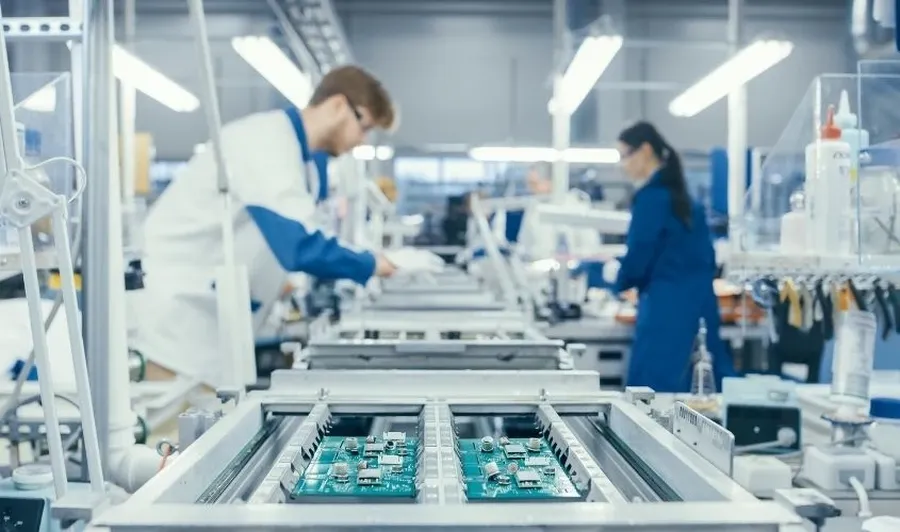
Selecting a PCB manufacturer involves a thorough evaluation of cost, turnaround time, and quality. While PCBWay is a popular choice, understanding how it compares to competitors is crucial for making informed decisions aligned with specific project needs and budgetary constraints. This section provides a comparative analysis of PCBWay against other leading manufacturers.
| Feature | PCBWay | JLCPCB | Allpcb | Other Competitor A | Other Competitor B |
|---|---|---|---|---|---|
| Standard PCB Cost (per sq. cm for 10 pieces) | Low-Medium | Very Low | Medium | Low-Medium | Medium-High |
| Standard PCB lead time(days for 10 pieces) | 3-5 | 3-7 | 4-7 | 3-6 | 3-8 |
| Assembly Costs (SMT) | Medium | Low | Medium | Medium-High | High |
| Turnaround Time (Prototypes) | Fast | Fast | Medium | Medium | Slow |
| Quality (Overall) | High | High | Medium-High | High | Medium |
| Available Materials | Wide Range | Standard | Wide Range | Wide Range | Standard |
| Customer Support | Good | Good | Good | Good | Variable |
| Specialized Services(e.g. CNC) | Yes | Limited | Yes | Yes | Limited |
Note: The above is a simplified comparison and actual costs may vary significantly based on complexity of the design, quantity, and material chosen, lead times may fluctuate due to production capacity and demand. Always get quotes for your specific needs from each vendor, this table is for general comparison purposes. "Other Competitor A" and "Other Competitor B" represent placeholder competitors, and may not correspond to a specific company.
Understanding PCBWay's quoting system is essential for any project that involves PCB manufacturing or assembly. By considering factors like design choices, material selection, and assembly processes, you can optimize your [pcbway quote] and secure the best value for your project. Whether you're prototyping or going into mass production, PCBWay offers the tools and services to bring your electronic designs to life, so understanding the nuances of their quote system puts you in the driver’s seat.

