In an era defined by automation and efficiency, unmanned inspection robots are revolutionizing industries ranging from manufacturing to infrastructure maintenance. These sophisticated machines require equally sophisticated electronic systems at their heart – and that's where Zero One Solution Limited steps in. As a leading PCB solution provider specializing in rapid prototyping, we empower innovators to develop and deploy cutting-edge inspection robots with unparalleled speed and reliability. But what exactly goes into a PCB solution for an unmanned inspection robot, and why is it so critical to its success? Let's dive in.
Unmanned Inspection Robots (UIRs) are revolutionizing industrial operations, offering unparalleled safety, efficiency, and cost reduction across diverse sectors from energy and infrastructure to manufacturing and logistics. By deploying autonomous systems for hazardous, repetitive, or complex inspection tasks, industries can mitigate risks to human personnel, improve data accuracy, and streamline maintenance schedules. This strategic shift towards UIRs is driven by their ability to provide precise, consistent data capture in environments previously inaccessible or dangerous, ultimately leading to optimized asset management and enhanced operational uptime.
| Industry Sector | Key Benefits of UIRs | Typical Inspection Tasks |
|---|---|---|
| Energy (Oil & Gas, Renewables) | Enhanced safety in hazardous environments, reduced downtime, precise defect detection | Pipeline integrity, wind turbine blade inspection, solar panel thermography |
| Infrastructure (Bridges, Dams) | Access to difficult-to-reach areas, detailed structural analysis, reduced manual labor | Concrete crack detection, structural integrity assessment, corrosion monitoring |
| Manufacturing & Logistics | Improved quality control, optimized inventory management, predictive maintenance | Assembly line inspection, warehouse inventory audits, equipment condition monitoring |
| Public Safety & Security | Remote surveillance, rapid disaster assessment, perimeter monitoring | Hazardous material detection, search and rescue, border patrol |
The operational efficacy and longevity of unmanned inspection robots critically depend on the underlying Printed Circuit Boards (PCBs). These essential components must satisfy stringent technical and environmental demands to ensure reliable performance in diverse and often harsh inspection environments. From compact aerial drones to robust ground vehicles, the PCB design must meticulously balance miniaturization with robust functionality, directly influencing the robot's agility, endurance, and data acquisition capabilities.
| Requirement Category | Key Specifications | Impact on Robot Performance |
|---|---|---|
| Physical Attributes | Compact Size, Low Weight | Enhances maneuverability, extends flight/operating time, reduces structural stress |
| Power Efficiency | Low Power Consumption, Efficient Heat Dissipation | Maximizes battery life, minimizes thermal throttling, reduces need for bulky cooling systems |
| Signal Integrity | High-Speed Data Transmission, Minimal Noise Interference | Ensures accurate sensor data acquisition, reliable communication, precise control |
| Environmental Robustness | Resistance to Temperature Extremes, Vibration, Moisture, Dust | Guarantees reliable operation in challenging industrial, outdoor, or hazardous environments |
| Reliability & Longevity | High MTBF (Mean Time Between Failures), Durable Materials | Reduces maintenance, extends operational lifespan, ensures consistent performance |
| Electromagnetic Compatibility (EMC) | Minimized EMI/RFI Emission and Susceptibility | Prevents interference with other electronic systems and ensures clear signal reception |
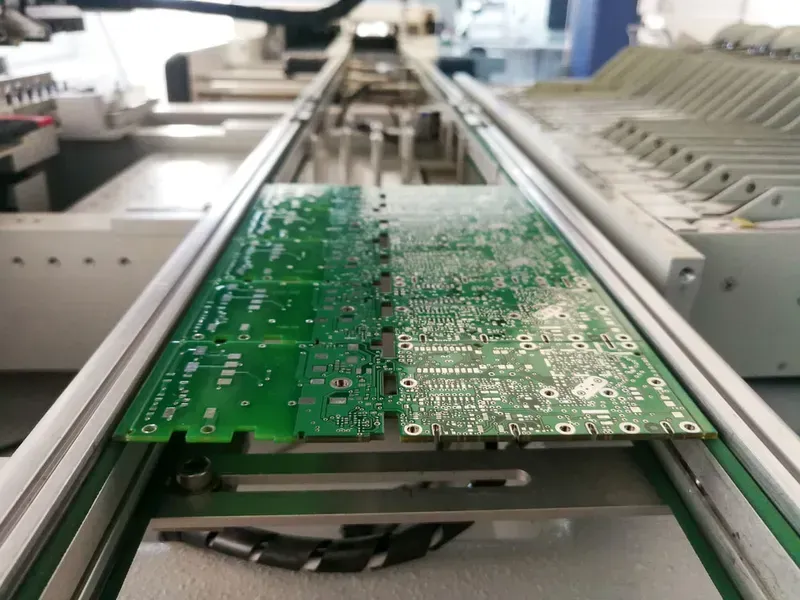
At the forefront of innovation in printed circuit board (PCB) solutions, Zero One Solution Limited stands as a testament to engineering excellence, particularly for specialized applications like Unmanned Inspection Robots. Our comprehensive suite of services, from initial design to final assembly, is meticulously tailored to meet the stringent demands of high-performance robotic systems, ensuring unparalleled reliability and efficiency.
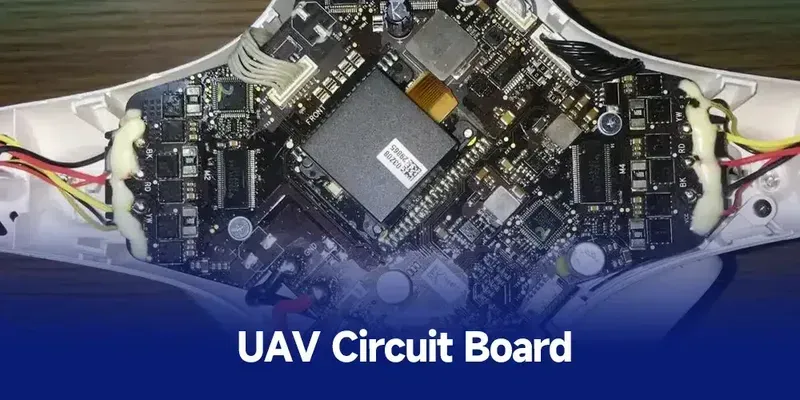
Optimizing PCB design and layout is paramount for the robust and efficient operation of unmanned inspection robots. This stage directly impacts the robot's performance, reliability, and longevity in diverse and often challenging environments. A meticulously engineered layout ensures optimal signal integrity, effective thermal dissipation, and efficient power distribution, which are critical for the complex sensor arrays, communication modules, and processing units inherent in these autonomous systems.
| Design Consideration | Impact on Robot Performance | Zero One Solution Approach |
|---|---|---|
| Component Placement | Space efficiency, EMI reduction, thermal management | Advanced CAD tools for 3D placement, thermal simulation, DFM analysis |
| Trace Routing | Signal integrity, data transmission reliability, noise reduction | Controlled impedance routing, differential pair design, optimized ground planes |
| Thermal Management | Component longevity, stable operation in harsh environments | Integrated heat sinks, thermal vias, material selection (e.g., high Tg laminates) |
| Power Delivery Network (PDN) | Stable voltage, minimal ripple, efficient power distribution | Optimized power planes, decoupling capacitor placement, IR drop analysis |
| Environmental Robustness | Reliability in varying temperatures, humidity, vibration | Conformal coating, robust connector selection, stress-resistant material choices |
import pcb_design_tool

def optimize_robot_pcb_layout(components, constraints):
    # Initialize PCB layout with given components
    layout = pcb_design_tool.initialize_board(components)

    # Apply component placement strategy based on thermal and signal integrity
    layout.place_components(strategy='thermal_signal_optimized')

    # Route critical signals with controlled impedance
    layout.route_traces(signal_type='high_speed', impedance_control=True)

    # Optimize power delivery network
    layout.optimize_power_planes()

    # Perform thermal analysis
    thermal_report = layout.run_thermal_analysis()
    if thermal_report.has_hotspots():
        layout.add_thermal_vias_or_sinks()

    # Validate signal integrity
    si_report = layout.run_signal_integrity_analysis()
    if not si_report.passes_requirements():
        layout.adjust_routing_for_si()

    return layout

# Example usage:
# final_layout = optimize_robot_pcb_layout(robot_components, robot_design_constraints)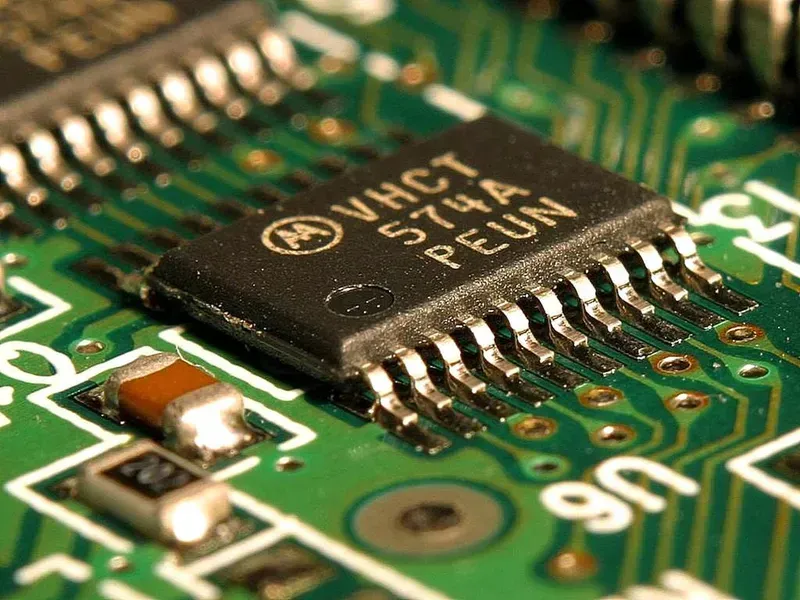
The operational integrity and longevity of an unmanned inspection robot are fundamentally dependent on the judicious selection of components and materials for its Printed Circuit Board (PCB). These choices directly impact the robot's performance under diverse environmental conditions, its power efficiency, and its overall reliability, making them critical for successful deployment and sustained operation in challenging inspection scenarios.
| Factor | Component Selection Consideration | Material Consideration |
|---|---|---|
| Temperature Range | Industrial-grade ICs, resistors, capacitors rated for extreme temperatures (-40°C to +85°C or wider). | High Tg (glass transition temperature) laminates (e.g., FR-4 with Tg > 170°C) for thermal stability and reduced warpage. |
| Vibration & Shock Resistance | Robust connectors with locking mechanisms, surface-mount (SMT) components for better mechanical stability, and proper component adhesive/underfill. | Flexible or rigid-flex PCB materials for shock absorption in high-vibration environments; reinforced laminates. |
| Power Efficiency | Low-power consumption microcontrollers, efficient DC-DC converters, and power management ICs to extend battery life. | Copper thickness optimization for reduced resistive losses; specialized low-loss dielectric materials for RF/high-speed signals. |
| Environmental Sealing | IP-rated components (e.g., IP67/68 connectors, sensors) if direct exposure to dust/water is possible. | Conformal coatings (e.g., acrylic, silicone, polyurethane) to protect against moisture, chemicals, and dust; hermetic sealing materials. |
| Signal Integrity | High-frequency components with low parasitic capacitance/inductance; matched impedance components for high-speed data lines. | Low Df (dissipation factor) and Dk (dielectric constant) materials (e.g., Rogers, Teflon-based laminates) for critical RF and high-speed digital circuits. |
| Reliability & Longevity | Automotive or aerospace-grade components with extended operational lifespans and stringent quality control. | Lead-free solders compliant with RoHS; robust soldermasks and surface finishes (e.g., ENIG, OSP) for corrosion resistance and solderability over time. |
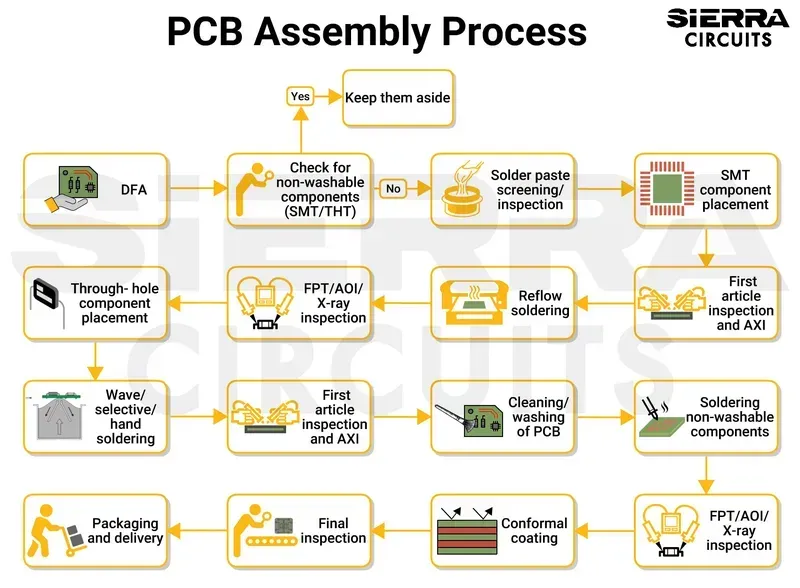
At Zero One Solution Limited, our manufacturing and assembly expertise forms the backbone of our Unmanned Inspection Robot Board Solution, ensuring every PCB meets the rigorous demands of reliability, performance, and durability essential for cutting-edge robotic applications. We leverage state-of-the-art facilities and a meticulously engineered process flow to transform complex designs into high-quality, functional boards, meticulously adhering to global industry standards such as IPC Class 2 and 3.
| Capability Area | Key Features | Benefit to Inspection Robot PCBs |
|---|---|---|
| Advanced SMT Lines | High-precision pick-and-place, automated optical inspection (AOI), X-ray inspection, BGA rework stations. | Ensures accurate component placement and solder joint integrity for miniaturized and high-density robot boards, critical for complex sensor and processing units. |
| Quality Control & Testing | In-line AOI, X-ray inspection, Flying Probe Testing, ICT (In-Circuit Test), Functional Testing, Environmental Testing (thermal cycling, vibration). | Guarantees defect-free boards with robust performance under diverse operational conditions, extending the lifespan and reliability of inspection robots. |
| Material Management | Strict control over component sourcing, material traceability, humidity and temperature-controlled storage. | Minimizes risks associated with counterfeit parts, ensures optimal material properties, and enhances the long-term stability of the robot's electronics. |
Our commitment to excellence is reflected in our robust quality management systems, which are certified to international standards. This rigorous approach, combined with our skilled engineering and assembly teams, allows us to deliver PCBs that not only meet but often exceed the stringent requirements of the unmanned inspection robot industry, facilitating seamless integration and superior operational performance.
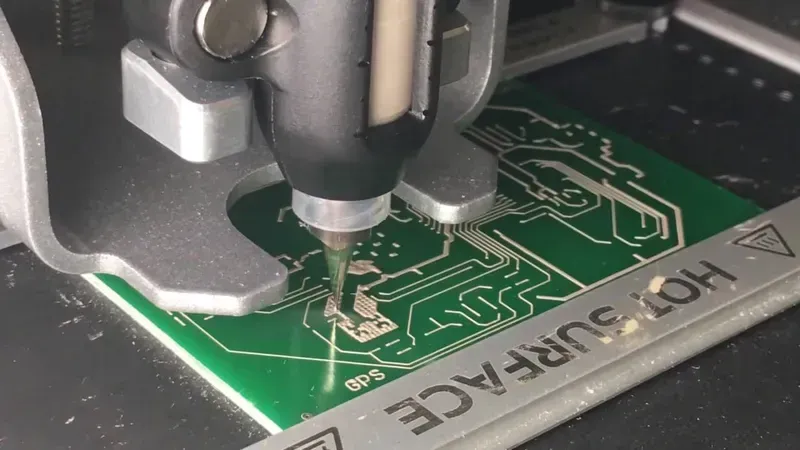
Rapid prototyping is a cornerstone for innovation in the fast-evolving field of unmanned inspection robot board solutions. It empowers engineers to swiftly transform conceptual designs into tangible prototypes, facilitating iterative development, rigorous testing, and crucial optimization of PCB designs. This agile approach significantly compresses the R&D cycle, allowing for quicker market entry and sustained competitive advantage by enabling multiple design iterations in a fraction of the traditional timeline. For inspection robots, where precision and adaptability are paramount, rapid prototyping directly translates to enhanced performance and reliability, ensuring that the final board solution is robust, efficient, and perfectly tailored to complex operational demands.
Zero One Solution Limited's rapid prototyping capabilities are critical for our partners in the unmanned inspection robot sector. Our streamlined processes and advanced manufacturing facilities enable us to produce high-quality PCB prototypes with unparalleled speed and precision. This commitment to rapid response R&D prototype manufacturing directly supports our clients in accelerating their product development cycles, bringing advanced inspection robot solutions to market faster and more efficiently. By leveraging our expertise, companies can validate their innovative designs with confidence, ensuring optimal functionality and reliability in demanding operational environments.
| Aspect | Traditional PCB Development | Rapid Prototyping Approach |
|---|---|---|
| Development Time | Long, sequential phases (months) | Short, concurrent cycles (weeks) |
| Cost of Errors | High, especially post-production | Low, identified early in design phase |
| Design Flexibility | Limited iteration due to time/cost | High, supports frequent iterations |
| Risk Mitigation | Higher risk of late-stage issues | Lower risk through early validation |
| Market Entry Speed | Slower, delayed product launch | Faster, quicker time-to-market |
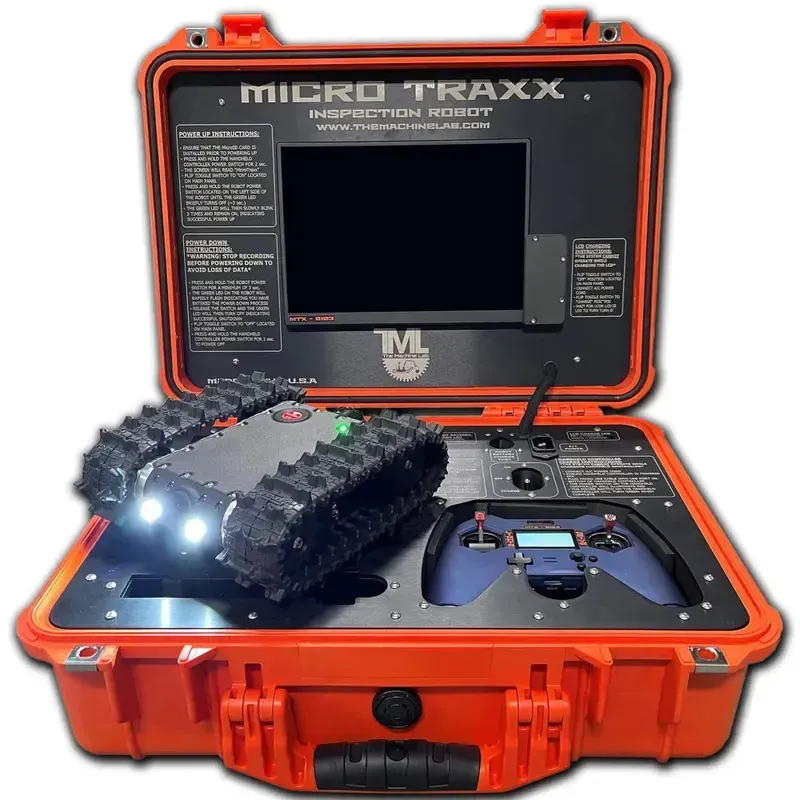
Zero One Solution Limited has a proven track record in delivering robust PCB solutions for a diverse range of unmanned inspection robot projects. Our expertise in rapid prototyping, precision manufacturing, and rigorous quality control has enabled clients to bring highly reliable and efficient inspection systems to market, accelerating their R&D cycles and achieving critical operational objectives. These case studies exemplify our commitment to engineering excellence and our ability to meet the stringent demands of cutting-edge robotic applications.
| Project Type | Challenge | Zero One Solution Provided | Outcome & Benefits |
|---|---|---|---|
| Pipeline Inspection Robot | Compact size, high vibration resistance, and real-time data processing for confined spaces. | Miniaturized multi-layer PCB with enhanced thermal management and robust component selection for shock absorption. Integrated high-speed data interfaces. | Achieved a 30% reduction in robot footprint and significantly improved data acquisition accuracy (99.5%). Enabled longer operational periods with lower power consumption. |
| Aerial Drone for Infrastructure Monitoring | Lightweight design, extreme temperature tolerance, and reliable power distribution for critical flight and sensor systems. | Ultra-lightweight flexible PCB (Flex-Rigid) for space optimization, optimized power planes for efficient power delivery, and selection of automotive-grade components. | Contributed to a 15% increase in flight time and extended operational range. Reduced overall drone weight by 8%, enhancing maneuverability and payload capacity. |
| Underwater ROV for Subsea Inspection | Corrosion resistance, high-pressure sealing, and stable signal integrity over long cable runs in harsh marine environments. | Custom PCB with specialized conformal coating (IP68 rated) for waterproofing and corrosion protection. Designed for signal integrity in high-EMI environments, supporting long-distance communication. | Ensured uninterrupted operation up to 500 meters depth with zero communication loss. Significantly extended the operational lifespan of critical electronic components by 2x. |
| Industrial Facility Inspection Robot (Mobile) | High-density component integration, robust connectivity for multiple sensors, and resistance to dust/chemical exposure. | High-density interconnect (HDI) PCB with impedance control for high-speed data, and strategic use of durable, industrial-grade connectors. Applied specialized environmental coatings. | Improved sensor data reliability by 25% and reduced maintenance downtime by 18%. Enhanced overall system integration, allowing for faster deployment and calibration. |
The long-term reliability and longevity of Printed Circuit Boards (PCBs) are paramount for unmanned inspection robots, which often operate in harsh, dynamic, and mission-critical environments. Achieving this requires a comprehensive approach encompassing rigorous design validation, advanced material selection, robust manufacturing processes, and extensive post-production measures to safeguard against operational stresses and environmental degradation.
| Reliability Factor | Description | Zero One Solution Approach |
|---|---|---|
| Thermal Management | Dissipation of heat generated by components to prevent overheating and component failure. | Advanced thermal modeling, optimal component placement, and use of heat sinks/thermal vias. |
Understanding the intricacies of Printed Circuit Board (PCB) solutions for unmanned inspection robots is crucial for optimal performance and longevity. This section addresses frequently asked questions, offering precise and insightful answers to common queries regarding the design, manufacturing, and assembly of these specialized PCBs, ensuring you have the knowledge to make informed decisions for your next-generation inspection systems.
In conclusion, the PCB solution is the unsung hero behind every successful unmanned inspection robot. Zero One Solution Limited stands ready to partner with you, providing comprehensive PCB solutions that accelerate your R&D, optimize performance, and ensure the reliability of your robotic inspection systems. Whether you're developing robots for infrastructure, manufacturing, or any other application, our expertise in rapid prototyping and global supply chain network can help you bring your innovative ideas to life. Contact us today to learn more about how we can help you revolutionize inspection processes with state-of-the-art PCB solutions.

